What Happens When You Take Insulin~Diabetes Information

The effects of insulin on the body

Insulin is a natural hormone produced by your pancreas that controls how your body uses and stores blood sugar (glucose). It’s like a key that allows glucose to enter cells throughout your body.

Insulin is a vital part of metabolism. Without it, your body would cease to function.

When you eat, your pancreas releases insulin to help your body make energy out of glucose, a type of sugar found in carbohydrates. It also helps you store energy.

In type 1 diabetes, the pancreas is no longer able to produce insulin. In type 2 diabetes, the pancreas initially produces insulin, but the cells of your body are unable to make good use of the insulin. This is called insulin resistance.

Unmanaged diabetes allows glucose to build up in the blood rather than being distributed to cells or stored. This can wreak havoc with virtually every part of your body.

Blood tests can quickly indicate whether your glucose levels are too high or too low.

Complications of diabetes include kidney disease, nerve damage, heart problems, eye problems, and stomach problems.

People with type 1 diabetes need insulin therapy to live. Some people with type 2 diabetes must also take insulin therapy to control their blood sugar levels and avoid complications.

If you have diabetes, insulin therapy can do the job your pancreas can’t. The following types of insulin are available:

  • Rapid-acting insulin reaches the bloodstream within 15 minutes and keeps working for up to 4 hours.
  • Short-acting insulin enters the bloodstream within 30 minutes and works for up to 6 hours.
  • Intermediate-acting insulin finds its way into your bloodstream within 2 to 4 hours and is effective for about 18 hours.
  • Long-acting insulin starts working within a few hours and keeps glucose levels even for about 24 hours.

Insulin injection sites

Insulin is usually injected into the abdomen, but it can also be injected into the upper arms, thighs, or buttocks.

Injection sites should be rotated within the same general location. Frequent injections in the same spot can cause fatty deposits that make delivery of insulin more difficult.

Insulin pump

Instead of frequent injections, some people use a pump that regularly delivers small doses of insulin throughout the day.

The pump includes a small catheter that is placed in the fatty tissue underneath the skin of the abdomen. It also has a reservoir that stores the insulin and thin tubing that transports the insulin from the reservoir to the catheter.

The insulin in the reservoir needs to be refilled as necessary. To avoid an infection, the insertion site must be changed every 2 to 3 days.

Produced in the pancreas

When you eat, food travels to your stomach and small intestines, where it’s broken down into nutrients that include glucose. The nutrients are absorbed and distributed via your bloodstream.

The pancreas is a gland located behind your stomach that performs an essential role in the digestion process. It creates enzymes that break down the fat, starches, and sugar in the food. It also secretes insulin and other hormones into your bloodstream.

Insulin is created in the beta cells of the pancreas. Beta cells comprise about 75% of pancreatic hormone cells.

Other hormones produced by the pancreas are:

  • glucagon, which alerts your liver to raise your blood sugar if it gets too low
  • gastrin, which stimulates the production of gastric acid in your stomach
  • amylin, which helps control your appetite

Energy creation and distribution

The function of insulin is to help transform glucose into energy and distribute it throughout your body, including the central nervous system and cardiovascular system.

Without insulin, cells are starved for energy and must seek an alternative source. This can lead to life threatening complications

Liver storage

Insulin helps your liver take in excess glucose from your bloodstream. If you have enough energy, the liver stores the glucose you don’t need right away so it can be used for energy later.

In turn, the liver produces less glucose on its own. This keeps your blood glucose levels in check. The liver releases small amounts of glucose into your bloodstream between meals to keep your blood sugars within that healthy range.

Muscle and fat storage

https://www.healthline.com/health/diabetes/insulin-effects-on-body

Insulin helps your muscles and fat cells store extra glucose so it doesn’t overwhelm your bloodstream.

It signals your muscle and fat tissue cells to stop breaking down glucose to help stabilize your blood sugar level.

The cells then begin creating glycogen, the stored form of glucose. Glycogen provides your body with energy when your blood sugar level drops.

When your liver can hold no more glycogen, insulin triggers your fat cells to take in glucose. It’s stored as triglycerides, a type of fat in your blood, that can be used for energy later.

Balanced blood sugars

Blood sugar, or glucose, is used by your body for energy. When you eat, it’s created by many of the carbohydrates you’re consuming. Glucose is either used right away or stored in your cells. Insulin helps keep the glucose in your blood within a normal range.

It does this by taking glucose out of your bloodstream and moving it into cells throughout your body. The cells then use the glucose for energy and store the excess in your liver, muscles, and fat tissue.

Too much or too little glucose in your blood can cause serious health problems. Besides diabetes, it can lead to heart, kidney, eye, and blood vessel problems.

Healthy cells

Cells in every part of your body need energy to function and remain healthy. Insulin provides the glucose that cells use for energy.

Without insulin, the glucose remains in your bloodstream, which can lead to dangerous complications like hyperglycemia.

Along with glucose, insulin helps amino acids enter the body’s cells, which builds muscle mass. Insulin also helps cells take in electrolytes like potassium, which keeps your bodily fluids level.

In the bloodstream

When insulin enters your bloodstream, it helps cells throughout your body — including in your central nervous system and cardiovascular system — to absorb glucose. It’s the circulatory system’s job to deliver insulin.

As long as the pancreas produces enough insulin and your body can use it properly, blood sugar levels will be kept within a healthy range.

A buildup of glucose in the blood (hyperglycemia) can cause complications like nerve damage (neuropathy), kidney damage, and eye problems. Symptoms of high blood glucose include excessive thirst and frequent urination.

Too little glucose in the blood (hypoglycemia) can make you feel irritable, tired, or confused. Low blood sugar can lead to loss of consciousness.

Ketone control

Insulin helps your cells use glucose for energy. When cells can’t use the extra glucose, they begin to burn fat for energy. This process creates a dangerous buildup of chemicals called ketones.

Your body tries to get rid of the ketones through your urine, but sometimes it can’t keep up. This can lead to a life threatening condition called diabetic ketoacidosis (DKA). Symptoms include sweet-smelling breath, dry mouth, nausea, and vomiting.HEALTHLINE CHALLENGESLooking to cut back on sugar? We’ll give you some sweet tips

Diabetes~ Inhaled Insulins, Are They Safe To Use During Coronavirus?

As the entire world is combating an unprecedented outbreak of the viral respiratory disease COVID-19, you may be wondering if it’s safe to continue taking inhalable insulin. Could it compromise your lungs? Or be rendered ineffective if you become sick?

People may be concerned because research shows that respiratory infections are more severe in those with diabetes.

We queried some of the country’s top experts and learned a lot in the process.

The short answer is that there’s no reason not to use inhalable insulin unless you are ill to the point of experiencing “acute respiratory distress” that requires hospitalization.

But there’s a lot more to know on this topic as well — including what weakens your lungs most, information on the newest inhalable insulin product under development, and how inhalable medications might be key to fighting the COVID-19 outbreak.

MannKind’s Afrezza ‘not impacted’  

There is currently only one brand of inhalable insulin on the market, Afrezza, from Southern California-based MannKind Corp. The drug has been shown to be extremely effective, and quite safe in both clinical trials and real-world use since its launch in 2015.

We asked Mike Castagna, CEO of MannKind, about the interplay of colds and flu with using the Afrezza inhaler. “We don’t have any evidence that there’s an issue with absorption, and there’s no evidence that it exacerbates respiratory issues. The powder is not sitting in the lungs, but rather goes through the lungs like oxygen,” he says.

Official word from the company is: “In clinical studies, absorption of Afrezza was not impacted by upper respiratory infection (which typically includes scratchy or sore throat, sneezing, cough and runny nose).”

While Afrezza users often experience a cough at the outset of use, Castagna says they regularly work through colds and flu without issues. Some Afrezza users who experience a lot of mucus, or an extreme cough, may opt to switch to injectable insulin during the worst part of their illness, but “that’s up to you and your doctor. We don’t see absorption issues in Afrezza in upper respiratory infections,” he says.

While the predictions for COVID-19 spread are scary — up to half the U.S. population may get the viral disease — thankfully the huge majority of those cases are expected to clear up after relatively mild symptoms, including runny nose, headache, fever, and diarrhea. Experts confirm that people with diabetes are no more or less likely to contract the illness. But if they do get sick, the consequences can be more severe and exceptional care needs to be taken to keep glucose levels under control.

“I don’t want to minimize the concerns people with diabetes may have. If you have good (glucose) control, most people will be fine. If you don’t have good control, that’s when we worry,” says Castagna.

He reminds us that we all need additional insulin when we’re sick, due to the stress on the body. But generally, he says, “We don’t recommend any changes to people’s insulin management due to coronavirus — unless you are in respiratory distress. Then you should contact your doctor and get into a clinic as soon as possible.”

An expert weighs in

John Patton, one of the nation’s premier experts in inhalable medication science, is a veteran of the team that developed the world’s first inhalable insulin, Exubera, from Pfizer. He is a co-founder and now board member of Aerami, a start-up developing a new formulation of inhaled insulin (details below).

“That’s actually the most common safety question on inhaled insulin — what happens when you get cold or flu?” Patton tells Diabetes Mine. “Pfizer actually ran trials where they gave people rhinovirus to do testing. We did not find that episodic lung diseases or infections were cause for concern.”

Once that first inhalable insulin product was out on the market, “all kinds of people got the flu and there was never a serious adverse event associated with having the flu. Of course, we don’t know how many people reverted to injections when they were sick,” he says.

(Note that Exubera was pulled from the market in 2007, for business reasons having nothing to do with negative health outcomes.)

Patton makes a point of noting that when sick, you need to manage blood glucose carefully, to avoid going into diabetic ketoacidosis (DKA).

Whose lungs are at highest risk?

The people who appear to be at “enormous risk” of developing worst-case-scenario COVID-19 are smokers, whose lungs are filled with high loads of tar, Patton says.

Vaping is also suspected to make COVID-19 cases worse, although there is no solid data on this yet.

A gender gap is also emerging, where more men are being infected and dying of COVID-19 than women. One theory is that this is tied to significantly higher rates of smoking among men than women across the world. But the LA Times reports that other factors may be at play, such as a theory that the hormone estrogen may have “specific protective powers” against this virus.

Access to Afrezza should remain smooth

MannKind is also not expecting any product shortages due to the outbreak, despite the fact that they manufacture the product in Connecticut, which is currently 12th on the list of hardest-hit states.

“We have months of inventory on hand. We’re making another batch as we speak,” Castagna tells DiabetesMine. “We’re taking measures to secure safety, of workers and the product, at our factories.”

A company alert issued on March 25 reminds patients and doctors that “pharmacies can order additional supplies from wholesalers with expected delivery within 1-2 days, as usual.” They also note that patients can receive Afrezza by mail-order, and that many insurance companies are allowing 90-day refills during this time.

A healthy market for Afrezza?

The company has had difficulty gaining traction with Afrezza, because so many doctors and patients still just don’t know it’s an option, Castagna says. They currently have a user base of 6,000 to 7,000 individuals, half with type 1 diabetes and half with type 2. They don’t have specific stats on age groups but do know that 20 percent of their users are on Medicare, so presumed older; and 80 percent are on Medicaid or private insurance, which implies younger users.

Although they started out targeting type 2s, they’re now shifting almost 100 percent of their energy towards the type 1 market, a decision that was made in January 2020. Castagna points out that they now have 20 to 30 people on staff who live with type 1 diabetes themselves.

Basically, they want to prioritize their resources where they can have the most impact, he says. And people with type 1 are most keenly tuned in to achieving better time-in-range, fewer hypoglycemic episodes, and less sleep disruption. Data presented at the February 2020 ATTD international diabetes technology conference showed a 1.6 percent reduction in A1C and significant reduction of hypos using Afrezza versus injected insulins.

Castagna says they’re seeing increased demand for the product every week, “and we don’t anticipate any slowdown, other than the fact that people won’t be seeing their doctors in the coming weeks, so that will slow down prescriptions overall.”

They’re apparently achieving 70 percent approval on prior authorizations “within hours,” he says, as their CoverMyMeds program has been quite effective.

As far as COVID-19 concerns go, Castagna adds:” We’ve had zero calls as of last week from HCPs (healthcare providers) on this issue. But our reps are equipped to answer questions.”

“We don’t want people running around scared, saying, ‘I’ve got to get off my Afrezza.’ We don’t see any indication for that… A large majority of people will get COVID-19 but a large majority will not have symptoms strong enough to warrant a change in their insulin.”

If you use Afrezza and have questions, you can contact their Customer Service at 818-661-5047 or guide@mannkindcorp.com.

New inhalable insulin from Aerami

Aerami Therapeutics

We also connected with North Carolina-based Aerami Therapeutics (formerly Dance Pharmaceuticals), which is working on a next-generation inhalable insulin product.

Theirs is a fine mist aerosol formulation instead of a powder, delivered by their new inhaler device called AFINA. It will have built-in Bluetooth capability to track data and integrate with apps and platforms. The company has completed seven early stage trials to date and is now looking for a partner for their phase 3 study design with the Food and Drug Administration.

They are also working on an inhalable GLP-1 drug, which would be the first needle-free option for that type 2 diabetes drug.

About the new coronavirus, Aerami COO Timm Crowder says: “We’re seeing acute respiratory issues now with this virus which are pretty unique. It’s probably not something people have put a lot of thought into. Is this the new normal…?”

But he says their inhalable drug formulation should be perfectly safe and effective for those with “normal” cold and flu symptoms — perhaps even more so than Afrezza.

“Ours is a soft liquid, that’s shown no cough, and been very gentle on the lungs in trials. Our high peripheral deposition (HPD) insulin droplets go into the deepest part of the lungs. Even with congestion, you’re not typically going to see mucus in that part of the lung,” Crowder explains.

The AFINA inhaler is a small black square device outfitted with a light that blinks to alert the user as to how effective their inhalation technique is. It comes with a small dropper vial full of insulin mist, which has to be used to fill the inhaler before each mealtime (bolus-only) dose.

The big differentiators for this product are its precise delivery, those small droplets that go into the deep lungs, and “breath actuation,” meaning the ability to let users know how well they are absorbing the product, Crowder says.

“With our device, the aerosol droplets are only generated when the inhalation is in target range, shown by the flow sensor on the device — in other words, only when the patient inhales properly. If they’re not inhaling appropriately, the device will glow yellow, showing that no dose is being delivered. They either need to slow down or speed up their inhalation technique.”

“Also, our dosing is extremely targeted. We can control precisely where the droplets go,” he adds.

They’re not yet providing a projected launch date, and are still determining basics like whether a spirometry lung capacity test will be required to get a prescription for this inhaler (as is the case with Afrezza), or whether they will mainly target type 1 or type 2 diabetes. Human clinical trials will determine all that, Crowder says.

Despite the current worldwide respiratory virus crisis, the overall promise of inhalable medications to effectively treat conditions free of needles is huge, Crowder says.

Inhalable treatments for COVID-19?

It’s important to note that on March 17, Afrezza maker MannKind announced that the company will be shifting its pipeline to also work on three potential COVID-19 treatments with development partners. These aim to reduce replication of the virus in the lungs and delay the “inflammation cascade” that leads to acute respiratory distress syndrome. These will be in the form of dry powder inhalers that deliver the medication directly into the lungs.

Expert Patton, who is now also co-founder of iPharma, an “International Inhalation Center of Excellence” that helps develop and test new medical inhalation products, tells us that with the current COVID-19 pandemic, “people with ideas for therapies are coming out of the woodwork.”

Patton points to a paper just published by the University of California, San Francisco and international scientists listing 72 molecules that could have an impact on treating the novel coronavirus. (Among the substances listed is the diabetes drug metformin, we noticed.) Patton lauds this as “remarkable work” but cautions that this may lead to a potentially dangerous explosion of off-label use of these molecules: “People aren’t going to wait for clinical trials.”

Case in point: Just a few days ago, a man died in Arizona after self-medicating with what he thought was an experimental substance that could combat the new coronavirus that causes COVID-19.

Patton also notes that most of the ideas for new COVID-19 therapies are oral or injection prototypes, which could have toxic properties. “Ideally, they should be inhaled,” he says.

“Local lung delivery has always had extraordinarily strong potential. It offers targeted delivery, that can lower overall dose and raise the effect on the cells you want to target.”

A classic example is newer inhaled steroids used for asthma or COPD; he says. Oral or injected steroids can be quite toxic, especially in children. “They’re essentially going through the whole body. But with inhaled medications, you get targeted treatment, that only impacts the affected cells. It’s like with some drugs that can kill cancer, but they will also kill you,” Patton explains.

The benefits of inhaled steroids are enabling a high concentration of the drugs to reach only the impacted areas of the body, reducing adverse side effects and allowing for smaller, more effective dosing.

Patton is not alone in believing that inhalation devices can have a huge impact on improving healthcare.

But of course, with the cautionary note: “If you have irritated lungs or lungs that are sensitive, there’s just a physical irritation that happens with anything — even good things that are not toxic, like mother’s milk.”

The bottom line, according to Patton, is: “If you are really sick and coughing, you may not want to inhale anything.” But if your lungs are otherwise healthy, there’s no inherent danger in it

Call your primary care provider and discuss symptoms before visiting a healthcare facility or click below to find a local provider. If this is an emergency, call 911, and tell the operator you have COVID-19.

https://www.healthline.com/diabetesmine/inhaled-insulin-coronavirus

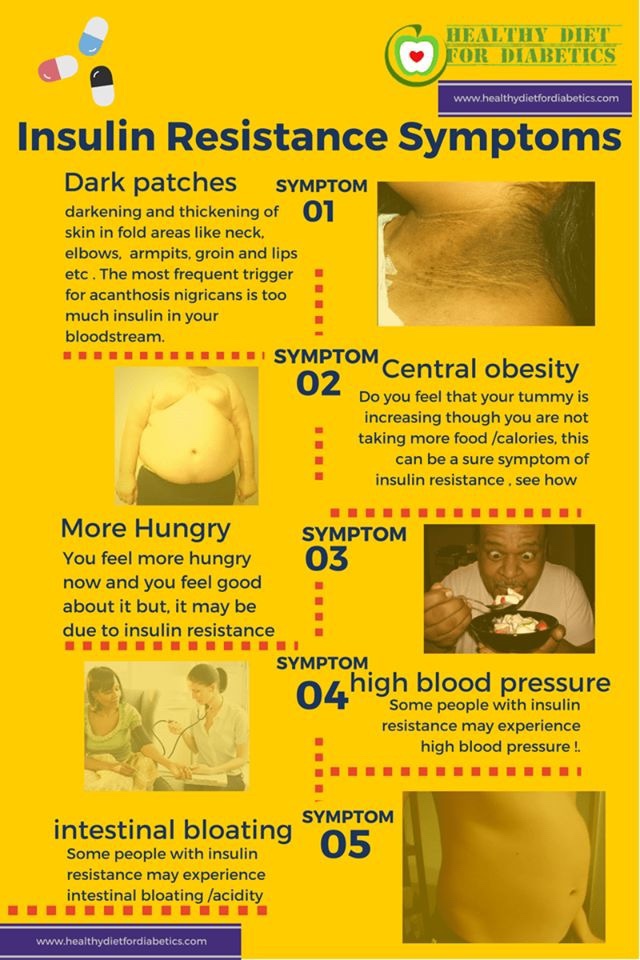
Insulin Resistance Symptoms