Arthritis Sufferer~ You May Not Know This

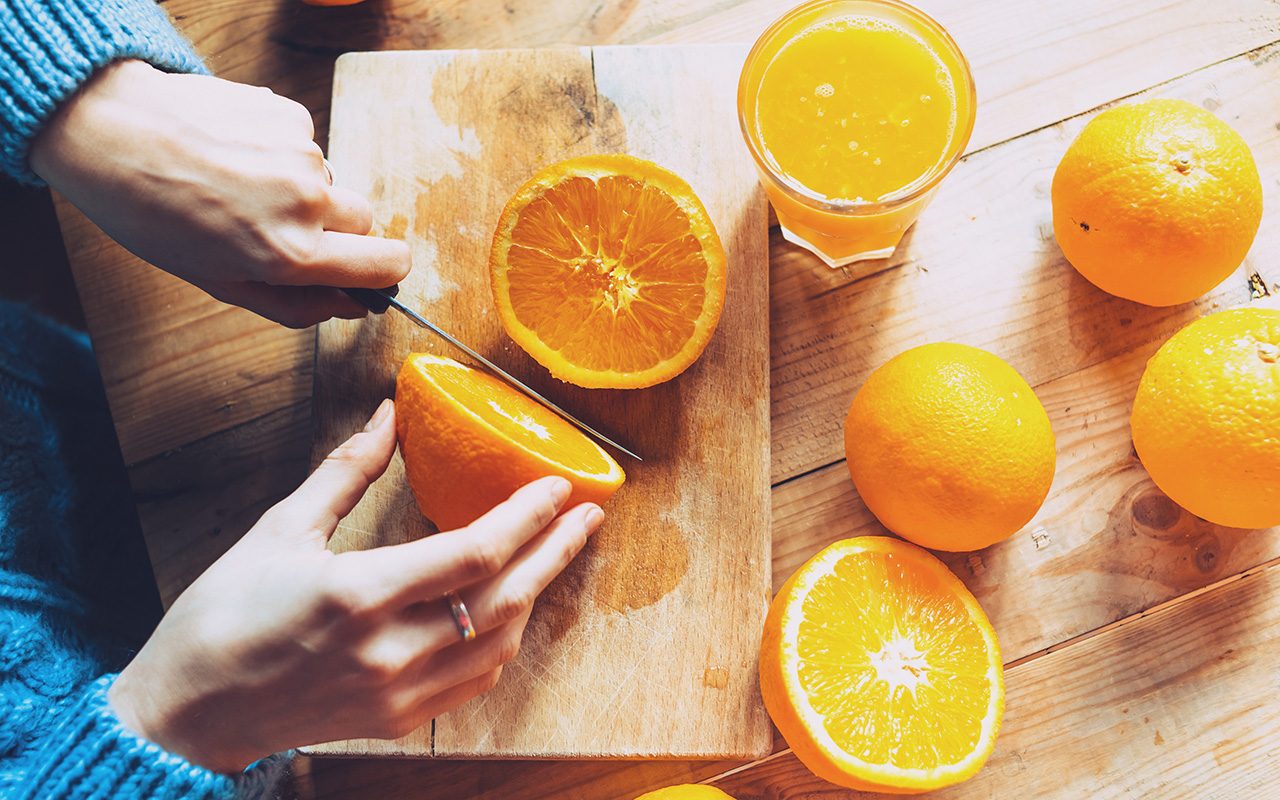
Person cutting to make juice from fresh oranges on wooden table
https://www.tasteofhome.com/article/vitamin-c-arthritis/

An apple a day keeps the doctor away. But what about oranges? Citrus fruits are loaded with the antioxidant vitamin C, which has been linked to an improved immune system, wound healing and even preventing arthritis. Perhaps your rheumatologist has recommended a vitamin C regimen every day.Unlike some other vitamins, our bodies can’t make vitamin C, so we need to obtain it from our diets. When we don’t get enough vitamin C, we can experience fatigue, slower healing and more infections. According to the Arthritis Foundation, taking vitamin C may help prevent inflammatory arthritis. Unfortunately, when it comes to vitamin C, you can definitely have too much of a good thing.

This is how the vitamin C arthritis-connection could be affecting you.

The Dangers of Too Much Vitamin C
In 2004, Duke researchers found that when patients with osteoarthritis consumed high amounts of vitamin C, they were more at risk for developing bone spurs and joint damage. This was due to a protein in the blood triggered by vitamin C. Because a vitamin C deficiency can put you at a higher risk of developing arthritis, it’s important to find the right balance.

How Much Is Too Much?
The Office of Dietary Supplements recommends 90 milligrams of vitamin C for men and 75 milligrams for women each day, and the Arthritis Foundation agrees. This amount fulfills your body’s need for the vitamin without overdoing it.

The Best Sources of Vitamin C
It’s best to skip the supplements and opt for real foods instead. Vitamin C supplements like Emergen-C contain significantly more vitamin C than the recommended daily amount, which could put you at risk for arthritis complications.

Start with fresh fruits and vegetables. Of course, citrus fruits are a great source of vitamin C but watch the milligrams. Eating one whole orange will deliver 97 milligrams of vitamin C!

For men, one heaping cup of fresh broccoli will take care of your daily vitamin C requirements. For women, a baked potato has enough daily vitamin C

Weight Loss Trick~#10

Eat more protein

In addition to fiber, protein is another important player in the weight loss game because it requires more energy to burn than carbs or fats and thus keeps you fuller longer. In fact, in a study in the journal Appetite, researchers from the University of Missouri compared the satiety effects of high-, moderate-, and low-protein yogurts on 24-28-year-old women, and found Greek yogurt, with the highest protein content, to have the greatest effect. For an added boost of protein and flavor, consider topping your Greek yogurt with some fresh berries and almonds and then pair with a hard-boiled egg. If you don’t like the tang of Greek yogurt, you can always opt for high-protein cottage cheese instead. For more helpful eating tips, take a look at The 25 Best High-Protein Snacks!

Weight Loss Trick~#9

 Replace simple carbs with high-fiber foods

Reducing your intake of added sugar is one of the most effective weight loss tricks, and you’ll increase your chances of obtaining that bikini body you’ve always wanted if you swap simple carbs for high-fiber foods. The best part? Your fiber can come from any natural foods and yield the same results. In a study at the University of South Carolina, subjects who ate an average of 16.6 grams of fiber per day were put on one of two diets that increased their fiber intake to an average of 28.4 grams a day. One group got their additional fiber primarily from beans, while the second got their fiber from fruits, vegetables, and whole grains. After four weeks, both groups had lost the same amount of weight—an average of three pounds each— and both groups reported less hunger and more satiety. This despite the fact that the subjects didn’t exercise or take any other steps toward weight loss other than to boost their fiber.

Weight Loss Trick~#8

Reduce your added sugar intake

Nearly all Registry participants reported that they modified their food intake in some way to lose weight, and a great place to start is by cutting your added sugar intake. The American Heart Association recommends no more than 100 calories per day from added sugars, or six teaspoons, for women, and 150 calories (nine teaspoons) for men, but most Americans are ingesting much more than that and it’s contributing to the rapid expansion of waistlines. The good news is, if you want to slim down and keep the weight off, all you need to do is reduce the amount of added sugar you eat and the pounds will disappear rapidly. Reducing your intake of calorie-dense sugar carbs automatically reduces the number of calories you’re consuming on a daily basis, which forces your body to burn fat stored around your midsection for energy, rather than the sugars it takes from carbohydrates.