Not Family Friendly Dogs ~ DYK

Chihuahua

Chihuahuas are cute. Many people are quick to assume that, because of their small size, they are also the best breeds for children. In reality, they are one of the very strong-willed and stubborn dog breeds. They are quite hard to train especially if they sense weakness in the human leadership shown. They also have the tendency to become aggressive and jealous of young children—all because of their sense to display their dominance over the younger members of the pack. Apparently, they see your kids as members of the pack.

Alaskan Malamute

The Alaskan Malamute was bred to survive the harsh and isolated environment of the tundra; thus, they are hardwired against being around playful children. They are also notorious for being difficult to train especially if the owner shows signs of weakness. As very firm pack leaders, they require socialization not only from other dogs but also from humans. They are known to attack smaller animals including children. Aside from potentially harming children, they also shed a lot and this is not good especially if—even just one—a member of the family suffers from asthma.

Rottweiler

Rottweilers can grow very large. They were first bred for their strength as they are used to pull small carts and herd livestock. Rottweilers are very courageous and loyal; thus, they have a tendency to act violently around strangers. Their strong personality can be controlled with proper training and it is fairly important to show strong leadership all the while. This is the reason why Rottweilers are perfect as guard and police dogs. While strong, they do love to play around. So much so that they sometimes mistake play for something real thus they have a propensity to go on full attack mode.

Bullmastiff

Bullmastiffs can grow very large and they don’t seem to be aware of their size. This can cause a potential problem especially if you have small children because this dog can easily knock your child down when they start running. They are also more aggressive than other breeds of dogs but their aggression can be trained as long as you show strong leadership. However, you need to train them early because they are difficult to train later in life. They look up to their human as the leader of the pack, so you should avoid showing signs of weakness.

Saint Bernard

The Saint Bernard breed is quite infamous thanks to the movie Beethoven. These dogs are very adorable and can be trained, albeit harder due to their very playful nature. They can be trained to behave well around small children. While they look lovable, the main problem with these dogs is their enormous built and size. They have the tendency to unwillingly hurt small children by knocking them over. The thing is, the playful nature and the size of a Saint Bernard make them difficult dogs for families with very small kids.

Weimaraner

Originally a hunting dog, the Weimaraner is full of energy that they need to expind, daily. They love to run around thus they have a tendency to knock children over if they are in the way. They easily get bored and their hunting instincts make them excited when they are in the presence of small creatures, and that includes your kids. But aside from their easily excitable nature, the Weimaraner is also very needy in terms of physical activities and exercise. Their elevated energy, size, and physical needs can often lead to the dog unwillingly injuring young tots.

Australian Shepherd

An energetic and courageous dog breed, the Australian Shepherd was bred as disaster rescue dogs and watchdogs. This dog breed requires frequent physical activities as they are bursting with energy. They need to have their daily walks otherwise they develop behavioral problems. This daily need can be too onerous for families who have young children. Perhaps another reason why this dog breed is not family-friendly is that they are uneasy when meeting new people for the first time. Moreover, they often have the tendency to mistake children as part of their pack, thus they become aggressive towards children’s transgressions.

Siberian Husky

Siberian Huskies are a strong breed of dogs and they are popular for their inexhaustible energy. They were bred to pull sleds in the snow and their instincts tell them that they take no interest in protecting the family and guarding homes. They also require a lot of care and if you have to take care of both huskies and children, it will be too taxing for you as these huskies can compete with small children for attention. Although it has a strong personality, a Siberian Husky can be trained so that it becomes an extremely loving pet—IF you have the patience.

Affenpinscher

The Affenpinscher is a mischievous dog breed and they are known to monkey around. They are also inquisitive and stubborn by nature. They are amusing to watch and have around, but if you have small children in the house, then they can be a problem. How? Since they are small, children often think that they are toys, thus the tendency to mishandle them. Although the Affenpinscher can tolerate children’s rough playing, they sometimes defend themselves especially if they don’t feel comfortable. They can be trained. However, you need to show leadership as they can be disobedient the moment you show signs of weakness.

Continue reading Not Family Friendly Dogs ~ DYK

Extraordinary!

https://hubpages.com/animals/25-Most-Amazing-and-Unique-Animals-On-Earth

Walking Leaf (or Leaf Insect)

Also from the family Phyliidae, the walking leaf, or leaf insect, is native to South Asia and Australia. Its amazing natural camouflage makes it virtually invisible in wooded areas, which not only protects them from predators but also lets their prey come to them.

Similarly to mantises and stick bugs, the leaf insect has a tendency to sway back and forth to mimic a real leaf blowing in the wind. Some sources state that these insects may have been in existence 47 million years ago.


    Weird Animals!

    Odd Amphibians Around the World -Glass Frog
    https://greenglobaltravel.com/weird-animals-around-the-world/

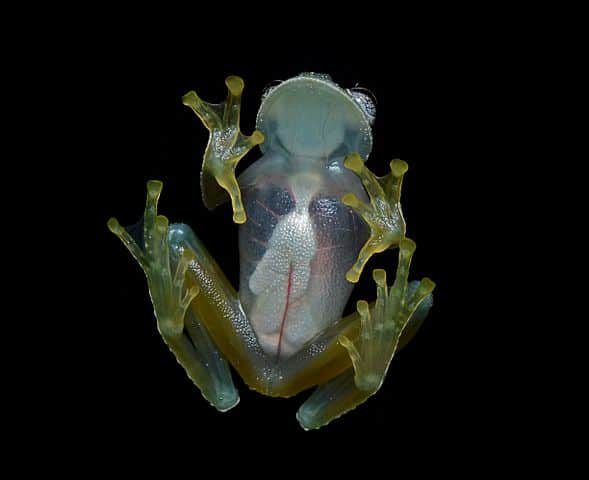
    Glass Frogs

    Commonly known as Glass Frogs, members of the amphibian family Centrolenidae all share a similar small size and lime green background colors.

    What makes them strange animals is the fact that certain species have translucent abdominal skin that allows you to see their insides, including heart, liver, gastrointestinal tract, and (in the case of females) eggs!

    Unusual Friends~Animals

    Slide 5 of 26: A baby monkey, a lion cub and tiger cubs play at the Guaipo Manchurian Tiger Park in Shenyang, Liaoning Province, May 1, 2013. REUTERS/Stringer

    A baby monkey, a lion cub, and tiger cubs play at the Guaipo Manchurian Tiger Park in Shenyang, Liaoning Province, China May 1, 2013. REUTERS/Stringer

    Slide 17 of 26: A mouse rides on the back of a frog in floodwaters in the northern Indian city Lucknow June 30, 2006. REUTERS/Pawan Kumar

    A mouse rides on the back of a frog in floodwaters in the northern Indian city Lucknow June 30, 2006. REUTERS/Pawan Kumar

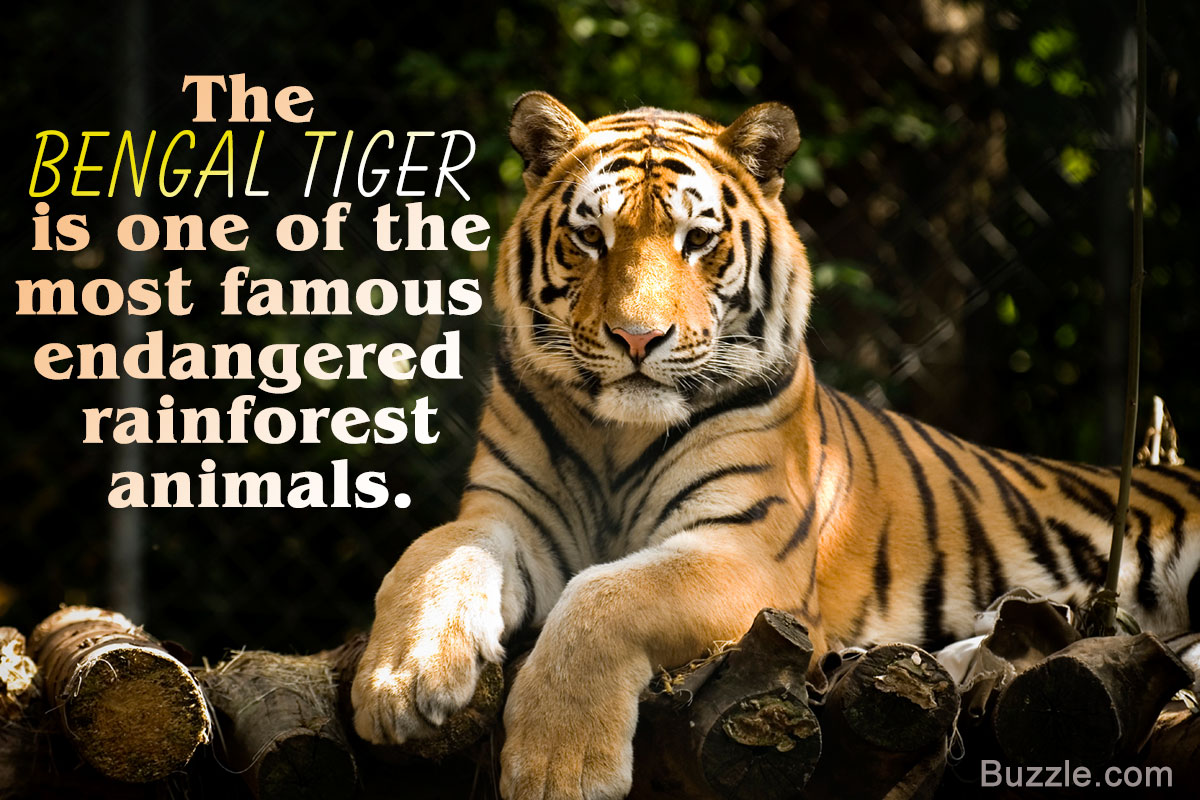
    Slide 26 of 26: A Bengal tiger and cougar cubs sit with a German shepherd at a veterinarian's house in Sydney, Australia April 2, 2001. REUTERS/David Gray

    A Bengal tiger and cougar cubs sit with a German shepherd at a veterinarian’s house in Sydney, Australia April 2, 2001. REUTERS/David Gray

    Snow Leopard~July 27th, 2017

    1_20292672_10155605929792708_6373236653220527571_n

    https://www.zooborns.com/zooborns/2017/07/sweet-snow-leopard-cub-born-at-woodland-park-zoo.html

    On July 6, a 12-year-old Snow Leopard named Helen gave birth to a male cub at Woodland Park Zoo.

    The new cub is the first offspring for mom and her 12-year-old mate, Dhirin (pronounced as dir-in). Helen has given birth to two previous litters, with a different mate.

    The mom and cub are currently in an off-view maternity den, to allow bonding and proper nursing, in a quieter setting. Zoo staff has been monitoring the mother and cub through a closed-circuit system to watch for normal behaviors.

    The Zoo anticipates putting the cub and mom in the outdoor exhibit in late September. Woodland Park Zoo will be providing updates about the cub and will host a public naming via their blog and Facebook page.

    As part of the exemplary animal care and health program for the Zoo’s thousand-plus animals, animal health staff performed a neonatal exam on July 20, the first time the newborn cub was handled. At that time, the cub weighed 2.6 pounds.

    “Our overall assessment is the cub appears to be healthy. His eyelids are beginning to open—one eye is already open and one remains closed—the eyelids normally open around two weeks. His belly was full of milk, which means the cub is nursing and being nourished,” said Dr. Darin Collins, Woodland Park Zoo’s director of animal health.

    Veterinarians will perform health check-ups every couple of weeks for weight monitoring, vaccinations, and critical blood and fecal sampling.

    “Helen’s track record of providing excellent maternal skills to her past cubs continues with this cub. She’s nurturing her cub very well, they’re bonding and the cub appears to be progressing normally,” said Deanna DeBo, an animal collection manager at Woodland Park Zoo.

    On July 6, a 12-year-old Snow Leopard named Helen gave birth to a male cub at Woodland Park Zoo.

    The new cub is the first offspring for mom and her 12-year-old mate, Dhirin (pronounced as dir-in). Helen has given birth to two previous litters, with a different mate.

    The mom and cub are currently in an off-view maternity den, to allow bonding and proper nursing, in a quieter setting. Zoo staff has been monitoring the mother and cub through a closed-circuit system to watch for normal behaviors.

    The Zoo anticipates putting the cub and mom in the outdoor exhibit in late September. Woodland Park Zoo will be providing updates about the cub and will host a public naming via their blog and Facebook page.

    As part of the exemplary animal care and health program for the Zoo’s thousand-plus animals, animal health staff performed a neonatal exam on July 20, the first time the newborn cub was handled. At that time, the cub weighed 2.6 pounds.

    “Our overall assessment is the cub appears to be healthy. His eyelids are beginning to open—one eye is already open and one remains closed—the eyelids normally open around two weeks. His belly was full of milk, which means the cub is nursing and being nourished,” said Dr. Darin Collins, Woodland Park Zoo’s director of animal health.

    Veterinarians will perform health check-ups every couple of weeks for weight monitoring, vaccinations, and critical blood and fecal sampling.

    “Helen’s track record of providing excellent maternal skills to her past cubs continues with this cub. She’s nurturing her cub very well, they’re bonding and the cub appears to be progressing normally,” said Deanna DeBo, an animal collection manager at Woodland Park Zoo.

    Endangered Animals~List

    The scary thought for me, is that in my own lifetime I will have seen the last of some of these species and creatures. To think that my children and my grandchildren will not see them as well is sad.

    I hope that people become aware of the danger of losing these animals, forever.

    That is something to think about!!!!!!

    See the source image

    See the source image
    See the source image
    See the source image
    See the source image
    See the source image
    See the source image

    https://www.bing.com/images/search?q=Most+Endangered+Animal&FORM=IDINTS

    Animal, Did You Know?

    Nudibranch

    OVERVIEW

    A blob the size of a teacup slinks along the ocean floor in the shallow waters off of Australia. It’s a type of sea slug called the nudibranch (NEW-dih-bronk), a slime-oozing creature with a boneless body. Many of them also sport brilliant colors and eye-catching patterns on their skin. In fact this sticky slug is often considered one of the most beautiful animals in the world.

    IN THE MOOD FOR FOOD

    Over 3,000 species of nudibranchs exist, and most live in shallow, tropical waters. They can be anywhere from a quarter of an inch to 12 inches long and can weigh up to 3.3 pounds. These sea slugs spend their time sliding on their bellies around their habitat in search of snacks. The animals have a set of curved teeth, which they use to eat coral, sponges, and fish eggs off the ocean floor. Nudibranchs use tentacles on their heads to poke around for grub.

    TRUE COLORS

    The nudibranch’s meals don’t just satisfy its hunger—the food also gives the animal its coloring. When the sea slug eats, it absorbs and displays its prey’s pigment—the substance that gives the prey its color. Some nudibranchs also absorb toxins from certain prey and secrete the poison from their own skin. This allows them to fend off enemies such as fish. So the nudibranch is stunning, resourceful, and it recycles? This slug sounds far from sluggish!

    Text by Andrea Silen / NGS Staff

    https://kids.nationalgeographic.com/animals/nudibranch/#nudibranch_white.png