Marbled Easter Eggs

How to Make Marbled Easter Eggs with Oil

Supplies Needed

  • Glass bowls
  • Measuring cup
  • Measuring spoons
  • Hot water
  • White vinegar
  • Food coloring
  • Spoon
  • Hard-boiled eggs
  • Paper towels
  • Warm water
  • Vegetable oil

Step-by-Step Directions

We’ll show you how to color Easter eggs step-by-step using just a few inexpensive pantry staples. You should be able to make one dozen easy marbled Easter eggs in less than an hour. 

adding drops of food coloring to small bowl

Step 1: Create First Dye Color 

In a glass bowl mix one cup of hot water, one teaspoon of white vinegar, and 5-10 drops of food coloring. The dye in this bowl will be the base color of your egg, so we recommend using a lighter shade of dye. Use a spoon to place a hard-boiled egg into each bowl, making sure the egg is completely submerged in the liquid. Let the egg sit in the dye for just one minute—this ensures you’ll have a shade light enough to show the marbleized pattern. Remove and place the colored egg on a paper towel to dry. The dyed Easter eggs will need to be completely dry before you dip them again.

adding corn syrup to dyed water solution

Step 2: Prepare Oil Mixture

While the dyed eggs dry, prepare the oil mixture that will give your eggs a marbled look. Since the oil mixture adds a second color to the dyed egg, it will need to be quite a bit more saturated. In a new bowl mix approximately 20 drops of food coloring with one cup of warm water. Add one tablespoon of vegetable oil and use a spoon to gently mix. 

pushing egg through corn syrup solution

Step 3: Create Marbled Easter Eggs

When the eggs are dry, use a spoon to add one colored egg to the vegetable oil mix. Gently roll the egg around in the dye bath and remove it when you notice a marbleized Easter egg effect. Keep in mind that if you leave the egg in the mixture too long, it will turn a solid color.

pastel swirled egg and paper towel

Step 4: Dry and Display 

After removing the egg, lightly blot excess water and oil from the egg using a paper towel and let dry completely before displaying. For a touch of shine, rub the marble looking Easter eggs with oil. Try varying the color combinations and oil swirls to create a pretty display of dyed Easter eggs.
How To Make Faux Stained Glass

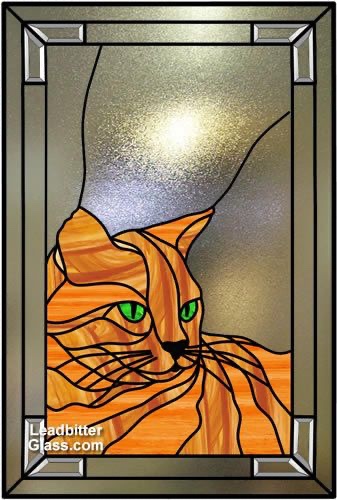
This pretty stained glass window is really crumpled cellophane sandwiched between two frames. And the “leading” is puff paint!

Stained Glass Window

Materials
2 Wooden Picture Frames, 12”x12”
Krylon Brown Hammered Finish Spray Paint
Cellophane in Magenta, Green, Turquoise, Blue, Yellow, and Purple
Mod Podge
1 fl.oz. 3D Fabric Paint, Charcoal Grey (Scribbles by IloveToCreate)
2 Eye Hooks, Gunmetal
Clear silicone waterproof sealant
Chain, Gunmetal
Pliers

Steps
1. Paint one frame gun metal. Screw in hook eyes. Use pliers to open and close chain link to attach to hook eyes.

2. Print the pattern so it fits the glass in your frame. Lay one piece of glass on top of pattern. Cut cellophane pieces to fit pattern. Glue onto glass with ModPodge.

3. Lay second piece of glass on pattern. Trace black lines with 3D Fabric Paint. Let dry for 24 hours.

4. Apply a bead of clear silicone inside the frame then insert the painted glass (paint-side facing front) into frame. Insert cellophane glass cellophane-side facing front behind first piece of glass. Apply a bead of clear silicone all the way around the frame at the edge of the glass. Let cure 24 hours. (Optional: when silicone is cured, cover silicone with a line of 3D paint and let dry.) Hang in a window.

Pattern (Print so pattern fits glass in frame)

Stained Glass Pattern

Tips:
Clean both sides of glass with glass cleaner before you start and spot clean any finger prints before you finish framing.

We love getting pinned!

This pretty faux stained glass window is really crumpled cellophane sandwiched between two frames. And the leading is puff paint!
WoWo Logo

Wall Of All! Upcycle

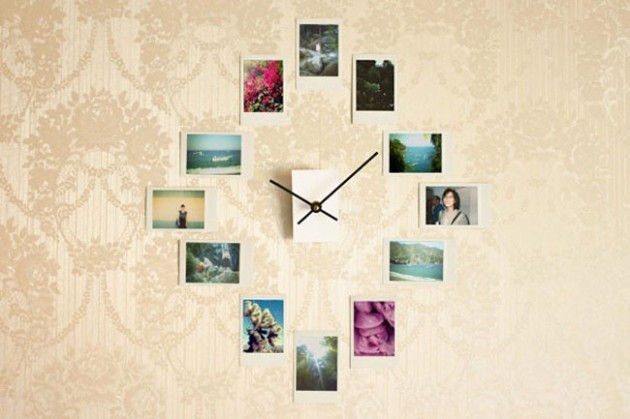
DIY Wall clock from your Instagram photos

The Coolest 34 DIY Projects You Need To Make This Spring

Source

Make Your Own Face Mask Tutorial Video Link Share

www.facebook.com/1533333809/posts/10221766738787703/

Make It Yourself

The Coolest 34 DIY Projects You Need To Make This Spring
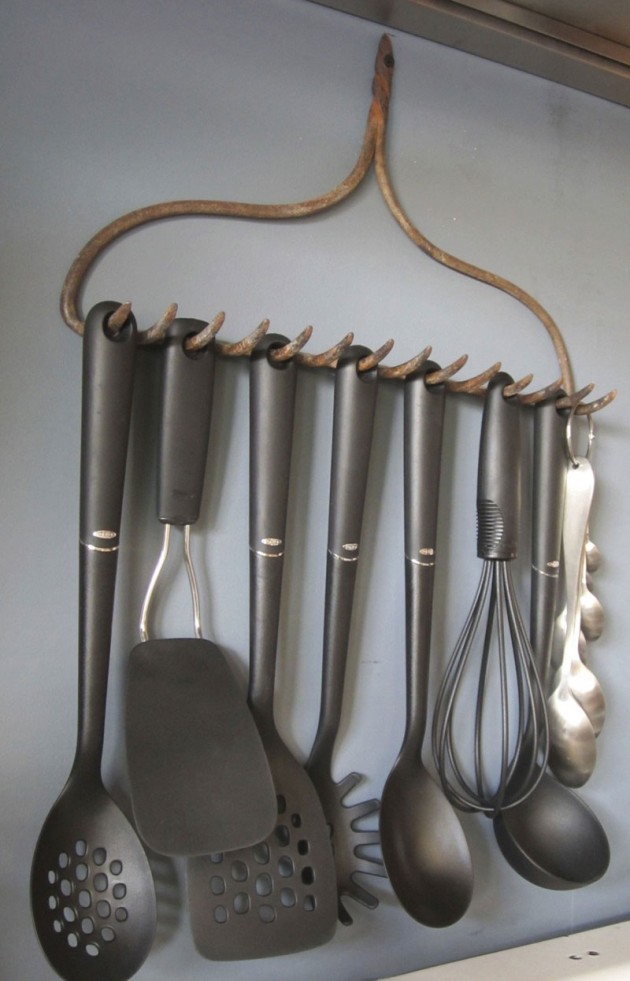
Vintage Kitchen Accessories Holder

Make It Yourself

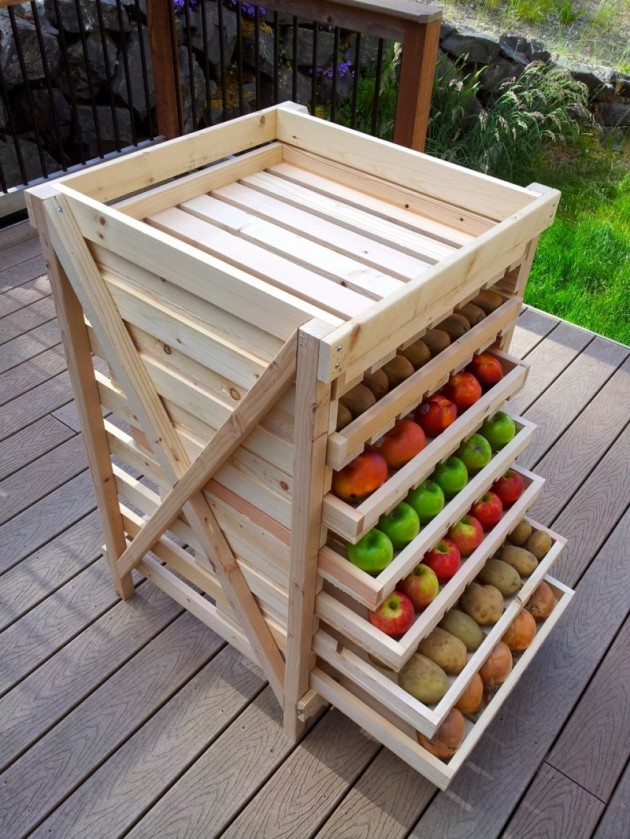
DIY Food Storage Shelf

The Coolest 34 DIY Projects You Need To Make This Spring

Source

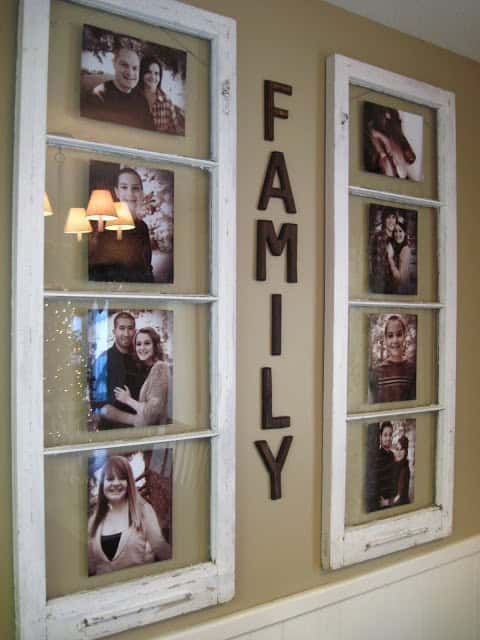
Old Windows Hold Memories Too! Upcycle

Use old windows to display family photos

The Coolest 34 DIY Projects You Need To Make This Spring

Source

Make your Own Soap Paper

Version:1.0 StartHTML:000000216 EndHTML:000286767 StartFragment:000235000 EndFragment:000286664 StartSelection:000235026 EndSelection:000286602 SourceURL:https://www.ehow.com/how_6133091_make-paper-soap.html How to Make Paper Soap | eHow

How to Make Paper Soap

Irene A. Blake | updated on August 30, 2017

About the Author:

Irene A. Blake

Based in Southern Pennsylvania, Irene A. Blake has been writing on a wide range of topics for over a decade. Her work has appeared in projects by The National Network for Artist Placement, the-phone-book Limited and GateHouse Media. She holds a Bachelor of Arts in English from Shippensburg University.

Many people use paper soap—paper-thin soap sheets—as an alternative to bar and/or liquid soap. Paper soap is not only easy to carry, store and use (especially for travel), but quickly dissolves in water without leaving behind residual soap scum in a soap dish or on a sink as typically seen with wet soap bars or dripping soap dispensers. Although you can find several paper soap products in stores or online, you can easily make your own paper soap at home with the use your favorite soap brands and a few kitchen items.

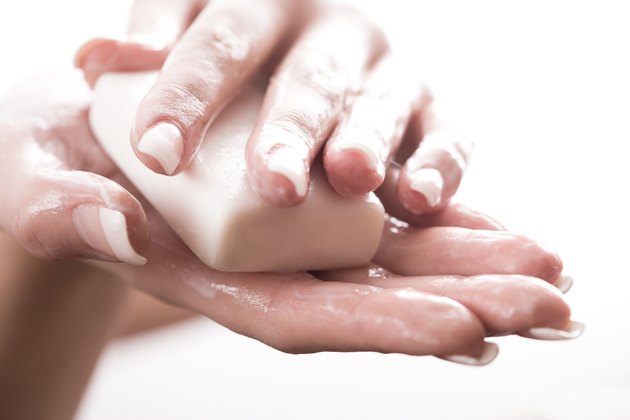
Woman washing hands with bar of soap

(Image: Jupiterimages/Photos.com/Getty Images)

Things You’ll Need

  • Soap bar
  • Wire cheese slicer
  • Cutting board
  • Wax paper
  • Brownie or cake bake pans
  • Knife
  • Glass bowl
  • Pan
  • Water
  • Oven
  • Straight-edged scissors
  • Speed peeler (optional)
  • Decorative scissors (optional)

Slicing Method

Step 1

Lift the handle of the wire slicer.

Step 2

Place your soap bar on the cutting board and then align it under the wire as you would a block of cheese.

Step 3

Pull the handle down and slice through the end of the soap bar. Set the first paper-thin soap sheet aside and then repeat as needed to make additional sheets of paper soap.

Pouring Method

Step 1

Line your pans with wax paper.

Step 2

Cut your soap bar into 1/2-inch blocks and place the blocks in a large glass bowl.

Step 3

Create a double boiler and then melt the soap. Fill a small pot with water and place it on a burner. Put the glass bowl on top of the pot so that it sits on the rim of the mouth of the pot, turn on the burner and then wait for the generated steam to melt the soap.

Step 4

Pour the melted soap into your brownie or cake pans to coat the wax sheets with a paper-thin film about 1/2 mm thick.

Step 5

Wait for the soap to cool. Peel the soap carefully from the wax paper and cut it into palm-sized (or smaller) sheets using straight-edged scissors to make a stack of paper soap.

Tip

If you don’t mind having irregularly shaped paper soap sheets, cut paper-thin sheets from a soap bar using a handheld speed peeler.

If you want to make paper soap with special edges, cut the soap using the decorative scissors or “decorative paper edgers” typically used in paper crafts such as scrapbooking.