Liver Disease?~ Signs

Liver disease

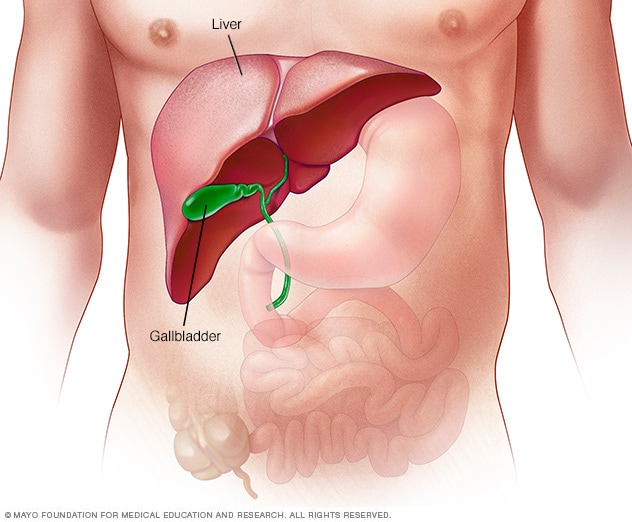
The liver is an organ about the size of a football that sits just under your rib cage on the right side of your abdomen. The liver is essential for digesting food and ridding your body of toxic substances.

Liver disease can be inherited (genetic) or caused by a variety of factors that damage the liver, such as viruses and alcohol use. Obesity is also associated with liver damage.

Over time, damage to the liver results in scarring (cirrhosis), which can lead to liver failure, a life-threatening condition.

Symptoms

  • The liver

Signs and symptoms of liver disease include:

  • Skin and eyes that appear yellowish (jaundice)
  • Abdominal pain and swelling
  • Swelling in the legs and ankles
  • Itchy skin
  • Dark urine color
  • Pale stool color, or bloody or tar-colored stool
  • Chronic fatigue
  • Nausea or vomiting
  • Loss of appetite
  • Tendency to bruise easily

When to see a doctor

Make an appointment with your doctor if you have any persistent signs or symptoms that worry you. Seek immediate medical attention if you have abdominal pain that is so severe that you can’t stay still.

Causes

Liver disease has many causes.

Infection

Parasites and viruses can infect the liver, causing inflammation that reduces liver function. The viruses that cause liver damage can be spread through blood or semen, contaminated food or water, or close contact with a person who is infected. The most common types of liver infection are hepatitis viruses, including:

  • Hepatitis A
  • Hepatitis B
  • Hepatitis C

Immune system abnormality

Diseases in which your immune system attacks certain parts of your body (autoimmune) can affect your liver. Examples of autoimmune liver diseases include:

  • Autoimmune hepatitis
  • Primary biliary cirrhosis
  • Primary sclerosing cholangitis

Genetics

An abnormal gene inherited from one or both of your parents can cause various substances to build up in your liver, resulting in liver damage. Genetic liver diseases include:

  • Hemochromatosis
  • Hyperoxaluria and oxalosis
  • Wilson’s disease
  • Alpha-1 antitrypsin deficiency

Cancer and other growths

Examples include:

  • Liver cancer
  • Bile duct cancer
  • Liver adenoma

Other

Additional, common causes of liver disease include:

  • Chronic alcohol abuse
  • Fat accumulating in the liver (nonalcoholic fatty liver disease)

Risk factors

Factors that may increase your risk of liver disease include:

  • Heavy alcohol use
  • Injecting drugs using shared needles
  • Tattoos or body piercings
  • Blood transfusion before 1992
  • Exposure to other people’s blood and body fluids
  • Unprotected sex
  • Exposure to certain chemicals or toxins
  • Diabetes
  • Obesity

Complications

Complications of liver disease vary, depending on the cause of your liver problems. Untreated liver disease may progress to liver failure, a life-threatening condition.

Prevention

To prevent liver disease:

  • Drink alcohol in moderation. For healthy adults, that means up to one drink a day for women and up to two drinks a day for men. Heavy or high-risk drinking is defined as more than eight drinks a week for women and more than 15 drinks a week for men.
  • Avoid risky behavior. Get help if you use illicit intravenous drugs, and don’t share needles used to inject drugs. Use a condom during sex. If you choose to have tattoos or body piercings, be picky about cleanliness and safety when selecting a shop.
  • Get vaccinated. If you’re at increased risk of contracting hepatitis or if you’ve already been infected with any form of the hepatitis virus, talk to your doctor about getting the hepatitis A and hepatitis B vaccines.
  • Use medications wisely. Take prescription and nonprescription drugs only when needed and only in recommended doses. Don’t mix medications and alcohol. Talk to your doctor before mixing herbal supplements or prescription or nonprescription drugs.
  • Avoid contact with other people’s blood and body fluids. Hepatitis viruses can be spread by accidental needle sticks or improper cleanup of blood or body fluids.
  • Take care with aerosol sprays. Make sure the room is ventilated, and wear a mask when spraying insecticides, fungicides, paint and other toxic chemicals. Always follow the manufacturer’s instructions.
  • Protect your skin. When using insecticides and other toxic chemicals, wear gloves, long sleeves, a hat and a mask.
  • Maintain a healthy weight. Obesity can cause nonalcoholic fatty liver disease.
Fatty Liver? Information Share

Mobirise

Are Thick Layers Of Fat Clogging Your Liver?

From Health Hacks Publishing:
  • Is losing weight hard for you even when you eat reasonably well?
  • Are you tired even when you get enough sleep?
  • Is it hard for you to focus
  • Does depression creep into your life even when things are going pretty good?

Many people think their sluggish metabolism, lack of energy, trouble staying focused, and lack of joy are “part of getting old.”

Rubbish!
If you’re in your 30s, 40s, 50s, and even older you should not feel horrible all the time.
 
As you’re about to discover your liver can be secretly causing these problems…
 

The Silent Liver Disease

Mobirise

The medical community calls Fatty Liver Disease a silent epidemic.

Harvard Medical School says up to 20% of Americans have a fatty liver.

Most of the time Fatty Liver Disease goes undiagnosed because the symptoms mimic health issues many folks blame on exiting their teens and entering into adulthood.

You know what we mean, when people say things like “I don’t have the energy I had back in high school.” 

What causes a fatty liver?

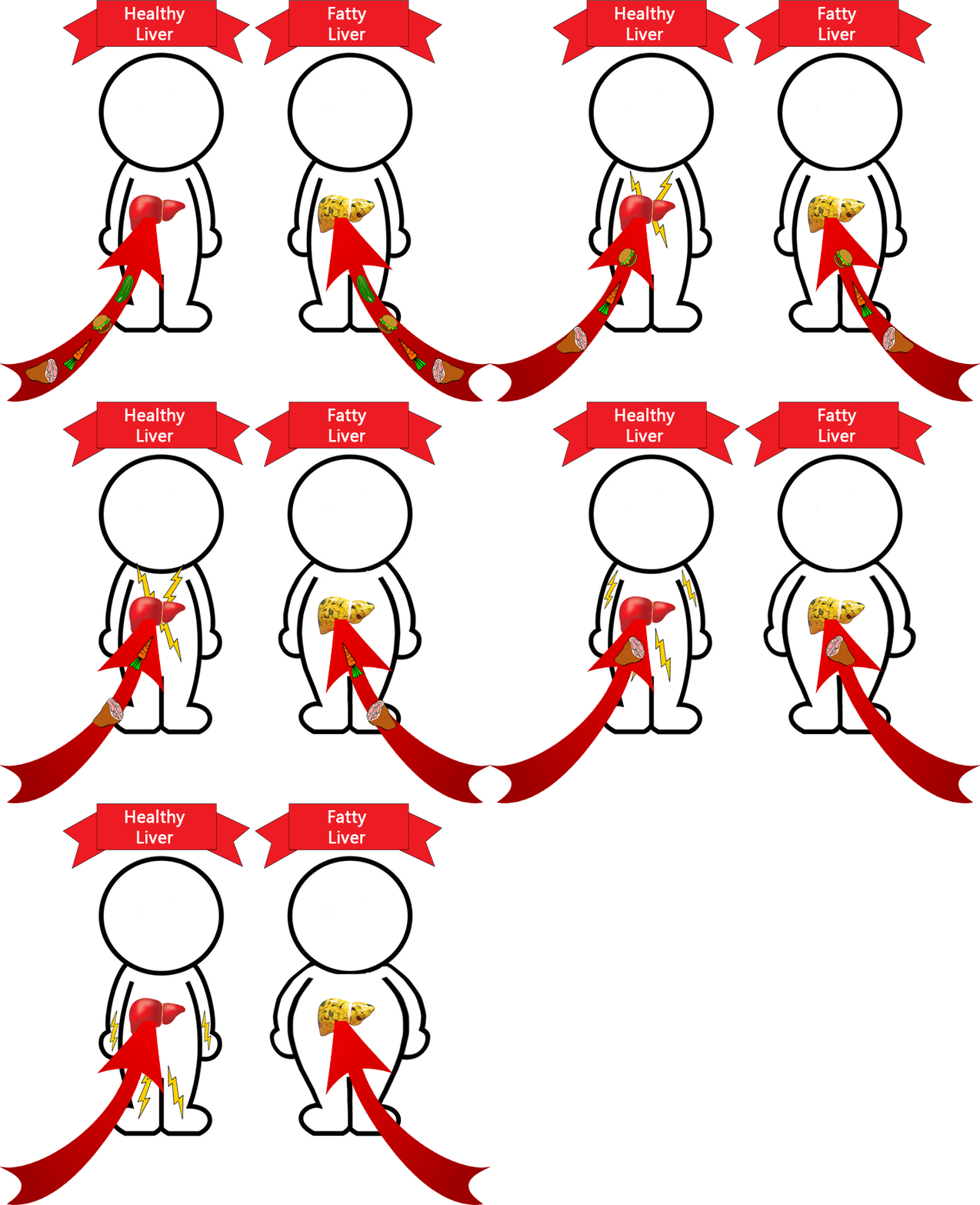
A fatty liver is typically caused by drinking alcohol or a poor “Western diet” that we’ve been conditioned to eat.

What happens when fat begins to invade your liver?

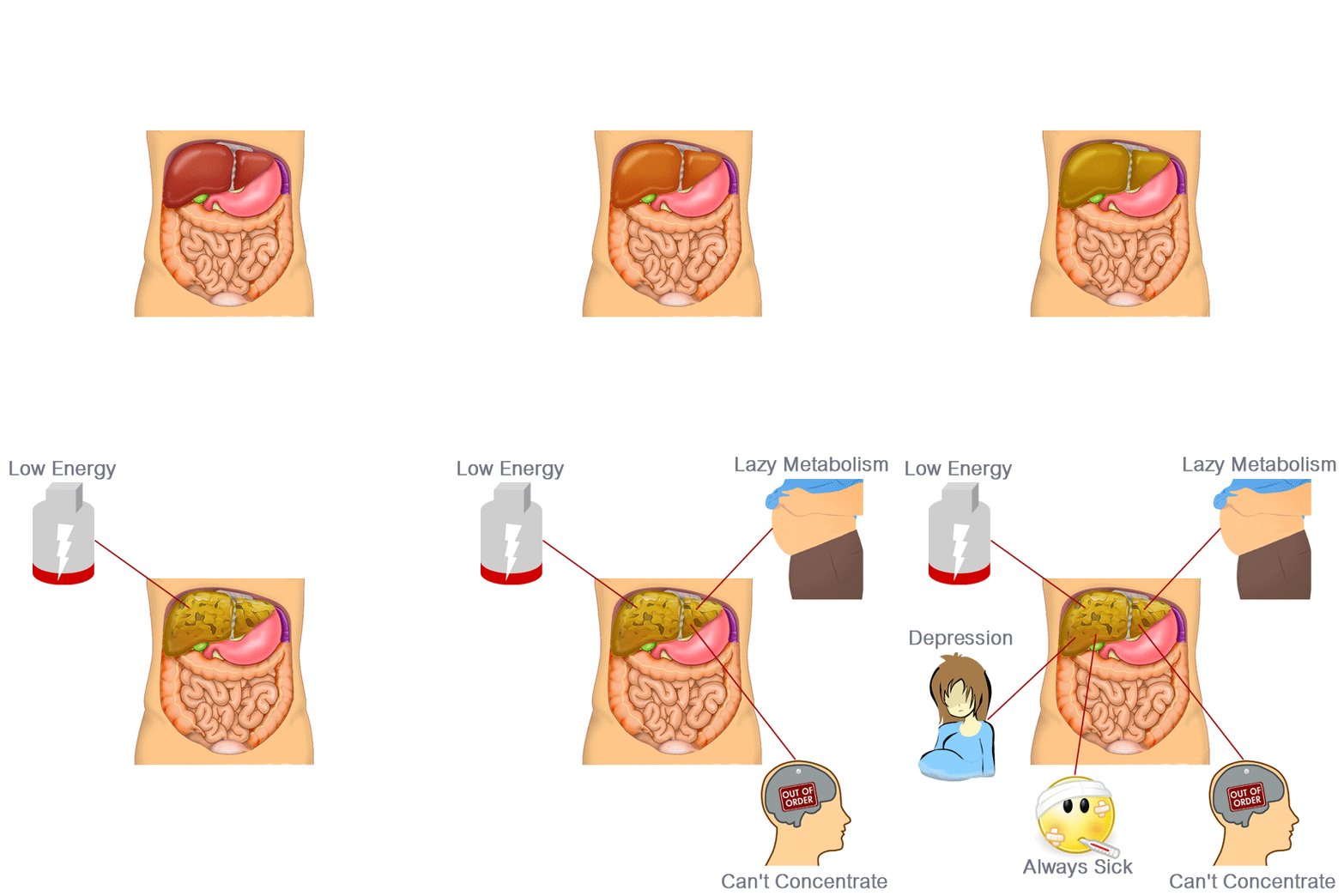
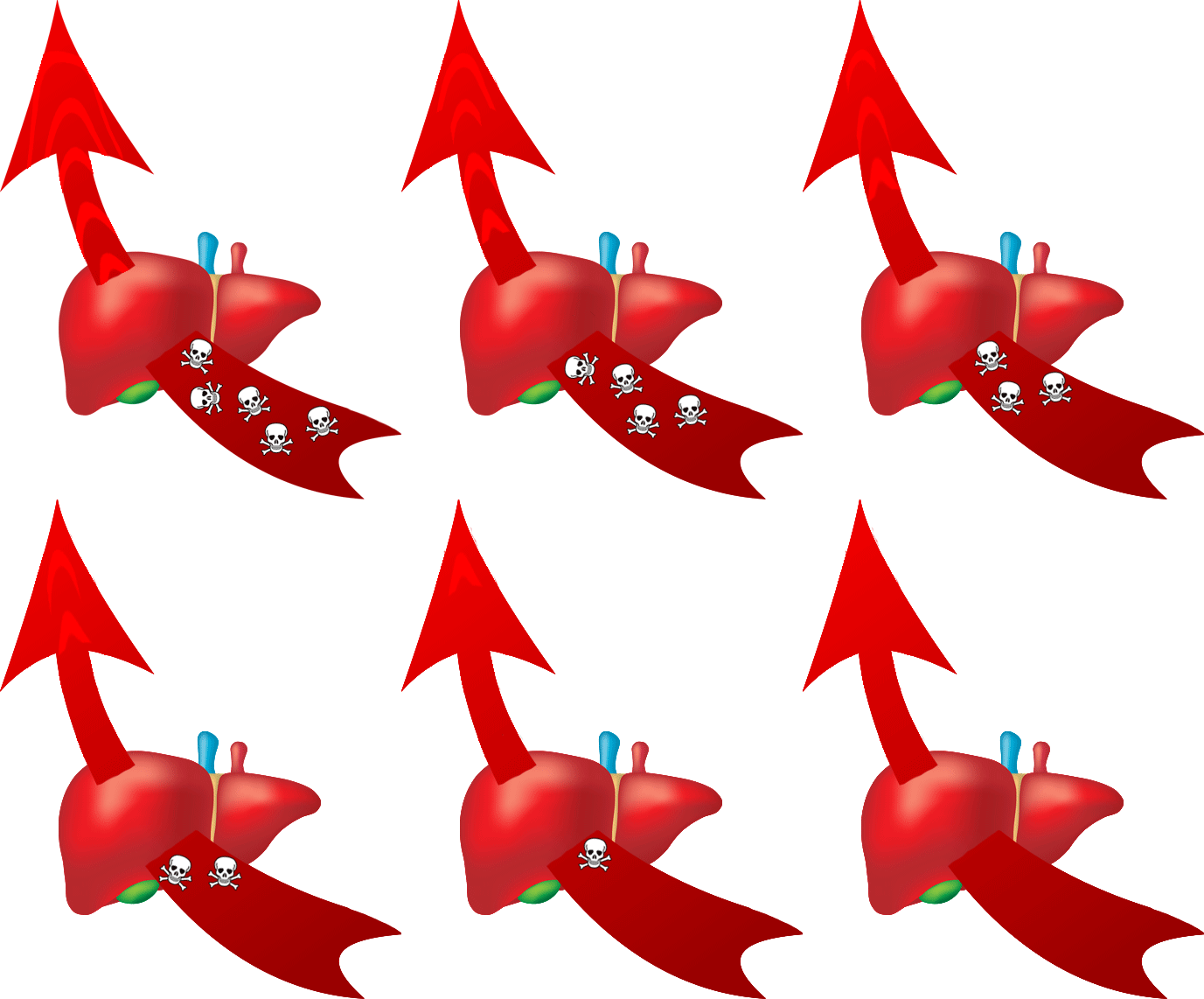
As fat begins to overtake your liver this vital organ is no longer able to perform its job of detoxifying your blood and regulating your metabolism.

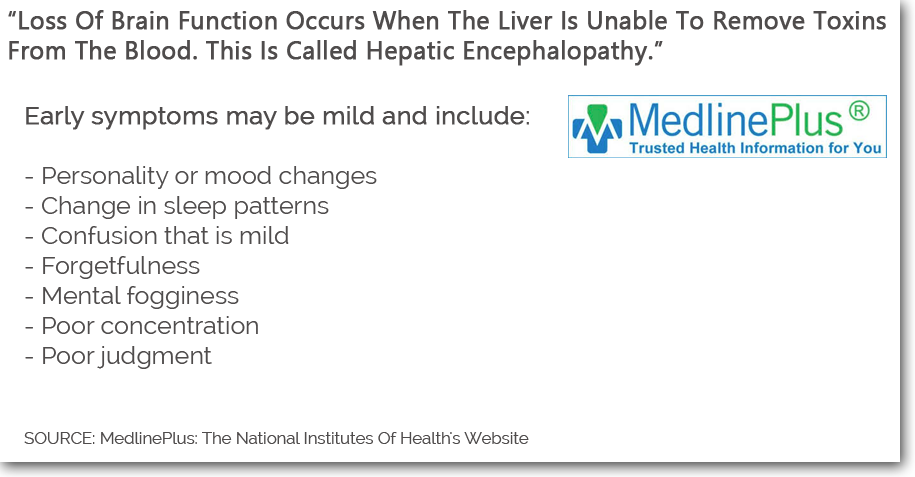
Toxic waste that should be broken down by the liver floods your body. It can enter the brain and cause a disease called “Hepatic Encephalopathy” which can affect your mood and ability to concentrate.

Mobirise

A Sick Liver Can Make Body Fat Stick To You Like Glue

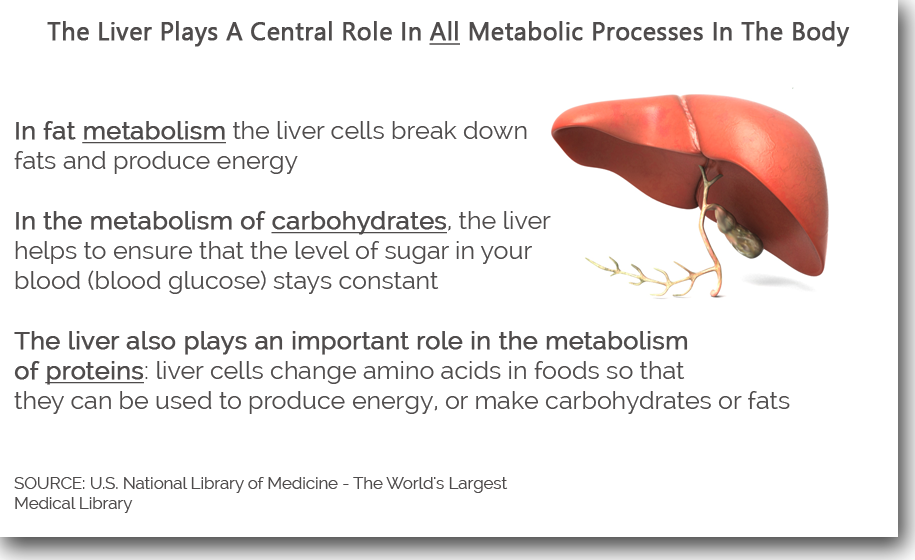
One of your liver’s primary functions turning food into energy.

When fat deposits start to build up in your liver it struggles to perform like it should and the food you eat starts getting stored as fat instead of turned into energy.

Mobirise

Is The Money You Spend On Health Food Going To Waste?

If the food you’re eating isn’t properly metabolized by your liver it doesn’t matter how “clean” or healthy you eat – you’ll always feel burned out.

If you’re dropping a fortune on grass-fed meat and organic fruits and veggies and not feeling a difference, it could be a sign you need to give your liver some care.

For You Sugar Bugs: Healing Your Liver Can Shut Down Sugar Cravings

Mobirise

Do you have sugar cravings that gnaw away at you until you’re forced to give in to sweet temptation?

Even tiny sugar cravings can sabotage your diet. Ravenous sugar cravings can literally be a death sentence.

Good news… Researchers have discovered something residing in your liver that has the ability to shut down sugar cravings.

It’s a hormone called fibroblast growth factor 21 or “FGF21” for short.

FGF21 tells the brain to cut off sugar cravings. With a simple signal from this magical hormone your body instantly says “no more sugar”

This is a big deal…

For the first time a single process has been discovered in the liver that stops sugar cravings.

As Matthew Potthoff, an assistant professor of pharmacology at the University of Iowa puts it, FGF21 “shuts off that reward pathway.”

Wouldn’t it be nice to have a healthy liver sending out the FGF21 hormone and shutting down your sugar cravings?

This is one of the ways nursing your liver back to health helps you automatically lose weight and protects you against diabetes without willpower.

Smooth, Clean Energy Bursting From Every Cell In Your Body

The artificial boost of energy you get from stimulants like coffee creates a nervous rush.

It also triggers the release of a stress hormone called cortisol that can cause anxiety.

Mobirise

Using stimulants for energy is like plugging your nervous system into an electrical socket and shocking your body to keep it alert.

It might do the trick, but at what cost to your long-term health?

Wouldn’t it be better to heal your liver so that your body becomes better at producing its own energy?

When you get rid of the built up fat that’s stopping your liver from doing its job your metabolism will function like it should and supply your body an abundance of fresh energy.

Natural energy generated by your body is smooth not jittery.

It keeps you focused not nervous.

It gives you the ability to power your body and mind without burning you out the way stimulants do.

Is it starting to make sense how fixing your fatty liver can speed up your metabolism and help you turn food into energy?

Your Liver Is A Guardian

Your liver is a heroic organ.

It stands between everything in our toxic world that we eat, drink, and breathe and the rest of our body.

It even breaks down and removes metabolic waste created inside your body.

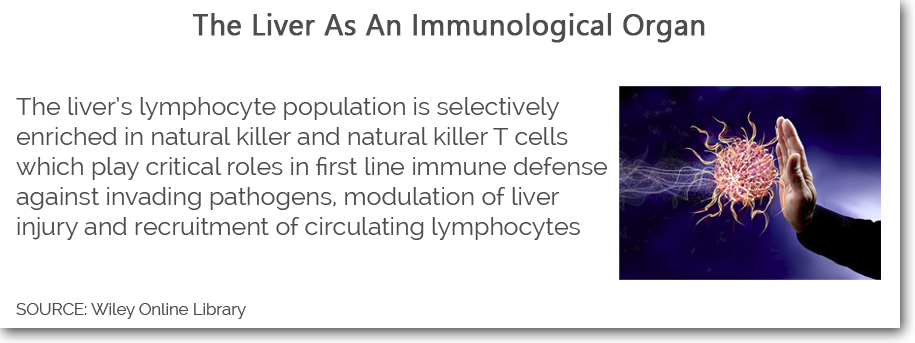
Your liver is also the first line of defense against sickness and disease.

Mobirise

As you’re starting to understand, your liver takes a ton of abuse while doing its job.

That’s why you need to give it some care once in while.

The Medical Establishment Forced To Support “Detoxing”

For more than a decade we’ve helped folks overcome health problems with short detox cleanses.

And for more than a decade we’ve suffered abuse and scorn by the medical establishment who called detoxing “fake science.”

As we began to develop our system for fixing a fatty liver we were stunned by a word that kept popping up in scientific journals and medical sites…

The word was “detoxification.”

The stubborn you-know-what’s finally came around!

Mobirise

WebMD is absolutely right about your liver needing “a little extra help.”

Caring For Your Liver Is A Fast Way To Help Your Body Perform At A High Level

Mobirise

Having helped thousands of folks enjoy more vibrant health by doing juice cleanses, the Master Cleanse, and other short-term detoxes we understand the benefits of removing internal waste from your body.

We live in a toxic world.

Your liver is the guardian that protects your body from toxic outside contamination such as pesticides and air pollution.

Dr. Don Smith, a professor at UC Santa Cruz, has identified 689 toxic substances that exist in our environment. Your liver protects you from each and every one.

Your liver also keeps you safe from harmful substances created inside your body.

For example, “acetaldehyde” is created when your body metabolizes alcohol.

Acetaldehyde is a literal poison and one of the primary reasons you feel like you’ve been hit by a truck after a night of drinking.

Your liver is what protects you from all these threats to your health.

We have no doubt that keeping your liver healthy so it’s removing waste from your body 365-days a year is better for you than any short-term cleanse.

Who Needs To Pay Attention To Their Liver?

If you eat a clean diet, don’t smoke or drink alcohol, and don’t live in a polluted city, your liver may be in great shape.

In this case, giving a little extra care to your liver might not necessary.

The plain truth of the matter is the average person doesn’t always eat perfect.

And sometimes you might party too hard and partake in activities such as excessive drinking.

Another scary realization is that even if you enjoy a wonderfully healthy diet, exercise frequently, and drink lots of water, the poisons and toxins in the air you breathe can still damage your liver.

This is why liver care systems are becoming so popular with people who care about their health.

So, who needs to pay attention to their liver?

Truth is anyone can benefit from caring for their liver, but the following groups are the ones who can benefit the most from it…

  • People Who Are Overweight: Being overweight puts a severe burden on your liver. It’s so bad that many experts believe being overweight can do as much damage to your liver as alcoholism.
  • Stressed Individuals: Stress can be an indication of an overworked and poorly functioning liver. Moreover, stressed people tend to have unhealthy lifestyle habits such as eating fatty foods and drinking alcohol that damage your liver.

    Stress also triggers the release of a fight or flight hormone called cortisol that punishes your liver.

  • People In Their 30s Or Older: If you are in your 30s or older, chances are you’re feeling some changes in your body.

    This means your energy level is not as high as before. You may notice changes in your skin and hair that definitely don’t make you smile.

    Even if you have lived a fairly healthy life you still cannot escape the fact that your liver has suffered a lot of abuse over the years. Returning your liver to a healthy state and help you enjoy healthy body weight regulation, young and strong looking hair and skin, and “all day” energy.

  • Anyone Suffering From The Following Conditions: Fatigue, brain fog, chronic joint or muscle pain, migraines, digestive problems, insomnia, autoimmune disease, hormonal imbalance, acne, skin rashes, depression, allergies, chronic bad breath, chemical sensitivity and rapid weight gain.

Remember, your liver powers many bodily processes. So health problems you may not connect to an unhealthy liver can be effectively treated by caring for your liver.

If you want to heal your sick liver continue reading and we’ll show you the best way to do it…

Symptoms Of A Fatty Liver

If you regularly consume alcohol, smoke, or eat a less than perfect diet you have likely done damage to your liver.

Look over this list to see if you have any symptoms of a fatty liver:

  • Difficulty losing weight
  • Fluid buildup in the belly or abdomen
  • You bruise easily
  • Yellowing of the skin and eyes
  • Muscle loss
  • You get sick easily
  • Loss of appetite
  • Foggy brain
  • Acne and liver spots
  • Spider-like veins in the skin
  • Low energy and frequent weakness

If you experience any of these symptoms what you’re about to discover can help reverse the damage. This is possible for one very special reason…

Your Liver Can Heal Itself Like A Comic Book Character

Mobirise

The beauty of your liver is its ability to heal itself.

Your liver has the ability to take decades of abuse and spontaneously regenerate itself back to health when you stop abusing it and follow the few simple steps we’re going to share with you.

Your liver’s regenerating ability is so powerful that you can surgically remove ⅔ of your liver and it has the ability to regenerate itself back into a perfect, whole liver.

After 80 years of research much of how the liver is able to this is a mystery.

https://healthhackspublishing.com/FattyLiver/?hop=hfollow13