By: Cat Ebeling, BSN, co-author of the best-sellers: The Fat Burning Kitchen, The Top 101 Foods that Fight Aging & The Diabetes Fix
If you have type 2 diabetes and you take a statin drug, you might start noticing a phrase that’s ridiculously overused…
“The benefits outweigh the risks.” Has your doctor ever said that to you?
There are plenty of risks and they’re all serious health issues. Actually the risks FAR outweigh the benefits. ESPECIALLY if you already have type 2 diabetes.
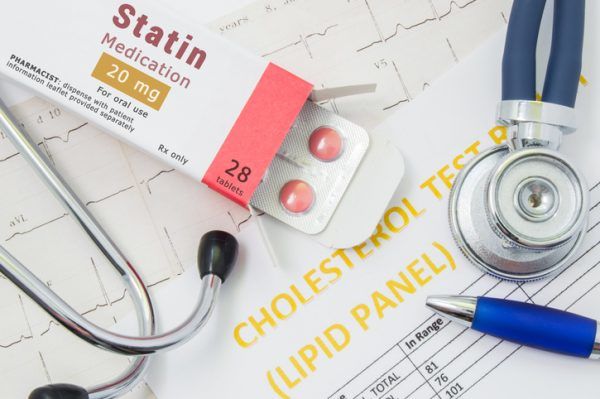
Statins are the primary drug that doctors prescribe to lower cholesterol. Statins are a fairly recent pharmaceutical creation that work by blocking an enzyme in the liver that is responsible for making cholesterol.
Statins became one of the most-prescribed medications when the guidelines for the high end of total cholesterol guidelines were reduced down to 200 a few years ago.
Now, tens of millions of Americans are taking cholesterol-lowering drugs, thinking this is the best way to prevent heart disease. In fact, about 30 percent of American men and women over age 40 take a statin.
The problem is that statins come with a host of side effects which can be pretty significant. One of the more serious side effects of statins is the significant increased risk of type 2 diabetes. The latest study on this connection shows the link may be even stronger than was previously reported.
Researchers prospectively studied 8,567 men and women whose average age was 64. All were free of diabetes and not taking statins when the study started. In a follow-up study 15 years later, about 12 percent of the group had started taking statins, most using either Zocor or Lipitor (simvastatin or atorvastatin) and the rest either Pravachol or Lescol (pravastatin or fluvastatin). Most took the statins for over a year, and 716 new cases of diabetes occurred in the group.
After controlling for age, sex, smoking, family history of diabetes, and other factors, researchers found that statin use was associated with higher risk for insulin resistance and high blood sugar, and with a 38 percent increased risk for the development of Type 2 diabetes.
The brand of statin and the dosage made no difference, but the risk was especially high for statin users who were overweight or obese—which is of course an increased risk for type 2 diabetes as well. The study appeared in the British Journal of Clinical Pharmacology. Other recent research also shows a similar causal link between elevated blood glucose, type 2 diabetes and statins as well.
Here’s the key thing to take away—the number one risk factor of having type 2 diabetes is heart disease.
Adults with type 2 diabetes are about two to four times as likely to die from heart disease as adults who do not have diabetes.
So the question is–if you were told to take statins to lower your cholesterol and chances of heart disease, but it actually increases your chance of developing type 2 diabetes, is it worth it to take statins?
How do Statins increase risk of diabetes?
Statins have been shown to increase your risk of diabetes through a few different mechanisms. The most important one is they increase insulin resistance, which can be extremely harmful to your health. Increased insulin resistance contributes to chronic inflammation in your body, and inflammation is the hallmark of most diseases.
In fact, increased insulin resistance can lead to heart disease, which, ironically, is the primary reason for taking a cholesterol-reducing drug in the first place! It can also promote weight gain, high blood pressure, heart attacks, chronic fatigue, thyroid disruption, and diseases like Parkinson’s, Alzheimer’s, and cancer.
Secondly, statins increase your diabetes risk by actually raising your blood sugar. When you eat a meal that contains starches and sugar, some of the excess sugar goes to your liver, which then stores it away as cholesterol and triglycerides. Statins work by preventing your liver from making cholesterol. As a result, your liver returns the sugar to your bloodstream, raising blood sugar levels.
If you’re on a statin drug and find that your blood glucose is elevated, it is possible that you may just have hyperglycemia—a side effect, or result of your statin medication. Unfortunately, many doctors will often mistakenly diagnose you with type 2 diabetes, and possibly prescribe a diabetes drug, like metformin or insulin.
Discontinuing the statin will help to determine if blood glucose levels are caused by the statin. Be sure to check in with the physician, however, before stopping any prescribed medication.
Statins are well-known for the muscle weakness and pain they can cause, but statins can affect much more than just the muscles and blood sugar. Many people have reported cognitive problems and memory loss as a result of statin medication.
Other potential side effects of statins include: kidney problems, anemia, sexual dysfunction, immune depression, cataracts, increased cancer risk, abnormal liver enzymes and depression.
The other ironic, and contradictory fact about statins and heart health is the fact that statins deplete your body of CoQ10. CoQ10 is an essential cofactor in the body that is essential for the creation of ATP, which is what every cell in the body uses for energy production.
This is especially important for muscles—especially the heart muscle. CoQ10 is produced primarily in the liver and it also plays a role in maintaining blood glucose as well. As the body gets more and more depleted of CoQ10, it causes extreme fatigue, muscle weakness and achiness, and can even lead to heart failure.
Physicians seem to be blissfully unaware of this risk, and don’t usually discuss with patients the importance of supplementing with extra CoQ10. CoQ10 is also necessary to neutralize free radicals in the body, which damage the cell’s DNA and their reproduction. It’s a vicious cycle to have low CoQ10, no cellular energy (this translates to no energy overall!) and damaged DNA.
In addition, the muscle fatigue and pain make it difficult to be motivated to do any amount of exercise, further weakening the cardiovascular system and the muscles.
Statin drugs also interfere with necessary and vital biological functions, including hormone pathways. Statins affect the sex hormones, cortisone, and vitamin D. Statins actually interfere with your body’s natural ability to create vitamin D, which is related to cholesterol. It’s a fact that vitamin D actually helps improve insulin resistance, so a reduction in vitamin D also removes this protective factor, opening the door a bit wider for type 2 diabetes.
Do I Really Need to Lower My Cholesterol?
Total cholesterol values are only a very small part of the picture of your chances of heart disease, but unfortunately conventional medical doctors use total cholesterol numbers to base their decision to recommend statins.
It’s become common knowledge that cholesterol is not the primary cause of heart disease. In fact, three large reviews show the errors in the generally held theory that cholesterol causes heart disease. And this study, also shows no real link between cholesterol and heart disease. In fact, to the contrary, it’s been shown that low cholesterol contributes more to all-cause mortality in older adults, not high cholesterol.
Having a lipid panel that shows you have higher than normal total cholesterol then, is not any kind of predictor of your risk of heart disease, unless it is over 350. The ONLY people who may benefit from cholesterol-lowering practices are those with a genetic type of very high cholesterol.
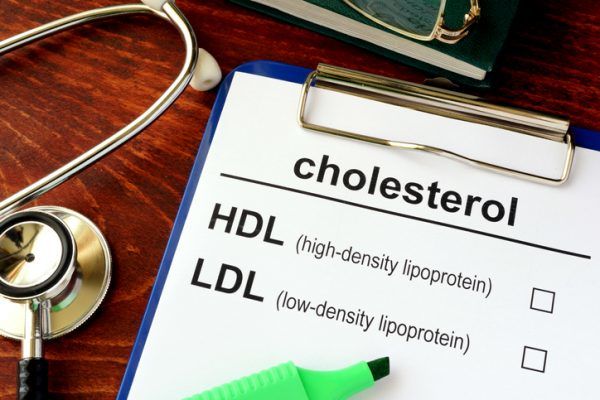
The High Density Lipoproteins or HDL, number is a far more reliable indicator for heart disease risk. Here are the two ratios to check on your lipid panel:
HDL/Total Cholesterol Ratio: Should ideally be above 24 percent. If below 10 percent, you have a significantly elevated risk for heart disease.
Triglyceride/HDL Ratio: Should be below 2.
Many people with total cholesterol levels over 250 are actually at low risk for heart disease because of their high levels of protective HDL, and many people with low cholesterol under 200, can be at high risk for heart disease because of their high LDL and triglycerides.
Actually the conventional LDL/cholesterol hypothesis is not entirely accurate, because damage of the interior layers of your arteries always precedes heart disease, and this damage can be induced by a number of factors, including smoking, high blood pressure, elevated blood sugar and inflammation.
Once the artery is damaged, cholesterol-rich plaque begins to build up as a protective mechanism. Problems arise when the rate of damage to the vessels and blood clot formation outpace your body’s ability to repair the blood vessels.
Your body actually needs a good amount of cholesterol—it is important in the production of cell membranes, all of your hormones—especially sex hormones, vitamin D, and bile acids that help you to digest fat.
Cholesterol also helps your brain work properly and is vital to healthy nerve function. There is also plenty of evidence that having low levels of cholesterol increases your risk for cancer, memory loss, Parkinson’s disease, hormonal imbalances, stroke, depression, suicide, and violent behavior.
If your doctor recommends you take statins to lower your cholesterol, think twice about that. There are many ways to protect your health with a healthy, low carb/low sugar diet, high in antioxidant-rich veggies, that will also protect you from heart disease, diabetes, and many other diseases. Statins don’t seem to be the best solution.
Cancer Chemotherapy: Treating Disease with Chemicals
Understanding what chemotherapy does to the body will help you understand why detox is critical. Chemotherapy prevents all cells, malignant and normal, from further proliferating. This means that the healthy cells in the body are destroyed, leading to adverse chemotherapy side effects such as loss of hair, nausea, reduced immunity, male and female sterility, and mouth sores.
More serious and life threatening effects may include renal and liver failure, heart disease, and blood clots. According to the American Cancer Society, it is a combination of these damaging consequences to the body which often leads to the occurrence of a secondary cancer.
Whatever the dose of chemotherapy drugs may be, any dose is too high. Chemo drugs create a broad array of health problems. Unfortunately, the modern treatment for each symptom is another dose of drugs − each with more side effects to be treated. Take a look at a few drugs, their side effects, and the treatments prescribed:
Nitrogen Mustard: The injection site is most susceptible to pain and areas of blood clotting due to this metal-binding chemo compound.
Cis-platinum: Known to cause nausea and vomiting starting two hours following treatment. Cis platinum also hinders urination, compromising the removal of toxins. This drug leads to renal (kidney) toxicity.
Doxorubicin: This chemo agent leads to heart damage including cardiomyopathy (diseased heart) and is a primary trigger for hair loss.
Methotrexate: Known to cause serious, life-threatening side effects such as damage to the lungs, liver, and kidneys. Methotrexate can lower blood cell counts, decreasing the ability to fight infections and interferes with normal blood clotting.
Acyclovir: Prescribed to treat herpes, which is common in patients receiving cytotoxic therapies for cancer. This drug can trigger nausea, vomiting, diarrhea, and decreased urination, which may interfere with the effective removal of toxins. In rare cases acyclovir can cause life-threatening damage to the kidneys, resulting in renal failure.
Vincristine: Common effects are bone marrow suppression, gastrointestinal disorder, and neurotoxicity and can lead to renal failure. Infections which typically arise from loss of white blood cells are treated with antibiotics.
Bleomycin: Significantly associated with toxic accumulation in the lungs. Pulmonary toxicity can be life-threatening and progress to lung fibrosis, making it difficult for the lungs to work properly.
Phenothiazines: Relieves symptoms of nausea and vomiting, but causes drowsiness, restlessness, and involuntary movement. These symptoms are then treated with drugs like Benadryl and Cogentin, an anti-tremor medication used in the treatment of Parkinson’s disease.
Metoclopramide: Blocks the centers of the brain known as the medulla oblongata to treat nausea. This drug is given to help relieve GI contracts and improve blockage of chemicals from intestines. This drug can cause irreversible movement disorders.
Corticosteroids: Synthetic steroids which causes an imbalance in hormones and leads to drowsiness. Generally taken before the start of chemotherapy.
Nabilone: Prescribed for GI complications. Leads to disorientation, low blood pressure, and drowsiness. These symptoms are treated with repetitive rounds of multiple drugs causing mood swings, muscle weakness, easy bruising, and much more.
A side effect is an unwanted issue that is caused by a medicine. Some diabetes medication unfortunately includes common side effects such as nausea or an upset stomach.
Your doctor will be able to advise you about specific side effects and the best ways possible to avoid them.
No diabetic patients should suffer under the influence of side effects, and you should contact your doctor immediately if side effects are causing you pain.
Often in the case of diabetes drugs such as Metformin, side effects will only be temporary.
Potential side effects of common diabetes drugs*
Sulfonylureas: low blood sugar, upset stomach, skin rash or itching, weight gain
Biguanides/Metformin: sickness with alcohol, kidney complications, upset stomach, tiredness or dizziness, metal taste
Alpha-glucosidase inhibitors: gas, bloating and diarrhea
Thiazolidinedione’s: weight gain, risk of liver disease, anemia risk, swelling of legs or ankles,
Meglitinides: weight gain, low blood sugar
Side effect lists may be incomplete, please check with your doctor for more information about diabetes drug side effect
What are the side effects of the non-insulin diabetes medications?
Many people with type 2 diabetes will take a combination of medications to help control their diabetes. With combination therapy, there is increased risk for low blood sugar.
The sulfonylureas may cause hypoglycemia (low blood sugar), skin rash or itching, sensitivity to sunlight, upset stomach, and weight gain.
The meglitinides may cause hypoglycemia and weight gain.
People taking biguanides may develop lactic acidosis, a rare but severe side effect. Excessive alcohol intake while on metformin can contribute to development of lactic acidosis. Other side effects include metallic taste in the mouth and diarrhea.
Thiazolidinedione’s can increase risk of heart failure and should not be used in patients with symptoms of heart failure. Liver enzymes should be checked regularly with use. Other side effects include weight gain, fatigue, swelling of the legs or ankles, increased risk for fractures in female patients. Avandia may have a potential increased risk for heart attack.
Alpha-glucosidase inhibitors may cause gastrointestinal problems (nausea, gas, bloating), although they are usually fleeting.
The DPP-4 inhibitor sitagliptin (Januvia) may cause serious allergic reactions, sore throat, upper respiratory infection, and headache.
Pramlintide (with insulin) may cause gastrointestinal problems (nausea, vomiting, abdominal pain, anorexia), slight weight loss, headache, fatigue, dizziness, coughing, sore throat, and skin reactions at the injection site.
Side effects of exenatide may include slight weight loss, nausea, vomiting, and diarrhea.
What are the warnings and precautions for non-insulin diabetes medications?
Diabetes medications can have interactions with other medications or supplements being used. Use of more than one diabetes medication can increase the risk for hypoglycemia. Beta-blocker medications can mask the symptoms of hypoglycemia.
Sulfonylureas may increase the risk of death from cardiovascular disease. Prolonged exercise and alcohol intake increase the risk for hypoglycemia. Patients undergoing surgery or who have had recent trauma, stress, or infection may need to switch from a sulfonylurea to insulin to manage blood sugar levels. People with kidney or liver disease need to take precaution.
Because meglitinides may cause hypoglycemia, they should be taken right before meals to minimize the possibility of hypoglycemia. If a meal is to be skipped, the dose of the medication should also be skipped.
Thiazolidinedione’s may cause or exacerbate heart failure. Trouble breathing, rapid weight gain and fluid retention may indicate the onset of heart failure.
Avandia may potentially increase the risk of heart attack.
Alpha-glucosidase inhibitors should not be used in people with intestinal diseases such as inflammatory bowel disease or intestinal obstruction. People with kidney dysfunction may not be able to these medications.
Alpha-glucosidase inhibitors should be taken with the first bite of each meal.
Patients with kidney disease may require dosage adjustment if they are using a DPP-4 inhibitor.
People with a history of liver disease, heavy drinking, or kidney disease may not be able to take biguanides. Inform medical personnel of biguanide use prior to any radiological tests which require injection of dye.
Severe hypersensitivity reactions have occurred during use of sitagliptin.
Pramlintide is only appropriate for certain people with diabetes who use insulin and are having problems maintaining their blood sugar levels. Because of the potential for severe hypoglycemia with the use of pramlintide is with insulin, adjustments to insulin dosage and more frequent glucose monitoring may be necessary. Insulin and pramlintide should not be mixed in the same syringe.
Exenatide may increase the risk of severe even fatal pancreatitis.
Byetta should not be used in people with type 1 diabetes or to treat diabetic ketoacidosis.
Patients with severe kidney disease or gastrointestinal disease should not use exenatide.
Hypersensitivity reactions may occur following treatment with exenatide due to formation of antibodies.
DEMENTIA
Aricept, or Donepezil in its generic form, is a drug given to help with Alzheimer’s Disease and mild cognitive impairment. This post from Natural News discusses why it could have the exact opposite effect in some patients.
Donepezil is an acetylcholinesterase inhibitor approved by the Food and Drug Administration (FDA) in the United States to treat Alzheimer’s disease.
Since mild cognitive impairment (MCI), or the phase between normal age-related brain decline and dementia, displays similar symptoms to Alzheimer’s, many physicians also prescribe this drug off-label to patients with MCI.
Researchers from the University of California, Los Angeles (UCLA) School of Nursing, however, are urging doctors to stop prescribing Donepezil, also sold under the brand name Aricept, to people with MCI without first giving them a genetic test.
The scientists found that for individuals who carry a specific genetic variation of the butyryl cholinesterase (B.Ch.E.) gene, this drug may accelerate cognitive decline instead of stopping it.
The study, led by Sophie Socolow, an associate professor at the UCLA School of Nursing, was published in the Journal of Alzheimer’s Disease earlier this year. The co-authors included Ziaohui Li, Lucia Chen, Kent Taylor, and Jerome Rotter, who are all researchers connected to the UCLA. For their study, the team received funding from the National Institute on Aging.
Though donepezil was previously tested as a possible treatment for MCI in a federally funded study (the Alzheimer’s Disease Cooperative Study), it was never approved by the FDA. Nonetheless, many doctors prescribe it off-label to their patients, putting patients at greater risk of mental decline.
For this study, the UCLA scientists analyzed the data from the Alzheimer’s Disease Cooperative Study, which took place in 2005. To reach their conclusion, the team looked for a possible association between the B.Ch.E.-K gene variation and changes in brain health, reanalyzing the data from the 2005 study.
During the trial, researchers used two tests to measure cognitive impairment, the Mini-Mental State Examination and the Clinical Dementia Rating Sum of Boxes.
Socolow and her colleagues discovered that patients with the K-variant of the B.Ch.E. gene who took donepezil showed greater changes in their scores on both tests and had more rapid cognitive decline than those who received a placebo.
Previously, the BCHE gene has been identified as one of the few Alzheimer’s disease susceptibility genes with distinct pharmacogenomic properties, meaning drug activity and reactions to a certain drug can vary with the patient’s genes.
“Genetic heterogeneity in amnestic mild cognitively impaired (aMCI) subjects could lead to variations in progression rates and response to cholinomimetic agents.
Together with the apolipoprotein E4 (APOE-?4) gene, butyryl cholinesterase (BCHE) has become recently one of the few Alzheimer’s disease (AD) susceptibility genes with distinct pharmacogenomic properties,” the UCLA researchers pointed out.
The use of pharmacogenomic testing has the potential to improve the safety and effectiveness of many drug therapies.
Unfortunately, most physicians lack knowledge about the topic of pharmacogenomics and are not prepared to implement it in a clinical setting, a 2014 survey of primary care physicians, cardiologists, and psychiatrists reported.
Since doctors are increasingly prescribing this drug to people with MCI, the researchers hope that their study reinforces the importance of discussing the benefits and risks of every treatment option with their patients.
“These results clearly emphasize the necessity of monitoring potential pharmacogenomic effects in this population of subjects, and suggest enrichment strategies for secondary prevention trials involving prodromal AD [Alzheimer’s disease] subjects,” the UCLA research team concluded.
Statin side effects: Weigh the benefits and risks
Statin side effects can be uncomfortable, making it seem like the risks outweigh the benefits of these powerful cholesterol-lowering medications.
By Mayo Clinic Staff
Doctors often prescribe statins for people with high cholesterol to lower their total cholesterol and reduce their risk of a heart attack or stroke. While statins are highly effective, they have been linked to muscle pain, digestive problems and mental fuzziness in some people and may rarely cause liver damage.
Statins include atorvastatin (Lipitor), flu vastatin (Lescol), lovastatin (Altoprev), pita vastatin (Livalo), pravastatin (Pravachol), rosuvastatin (Crestor) and simvastatin (Zocor).
Having too much cholesterol in your blood increases your risk of heart attacks and strokes. Statins block a substance your liver needs to make cholesterol. This causes your liver to remove cholesterol from your blood.
If you think you’re experiencing side effects from statins, don’t just stop taking the pills. Talk to your doctor to see if a change of dosage or even a different type of medication might be helpful.
What are statin side effects?
Muscle pain and damage
One of the most common complaints of people taking statins is muscle pain. You may feel this pain as a soreness, tiredness or weakness in your muscles. The pain can be a mild discomfort, or it can be severe enough to make your daily activities difficult.
Oddly enough, most randomized controlled studies of statins indicate that people taking statins develop muscle pain at the same rate as people taking placebo. But up to 29 percent of the people who start taking statins report muscle pain and many discontinue statins because of it. Many of these people do well when they are switched to a different variety of statin.
Very rarely, statins can cause life-threatening muscle damage called rhabdomyolysis (rab-doe-my-OL-ih-sis). Rhabdomyolysis can cause severe muscle pain, liver damage, kidney failure and death. The risk of very serious side effects is extremely low, and calculated in a few cases per million of patients taking statins. Rhabdomyolysis can occur when you take statins in combination with certain drugs or if you take a high dose of statins.
Liver damage
Occasionally, statin use could cause an increase in the level of enzymes that signal liver inflammation. If the increase is only mild, you can continue to take the drug. Rarely, if the increase is severe, you may need to try a different statin.
Although liver problems are rare, your doctor may order a liver enzyme test before or shortly after you begin to take a statin. You shouldn’t need any additional liver enzyme tests unless you begin to have signs or symptoms of trouble with your liver.
Contact your doctor immediately if you have unusual fatigue or weakness, loss of appetite, pain in your upper abdomen, dark-colored urine, or yellowing of your skin or eyes.
Increased blood sugar or type 2 diabetes
It’s possible your blood sugar (blood glucose) level may increase when you take a statin, which may lead to developing type 2 diabetes. The risk is small but important enough that the Food and Drug Administration (FDA) has issued a warning on statin labels regarding blood glucose levels and diabetes.
Statins prevent heart attacks in patients with diabetes, so the relevance of the mild increase in sugar values with statins observed in some patients is unclear. The benefit of taking statins likely outweighs the small risk to have the blood sugar level go up. Talk to your doctor if you have concerns.
Neurological side effects
The FDA warns on statin labels that some people have developed memory loss or confusion while taking statins. These side effects reverse once you stop taking the medication. There is limited evidence to prove a cause-effect, but talk to your doctor if you experience memory loss or confusion while taking statins. There has also been evidence that statins may help with brain function — in patients with dementia, for example. This is still being studied. Don’t stop taking your statin medication before talking to your doctor.
Who’s at risk of developing statin side effects?
Not everyone who takes a statin will have side effects, but some people may be at a greater risk than are others. Risk factors include:
Taking multiple medications to lower your cholesterol
Being female
Having a smaller body frame
Being age 65 or older
Having kidney or liver disease
Drinking too much alcohol
Drugs and food that interact with statins
Grapefruit juice contains a chemical that can interfere with the enzymes that break down (metabolize) the statins in your digestive system. While you won’t need to eliminate grapefruit entirely from your diet, ask your doctor about how much grapefruit you can have.
Some drugs that may interact with statins and increase your risk of side effects include:
Amiodarone (Cordarone, Pacer one), a medication for irregular heart rhythms
Gemfibrozil (Lopid), another variety of cholesterol drug
Protease inhibitors, such as saquinavir (Invirase) and ritonavir (Novar)
Some antibiotic and antifungal medications, such as clarithromycin (Biaxin) and itraconazole (Onmel, Sporanox)
Some immunosuppressant medications, such as cyclosporine (Gengraf, NE oral, Sand immune)
There are many drugs that may interact with statins, so be sure your doctor is aware of all the medicines you take when being prescribed with statins.
Common side effects of prescription sleeping pills such as Lunesta, Sonata, Ambien, Rozerem, and Halcion may include:
Burning or tingling in the hands, arms, feet, or legs
Changes in appetite
Constipation
Diarrhea
Difficulty keeping balance
Dizziness
Daytime drowsiness
Dry mouth or throat
Gas
Headache
Heartburn
Impairment the next day
Mental slowing or problems with attention or memory
Stomach pain or tenderness
Uncontrollable shaking of a part of the body
Unusual dreams
Weakness
It’s important to be aware of possible sleeping pill side effects so you can stop the drug and call your doctor immediately to avoid a more serious health problem.
Are There More Complex Sleeping Pill Side Effects?
Some sleeping pills have potentially harmful side effects, including parasomnias. Parasomnias are movements, behaviors and actions over which you have no control, like sleepwalking. During a parasomnia, you are asleep and unaware of what is happening.
Parasomnias with sleeping pills are complex sleep behaviors and may include sleep eating, making phone calls, or having sex while in a sleep state. Sleep driving, which is driving while not fully awake, is another serious sleeping pill side effect. Though rare, parasomnias are difficult to detect once the medication takes effect.
Product labels for sedative-hypnotic medicines include language about the potential risks of taking a sleeping pill. Because complex sleep behaviors are more likely to occur if you increase the dosage of a sleeping pill, take only what your doctor prescribes — no more.

 Mws R Writings