A friend and I were talking about a simpler life. How without cell phones a parent would have to trust their child or the child would have to call in to let their parents know that everything was alright. Also, a couple would have to trust each other when they were away from each other. Not keeping tabs on where the other was, etc.
Life nowadays is hectic enough. Try calling, sending cards, or visiting each other. Make a point to trust your spouse, your children and each other.
Try to live life as peaceful and trusting as you can. Be friendly. Be kind. A simple life needs just this. That’s all. And you can change your one action and think at a time.
The following cardiovascular conditions may cause numbness in the hands.
1. Heart attack
A heart attack may cause tingling and numbness in one hand.
If a person is experiencing a suspected heart attack, they or someone near them should seek emergency medical help.
Severe blockages in the heart’s main blood supply can cause chest pain as well as tingling and numbness down one arm or the other.
Symptoms
Other symptoms may include:
nausea
sweating
shortness of breath
dizziness
tingling and numbness down either side of the body
shoulder pain
unexplained fatigue
Treatment
Treatment includes admission to a cardiac catheterization laboratory in a hospital, where a specialist can diagnose and possibly reopen the blocked cardiac artery.
An interruption in the blood flow to the brain — potentially from a traveling blood clot or a ruptured artery causing a brain bleed — can lead to stroke.
Symptoms
Symptoms may include:
sudden weakness or numbness on one side of the body
confusion
lower facial drooping on one side of the face
difficulty maintaining balance
visual problems
speech problems
Treatment
If a person is experiencing a suspected stroke, they or someone near them should seek emergency medical attention, which may involve the administration of clot-busting medications.
The following neurological conditions may cause numbness in the hands.
5. Brachial plexus injury
The brachial plexus is a complex network of nerves that extend from the spine to each shoulder. This network transmits signals between the spine and the shoulders, arms, and hands.
Shoulder injuries, tumors, and other causes of inflammation can all lead to damage in the brachial plexus, which can result in numbness in a person’s hand.
Infants may experience brachial plexus injuries during birth due to excessive shoulder stretching in the birth canal.
Symptoms
Symptoms may include:
severe shoulder or arm pain
numbness in the hands
weakness and difficulty moving the arms
Treatment
Treatment depends on the underlying cause.
Some people may heal without further intervention, while others may require surgery or physical therapy.
Infants injured during birth may recover by the time they reach 3–4 months of age.
This condition affects nerve function and causes chronic pain, which may result in tingling and numbness that may closely resemble that of carpal tunnel syndrome (CTS).
Symptoms
Other symptoms may include:
pain in several areas of the body, which may include the hands
fatigue
headaches
difficulty sleeping
depression
stomach problems
Treatment
The treatment options for fibromyalgia include exercise, as this can help ease pain and improve sleep. A doctor may also prescribe antidepressant or anticonvulsant therapy.
Cognitive behavioral therapy may be beneficial for those whose condition does not respond sufficiently to medication.
Trauma due to a spinal cord injury can lead to tingling and numbness in the hands and feet. Falls, motor vehicle accidents, blows to the head, gunshot wounds, and several other events can all cause spinal cord injuries.
Symptoms
Symptoms may vary based on the exact area of the body the injury affects. They might include:
adversely affected movement
loss of sensation
loss of large bowel and urinary bladder control
pain
Treatment
Treatments include supportive therapy and surgical repair when possible.
Some experimental treatments may give those with a spinal cord injury a better chance of regaining their functioning.
This condition results from excessive stretching or pressure on the ulnar nerve.
Symptoms
Symptoms, specifically in the ring and pinky fingers, may include:
numbness
weakness
tingling
Treatment
Treatment may include wearing a splint while sleeping, to keep the elbow straight from bending. Physical therapy, NSAIDs, and surgery to remove or repair any areas of excessive pressure on the elbow may also be potential treatment options.
Version:1.0
StartHTML:000000215
EndHTML:000144648
StartFragment:000126848
EndFragment:000144570
StartSelection:000126848
EndSelection:000144560
SourceURL:https://www.medicalnewstoday.com/articles/327483.php
Numbness in the hands: Causes and treatments
Musculoskeletal
The following musculoskeletal conditions may cause numbness in the hands.
9. Cervical spondylosis
Cervical spondylosis is also known as osteoarthritis of the neck. This condition occurs when degeneration affects the disks or joints in the neck.
This degeneration can also give rise to cervical spondylotic myelopathy, which occurs when a person has cervical spondylosis symptoms due to compression of the spinal cord or surrounding blood vessels.
Symptoms
Symptoms may include:
muscle weakness in the extremities
pain in the hands
increased urinary urgency, frequency, or hesitancy
gait disturbance
Treatment
Doctors may prescribe nonsteroidal anti-inflammatory drugs (NSAIDs), muscle relaxants, antidepressants, or corticosteroids. Surgery may help those with severe cases.
CTS affects around 1% of people who are of working age. CTS occurs when one of the nerves that runs through the carpal tunnel in the wrist becomes compressed.
Symptoms
Symptoms in the hand may include:
pain
tingling
weakness
affected grip strength
Treatment
Wearing a splint and resting the wrist and hand may help. Sometimes, a doctor may also recommend surgery to reduce pressure over the carpal tunnel.
Ganglion cysts are soft lumps that develop in joints around the body. They may cause pain or numbness in the hand.
According to an article in The Journal of the Canadian Chiropractic Association, up to 60–70% of ganglion cysts occur in the wrist.
Symptoms
Symptoms may include a round or oval shaped lump on the wrist or other parts of the body, as well as pain in and around the area.
Treatment
Resting the affected area can help. However, wearing a splint or brace for too long may weaken the muscles in the hand.
Although surgery and aspiration therapy may be an option for some, these methods may not be completely effective.
According to a review in the Journal of Hand Surgery, researchers predict the chance of a cyst returning after surgery as 21%. This rises to 59% for recurrence after aspiration.
Lateral epicondylitis, or tennis elbow, occurs when the tendons that join the lateral forearm muscles and bone near the elbow become inflamed.
Symptoms
Symptoms may include:
pain or burning sensations, often on the outside of the elbow
weak grip strength
tingling and numbness in the hand
Treatment
Most episodes of lateral epicondylitis will resolve with rest, physical therapy, and NSAIDs. However, in severe instances, a doctor may recommend surgical intervention.
The following autoimmune conditions may cause numbness in the hands.
13. Guillain-Barré syndrome
This condition can cause the body’s immune system to attack nerves outside of the brain and spinal cord. This can result in muscle weakness.
Symptoms
Other symptoms may include:
pins and needles in the hands and feet
unsteadiness
visual problems
difficulty swallowing
severe pain that worsens at night
muscle paralysis
Treatment
Although there is currently no cure for Guillain-Barré syndrome, a doctor might treat the condition using immunoglobulin therapy or a plasma exchange, otherwise known as plasmapheresis.
These treatments may reduce the body’s immune system response.
Multiple sclerosis (MS) is a condition that attacks the central nervous system (CNS). The immune system attacks the protective coating of the nerve sheaths, which can eventually destroy the nerves of the CNS.
Symptoms
Symptoms may include:
numbness and weakness in the limbs
electric shock-like sensations
tremors
unsteady gait
adversely affected vision
cognitive difficulties
Treatment
Treatment includes taking immunosuppressant medications such as corticosteroids and other disease-modifying therapies.
Later, doctors may also recommend plasmapheresis to reduce the immune system response.
The following conditions may also cause numbness in the hands.
16. Diabetes
Diabetes is a condition of abnormal blood sugar levels due to dysfunction of the body’s ability to produce enough insulin or respond correctly to it.
The most well-known types of diabetes include:
Type 1: This type of diabetes develops when the body does not produce insulin.
Type 2: This type of diabetes occurs when the body does not respond properly to insulin and eventually does not produce enough of it.
Gestational diabetes: This form of diabetes occurs during pregnancy. It will typically go away after delivery.
Symptoms
Symptoms may include:
a slow, gradual onset of tingling and numbness in the feet and hands
extreme sensitivity to touch or temperature changes
burning or stabbing pains in the hands and feet
Treatment
Making certain lifestyle changes, such as eating a healthful diet and exercising regularly, can help a person maintain steady blood sugar levels.
People with type 1 diabetes may have to inject themselves with insulin. Type 2 diabetes and gestational diabetes may be controllable through the diet or by starting noninsulin medication therapy.
Amyloidosis is a medical condition that causes abnormal protein to build up in healthy tissue, which can affect the function of the affected area.
It can affect a person’s nervous system, kidneys, liver, heart, and digestive tract.
Symptoms
Symptoms may include:
fatigue and weakness
ankle and leg swelling
shortness of breath
diarrhea
unintentional weight loss
tingling and pain in the hands and feet
Treatment
There is currently no cure for amyloidosis, but treatment might help ease some of the symptoms.
Treatment may depend on the type of amyloidosis a person has. For example, a doctor may recommend chemotherapy medications, immunosuppressant medications, or stem cell transplants.
A bite from a tick carrying the Borrelia burgdorferi bacterium can give rise to Lyme disease. This is an infectious condition that affects the nervous system.
Symptoms
The symptoms of Lyme disease can closely resemble those of the flu, such as fever, chills, fatigue, and aching joints.
If a person does not receive treatment, they may experience:
joint swelling
an irregular heartbeat
nerve pain
shortness of breath
pain or numbness in the hands and feet
Treatment
Treatment depends on the stage the Lyme disease has reached.
Doctors can treat early stage Lyme disease with antibiotic therapy. Later stage Lyme disease may require antibiotics and supportive treatments.
Taking certain medications, such as chemotherapy medications, can cause tingling and numbness in the hands.
Treatment
Some people may experience an improvement in symptoms when they stop taking the medications. However, others may experience permanent tingling and numbness.
Can you save seeds from citrus fruit and grow them into plants? Yes. And it really is easy.
Whether the fruit came from a grocery store or farmer’s market, if it has seeds, you can grow them.
Orange, lemons including Meyer lemon, tangerine, clementine, mandarin, lime, kumquat, and grapefruit with seeds are all candidates.
The steps (below) show you how to prepare the seeds, germinate them, and plant them pots.
While citrus is a tropical plant, it can be grown in colder climates as a potted houseplant, spending summers outdoors and winters indoors.
Will they grow fruit?
Yes, it is possible. But only if the plant has just what it needs.
Citrus plants are slow-growing, so it will take several years with good growing conditions to flower and then fruit. Some may never flower.
Most of the citrus fruits we enjoy are hybrids. Grapefruit is a good example. It was an accidental hybrid created from sweet orange (C. sinensis) and pomelo (C. maxima) cross-pollinating.
And that means, while any viable citrus seeds you sow can become beautiful, productive plants, hybrid plants—if they produce fruit—the fruit will not be the same in taste or appearance as the one it came from. This isn’t necessarily a bad thing, it’s just different.
Satsuma tangerines are one of the few citrus plants that bears fruit similar to the parent when grown from seed.
To me, growing a plant from seed all the way to the fruiting stage is a big, fun accomplishment regardless of the taste.
How do commercial growers do it? How do they get the same fruit over and over again?
They use grafted plants. Cuttings are taken from the desired plant (scion) and attached to a rootstock from another citrus variety. This is cloning and it’s essentially the same plant making more fruit.
If you want to be sure your citrus tree grows fruit true to the parent, start with a grafted tree, or use species seeds (not hybrids).
TIP: Winter is a good time to germinate citrus seeds so you have the warmth and light of spring and summer to get the plants established.
Can’t I just toss seeds in some soil and get a plant that way?
Yes, absolutely! But, if you want a 100% success rate—and know ahead of time that the seeds will germinate and do so quickly—instead of waiting many weeks to discover it’s not going to work—do the extra steps listed (below).
How big will a potted citrus tree grow?
It’s up to you. Citrus trees in-ground get quite large but, by growing in containers, growth is somewhat inhibited.
As your plant grows, you can repot it into the next size container until it’s as large as you want it.
Often the weight of the container determines the stopping point because it gets too heavy to lug around.
Once the plant is as large as you want (years from now), you can root prune it to keep it healthy. This is just how it sounds: you remove the plant from the container, trim back the roots, replenish the potting mix, and repot it.
How to Sprout Citrus Seeds
Supplies
Citrus fruit (choose varieties that have seeds)
Plant tags and binder clips
Sieve (for rinsing seeds – optional)
Paper towel
Nail clippers
Food storage container or food bags
Small cups or plant pots with drainage holes
Potting mix (see options, below)
Fertilizer for citrus plants
1 Get Citrus Fruit
Depending on the time of year and your location, you may have quite a variety of fruit to choose from at the store.
When I first tested this out, I bought one of everything because I had never really paid attention to the seeds before.
Be sure to get the ID stickers that come with the fruit in many stores (they have the SKU barcode on them). You want to know exactly what the name of the fruit is, where it’s from, and have this info to further research it (if desired).
Some citrus fruit has nice, plump seeds—that we may not like for eating but work great for germinating.
Others have odd, flat seed-like shells, seemingly devoid of any real growing power. Those are not likely to germinate.
Either way, the next steps will get this sorted out.
2 Make Plant Tags
Kiwi? No, it’s not citrus but you can sprout those seeds too!
It’s always helpful to know what you’re growing and keep that info with the seed/ plant for future reference.
I had some old nametag cardstock (Avery nametags 5390) for my printer so I made labels. You can email me to request a copy of my Word template if you want to use mine.
If possible, make the tags water-resistant (so the ink doesn’t run) and get some binder clips to attach them to your seed / plant containers.
I put the SKU stickers on the tags for future reference.
3 Gather Seeds
Cut the fruit in half, top to bottom (if top navel is visible). This avoids damaging too many seeds with the knife, as many seeds tend to form around the middle horizontally.
Gently remove all seeds and set fruit aside.
Discard any seeds that look strange—small, flat, empty shells, etc.
Some fruit has a lot of seeds, others may have few. The grapefruit (photo, above) had just one seed total but it was a good one and grew into a tree.
4 Test for Seed Viability
Place seeds in a small cup of water.
If they sink to the bottom, they should be viable.
If they float, they are not (discard them).
If seeds have jelly-like coating, rinse in a strainer and gently push it off with soft towel.
5 Remove Seed Coat
This step can significantly speed up the germination time.
Seeds naturally come with outer protection that prevents unwanted germination. It’s super smart.
For citrus, the seeds have both a hard seed coat (made of two half shells sealed together), protecting the tender seed inside, and there may also be gel around the seed, to provide an additional barrier.
That’s why the seeds don’t sprout in the fruit—the moisture can’t reach them—it’s very cool!
To make germination go faster, we can remove both that gel coat (Step 3) and the hard shell.
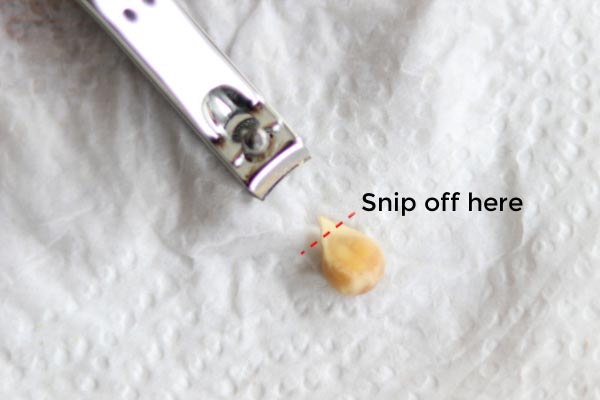
Look for the hard, flat pointed end of the seed shell and snip it off with nail clippers, careful not to damage the actual seed inside.
Gently slide your fingernail between the two shell pieces to pry them open/apart and remove them (break them apart).
There are also skin-like layers inside which I leave alone (the seed will grow fine with the skin there). Don’t worry if some skin falls off.
Now you’ve got the soft seed. Be gentle with it!
6 Germinate the Seeds
Moisten a few sheets of paper towel and place the seeds on it, at least an inch apart in all directions to leave room for root growth.
Cover with another layer of moist paper towel and place in a food storage tub with lid or food storage bag.
You want the seeds in contact with warm moisture ongoing. Not too damp. And don’t let them dry out.
Attach your plant tag with a binder clip and place everything in a warm, dark location. I put them in a kitchen cupboard.
I put reminders in my phone to check on them every 2-3 days. Occasionally I forget and weeks later find this crazy-good thing growing in my cupboard!
7 Check on the Seeds
Check the seeds every few days.
If needed, spritz the towel to keep it moist. You want it moist, not dry or soaking wet.
Some will sprout really fast! Others may take weeks. Some will be duds.
Wrap it back up and put it back in the cupboard. We want roots at least an inch long before planting.
8 Plant Seedlings
When there is at least an inch of roots, you can sow the seedlings in potting mix.
The roots often look thick and off-white, like bean sprouts.
In some cases, the plant stem may also start growing.
Plant the sprouted seed in a small cup, pot, or other container with drainage holes.
A regular organic potting mix is good for clay and other non-plastic pots. You could also use a cacti potting mix with plastic pots because they retain more moisture.
I prefer to use separate little pots but sometimes I have limited room for lighting so I will put them all in one container for the first few months.
Position the roots just below the soil surface. Any other growth can be above soil level. Gently press the potting mix around the plant so it’s snugly in place.
Water thoroughly, top up potting mix if needed, and gradually transition plant to a warm, sunny location over a few weeks.
9 Grow a Citrus Tree
How long will it take to grow my citrus plant?
Citrus trees are slow-growers and heavy feeders, doing best with 8-12 hours of sunlight per day.
The less light, the slower the growth.
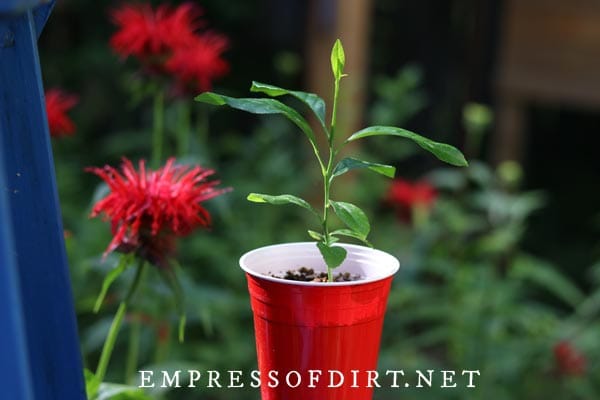
I started several different hybrids from seed and after 5 months (from the day I removed the seed from the fruit) they range in size from 4 to 7 inches tall.
Keep in mind that reduced light and warmth in winter (indoors) will slow or stall growth.
It may be 3-5 years before flowers form, then pollination can occur (you can help it), and fruit forms.
Small fruit may ripen over several months, larger fruit can take much longer.
You can help the plant grow faster by using supplemental grow lights.
Use fertilizer specifically for citrus plants and follow the application instructions on the label.
Basic Citrus Tree Care Tips – Container Growing
1. Provide 8-12 hours of sunlight each day. Avoid direct, burning sun. 2. Ensure pot has good drainage. 3. Use a slow-release fertilizer for citrus plants as directed. 4. Keep outdoors until temperatures reach 40°F (4°C), then bring inside for winter. 5. Transition the plant (over days or weeks) gradually to avoid shock. 6. Do not allow soil to dry out. Moderate, even moisture is best. Use a moisture meter to be sure. 7. Most citrus plants are self-pollinating; some benefit from pollination assistance (you or insects). 8. Treat spider mites with neem oil spray. 9. Remove mealybugs with rubbing alcohol.
The most common medication worldwide for treating diabetes is metformin (Glumetza, Riomet, Glucophage, Fortamet). It can help control high blood sugar in people with type 2 diabetes. It’s available in tablet form or a clear liquid you take by mouth with meals.
If you’re taking metformin for the treatment of type 2 diabetes, it may be possible to stop. You may be able to manage your condition by making certain lifestyle changes, such as maintaining a healthy weight and getting more exercise.
Read on to learn more about metformin and whether it’s possible to stop taking it.
Before you stop taking metformin, talk to your doctor to see if this is the right step to take in managing your diabetes.
possibly reducing your appetite, which may result in modest weight loss
ADVERTISEMENT
Find a Novant Health endocrinologist near you
Novant Health is dedicated to making it as easy as possible to find an endocrinologist you’ll love. Search for a doctor and schedule an appointment online.
Because of its possible risks and side effects, metformin isn’t safe for everyone. It’s not recommended if you have a history of:
substance use disorder
liver disease
severe kidney issues
certain heart problems
If you’re currently taking metformin and have had some unpleasant side effects, you might be looking for alternative treatment options.
Most common side effects
The most common side effects are headaches and digestive issues that may include:
diarrhea
vomiting
nausea
heartburn
abdominal cramps
gas
a metallic taste
loss of appetite
Other side effects
In some cases, metformin leads to poor absorption of vitamin B-12. That can lead to a vitamin B-12 deficiency, though this only occurs after long-term use of the medication.
As a precaution, your doctor will check your B-12 levels every one to two years while you’re taking metformin.
Taking metformin might also lead to loss of appetite, which could cause a small amount of weight loss. But taking this medication won’t lead to weight gain.
There are also a few other side effects you may encounter, including hypoglycemia and lactic acidosis.
Hypoglycemia
Hypoglycemia, or low blood sugar, might occur since metformin lowers blood sugar. It’s important to monitor your blood sugar regularly so your doctor can adjust your dosage based on your levels.
Hypoglycemia due to metformin is a rare side effect.
Low blood sugar is more likely to occur if you take metformin with other diabetes drugs or insulin.
Lactic acidosis
Metformin can cause a life-threatening condition called lactic acidosis. People who have lactic acidosis have a buildup of a substance called lactic acid in their blood and shouldn’t take metformin.
This condition is very dangerous and often fatal. But this is a rare side effect and affects less than 1 in 100,000 people taking metformin.
Lactic acidosis is more likely to occur in people with kidney disease. Tell your doctor if you’ve ever had kidney problems.
Metformin can be an important part of an effective diabetes treatment plan. But reducing the dosage of metformin or stopping it altogether is safe in some cases if your diabetes is under control.
If you want to stop taking diabetes medications, talk with your doctor or healthcare provider about what steps you need to take to do so.
Everyone who has diabetes can benefit from changing certain lifestyle habits, even those taking medications.
Losing weight, eating better, and exercising are the best ways to help reduce blood glucose and A1C. If you can manage these through such lifestyle changes, you may be able to stop taking metformin or other diabetes drugs.
According to experts from the American Diabetes Association, you usually need to meet the following criteria before you can stop taking diabetes medications:
Your A1C is less than 7 percent.
Your fasting morning blood glucose under 130 milligrams per deciliter (mg/dL).
Your blood glucose level at random or after a meal is below 180 mg/dL.
It’s risky to stop taking metformin if you don’t meet these criteria. And keep in mind that these criteria can change based on your age, overall health, and other factors. So, it’s important to talk with your doctor before changing your metformin plan.
Metformin may help prevent long-term health complications from type 2 diabetes. But you may be able to stop taking it if your doctor thinks you can maintain your blood sugar without it.
You may be able to successfully lower and manage your blood sugar without medication by making lifestyle changes such as the following:
maintaining a healthy weight
getting more exercise
reducing your intake of carbohydrates
modifying your diet to include low-glycemic carbohydrates
stopping smoking tobacco in any form
drinking less or no alcohol
It’s also important to get support. A registered dietitian, personal trainer, or peer group can improve your chances of sticking with these healthy habits.
Hearts are funny Special and blind They take you for a turn on an endless ride. Hearts can feel the deepest emotions Surrounded by a lot of love commotion. They can be strong Enough to bend When life takes you to where you need to mend. Hearts are ferocious Simple yet complicated They can leave you complicated The sensitive side to hearts Can empower you or make you weak Just like a game participant you can have a winning streak. Without our hearts we’d seize to exist There would be nothing to ourselves to give That would not be how I would want to live. 💚💚💚💚💚💚
This morning went all wrong… It was a stressful, neurotic one. But she held herself together because she knew it wasn’t right to run. Her efforts will pay off in the end. They always do.
















 Mws R Writings