Deficiency in Vitamin B12? Start looking at your eyes!

Vitamin B12 deficiency is one of the most common nutrient deficiencies in the world, especially among the elderly age group. Vitamin B12, also known as cobalamin, is very important in keeping the body’s nerve and blood cells healthy. So when there is insufficient levels of this vitamin, the body suffers.

Vitamin B12 plays an important role in the production of DNA and RNA, two molecules that are quite essential in the coding, decoding, regulation and expression of genes. Moreover, just like other B vitamins, B12 plays a role in the conversion of carbohydrates into energy.

Given its many uses in the different bodily processes, one is bound to suffer when this vitamin is lacking. For pregnant women, low levels of vitamin B12 could mean an increased risk of neural tube defects. For others, they may be at risk of developing Type 2 diabetes and other health issues.

Fortunately, vitamin B12 deficiency can be easily addressed once identified and diagnosed. What’s also good here is there are certain signs and symptoms that could help determine the presence of this condition. There are even those that could be seen just by examining the eyes.

According to Mercola, a slight yellowing of the eyes could be indicative of the condition. Eye twitching and eyelid spasms are also signs that could help pinpoint vitamin B12 deficiency. In rare cases, optic nerve damage that could lead to vision loss may happen.

Should these signs become evident to you one day, you need to go see a doctor right away. Vitamin B12 deficiency may be easily reversed with intravenous vitamin B12 treatment and supplementation. The signs and symptoms may appear suddenly or gradually, so it’s best to have regular checkups.

Vitamin B12 can be obtained through diet. Meat and meat by-products are good sources of this nutrient. This means strict vegetarians and vegans are at a higher risk of developing this deficiency. For these types of eaters, Medical News Today recommends consuming yogurt, low-fat milk, cheese, eggs, fortified cereals and nutritional yeast.

It’s also important to note that even meat-eaters are at risk of developing this deficiency. Apparently, there are people that absorb nutrients poorly due to the insufficient stomach acid needed to break the protein bond in the different meats consumed. So experts advise to take vitamin B12 supplements.

Continue reading Deficiency in Vitamin B12? Start looking at your eyes!
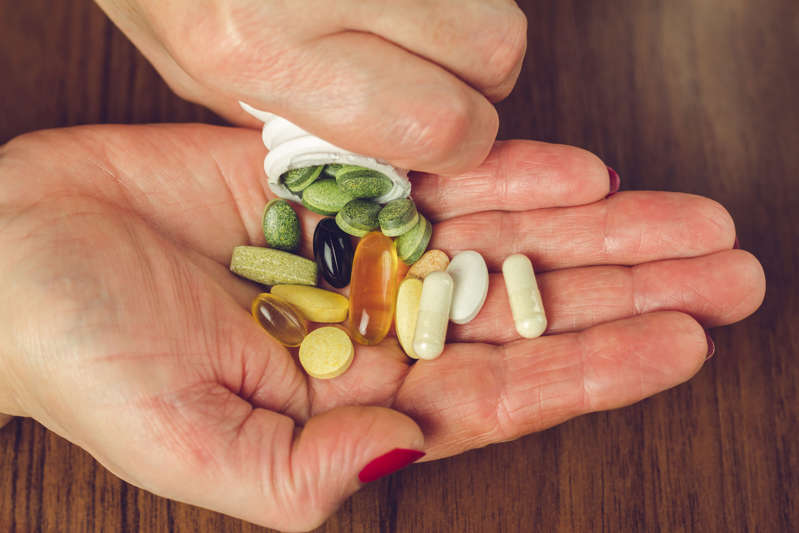
Vitamin Deficiencies~

3 Most Common Vitamin Deficiencies

Darwin Malicdem 6 hrs ago

Many people believe that malnutrition is not a problem in developed worlds, including the U.S. The country has an abundant food supply that could help meet the population’s nutritional needs. 

© Farion_O/Getty Images

However, studies showed that not all residents of “well fed” communities are healthy. Nutrient deficiencies are also common in the U.S. 

One research conducted in 2018 under the National Health and Nutrition Examination Survey (NHANES) suggested that both children and adults in the country have high cases of vitamin deficiencies. 

Researchers found that 31 percent of the entire population was at risk for one vitamin deficiency. Many Americans have been following diets high in calories but low in nutrients. 

Heather Moday, an allergist and immunologist from Moday Center for Functional and Integrative Medicine, has been treating many patients who experienced deficiencies. But she noted Americans lack three common vitamins due to Western diets. And they are as listed below:

Magnesium

It plays an important role in the body and supports 300 biochemical reactions. Moday recommended that people consult their doctors to take some supplements. 

“It’s an electrolyte that we don’t readily get back into our bodies, and we don’t find it a lot naturally in foods,” she told mindbodygreen. “So that one I tend to supplement a lot with.” 

Video: 3 Signs You’re Not Getting Enough Magnesium (Reader’s Digest)Click to expand

Vitamin B

Moday said many of her patients lacked vitamin B. This could be surprising since people can get all forms of B vitamins from plant- and animal-based foods. 

She explained that the body easily loses the vitamin because it supports multiple functions, including the nervous system, detoxification system and immune system. However, the Western diet might not provide enough amounts of vitamin B to meet the body’s needs. 

Moday said problems with gut health might also contribute to vitamin B deficiency. 

Zinc

Moday said zinc is one of the most common vitamins not available in the diet plans. Zinc mainly supports the immune system and helps the body prevent the spread of potentially harmful bacteria and viruses. 

“If I had to pick a deficiency that a lot of people have outside of vitamin D, it would be zinc,” she said. 

Moday said eating more seafood could help treat the vitamin deficiency. Some zinc-rich foods are oysters and mollusks.