Word of the Week

See the source image


00:00/01:08

Word of The Week

absquatulate

[abˈskwäCHəˌlāt]VERB humorous

Origin: American English, 1830s

NORTH AMERICAN absquatulates (third person present) ·

absquatulated (past tense) · absquatulated (past participle) · absquatulating (present participle)

leave abruptly.”some overthrown dictator who had absquatulated to the U.S.A.”

ORIGIN

mid 19th century: blend (simulating a Latin form) of abscond, squattle‘squat down’, and perambulate.

Word of the Week

coalesce

verb (used without object) [koh-uh-les]

to unite so as to form one mass, community, etc.:

The various groups coalesced into a crowd.

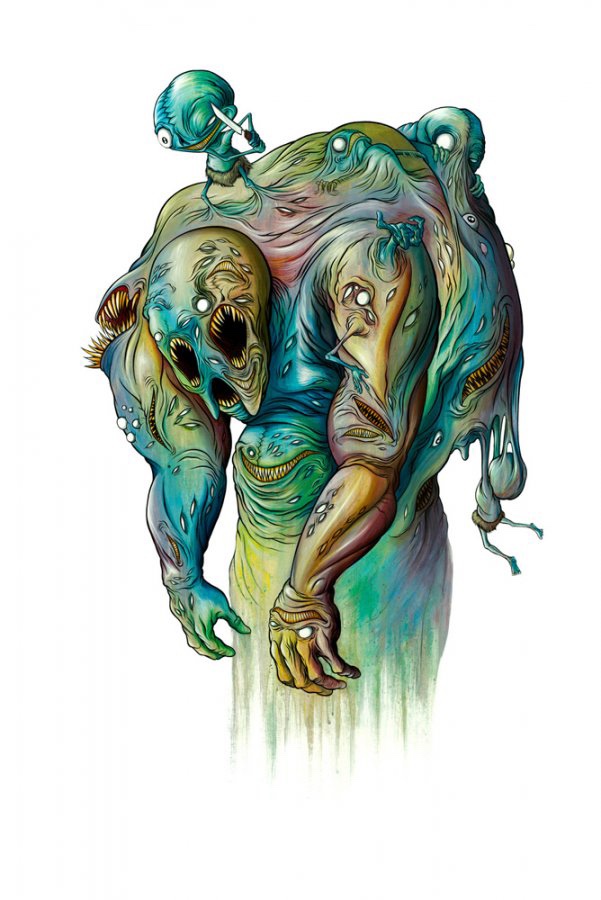
Artist: Alex Pardee

Word of the Week

banalize  
[buh-nal-ahyz, -nah-lahyz, beyn-l-ahyz]
verb (used with object)
1. to render or make devoid of freshness or originality; trivialize: Television has often been accused of banalizing even the most serious subjects.
2. To make commonplace

Word Of The Week

Bumfuzzle.

This is a simple term that refers to being confused, perplexed, or flustered or to cause confusion. You’ve probably heard your grandma or grandpa use this phrase, especially if they are from the East Coast or below the Mason-Dixon Line. This word is derived from the Old English dumfoozle.

Word Of The Week

ob·fus·cate
[ˈäbfəˌskāt]

VERB
obfuscates (third person present) · obfuscated (past tense) · obfuscated (past participle) · obfuscating (present participle)
render obscure, unclear, or unintelligible.
“the spelling changes will deform some familiar words and obfuscate their etymological origins”
synonyms:
obscure · confuse · make obscure/unclear · blur · muddle · jumble · complicate · garble · muddy · cloud · befog · muddy the waters
antonyms:
clarify
bewilder (someone).
“it is more likely to obfuscate people than enlighten them”
synonyms:
bewilder · mystify · puzzle · perplex · baffle · confound · bemuse · befuddle · nonplus · flummox · wilder · maze · gravel

ORIGIN
late Middle English: from late Latin obfuscat- ‘darkened’, from the verb obfuscare, based on Latin fuscus ‘dark’.

Word of the Week

ob·fus·cate
[ˈäbfəˌskāt]

VERB
obfuscates (third person present) · obfuscated (past tense) · obfuscated (past participle) · obfuscating (present participle)
render obscure, unclear, or unintelligible.
“the spelling changes will deform some familiar words and obfuscate their etymological origins”
synonyms:
obscure · confuse · make obscure/unclear · blur · muddle · jumble · complicate · garble · muddy · cloud · befog · muddy the waters
antonyms:
clarify
bewilder (someone).
“it is more likely to obfuscate people than enlighten them”
synonyms:
bewilder · mystify · puzzle · perplex · baffle · confound · bemuse · befuddle · nonplus · flummox · wilder · maze · gravel

ORIGIN
late Middle English: from late Latin obfuscat- ‘darkened’, from the verb obfuscare, based on Latin fuscus ‘dark’.

Word of the week

con·stel·late

[ˈkänstəlāt]

VERB
literary
constellates (third person present) · constellated (past tense) · constellated (past participle) · constellating (present participle)
  1. form or cause to form into a cluster or group; gather together.
    “the towns and valleys where people constellate” · “their stories were never constellated”
ORIGIN
mid 17th century: from late Latin constellatus, from con- ‘together’ + stellatus ‘arranged like a star’.