
Hello Pesticides
Most vineyards are sprayed with pesticides, herbicides, and fungicides to
protect their crops from insects and infection. These chemicals get in the
soil, the grapes, and ultimately in the wine you drink. Grapes are near the top
of the “Dirty Dozen” foods sprayed with the most chemicals. You avoid these
chemicals in your food (that’s why you shop for organic produce) and you should
avoid them in your wine.
And unlike other fruits, which have a protective rind you don’t eat… grapes
have a thin and porous skin. That means they absorb the chemicals sprayed on
them. And because wine is concentrated from so many grapes (600-800 per bottle)
– the end result is a condensed source of harmful cancer-promoting chemical
compounds.
Dump in the Additives
In the US, wine producers can use 76 different additives in wine without disclosing
any of them on the bottle. Things like:
- defoaming agents
- artificial coloring (virtually every red wine under $20 has the colorant “mega purple”)
- extra sugar
- high fructose corn syrup
- ammonia
- GMO bacteria and yeasts
- Fining and Clarifying Agents like fish bladder, casein or polyvinyl-polpyr-rolidone (PVPP)
- sulfites
- and a lot more
There’s one additive called Velcorin that’s particularly insane. It must be applied by people with special training while wearing hazmat suits. It’s so toxic it will burn your skin if you touch it and will kill you if consumed before it’s broken down in the wine. But even after it breaks down, I’d rather not put that in my body…
What’s even worse than learning about all these additives used in winemaking is realizing that there is no labeling or transparency about their use. Wine has no ingredients label.
A wine can have 76 additives and you would have no idea!
Why do we passionately read the label for all foods we buy and only purchase items with organic, clean ingredients, and yet we don’t pay any attention to what’s in our wine?!
The Rise of Alcohol
The American Association of Wine Economists tested the alcohol levels of tens of thousands of wines between 1992 and 2009. They saw a surprising trend. Alcohol levels jumped from an average of 12.7% in 1992 to 13.8% in 2009. Today, it’s over 14%.
In fact, it is not uncommon to see 17%+ in commercial wines.
Remember – Alcohol is TOXIC!
While many of us still enjoy drinking alcohol, dosage matters.
Studies have consistently shown that alcohol consumption is highly dose-dependent – in lower doses, research shows many positive benefits; in excess, it’s harmful. A recent report in the journal, Nature, once again highlighted this. It’s crucial to drink lower alcohol wines.
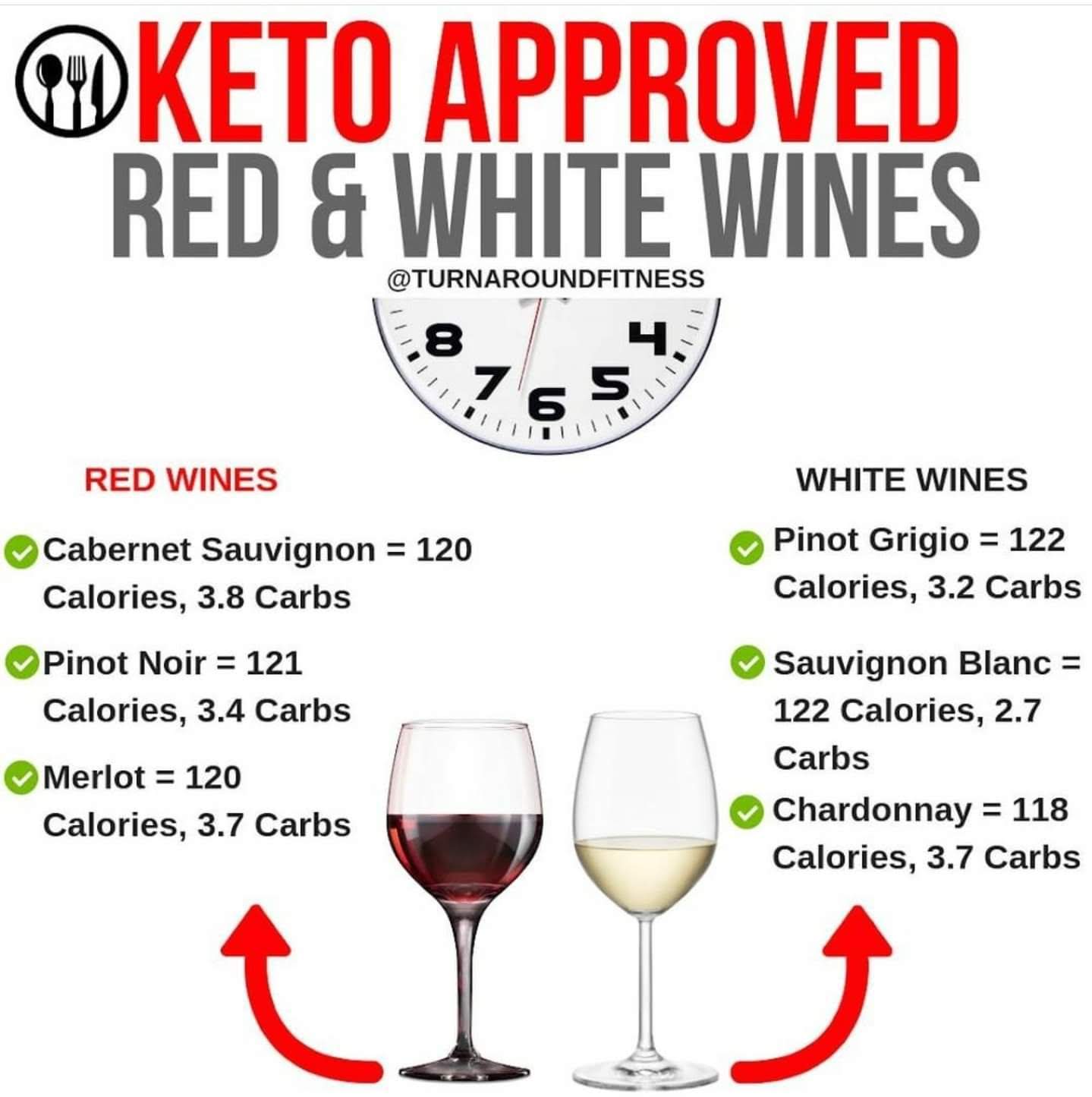
As much sugar as a coke can?
A bottle of wine can have a surprising amount of sugar in it. Again, there’s no nutrition label on the bottle so you have no idea. Even red wines have higher sugar levels than you think. You won’t always taste it because the underlying acidity and tannins hide the sweeter notes.
If you’re trying to avoid sugar in your diet, you are likely still drinking sugar in your wine.
Super sweet wines can be as high as 300 g/L of sugar. A can of coke has 108g. To follow a healthy lifestyle, you should avoid both.
- Hey all,
- Quote
- Affiliate Link for “Learning Spanish by Speaking”
- Flow by MwsR
- Ah, by MwsR
- Metformin, When To Take It
- Poem
- Poem by MwsR
- Riches by MwsR
- Frustration by MwsR
 Mws R Writings