DIY~ Father’s Day Idea

DIY Pillows Made from Daddy’s Shirts


Want a little insight into what my husband signed up for when he said “I do”?  I’ve had a box squirreled away in the bottom of the closet for the past three years.  Every time my husband has announced that he’s going to sort through his clothes and get rid of old items, I’d hover over him like a ravenous vulture circling a horse carcass.   I would wait on baited breath for an old button-down shirt to hit the “give away” pile, swoop in, nab the shirt with my sharpened craft talons, and hastily slink off to the box in the bottom of my closet.  I hope your mental image of me doing this involved drooling and a hunchback. 

So what, pray tell, could possibly evoke such strange behavior?  I had the idea (yes, three years ago) to make a quilt for the duckling out of his dad’s shirts.  Aw, that’s so sweet, except for two details – I don’t know how to quilt, and I don’t own a sewing machine.  Holding onto the hope that those two facts would shift in my favor one day meant holding onto a musty box of discarded J. Crew shirts for 1,095 days and counting. 

With no change in sight, I decided to curb my hoarding habits and do something with my secret stash of shirts before a family of squirrels decided to make a home in my closet.  Enter my new DIY project…daddy inspired throw pillows for the duckling’s room.

Supplies for Shirts
– clean, ironed button down shirts (one per pillow)
pillow forms or old pillows you want to cover
– sewing machine or handheld stitcher (I used a handheld stitcher)
– scissors
– fabric pen (optional)
– pins

The links above and in the supplies list for the felt accessories link to our Amazon page where you can purchase the craft supplies we use in this and other projects.  We offer this so that you can “one stop shop” for your supplies, and there’s no additional charge to you.  All of these items are also readily available at your local craft store. 

Instructions for Shirts

As a disclaimer, I’m not a seamstress, so I just “winged” it with a handheld stitcher.  Real sewing avids will probably shutter in horror as I describe how I made my pillow shams, but for those of you who are in the same boat as me, hopefully, it will be helpful to see that as far as it relates to this project, the sewing part isn’t an exact science.


1. Start with a clean, ironed shirt.  If you hate ironing like me, you can skip the sleeves because you’re just going to cut them off anyways.  (Feel free to wear these like She-Ra cuffs.  You know I did.)

60K+Save

2. Here’s my Eastbound & Down inspired sleeveless button-down.  I feel like I’m back in Virginia.

60K+Save

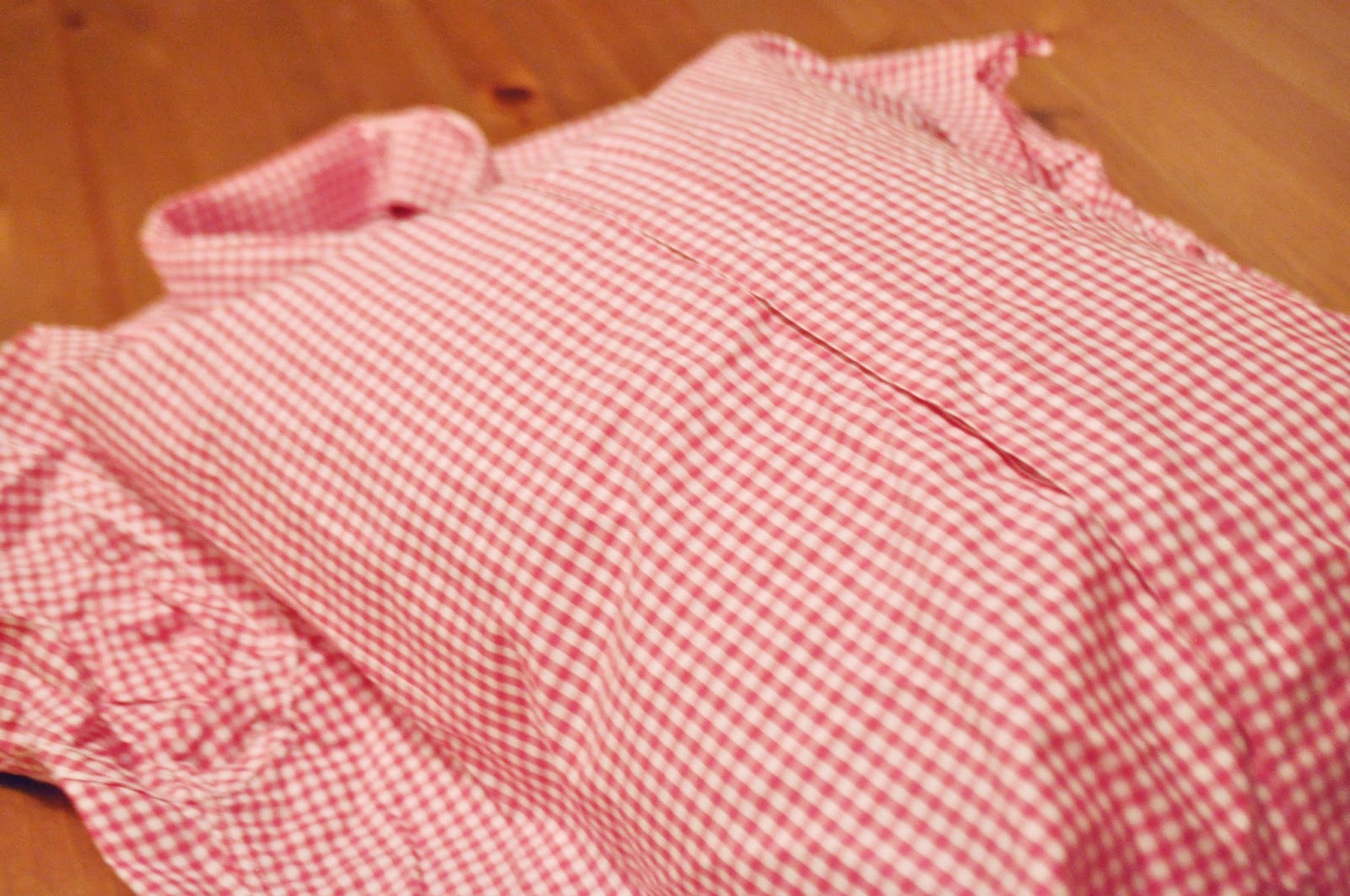
3. Turn your shirt inside out (this is important hence the bold + italics for all you skimmers/photo instructions only people) and place your pillow form/insert inside your shirt.  Finagle the pillow until you have it in the position you want.  If you’ll be using the pockets, like I did, be sure they are positioned in a place that makes you happy on the pillow.
60K+Save
 Time for our pins!
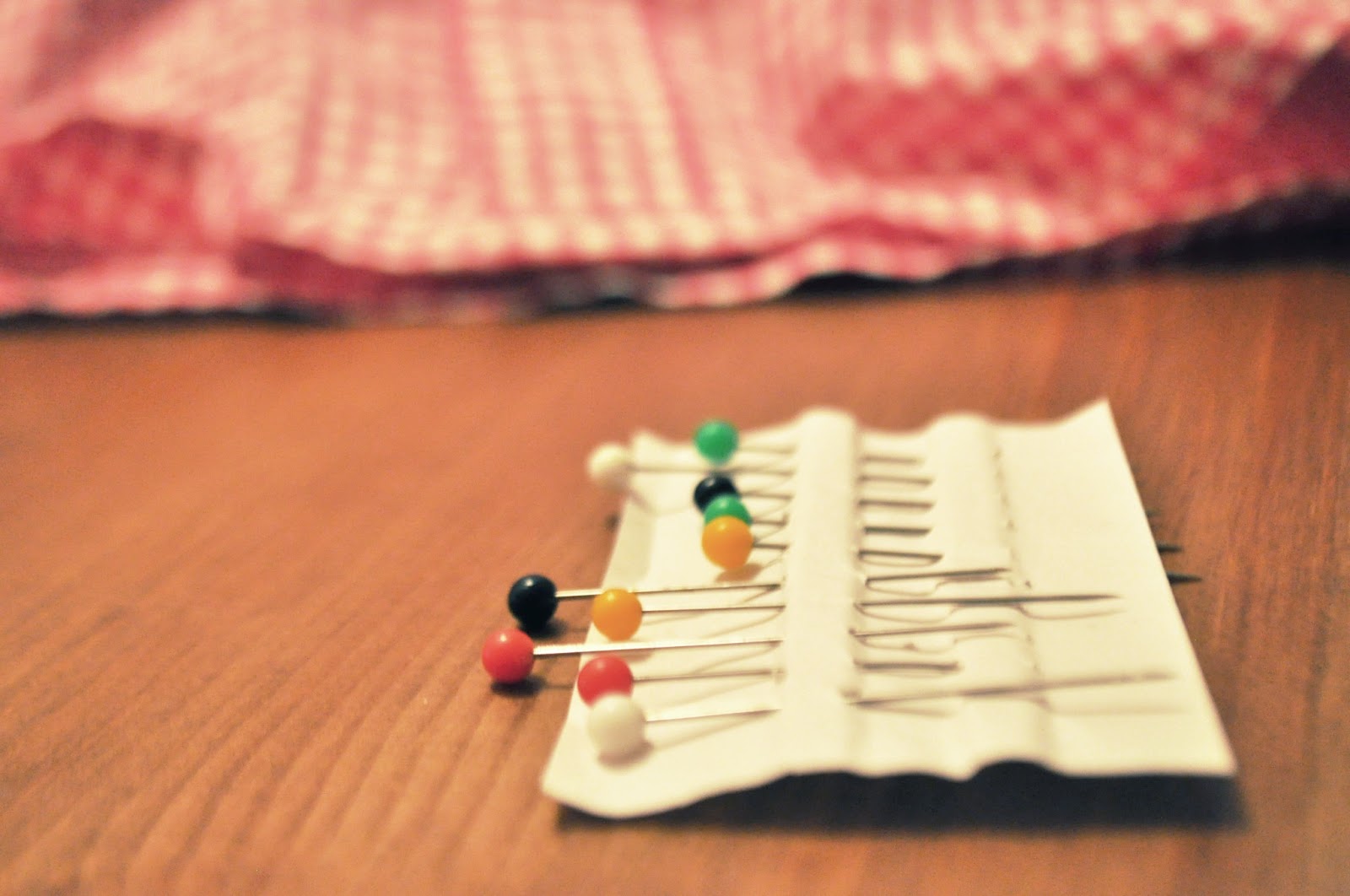
60K+Save
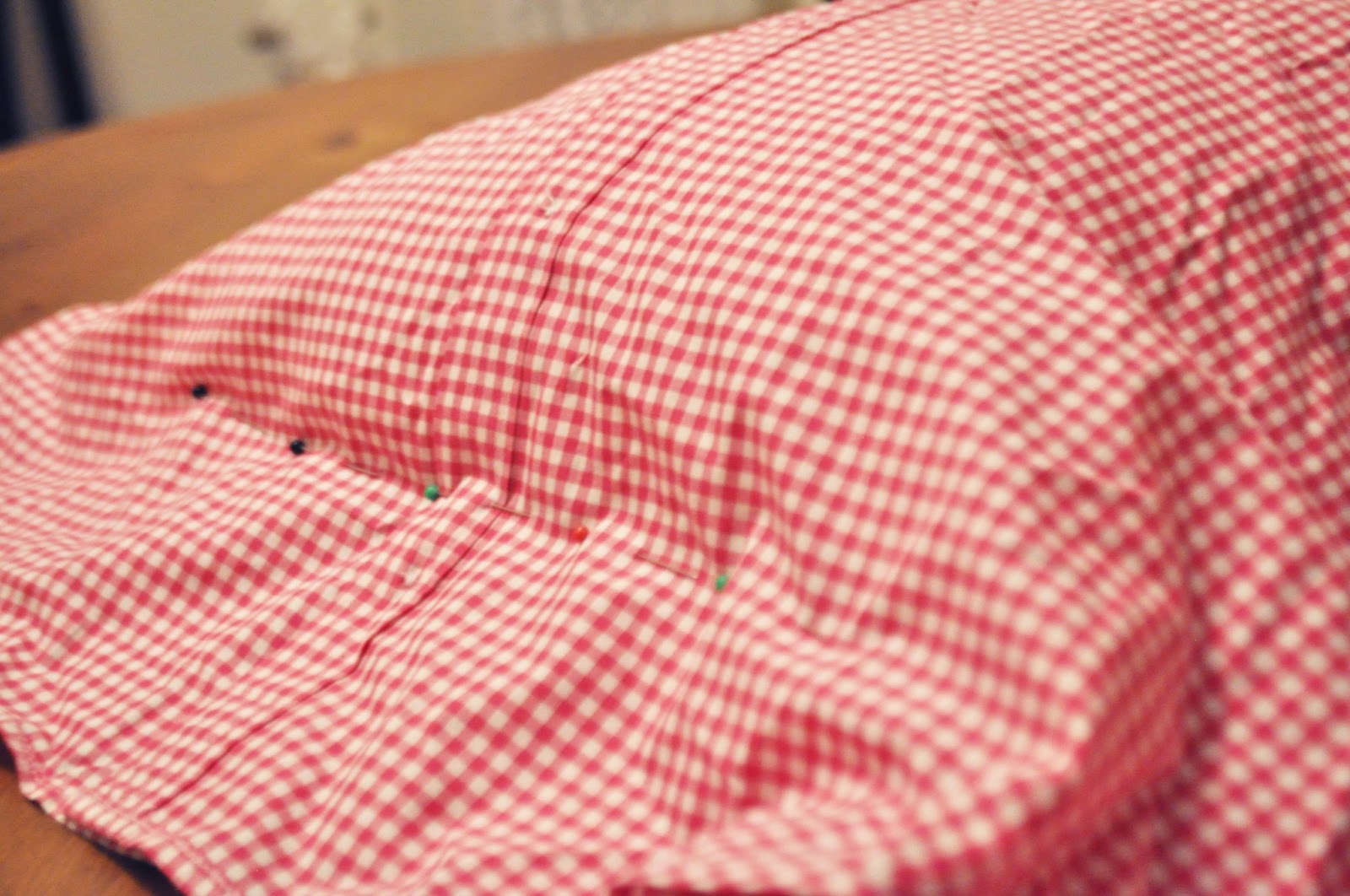
4. Pull together the bottoms of the shirt tight and pin into place beginning at the center (where the buttons are) and working your way out.  The good thing about using patterned shirts is that you can use the pattern as a rough guide as you pin. 


5. Trim the excess fabric leaving at least an inch margin from your pins.
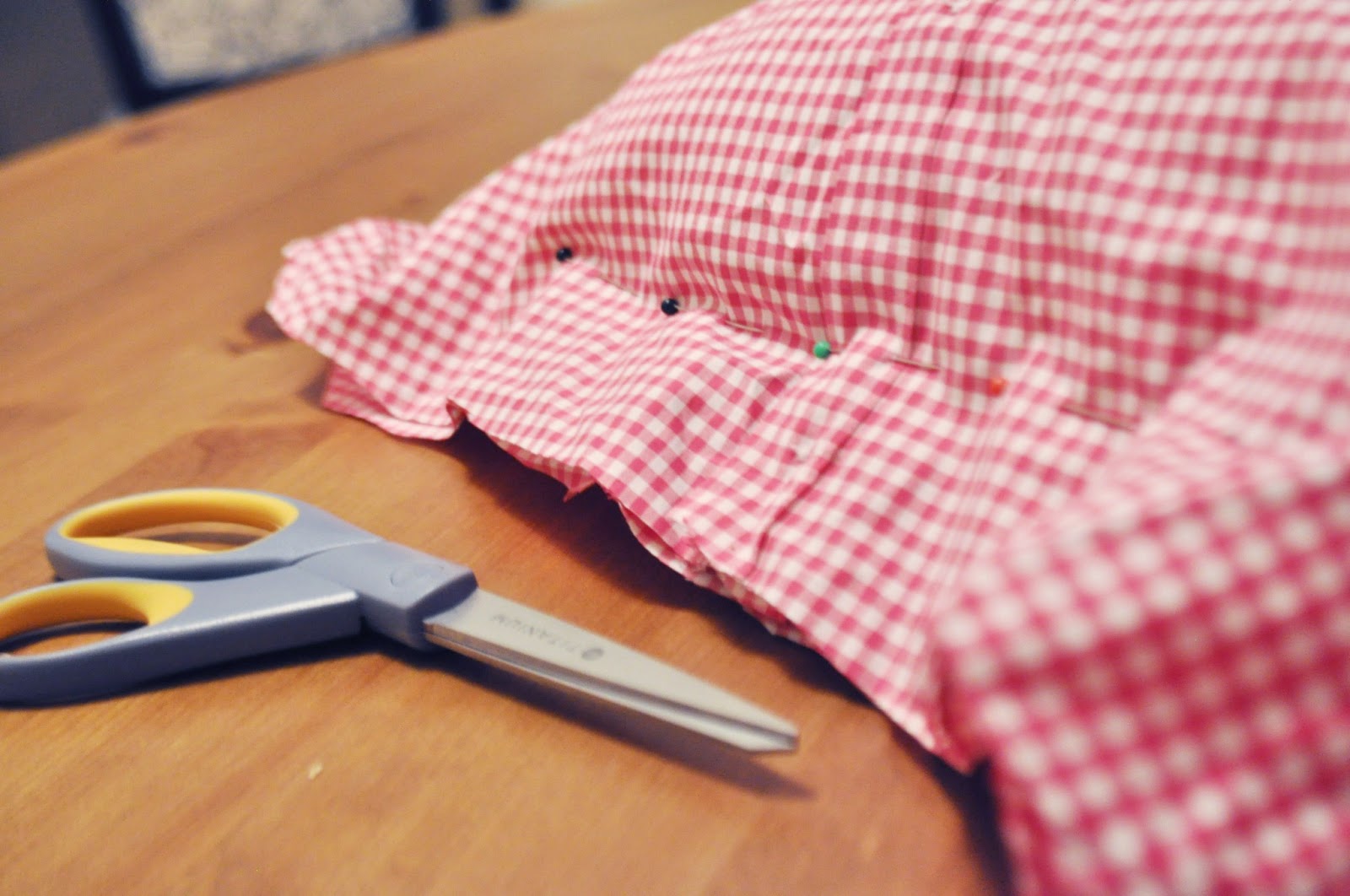
60K+Save
6. (Before we start stitching…if you are indeed using a sewing machine, now would probably be the time to repeat steps 4 and 5 on the other three sides and remove the pillow.  Sew away!) For the handi-stitcher folk out there, this is where the “not an exact science” part comes into play.  Keeping everything as is, I just started running the stitcher as close as possible to the pins, removing the pins as I went along.  Once you get to the end, follow your stitcher’s directions on how to secure the seam so it doesn’t unravel.
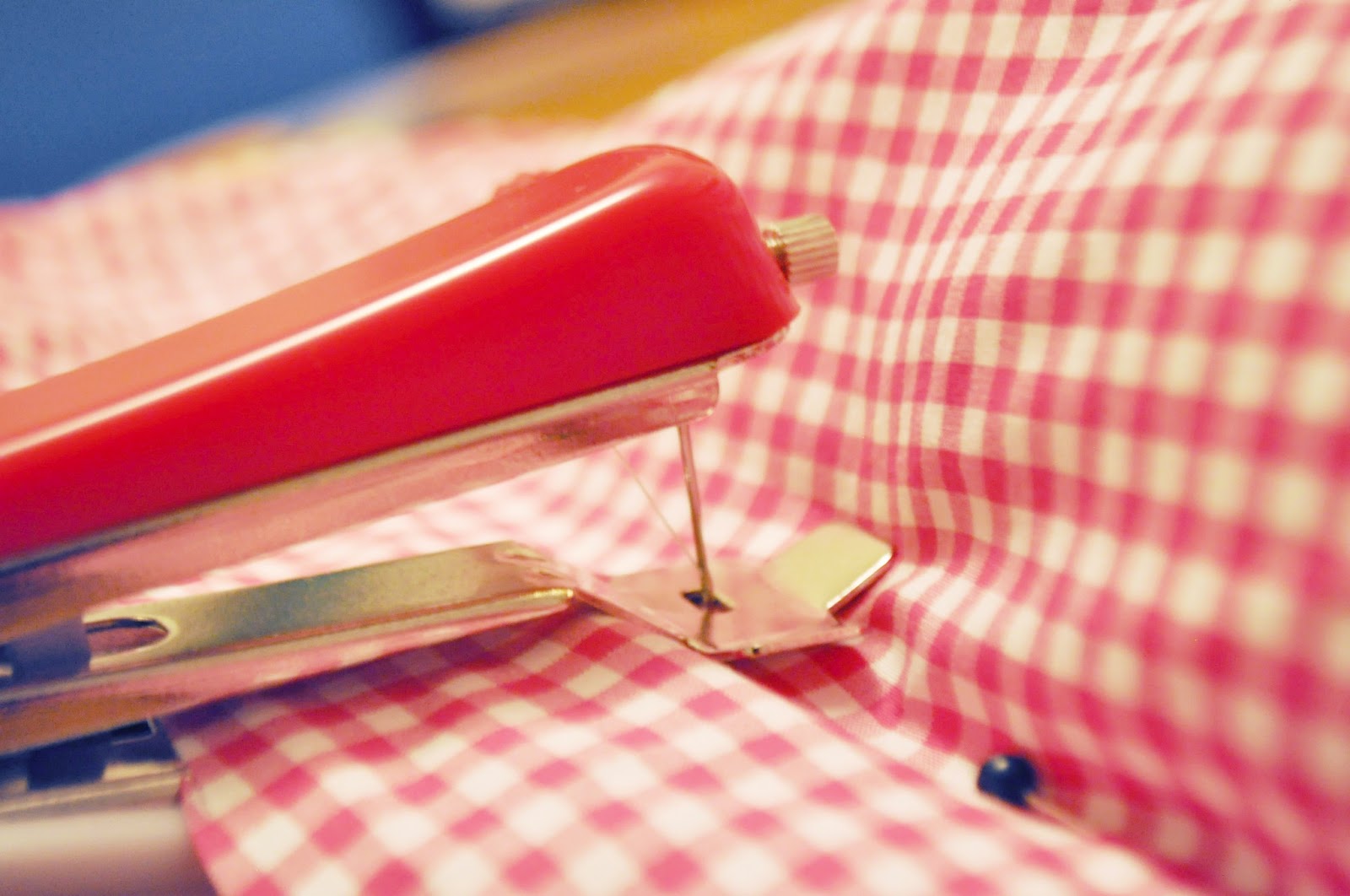
60K+Save
7. Once you finish the first side, pick up your shirt and give the pillow a little shake, encouraging it to nestle down against your new seam before moving to the opposite side to begin pinning.

60K+Save
Like my striped pajama pants?

8. Repeat steps 4 through 6 on the other three sides, starting with the opposite side (the collar), then moving to the sides under the arms. 

Also, I probably should’ve mentioned this earlier, but I also made a variation that includes the collar.  It’s not as cute, but my thought was that as the duckling gets older, this would be more of a “play pillow”, encouraging him to button and unbutton, add a bow tie or even pop the collar as he sees fit.  Here’s a picture for reference if you’re interested in making a similar one. 
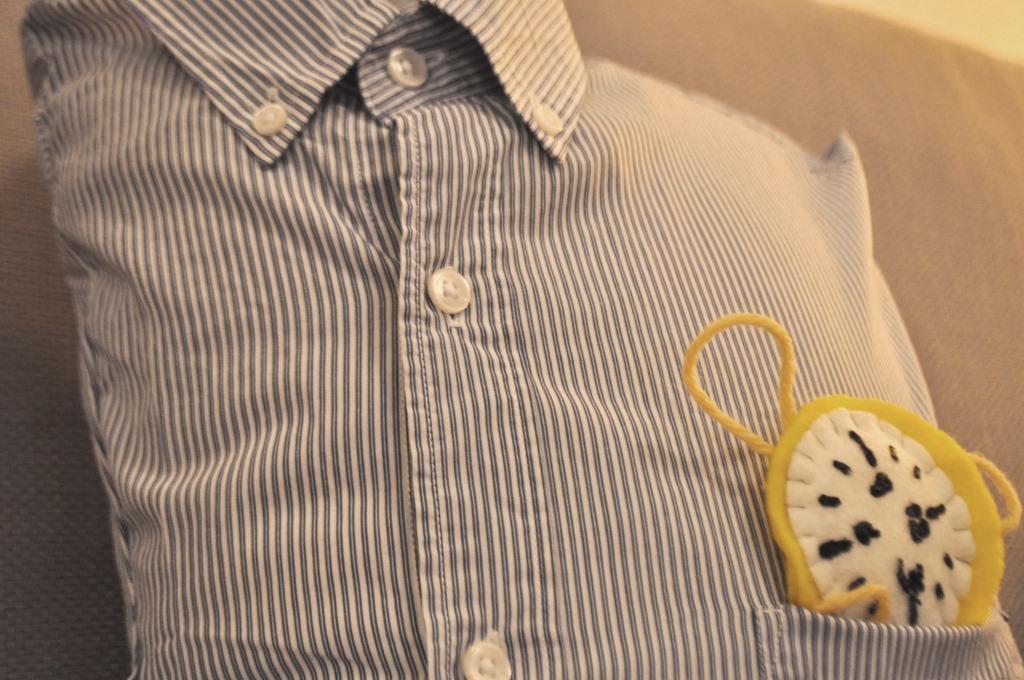
60K+Save
9. Back to our collarless pillows – now that you’ve done all four sides, trim any excess fabric.
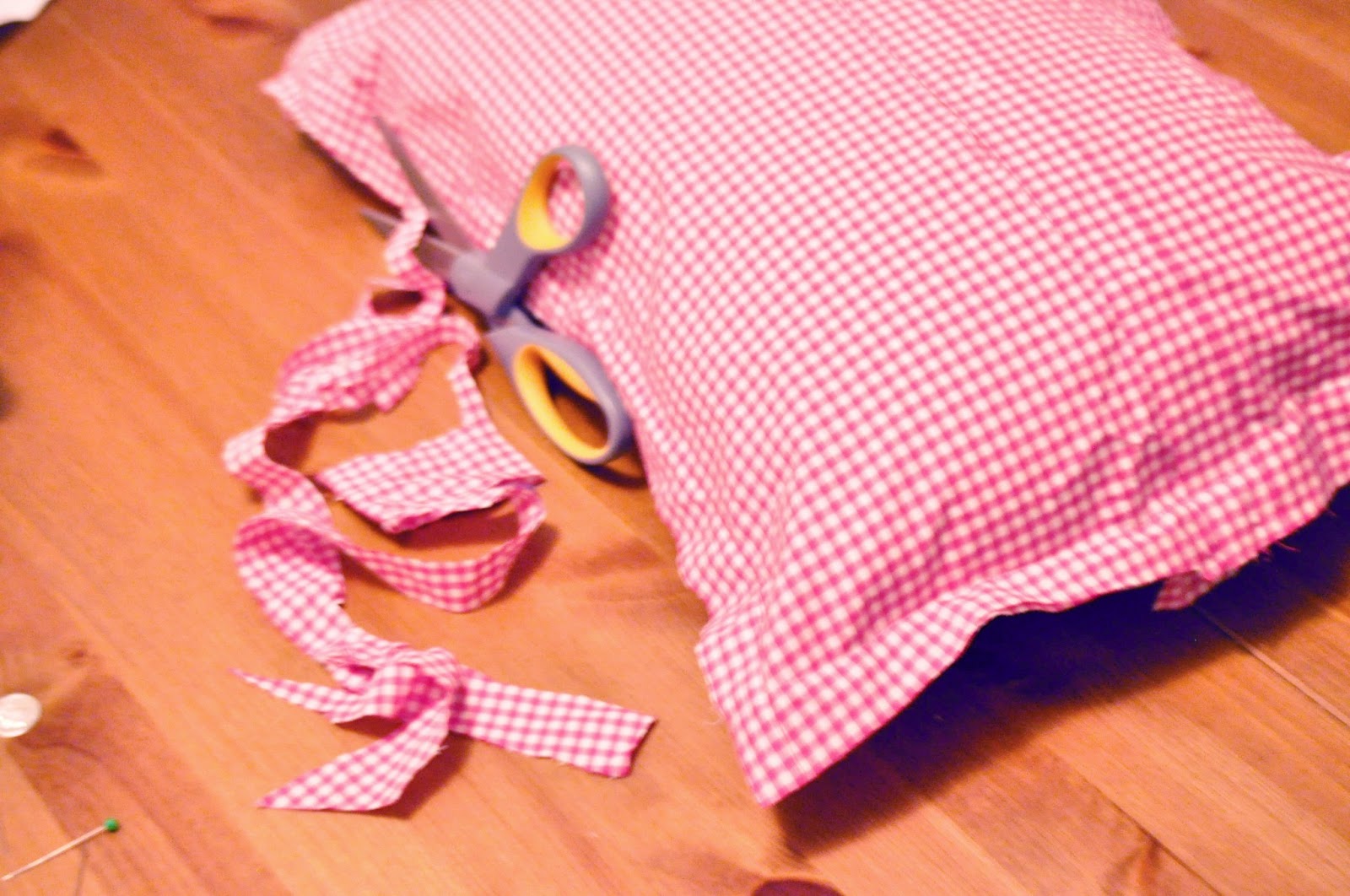
60K+Save
10. Unbutton your shirt.  The one on the table, that is.
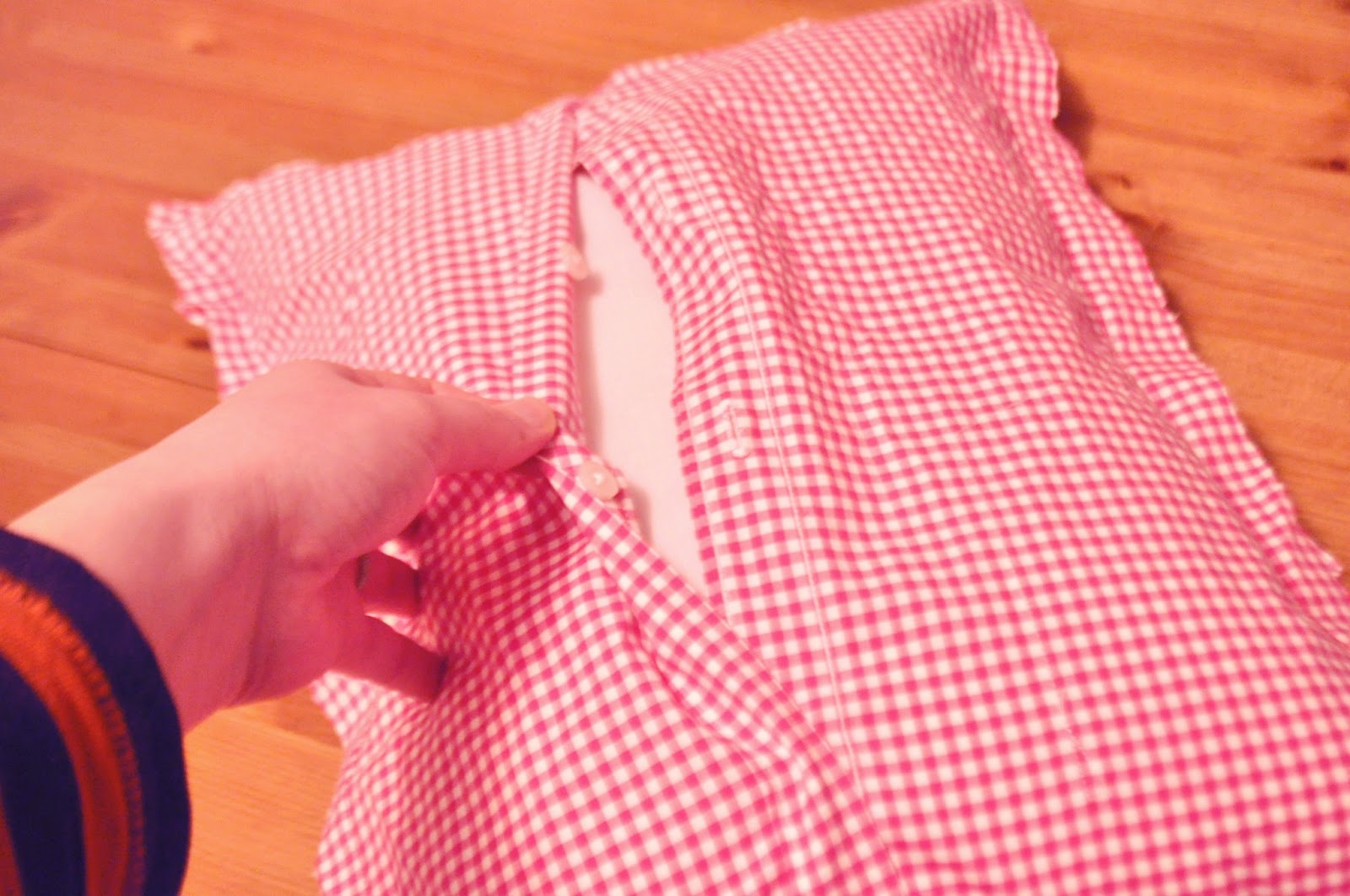
60K+Save
11. Remove the pillow insert and turn your shirt right-side out.
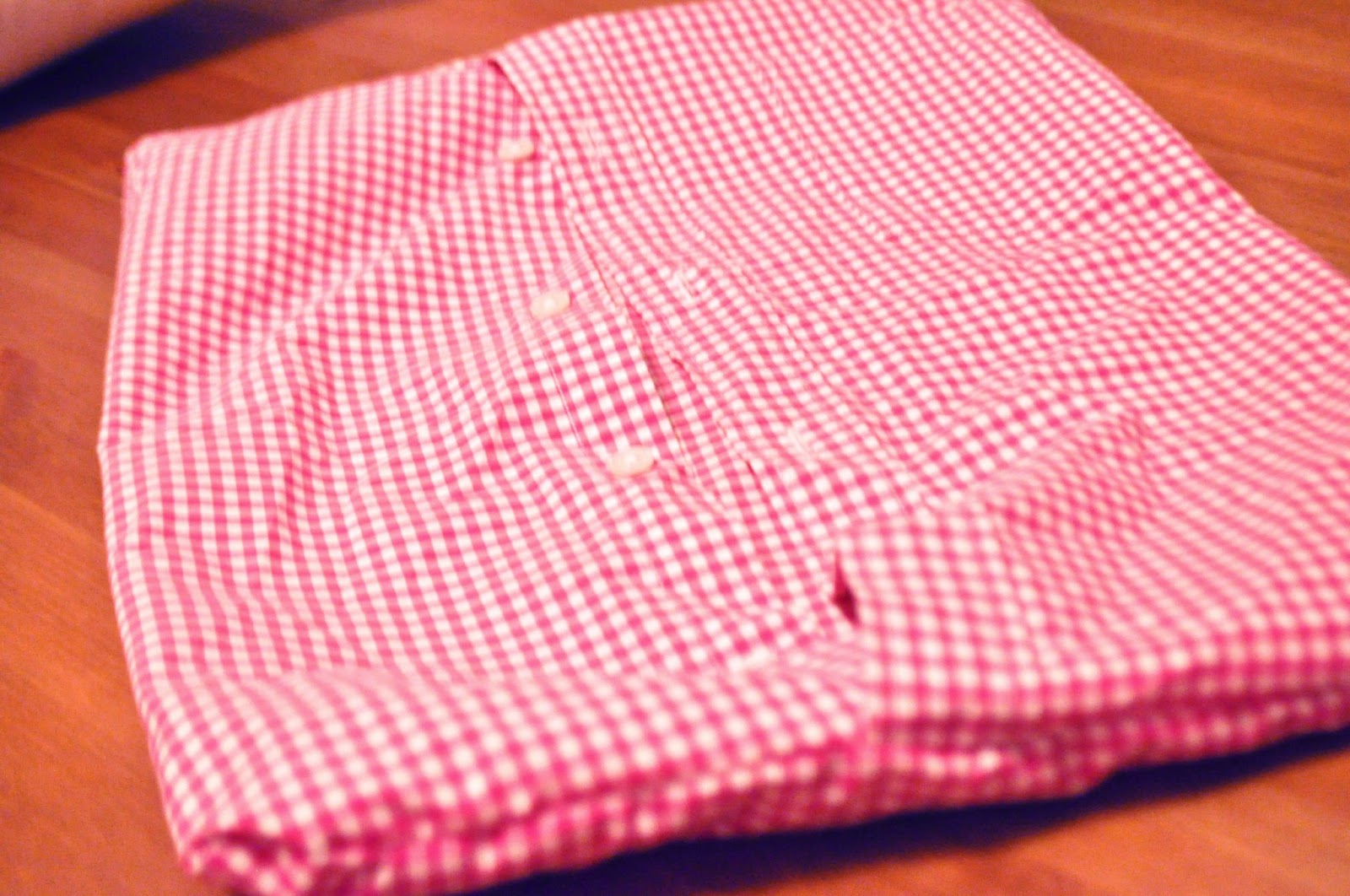
60K+Save
 12. Put the shirt back on the pillow and button.
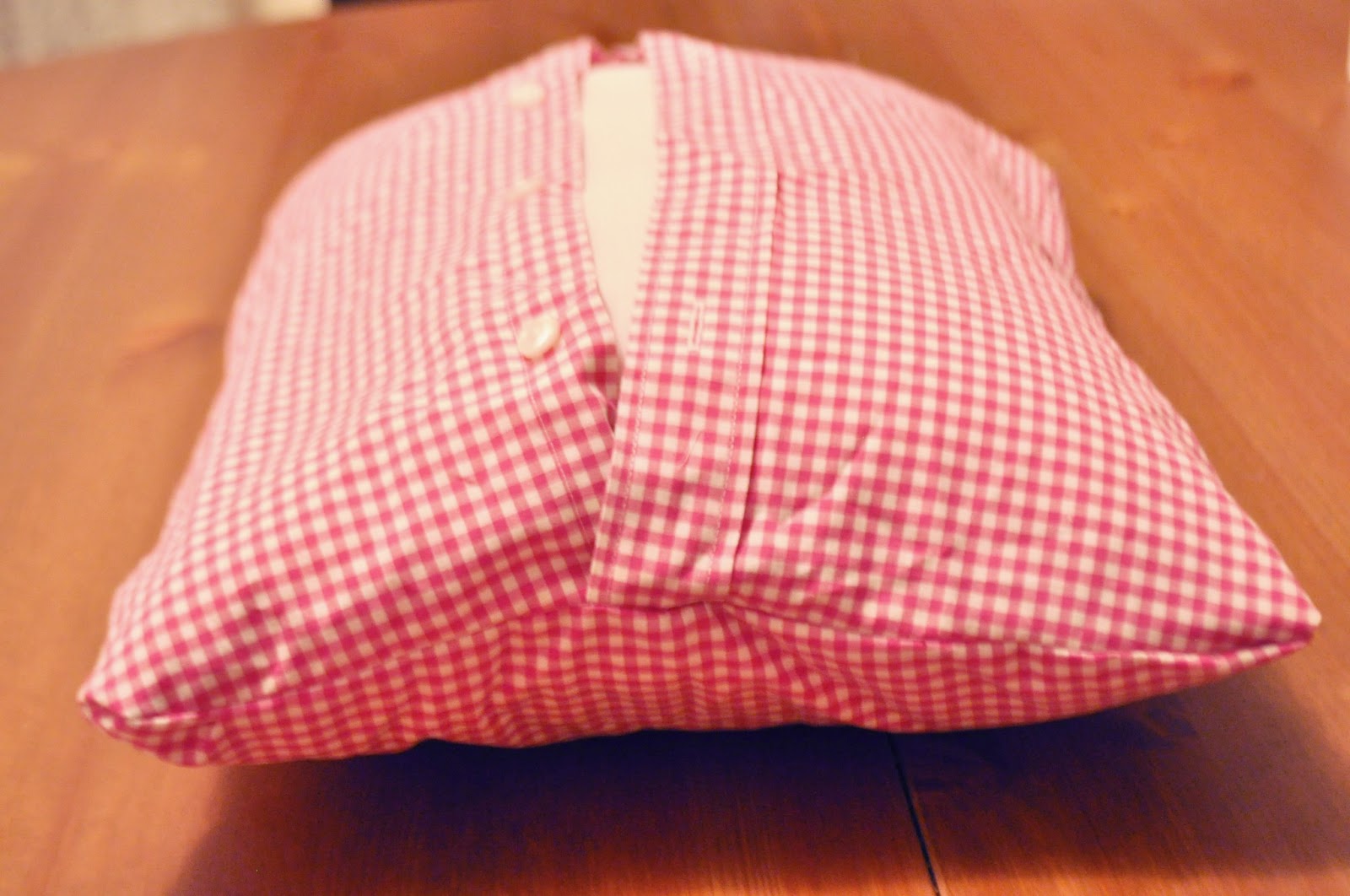
60K+Save
You’re done (unless you’re adding felt pocket accessories like mine, in which case the instructions and a few more pictures are below) !

Here are a hefty bunch of pictures of the finished project.
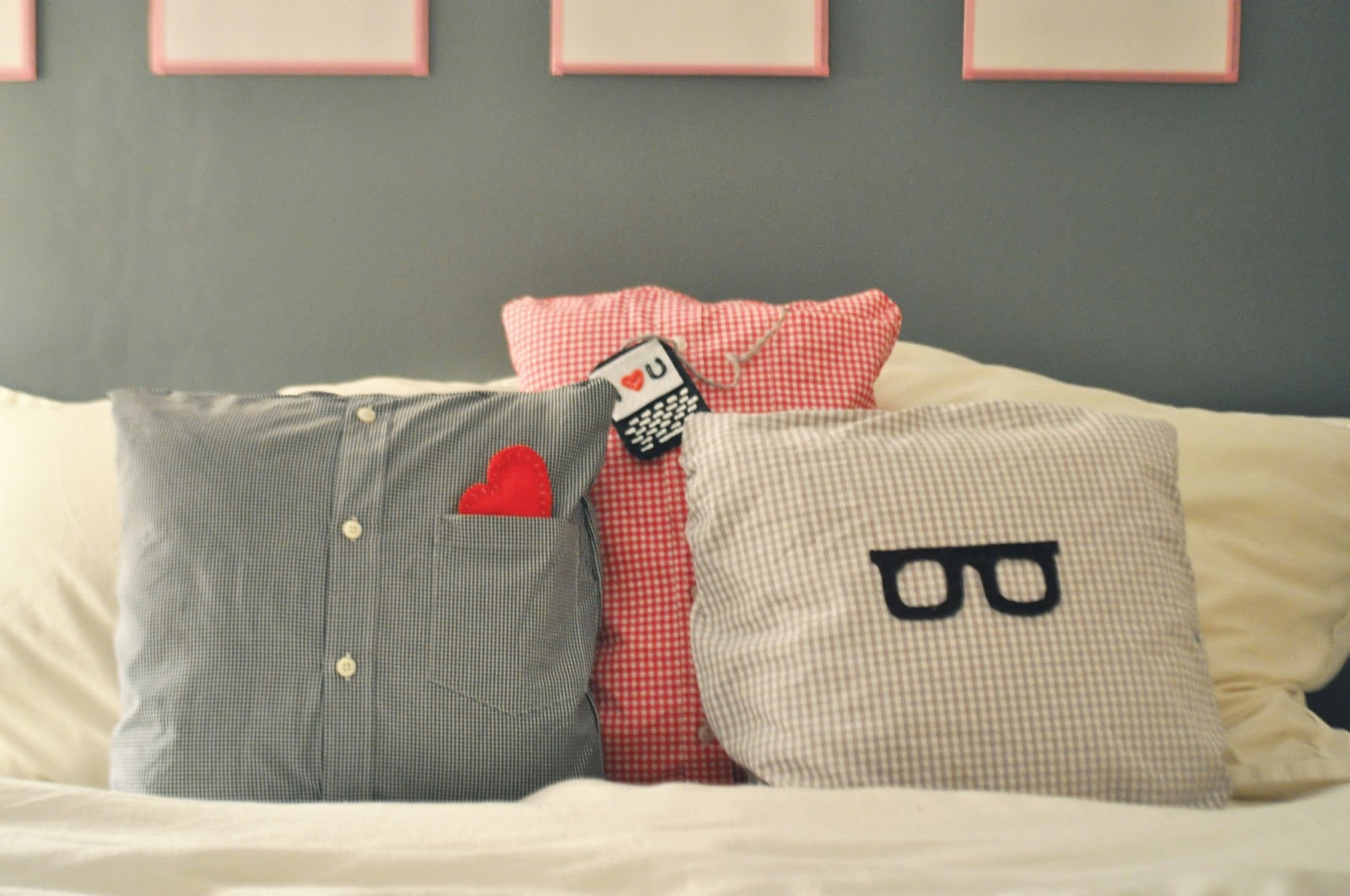
60K+Save


    DIY~ With Kool=Aid

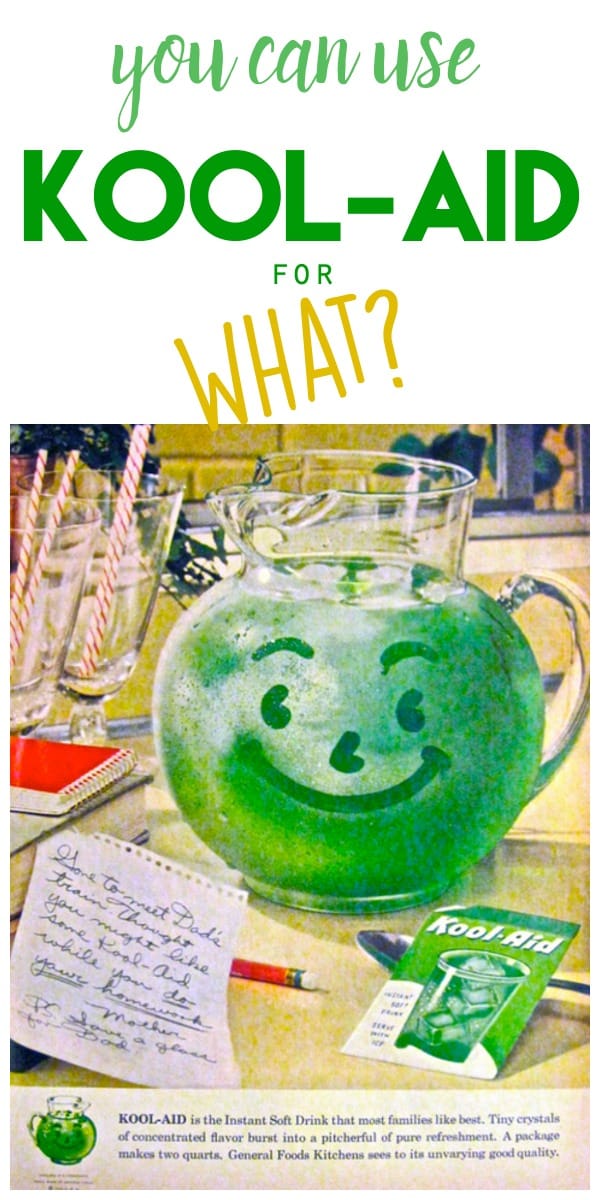
    Creative Ways to Use Kool-Aid

    1. Cleaning the Toilet. Who would’ve thought you can actually CLEAN with Kool-Aid? The lemonade flavored Kool-Aid contains citric acid, a substance that is great for cleaning mineral buildup. A common place this happens is the toilet. Sprinkle a packet of Lemonade Kool-Aid and scrub with a toilet brush. For hard water stains, allow the powder to sit for three minutes before scrubbing. Crazy right?
    2. Dye Yarn. You are the creator of your yarn color when it comes to Kool-Aid dye! You are able to dye white yarn any color you prefer using packets of Kool-Aid. Mix colors to get creative! Dissolve one or two Kool-Aid packs in a small bowl of water, then transfer to a larger pot of water. Bring the mixture to a boil, then remove from heat. Add the yarn and cover with a lid, allowing it to sit for 30 minutes. Rinse the yarn after 30 minutes and allow to dry!
    3. Dye Eggs. Save this idea for Easter! Kool-Aid can actually make a great egg dye! Mix one packet into ⅔ cups of water, allowing to dissolve. Use this concentrated solution to dye your eggs! Submerge egg into the colored water until the desired color is reached. My favorite trick is to use wax crayons to draw designs that do not adhere color, so cool!
    4. Make Colored Glue. Colored glue is a fun way to amp up any arts and crafts cupboard. Using regular liquid glue just got a whole lot more fun! Mix one packet of Kool-Aid into a bottle of glue and shake for a few minutes. Use the colored glue on stretched saran/plastic wrap to create window clings, so fun!
    5. Make Lip Gloss. Become your own colorist using Kool-Aid! Using whichever colors and flavors you prefer, mix Kool-Aid with a mini container of petroleum jelly. Add more Kool-Aid to the petroleum jelly for brighter or deeper colors. Heating the combination also allows the grainy particles of Kool-Aid to dissolve better. I like to mix the Cherry and Grape Kool-Aids for a rich purpley, red color. These taste, look and moisturize great! Substitute coconut oil for petroleum jelly if desired.

      DIY~ Hooks For Kids

      http://www.pleasenotepaper.com/2012/02/diy-mounted-toy-animal-heads.html

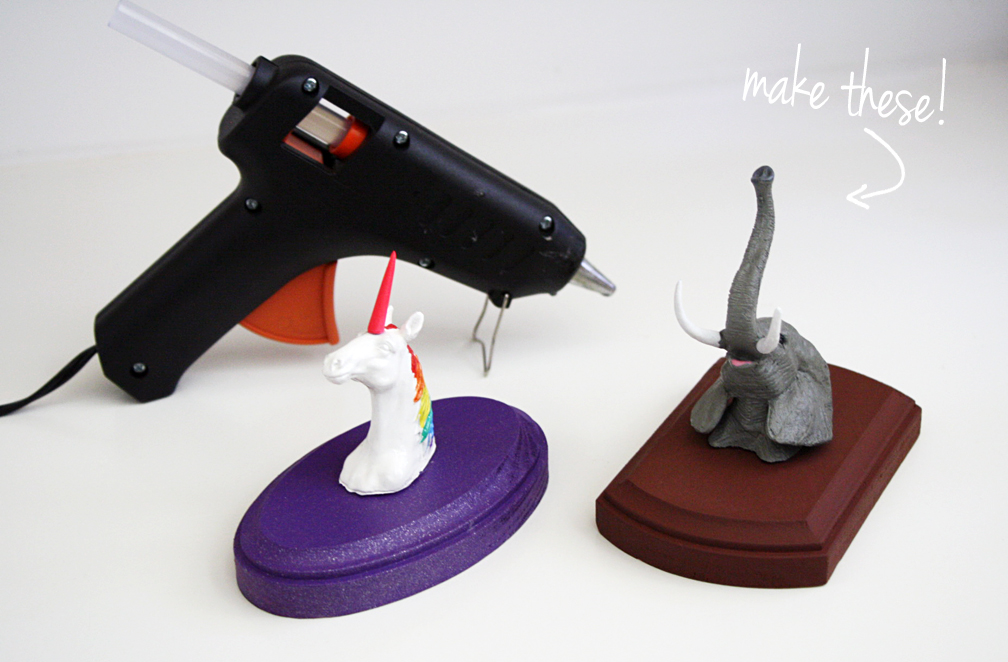
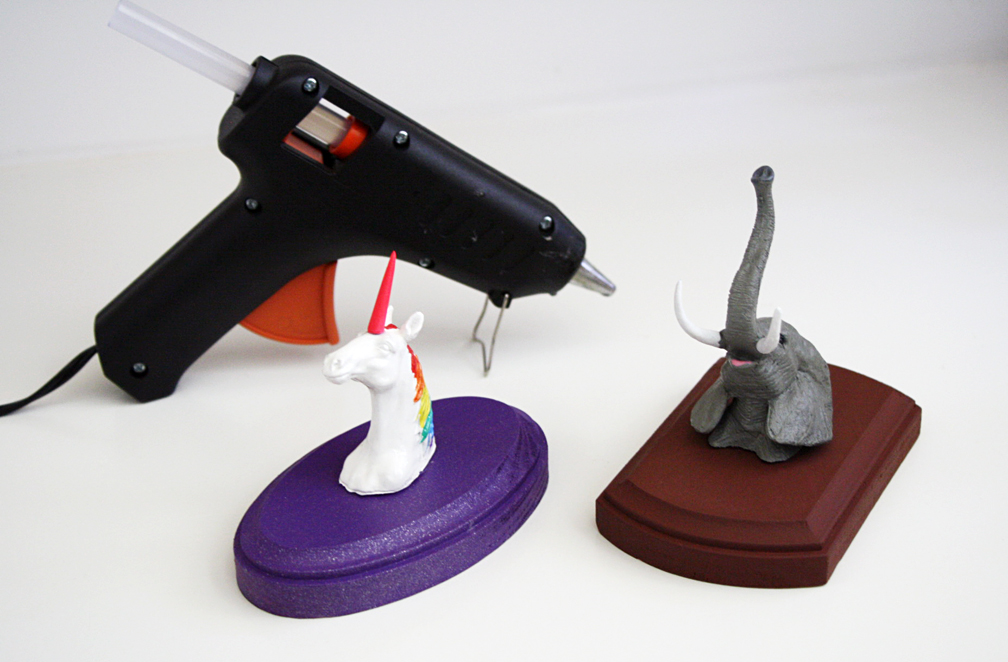
      After my Toy Animal Valentine DIY, I had a few leftover animals and didn’t know what to do with them. My friend Jess suggested that I made tiny wall mounted animal heads, so I did! The elephant was simple but the unicorn took a little more work. It was well worth the effort if you ask me because, well, unicorns are awesome. 
      What you’ll need:

      • toy animals (found in the dollar section of Target)
      • wooden plaques (found at Joann’s… the tiny ones are cheap)
      • hot glue
      • spray paint
      • a saw
      • sandpaper 
      • paint pens (if you choose to make a unicorn)
      • a pointy wooden dowel (also if you choose to make a unicorn)

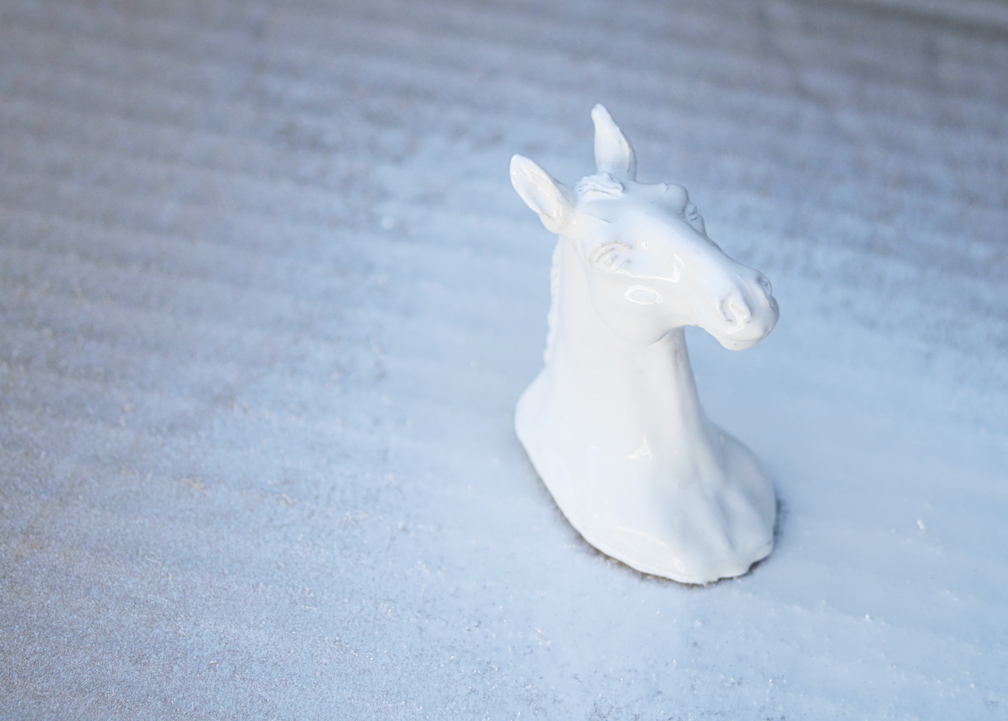
      The first thing you’re going to need to do, and there’s no nice way of saying this, is cut their heads off. I know, this photo looks a little gruesome. Sand the cut edges of the heads until they’re smooth.

      Next, spray paint your wooden plaques whatever color you like. I chose a natural brown color for the elephant and bright purple for the unicorn. I also added tiny silver specks to the purple plaque by spraying metallic paint just next to it and letting the wind carry some of the paint over. 

      If you’re making a unicorn, spray paint the horse head white. Once it’s dry, use paint pens to paint the mane like a rainbow. For the horn, I used the pointy wooden dowel that comes inside bags of Poly-Fil. I sawed off the pointy part, spray painted it hot pink, and hot glued it to the horse’s head.

      Finally, once everything is dry, line the back of the heads with hot glue and attach them to the plaques.

      Glue or nail a tiny hook to the back and hang them up!

      Upcycle Idea~Book shelves

      8.) Making shelves out of old books.
      http://www.viralnova.com/upcycled-products/

      Making shelves out of old books.

        Upcycle Idea

        1.) Using an old ladder as a bookshelf.

        Using an old ladder as a bookshelf.

        If you don't have a spare ladder handy and would like this piece for yourself, visit the Naturally Cre8tive store on Etsy.
        http://www.viralnova.com/upcycled-products/

          Idea For The Day

          DIY~Candles

          https://www.instructables.com/id/DIY-Candles/

          You will need:

          Small Glass Jars
          You should get around a dozen small glass jars. I found my leftover (5 oz) glass yogurt jars worked well. You can also buy new jars in a variety of fun shapes and sizes off Amazon.

          5lb Soy Wax
          Soy wax is a cheap and easy to work with natural wax. I find a 5lb bag yields roughly 20 – 24 candles.

          Wicks
          Getting pre-made wicks will make your life much easier in the long run.

          Box of Non-Toxic Crayons
          Non-toxic crayons make a great coloring agent because they come in a multitude of colors that can be mixed and matched. They are also already wax-based, so you can melt it directly into the wax without having to worry about diluting it.

          Assorted Scents
          You can optionally add essential oil to your candle to give it a nice scent. I ordered a sample-sized scent pack from Nurielights. This is a cool little company that sources traditionally made oils from all over the world. Each sample only makes a few candles, so if you want to scent all of them the same, you should consider a larger size.

          Wooden Clothespins
          These are for holding the wicks while the wax sets.

          Glass Measuring Cup
          You will want to get a new glass measuring cup specifically for candle making. Wax is hard to clean off.

          3 Quart Sauce Pan
          While you can use the one you have, I highly recommend buying one specifically for candle making. Once the wax gets in there (and it will), you will have a heckuva time washing it out. Life will simply be easier to get a new pan.

          Candy Thermometer
          The last thing you will need is a candy thermometer that goes up to at least 200 degrees.

          Picture of Materials
          Step 1 – Supplies
          Picture of Setup the Wicks
          Step 2- Set up wick

          First things first, you will want to prepare all of the jars for later. You will not want to be fussing with this when dealing with the wax.

          Center the wicks upright in the center of the jars using clothespins and then set them aside.

          Picture of Coloring
          Step 3- Coloring

          Pick out the color crayons you like and cut small bits off of them to be used as coloring.

          A little bit goes a long way. That said, reds, oranges, and purples tend to require a little bit less coloring than blues, greens and yellows.

          Picture of Melt the Wax
          Step 4- Melt wax

          Melting the wax directly in the pot will make the wax too hot, ruin it, and make a giant mess.

          You will want to improvise a double boiler by filling the pot 2/3 of the way with water, and then hooking the handle of the measuring cup on the side of the pan. The cup should float and the water should be about an inch lower than the side of the pan.

          If at any point it looks like the water is going to boil over the edge of the pan, or get into the cup of of wax, remove some water.

          Insert the thermometer into the empty cup, and when it gets near 170 degrees, pour in some wax until the cup is half full.

          Stir the wax to aid in melting.

          Continue adding wax little by little until there is about 2 cups worth of melted wax inside.


          Let the wax sit until the thermometer reaches 170 degrees

          Picture of Add Color
          Step 5- Add Color

          When your wax is at temperature, drop in the crayon coloring bricks and stir until they are firmly melted.

          Keep in mind the color will change change as it cools. Make the color more vibrant than you think it should be as it will be less vibrant once settled. Also, don’t get to worried if it seems to change color a little. It will sort itself out as the wax cools.

          The coloring process takes some trial and error to get a hang of.

          Picture of Scented Candles
          Step 6 -Scented Candles

          If you want to make scented candles, you can try adding about 10 drops of essential oil to the mix.

          Again, this is going to take some trial and error to get right. Some oils are stronger or weaker than others and may require more or less oil.

          However, keep in mind that if you add too much oil, the wax will not set properly. Don’t go overboard.

          Picture of Pour
          Step 7- Pour

          Pour the wax into the jars.

          If the wicks have moved off-center after you have filled the jar, gently re-position them.

          Picture of Wait
          WAIT!

          Trim the wicks to be about 1/2″ long.

          Wipe away any wax that got splashed around the outside of the glass jar.

          Enjoy your new candles.


            DIY~Outdoor Bar