A Fable

by Mark Twain


An illustration for the story A Fable by the author Mark Twain
Thomas Landseer etching, Three Cats

Once upon a time an artist who had painted a small and very beautiful picture placed it so that he could see it in the mirror. He said, “This doubles the distance and softens it, and it is twice as lovely as it was before.”

The animals out in the woods heard of this through the housecat, who was greatly admired by them because he was so learned, and so refined and civilized, and so polite and high-bred, and could tell them so much which they didn’t know before, and were not certain about afterward. They were much excited about this new piece of gossip, and they asked questions, so as to get at a full understanding of it. They asked what a picture was, and the cat explained.

“It is a flat thing,” he said; “wonderfully flat, marvelously flat, enchantingly flat and elegant. And, oh, so beautiful!”

That excited them almost to a frenzy, and they said they would give the world to see it. Then the bear asked:

“What is it that makes it so beautiful?”

“It is the looks of it,” said the cat.

This filled them with admiration and uncertainty, and they were more excited than ever. Then the cow asked:

“What is a mirror?”

“It is a hole in the wall,” said the cat. “You look in it, and there you see the picture, and it is so dainty and charming and ethereal and inspiring in its unimaginable beauty that your head turns round and round, and you almost swoon with ecstasy.”

The ass had not said anything as yet; he now began to throw doubts. He said there had never been anything as beautiful as this before, and probably wasn’t now. He said that when it took a whole basketful of sesquipedalian adjectives to whoop up a thing of beauty, it was time for suspicion.

It was easy to see that these doubts were having an effect upon the animals, so the cat went off offended. The subject was dropped for a couple of days, but in the meantime curiosity was taking a fresh start, aid there was a revival of interest perceptible. Then the animals assailed the ass for spoiling what could possibly have been a pleasure to them, on a mere suspicion that the picture was not beautiful, without any evidence that such was the case. The ass was not, troubled; he was calm, and said there was one way to find out who was in the right, himself or the cat: he would go and look in that hole, and come back and tell what he found there. The animals felt relieved and grateful, and asked him to go at once–which he did.

But he did not know where he ought to stand; and so, through error, he stood between the picture and the mirror. The result was that the picture had no chance, and didn’t show up. He returned home and said:

“The cat lied. There was nothing in that hole but an ass. There wasn’t a sign of a flat thing visible. It was a handsome ass, and friendly, but just an ass, and nothing more.”

The elephant asked:

“Did you see it good and clear? Were you close to it?”

“I saw it good and clear, O Hathi, King of Beasts. I was so close that I touched noses with it.”

“This is very strange,” said the elephant; “the cat was always truthful before–as far as we could make out. Let another witness try. Go, Baloo, look in the hole, and come and report.”

So the bear went. When he came back, he said:

“Both the cat and the ass have lied; there was nothing in the hole but a bear.”

Great was the surprise and puzzlement of the animals. Each was now anxious to make the test himself and get at the straight truth. The elephant sent them one at a time.

First, the cow. She found nothing in the hole but a cow.

The tiger found nothing in it but a tiger.

The lion found nothing in it but a lion.

The leopard found nothing in it but a leopard.

The camel found a camel, and nothing more.

Then Hathi was wroth, and said he would have the truth, if he had to go and fetch it himself. When he returned, he abused his whole subjectry for liars, and was in an unappeasable fury with the moral and mental blindness of the cat. He said that anybody but a near-sighted fool could see that there was nothing in the hole but an elephant.

MORAL, BY THE CAT

You can find in a text whatever you bring, if you will stand between it and the mirror of your imagination. You may not see your ears, but they will be there.


A Fable was featured as The Short Story of the Day on Fri, Sep 14, 2018

Upcycle Idea

Shutter Sofa Table
Shutters are key design elements in cottage style. Many people repurpose them as wall art or headboards. Layla used a shutter as the top surface of a sofa table to bring in soft lines common in cottage design.
https://www.hgtv.com/design/decorating/clean-and-organize/25-ways-to-upcycle-your-old-stuff-pictures

Weird Animal

See the source image

The aye-aye (Daubentonia madagascariensis) is a long-fingered lemur, a strepsirrhine primate native to Madagascar that combines rodent-like teeth that perpetually grow[4] and a special thin middle finger.

It is the world’s largest nocturnal[5] primate. It is characterized by its unusual method of finding food: it taps on trees to find grubs, then gnaws holes in the wood using its forward-slanting incisors to create a small hole in which it inserts its narrow middle finger to pull the grubs out. This foraging method is called percussive foraging, and takes up 5–41% of foraging time.[6][7] The only other animal species known to find food in this way is the striped possum.[8] From an ecological point of view, the aye-aye fills the niche of a woodpecker, as it is capable of penetrating wood to extract the invertebrates within.[9][10]

The aye-aye is the only extant member of the genus Daubentonia and family Daubentoniidae. It is currently classified as Endangered by the IUCN; and a second species, Daubentonia robusta, appears to have become extinct at some point within the last 1000 years.[11]

DIY~Face Masks

https://sublimedaily.com/diy-face-masks-for-busy-moms/

Poem

Will Kill You Early by MwsR

“It will kill you early”, they say

What do they know, they can’t feel my pain

I am in this alone,

I must bury it before it buries me, it’s really grown.

Went from being a secret situation

Now it has taken on a new kind of commotion.

It will take me a while. I believe,

You know, to get real relief.,

To work my way to where I once was whole.

Regardless of what advice I have been told.

I don’t need to concern myself with others

They are not worth all of that, to have to smother

My need to be me, to be my true self

Enough already, enough to be disheveled.

Got to jump back up, dive right in

Find that person I was, before then.

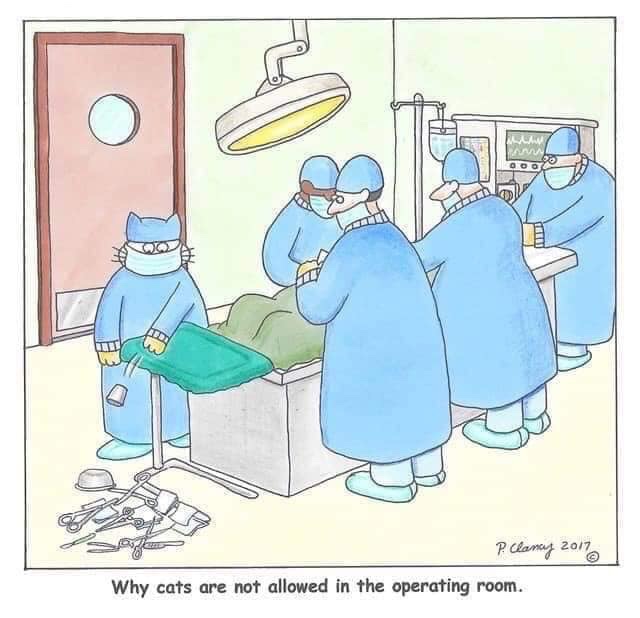
Laugh a Little

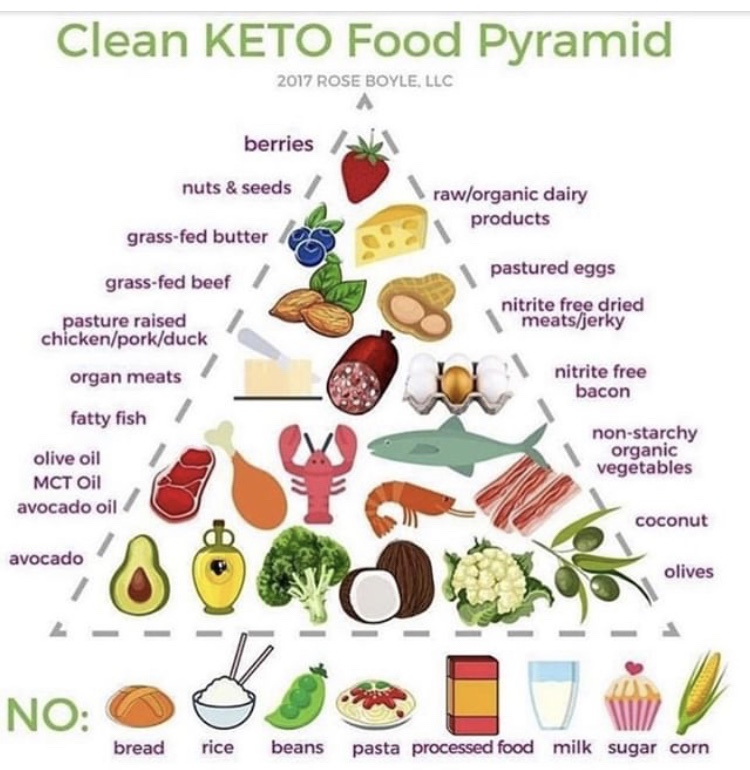
Keto Food Pyramid

New Diet Out There~ Optavia

Optavia is actually a new version of an older diet, Medifast, which was created by a doctor in 1980 and involved packaged shakes, bars, and snacks. The plan was updated a few times, and in 2017 a new iteration for the digital age, Optavia (rhymes with Mamma Mia), was launched. When you sign up for Optavia, you purchase foods online and get connected to a personal coach, who is in most cases a former client eager to share the gospel of Optavia (and who also gets paid a commission on all the food you order, plus bonuses and additional commissions for recruiting and supporting other coaches). The coach helps you work through a “Habits of Health” program—commonsense health goals like using the stairs instead of the elevator and drinking lots of water—but the main sell of the program is still those packaged shakes and bars.

How does the Optavia diet work?

In the initial “Optimal Weight 5 & 1” phase—which can last 12 weeks, 6 months, or longer, depending on how much weight you want to lose—you eat six small meals a day, spread out every 2 to 3 hours so you don’t get hungry and your blood sugar levels remain steady. So far, great idea! But there’s a catch: Five out of the 6 “meals” consist of processed, packaged meal replacements called Fuelings.

There are about 60 different kinds of Fuelings available for sale on the site (a starter pack that includes 119 servings costs $392). Choices include savory dishes like pasta, oatmeal, mashed potatoes, and soups (all of which come in dehydrated packs; you add water and pop in the microwave), but the majority of the items are shakes, bars, cookies, and crunchy snacks (Chili Nacho Cheese Puffs, anyone?). Each of these Fuelings has around 100 calories and contains what Optavia calls “a high quality protein” and a probiotic for digestive health.

a bowl of food on a table: A selection of Optavia’s Fuelings, founds on its website.

© Optavia A selection of Optavia’s Fuelings, founds on its website.

“Once we start referring to meals and snacks as Fuelings, we’re already in trouble,” says Jaclyn London, MS, RD, CDN, director of the Nutrition Lab at the Good Housekeeping Institute, who is also the author of Dressing on the Side (and Other Diet Myths Debunked). “Food is meant to be enjoyed in order to provide nourishment in any and every form, and labeling it as fuel ignores that fact.”

In this phase, you’re allowed to eat fresh food just once a day, for your “Lean & Green” meal, which you prepare yourself (or, with some effort, order in a restaurant): It should include 5 to 7 ounces of a lean protein, such as fish, chicken, eggs, or steak; up to 2 servings of a healthy fat such as avocado or canola oil; and a heap of non-starchy vegetables. No fruit, potatoes, dairy, bread, or grains are allowed, and alcohol is a definite no-no.

This all adds up to 800 to 1,000 calories per day. To put that in perspective, a woman in her forties needs a minimum of 1,800 calories a day, according to USDA dietary guidelines; 1,000 calories is the recommended amount for an average 2-year-old.

So, when do you go back to real food?

After you’ve reached your goal weight, you switch to a transition phase, in which you can eat 3 Lean & Green meals a day, slowly adding in fruit, dairy, and whole grains, but continuing to supplement with 3 Fuelings per day. “We give clients guidance to help them stop being in the fat-burning phase and transition to a balanced, healthy state,” says Optavia Coach Jan Paxman. She points out that clients can eventually transition to a completely whole-food diet, though, she says, “Most of them find that it’s helpful to continue to use the Fuelings, because it keeps it very simple and cost-effective. If they’re grabbing fast food or snacks at vending machines, they end up spending at least the same amount or even more.”

Well, you’ll certainly lose weight. There’s no question that if you stick to the extremely-low-calorie plan, you will shed pounds fairly quickly. (Though the site has many stories of people who lost 100 pounds or more on Optavia, the company is careful to point out that the typical weight loss is 12 pounds over 12 weeks.) Pamela,* a small-business owner in New York, says she’s lost 50 pounds in 6 months, and it’s been a good experience, though she hasn’t transitioned yet to the maintenance phase. “My husband and I consistently lost week after week, even when we ate out for dinner,” she says.

It’s easy. You don’t have to think about your food much at all on this plan. Once a day, you throw some protein on a pile of vegetables for a meal; the rest of your meals require nothing more than tearing open a package and putting it in the microwave.

There’s community support. In addition to the coaches, who check in by phone, text, or email once a day for the first four days, then once or twice a week for next 12 weeks, there are also Facebook pages and webinars. “Accountability and community are key components to any behavior-change program, so if there is one gold star to give here, it’s for the support,” says London, who points out that you should check in with your physician before starting any extreme diet plan, especially if you’ve had a history of eating disorders or you’re on any medications.

You’re eating a lot of packaged, processed food. Optavia is adamant that these dehydrated mashed potatoes, shakes, and bars are healthy, nutritionally balanced, “all natural” meals. One look at the ingredients, however, shows that “natural” is in the eye of the beholder. The first five ingredients on the basic chocolate shake, for example, include: Soy protein isolate, fructose, dextrin, cocoa powder (processed with alkali), and whey protein concentrate. “‘No artificial ingredients/preservatives’ does not mean it’s a real food,” says London. Especially when the first ingredient is a soy protein isolate, which means a nutrient found in food is isolated to create a new, man-made food product.”

“There are so many snacks you can make with whole foods that are healthy, low in calories, and filling,” adds Bonnie Taub-Dix, RDN, creator of BetterThanDieting.com and author of Read It Before You Eat It—Taking You from Label to Table. “Just take nonfat milk and mix with a banana and ice for a smoothie, and you’ll have a healthier shake. Instead of eating a pack of dehydrated pasta, why not have a bowl of zucchini noodles or a small portion of whole-wheat pasta topped with fresh veggies and a protein?”

And the tastes aren’t for everyone. “I couldn’t stick with Optavia because the food wasn’t very tasty and I got bored with it quickly,” says Justin, a periodontist in Maryland who lost 10 pound in two months on Optavia, and then gained it all back. “I had a shake every morning and ate a couple of the pastas, but you there’s only so much powdered food you can eat in your life.” Even Pamela, who is still on the plan, says she only likes a handful of the Fuelings—the bars, shakes, and sticks—though her husband is a bigger fan of the savory meals. “Countless surveys have shown that the top reason we choose our food is first for taste, and then for convenience,” says Taub-Dix. “This may ring all the bells on convenience, but it falls short on taste.”

It’s hard to sustain over the long run. Optavia points to a recent study that shows Optavia (and its sister diet, Medifast) help dieters lose more weight over 16 weeks than a regular low-calorie diet, but—surprise!—the study was paid for by Medifast, Inc. There don’t appear to be any independent studies that have assessed the long-term success of this diet. “The diet may help short-term, since you’re restricting total calories by limiting carbs, but restriction long-term can be unsustainable,” says London. Taub-Dix adds that this type of restrictive diet makes it difficult to eat with the rest of the family or go out to social events without feeling like an outcast.

“Eating real, nutrient-dense, delicious and health-promoting food for long-lasting behavior change that sticks is the only way to lose weight and actually keep it off,” says London. “Why consume vitamins and minerals in a powdered shake or bar when you could eat real food from which you’ll benefit mentally, physically, and psychologically—through shared experiences around meals and snacks that provide flavor and nutrition.”

a variety of vegetables on a cutting board with a knife: Plant-based diets are trendier than ever before. Everyone from your favorite celebrities to your co-workers are eating less meat, dairy, and eggs—or giving it up completely and going full-on vegan or vegetarian. That change isn’t just beneficial for your own health—it also makes a huge difference in helping the planet and the animals.There have been multiple studies over the years that have shown just how much eating a plant-based diet can better your overall health. Think about it: When you’re filling your plate with mostly plants and few to no animal products, how can it not?”Plant-based diets are associated with numerous health benefits including—but not limited to—lowering BMI and decreasing obesity risk, reducing the risk of (and possibly even reversing) the effects of chronic diseases such as diabetes, cardiovascular disease, and specific types of cancers, such as gastrointestinal cancer,” says Whitney English, MS, RDN, of Plant-Based Juniors. “Plant-based diets may also help decrease blood pressure, cholesterol, HbA1C (a marker of diabetes), and blood sugar levels.”While those health benefits are all impressive, one of the biggest draws for people is the diet’s ability to help with weight loss. Especially since it’s something you can stick with long-term opposed to fad diets like keto or low-carb.”Research shows regularly eating staples of a plant-based diet, such as pulses, can help with weight loss. In one study in The American Journal of Clinical Nutrition, researchers found eating pulses like chickpeas, white beans, and lentils daily can lead to a weight loss of close to a pound in about six weeks,” says Amy Gorin, MS, RDN, owner of Amy Gorin Nutrition in the New York City area.”Research aside, all the foods a plant-based diet is centered around—including vegetables, fruits, nuts, seeds, and pulses—are bursting with health-helping vitamins, minerals, antioxidants, and fiber that are helpful for good health,” Gorin adds.By transitioning to a more plant-based diet—and maybe eventually ditching animal products entirely!—you’ll do you and the world good. Here are some expert-approved tips to help you transition to a plant-based diet and maybe even become a vegetarian. Start grocery shopping with these 20 Meatless Foods So Delicious You Won’t Know the Difference.