Learn how to deep clean your dishwasher with just vinegar and baking soda. This step-by-step guide will teach you how to remove built up food, grease, and undissolved detergent.
— Read on www.allrecipes.com/article/how-to-clean-dishwasher/
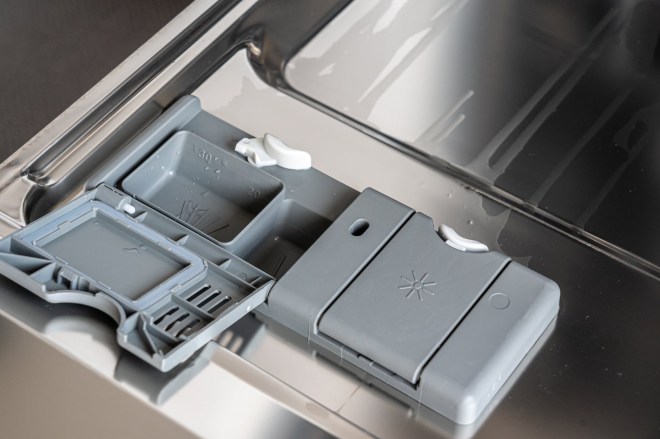
Learn how to deep clean your dishwasher with just vinegar and baking soda. This step-by-step guide will teach you how to remove built up food, grease, and undissolved detergent.
— Read on www.allrecipes.com/article/how-to-clean-dishwasher/
With coronavirus still threatening the well-being of countless Americans—and many people spending more time at home than ever before—giving your home a daily deep clean has never been as pressing of a priority as it is now. However, just because you’re cleaning your home more frequently doesn’t mean you need to spend more time on that often thankless task. We’ve reached out to cleaning and disinfecting experts to bring you sanitizing tips that will save you time, money, and your sanity in the long run.
SARAH CROW
https://bestlifeonline.com/cleaning-hacks/#:~:text=30%20Amazing%20Cleaning%20Tips%20You%27ll%20Wish%20You%20Knew,your%20blender%20clean%20itself.%20…%20More%20items…%20
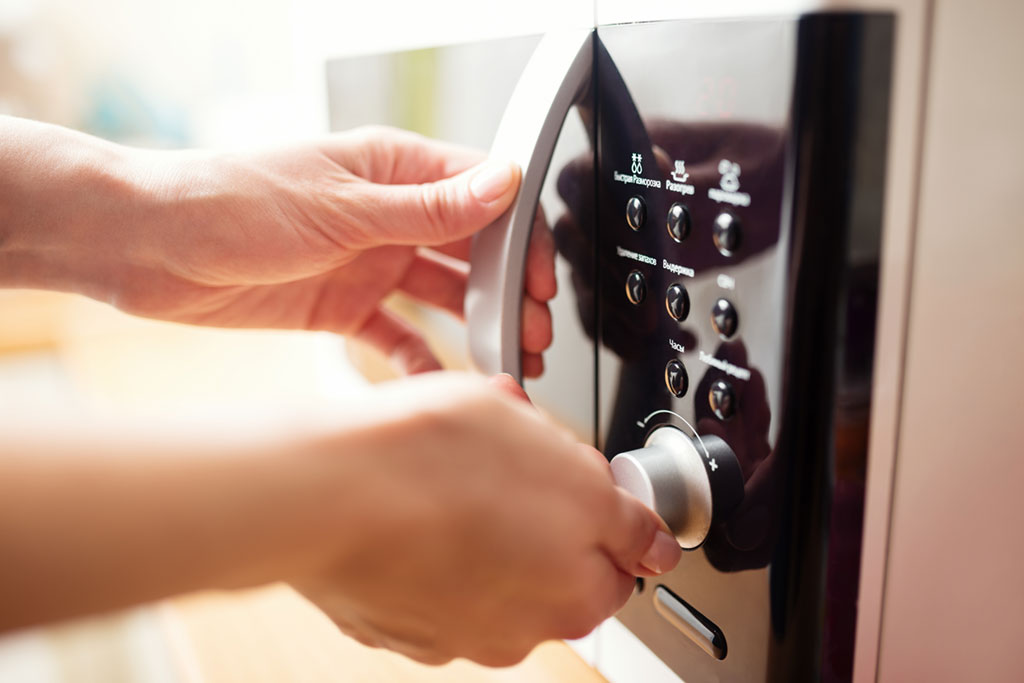
Yes, the CDC says you should be doing both! Here’s why.
The act of cleaning refers to the removal of germs and dirt. It does not kill germs, but removes them from the surface, therefore lowering the risk of spreading infection.
On the other hand, disinfecting is actually killing the germs—usually with chemicals. It should be done after cleaning and can further lower the risk of spreading illness.
In other words, when you wipe away messes on your counter with soap and water, you’re cleaning. You’re disinfecting a surface only when you use a product specifically made for disinfection. (Don’t miss the things you should be disinfecting regularly to avoid spreading germs.)
Here’s the best way to clean and disinfect common surfaces around your home:
This is why Clorox is so good at killing germs.
When it comes to disinfecting your home, don’t forget about your clothes and towels! Here’s how to clean and disinfect your laundry:
To ensure your home is disinfected, and not just clean, it’s best to use products recommended by the Environmental Protection Agency. EPA-recommended cleaning products have been tested and shown to be effective against harder-to-kill viruses. This is not the time to rely on natural cleaners—bring on the chemicals.
No matter which cleaner you purchase, be sure to follow the directions on the bottle for the proper concentration, application and contact time to ensure disinfection. You can find the full list of EPA-approved products here. (And while you’re shopping, here are the cleaning products that professional house cleaners recommend.)
Some of the items in your pantry (like baking soda and vinegar) work as effective all-purpose cleaners and, even better, cost next to nothing. So the next time you’re staring down a big mess but you’re out of your favorite cleaning product, don’t run to the store — try one mixing up one of these DIY homemade cleaners instead. These natural products will kick grime to the curb and keep your wallet happy.
Important Safety Tip: Never combine ammonia-based cleaners with chlorine bleach or products containing bleach, such as powdered dishwasher detergent. The fumes they’ll create are extremely dangerous. Before doing any mixing, read the product labels first. Always label any bottles of DIY cleaners with all the ingredients inside. In case a child or animal gets into it, it’s important to know what the mixture contains.
What you’ll need:
Combine the above ingredients together, pour into a spray bottle, shake, and then let infuse for a week before using. Once done, you can use the natural solution to remove hard water stains, clean trash cans, wipe away wall smudges, and much more. Besides a fresh scent, the lemon rind may help boost cleaning power. Caution: Do not use acidic cleaners on granite, as they will etch the stone.
What you’ll need:
To clean kitchen counters, appliances, and the inside of your refrigerator, all you need is baking soda. “It makes a great deodorizer and can be used to shine stainless steel sinks and appliances,” says Carolyn Forte, director of the Good Housekeeping Institute Cleaning Lab. To deodorize surfaces, use the solution above or pour baking soda straight from the box and into your drain or garbage disposal to remove odors. To shine and remove spots from stainless steel, make a paste of baking soda and water. Apply it with a damp cloth and rub gently in the direction of the metal’s grain. Rinse and buff dry.
RONSTIKGETTY IMAGESAdvertisement – Continue Reading Below
What you’ll need:
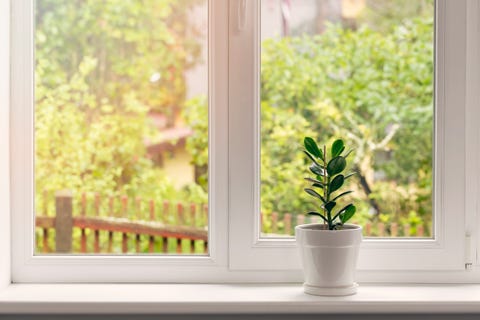
The next time you need to wash your windows and mirrors, combine these ingredients and pour them in a spray bottle. Hint: Don’t clean windows on a hot, sunny day, because the solution will dry too quickly and leave lots of streaks. For mirrors, spray the solution on a paper towel or soft cloth first before wiping.
2-Ingredient Polishing Tricksby Good Housekeeping USPlay Video
What you’ll need:
To clean non-lacquered cabinet pulls, bathroom appointments, and more, dampen a sponge with vinegar or lemon juice, then sprinkle on salt. Lightly rub over surface. Rinse thoroughly with water, then immediately dry with a clean soft cloth.
What you’ll need:
Rust stains on porcelain or enamel sinks and tubs are no match for this cleaner. Dip the lemon into the borax and scrub the surface, then rinse. (This is not safe for marble or granite.) Tip: You can find borax, a laundry booster, in the detergent aisle or order it on Amazon.
ABLOKHINGETTY IMAGESAdvertisement – Continue Reading Below
What you’ll need:
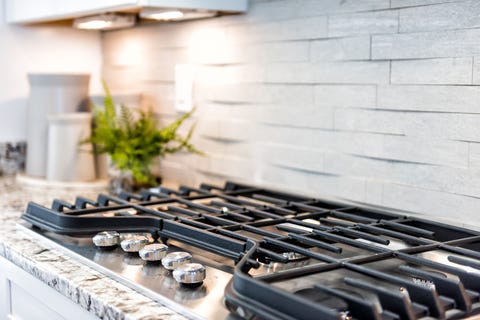
Sudsy ammonia contains detergent that helps remove tough grime. Mix 1/2 cup with enough water to fill a one-gallon container. Then clean your oven racks, stove hood, and grill by dipping a sponge into the solution and wiping over the surface before rinsing with clear water. You can also soak oven racks and grill grates in the mixture directly, with a little extra ammonia if they’re particularly dirty.
TOMAZLGETTY IMAGES
What you’ll need:
Treat badly stained but washable white clothing by mixing the above ingredients into a stainless steel, plastic, or enamel bowl (not aluminum). Soak garment for 15-20 minutes. If stain is still there, let it soak a bit longer, then wash the item as usual.
What you’ll need:
Mix dishwashing detergent and water the next time you want to clean natural stone countertops. Sponge over marble and rinse completely to remove any soap residue. Buff with a soft cloth; do not let the marble air-dry. Caution: Never use vinegar, lemon, or any other acidic cleaner on marble or granite surfaces; it will eat into the stone.
https://www.goodhousekeeping.com/home/cleaning/tips/a24885/make-at-home-cleaners/
The idea of cleaning every high-touch surface can be overwhelming, though, so we’ve compiled a list of the most essential spots to clean and disinfect, just in case there are any you’ve forgotten. Think about your average day around the house, in your car, and at the office, and clean everything you touch frequently. This list can help you get started.

Believe it or not, lemon juice can be used to scrub stains out of just about anything, including hard to clean plastic.


Have a scratch in your hardwood floor? It only takes some buffing with a walnut to make the mark practically vanish. The oils in the nut help to smooth out the streak and fill the crack.
If you have a pet, then you know the annoyance of finding hair or fur everywhere. A rubber glove is just what you need to keep everything clean. Rub one along the surface of your couch, and the hair will adhere to the sticky surface.
If you have a glass shower, keeping it clean and free from soap scum can be a challenge. The trick? Use some shaving cream to buff out stains. All you need is a bottle of the foamy stuff and a damp cloth.
Giving your car a new paint job to fix a couple scratches or chips can be super expensive. To prevent rusting until you can afford the repair, dab the areas with clear nail polish to seal the paint. (Note: this hack won’t work if rusting has already started.) You can also use coloured nail polish to touch the spot up.
Blenders are a beast to clean thanks to their sharp blades. The solution? Pour some soap and water into the appliance, then blend on high. Allow it to run for 30 seconds, then rinse with fresh water.
Water stains are loathed by coaster lovers everywhere, but the good news is they’re generally easy to get rid of. You just have to wipe a bit of mayo along the surface with a damp cloth. Olive oil and salt also works.
Baked-on gunk is a menace to dirty pans and baking sheets. To clean with minimal elbow grease, soak the dish with water and a nontoxic, biodegradable dryer sheet. The sheet will help loosen the grime.

Get streak-free windows by buffing them with a coffee filter or newspaper. Simply spray a solution of water and vinegar on the surface then shine away.
Raise your hand if you hate scrubbing gross, baked-on goo from your microwave? To get the appliance glistening, warm a bowl of lemon and water for five minutes, then let stand for another five. You’ll be able to wipe dirt away with a paper towel.
If you have some dirty hand marks or fingerprints on your walls, removing them is as simple as rubbing them with an old piece of white bread.
Don’t have a piece of bread? Baby oil can perform the same fingerprint-removing or crayon-clearing feat. The substance also works particularly well on stainless steel.
There are a lot of chemicals in air and fabric fresheners, but one substance can perform the same trick in an all-natural way: vodka. Simply mix some of the alcohol with water and a few drops of essential oil. Spray on fabric to give it new life.
Who knew old newspapers could be so handy? Scrunch them up to soak up the oil in a pan before scrubbing it clean with some soap and water.
Remember that science experiment from elementary school in which you used coke to clean pennies? The same trick applies to stains in your toilet. Simply pour some cola into the bowl, let sit for about an hour, and scrub clean. Kool-Aid also works.
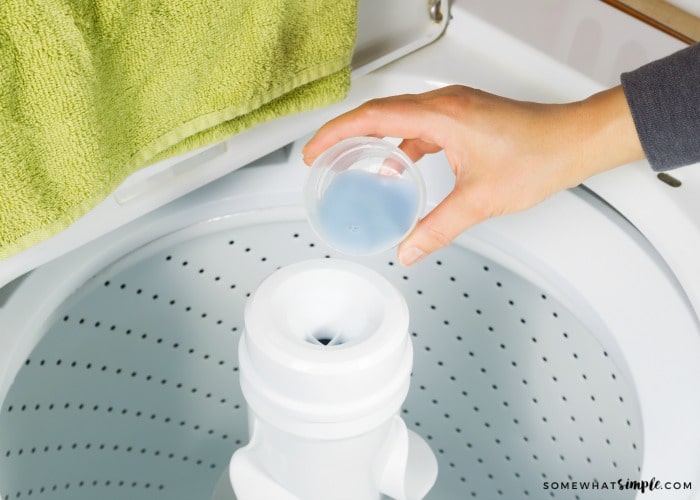
Towels can grow musty and mouldy after a while. The trick to making them smell as good as new is as simple as a vinegar bath. Pour vinegar and water into your washing machine instead of detergent, rinse, then dry. Your towels will be clean as can be.
A little-known trick to getting stains out of just about anything is to reach for a damp cloth and iron. Set the iron on high heat, lay the damp cloth over the stains, and press the iron on top. The heat will lift the stain, leaving your carpet or couch clean. (Note: do not use a coloured cloth for this task. It could leach colour onto your carpet.)

You could reach for a chemical-filled product to buff out watermarks on your bathroom mirror… or you could use some vodka and baking soda (some people use cornstarch instead). Pour some of each into a bottle, spray on the surface, and watch everything from glass to silverware shine.
The little slats of an air vent can be hard to scrub clean. Try wrapping a butter knife in a damp cloth then running it along each slat to get the job done in seconds. To add some disinfection into the mix, soak the cloth in vinegar first.
The worst part of buying fresh flowers is that algae that can form in hard to reach places in the vase. The trick to easily getting it clean? Toss some vinegar with a bit of rice and pour the mixture into the vase. Let it sit, then swish around. The rice will scrub the glass clean.
MSN.com





 Mws R Writings