Diabetes, Natural Treatments

Copyright rights belong to https://allremedies.com/home-remedies-for-diabetes/

1. Guava

People from different countries like Taiwan, India, Japan, and China eat guava because of its numerous health benefits.

According to the Indian Ayurveda and ancient Chinese Medicine, guava leaves and guava fruit are effective natural home remedies for diabetes mellitus[2]. Guava leaves extract contains a flavonoid called quercetin that has a hypoglycemic effect and an ability to reduce blood sugar[3]. Both guava leaves and fruit possess more than 13 substances against diabetes. This fruit is also rich in pectin fiber, flavonoids, fructose, Arjun eolic, ursolic acid, magnesium, zinc, manganese, and niacin that are contributed to the benefit of guava in treating diabetes. The vitamin C abundant in guava is a powerful antioxidant that boosts the overall health, improves the immune system, and lowers the risk of heart disease. Studies also showed that significant compounds in guava can reduce the cholesterol level in the body[4].

To treat diabetes, you just need to eat guava regularly. Peel off the skin before you eat this fruit. Eating the skin of guava is not good for patients with diabetes.

If you want to get the benefits of guava leaves in improving diabetes, you should make the guava leaves tea.

Here is the instruction:

  • Put some guava leaves in a pan
  • Pour 1 1/2 cups of fresh water over the leaves
  • Boil it for a couple of minutes until the water is reduced to half
  • Turn off the heat and strain it
  • Let this tea cool down to the room temperature
  • Drink it
  • Consume two or three cups of this tea per day for quick results.

2. Apples

Regular consumption of juicy, crunchy, and sweet apples can reduce the risk of developing diabetes. Moreover, patients saw a great improvement in diabetes after eating an apple on a daily basis [5] [6]. Therefore, when we look for home remedies for diabetes, we should not ignore apples. This sweet fruit is also loaded with vitamin C, soluble fiber, and antioxidants. Pectin found in apples is beneficial in detoxifying the body, removing harmful wastes and toxins, and lowering the insulin. Moreover, apples can lower the risk for certain cancer, heart disease, and eye disease, complications of diabetes.

To help slow down the development of diabetes and control its symptoms, you just need to eat a small or medium-sized apple a day.

3. Cherries

Cherries are one of the best home remedies for diabetes because it is loaded with beta-carotene, antioxidants, potassium, vitamin C, iron, magnesium, folate, and fiber[7] [8]. Moreover, the anthocyanins present in cherries can boost insulin production by up to 50 percent, which lowers blood pressure and improves diabetes. Eating cherries can help to prevent cancer, heart disease, and other health problems that are often found in patients with diabetes mellitus

For this treatment, you just need to eat a one-half cup of cherries per day. Cherries can be consumed fresh, frozen, canned, or dried.

4. Grapefruit

According to the American Diabetes Association, grapefruit is one of the recommended superfoods for diabetes[9].

This fruit has a low glycemic index at 25 and contains a great source of vitamin C and soluble fiber.h

Moreover, grapefruit is rich in a flavonoid called naringenin that makes your body become more sensitive to insulin and helps you to maintain an ideal weight [10] [11]. That is contributed to preventing and improving diabetes mellitus.

For this purpose, you just need to consume a three-quarter cup of cherries daily.

Alternatively, drinking grapefruit juice also gives you the most benefits associated with diabetes. It is a great idea to make grapefruit juice at home because most grapefruit juice products in the market contain a large amount of sugar and additives. Consuming too much sugar is not good for health and diabetic condition.

5. Gokhru

home remedies for diabetes

Gokhru is a healing herb for urinary and kidney problems. Moreover, it is also one of the effective home remedies for diabetes. Animal studies have shown that Gokhru or Tribulus terrestris may decrease blood sugar levels, help inhibit increases in blood cholesterol and triglycerides and help guard against blood vessel damage[12] [13]. You can take this herb from supplements or from the fruits of the seeds of Gokhru. If you are interested in Gokhru, you should consult your doctor before taking. This herb should be taken under medical supervision.

Note:

Although Gokhru is effective in treating diabetes, you should use this herb for only a short period of time. This is because using Gokhru in a long term can lead to prostate disorders. Moreover, pregnant women and breastfeeding moms must avoid using Gokhru.

Although Gokhru is effective in treating diabetes, you should use this herb for only a short period of time. This is because using Gokhru in a long term can lead to prostate disorders. Moreover, pregnant women and breastfeeding moms must avoid using Gokhru.

6. Avocado

Because avocado contains a great source of healthy monounsaturated fat and fiber, this fruit helps diabetic patients feel fuller and more satisfied even though it did not lower blood sugar [15]. According to a recent study published in Nutrition Journal, avocados don’t significantly affect blood sugar levels .

The Academic of Nutrition and Dietetics showed that monounsaturated fat plays an important role in improving heart health and preventing heart disease [16]. People with diabetes mellitus are more vulnerable to stroke and heart disease. It is also loaded with potassium that lowers the risk of diabetes.

Patients with diabetes should eat one medium sized of avocado daily. Avocado can be added to sandwiches or salads.

7. Strawberries

Strawberries are rich in vital vitamins, fiber, and powerful antioxidants that may help to control blood sugar levels and reduce the severity of diabetes [17]. The antioxidants found in strawberries can prevent heart disease by decreasing the bad cholesterol and increasing the good cholesterol. Consuming strawberries on a daily basis can reduce blood pressure.

Strawberries have a low carbohydrate and high fiber content, so eating this fruit can make you feel full for a longer time and thereby, managing your blood sugar level and boosting your energy.

People who get diagnosed with diabetes mellitus should eat a three-quarter cup of strawberries daily. You can eat this fruit as a healthy snack. Alternatively, strawberries can be added to salads or cereals.

8. Oranges

Oranges are loaded with vitamin C, fiber, and essential minerals like thiamin that can help to control diabetes. Oranges are low in the glycemic index; therefore, it makes the glucose slowly release into the blood. Moreover, eating oranges can help to control weight gain. Obesity and overweight may increase the risk of developing diabetes. To keep the blood sugar and diabetes under control, you just need to eat one small orange on a regular basis. Eating oranges is better than drinking orange juice. Eating oranges can provide you the optimum benefits while orange juice lacks the fiber. According to research, eating citrus fruits may reduce the risk of developing diabetes in women, but consuming orange juice  juice may increase that risk[19].

9. Pears

Pears are packed with vitamin A, C, B1, B2, E, and fiber. Eating pears can help to control blood sugar levels, improve the immune system, reduce cholesterol, and improve digestive health.

That makes pears become a healthy fruit but also one of the most powerful home remedies for diabetes mellitus[5] [20] [21]. Pears also have low calorie and carbohydrate content.

Regular consumption of pears is recommended for patients who suffer from type 2 diabetes because of its ability to improve insulin sensitivity. Pears have the glycemic index at 38.

Diabetic patients should eat one medium-sized pear daily to get significant relief in a very short time.

10. Kiwi

Kiwi is well-known as a healthy fruit because it has a high nutrient content. Studies found a close link between kiwi consumption and the reduction in blood sugar levels[22]. It is rich in vitamin A, E, potassium, and flavonoids that can boost the overall health and improve the immune system. This fruit also contains a great source of beta-carotene that improves your overall health and fights against damages caused by free radicals.

Moreover, kiwi has a low carbohydrate content but contains a great source of fiber that helps lower cholesterol and regular blood sugar levels.

To moderate blood sugar levels and improve the diabetic condition, you should eat one kiwi daily as a healthy snack.

11. Olive Oil

Studies found out that olive oil is effective in improving diabetes by reducing the blood sugar level [23] [24]Olive oil is a good alternative in preventing and treating diabetes [16].

For diabetes, you can use the oil as an ingredient in salad dressings or a good alternative to cooking. You just need to spray a thin layer of olive oil over the surface of the pan before cooking.

Note: Olive oil has a lot of calories. Obesity or overweight may increase the risk of many health issues including diabetes. Therefore, you should limit the amount of olive oil you use daily.

12. Pear Cactus Juice

home remedies for diabetes

Cactus juice contains a great source of fiber that makes it become one of the best natural home remedies for diabetes [25] [26]. The fiber found in the cactus flesh can slow down the process for sugar absorption in the body, thereby, keeping your glucose levels under control. It is no wonder that the prickly pear cactus juice may lower the risk for diabetes mellitus [27]. If you suffer from diabetes, prickly pear cactus juice is a great natural treatment because it controls the symptoms of diabetes and reduces blood glucose levels.

It is also rich in vitamin C, vitamin E, A, calcium, iron, quercetin, and carotenoids. Moreover, it contains anti-viral and anti-inflammatory properties.

Here is the instruction on how to make prickly pear cactus juice.

You will need:

  • ½ peeled and chopped cucumber
  • ½ cup julienned nopal
  • 1 juiced lime
  • 1 cup of water

Do this:

  • Blend all these ingredients with the help of a blender
  • Drink it in the morning
  • You can add some crushed ice if you want.

13. Bilberry Plant

Studies found out that if the leaves of the bilberry plant are taken regularly, it may help to reduce blood sugar in your body [28]. According to a study from the University of Montreal in Canada, an experiment on the benefits of lowbush bilberry plant in a 6 day time period showed great improvement in glucose levels by 15 to 20 percent [29].

Bilberry has anthocyanin content that is effective in preventing and treating ulcers and diabetes. It manages the insulin in the body and keeps the blood sugar under control.

The powerful healing properties of bilberry are due to the presence of numerous antioxidants such as hydroxycinnamic acids, phenolic compounds, catechins, flavonoids, vitamin C, vitamin A, and proanthocyanidins. These antioxidants play a vital role in protecting the body from cell damage caused by free radicals.

Diabetic patients should take bilberry tincture. Bilberry vinegar is made in the course of a month. You just need to mix one quart of apple cider vinegar with one cup of dried bilberries. Strain the fruit after a period of one month. One tablespoon of bilberry vinegar can be added to salads or over bread.

Dried or fresh bilberry can be used to make bilberry syrup that is also highly recommended for people who get diagnosed with diabetes. Bilberry syrup contains antioxidant and anti-inflammatory properties. It boosts the immune system of your body to fight against free radicals, bacteria, and viruses. Bilberry syrup can be taken directly, drizzled over pancakes or stirred into the tea.

You can also make bilberry tea as follows:

  • Put a tablespoon of dried bilberry in a mug
  • Pour hot water over it
  • Cover it well
  • Let it steep for 10 minutes
  • Drink this tea
  • Consume three to four cups of bilberry tea daily.

Note:

  • Pregnant women and nursing moms should take bilberries under the advice of an experienced health specialist because an immoderate amount of bilberries can affect the absorption of iron.
  • Patients who are taking anticoagulants like warfarin or people who suffer from bleeding disorders should take bilberries with caution.
  • When you use bilberries to treat your diabetes, you should regularly monitor your blood sugar. Stop using bilberries if you notice any allergic reaction.

14. Goolar

home remedies for diabetes

Goolar is one of the most excellent home remedies for diabetes mellitus because this herb contains antidiabetic, hypolipidemic, antioxidant, free radical scavenging, anti-inflammatory, anti-microbial, antipyretic, and hepatoprotective properties [30]. Using goolar can treat the various signs and symptoms and complications of diabetes.

15. Green Tea

There are many reasons why people love drinking green tea daily. Green tea is beneficial in improving cardiovascular health, protecting the body from bacteria and germs, boosting the immune system, slowing down the aging process, and lowering the risk of developing certain cancers. Moreover, studies also found a connection between green tea consumption and improvement in diabetes [31].

Blood sugar levels may increase when the body is not sensitive to insulin. Green tea can deal with diabetes and improve its symptoms by increasing the body’s sensitivity to insulin and aiding in the metabolic system function

According to a 2013 study published in the Diabetes and Metabolism Journal, drinking green tea may help to prevent obesity, a cause of diabetes [32]. A Japanese study showed that drinking 6 cups of green tea daily reduced the risk for type 2 diabetes by 33 percent [33].

It additionally contains polyphenols, beneficial substances that may reduce oxidative stress, lower blood pressure, reduce cholesterol, and prevent clotting. All of these abilities lower the risk of developing heart disease that is one of the complications of diabetes mellitus. Polyphenols found abundant in it are effective in managing glucose in your body, thereby preventing and treating diabetes mellitus.

16. Drumstick Leaves

home remedies for diabetes

Drumstick leaves are well-known for its medicinal properties; therefore, it is no wonder that drumstick leaves have been widely used to treat hundreds of diseases. One of the benefits of drumstick leaves is potentially treating diabetes [34][35]. The leaves contain a great source of valuable nutrients and powerful antioxidants. The anti-inflammation properties of drumstick leaves can help to boost metabolism, detoxify your body and blood, and curb blood sugar levels.

Follow the steps below:

  • Put some fresh tender drumstick leaves in a mixer grinder
  • Pour a little water in a mixer grinder and blend it
  • Strain the pulp to get the juice from drumstick leaves
  • Drink half a cup of drumstick leaves juice every morning to get a significant relief

After a period of time, you can see the significant improvement in blood sugar level, cholesterol, and diabetes condition.

17. Bael

All parts of bael tree including root, bark, leaves, and fruit contains medicinal properties. Many studies showed that the bael leaves can reduce blood sugar by up to 54%. The bael leaves are often used in powdered form that contains anti-diabetic properties [36]. These properties make bael become a highly recommended herb for diabetes.

Diabetic patients should drink 20 ml of bael juice extracted from bael leaves to manage diabetes.

Alternatively, bael leaves can be grounded and then taken with your empty stomach every morning for a period of 7 days

18. Fenugreek
home remedies for diabetes

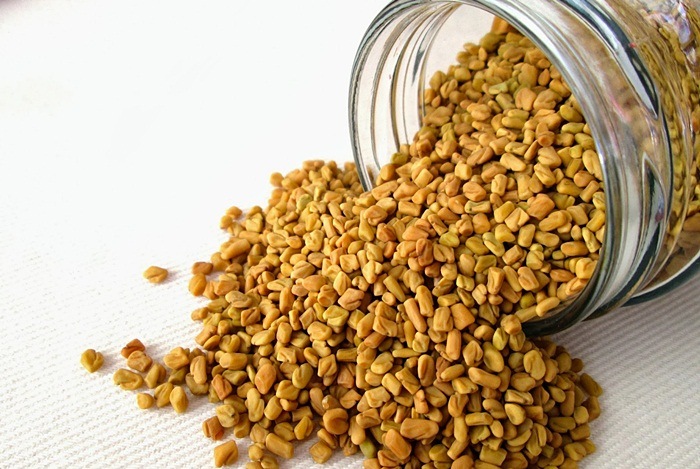
Fenugreek is considered among one of the most effective home remedies for diabetes mellitus. This fenugreek helps to stimulate your cells in pancreas gland and thereby increases insulin production. Fenugreek seeds are storehouses of soluble fiber, which may help manage blood sugar levels. According to many studies, fenugreek may effectively reduce blood sugar in diabetics. Along with that, it may reduce fasting glucose while improving glucose tolerance [37] [38].

Here are several ways for you to follow:

Process 1:

Get this:

  • 4 tablespoons of fenugreek seeds
  • 1 cup of water

Do this:

  • Take a bowl and place the fenugreek seeds in it.
  • Add water to it and soak it for an entire night.
  • In the next morning, you crush the seeds and strain it to get the water.
  • Drink this water to get instant relief from diabetes.
  • You should daily intake of fenugreek liquid for at least 2 months to help you remove diabetes.

Process 2:

Get this:

  • 2 tablespoons of fenugreek seeds
  • Water

Do this:

  • Take a bowl and add the fenugreek seeds to it.
  • Pour water in this and soak it for overnight
  • Chew the soaked fenugreek seeds in the next morning and consume the water along with the seeds.
  • Ensure to take this solution on an empty stomach to get quick relief from this problem.
  • Do this process every morning for a few months to get rid of this diabetes completely.

Process 3:
home remedies for diabetes

Ingredients:

  • 2 tablespoons of fenugreek seeds powder
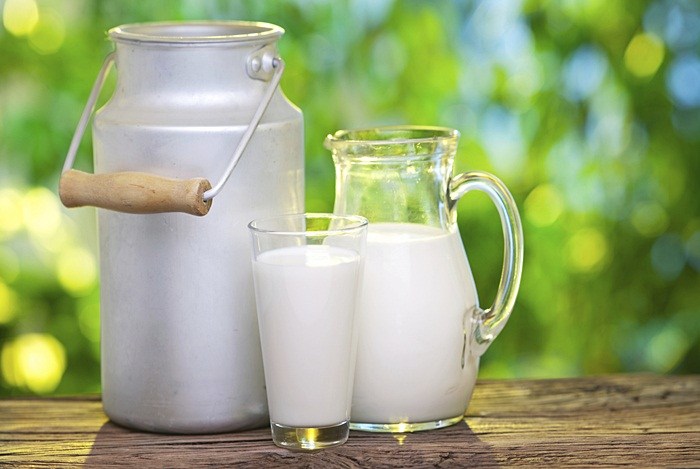
  • 1 glass of warm water or milk

Do this:

  • Take milk or warm water and add fenugreek seeds powder to it.
  • Stir it well and enjoy this solution to get immediate relief from diabetes.
  • Follow this process every day to control the problem and treat it slowly.

Process 4:

Ingredients:

  • 6 to 7 tablespoons of fenugreek seeds
  • 3 tablespoons of turmeric powder
  • White pepper
  • 1 glass of milk

Do this:

  • Take the fenugreek seeds in a small bowl.
  • Add a little bit of white pepper and turmeric powder to it.
  • Stir it well and grind it to create a fine powder.
  • Add this powder (a teaspoon) to milk.
  • Mix everything well.
  • Drink it two times every day on a daily basis until you control diabetes.

Process 5:

Get this:

  • Fenugreek powder
  • Flour

Do this:

  • Take the fenugreek seeds powder and add it to the flour.
  • Use this flour to create chapatis or breads.
  • Continue doing the process regularly to control diabetes.

19. Bitter Gourd

Bitter gourd is effective in treating type 2 diabetes. Bitter gourd has a compound that is beneficial in lowering the blood sugar levels [40] [41]. It is loaded with fiber and also possesses charantin, an antidiabetic compound which exhibits blood-glucose lowering agents [42].

Moreover, it is loaded with vitamins and minerals that can help your body to fight against a variety of infections.

Apart from that, it not only maintains healthy bladder and liver but also controls diabetes mellitus.

Method 1:

Get this:

  • Bitter gourd – 4 to 5
  • Sieve
  • Peeler
  • Water

Do this:

  • Take the bitter gourds and peel it off using a peeler.
  • Remove these seeds by cutting this gourd into pieces.
  • Crush this deseeded and peeled bitter gourd pieces to make a paste.
  • Place the solution on the sieve and squeeze it to extract the juice.
  • Drink the freshly extracted juice with an empty stomach every morning and you can add a little water to the bitter juice.
  • Drink this mixture every morning to help get complete relief from this problem.

Method 2:

Ingredients:

  • Bitter gourd
  • Pan
  • Ghee (Clarified butter)

Do this:

  • Take the bitter gourd and cut it into pieces.
  • Take a pan and add the clarified butter or ghee to it.
  • Now pour the bitter gourd pieces in this and cook it for several minutes.
  • Have the pieces frequently to get control over this diabetes.
  • Follow this process every day for at least three to four months to get immediate relief from the diabetes problem.

Method 3:

Ingredients:

  • Few pieces of dried bitter melon
  • Water – 1 cup
  • Pan

Do this:

  • Take a pan, pour water in this and boil it for a few minutes.
  • Add some dried bitter melon pieces to it.
  • Stir it well and strain the tea with the help of a sieve.
  • Consume the bitter gourd tea.
  • Continue drinking the tea for around once or twice per day on a daily basis for best results.
  • You can also intake at least a dish that is made from the bitter melon in your daily diet.

20. Indian Lilac Or Neem Leaves
home remedies for diabetes

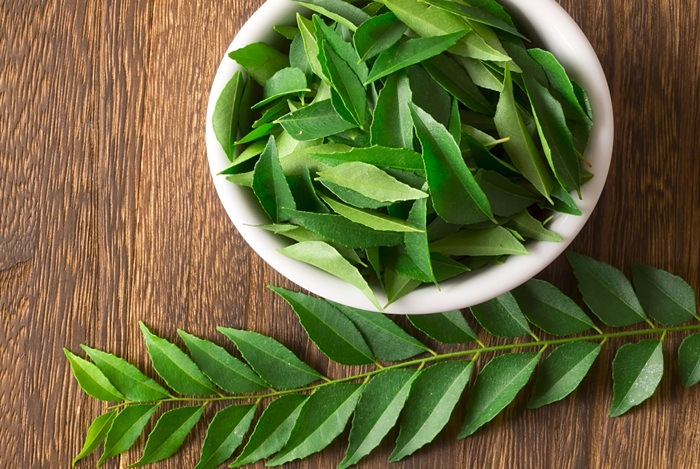
Indian lilac contains antifungal, anti-bacterial and antihyperglycemic effects which make it more beneficial for treating diabetes [43] [44]. In addition, it is very useful in boosting the insulin receptor sensitivity, improving the blood circulation, and lowering blood glucose levels, by dilating the blood vessels.  For the most beneficial results, what you need to do:

Method 1:

  • Take a handful of fresh neem leaves.
  • Crush the leaves properly and strain them to extract its juice.
  • After that, take 1 tablespoon of this neem juice and have it in the morning on an empty stomach.
  • Continue taking the neem juice every day for quick effects.

Method 2:

Ingredient:

  • 8-10 leaves of Neem leaves

Process:

  • Wash the tender neem leaves properly.
  • Put it in the mouth and chew them in the morning.
  • Repeat this same process in each morning till you reduce the diabetic problem completely.

Method 3:

Ingredients:

  • 1 to 2 teaspoons of dried neem leaves powder
  • 1 glass of water

Do this:

  • Take water and add the powder to it.
  • Stir it well and have this solution in the morning (without or with an empty stomach).
  • You should have this neem water every day in the morning to get immediate relief from the problem.
21. Holy Basil

Holy basil (or Tulsi) contains multiple health beneficial properties such as antibacterial, anti-stress, antiviral, antifungal, antidiabetic, antiasthmatic, antioxidant, antitumor, gastric antiulcer, immune-stimulant, and antimutagenic. Basil leaves are very useful in reducing  your blood glucose levels [45].

Method 1:

Ingredient:

  • 2-5 leaves of Fresh basil leaves

Process:

  • Take the fresh basil leaves and wash it properly.
  • Place them in the mouth and chew it in the morning on an empty stomach.
  • Continue doing this process every day in the morning to get control over diabetes and get overall health benefits.

Method 2:

Get this:

Do this:

  • Take a few fresh leaves of basil and crush them properly to extract one teaspoon of its juice.
  • Add the basil juice to either any fruit or water or vegetable juice.
  • Stir it well and now drink this solution in the morning on an empty stomach.
  • Alternatively, take the basil juice directly without water or any juices.
  • Follow this process every day in the morning for some months to treat diabetes.

Method 3:

Get this:

  • Basil leaves – 5
  • Neem leaves – 5
  • Bael leaves – 5

Do this:

  • Crush all of these leaves finely to get its paste form.
  • Drink the paste in the morning on an empty stomach.
  • Have this solution daily for quick control over diabetes.
22. Indian Gooseberry Or Amla

home remedies for diabetes

Looking for the natural home remedies for diabetes, you should not miss amla. Amla is very effective in lowering your blood sugar and thereby contains the same effect on your glycated hemoglobin levels [46] [47]. Here are several methods to use it for treating diabetes:

Method 1:

Get this:

  • Gooseberry – 2 to 3
  • Water – 1 cup
  • Clean cloth or sieve

Process:

  • Take the Indian gooseberries and cut it into pieces.
  • Take out these seeds and discard it.
  • Place the seedless amla pieces on a mixture grinder.
  • Grind this to create a fine paste and pour the paste on either a fine cloth or a sieve.
  • Squeeze it to extract its juice from the paste.
  • Take this amla juice (2 tablespoons) and add it to water.
  • Stir it well and consume it with an empty stomach to complete relief from diabetes.
  • You should drink this solution every morning with an empty stomach to control diabetes totally.

Method 2:

Ingredients:

  • 1 tablespoon of Amla juice
  • 1 cup of bitter gourd juice

Do this:

  • Take the amla juice and add the bitter gourd juice to it.
  • Stir it well and have this mixture.
  • Do this process every day for a few months to remove diabetes.

Method 3:
home remedies for diabetes

Ingredients:

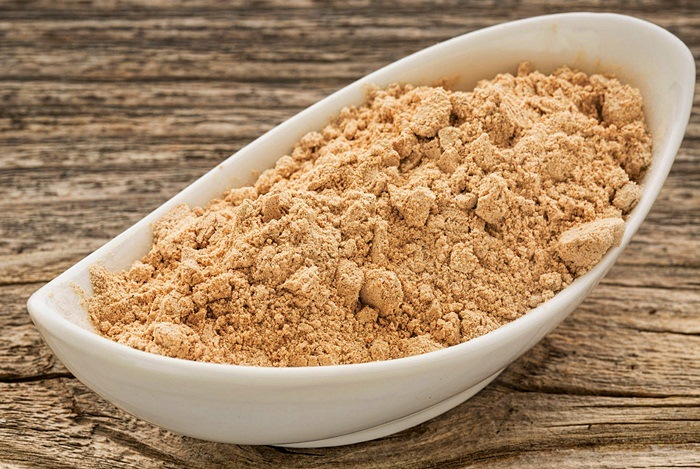
  • 1 ½ tablespoon of Amla powder
  • 1 glass of water

Do this:

  • Take the amla powder and add water to this.
  • Stir it well and drink this water.
  • You had better regularize the process to relieve the problem of diabetes.

Method 4:

Get this:

  • 1 teaspoon of Amla powder
  • 1/2 tablespoon of fenugreek seeds powder
  • 1/2 tablespoon of turmeric powder
  • 1/2 glass of water

Process:

  • Take the amla powder, fenugreek seeds powder, and turmeric powder.
  • Stir them well in the water and enjoy his mixture in the morning with an empty stomach.
  • Follow this process every day on every morning to treat the problem of diabetes.
  • Or simply, you can add this amla to your daily diet or have the raw amla.
23. Flaxseeds
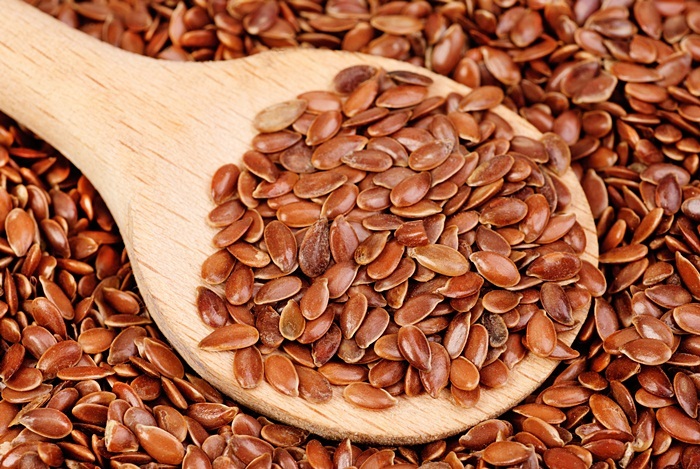
home remedies for diabetes

Using flaxseeds are one of the greatest home remedies for diabetes [48] [49] you should know. Flaxseed contains a rich amount of protein, fiber, and plant compounds called lignans, which will function as antioxidants. In addition, they can stabilize blood sugar levels. Therefore, people with low blood sugar levels should include these seeds in their diet.

Method 1:

Ingredients:

Do this:

  • Take the warm milk or water and add the flaxseed powder to this.
  • Stir it well and have this with your breakfast.
  • Drink this liquid every day along with your breakfast in the morning.

Method 2:

Ingredient:

  • 1 teaspoon of flaxseed powder

Do this:

  • Take the flaxseed powder and add the breakfast cereal to this.
  • Stir it well and have this breakfast.
  • Alternatively, you can include flaxseed powder to the gravies and soups and take this in the daily diet.
  • Regular intake of the flaxseed mixed breakfast can help you to control diabetes.
24. Papaya Leaf

home remedies for diabetes

Papaya leaves will help to improve insulin sensitivity [50]. These leaves also help lower the chances of multiple complications caused by diabetes such as fatty liver, kidney damage, and oxidative stress.

For the positive effects, what you need to do:

Get this:

  • Papaya leaves – 10
  • 8 cups of water
  • Pan

Do this:

  • Take a pan, pour water in it and place it on the heat or stove.
  • Add the papaya leaves to the water.
  • Boil the water for several minutes until it reduces to 1/2 of its quantities i.e. around 4 cups.
  • Leave it to cool down for a few minutes more.
  • Have this solution in small doses all day.
  • Daily intake of the tea will help you to get instant relief from diabetes.
25. Lady’s Finger

home remedies for diabetes

Lady’s finger or okra is one of the best home remedies for diabetes. It contains a high amount of vitamin A, C, K and B6, potassium, magnesium, zinc and other soluble fiber that makes it as a great blood sugar stabilizer and thereby treats diabetes [51]. In addition, its seeds contain alpha-glucosidase inhibitors which effectively fight off the starches that convert into glucose.  Furthermore, it contains polyphenolic molecules which decrease the glucose levels in your blood and reduces diabetes.

Get this:

  • 2-4 okra or lady’s finger
  • Water – 1 glass

Process:

  • Take the okra and rinse them thoroughly.
  • Cut the tail and head of the okras and slit it vertically from the middle to get 2 big pieces from a lady’s finger.
  • Pour these pieces in the water and cover it.
  • Allow it to soak for an entire night without disturbing it.
  • Drink this water in the morning with an empty stomach.
  • Or simply, you can include the lady’s finger in your daily diet to get complete relief from the symptoms.
  • Continue doing the process every day for a few months to get control over diabetes.
26. Jamun

home remedies for diabetes

Jamun is high in vitamin C, iron, calcium, and phosphorus which help to speed up the immune system. Its seeds are used to treat diabetes effectively while its leaves and the extracts of bark are effective in lowering the levels of blood sugar and sugar or glycosuria in the urine[52].

Method 1:

Ingredients:

  • 1 to 1 ½ teaspoon of jamun powder
  • Water – 1 glass

Do this:

  • Take the jamun powder and add water to this powder.
  • Mix it well and have this with an empty stomach in the morning.
  • Continue drinking the jamun water every day for quick effects.

Method 2:

  • Take a few fresh leaves of jamun and wash them thoroughly.
  • Have these leaves and chew them completely.
  • Repeat the same process every day until you clear the problem of diabetes.
27. Mango Leaves
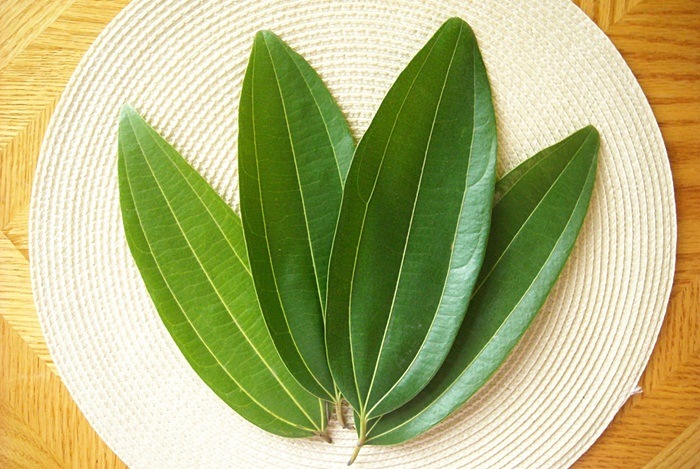
home remedies for diabetes

One of the best home remedies for diabetes is mango leaves. The tender leaves of the mango tree have tannins called anthocyanins, which may help to treat early diabetes [53] [54]. It also helps to deal with diabetic retinopathy and diabetic angiopathy.

Method 1:

Get this:

  • Mango leaves – 10 to 15
  • 1 glass of water
  • Strainer or sieve

Do this:

  • Take the mango leaves and rinse it properly.
  • Place the leaves in water and cover it.
  • Leave it to soak overnight without disturbing it.
  • In the next morning, filter the water and drink this water on an empty stomach.
  • Ensure to have your breakfast after one hour.
  • Repeat this process every day until you get instant relief from the problem.

Method 2:

Get this:

  • Mango leaves
  • Airtight container

Do this:

  • Take several leaves of mango and dry these leaves properly in the sun.
  • After getting dried completely, place these leaves in a mixture grinder or a blender.
  • Grind these leaves to get powder form and keep it in an air-tight container for more usage.
  • Have this mango leaves powder (1/2 teaspoon) before you take lunch or dinner.
  • Repeat the same process every day before taking lunch and dinner until you get immediate relief from diabetes.
28. Aloe Vera
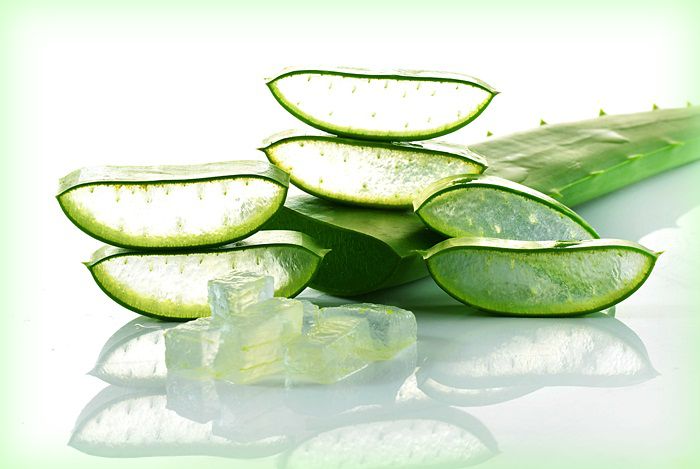
home remedies for diabetes

The aloe vera plant has at least 75 active compounds including enzymes, vitamins, minerals, anthraquinones, polysaccharides, lignin, monosaccharide, saponins, phytosterols, salicylic acids, and amino acids, all of which help to improve blood glucose control and reduce many other risks in diabetic patients [55] [56]. It also exhibits trace elements such as magnesium, chromium, zinc, and manganese known to be vital for glucose metabolism by enhancing the effectiveness of insulin.

Method 1:

Get this:

  • 1 teaspoon of aloe vera gel
  • 1 teaspoon of bay leaves powder
  • 1 teaspoon of turmeric powder

Do this:

  • Take all these ingredients in a small bowl.
  • Stir it well and have the mixture before taking lunch or dinner.
  • Follow the same process every day before taking your lunch or dinner till you get control over your diabetes.

Method 2:

Get this:

  • 1 to 2 teaspoons of aloe vera juice
  • 1 glass of buttermilk

Do this:

  • Take the buttermilk and add aloe vera gel to it.
  • Stir it well and consume this solution.
  • Try following this remedy daily to remove diabetes and helps you to obtain many other health benefits.
29. Curry Leaves

Curry leaves are really high in minerals such as iron, copper, and zinc, which are very necessary for keeping the normal glucose levels in your blood. These leaves are effective in decreasing the blood sugar levels and thereby helpful for those who got diabetes due to their obesity [57] [58].

Method 1:

Ingredient:

  • 8-10 leaves of curry

Do this:

  • Take the fresh leaves of curry and wash them properly.
  • Place these leaves in your mouth and in the morning chew them finely.
  • Repeat the chewing process once every day in the morning for quick relief.

Method 2:

Get this:

  • Curry leaves

Do this:

  • Take a handful of fresh curry leaves and add it to your cooking.
  • Add these leaves to dips, salads, gravies, curries, and sauces.
  • Continue adding these leaves every day in your cooking to treat diabetes.
30. Cinnamon

home remedies for diabetes

Using cinnamon is also one of the most effective home remedies for diabetes. Cinnamon powder helps in lowering blood sugar by stimulating the activity of insulin [59]. Many studies show that cinnamon may help reduce blood sugar levels by up to 29 % [60] [61] [62].

Here are detailed instructions to use it for dealing with diabetes:

  • Take one liter of water and boil it. Simmer it for around 20 minutes. Add three teaspoons of cinnamon powder while you simmer this water. After twenty minutes, strain the liquid. Now have this water every day.
  • Add 1 teaspoon of cinnamon powder in 1 cup of warm water. Drink this daily.
  • Alternatively, you can sprinkle cinnamon powder on the dips or salads or other dishes.
  • Another option is to add cinnamon powder to the milk, coffee or tea.
Extra Tips For Diabetes
1. Diet Remedies For Diabetes

home remedies for diabetes

For the expected results, what you need to do [63] [64]:

  • Avoid refined flour. Instead of using whole grains in your diet, you should use whole wheat pasta, brown rice, and whole wheat bread in place of polished rice.
  • Have low-fat dairy products such as cheese, skimmed milk, yogurt, etc.
  • Include garlic, onions, spinach, raw banana, black plum, and bitter gourd in your diet.
  • Mix barley flour (1 part), black chickpea flour (1 part) and whole-wheat flour (4 parts). Use this mixed flour to make your bread and pancakes.
  • Avoid sweets. Decrease intake of salt too.
  • Avoid consuming sugar-sweetened drinks.
  • Avoid containing high carbohydrate foods, sweet potatoes, potatoes, yams, colocasia, yogurt high in fat, and spicy and oily foods.
  • Avoid having sweet fruits such as pineapple, grapes, mangoes, etc.
  • Take ½ teaspoon of ginger juice and ½ teaspoon of garlic juice, and then mix with a little jaggery or honey and have this two times a day.
  • Make a juice of pumpkin, carrot, and pomegranate and have about 1-2 glasses of this juice every day.

To keep diabetes from occurring against, make sure that you keep a healthy diet, regular exercise routine, medication, and a good mood.

2. Be Sporty 

Exercise provides you with many health benefits. It protects the cardiovascular health, tones the muscles, reduces blood pressure, strengthens bones, raises the good cholesterol and lowers bad cholesterol, improves the respiratory system, keeps an ideal weight, reduces tension, and boost work capacity. Patients with diabetes should not lay in bed all day long. It is important for them to build a regular exercise routine. For sufferers from diabetes mellitus, exercise can help to boost the body’s ability to use insulin and glucose [65] [66].

3. Quit Smoking 

Smoking increases the risk of developing diabetes and other health problems [67] [68]. Therefore, it is important for you to quit smoking.

4. Meditation 

Meditation reduces the production of insulin, decreases insulin resistance, and manage the level of glucose by reducing the stress hormones such as adrenaline, cortisol, and noradrenaline [69] [70]. It further helps to balance insulin and glucose in the blood.

To solve the problem of diabetes mellitus, you should try some of the above natural remedies regularly without fail. However, the article is only for informational purposes, thus, you should meet your doctor to get advice before applying any at home remedy. If you have any questions or you know other home remedies for diabetes, please share with us.

References:

Reviewed By Registered Dietitian Nutritionist Heather M. Duquette-Wolf ,RD, CSSD [Link]

As with any information, seek medical help and answers before trying something new on your own. I did not write this nor do I agree or disagree with the article. I am just passing along information so you can make a informed decision on your own.

MwsR
    Recipes To Keep Your Blood Sugars Good~ Link Share

    http://www.eatingwell.com/gallery/7834310/recipes-to-help-keep-blood-sugar-in-check/?auto_advance=1

    person holding black tube
    Photo by PhotoMIX Company on Pexels.com

    Nutrition Carb Sense~ Diabetes

    Carbs, carbs, carbs—what about them?https://www.diabetes.org/nutrition

    When you eat or drink things that have carbohydrate, your body breaks those carbs down into glucose (a type of sugar), which then raises the level of glucose in your blood. Your body uses that glucose, or sugar, for fuel to keep you going throughout the day. 

    Knowing what kind and how many carbs to eat is important for managing diabetes. Eating too many carbs can raise your blood glucose too high. This can cause trouble if you do not have enough insulin in your body to help deliver the glucose to the cells in your body. Eating too little carbohydrate can also be harmful because your blood glucose may drop too low, especially if you take medicines to help manage your blood sugar. Balance is key! 

    There are three main types of carbohydrates in food—starches, sugar and fiber. As you’ll see on the nutrition labels for the food you buy, the term “total carbohydrate” refers to all three of these types. And as you begin counting carbohydrates, you’ll want to stay away from food that has high carbs and instead choose a more balanced nutrient mix of carbs, protein, and fat.

    The goal is to choose carbs that are nutrient-dense, which means they are rich in fiber, vitamins, and minerals, and low in added sugars, sodium, and unhealthy fats. 

    When choosing carbohydrate…

    Eat the most of these: whole, unprocessed non-starchy vegetables.

    • Non-starchy vegetables like lettuce, cucumbers, broccoli, tomatoes, and green beans have a lot of fiber and very little carbohydrate, which means little impact on your blood sugar.

    Eat more of these: whole, minimally processed carbohydrate foods.

    • Fruits like apples, blueberries, strawberries, and cantaloupe
    • Whole intact grains like brown rice, whole wheat bread, whole grain pasta, and oatmeal
    • Starchy vegetables like corn, green peas, sweet potatoes, pumpkin, and plantain
    • Beans and lentils like black beans, kidney beans, chickpeas, and green lentils

    Eat less of these: refined, highly processed carbohydrate foods and those with added sugar.

    • Sugary drinks like soda, sweet tea, and juice drinks
    • Refined grains like white bread, white rice, and sugary cereal
    • Sweets and snack foods like cake, cookies, candy, and chips

    Foods high in starch include:

    • Starchy vegetables like peas, corn, lima beans and potatoes
    • Dried beans, lentils and peas such as pinto beans, kidney beans, black-eyed peas and split peas
    • Grains like oats, barley and rice (The majority of grain products in the US are made from wheat flour. These include pasta, bread and crackers, but the variety is expanding to include other grains as well.)

    As for sugar, there are two main types: 

    • Naturally occurring sugars such as those in milk or fruit
    • Added sugars such as those added during processing such as fruit canned in heavy syrup or sugar added in to a cookie

    On the nutrition facts label, the number of sugar grams includes both added and natural sugars.


    And as for fiber … 

    Remember that it comes from plant-based foods, so there’s no fiber in milk, eggs, meat, poultry, and fish. Healthy adults need between 25 and 30 grams of fiber a day.

    Good sources of dietary fiber include:

    • Beans and legumes like black beans, kidney beans, pintos, chick peas, white beans, and lentils
    • Fruits and vegetables, especially those with edible skin (like apples and beans) and those with edible seeds (like berries)
    • Nuts—try different kinds. Peanuts, walnuts, and almonds are a good source of fiber and healthy fat, but watch portion sizes, because they also contain a lot of calories in a small amount.
    • Whole grains such as:
      • Whole wheat pasta
      • Whole grain cereals, specifically those with three grams of dietary fiber or more per serving, including those made from whole wheat, wheat bran, and oats

    Diabetes~COVID-19, Risks

    Diabetic risks

    Health data is showing that about 25% of people who go to the hospital with severe COVID-19 infections have diabetes. One reason is that high blood sugar weakens the immune system and makes it less able to fight off infections. Your risk of severe coronavirus infection is even higher if you also have another condition, like heart or lung disease.

    If you do get COVID-19, the infection could also put you at greater risk for diabetes complications like diabetic ketoacidosis, or DKA, which happens when high levels of acids called ketones build up in your blood.

    Some people who catch the new coronavirus have a dangerous body-wide response to it, called sepsis. To treat sepsis, doctors need to manage your body’s fluid and electrolyte levels. DKA causes you to lose electrolytes, which can make sepsis harder to control.

    How to avoid COVID-19

    The best way to avoid getting sick is to stay home as much as you can. If you have to go out, keep at least 6 feet away from other people. And every time you come back from the supermarket, pharmacy or another public place, wash your hands with warm water and soap for at least 20 seconds.

    Also wash your hands before you give yourself a finger stick or insulin shot. Clean each site first with soap and water or rubbing alcohol.

    To protect you, everyone in your house should wash their hands often, especially before they cook for the family. Don’t share any utensils or other personal items. And if anyone in your house is sick, they should stay in their own room, as far as possible from you.

    If you get sick

    The most common symptoms of COVID-19 are a dry cough, fever or shortness of breath. If you develop any symptoms that are concerning, call your doctor about getting tested.

    If you find that you have contracted COVID-19, the first level of care is to stay home and check your blood sugar more often than usual and check your ketones, too. COVID-19 can reduce your appetite and cause you to eat less, which could affect your levels. You also need more fluids than usual when you’re sick, so keep water close by and drink it often.

    You should also know that many over-the-counter medicines that relieve virus symptoms like fever or cough can affect your blood sugar levels one way or the other. So before you take anything, check with your doctor.

    And be aware that if you start experiencing severe shortness of breath, high levels of ketones or DKA symptoms like severe weakness, body aches, vomiting or belly pain, you need to see your doctor or get to an emergency room right away.

    What Happens When You Take Insulin~Diabetes Information

    The effects of insulin on the body

    Insulin is a natural hormone produced by your pancreas that controls how your body uses and stores blood sugar (glucose). It’s like a key that allows glucose to enter cells throughout your body.

    Insulin is a vital part of metabolism. Without it, your body would cease to function.

    When you eat, your pancreas releases insulin to help your body make energy out of glucose, a type of sugar found in carbohydrates. It also helps you store energy.

    In type 1 diabetes, the pancreas is no longer able to produce insulin. In type 2 diabetes, the pancreas initially produces insulin, but the cells of your body are unable to make good use of the insulin. This is called insulin resistance.

    Unmanaged diabetes allows glucose to build up in the blood rather than being distributed to cells or stored. This can wreak havoc with virtually every part of your body.

    Blood tests can quickly indicate whether your glucose levels are too high or too low.

    Complications of diabetes include kidney disease, nerve damage, heart problems, eye problems, and stomach problems.

    People with type 1 diabetes need insulin therapy to live. Some people with type 2 diabetes must also take insulin therapy to control their blood sugar levels and avoid complications.

    If you have diabetes, insulin therapy can do the job your pancreas can’t. The following types of insulin are available:

    • Rapid-acting insulin reaches the bloodstream within 15 minutes and keeps working for up to 4 hours.
    • Short-acting insulin enters the bloodstream within 30 minutes and works for up to 6 hours.
    • Intermediate-acting insulin finds its way into your bloodstream within 2 to 4 hours and is effective for about 18 hours.
    • Long-acting insulin starts working within a few hours and keeps glucose levels even for about 24 hours.

    Insulin injection sites

    Insulin is usually injected into the abdomen, but it can also be injected into the upper arms, thighs, or buttocks.

    Injection sites should be rotated within the same general location. Frequent injections in the same spot can cause fatty deposits that make delivery of insulin more difficult.

    Insulin pump

    Instead of frequent injections, some people use a pump that regularly delivers small doses of insulin throughout the day.

    The pump includes a small catheter that is placed in the fatty tissue underneath the skin of the abdomen. It also has a reservoir that stores the insulin and thin tubing that transports the insulin from the reservoir to the catheter.

    The insulin in the reservoir needs to be refilled as necessary. To avoid an infection, the insertion site must be changed every 2 to 3 days.

    Produced in the pancreas

    When you eat, food travels to your stomach and small intestines, where it’s broken down into nutrients that include glucose. The nutrients are absorbed and distributed via your bloodstream.

    The pancreas is a gland located behind your stomach that performs an essential role in the digestion process. It creates enzymes that break down the fat, starches, and sugar in the food. It also secretes insulin and other hormones into your bloodstream.

    Insulin is created in the beta cells of the pancreas. Beta cells comprise about 75% of pancreatic hormone cells.

    Other hormones produced by the pancreas are:

    • glucagon, which alerts your liver to raise your blood sugar if it gets too low
    • gastrin, which stimulates the production of gastric acid in your stomach
    • amylin, which helps control your appetite

    Energy creation and distribution

    The function of insulin is to help transform glucose into energy and distribute it throughout your body, including the central nervous system and cardiovascular system.

    Without insulin, cells are starved for energy and must seek an alternative source. This can lead to life threatening complications

    Liver storage

    Insulin helps your liver take in excess glucose from your bloodstream. If you have enough energy, the liver stores the glucose you don’t need right away so it can be used for energy later.

    In turn, the liver produces less glucose on its own. This keeps your blood glucose levels in check. The liver releases small amounts of glucose into your bloodstream between meals to keep your blood sugars within that healthy range.

    Muscle and fat storage

    https://www.healthline.com/health/diabetes/insulin-effects-on-body

    Insulin helps your muscles and fat cells store extra glucose so it doesn’t overwhelm your bloodstream.

    It signals your muscle and fat tissue cells to stop breaking down glucose to help stabilize your blood sugar level.

    The cells then begin creating glycogen, the stored form of glucose. Glycogen provides your body with energy when your blood sugar level drops.

    When your liver can hold no more glycogen, insulin triggers your fat cells to take in glucose. It’s stored as triglycerides, a type of fat in your blood, that can be used for energy later.

    Balanced blood sugars

    Blood sugar, or glucose, is used by your body for energy. When you eat, it’s created by many of the carbohydrates you’re consuming. Glucose is either used right away or stored in your cells. Insulin helps keep the glucose in your blood within a normal range.

    It does this by taking glucose out of your bloodstream and moving it into cells throughout your body. The cells then use the glucose for energy and store the excess in your liver, muscles, and fat tissue.

    Too much or too little glucose in your blood can cause serious health problems. Besides diabetes, it can lead to heart, kidney, eye, and blood vessel problems.

    Healthy cells

    Cells in every part of your body need energy to function and remain healthy. Insulin provides the glucose that cells use for energy.

    Without insulin, the glucose remains in your bloodstream, which can lead to dangerous complications like hyperglycemia.

    Along with glucose, insulin helps amino acids enter the body’s cells, which builds muscle mass. Insulin also helps cells take in electrolytes like potassium, which keeps your bodily fluids level.

    In the bloodstream

    When insulin enters your bloodstream, it helps cells throughout your body — including in your central nervous system and cardiovascular system — to absorb glucose. It’s the circulatory system’s job to deliver insulin.

    As long as the pancreas produces enough insulin and your body can use it properly, blood sugar levels will be kept within a healthy range.

    A buildup of glucose in the blood (hyperglycemia) can cause complications like nerve damage (neuropathy), kidney damage, and eye problems. Symptoms of high blood glucose include excessive thirst and frequent urination.

    Too little glucose in the blood (hypoglycemia) can make you feel irritable, tired, or confused. Low blood sugar can lead to loss of consciousness.

    Ketone control

    Insulin helps your cells use glucose for energy. When cells can’t use the extra glucose, they begin to burn fat for energy. This process creates a dangerous buildup of chemicals called ketones.

    Your body tries to get rid of the ketones through your urine, but sometimes it can’t keep up. This can lead to a life threatening condition called diabetic ketoacidosis (DKA). Symptoms include sweet-smelling breath, dry mouth, nausea, and vomiting.HEALTHLINE CHALLENGESLooking to cut back on sugar? We’ll give you some sweet tips

    Diabetes, Blood Pressure Meds, and COVID -19…

    What to Know About Diabetes, Blood Pressure Meds and COVID-19

    Medical experts say it’s key to not stop your medications without talking to your physician. Getty Imageshttps://www.healthline.com/health-news/can-common-diabetes-blood-pressure-meds-make-covid-19-worse-what-we-know?slot_pos=article_1&utm_source=Sailthru%20Email&utm_medium=Email&utm_campaign=diabetes&utm_content=2020-04-09&apid=10209075
    • The concern began after a study in The LancetTrusted Source stated that ibuprofen boosts the angiotensin-converting enzyme 2 (ACE2), which may facilitate and worsen COVID-19.
    • The World Health Organization warned most patients to stick with acetaminophen. Now they say they do not advise against using ibuprofen.
    • Most cardiologists advise patients to stay on their medications.

    Could people on certain medications for hypertension, cardiovascular disease, and diabetes be at risk for experiencing COVID-19 more severely?

    The question raises more concerns about which medications may make COVID-19 worse in some people. It follows reports that ibuprofen could do more harm than good in patients with COVID-19.CORONAVIRUS UPDATESStay on top of the COVID-19 outbreak

    Understanding the theory

    The concern began after a study in The LancetTrusted Source stated that ibuprofen boosts the angiotensin-converting enzyme 2 (ACE2), which may facilitate and worsen COVID-19.

    As a result, the World Health Organization (WHO) originally warned most patients to stick with acetaminophen, which is also known as paracetamol. Now they say they do not advise against using ibuprofen.

    The study explained that COVID-19 binds to ACE2 in order to target cells. Patients likely have increased ACE2 expression if they’re treated with ACE inhibitors, angiotensin II type I receptor blockers (ARBs) and thiazolidinediones. Those drugs are commonly taken by those with cardiovascular disease, hypertension, and diabetes. Ibuprofen can also increase ACE2, the study noted.

    Cardiovascular, diabetes drugs in question as well

    While media reports focused on ibuprofen, many did not highlight the other drug warnings in the journal article.

    “We therefore hypothesize that diabetes, cardiovascular disease, and hypertension treatment with ACE2-stimulating drugs increases the risk of developing severe and fatal COVID-19,” the authors wrote. They said patients with cardiac diseases, hypertension, or diabetes who use drugs that increase ACE2 could be at higher risk for severe COVID-19 and, therefore, should be monitored.

    In a separate article, lead author Dr. Michael Roth-Chiarello, who heads up a pulmonary cell research unit at the University Hospital of Basel in Switzerland, said that there needs to be more research into the use of ACE inhibitors in those with COVID-19. He did not respond to a request for comment.

    Doctors: Evidence lacking

    So, are patients on some hypertension, cardiovascular disease, and diabetes drugs at risk for more severe COVID-19?

    This speculation about the safety of ACE or ARB treatment in relation to COVID-19 “does not have a sound scientific basis or evidence to support it,” Jared Van Hooser, assistant professor in the department of pharmacy practice and pharmaceutical sciences at the University of Minnesota College of Pharmacy and a clinical pharmacist at St. Luke’s Mount Royal Medical Clinic, told Healthline.

    “Should people be aware that there is a possibility COVID-19 could be more severe in those with hypertension, cardiovascular disease, or diabetes? Yes, they should be aware, but the research is not definitive,” Van Hooser said.

    The Council on Hypertension of the European Society of Cardiology has stated there’s a lack of any evidence supporting harmful effects of ACE and ARB with regard to COVID-19.

    “[We] strongly recommend that physicians and patients should continue treatment with their usual antihypertensive therapy because there is no clinical or scientific evidence to suggest that treatment with ACEi or ARBs should be discontinued because of the COVID-19 infection,” the organization said in a statement.

    Further research is needed to evaluate interactions between ACE inhibitor drugs and the virus that causes COVID-19. Dr. Anthony S. Fauci, director of the National Institute of Allergy and Infectious Diseases, has expressed support for further research in this area.

    “There have been worse COVID-19 in patients on treatment for some chronic diseases like hypertension, but it’s impossible right now to separate whether this is due to the underlying disease versus the drugs being used,” explained Dr. Otto O. Yang, a professor of infectious diseases at the David Geffen School of Medicine at UCLA, told Healthline.

    Rory Remmel, Ph.D., a professor at the University of Minnesota College of Pharmacy, cited the BMJ report that said patients taking lisinopril or angiotensin receptor blocking agents such as losartan could have increased ACE2 Trusted Source in the lungs. ACE2, the study authors noted, could make COVID-19 worse.

    But there’s a flip side.

    “Interestingly, losartan is one of the medically approved drugs that is being tested for treatment of COVID-19 on the theory that it will block viral entry,” he told Healthline. The virus binds to ACE2, but losartan blocks ACE2 from entering cells — making it a potential therapy.

    Dr. James Louis Januzzi, a cardiologist at Massachusetts General Hospital, said people need to be careful about getting medical advice from anyone other than their own doctors.

    “Don’t believe the misinformation that is going on out there,” he said. “Everyone is scared and wants to provide rapid, useful information to people.”

    “Unless and until prospective randomized data are available, people should not assume anything they read is true, and they should speak to their physician if they have questions,” Januzzi added.

    Stay on your meds, doctors warn

    Most cardiologists — including the American Heart Association, American College of Cardiology, and Heart Failure Society of America — advise patients to stay on their medications.

    “People should not stop taking their medications unless directed by a healthcare professional,” Van Hooser said. “We want to avoid a knee-jerk reaction to something that does not have evidence or very limited evidence.”

    Concerned about taking these medications and getting COVID-19? Dr. Michael Miller, a cardiologist, and professor at the University of Maryland School of Medicine, said to stay on your medications and talk to your doctor about concerns.

    “We are not recommending that our patients stop taking these medications,” he told Healthline.

    The only way a doctor would recommend stopping the medication is if the patient has complications from COVID-19, Miller said.

    “However, if they develop COVID-19 and have complications that result in significant hypotension, ACE inhibitors will almost invariably be temporarily discontinued,” he noted.

    Stay on your medications, Januzzi echoed.

    “It actually could be harmful to stop these meds abruptly,” Januzzi said. “To be explicitly clear, we have no good, prospective comparative data to suggest taking drugs like ACE inhibitors is harmful or beneficial relative to COVID-19 infection.”

    Diabetes~ Inhaled Insulins, Are They Safe To Use During Coronavirus?

    As the entire world is combating an unprecedented outbreak of the viral respiratory disease COVID-19, you may be wondering if it’s safe to continue taking inhalable insulin. Could it compromise your lungs? Or be rendered ineffective if you become sick?

    People may be concerned because research shows that respiratory infections are more severe in those with diabetes.

    We queried some of the country’s top experts and learned a lot in the process.

    The short answer is that there’s no reason not to use inhalable insulin unless you are ill to the point of experiencing “acute respiratory distress” that requires hospitalization.

    But there’s a lot more to know on this topic as well — including what weakens your lungs most, information on the newest inhalable insulin product under development, and how inhalable medications might be key to fighting the COVID-19 outbreak.

    MannKind’s Afrezza ‘not impacted’  

    There is currently only one brand of inhalable insulin on the market, Afrezza, from Southern California-based MannKind Corp. The drug has been shown to be extremely effective, and quite safe in both clinical trials and real-world use since its launch in 2015.

    We asked Mike Castagna, CEO of MannKind, about the interplay of colds and flu with using the Afrezza inhaler. “We don’t have any evidence that there’s an issue with absorption, and there’s no evidence that it exacerbates respiratory issues. The powder is not sitting in the lungs, but rather goes through the lungs like oxygen,” he says.

    Official word from the company is: “In clinical studies, absorption of Afrezza was not impacted by upper respiratory infection (which typically includes scratchy or sore throat, sneezing, cough and runny nose).”

    While Afrezza users often experience a cough at the outset of use, Castagna says they regularly work through colds and flu without issues. Some Afrezza users who experience a lot of mucus, or an extreme cough, may opt to switch to injectable insulin during the worst part of their illness, but “that’s up to you and your doctor. We don’t see absorption issues in Afrezza in upper respiratory infections,” he says.

    While the predictions for COVID-19 spread are scary — up to half the U.S. population may get the viral disease — thankfully the huge majority of those cases are expected to clear up after relatively mild symptoms, including runny nose, headache, fever, and diarrhea. Experts confirm that people with diabetes are no more or less likely to contract the illness. But if they do get sick, the consequences can be more severe and exceptional care needs to be taken to keep glucose levels under control.

    “I don’t want to minimize the concerns people with diabetes may have. If you have good (glucose) control, most people will be fine. If you don’t have good control, that’s when we worry,” says Castagna.

    He reminds us that we all need additional insulin when we’re sick, due to the stress on the body. But generally, he says, “We don’t recommend any changes to people’s insulin management due to coronavirus — unless you are in respiratory distress. Then you should contact your doctor and get into a clinic as soon as possible.”

    An expert weighs in

    John Patton, one of the nation’s premier experts in inhalable medication science, is a veteran of the team that developed the world’s first inhalable insulin, Exubera, from Pfizer. He is a co-founder and now board member of Aerami, a start-up developing a new formulation of inhaled insulin (details below).

    “That’s actually the most common safety question on inhaled insulin — what happens when you get cold or flu?” Patton tells Diabetes Mine. “Pfizer actually ran trials where they gave people rhinovirus to do testing. We did not find that episodic lung diseases or infections were cause for concern.”

    Once that first inhalable insulin product was out on the market, “all kinds of people got the flu and there was never a serious adverse event associated with having the flu. Of course, we don’t know how many people reverted to injections when they were sick,” he says.

    (Note that Exubera was pulled from the market in 2007, for business reasons having nothing to do with negative health outcomes.)

    Patton makes a point of noting that when sick, you need to manage blood glucose carefully, to avoid going into diabetic ketoacidosis (DKA).

    Whose lungs are at highest risk?

    The people who appear to be at “enormous risk” of developing worst-case-scenario COVID-19 are smokers, whose lungs are filled with high loads of tar, Patton says.

    Vaping is also suspected to make COVID-19 cases worse, although there is no solid data on this yet.

    A gender gap is also emerging, where more men are being infected and dying of COVID-19 than women. One theory is that this is tied to significantly higher rates of smoking among men than women across the world. But the LA Times reports that other factors may be at play, such as a theory that the hormone estrogen may have “specific protective powers” against this virus.

    Access to Afrezza should remain smooth

    MannKind is also not expecting any product shortages due to the outbreak, despite the fact that they manufacture the product in Connecticut, which is currently 12th on the list of hardest-hit states.

    “We have months of inventory on hand. We’re making another batch as we speak,” Castagna tells DiabetesMine. “We’re taking measures to secure safety, of workers and the product, at our factories.”

    A company alert issued on March 25 reminds patients and doctors that “pharmacies can order additional supplies from wholesalers with expected delivery within 1-2 days, as usual.” They also note that patients can receive Afrezza by mail-order, and that many insurance companies are allowing 90-day refills during this time.

    A healthy market for Afrezza?

    The company has had difficulty gaining traction with Afrezza, because so many doctors and patients still just don’t know it’s an option, Castagna says. They currently have a user base of 6,000 to 7,000 individuals, half with type 1 diabetes and half with type 2. They don’t have specific stats on age groups but do know that 20 percent of their users are on Medicare, so presumed older; and 80 percent are on Medicaid or private insurance, which implies younger users.

    Although they started out targeting type 2s, they’re now shifting almost 100 percent of their energy towards the type 1 market, a decision that was made in January 2020. Castagna points out that they now have 20 to 30 people on staff who live with type 1 diabetes themselves.

    Basically, they want to prioritize their resources where they can have the most impact, he says. And people with type 1 are most keenly tuned in to achieving better time-in-range, fewer hypoglycemic episodes, and less sleep disruption. Data presented at the February 2020 ATTD international diabetes technology conference showed a 1.6 percent reduction in A1C and significant reduction of hypos using Afrezza versus injected insulins.

    Castagna says they’re seeing increased demand for the product every week, “and we don’t anticipate any slowdown, other than the fact that people won’t be seeing their doctors in the coming weeks, so that will slow down prescriptions overall.”

    They’re apparently achieving 70 percent approval on prior authorizations “within hours,” he says, as their CoverMyMeds program has been quite effective.

    As far as COVID-19 concerns go, Castagna adds:” We’ve had zero calls as of last week from HCPs (healthcare providers) on this issue. But our reps are equipped to answer questions.”

    “We don’t want people running around scared, saying, ‘I’ve got to get off my Afrezza.’ We don’t see any indication for that… A large majority of people will get COVID-19 but a large majority will not have symptoms strong enough to warrant a change in their insulin.”

    If you use Afrezza and have questions, you can contact their Customer Service at 818-661-5047 or guide@mannkindcorp.com.

    New inhalable insulin from Aerami

    Aerami Therapeutics

    We also connected with North Carolina-based Aerami Therapeutics (formerly Dance Pharmaceuticals), which is working on a next-generation inhalable insulin product.

    Theirs is a fine mist aerosol formulation instead of a powder, delivered by their new inhaler device called AFINA. It will have built-in Bluetooth capability to track data and integrate with apps and platforms. The company has completed seven early stage trials to date and is now looking for a partner for their phase 3 study design with the Food and Drug Administration.

    They are also working on an inhalable GLP-1 drug, which would be the first needle-free option for that type 2 diabetes drug.

    About the new coronavirus, Aerami COO Timm Crowder says: “We’re seeing acute respiratory issues now with this virus which are pretty unique. It’s probably not something people have put a lot of thought into. Is this the new normal…?”

    But he says their inhalable drug formulation should be perfectly safe and effective for those with “normal” cold and flu symptoms — perhaps even more so than Afrezza.

    “Ours is a soft liquid, that’s shown no cough, and been very gentle on the lungs in trials. Our high peripheral deposition (HPD) insulin droplets go into the deepest part of the lungs. Even with congestion, you’re not typically going to see mucus in that part of the lung,” Crowder explains.

    The AFINA inhaler is a small black square device outfitted with a light that blinks to alert the user as to how effective their inhalation technique is. It comes with a small dropper vial full of insulin mist, which has to be used to fill the inhaler before each mealtime (bolus-only) dose.

    The big differentiators for this product are its precise delivery, those small droplets that go into the deep lungs, and “breath actuation,” meaning the ability to let users know how well they are absorbing the product, Crowder says.

    “With our device, the aerosol droplets are only generated when the inhalation is in target range, shown by the flow sensor on the device — in other words, only when the patient inhales properly. If they’re not inhaling appropriately, the device will glow yellow, showing that no dose is being delivered. They either need to slow down or speed up their inhalation technique.”

    “Also, our dosing is extremely targeted. We can control precisely where the droplets go,” he adds.

    They’re not yet providing a projected launch date, and are still determining basics like whether a spirometry lung capacity test will be required to get a prescription for this inhaler (as is the case with Afrezza), or whether they will mainly target type 1 or type 2 diabetes. Human clinical trials will determine all that, Crowder says.

    Despite the current worldwide respiratory virus crisis, the overall promise of inhalable medications to effectively treat conditions free of needles is huge, Crowder says.

    Inhalable treatments for COVID-19?

    It’s important to note that on March 17, Afrezza maker MannKind announced that the company will be shifting its pipeline to also work on three potential COVID-19 treatments with development partners. These aim to reduce replication of the virus in the lungs and delay the “inflammation cascade” that leads to acute respiratory distress syndrome. These will be in the form of dry powder inhalers that deliver the medication directly into the lungs.

    Expert Patton, who is now also co-founder of iPharma, an “International Inhalation Center of Excellence” that helps develop and test new medical inhalation products, tells us that with the current COVID-19 pandemic, “people with ideas for therapies are coming out of the woodwork.”

    Patton points to a paper just published by the University of California, San Francisco and international scientists listing 72 molecules that could have an impact on treating the novel coronavirus. (Among the substances listed is the diabetes drug metformin, we noticed.) Patton lauds this as “remarkable work” but cautions that this may lead to a potentially dangerous explosion of off-label use of these molecules: “People aren’t going to wait for clinical trials.”

    Case in point: Just a few days ago, a man died in Arizona after self-medicating with what he thought was an experimental substance that could combat the new coronavirus that causes COVID-19.

    Patton also notes that most of the ideas for new COVID-19 therapies are oral or injection prototypes, which could have toxic properties. “Ideally, they should be inhaled,” he says.

    “Local lung delivery has always had extraordinarily strong potential. It offers targeted delivery, that can lower overall dose and raise the effect on the cells you want to target.”

    A classic example is newer inhaled steroids used for asthma or COPD; he says. Oral or injected steroids can be quite toxic, especially in children. “They’re essentially going through the whole body. But with inhaled medications, you get targeted treatment, that only impacts the affected cells. It’s like with some drugs that can kill cancer, but they will also kill you,” Patton explains.

    The benefits of inhaled steroids are enabling a high concentration of the drugs to reach only the impacted areas of the body, reducing adverse side effects and allowing for smaller, more effective dosing.

    Patton is not alone in believing that inhalation devices can have a huge impact on improving healthcare.

    But of course, with the cautionary note: “If you have irritated lungs or lungs that are sensitive, there’s just a physical irritation that happens with anything — even good things that are not toxic, like mother’s milk.”

    The bottom line, according to Patton, is: “If you are really sick and coughing, you may not want to inhale anything.” But if your lungs are otherwise healthy, there’s no inherent danger in it

    Call your primary care provider and discuss symptoms before visiting a healthcare facility or click below to find a local provider. If this is an emergency, call 911, and tell the operator you have COVID-19.

    https://www.healthline.com/diabetesmine/inhaled-insulin-coronavirus

    Mushrooms and Diabetes~ Hmm

    Are Mushrooms Good for People with Diabetes?

    Given that diabetes is characterized by high blood sugar levels, following a healthy diet that helps manage blood sugar is essential to treatment (1Trusted Source).

    However, that can be easier said than done, and people with diabetes may find it difficult to decide which foods to eat and avoid.

    Mushrooms are low in carbs and sugar and considered to have anti-diabetic properties.

    This article explains why mushrooms are an excellent choice if you have diabetes.

    A pack of mushrooms

    Nutrition

    There are many types of mushrooms, including the traditional button or white mushroom, shiitake, portobello, and oyster mushrooms to name a few.

    Despite their varying appearance and taste, they all have similar nutritional profiles, which are characterized by low sugar and fat contents.

    One cup (70 grams) of raw mushrooms provides the following (2Trusted Source):

    • Calories: 15
    • Carbs: 2 grams
    • Sugar: 1 gram
    • Protein: 2 grams
    • Fat: 0 grams
    • Vitamin B2or riboflavin: 22% of the Daily Value (DV)
    • Vitamin B3, or niacin: 16% of the DV
    • Selenium: 12% of the DV
    • Phosphorus: 5% of the DV

    Mushrooms are rich in selenium and certain B vitamins. B vitamins are a group of eight water-soluble vitamins that’s strongly linked to improved brain function. Meanwhile, selenium is a potent antioxidant that plays a key role in thyroid function (3Trusted Source4Trusted Source).

    SUMMARY

    Mushrooms are a low calorie, low carb food that can be enjoyed on a diabetes-friendly diet. They also provide high amounts of selenium and certain B vitamins.

    Glycemic index and glycemic load of mushrooms

    The glycemic index (GI) and glycemic load (GL) are two classification systems that help evaluate how carb-containing foods affect blood sugar.

    They are both popular strategies and widely used in the treatment of chronic diseases like diabetes (5Trusted Source6Trusted Source7Trusted Source).

    The GI method ranks foods on a scale of 0–100 and tells you how they may affect your blood sugar levels by assigning them into three categories (8Trusted Source):

    • low GI: 1–55
    • medium GI: 56–69
    • high GI: 70–100

    Foods with a low GI will likely raise your blood sugar levels at a slower pace. In contrast, those with a high GI will cause them to spike.

    Alternatively, foods can be categorized by their GL, which takes into account a food’s GI, as well as its carb content and serving size. It’s determined by multiplying the GI by the carb content of a specific serving size and dividing the result by 100 (9Trusted Source).

    The GL system also classifies food into three categories (10Trusted Source):

    • low GL: 10 and under
    • medium GL: 11–19
    • high GL: 20 and above

    Similarly, to GI, a low GL tells you that a portion of food only slightly affects your blood sugar levels, whereas a high GL indicates a more significant effect.

    Although mushrooms are technically fungi, they are considered white vegetables — like onions and garlic — with a low GI of 10–15 and a GL of less than 1 per cup (70 grams), meaning that they won’t spike your blood sugar levels (11).

    SUMMARY

    Mushrooms are considered a low GI and low GL food, meaning that they won’t spike your blood sugar levels.

    Potential benefits for people with diabetes

    Mushrooms may benefit certain types of diabetes.

    Research shows that consuming a diet rich in vegetables like mushrooms and other vitamin-rich foods may help protect against gestational diabetes, which affects approximately 14% of pregnancies worldwide and affects both the mother and child (12Trusted Source13Trusted Source14Trusted Source15Trusted Source).

    Thanks to their high vitamin B content, mushrooms may also protect against decreased mental function and dementia in older adults with vitamin B deficiencies, as well as those with diabetes who take the drug metformin to control their blood sugar levels (16Trusted Source, 17Trusted Source).

    In addition to B vitamins, the main bioactive compounds in mushrooms —polysaccharides — may have anti-diabetic properties.

    Research in animals with type 2 diabetes shows that polysaccharides may lower blood sugar levels, improve insulin resistance, and reduce pancreatic tissue damage (18Trusted Source, 19Trusted Source, 20Trusted Source, 21Trusted Source).

    Plus, the soluble fiber beta glucan — one of the types of polysaccharides found in mushrooms — slows digestion and delays the absorption of sugars, thus controlling your blood sugar levels after a meal (22Trusted Source, 23Trusted Source, 24Trusted Source).

    Polysaccharides may also lower blood cholesterol levels, which in turn may reduce the risk of heart disease and stroke associated with unmanaged diabetes (25Trusted Source, 26Trusted Source, 27Trusted Source).

    That said, more research is needed to better understand how the B vitamins and polysaccharides in mushrooms may benefit people with diabetes.

    SUMMARY

    The B vitamins and polysaccharides in mushrooms may aid the management and prevention of diabetes and its complications. However, more human research is needed to confirm this.

    Adding mushrooms to your diet

    Given the wide variety of mushrooms, there are plenty of ways to add them to your diet, including eating them raw, grilled, roasted, sautéed, or in a sauce or soup.

    If you’re looking for new and tasty ways to add them to your meals, try this low carb mushroom and cauliflower rice skillet.

    For this recipe you need the following:

    • 1.5 cups (105 grams) of mushrooms, sliced
    • 1.5 cups (200 grams) of cauliflower rice
    • 1 cup (30 grams) of spinach
    • 1/4 cup (40 grams) of onion, chopped
    • 1 tbsp of olive oil
    • 1 celery stick, sliced
    • 1 small garlic clove, minced
    • 3 tbsp (45 ml) of vegetable broth
    • Salt, pepper, and soy sauce to taste

    Place a large skillet over medium heat and add the olive oil. Add the onions and celery and cook for 5 minutes. Then add the garlic and cook for a few seconds.

    Next, add the mushrooms and sauté until cooked. Then add the cauliflower rice and the rest of the ingredients — minus the spinach — and cook until soft. Lastly, add the spinach and season with salt and pepper before serving.

    This recipe serves two and makes a great addition to your lunch or dinner.

    SUMMARY

    Mushrooms are a versatile and tasty ingredient and adding them to your meals allows you to take advantage of their benefits.

    The bottom line

    Mushrooms are safe to eat if you have diabetes, as their low GI and GL content won’t spike your blood sugar levels.

    Also, their vitamin B and polysaccharide content may offer additional health benefits that are of relevance for people with diabetes, including improved blood sugar and cholesterol control.

    Aside from their anti-diabetic properties, mushrooms can add flavor to your dishes without any extra carbs and calories