Day of the Dead~ Did You Know?

Top 10 things to know about the Day of the Dead

We’ve all heard about the Day of the Dead or seen the classic sugar skull paintings—but what does this celebration really represent?


By Logan Ward


Here’s one thing we know: Día de los Muertos, or Day of the Dead, is not a Mexican version of Halloween. Though related, the two annual events differ greatly in traditions and tone. Whereas Halloween is a dark night of terror and mischief, Day of the Dead festivities unfold over two days in an explosion of color and life-affirming joy. Sure, the theme is death, but the point is to demonstrate love and respect for deceased family members. In towns and cities throughout Mexico, revelers don funky makeup and costumes, hold parades and parties, sing and dance, and make offerings to lost loved ones.

The rituals are rife with symbolic meaning. The more you understand about this feast for the senses, the more you will appreciate it. Here are 10 essential things you should know about Mexico’s most colorful annual event. [See more stunning photos from Day of the Dead celebrations.]

Thanks to efforts by the United Nations Educational, Scientific and Cultural Organization, or UNESCO, the term “cultural heritage” is not limited to monuments and collections of objects. It also includes living expressions of culture—traditions—passed down from generation to generation. In 2008, UNESCO recognized the importance of Día de los Muertos by adding the holiday to its list of Intangible Cultural Heritage of Humanity. Today Mexicans from all religious and ethnic backgrounds celebrate Día de los Muertos, but at its core, the holiday is a reaffirmation of indigenous life.

There are endless variations of the Catrina sold in many forms during the holiday—and throughout the year in Mexico.
Right:

Participants walk down a mural-painted street during Dia de los Muertos.Photograph by Tino Soriano, National Geographic (Left)

Papel picado, or pierced papers, blow in the wind in San Miguel de Allende, Mexico. You can find papel picado around Mexico throughout the year, but especially around Day of the Dead.
Right:

A Mexican woman sits at at a gravesite covered in marigolds and other flowers… Read MorePhotograph by Raul Touzon (Left) and Photograph by Jan Sochor, Alamy (Right)

History

Day of the Dead originated several thousand years ago with the Aztec, Toltec, and other Nahua people, who considered mourning the dead disrespectful. For these pre-Hispanic cultures, death was a natural phase in life’s long continuum. The dead were still members of the community, kept alive in memory and spirit—and during Día de los Muertos, they temporarily returned to Earth. Today’s Día de los Muertos celebration is a mash-up of pre-Hispanic religious rites and Christian feasts. It takes place on November 1 and 2—All Saints’ Day and All Souls’ Day on the Catholic calendar—around the time of the fall maize harvest.

Altars

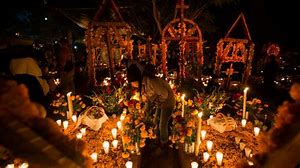
The centerpiece of the celebration is an altar, or ofrenda, built in private homes and cemeteries. These aren’t altars for worshipping; rather, they’re meant to welcome spirits back to the realm of the living. As such, they’re loaded with offerings—water to quench thirst after the long journey, food, family photos, and a candle for each dead relative. If one of the spirits is a child, you might find small toys on the altar. Marigolds are the main flowers used to decorate the altar. Scattered from altar to gravesite, marigold petals guide wandering souls back to their place of rest. The smoke from copal incense, made from tree resin, transmits praise and prayers and purifies the area around the altar.

Literary Calaveras

Calavera means “skull.” But during the late 18th and early 19th centuries, calavera was used to describe short, humorous poems, which were often sarcastic tombstone epitaphs published in newspapers that poked fun at the living. These literary calaveras eventually became a popular part of Día de los Muertos celebrations. Today the practice is alive and well. You’ll find these clever, biting poems in print, read aloud, and broadcast on television and radio programs.

The Calavera Catrina

In the early 20th century, Mexican political cartoonist and lithographer José Guadalupe Posada created an etching to accompany a literary calavera. Posada dressed his personification of death in fancy French garb and called it Calavera Garbancera, intending it as social commentary on Mexican society’s emulation of European sophistication. “Todos somos calaveras,” a quote commonly attributed to Posada, means “we are all skeletons.” Underneath all our manmade trappings, we are all the same.

In 1947 artist Diego Rivera featured Posada’s stylized skeleton in his masterpiece mural “Dream of a Sunday Afternoon in Alameda Park.” Posada’s skeletal bust was dressed in a large feminine hat, and Rivera made his female and named her Catrina, slang for “the rich.” Today, the calavera Catrina, or elegant skull, is the Day of the Dead’s most ubiquitous symbol.

Food of the Dead

You work up a mighty hunger and thirst traveling from the spirit world back to the realm of the living. At least that’s the traditional belief in Mexico. Some families place their dead loved one’s favorite meal on the altar. Other common offerings:

Pan de muerto, or bread of the dead, is a typical sweet bread (pan dulce), often featuring anise seeds and decorated with bones and skulls made from dough. The bones might be arranged in a circle, as in the circle of life. Tiny dough teardrops symbolize sorrow.

Sugar skulls are part of a sugar art tradition brought by 17th-century Italian missionaries. Pressed in molds and decorated with crystalline colors, they come in all sizes and levels of complexity.

Drinks, including pulque, a sweet fermented beverage made from the agave sap; atole, a thin warm porridge made from corn flour, with unrefined cane sugar, cinnamon, and vanilla added; and hot chocolate.

Marigolds and family photos decorate a Day of the Dead altar in San Miguel de Allende, Mexico.
Right:

A woman adds finishing touches on her Catrina makeup ahead of the Catrinas… Read MorePhotograph by Corbis Documentary/Getty Images (Left) and Photograph by Alejandro Ayala Xinhua, eyevine/Redux (Right)

Costumes

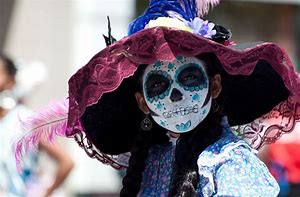
Day of the Dead is an extremely social holiday that spills into streets and public squares at all hours of the day and night. Dressing up as skeletons is part of the fun. People of all ages have their faces artfully painted to resemble skulls, and, mimicking the calavera Catrina, they don suits and fancy dresses. Many revelers wear shells or other noisemakers to amp up the excitement—and also possibly to rouse the dead and keep them close during the fun.

Papel Picado

You’ve probably seen this beautiful Mexican paper craft plenty of times in stateside Mexican restaurants. The literal translation, pierced paper, perfectly describes how it’s made. Artisans stack colored tissue paper in dozens of layers, then perforate the layers with hammer and chisel points. Papel picado isn’t used exclusively during Day of the Dead, but it plays an important role in the holiday. Draped around altars and in the streets, the art represents the wind and the fragility of life.

Dancers in traditional costumes perform in front of the Santo Domingo church in Oaxaca, Mexico.Photograph by Craig Lovell, Eagle Visions Photography/Alamy (Left) and Photograph by Richard Ellis, Alamy (Right)

Day of the Dead Today

Thanks to recognition by UNESCO and the global sharing of information, Día de los Muertos is more popular than ever—in Mexico and, increasingly, abroad. For more than a dozen years, the New York-based nonprofit cultural organization Mano a Mano: Mexican Culture Without Borders has staged the city’s largest Day of the Dead celebration. But the most authentic celebrations take place in Mexico. If you find yourself in Mexico City the weekend before Day of the Dead this year, make sure to stop by the grand parade where you can join in on live music, bike rides and other activities in celebration throughout the city.

Take Your Pick

Countless communities in Mexico celebrate Day of the Dead, but styles and customs differ by region, depending on the region’s predominant pre-Hispanic culture. Here are a few places that stand out for their colorful and moving celebrations:

Pátzcuaro

One of the most moving Day of the Dead celebrations takes place each year in Pátzcuaro, a municipality in the state of Michoacán about 225 miles west of Mexico City. Indigenous people from the countryside converge on the shores of Pátzcuaro Lake, where they pile into canoes, a single candle burning in each bow, and paddle over to a tiny island called Janitzio for an all-night vigil in an indigenous cemetery.

Mixquic

In this Mexico City suburb, bells from the historic Augustinian convent toll and community members bearing candles and flowers process to the local cemetery, where they clean and decorate the graves of their loved ones.

A Catrina and Catrin pose before an ofrenda, an altar set for deceased loved ones. Ofrendas display portraits, crosses, candles, flowers, incense, and water, a refreshment for the spirits who have made the long trip home from the hereafter. … Read MorePhotograph by Austin Beahm, National Geographic Your Shot

Cempasúchil, or marigolds, blanket a cemetery in Oaxaca, Mexico. These “flowers of the dead” originate in Mexico and are essential to Día de los Muertos. Aztecs used marigolds to cure hiccups, to heal those who had been struck by lightning, and to protect travelers who were crossing rivers. … Read MorePhotograph by willem kuijpers, National Geographic Your Shot

Artist José Guadalupe Posada’s original Catrina, named “Calavera Garbancera,” was painted to depict Mexican natives who were adopting European aristocratic fashion such as… Read MorePhotograph by Daniel Kudish, National Geographic Your Shot

On Gede, the Haitian Day of the Dead, voodoo believers paint their faces and wear purple and black to dress like spirits. Spicy rum is poured across gravestones, bones are arranged throughout the cemetery, and voodoos gather on tombs to call upon Baron Samedi, the Gede master of the dead. … Read MorePhotograph by Ricardo Arduengo, National Geographic Your Shot

The forever queen of El Día is Catrina, an elegant female skeleton first etched by José Guadalupe Posada. This rose-crowned, Kahlo-esque Catrina was photographed during Hollywood Forever Cemetery’s Día de los Muertos, which honored Posada’s art in 2017. … Read MorePhotograph by Melissa Cormican, National Geographic Your Shot

During Día de los Muertos in Mexico City, children dress up as skeletons and participate in parades. On November 1, festival events specifically honor deceased children and on November 2 deceased adults are honored—each day a reminder that life is precious and fleeting. … Read MorePhotograph by Alejandro Pérez, National Geographic Your Shot

In the town of Sumpango, Guatemala, Día de los Muertos activities include a giant kite festival. The enormous kites, some over 60 feet tall, are constructed from bamboo, agave ropes, and cloth. They illustrate both modern and Biblical themes. … Read MorePhotograph by Camilo Sarti, National Geographic Your Shot

Nearly the entire population of San Juan Chamula, Mexico, is indigenous, and their heritage is reflected in the town’s cemeteries. Tzotzil is the predominate language, and graves… Read MorePhotograph by Rodrigo Pardo, National Geographic Your Shot

In San Francisco, an integral part of Día de los Muertos is the festival of altars—a tradition kept alcohol-free out of respect. Many altars, or ofrendas, incorporate favorite treats of the deceased, in hopes that their spirits will visit and consume the food’s essence. … Read MorePhotograph by steve shpall, National Geographic Your Shot

Día de los Muertos often celebrates and preserves ancient indigenous culture. During a celebration in California, this woman’s feathered costume is reminiscent of plumy Xochiquetzal, a “womb and tomb” Aztec fertility goddess who is often honored with marigolds on Day of the Dead. … Read MorePhotograph by Melissa Cormican, National Geographic Your Shot

A child dressed as a skeleton charro, or cowboy, hollers between rows of giant agave plants in Oaxaca, Mexico. Further north in Michoacán, mezcal made from agave is buried underground for nine months in a “mezcal cemetery” and unearthed only for Día de los Muertos. … Read MorePhotograph by Eva Lepiz, National Geographic Your Shot

Candlelight graveyard vigils, like this one in Oaxaca, are common during Día de los Muertos. While there are some solitary moments of remembrance, vigils are traditionally lively and… Read MorePhotograph by Mariana Yañez, National Geographic Your Shot

Los Angeles’s Hollywood Forever Cemetery hosts the largest Día de los Muertos celebration outside of Mexico. Here, and in Mexico, colorful flower and banner decorations are crafted from thin paper or fresh flowers in order to symbolize the fragility of life. … Read MorePhotograph by Dotan Saguy, National Geographic Your Shot

On Día de los Muertos in Terlingua, Texas, locals convene at the Trading Company for face-painting and music, then travel to the cemetery to honor deceased old-time miners. Butterflies… Read MorePhotograph by Michael Anglin, National Geographic Your Shot

San Andres Mixquic is known for its extensive Day of the Dead festivities complete with candlelit vigils, colorful street performances, mariachi bands, warm pozole stew, skull-shaped bread,cotton candy, and fried grasshoppers. … Read MorePhotograph by Mauricio Challu, National Geographic Your Shot

Women in San Andres, Mexico, cook albóndigas, or meatballs, which are considered a comfort food and commonly found on ofrendas during Día de los Muertos. They are prepared with chopped mint and served in brothy soup or smoky tomato chipotlesauce. … Read MorePhotograph by Pauline Stevens, National Geographic Your Shot

Pan de muerto, the “bread of the dead,” is a soft, sweet bread with hints of anise and orange. The round loaves are often decorated with dough that resemble bones and teardrops, and… Read MorePhotograph by Cintia Soto, National Geographic Your Shot

Sumpango’s Barriletes Gigantes kite festival is set against the backdrop of Volcán de Fuego, an active Guatemalan volcano. Día de los Muertos, held the same day as the kite festival, will be particularly poignant this year, as locals honor those lost in a tragic eruption during 2018. … Read MorePhotograph by Gloria Gonzalez, National Geographic Your Shot

Tuxtepec

This small city in the northeastern part of Oaxaca state is best known for its sawdust rugs. For days, locals painstakingly arrange colored sawdust, flower petals, rice, pine needles, and other organic materials in elaborate, ruglike patterns on city streets. Traditionally made for important processions, Tuxtepec’s sawdust rugs are judged in a contest held during Día de los Muertos.

Aguascalientes

Located roughly 140 miles north of Guadalajara, Aguascalientes—birthplace of engraver José Guadalupe Posada—stretches its Day of the Dead celebrations to nearly a week during its Festival de Calaveras (Festival of Skulls). The festival culminates in a grand parade of skulls along Avenida Madero.

PUBLISHED October 26, 2017 https://www.nationalgeographic.com/travel/destinations/north-america/mexico/top-ten-day-of-dead-mexico/

Animal Facts~

These Animal Facts Will Blow Your Mind

We are constantly learning new information about animals. In fact, we still discover hundreds of new species a year! And the more we learn about the animal kingdom, the more we discover facts that truly blow our minds. Here are 10 animal facts that do just that.

Some animals may be immortal

You know how most animals get older as time goes on? Turns out that isn’t true 100 percent of the time. Several species demonstrate what researchers refer to as “negligible senescence,” meaning there is little, if any, evidence they age.

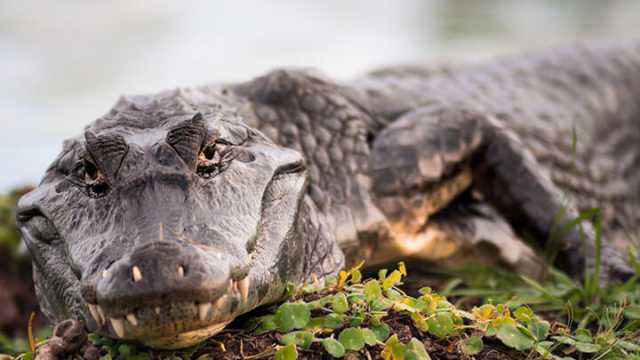
For instance, crocodiles are just as likely to die at 10 years old as they are at 100. Their cells don’t degenerate with age like ours do. Crocodiles never stop growing either, so they require more food as they get older.

Turritopsis dohrnii is perhaps the best-known animal with negligible senescence. This species of jellyfish, often referred to as “the immortal jellyfish,” has the ability to revert back to a prepubescent state after reaching sexual maturity. Basically, this jellyfish can reverse its age, making it biologically immortal. Most of these jellyfish will die due to disease or predators, instead of aging.

Penguins propose with pebbles

Humans aren’t the only species who require material possessions to establish a mate. What humans do with rings, penguins do with pebbles. When choosing a mate, a male penguin will present a pebble to her that could be used in a nest for their offspring. When you consider that penguins are already wearing tuxedos, it starts to become clear that we copied a lot of our wedding traditions from them. The phrase “penguins propose with pebbles” also alliterates quite nicely.

Planarian flatworm will regrow itself indefinitely

If you cut a planarian flatworm into two pieces, each piece will regenerate into a full individual. Cut it into three pieces and you’ll get three new individuals. Anytime part of the individual is separated, the remaining piece will grow back the part it’s missing.

This does mean that one planarian flatworm could be used as a completely sustainable source of food. Just eat half and wait for the other half to re-grow. Then we’d have to eat worms though, and who wants that?

Only six to seven percent of shark attack victims are female

Studies out of Australia showed that even though men and women both like to swim in the ocean, sharks seem to go after males far more than females. One study showed that out of a 100 shark attack victims, on average only six to seven of them will be female.

No hard science can show why this is, and the sharks themselves aren’t talking. Some speculate that the reason men are more likely to be attacked by a shark is similar to why more men get in car accidents: a propensity for reckless behavior.

While men and women both like to swim in the ocean, guys are far more likely to be engaging in dumb behavior while in there. This can include swimming or surfing in more dangerous locations, long distance swimming and engaging in riskier water sports that could make them prone to shark attacks.

Ants have built-in GPS

An ant understands its surroundings far better than we do, and possibly even better than our iPhones. A recent study showed that ants understand which direction they are heading, even when they are traveling backward. Scientists believe that ants use tiny magnet-like sensors in their antennae in order to determine where they are in relation to where they want to go via the Earth’s natural magnetic field. So, even if you were to spin an ant around repeatedly in a circle (don’t do that), the ant would still know exactly where it is in relation to where it wants to go.

Chimpanzees go to war

Chimpanzees are our closest living relative on the planet. As such, they share many of our good, and not-so-good, characteristics. These animals, just like us, can be pretty violent. Also, like us, they occasionally go to war.

From 1974 to 1978, Jane Goodall documented “the Gombe Chimpanzee War” between two rival communities of chimpanzees. The community began to separate into two sub-groups in the early 70s. Eventually, they became divided into northern and southern locations of habitat they previously shared together. The southern group was smaller. Over the course of four years, the northern group succeeded in taking over their territory, killing all the males in the community.

The “pizzly bear” now exists

What is a “pizzly bear,” you ask? It is a hybrid polar-grizzly bear that we may be seeing more of in the future. As global sea ice continues to disappear, polar bears are having to travel farther and farther to mate. As such they are ending up in grizzly bear habitat and mating with them.

Last summer in Nunavut, Canada, hunters discovered a pizzly, leading to speculation that more are out there. It is thought that polar bears may eventually go extinct as they begin to mix their DNA with other bear species.

Orangutans were believed to be human

We share 97 percent of our genes with orangutans, which may help to explain why they used to be thought of as rather hairy human beings. Indigenous people of Malaysia and Indonesia used to believe that orangutans were just human beings who preferred to hang out in the forest as opposed to, you know, having to work and stuff. The name “orangutan” is derived from “orang hutan” which literally translates to “person of the forest.”

Sea otters hold hands while they sleep

Sea otters will naturally float, but when sleeping they are at risk of just drifting away. Luckily, these adorable little creatures have developed an easy system to prevent that from happening: they hold hands. Groups of sea otters will all hold hands while eating, sleeping or resting so they all stay together wherever they may drift. A group of otters holding hands is referred to as a “raft.”

Dogs have unique nose prints

If your dog commits a crime, they better make sure to wipe off their nose prints from the scene, otherwise they will be caught for sure. That is because a dog’s nose print is much like our fingerprints, no two sets are identical. A similar phenomenon involves tigers, with no two tigers sharing the exact same set of stripes.

Aren’t animals awesome? We sure think so. Let us know your favorite animal facts in the comments.

— Ian Careyhttps://www.thealternativedaily.com/animal-facts-that-will-blow-your-mind/

Diatomaceous~ What Does It Do?

10 Ways To Use Diatomaceous Earth (And The Benefits)

It is no secret that Mother Nature is very powerful. Our earth is rich with multiple resources that feed us, quench our thirst, clothe us, provide us shelter, heal us when we are ill and overall nourish us. When we take responsibly from the earth’s bounty, we can find everything we need for sustenance.

This goes for everything in and on the earth… but how about eating earth itself? It sounds strange, but there is a type of earth that we can eat, one which has multiple healing uses in our bodies and in our daily lives. This mysterious type of earth is known as diatomaceous earth, often simply called DE.

What is diatomaceous earth? 

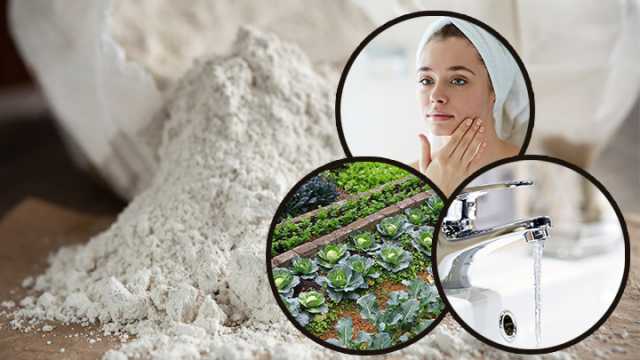
Diatomaceous earth can replenish silica and flush toxins out of the body.

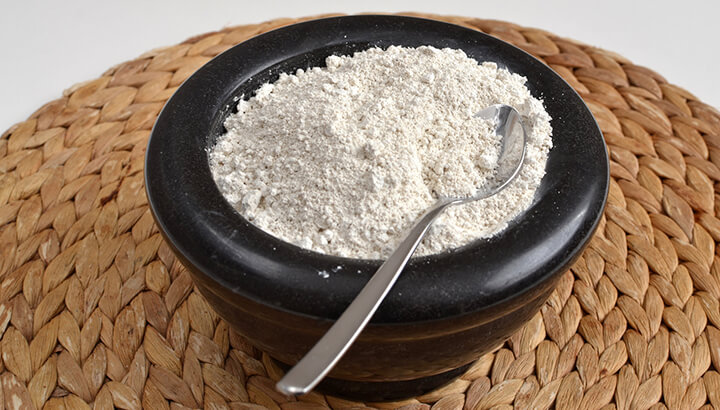
DE is more than just a type of soil. This substance, which looks like a whitish, dusty powder, is actually what remains of ancient one-celled phytoplankton called diatoms. It is mined from dehydrated ancient lake beds and it is comprised mostly of silica, with other trace minerals. If it remains dry, this stuff can last virtually forever without spoiling.

While it may sound strange, diatomaceous earth is indeed edible. It is deemed to be safe for general consumption, although you should always consult a health professional you trust before starting a regimen with a new natural substance. As humans generally do not get as much silica in our diets as we need, supplementing with DE can help to replenish this trace element. DE also has a strong negative charge, and can thus latch onto toxins to flush them away.

The following are just ten of the many beneficial ways to use diatomaceous earth:

1. Rid your home of insects

One very popular use for DE is insect control. Because the tiny grains are hard and have sharp edges, insects of various types are destroyed when they ingest it (don’t worry, humans and other animals do not suffer this effect). To use DE for insect control, simply sprinkle a bit around doorways, floorboard cracks and other areas in your home that insects can enter through.

You can also use DE in your garden to help keep bugs off of your plants. Sprinkle a bit around shrugs, flower beds and plants… anywhere you want to keep insects away.

2. Keep pests off of your produce

The insect-destroying properties of DE can also help to protect your fruits, vegetables and bulk grains and legumes from infestation. Sprinkle a bit of DE in the bottom of fruit bowls and veggie bins and containers. You can also add them to bulk containers of dried beans, peas, lentils, rice and pasta to keep would-be invaders from burrowing in and laying eggs in your dry goods.

3. Filter your water

Diatomaceous earth can be highly effective in a water filter, thanks to its detoxifying powers. Research has found that this substance can help to clean many toxic substances, including viruses and heavy metals, out of drinking water. If you’re looking for a solution to purify your tap water, a DE filter may be one thing to research closely.

4. Enjoy radiant skin

Diatomaceous earth can keep skin looking youthful.

Silica is wonderful for skin health, as it is largely comprised of collagen. Using DE (which is mostly silica) can help to keep your skin looking young and radiant. It can also help to correct various skin issues, including acne, eczema and rashes. To use DE on your skin, simply combine some of the powder with organic, extra-virgin coconut oil. Use this mixture to moisturize, or apply to problem areas.

5. Strengthen your hair

Silica is as good for your hair as it is for your skin. Using DE in your hair care routine can help to keep your hair looking healthy, as well as your scalp. It may also help to correct hair damage, such as from coloring, treating or chemical exposure (think chlorine). To use, simply add some DE to your natural shampoo or conditioner. Or, you can make a hair mask by combining DE with coconut oil, smoothing the mixture over your hair and washing after an hour.

6. Detoxify your body

One of the most popular uses of diatomaceous earth is detoxification. Because of its shape, sharp edges and negative charge, DE can latch onto toxins, microorganisms and heavy metals and flush them out of your body. Think of it as “exfoliating your insides.”

When detoxing with DE, start slowly. You don’t want to push your body too hard, too fast. Start with about a teaspoon of DE in a glass of water, once per day. You can add some raw honey to your water to sweeten. Alternately, add a teaspoon of DE to a smoothie — just be sure to drink plenty of water afterward.

7. Rid your body of intestinal parasites

Along with detoxing microorganisms and heavy metals, DE can also help to flush intestinal parasites from your body. Taking DE can actually help to chop up larger parasites that may be lurking in your digestive system, and flush them out for good. Again, start slow if you are doing any kind of detox with DE.

Note: Although DE can help to destroy parasites, it will not kill your beneficial gut bacteria, so don’t worry!

8. Reduce chronic inflammation

Diatomaceous earth can detox the body to get rid of inflammation.

One of the effects of detoxifying your body with DE is a resulting reduction in inflammation. Taking DE can also help to ease inflammatory pain, such as muscle and joint pain. As chronic inflammation is one of the most dangerous things you can harbor in your body, this is truly an important benefit.

9. Reduce blood pressure

By reducing inflammation throughout your body, DE can also help to reduce your blood pressure. As high blood pressure can put you at risk for heart attack and stroke, this is a great reason to give diatomaceous earth a try.

10. Support bone health

Taking silica, such as in the form of DE, can help to deposit minerals into our bones. Making sure that your silica intake is sufficient can help to protect your bones (as well as your teeth) as you age. This can help to prevent osteoporosis and other conditions from taking hold.

How to use diatomaceous earth

  • Take DE in the morning, as it may bring with it a burst of energy that may not be welcome at night.
  • Look for food-grade DE from a source you trust — make sure to research the company you are buying from thoroughly.
  • When taking DE internally, start with one teaspoon in a glass of water. You can work up to one tablespoon slowly as needed, but —I’ll say it again — take your time. You don’t want to detox too fast, as this can make you feel ill.

– Tanya Mead

Blood Clots, How Much Do You Know?

Blood clots are not something to take lightly. They can lead to heart attack, stroke, and other serious, life-threatening health issues. Everyone should be able to recognize the warning signs of a blood clot — it could mean the difference between life and death. 

1. Skin Discoloration

source: WebMD / istockphoto.com

If a section of your leg or other part of your skin begins to turn red or extremely pale, it could be the result of a blood clot.

2. Sudden Fever 

source: Mayo Clinic News Network

If you experience a sudden fever, it could be because a blood clot has loosened and entered your bloodstream. You may suddenly feel extremely warm, begin sweating, or begin shivering. 

3. Unexplained Cough

source: Dr. Santa Martha

If you start coughing and can’t pinpoint the reason, it could be due to a blood clot. If you experience an intense, hacking cough, trouble breathing, or cough up blood, you should seek medical attention right away. 

4. Swelling 

source: WebMD

If you experience random swelling or tenderness and can’t think of a logical reason, it could signify the formation of a blood clot.

5. Shortness Of Breath

source: VerywellMind / Gettyimages

If you experience a shortness of breath for seemingly no reason, it could be due to a pulmonary embolism. In addition to feeling short of breath, pulmonary embolisms can also cause dizziness.

6. Fatigue 

source: University Health News / Monkey Business Images – Dreamstime.com

Fatigue is a symptom of infinite different health issues, and it can simply be due to a lack of sleep or feeling rundown. However, the sudden onset of fatigue can also occur when a blood clot has formed. 

7. Protruding Veins 

source: Cleveland Clinic Health Essentials

When a blood clot forms, it can put excess pressure on surrounding veins. This can cause them to appear as though they’re bulging, and can sometimes also produce bruises. 

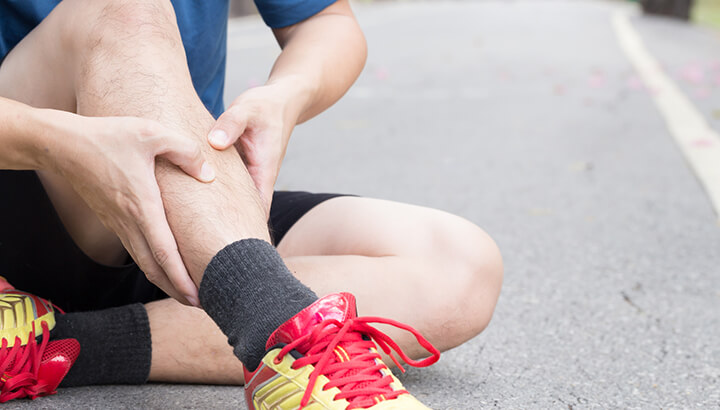
8. Lower Limb Pain

source: Everyday Health

If you experience pain in your legs and/or feet for no apparent reason, it could point to a blood clot. If you experience one or multiple of these warning signs, seek medical attention right away.

Did You Know?

DID YOU KNOW?~Creature Facts

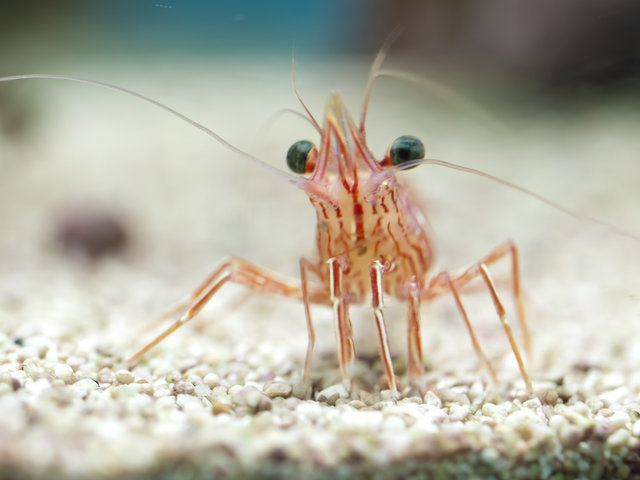
The heart of a shrimp is located in its head.


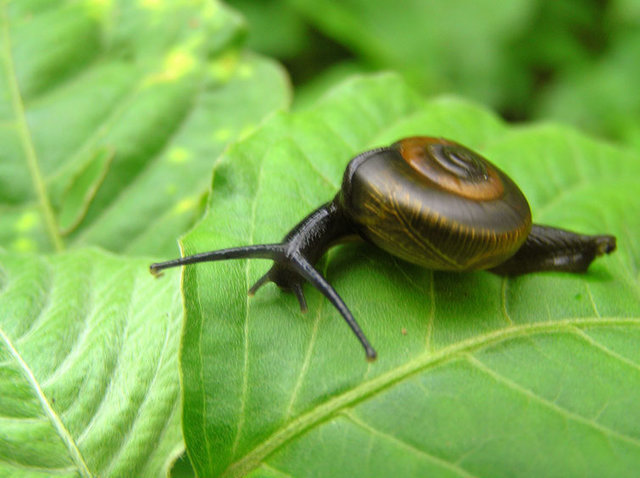
A snail can sleep for three years.

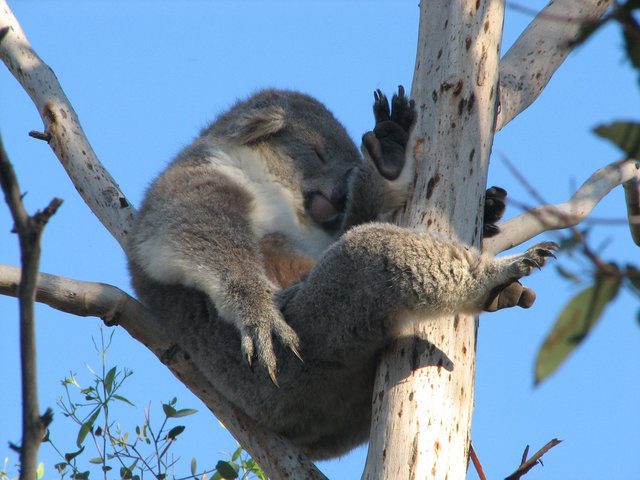
The fingerprints of a koala are so indistinguishable from humans that they have on occasion been confused at a crime scene.

A rhinoceros’ horn is made of hair.

Power Naps

Power naps are those short, revitalizing rest periods we take throughout the day to get our energy back up when we need it most. They’re short, sweet, and certainly feel effective whether you’re a sleep-deprived college student or working long hours at your job. But it’s natural to wonder whether these short naps can actually help you catch up on sleep, or if they’re setting you back even further.

“Short naps or power naps definitely do work,” said Rafael Pelayo, MD, a professor of psychiatry and behavioral sciences at the Stanford Center For Sleep Sciences and Medicine. Though the sweet spot for naps seems to be between 30 and 40 minutes, he told POPSUGAR, if you have time in your schedule for a short nap when you need one, it can give you a quick bump of energy.

And for people who struggle with narcolepsy, a sleep disorder that leads to chronic drowsiness during the daytime, Dr. Pelayo said that short, scheduled naps can be an effective treatment.

You should pay attention, though, to what happens during your short five- to 10-minute naps. Typically, Dr. Pelayo explained, it takes our bodies about 90 minutes to enter REM sleep, which is the period in which you’ll experience dreams. If you’re not getting enough sleep at night, that REM period is typically the part you’re cutting off. Your body responds by slipping directly into REM as soon as you get a chance to nap.

In practice, this means that if you’re remembering dreams that you have during short 10- to 20-minute naps, “then really your body’s screaming at you that you’re not getting enough sleep,” Dr. Pelayo said. Short power naps feel good and are good for you, helping you to catch up on sleep, but if you’re relying on them regularly and experiencing deep sleep and intense dreams during that rest period, it’s worth reevaluating your sleep schedule and trying to get more of your shut-eye at night.

Did You Know?~Wine

Hello Pesticides

Most vineyards are sprayed with pesticides, herbicides, and fungicides to protect their crops from insects and infection. These chemicals get in the soil, the grapes, and ultimately in the wine you drink. Grapes are near the top of the “Dirty Dozen” foods sprayed with the most chemicals. You avoid these chemicals in your food (that’s why you shop for organic produce) and you should avoid them in your wine.

And unlike other fruits, which have a protective rind you don’t eat… grapes have a thin and porous skin. That means they absorb the chemicals sprayed on them. And because wine is concentrated from so many grapes (600-800 per bottle) – the end result is a condensed source of harmful cancer-promoting chemical compounds.

Dump in the Additives

In the US, wine producers can use 76 different additives in wine without disclosing any of them on the bottle. Things like:

  • defoaming agents
  • artificial coloring (virtually every red wine under $20 has the colorant “mega purple”)
  • extra sugar
  • high fructose corn syrup
  • ammonia
  • GMO bacteria and yeasts
  • Fining and Clarifying Agents like fish bladder, casein or polyvinyl-polpyr-rolidone (PVPP)
  • sulfites
  • and a lot more

There’s one additive called Velcorin that’s particularly insane. It must be applied by people with special training while wearing hazmat suits. It’s so toxic it will burn your skin if you touch it and will kill you if consumed before it’s broken down in the wine. But even after it breaks down, I’d rather not put that in my body…

What’s even worse than learning about all these additives used in winemaking is realizing that there is no labeling or transparency about their use. Wine has no ingredients label.

A wine can have 76 additives and you would have no idea!

Why do we passionately read the label for all foods we buy and only purchase items with organic, clean ingredients, and yet we don’t pay any attention to what’s in our wine?!

The Rise of Alcohol

The American Association of Wine Economists tested the alcohol levels of tens of thousands of wines between 1992 and 2009. They saw a surprising trend. Alcohol levels jumped from an average of 12.7% in 1992 to 13.8% in 2009. Today, it’s over 14%.

In fact, it is not uncommon to see 17%+ in commercial wines.

Remember – Alcohol is TOXIC!

While many of us still enjoy drinking alcohol, dosage matters.

Studies have consistently shown that alcohol consumption is highly dose-dependent – in lower doses, research shows many positive benefits; in excess, it’s harmful. A recent report in the journal, Nature, once again highlighted this. It’s crucial to drink lower alcohol wines.

As much sugar as a coke can?

A bottle of wine can have a surprising amount of sugar in it. Again, there’s no nutrition label on the bottle so you have no idea. Even red wines have higher sugar levels than you think. You won’t always taste it because the underlying acidity and tannins hide the sweeter notes.

If you’re trying to avoid sugar in your diet, you are likely still drinking sugar in your wine.

Super sweet wines can be as high as 300 g/L of sugar. A can of coke has 108g. To follow a healthy lifestyle, you should avoid both.