
Worst Foods For Bladder Health

Did you know that 40 percent of women experience overactive bladders? “Take five women in a room and two of them are affected,” says Rupa Kitchens, MD, urologist at Urology Centers of Alabama. “And about 25 percent of men,” she adds. In total, about 33 million adults in the U.S. suffer from an overactive bladder.

Here’s the thing: An overactive bladder affects more than just how many times you’re running to the restroom. “It affects everything,” says Kitchens. From work productivity (how can you sit at your desk and get through a task if you’re constantly getting up to go to the bathroom?) to sexual health.

In one study, women with overactive bladders reported it hindered function, frequency, and satisfaction in the bedroom—a triple whammy. And that can take a toll on a romantic relationship. There’s a mental health component, too. “It predisposes people to depression because if someone is constantly wet, they don’t want to leave the house. So people stay home and avoid activities, they stick to the same routines like the grocery store because they know where the bathroom is,” says Kitchens. “In my opinion, the only thing worse is stool leakage.”

Turns out, some of your favorite guilty pleasures could be exacerbating the issue. In other words, what you eat and drink impacts your bladder in more ways than just filling it up. And, in fact, your habits now can impact your incontinence—or lack thereof—later in life.

Here are the five foods and drinks to avoid if you have an overactive bladder.

Citrus

This includes lemonade; orange, grapefruit, and pineapple juices; and citrus fruits such as lemons and limes. The acid in them can irritate your urinary tract lining, including your bladder. For some people, tomatoes (which are acidic) can also be problematic. The good news? You don’t have to eliminate citrus altogether. It’s about moderation—Kitchens says a glass of lemonade once a month is fine.

Caffeine

Coffee is a common offender because it can full of caffeine (and we Americans love our coffee). Not only will coffee make you urinate more often (it’s a diuretic), but caffeine also may have an “excitatory effect” on the smooth muscle that lines your bladder. Don’t drink coffee? Be mindful of the caffeine in tea, sodas, chocolate, and energy drinks.

Soft drinks

These are on the no-no list because of both their caffeine and carbonation. Why exactly carbonation is an issue isn’t fully known, but one of the largest published studies that looked at women and urinary incontinence identified drinking carbonated drinks as one of the top three diet and lifestyle factors (obesity and smoking were the other two) associated with the onset of overactive bladder symptoms.

Artificial sweeteners

Faux sugars found in “sugar-free” foods and candy, as well as diet sodas, can sometimes bother people, but, according to Kitchens, less so. That said, in one small study Diet Coke and caffeine-free Coke irritated participants more so than classic Coke and plain carbonated water. And then there’s an animal study that suggests artificial sweeteners may cause the smooth muscle that lines your bladder to contract more.

Alcohol

Not only does it make you pee more (just like caffeine, it’s a diuretic), but some doctors advise against drinking too much alcohol as they believe it can irritate the lining of your urinary tract. Though the research is still not conclusive when it comes to nixing alcohol if you have an overactive bladder, the anecdotal evidence (and MD advice) is fairly strong.

The Bottom Line

If you suffer from an overactive bladder, so-called behavior changes are actually the first line of therapy.

And number one, per Kitchens, is finding a substitute for what you gave up. “Don’t go without. Find something you like and substitute it for what you can’t have,” says Kitchens. Look for a flavored water or try coconut water. You can drink decaf tea and coffee in small amounts. Even a non-citrus juice, like apple juice, can be enjoyed in moderation.

If your overactive bladder causes you to leak, kegel exercises can help you control your urgency better. There’s also research that suggests being obese is associated with urinary incontinence, so if you’re overweight or obese, losing weight could be beneficial. And then there are medications, which are actually fairly common. “Over-the-counter medications are available, but the possibility of them helping is low,” advises Kitchens. “I don’t have a single patient on that alone.” She recommends you see your primary care doctor or urologist to discuss the possibility of a prescription medication.

Continue reading Worst Foods For Bladder Health
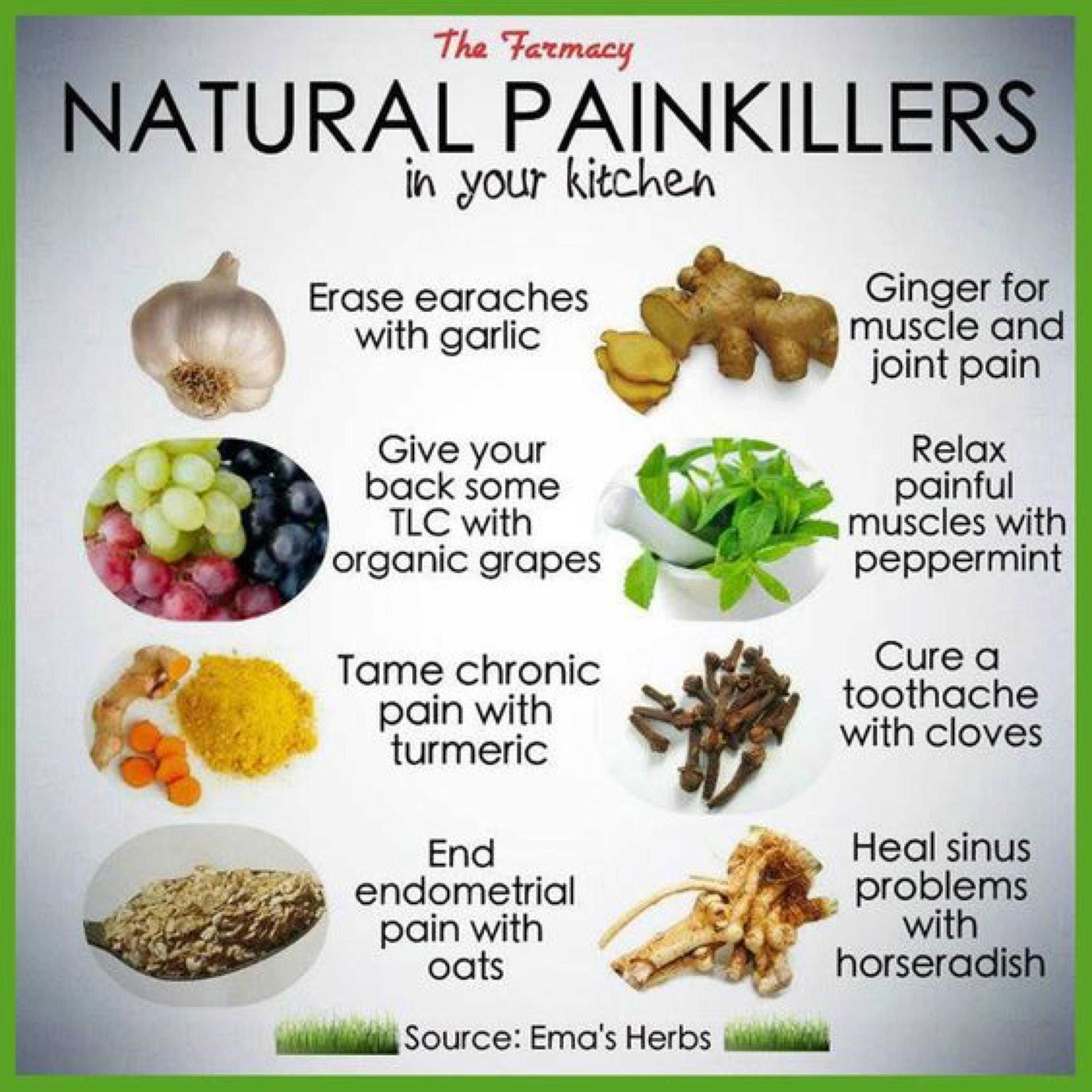
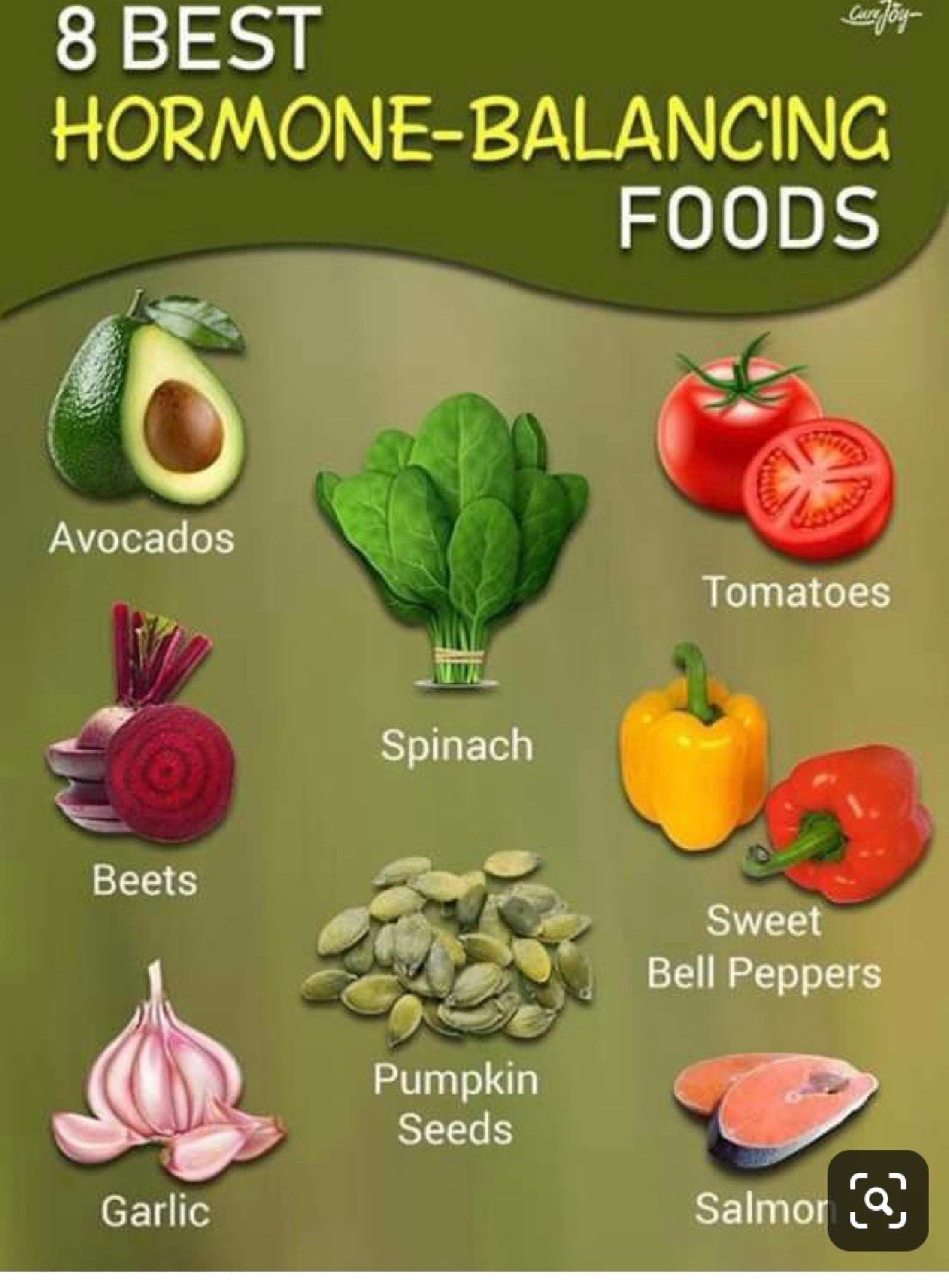
Natural pain killers

Hormone Balancing Foods

Inflammation~ Foods

The Most Inflammatory Foods You Can Put in Your Body

Food can be a source of inflammation through allergens, bacteria or other toxins. The body can also see foods that “don’t agree” with its biochemistry which causes your whole body to start attacking these “foreign invaders,” thus causing more inflammation in the bloodstream, Sadie Wells, RD, LDN, CPT, says.

Similarly, she adds, eating unhealthy food is like having a chronic infection that triggers an immune response which then causes inflammation.

Generally speaking, a diet high in trans-fatty acids, saturated fats, sugar and refined carbohydrates contributes to chronic inflammation, Nicole Simonin, a health and fitness expert at Shape it Up, says.

Any food that your body is intolerant or allergic to can also be a significant source of inflammation, and low-grade inflammation is a factor in most health issues

Sugar

Ask any nutritionists and the answer will be the same: Sugar is the worst offender. “Excess sugar intake raises our pro-inflammatory cytokine levels while suppressing our germ-killing white blood cells, weakening the immune system,” Wells says.

Even natural sugar (in excess)

Although less of a concern, too much sugar, even the natural sugar from fruit, could be too much (usually if combined with other sugar-laden foods) and can cause inflammation, Wells says. “Some research suggests avoiding nightshade vegetables—tomatoes, potatoes, peppers, and eggplant—due to the compound called solanine, to help reduce arthritis symptoms,” she adds

Trans fats

Trans fat which are hydrogenated or partially hydrogenated vegetable oils or shortening are still top of the list for inflammatory diseases such as diabetes, irritable bowel syndrome (IBS) and arthritis, Simonin says. “In our American diets, the main source of trans fats is in shortening.” Manufacturers typically use this in fast foods as well as fried foods, sweets, and baked goods, she adds.

Omega-6 oil

Omega-6 oils such as corn, safflower, and sunflower are not bad if used in moderation, but a typical American diet ingests too many omega-6 oils which can cause inflammatory responses in the body, Simonin says

Grilled meats

Most meats/animals are fed an unnatural, grain-based diet which makes them gain weight faster and contain higher amounts of saturated fats and Omega-6’s, Wells says. “Various processing technologies, cooking techniques, such as grilling, can further promote inflammation by increased hormone levels, antibiotic resistance, and other carcinogens (AGE’s=advanced glycation end products),” she adds.

Highly processed oils

The worst types of oils are the highly processed oils such as hydrogenated and partial hydrogenated oils such as soybean, corn and canola oils, Simonin says. Because these oils have become processed by hydrogenation this oil can convert to trans fat.

Vegetable oil

Albeit from vegetables, vegetable oils are unnatural in large amounts and are processed/made by pressing, heating, and uses various industrial chemicals and highly toxic solvents, Wells says. “Additionally, vegetable oils are high in Omega-6 fatty acids and can cause inflammation when we consume too many of them.”

Additives

Additives such as artificial colors, BHT and nitrates are among many that are a cause for concern, Simonin says. “Many of these additives have been banned in other countries, but the FDA continues to consider them ‘acceptable’ for U.S. consumption.”

Certain breads

Processed bread are stripped of their nutrients so aiming for whole grain breads with fiber will help decrease the inflammatory response, Simonin says.

Dairy

Depending on the person, Simonin says, dairy could be a large contributor of inflammation. “But it depends on to what degree they react to dairy.” Furthermore, Wells adds, dairy can also be inflammatory due to high amounts of saturated fats and most commercially produced dairy products lack significant amounts of beneficial bacteria.

Artificial sweeteners

While some artificial sweeteners are derived from natural substances, they are still synthetically made sugars, Simonin says. “Our body does not know what to do with the chemicals.” The long-term health of using these substances is still undetermined as to whether they cause inflammation, illness or diseases, she adds. According to Wells, artificial sweeteners are known to disrupt the gut microbiome, causing a reduction in good gut bacteria, which in turn allows the bad gut bacteria to proliferate

Soda

They are chemically enhanced. Soda is slowly killing you. The body is actually worse off after consuming soda because it is depleted of important macronutrients. A Harvard study found that people who drink even one can of soda a day significantly increase their risk of chronic heart disease (CHD). “Consumption of sugar-sweetened beverages was associated with increased risk of CHD and some adverse changes in lipids, inflammatory factors, and leptin,” researchers found.

Refined carbs

Research suggests that they promote an inflammatory microbiota, and may be the primary dietary cause of leptin resistance and obesity

Baked goods

They are still made with flour and have processed carbs that will increase your blood sugar levels. White or wheat flours are basically the same as far as diabetics are concerned. Most bakeries cook with hydrogenated oil, a kind of trans fat, instead of butter.

Favored yogurt

You would think yogurt would be healthy for you, but depending on the brand, you might be ingesting artificial sweeteners, artificial colors, dairy and fake fruit in that one little cup, Simonin says. Flavored yogurts are the ones with too much sugar and artificial ingredients.

Deli meats

Processed meats such as deli meats are your worst offenders, Simonin says. Look for non-processed meats with minimal ingredients and grass-fed beef. “If we eat healthier animals, we, in turn, may be able to decrease inflammation response.” Eating grass-fed beef also increases your omega-3 fats (as opposed to grain-fed cows), she adds. “Cattle were never meant to eat corn and soy which is what most grain-fed cattle are given.”

Processed foods

“Processed foods generally contain elevated levels of refined sugars and grains/flours, are high in trans fats from hydrogenated vegetable oils, contain artificial ingredients and emulsifiers, and lack fiber and other important nutrients that actually help to fight inflammation,” Wells says.

Refined flour

Refined flours lack fiber which contributes to slowing the digestion and absorption of glucose, Wells says. “A slower release of glucose into the bloodstream also reduces the release of insulin, a hormone associated with a pro-inflammatory response in the body.”

Cereals

The culprits are the sugar and artificial sweeteners. This is not the best breakfast option. Cereals with marshmallows and chocolate puffs are obviously high in sugar, but just how much sugar may surprise you. The Environmental Working Group examined the sugar content of 84 bowls of cereal and found 54 of them contained more than 24 to 26 percent sugar by weight. Kellogg’s Honey Smacks, at 55.6 percent sugar, was the worst.

Candy

Candy falls in what Wells calls the “chemical storms” category. Candy is not a staple food and should never be perceived as anything more than a treat. Even when consumed occasionally and in small portions, they can cause a lot of harm. The sugar, artificial additives, trans fats…nothing in these treats us healthy.

Coffee drinks

They are also on Wells’ “chemical storm” list. Fancy coffee beverages have loads of sugar coming from the added milk or creamer, and too many calories. For example, one grande Caramel Frappuccino from Starbucks contains 66g of sugar.

Too much alcohol

Chronic inflammation is often associated with alcohol-related medical conditions. Heavy alcohol consumption contributes to systemic inflammation by interfering with the body’s natural defenses against the influx of gut microbiota and its products, research shows. The Most Inflammatory Foods You Can Put in Your Body Food can be a source of inflammation through allergens, bacteria or other toxins. The body can also see foods that “don’t agree” with its biochemistry which causes your whole body to start attacking these “foreign invaders,” thus causing more inflammation in the bloodstream, Sadie Wells, RD, LDN, CPT, says.
Similarly, she adds, eating unhealthy food is like having a chronic infection that triggers an immune response which then causes inflammation.
Generally speaking, a diet high in trans-fatty acids, saturated fats, sugar, and refined carbohydrates contributes to chronic inflammation, Nicole Simonin, a health and fitness expert at Shape it Up, says.


Slide 1 of 23: Food can be a source of inflammation through allergens, bacteria or other toxins. The body can also see foods that "don't agree" with its biochemistry which causes your whole body to start attacking these "foreign invaders," thus causing more inflammation in the bloodstream, Sadie Wells, RD, LDN, CPT, says.Similarly, she adds, eating unhealthy food is like having a chronic infection that triggers an immune response which then causes inflammation.Generally speaking, a diet high in trans-fatty acids, saturated fats, sugar and refined carbohydrates contributes to chronic inflammation, Nicole Simonin, a health and fitness expert at Shape it Up, says.Any food that your body is intolerant or allergic to can also be a significant source of inflammation; and low grade inflammation is a factor in most health issues.
https://www.msn.com/en-us/health/nutrition/the-most-inflammatory-foods-you-can-put-in-your-body/ss-AAyoH9s?ocid=spartandhp&fullscreen=true#image=1

Foods You May Have Cooked Wrong

https://www.msn.com/en-us/foodanddrink/tipsandtricks/15-foods-youve-been-cooking-wrong-this-entire-time/ss-BBSK2AG?ocid=spartandhp&fullscreen=true#image=3

Slide 2 of 16: Almost everyone loves bacon, but are you cooking it correctly and allowing it to live up to its fullest and most delicious potential? Like so many things, there seems to be a million different ways to cook bacon properly, but which it the best? One method that some people swear by uses water — that’s right, water — in the pan as the bacon cooks and promises an end result of bacon that is perfectly crisp with evenly rendered fat and no disappointingly undercooked areas.If cooking bacon in water is too outlandish for your tastes, and you’re in search of a method that assures your bacon will cook evenly and effortlessly, then take a tip from professional kitchens and use the oven rather than the stove. Simply lay out the bacon in a single layer onto a wire rack (over a foil-lined baking tray so you don’t make a mess) and cook the bacon in a very hot oven (preheated to 400 degrees F) for about 15 minutes, or until the bacon reaches your preferred level of doneness. And that’s all there is to it — easy peasy!

Bacon

Almost everyone loves bacon, but are you cooking it correctly and allowing it to live up to its fullest and most delicious potential? Like so many things, there seems to be a million different ways to cook bacon properly, but which it the best? One method that some people swear by uses water — that’s right, water — in the pan as the bacon cooks and promises an end result of bacon that is perfectly crisp with evenly rendered fat and no disappointingly undercooked areas.

If cooking bacon in water is too outlandish for your tastes, and you’re in search of a method that assures your bacon will cook evenly and effortlessly, then take a tip from professional kitchens and use the oven rather than the stove. Simply lay out the bacon in a single layer onto a wire rack (over a foil-lined baking tray so you don’t make a mess) and cook the bacon in a very hot oven (preheated to 400 degrees F) for about 15 minutes, or until the bacon reaches your preferred level of doneness. And that’s all there is to it — easy peasy!

Baked Potatoes

Yes, you are making baked potatoes all wrong. That may seem like an outrageous accusation, but it’s just a fact. If you bake your potatoes all wrapped up in foil, then you are simply not making the most delicious baked potato (one of the most perfect ways to cook a potato in the first place) possible. Sure the fluffy middle of a baked potato is fab, but if you aren’t enjoying a crispy, salty potato skin, slathered in butter, what’s even the point?

To get the most out of your baked potatoes, preheat your oven to 425 degrees F, and while it’s getting rip-roaringly hot, prep the potatoes. You want to use good baking spuds — russets are ideal! Wash each potato, prick it all over with a fork and then sprinkle generously with kosher salt — that will make your potatoes taste delicious and yield an unbeatable crispy skin that will be the highlight of the whole potato experience. Bake the salt-covered potatoes as they are, on a lined baking tray for about an hour, turning them over about halfway through to ensure even cooking, until the skins are dry and crispy and a when you give them a squeeze they feel soft and almost spongy. Enjoy with liberal amount of good-quality butter or your favorite toppings.4/16 SLIDES© istockphoto.com

Boiled Eggs

Boiled eggs are a staple in many a household, and for good reason — they’re a tasty, convenient on-the-go snack, and they’re easy to make… as long as you aren’t making some of these small but mighty mistakes. Sure you could just boil up some water, throw in a few eggs and hope for the best, but to make the best boiled eggs possible, stick to some easy guidelines. First of all, know what kind of egg your are seeking to make — soft-boiled, jammy or hard — and then take a few extra seconds to look up the cooking time if you are unsure how long an egg takes to reach that desired stage of doneness. Typically six minutes will yield a soft-boiled egg, 8 minutes a jammy egg, and 12 minutes will be perfectly hard-boiled. When it comes to boiling, make sure the pot being used is large enough and that the water is actually at a rolling boil before dropping in the eggs. All done? Great, now set a timer. The difference between a perfect egg and a disappointing one is literally a minute or two, so don’t leave anything to chance. Finally, if you aren’t eating the eggs hot, make sure to cool them down, once cooked, in an ice bath and avoid those unsightly grey rings around the yolk.

Burgers

There’s a lot that can go wrong when cooking burgers — from buying the wrong kind of meat, to over-seasoning, overworking the mixture and forming it incorrectly — and that’s before you even begin cooking! Once the grill or cast-iron pan is fired up and ready to sear, make sure you aren’t fussing over the burgers and turning them every few minutes — you want to leave them and allow a tasty crust to form. And don’t even think about pressing them with all your might — that’s a sure-fire way to end up with a sad, dry and disappointing burger.

Chicken Breast

If you think chicken breast is boring and bland, chances are you’re just cooking it wrong. When handled correctly, chicken breast can actually be delicious. First of all, most people overcook chicken breast, so knowing how long to cook it is halfway to knowing the secret to juicy, perfectly cooked chicken breast.

Once you know everything there is to know about cooking time, start thinking about seasoning your chicken breast correctly. Generous seasoning is almost always the way to go when dealing with chicken, so don’t be afraid of using salt — and if you’re feeling adventurous, why not try a quick brine?

Frozen Food

Defrosting food is as much a part of cooking as sautéing. When it comes to thawing ingredients or dishes, there’s actually more to it than simply leaving it out on the counter. There are different methods that each have their merits, and each method may be more or less suitable to turn to depending on the situation. Defrosting food incorrectly can lead to some seriously bad times, so make sure you know all the ins and out and know how to defrost your food the right way.

Garlic

When cooking with garlic, you’re supposed to mince it into tiny pieces and then add it to hot oil, right? Nope! What you’ll end up with is a panful of hot oil and burnt garlic that will add nothing but a harsh acrid taste to the rest of the dish.

Instead add garlic to a warm pan without preheating the oil and allow both to come up to temperature together. The garlic will soften and infuse the oil with its delightful garlicky aroma and all will be right with the world. Do not wait for the garlic to be toasted and evenly brown in color; instead add your ingredients (whether it’s tomatoes for sauce or something else) as soon as the garlic begins to brown around the edges. If the garlic is already brown all over, it’s only going to carry on cooking by the time the rest of the ingredients are in the pan, and while it might not look totally burnt, chances are, it will taste as though it is.

Grilled Chicken

Before you fire up the grill, take a minute to gather your thoughts and ask yourself if you really are grilling chicken correctly. Some cooks neglect to use a brine (which adds immeasurable flavor and juiciness) or to dry their chicken before grilling it. Some even under-season it — there’s more than one way to grill chicken the wrong way. Don’t settle for dry and tasteless poultry; follow these guidelines instead for some top-notch chicken.

Herbs

Are you using your herbs correctly? There’s a strong possibility that you aren’t. Contrary to what you may believe, you shouldn’t just chuck in a handful of herbs whenever you please. Instead you should use them more judiciously and add them to dishes at the right time. Woodier herbs like rosemary, sage and thyme are strong enough to withstand cooking, so go ahead and add them while you cook. More delicate herbs like cilantro, chervil, tarragon and parsley can easily get lost, so make the most of them and add them at the very end.

Lasagna

OK now, this one might be rather divisive, but I insist you are probably cooking lasagna all wrong. “That can’t be so!” I hear you cry, but sadly, it is. Are you using a mixture of ricotta, eggs and Parmesan? Yes? Well, that’s all wrong. Instead make a delicious béchamel, one of the French master sauces and one that makes for an unbeatable lasagna! It’s creamy, rich, silky and altogether luxurious, and once you try using béchamel in your lasagna, you’ll never go back to that stodgy ricotta mixture again!

Mashed Potatoes

Well, maybe you’re not doing this wrong — but you are according to Tyler Florence! The Food Network chef changed the mashed potato game when he announced how he chooses to cook his spuds — directly in cream until they are cooked and ready to be mashed into perfect fluffiness. Into the cloud-like potatoes goes — you guessed it — that wonderful cream in which the potatoes cooked. Cooking the potatoes in the cream gives the resulting mash a delicate, minerally and almost more potato-y flavor which, combined with a generous dose of butter, sounds like it certainly adds up to unbeatable mashed potatoes.

Olive Oil

How does one cook with olive oil wrong? Don’t you just… well… cook with it? Wrong! Well, wrong and right. It all comes down to the kind of olive oil you are using. If you are cooking with a high-quality extra-virgin olive oil, stop! Instead use a lower-quality virgin olive oil for cooking and use the fancy stuff as a finishing oil only.

Pasta

Not using a large enough pot, adding olive oil to your water and not reserving some of that precious, starchy pasta water are just some of the ways you are probably cooking your pasta all wrong. Don’t despair, with a few simple tips you’ll soon be churning out platers of pasta that will rival the most scrupulous Italian nonna.

Scrambled Eggs

Honestly, scrambled eggs are a rather personal dish, right? Some people prefer soft eggs, others prefer a hard scramble, some add milk or cream, and others add nothing but a pinch of salt. At the end of the day, all scrambled egg opinions are valid, though if you are looking for new and excellent techniques and recipes, perhaps consider how Gordon Ramsey, Ree Drummond, Alton Brown and other celebrity chefs cook their favorite scrambled eggs.

Steak

When it comes to steak, there’s a lot that can go wrong. It can begin in the supermarket by purchasing the wrong kind of steak — that’s before you even get to cooking! Even if you’ve chosen the right meat, if you aren’t generously seasoning your steak and then cooking your steak in a ripping-hot pan, you’ve got a few things to learn. Consult the ultimate steak guide and learn everything you need to know about cooking the perfect steak.

Paleo Info

See the source image

Anti-Inflammatory Foods

Source: Healthy Follows.com

7 Most Anti-Inflammatory Foods

Inflammation can be both good and bad. On one hand, it helps your body defend itself from infection and injury. On the other hand, chronic inflammation can lead to weight gain and disease.

Stress, inflammatory foods and low activity levels can make this risk even greater.

However, studies demonstrate that some foods can fight inflammation.

Here are 7 anti-inflammatory foods.

1. Berries provide antioxidants known as anthocyanins. These compounds may reduce inflammation, boost immunity and reduce your risk of heart disease.

2. Fatty fish hold high amounts of the omega-3 fatty acids EPA and DHA, which have anti-inflammatory effects.

3. Broccoli is one of the best sources of sulforaphane, an antioxidant with powerful anti-inflammatory effects.

4. Avocados offer various beneficial compounds that protect against inflammation and may reduce your cancer risk.

5. Green tea’s high EGCG content reduces inflammation and safeguards cells from damage that can lead to disease.

6. Chili peppers and bell peppers are rich in quercetin, sinapic acid, ferulic acid and other antioxidants with strong anti-inflammatory effects.

7. Some edible mushrooms boast compounds that may decrease inflammation. Eating them raw or lightly cooked may help you reap their full anti-inflammatory potential.

All evidence & citations are from US National Library of Medicine National Institutes of Health

3 Foods to Avoid,your metabolism/Information share

https://www.msn.com/en-us/health/nutrition/these-3-foods-are-the-worst-for-your-metabolism-according-to-jillian-michaels/ar-BBLKYrO?ocid=spartandhp


When you take a look the ingredients that rev up your metabolism, a few stand out. Namely, fiber (particularly from “real” foods like fruits and veggies) and iodine-rich options like seaweed. For every metabolic superhero, though, there’s an alternative eat out there that works the opposite way, sabotaging your body’s calorie-burning prowess.

“The two things that are predominantly in control of your metabolism are your endocrine system and your hormone balance,” says Jillian Michaels, creator of the My Fitness app and former trainer on The Biggest Loser. Thus, when you chow down on something that disturbs these things, your metabolism gets thrown for a loop, too.

You may have already guessed some of the nutritional villains that Michaels names as the worst for your metabolism—cough, sugar, cough—but below you’ll get the full scoop from the celeb coach herself, with a bit of added insight from nutrition experts.

Keep reading to find out which foods you should avoid for a healthy metabolism.

foods slow down metabolism © Photo: Unsplash/Joanna Kosinska foods slow down metabolism

1. Sugar

Not-so-shockingly, Michaels names sugar as one of the greatest culprits of a sluggish metabolism. Why? After savoring a dessert, she explains, your blood sugar spikes. This causes your cortisol and insulin hormone levels to increase, in an effort to level things out—and it can eventually lead to metabolic disruption if left unchecked long-term. “Hormones work in a symphony, and there are tons of them,” explains Michaels. “So ultimately, when we’re looking at metabolism, we want to make sure that we have the right hormones working for us, instead of against us.”

According to Chicago-based dietician Amanda Lemein, MS, RD, LDN, the lack of fiber in sugary snacks is yet another factor that makes them a total no-go for a solid metabolism. “Things that we think of as sugar—like cookies, cake, pancakes, whatever—are broken down by our our bodies really, really quickly,” she says. Fiber-rich foods, however, are digested slowly—your body fights hard to break them down, kickstarting your metabolism in the process.

2. Processed grains

Next on Michaels’ hit list: refined grains like white rice, highly processed breads, and white pasta. These have a similar affect on your body as sugar, breaking down quickly and causing insulin to skyrocket. And that’s not all, says Josh Axe, DNM, CNS, DC. “When consumed in excess, refined grains can provide you with high levels of certain compounds that may hurt your metabolism, including gluten, lots of starch, and phytic acid,” explains Axe, founder of Ancient Nutrition and DrAxe.com. “Many packaged grain products also contain lots of added sugar, salt, synthetic preservatives, and are ‘fortified’ with synthetic vitamins and minerals that can be hard to metabolize properly.” Moral of the story: Stick with whole, unprocessed grains when you get a carb craving.

a piece of cake on a plate: foods slow metabolism © Photo: Unsplash/Jakub Kapusnak foods slow metabolism

3. Processed Soy

Hold the vegan chicken tenders? “Soy is very toxic [to your thyroid],” Michaels claims. To be clear, scientists haven’t come to a consensus on this, but some studies do indicate that excessive soy consumption may negatively impact your thyroid—the gland in your neck responsible for regulating your body’s metabolic operations. (Especially if your iodine levels are low or you’ve already got some form of thyroid disfunction.) And to make matters worse, conventionally grown soy is also often treated with pesticides, which are also linked to thyroid issues. “The only time you should do soy is if it’s organic and fermented,” says Michaels. (Or you could always just turn to a soy-free Beyond Burger for your plant-based protein fix…)