Wow! This year has been passing by fast. Just yesterday it was spring, then summer started, and now it is feeling like Fall. I am excited to see how my little homemade greenhouse will be useful in this.
My husband built me a greenhouse this summer. I love it. The vegetables did well. They loved the rainy humid temperature that we had at the start of the summer. The squash, however, did not. It grew sadly never producing any fruit. I am not sure why that was either. However, my green pepper plants were over three feet tall and some a little taller. My tomatoes grew just as tall. They all are still thriving.
I am a little excited to see if the growth will continue, long after the temperatures lower.
Here are some great fall crops you can plan on planting this fall~
Beets
Broccoli
Brussels sprouts
Cabbage
Carrots
Cauliflower
Collards
Kale
Leeks
Lettuce
Mustard
Radish
Rutabagas
Swiss chard
Turnips
I cannot wait! Seriously, the greenhouse made it almost effortless, to grow things this season. I was thrilled. This allowed me more time to do other things. You should try your hand at it.
The above crops thrive in cold air, so I am curious to try my luck. I usually stop growing things after the summer season. Now with my greenhouse, I am going to try Fall vegetables. Wish me luck. I’ll let you know how it turns out!
Collecting lawn clipping is not necessary and actually depletes the soil of nutrients and organic matter. Grass clipping do NOT lead to thatch buildup. Instead, use a mulching lawn mower so lawn clippings don’t have to be collected.. If collected, lawn clippings can be added to your compost pile.
Whatever you do, don’t send leaves to a landfill. Instead, compost them or use, support, or work to develop a yard waste recycling program in your neighborhood.
Develop your own compost pile so you can return the valuable plant material back to the soil in your yard.
Don’t send plant-based garden waste to a landfill. Instead, support your local yard waste recycling program for any materials you can’t compost and use in your own yard.
Reuse plastic, clay, and other pots in your garden. Don’t send them to a landfill. And, when a plastic pot has enjoyed a good life, send it to be recycled. In St. Louis the Missouri Botanical Garden has offered a pot recycling service since 1998.
If you want to use a chipper-shredder for light use, electric ones result in less air pollution than gas-powered.
So much fun it was to do the “garden thing” with Blue’s grandmother. She always looked forward to going out into the garden and picking fresh vegetables to bring into the house and eat later, as her grandmother would prepare and cook them. Her grandmother always made the simplest things taste so very good. One of the best parts of spending time with her grandmother was eating her delicious food. Her favorite was her grandmother’s spaghetti and homemade French fries. Although, when it came to vegetables from the garden, her grandmother could make a great cucumber, with onions, salad, sometimes adding fresh “tommie toe” tomatoes.
It was always funny to Blue to watch her grandmother get dressed to go into the garden. First she would put on long stretchy pants, which were to protect her legs from thorns, critters, and snakes. Then her grandmother insured that nothing could crawl up her pants by wearing long stockings, that had been cut to only extend to her knees, and that was to be tied up on her legs, so it would not slip off of her pants leg. She would also rub herself with this cream that she swore kept mosquitos from biting her. Blue tried to emulate her behaviors with my own clothing, and Blue really didn’t care about mosquitos back in that day, although she should of, since they left big itchy whelps on her.
She learned that clothing and preparation was everything, to her grandmother, who could make going into the garden, like entering a fairyland of surprises and adventure. To Blue, it felt like she was leaving the world she lived in for a tad and walking into another one. Seeing the tallest corn stalks beaming with corn, and feeling the tips of plants hit her as she walked along inside the garden, made for a real creative imaginative time. Often times she found she had wandered too far from her grandmother, and she would have to call out to her grandmother so she could find her. Blue knew that her grandmother would be aggravated with that, interrupting her garden work, but she seemed to always find herself needing the help of some sort. She lost her concentration of the necessary things to do, a lot of the time,but she could not help it. Her imagination always got the better of her.
While in the garden, she helped pick the ears of corn, remove dead leaves or leaves that were discolored. She also helped her grandmother carry a bucket with which to collect the harvest or vegetables. This was the hardest part. Often times she felt that the bucket was too hard to carry and would have to set it down for a while. Often, losing sight of her grandmother, once again. Blue really loved it though, despite some of its not so easy tasks. Blue felt as if she was helping and that really mattered to her. It mattered a lot. Her grandmother never fussed at her, and seemed to enjoy her company. Blue was just grateful for the time she spent with her grandmother and she made precious memories that would last forever.
Seize, the opportunities you have been given. Cherish, the relationships you hold dear, as you go through life. It is from those relationships, you grow wiser and love better.
Lucky for us, there are garden plants that naturally send bad bugs packing. These insect-repelling plants generally have strong odors and oils that are offensive to some mosquitoes, flies, and other bugs. Add these human-safe, natural bug-control plants to your containers and patio plantings to lessen the bug population for your next backyard gathering.
Basil
Grow this excellent mosquito repellent as a centerpiece on your patio table, or plant a drift of basil in the garden bed. Both insect-repelling and a culinary herb, basil is easy to grow from seed or transplants. There are many varieties of basil—and they all repel insects—so choose the variety that best suits your needs. Try ‘Thai Magic’ for use in Southeast Asian dishes or ‘Spicy Globe’ for a tabletop container.
Mint
Rodents will also be far away with the help of a plant. Mint plants, such as peppermint, can deter rodents in your home. Pests, such as mosquitoes, ants, flies; and other rodents, such as mice and rats, will be no more with this plant lying around. Mint can be in the form of crushed leaves, oils, sprays, or even mint gum to shoo them away for good.
Crush Leaves and Stems
You need to get rough with insect-repelling plants to bring out their repelling power! These special plants are ineffective when they’re just sitting in a pot or merely growing in the soil next to a patio. The leaves must be crushed to release their volatile oils, which ward off stinging and biting invaders.
Don’t hesitate to crush a few leaves between your fingers as you pass by insect-repelling plants. You can also rub the broken leaves on your skin for extended bug repellent.
Special note: Be sure to test for any allergy first by rubbing the leaves on a quarter-size patch of skin on your inner forearm for a day or so; if there’s no irritating skin reaction, it’s likely safe for you to rub away.
Lemongrass
Whether you grow it as a container plant or in the garden, lemongrass has an elegant upright appearance and lovely bright green foliage. The leaves and stems can be harvested for culinary use in Vietnamese and Thai dishes. Snip a few inches off the leaf tips to release the plant’s natural bug-repelling oils. Lemongrass is easy to grow from seed and is considered a tender perennial. It doesn’t tolerate freezing temperatures but enjoy it year-round by growing it in a pot and bringing it inside in the winter.
Lavender
Lavender has a charming scent we all know and love—except for some insects, that is. Mosquitoes, moths, and flies tend to stay away from lavender plants in general, but the most effective way to keep them away is to rub the plant on your skin and nearby surfaces to release the oils.
Remember: Bugs Do Good Work
The ecosystem consists of multitudes of beneficial insects. These hardworking insects are essential pollinators and crucial to our food system while keeping bothersome bugs in check. Protect the ecosystem by not using chemical bug repellents unless necessary.
Lemon Thyme
A creeping herb with a bright citrus fragrance, lemon thyme releases oils that repel many kinds of bugs. Use lemon thyme as a groundcover and enjoy its insect-repelling properties every time you tread on it. Lemon thyme grows well in full sun and well-drained soil. It is drought-tolerant and easy to grow from transplants purchased at the garden center.
A popular culinary herb, lemon thyme has the best flavor before the plant flowers.
Garlic
A great companion plant for many food crops, garlic can repel several insect pests. Plant it near plants in the cabbage family, as well as carrots and tomatoes. Garlic is planted from individual cloves purchased at the garden center. Plant the cloves in fall, and shoots will emerge from the soil the following spring.
More Bug-Smart Strategies
In addition to employing bug-repelling plants in the garden, try these tactics to keep mosquitoes, biting flies, and other troublesome bugs at bay.
Go weed-free. Weed plants create food and shelter sources for bad bugs. They also rob nutrients and water from nearby good garden plants.
Promote healthy plants. Plant the right plant in the right place to promote healthy, strong plants that naturally ward off diseases and insects. Grow sun plants in the sun and shade plants in shade.
Mulch. A 2-inch-thick layer of mulch suppresses weeds and prevents soil moisture loss, creating a healthy growing zone.
Search for pest-resistant varieties. Some plant varieties are selected to be more resistant to insect pests than other varieties. Search out plants that have good pest resistance.
Eliminate standing water.
Catnip
A perennial herb in the mint family, catnip is typically marketed to cat-lovers, but it possesses mosquito-repelling ability that rivals some commercial bug sprays. Plant in full sun and moist, well-drained soil. Start catnip from transplants purchased at the garden center; the plant’s tiny seed is tough to germinate.
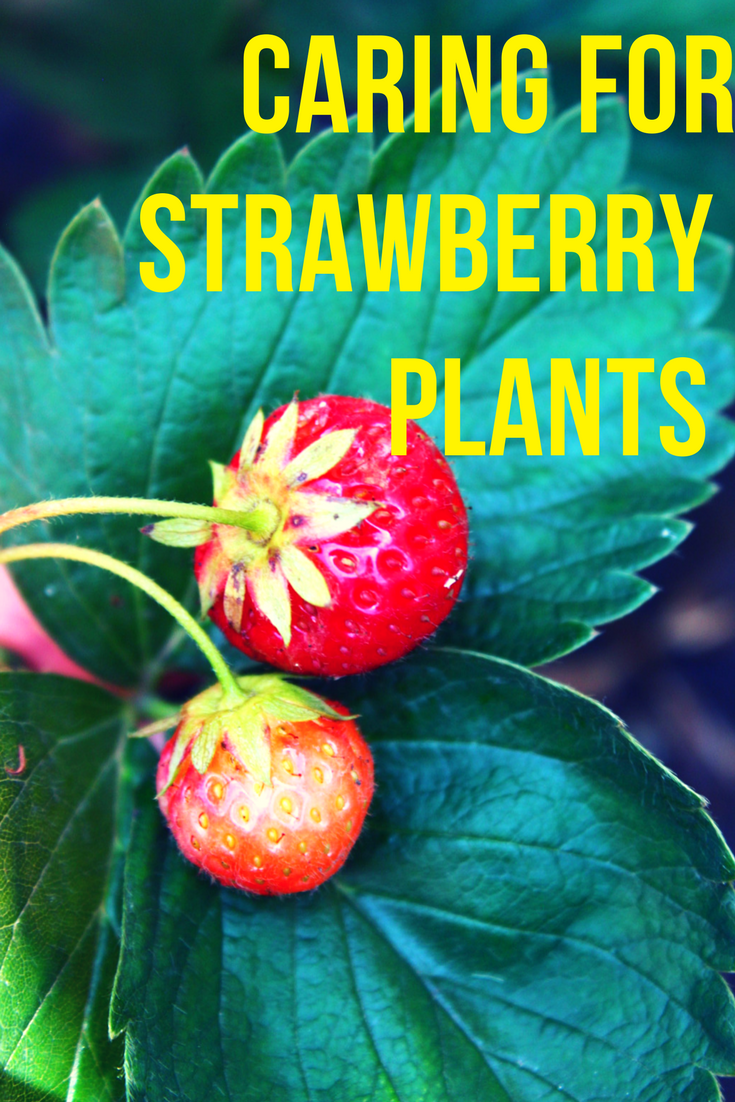
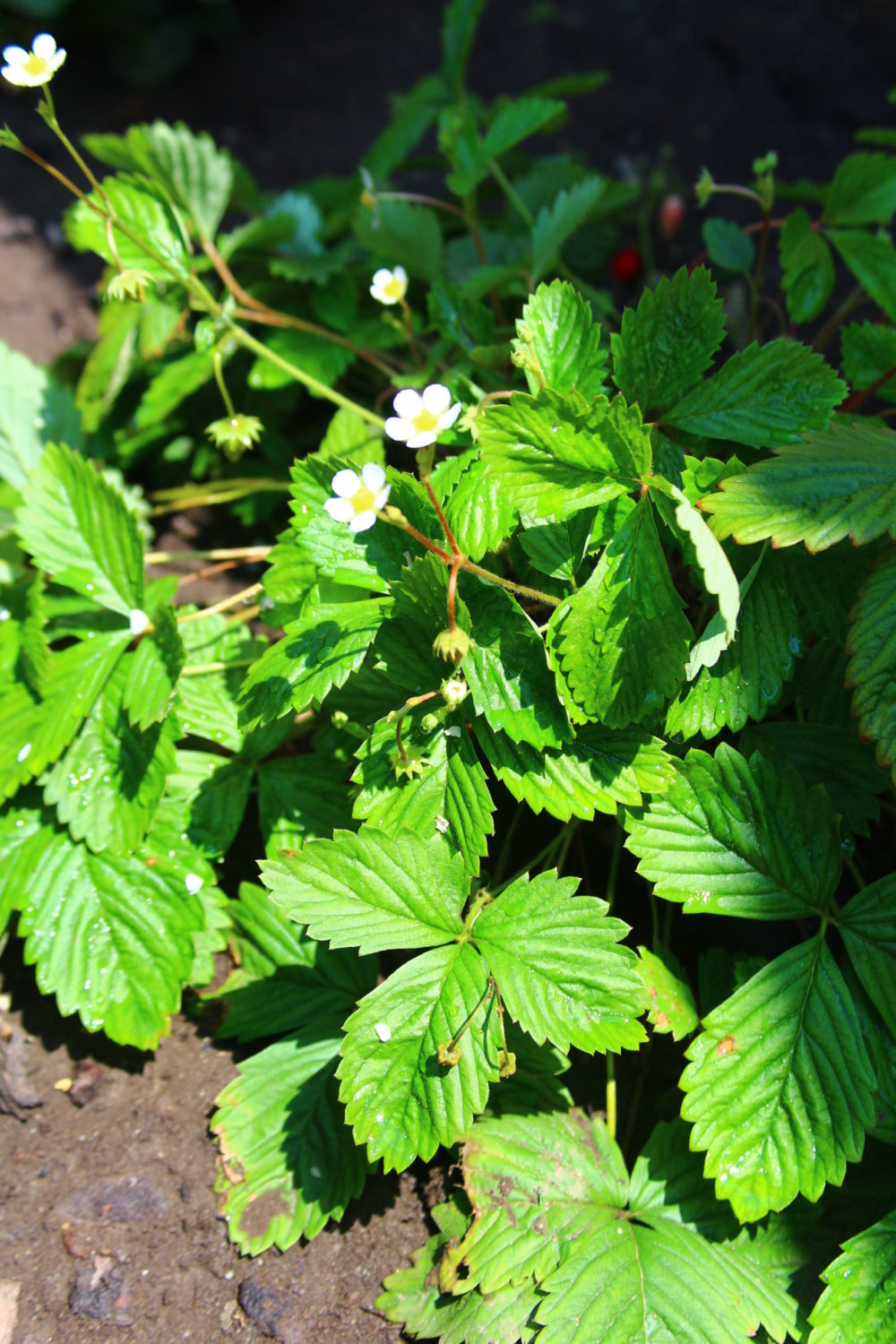
There’s nothing better than growing your own strawberries! If you’ve ever wondered how to care for strawberry bushes to get a healthy, strawberry patch, here are a few simple but efficient tips for strawberry plant care!
HOW TO CARE FOR STRAWBERRIES
Have you ever thought about growing you own supply of juicy, healthy strawberries? It’s so much fun and oh, so easy if you know the basics! Read along and I’ll give you some simple and easy tips for strawberry plant care so you enjoy your delicious strawberries all summer long!
Before growing strawberry plants you need to know there are three types of strawberries: spring bearing which produces fruit in spring, June bearing which will give fruit in early summer and everbearing, providing fruit all summer long. I chose the spring and everbearing ones so I could enjoy my strawberries from spring to end of summer.
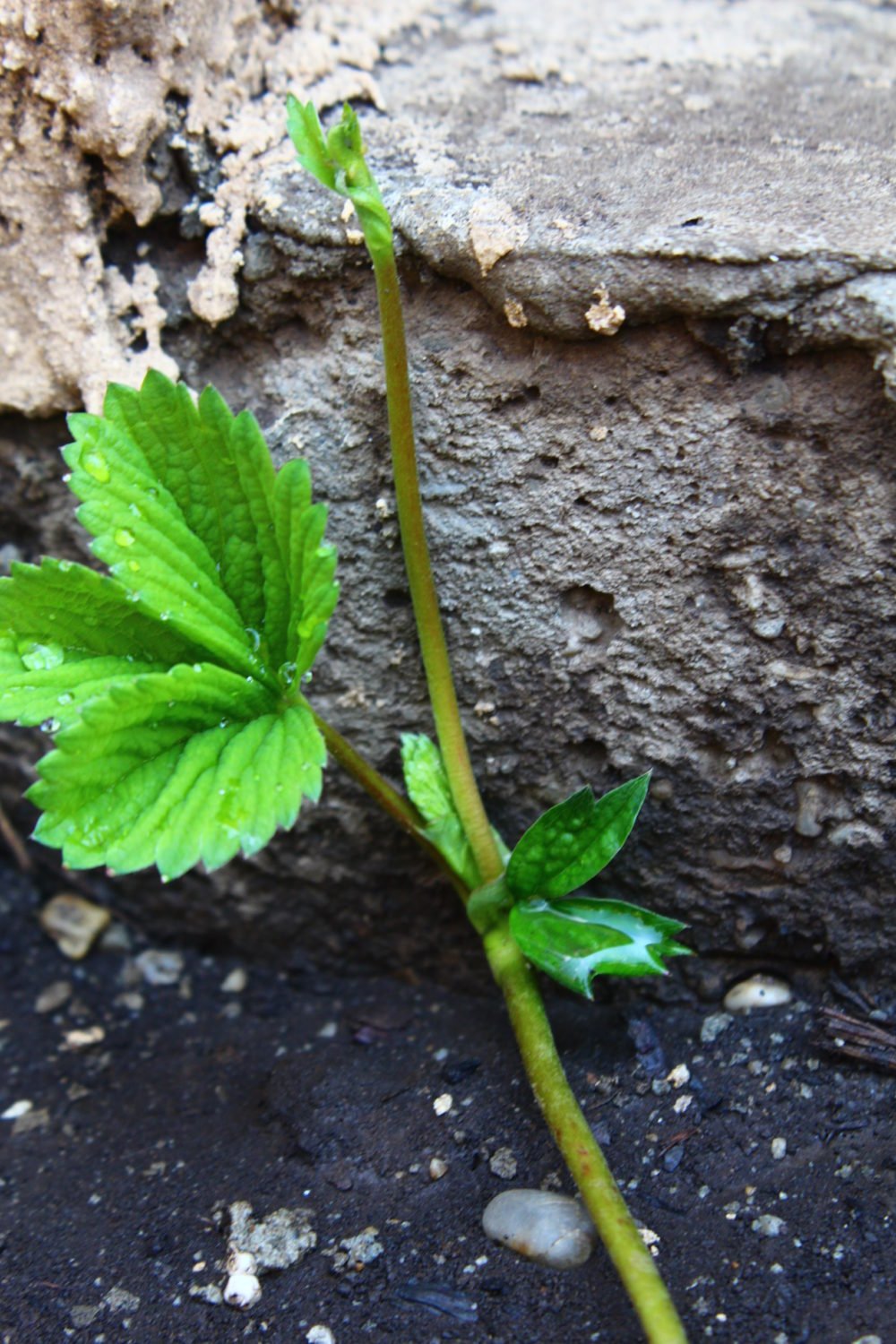
When planning for strawberry care, bear in mind the spring and June plants will grow daughters also known as runners (which will form new plants and will expand rapidly). So when making your strategy for strawberry plant care, make sure you leave plenty of room between plants, for the daughters to roam around freely. Allow about 20-30″ between plants on each row and about 3 feet between rows. On the other hand, the ever bearing plants won’t grow daughters so you won’t need that much space for these. They’ll grow bigger strawberries though so don’t plant too close either, strawberries need light and sun to grow healthy and strong.close
Volume 0%
STRAWBERRY PLANT CARE
Strawberries need at least 6 hours of sun every day so before planting them, make sure the spot you choose gets plenty of full sun.
They’ll also need good drainage so you may need to add some sand to your soil if it’s too heavy in clay or even plant strawberries in a raised bed.
Plant strawberries very early in spring, as soon as the ground is workable. I planted mine first week of March.
Plant when the sun is not too strong, preferably in the morning, late morning on cooler days.
Leave enough room for plants to grow and for daughters/runners to spread.
Dig a small hole that barely fits the root, about 2/3. Lightly cover roots with dirt.
Apply some organic fertilizer right after planting and water plants to give them a jump start.
During hot summer days, water 3 times a week, preferably early in the morning and apply organic fertilizer every 2 weeks. Spreading some mulch around the roots will help retain moisture.
Pinch blossoms and runners in the first year to encourage the plant to grow stronger and supply more fruit.
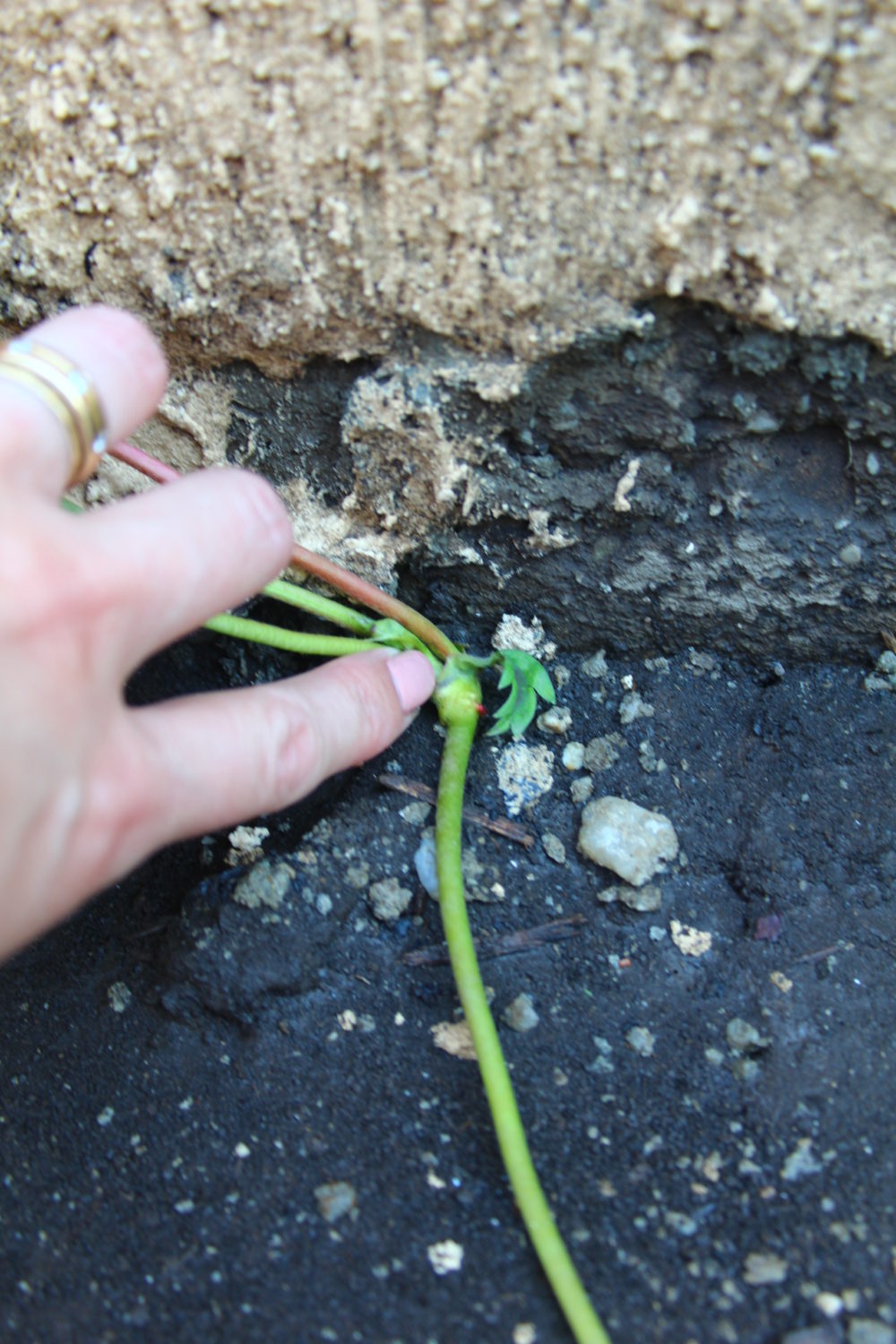
When the runners (daughters) start growing, pinch them out and plant on other spots if you want to expand your strawberry patch but would like to keep it tidy.
If you don’t want the runners to spread, cover the soil around and between plants in foil, then spread mulch. This will also help control weeds.
Pick weeds regularly, preferably when the soil is moist.
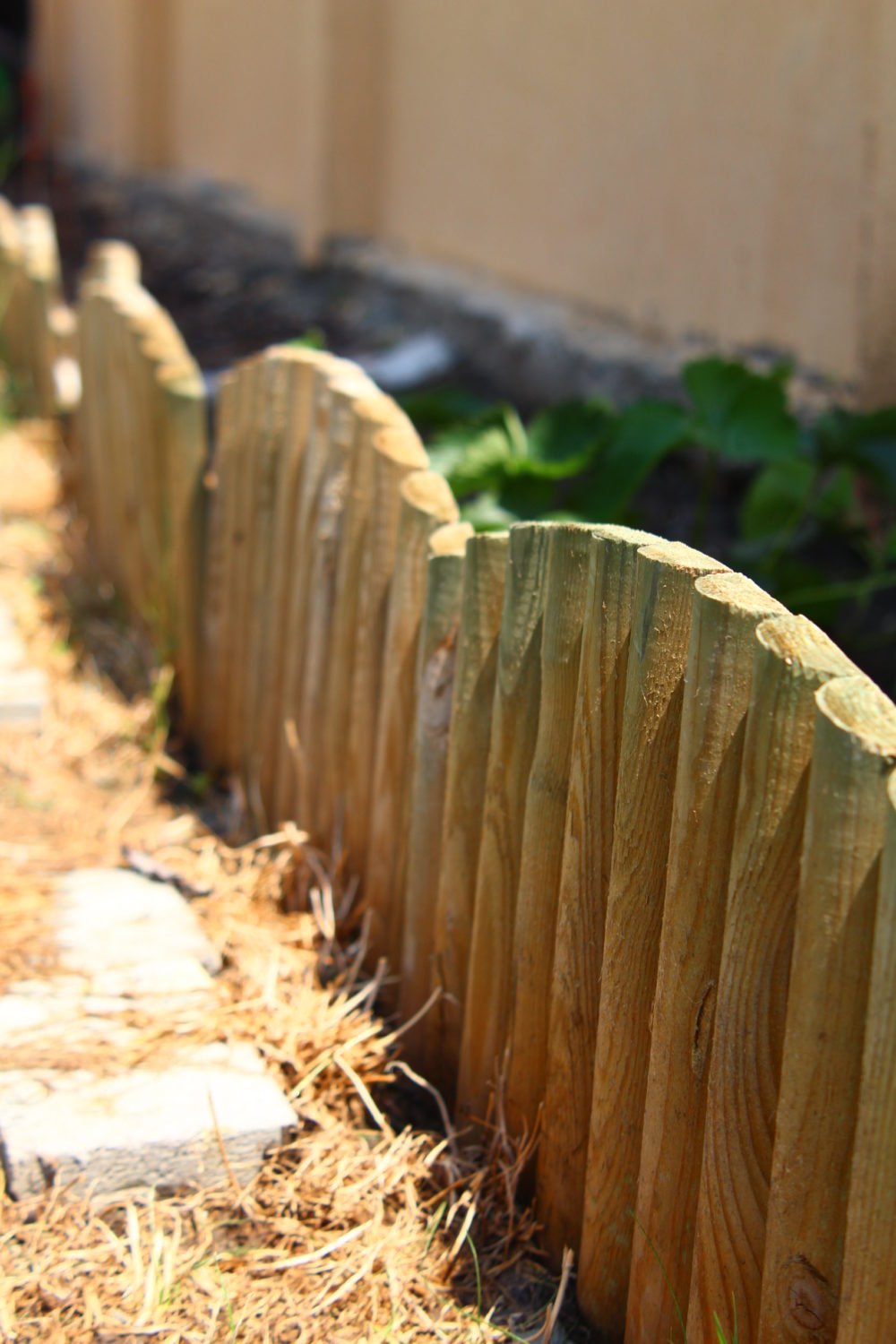
Surround your patch with a fence if your bushes produce daughters; left alone, strawberries tend to spread rapidly and are hard to control once they took over other parts of the garden.
A weed can be any plant growing where you don’t want it to, but there are some particularly weedy species to keep an eye out for. These aggressive plants choke out the garden plants you’ve worked so hard to grow. Use this handy guide to identify weeds by photo and know how to best remove them.Each product we feature has been independently selected and reviewed by our editorial team. If you make a purchase using the links included, we may earn commission.
Dandelion
Type: Broadleaf perennial
Size: 12 inches tall, 6 – 16 inches wide
Where It Grows: Lawns and gardens in sun or shade
Appearance: This common lawn weed has a strong taproot; leaves are deeply notched. Yellow flowers mature to puffballs. Dandelion seeds are like parachutes that fly away in the wind—they’re the plants that you would blow on and “make a wish” when you were younger.
Lawn Weed Control Tip: Mulch to prevent dandelions in gardens. Pull dandelion weeds by hand or use a postemergence herbicide (designed for use on weeds after they appear) in lawns. Each product we feature has been independently selected and reviewed by our editorial team. If you make a purchase using the links included, we may earn a commission.
Tips on Caring for Your Yard
Oxalis
Type: Broadleaf perennial
Size: To 20 inches tall
Where It Grows: Sunny or shady landscape, lawn, or garden areas
Appearance: This garden weed has light green leaves that look like clover and cup-shape yellow flowers in summer and fall.
Control: Mulch garden areas in spring to prevent weeds. Pull oxalis weeds by hand or spray weeds with a postemergence herbicide in spring or fall.
Test Garden Tip: The leaves of oxalis are edible in small quantities and have a sharp, sour taste. However, plants should not be eaten if they have been treated with pesticide. The plant can be harmful if eaten in large amounts.Each product we feature has been independently selected and reviewed by our editorial team. If you make a purchase using the links included, we may earn commission.
Identifying and Controlling Common Garden Pests
Crabgrass
Type: Grassy annual
Size: To 18 inches tall and 20 inches wide
Where It Grows: Lawn, landscape, and garden areas in sun or shade
Appearance: Crabgrass is exactly what it sounds like: A grassy weed. This lawn weed grows roots anywhere the stem makes soil contact. Seed heads spread out like four fingers.
Control: Mulch your lawn to prevent crabgrass or use a preemergence herbicide; pull plants by hand or spot-treat with a nonselective postemergence herbicide.
Test Garden Tip: Each plant can produce up to 150,000 seeds, so this lawn weed can spread quickly.Each product we feature has been independently selected and reviewed by our editorial team. If you make a purchase using the links included, we may earn commission.
Bindweed
Type: Broadleaf perennial
Size: Climbs 6 feet or more
Where It Grows: Landscape and garden areas in sun
Appearance: Identify this garden weed by its arrowhead-shape leaves on twining vines. Bindweed also produces white to pale pink morning glory-type flowers.
Control: Mulch your garden to prevent bindweed. Repeatedly chop down growing bindweed plants and/or treat with a postemergence herbicide.
Test Garden Tip: Wandering roots produce offspring 20-30 feet from the mother vine.Each product we feature has been independently selected and reviewed by our editorial team. If you make a purchase using the links included, we may earn commission.
White Clover
Type: Broadleaf perennial
Size: 8-10 inches tall, 12 inches wide
Where It Grows: Lawn, landscape, and garden areas in sun to partial shade
Appearance: White clover has three-lobe leaves frame round white flower clusters.
Control: Mulch your garden beds to prevent white clover in landscape areas. Use a postemergence herbicide in lawns or hand-pull the weeds.
Test Garden Tip: Clover adds nitrogen to the soil so as far as weeds go, this one is moderately helpful.Each product we feature has been independently selected and reviewed by our editorial team. If you make a purchase using the links included, we may earn commission.
Nutsedge
Type: Grassy perennial
Size: 2 feet tall, 1 foot wide
Where It Grows: Lawn, landscape, or garden areas with moist soil in sun or shade
Appearance: Nutsedge has grassy leaves and nutlike tubers on the root system.
Control: Mulch garden areas in spring to prevent nutsedge. Pull plants by hand or spray with a postemergence herbicide.Each product we feature has been independently selected and reviewed by our editorial team. If you make a purchase using the links included, we may earn commission.
Creeping Charlie
Type: Broadleaf perennial
Size: 4 inches tall, several feet wide
Where It Grows: Shady lawn, landscape, or garden areas
Appearance: Identify this lawn weed and groundcover by its scalloped leaves and clusters of purple flowers in late spring.
Control: Mulch garden areas in spring to prevent creeping charlie. Pull plants by hand or spray with a postemergence herbicide in spring or fall.Each product we feature has been independently selected and reviewed by our editorial team. If you make a purchase using the links included, we may earn commission.
Lamb’s-Quarter
Type: Broadleaf annual
Size: To 4 feet tall and 18 inches wide
Where It Grows: Landscape and garden areas in sun or shade
Appearance: Lamb’s-quarter’s scalloped leaves have gray undersides to them.
Control: Mulch your garden to prevent lamb’s-quarter. Pull weed plants by hand or use a postemergence herbicide.Each product we feature has been independently selected and reviewed by our editorial team. If you make a purchase using the links included, we may earn commission.
Plantain
Type: Broadleaf perennial
Size: To 8 inches tall and 12 inches wide
Where It Grows: Moist lawn and garden areas in sun or shade
Appearance: When you’re identifying weeds in your garden, to spot plantains, look for broad, flat leaves around a low rosette.
Test Garden Tip: Each plantain plant can produce more than 15,000 seeds.Each product we feature has been independently selected and reviewed by our editorial team. If you make a purchase using the links included, we may earn commission.
Dayflower
Type: Annual grass relative
Size: To 30 inches tall and wide
Where It Grows: Sunny or shady landscape areas
Appearance: Dayflowers have dark green leaves sprouting from a stem and brilliant blue flowers through the summer.
Control: Mulch the garden to prevent weeds or use a preemergence herbicide in spring. Pull weeds by hand or spot-treat with a nonselective postemergence herbicide.Each product we feature has been independently selected and reviewed by our editorial team. If you make a purchase using the links included, we may earn commission.
Purslane
Type: Broadleaf annual
Size: To 6 inches tall and 2 feet wide
Where it grows: Dry, sunny landscape and garden areas
Appearance: Identify this weed groundcover by its fleshy, dark green leaves and small yellow flowers at the ends of the stems.
Control: Mulch your garden to prevent purslane or use a preemergence herbicide in the spring. Pull plants by hand or spot-treat with a nonselective postemergence herbicide.Each product we feature has been independently selected and reviewed by our editorial team. If you make a purchase using the links included, we may earn commission.
Velvetleaf
Type: Broadleaf annual
Size: To 6 feet tall and 3 feet wide
Where It Grows: Fertile, sunny landscape and garden areas
Appearance: Velvetleaf gets its name after its large, velvety heart-shape leaves up to 10 inches across. The weed blooms with yellow flowers in summer.
Weed Control: Mulch your garden to prevent velvetleaf or use a preemergence herbicide in spring; pull plants by hand or use a postemergence herbicide.Each product we feature has been independently selected and reviewed by our editorial team. If you make a purchase using the links included, we may earn commission.
Wild Violet
Type: Broadleaf perennial
Size: 6 inches tall, 6 inches wide
Where It Grows: Shady lawn, landscape, or garden areas
Appearance: Wild violet is a groundcover with heart-shape leaves and purple flowers in late spring.
Control: Mulch garden beds in spring to prevent wild violet. Pull weeds by hand or spray with a postemergence herbicide in spring or fall.
Test Garden Tip: Not always considered a weed, this plant is sometimes grown as an ornamental in shade gardens. Each product we feature has been independently selected and reviewed by our editorial team. If you make a purchase using the links included, we may earn a commission.
Smartweed
Type: Broadleaf annual
Size: To 42 inches tall and 30 inches wide
Where It Grows: Sunny landscape and garden areas
Appearance: Identify garden weeds like smartweed by its lance-shape leaves often marked with purple chevrons. It’s an upright plant with pink or white flowers in summer and fall.
Control: To prevent this weed, mulch garden beds in spring. Pull plants by hand or apply a postemergence herbicide once it grows.
Test Garden Tip: This weed is native to areas of North America. Unlike many exotic weeds, it does support local wildlife.Each product we feature has been independently selected and reviewed by our editorial team. If you make a purchase using the links included, we may earn commission.
Quickweed
Type: Broadleaf annual
Size: To 2 feet tall and wide
Where It Grows: Sunny landscape and garden areas
Appearance: Quickweed has jagged, hairy leaves and small white daisy-shape flowers in summer.
Control: Use a mulch or a preemergence herbicide in spring to prevent quickweed. If plants do grow, pull them by hand or spot-treat them with a postemergence herbicide.Each product we feature has been independently selected and reviewed by our editorial team. If you make a purchase using the links included, we may earn commission.
Pigweed
Type: Broadleaf annual
Size: 6 feet tall, 2 feet wide
Where it grows: Sunny landscape or garden areas
Appearance: Pigweeds are tall plants with a taproot. Identify weeds by their hairy-looking clusters of green flowers (though some varieties are grown as annuals).
Control: Mulch garden areas in spring to prevent pigweed or use a preemergence herbicide in spring. Pull weeds by hand or spray with a postemergence herbicide. Each product we feature has been independently selected and reviewed by our editorial team. If you make a purchase using the links included, we may earn commission.
Canada Thistle
Type: Broadleaf perennial
Size: To 6 feet tall and 3 feet wide
Where It Grows: Sunny lawn, landscape, or garden areas
Appearance: Canada thistle has spiny, gray-green leaves and purple flowers.
Control: Mulch your garden to prevent it in landscape areas. Use a postemergence herbicide in lawns in spring or fall, or dig the weed out by hand.
Test Garden Tip: Thistle has an extensive root system that can grow several feet out from the main plant.Each product we feature has been independently selected and reviewed by our editorial team. If you make a purchase using the links included, we may earn commission.
Knotweed
Type: Broadleaf annual
Size: To 8 inches tall and 2 feet wide
Where It Grows: Sunny or partly shaded lawn, landscape, or garden areas
Appearance: Knotweed is an invasive groundcover with blue-green leaves sparsely appearing on long stems.
Control: Prevent knotweed with a deep layer of mulch or apply a preemergence herbicide in spring. Once the plant grows, hand-pull or spot-treat it with an herbicide.Each product we feature has been independently selected and reviewed by our editorial team. If you make a purchase using the links included, we may earn commission.
Pokeweed
Type: Broadleaf perennial
Size: To 10 feet tall and 2 feet wide
Where It Grows: Sunny landscape or garden areas
Appearance: Identify this garden weed by its light green leaves, clusters of white flowers, and dark purple berries.
Control: Prevent pokeweed with a deep layer of mulch. Once the plant grows, hand-pull or spot-treat it with an herbicide.Each product we feature has been independently selected and reviewed by our editorial team. If you make a purchase using the links included, we may earn commission.
Poison Ivy
Type: Broadleaf perennial
Size: To 15 feet tall and wide
Where It Grows: Sunny or shady landscape or garden areas
Appearance: Poison ivy can be a vine, shrub, or groundcover. The weed has leaves divided into three leaflets and can sprout clusters of green berries.
Control: Prevent poison ivy with a deep layer of mulch. If the weed starts to grow in your yard, spot-treat it with an herbicide.
Test Garden Tip: The plant contains oils that cause a severe allergic skin reaction in many people when touched. These oils are present even on dead leaves and can become airborne and inhaled if the plant is burned. Each product we feature has been independently selected and reviewed by our editorial team. If you make a purchase using the links included, we may earn a commission.
Black Nightshade
Type: Broadleaf annual
Size: 2 feet tall, 2 feet wide
Where It Grows: Landscape or garden areas with rich soil in sun or shade
Appearance: Black nightshade can be a bushy or climbing plant with white or purple flowers and purple or red fruits.
Control: Mulch your garden to prevent black nightshade. Pull the weed by hand or treat with a postemergence herbicide.
Test Garden Tip: All parts of this plant are poisonous (including the fruits).Each product we feature has been independently selected and reviewed by our editorial team. If you make a purchase using the links included, we may earn commission.
Black Medic
Type: Broadleaf annual or short-lived perennial
Size: 1-2 feet tall, 1 foot wide
Where It Grows: Poor, dry, soil in full sun
Appearance: Identify this garden weed by its clover-type leaves and small, yellow flowers.
Control: Mulch to prevent black medic in gardens. Pull weeds by hand or use a postemergence herbicide. Discourage it by keeping the soil well-watered and amended with organic matter (such as compost). Each product we feature has been independently selected and reviewed by our editorial team. If you make a purchase using the links included, we may earn a commission.
Quackgrass
Type: Grassy perennial
Size: To 3 feet tall and several feet wide
Where It Grows: Landscape and garden areas in sun or shade
Appearance: This garden weed has wheatlike flower spikes, which appear above slender clumps of grassy foliage.
Control: Mulch your garden prevent quackgrass. Dig plants out by hand, being sure to remove every bit of root.Each product we feature has been independently selected and reviewed by our editorial team. If you make a purchase using the links included, we may earn commission.
Dock
Type: Broadleaf perennial
Size: To 4 feet tall and 2 feet wide
Where It Grows: Landscape and garden areas in sun or shade
Appearance: Dock produces large, wavy-edge leaves and large seed heads covered with brown seeds.
Control: Mulch to prevent dock. Pull and dig up plants or treat with a postemergence herbicide.
Test Garden Tip: Each plant can produce up to 40,000 seeds that wait decades before sprouting.Each product we feature has been independently selected and reviewed by our editorial team. If you make a purchase using the links included, we may earn commission.
Henbit
Type: Broadleaf annual
Size: To 12 inches tall and wide
Where It Grows: Lawn, landscape, and garden areas in sun or shade
Appearance: This lawn weed is a low, creeping plant with scallop-edge leaves and purple flowers.
Control: Mulch to prevent henbit in gardens or use preemergence herbicide in spring. Pull plants by hand or treat in lawns with a broadleaf, postemergence herbicide.Each product we feature has been independently selected and reviewed by our editorial team. If you make a purchase using the links included, we may earn commission.
Fleabane
Type: Broadleaf annual
Size: 2 feet tall and 18 inches wide
Where It Grows: Landscape and garden areas in sun to partial shade
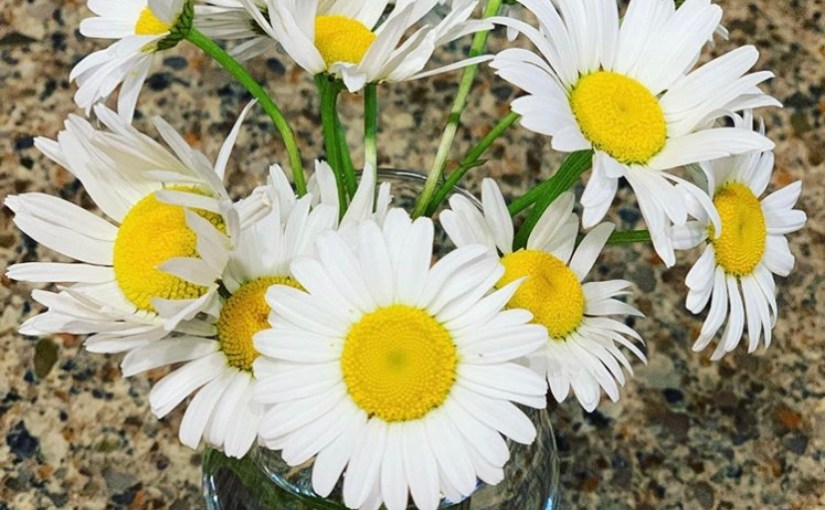
Appearance: Fleabane has slender leaves attached to an upright, branching stem. It produces puffy white to pale lavender daisies.
Control: Mulch your garden to prevent fleabane or use a preemergence herbicide in spring. Pull plants by hand or spot-treat with a postemergence herbicide.Each product we feature has been independently selected and reviewed by our editorial team. If you make a purchase using the links included, we may earn commission.
Nettle
Type: Broadleaf perennial
Size: To 6 feet tall and 3 feet wide
Where It Grows: Garden areas with rich, moist soil
Appearance: This garden weed has sawtooth-edge leaves and yellowish flower clusters covered with stinging hairs.
Control: Mulch to prevent nettle. Dig out weeds or treat with a postemergence herbicide.
Test Garden Tip: Always wear gloves when working around this plant (the sharp hairs can irritate skin).Each product we feature has been independently selected and reviewed by our editorial team. If you make a purchase using the links included, we may earn commission.
Prostrate Spurge
Type: Broadleaf annual
Size: 3 inches tall, 18 inches wide
Where It Grows: Lawn, landscape, and garden areas with dry soil
Appearance: Green or purple-blushed leaves of prostrate spurge form dense mats.
Control: Mulch your garden to prevent prostrate spurge or use a preemergence herbicide in lawns. Pull weeds when young or spot-treat with a postemergence herbicide.Each product we feature has been independently selected and reviewed by our editorial team. If you make a purchase using the links included, we may earn commission.
Chickweed
Type: Broadleaf annual
Size: 6 inches tall, 12 inches wide
Where It Grows: Lawn, garden, and landscape areas with rich, moist soil in sun or shade
Appearance: This garden and lawn weed creates lush green mats studded with small, star-shape flowers.
Control: Mulch to prevent chickweed in gardens or use a preemergence herbicide in early spring. Pull weeds by hand.
Test Garden Tip: Each plant can produce more than 15,000 seeds.Each product we feature has been independently selected and reviewed by our editorial team. If you make a purchase using the links included, we may earn commission.
Musk Thistle
Type: Broadleaf biennial
Size: To 6 feet tall and 18 inches wide
Where It Grows: Landscape and garden areas in full sun
Appearance: Musk thistle has prickly leaves growing off of tall stems topped by heavy 2-inch purple flowers.
Control: Mulch your garden to prevent musk thistle. Use a postemergence herbicide or dig the weed out yourself.Each product we feature has been independently selected and reviewed by our editorial team. If you make a purchase using the links included, we may earn commission.
Ragweed
Type: Broadleaf annual
Size: To 4 feet tall and 2 feet wide
Where It Grows: Landscape and garden areas in sun or partial shade
Appearance: Ragweed grows finely cut green leaves that are almost fern-like.
Control: Mulch your garden to prevent ragweed. Use a postemergence herbicide or pull it out by hand.Each product we feature has been independently selected and reviewed by our editorial team. If you make a purchase using the links included, we may earn commission.
Yellow Sweet Clover
Type: Broadleaf annual
Size: 1-3 feet tall, 12-18 inches wide
Where It Grows: Landscape and garden areas
Appearance: Identify this garden weed by its lanky branches, clover-like leaves, and fragrant yellow flowers.
Control: Mulch your garden to prevent yellow sweet clover. Pull plants by hand or spot-treat a postemergence herbicide.Each product we feature has been independently selected and reviewed by our editorial team. If you make a purchase using the links included, we may earn commission.
Yellow Salsify
Type: Broadleaf biennial or short-lived perennial
Size: To 3 feet tall and 2 feet wide
Where It Grows: Sunny landscape and garden areas
Appearance: Spot yellow salsify by its gray-green leaves. Yellow flowers on the plant are followed by large puffballs.
Control: Mulch your garden to prevent yellow salsify. Pull plants by hand or treat them with a postemergence herbicide. Each product we feature has been independently selected and reviewed by our editorial team. If you make a purchase using the links included, we may earn a commission.
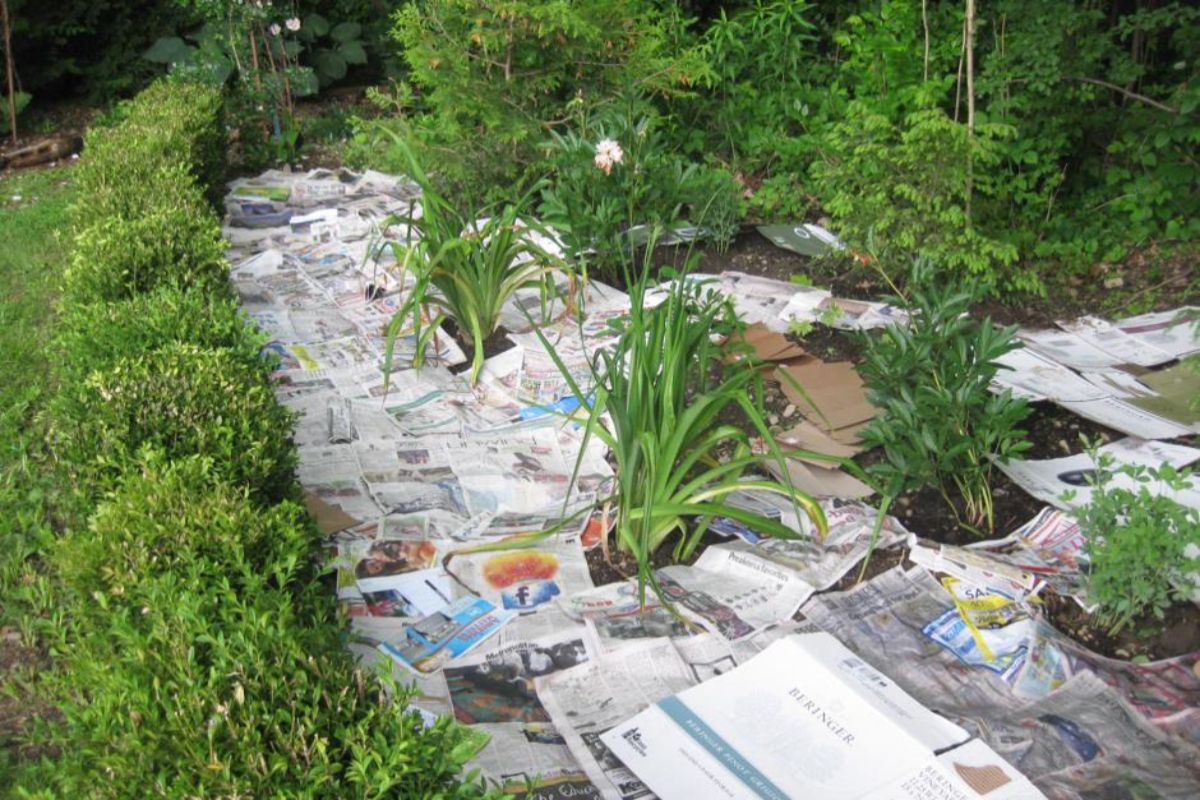
While weed killer can rid your garden of weeds after they pop up, a little newspaper might keep the weeds from ever appearing in the first place.
Kevin Lee Jacobs
As you’re planting your garden, layer the soil with a few pieces of newspaper. Newspaper still allows moisture to reach the roots of your plants, but it also creates a barrier that keeps weeds from rearing their ugly heads. The weeds will be unable to establish themselves in the soil, but your plants will flourish.





 Mws R Writings