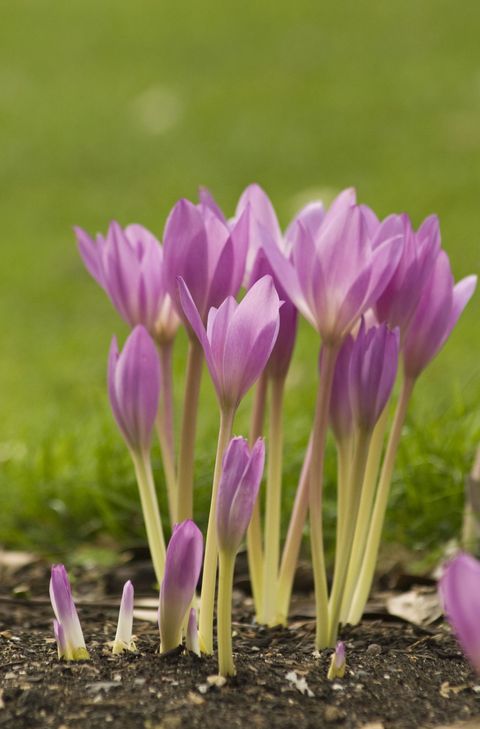
There are two Crocus plants: one that blooms in the spring (Crocus species) and the other in the autumn Colchicum autumnale). The spring plants are more common and are part of the Iridaceae family. These ingestions can cause general gastrointestinal upset including vomiting and diarrhea. These should not be mistaken for Autumn Crocus, part of the Liliaceae family, which contain colchicine. The Autumn Crocus is highly toxic and can cause severe vomiting, gastrointestinal bleeding, liver and kidney damage, and respiratory failure. If you’re not sure what plant it is, bring your pet to their veterinarian immediately for care. Signs may be seen immediately but can be delayed for days.
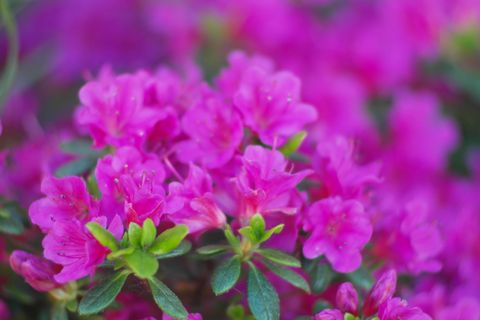
In the same family as rhododendrons, azaleas can have serious effects on pets. Eating even a few leaves can result in vomiting, diarrhea and excessive drooling; without immediate veterinary attention, the pet could fall into a coma and possibly die.
The roots of this seasonal flowering plant are especially dangerous to pets. If ingested, cyclamen can cause severe vomiting and even death.
This popular flowering succulent plant can cause vomiting, diarrhea and heart arrhythmias if ingested by pets.
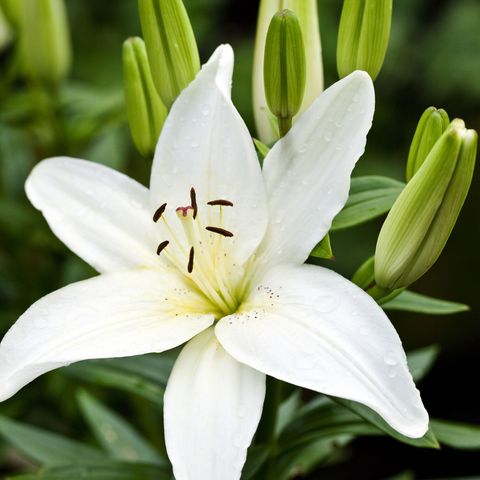
There are dangerous and benign lilies out there, and it’s important to know the difference. Peace, Peruvian, and Calla lilies contain oxalate crystals that cause minor signs, such as tissue irritation to the mouth, tongue, pharynx, and esophagus – this results in minor drooling. The more dangerous, potentially fatal lilies are true lilies, and these include Tiger, Day, Asiatic, Easter and Japanese Show lilies – all of which are highly toxic to cats! Even small ingestions (such as 2-3 petals or leaves) can result in severe kidney failure. If your cat is seen consuming any part of a lily, bring your cat (and the plant) immediately to a veterinarian for medical care. The sooner you bring in your cat, the better and more efficiently we can treat the poisoning.
For more information on lilies, please visit our No Lilies for Kitties campaign.
Oleander is an outdoor shrub, popular for its evergreen qualities and delicate flowers. However, the leaves and flowers are extremely toxic if ingested and can cause severe vomiting, slow the heart rate and possibly even cause death.
Popular in many homes and offices, dieffenbachia can cause intense oral irritation, drooling, nausea, vomiting and difficulty swallowing if ingested.
These flowers contain lycorine, an alkaloid with strong emetic properties (something that triggers vomiting). Ingestion of the bulb, plant or flower can cause severe vomiting, diarrhea, abdominal pain, and even possible cardiac arrhythmias or respiratory depression. Crystals are found in the outer layer of the bulbs, similar to hyacinths, which cause severe tissue irritation and secondary drooling. Daffodil ingestions can result in more severe symptoms so if an exposure is witnessed or symptoms are seen, we recommend seeking veterinary care for further supportive care.
The Convallaria majalis plant contains cardiac glycosides which will cause symptoms similar to digitalis (foxglove) ingestion. These symptoms include vomiting, diarrhea, a drop in heart rate, severe cardiac arrhythmias, and possibly seizures. Pets with any known exposure to this plant should be examined and evaluated by a veterinarian and treated symptomatically.
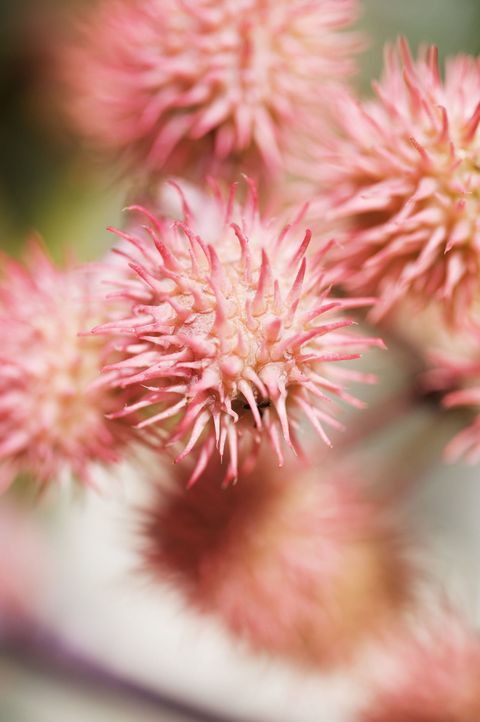
Very popular in warmer climates, this household and outdoor plant can be very harmful to pets. If ingested, the leaves and seeds can cause vomiting, bloody stools, damage to the stomach lining, severe liver failure and, in some cases, death.
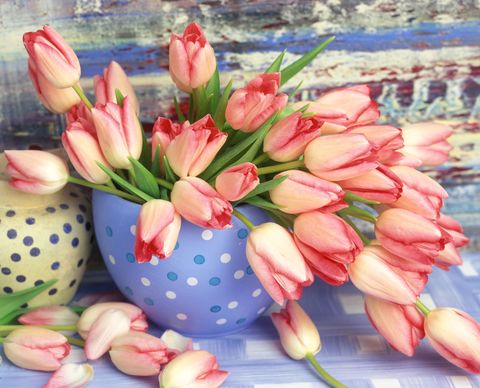
Tulips contain allergenic lactones while hyacinths contain similar alkaloids. The toxic principle of these plants is very concentrated in the bulbs (versus the leaf or flower), so make sure your dog isn’t digging up the bulbs in the garden. When the plant parts or bulbs are chewed or ingested, it can result in tissue irritation to the mouth and esophagus. Typical signs include profuse drooling, vomiting, or even diarrhea, depending on the amount consumed. There’s no specific antidote, but with supportive care from the veterinarian, animals do quite well. With large ingestions of the bulb, more severe symptoms such as an increase in heart rate and changes in respiration can be seen, and should be treated by a veterinarian. These more severe signs are seen in cattle or our overzealous, chowhound Labradors.
This is only a partial list of poisonous plants. For a more complete list of plants poisonous to cats and dogs, visit our Poison List.
If you suspect your pet has ingested any of these items or any other questionable substance, call Pet Poison Helpline at 855-764-7661 or your veterinarian for assistance. Accurate and timely identification of the suspected substance is very important. Having the container, package, or label in hand will save valuable time and may save the life of your pet.
Share this:1 <img alt="I'm part of







 Mws R Writings