1. Know your USDA Hardiness Zone. Use it as a guide so you don’t plant trees, shrubs, and perennials that won’t survive conditions in your area. You’ll also get a better idea of when to plant vegetables and fruits in your area.
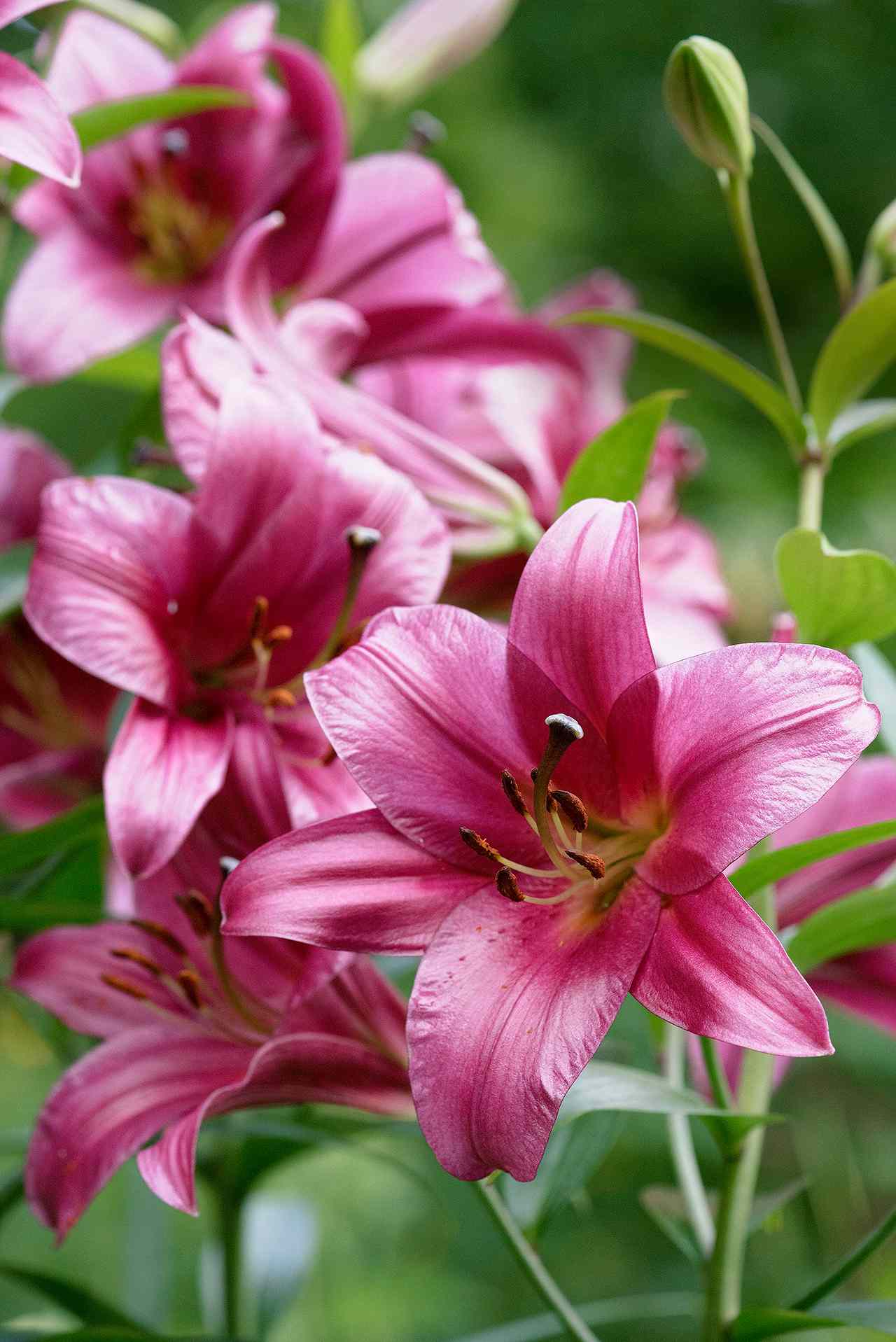
2. Not sure when to prune? Prune spring-flowering shrubs, such as lilacs, and large-flower climbing roses immediately after the blooms fade. They set their flower buds in autumn on last year’s growth. If you prune them in fall or winter, you remove next spring’s flower buds.
MARTY BALDWIN
3. Apply only composted, rotted manure that has cured for at least six months to your soil. Fresh manure is too high in nitrogen and can “burn” plants; it may also contain pathogens or parasites. Manure from pigs, dogs, and cats should never be used in gardens or compost piles because they may contain parasites that can infect humans.
4. Perennials generally need three years to achieve mature growth. Remember the adage that they “sleep, creep, and leap” over the three-year period.
5. Learn how long your growing season is—your last frost in spring and first frost in fall—so you can start some plants inside or avoid growing them.
JASON DONNELLY
6. Deadheading is a good practice for perennials and annuals. Because the goal of annual plants is to flower, set seed, and die, removing the old blooms tells annual plants to produce more flowers. Removing spent flowers also encourages plants to place energies into stronger leaves and roots instead of seed production. Avoid deadheading plants grown especially for their fruits or pods, such as money plant (Lunaria).
7. How much light do plants need? Grow vegetables in a location that gets at least 8 hours of direct sunlight every day. Most vegetables need full sun to perform well. If you have some shade, try growing cool-season crops such as lettuce, spinach, radishes, and cabbage.
8. The best approaches to controlling weeds in the garden are hand-weeding and hoeing. Avoid deep hoeing or cultivating that can bring weed seeds to the soil’s surface. Weed early and often so weeds don’t go to seed. Use mulch to smother and prevent annual weeds.
9. Hostas don’t need to be divided unless you want to rejuvenate an old plant or increase the numbers you have, or because you simply prefer the look of single plants.
10. Not all hydrangeas grow in the shade. Panicle hydrangeas (Hydrangea paniculata) need sun for best flowering. Some top panicle varieties include ‘Limelight’, Little Lime, Vanilla Strawberry, and Bombshell.
11. Don’t clean up everything in your garden in fall. Leave ornamental grasses for beauty and the seed heads of perennials such as coneflowers to feed the birds. Avoid cutting back marginally hardy perennials, such as garden mums, to increase their chances of surviving a harsh winter.
SCOTT LITTLE
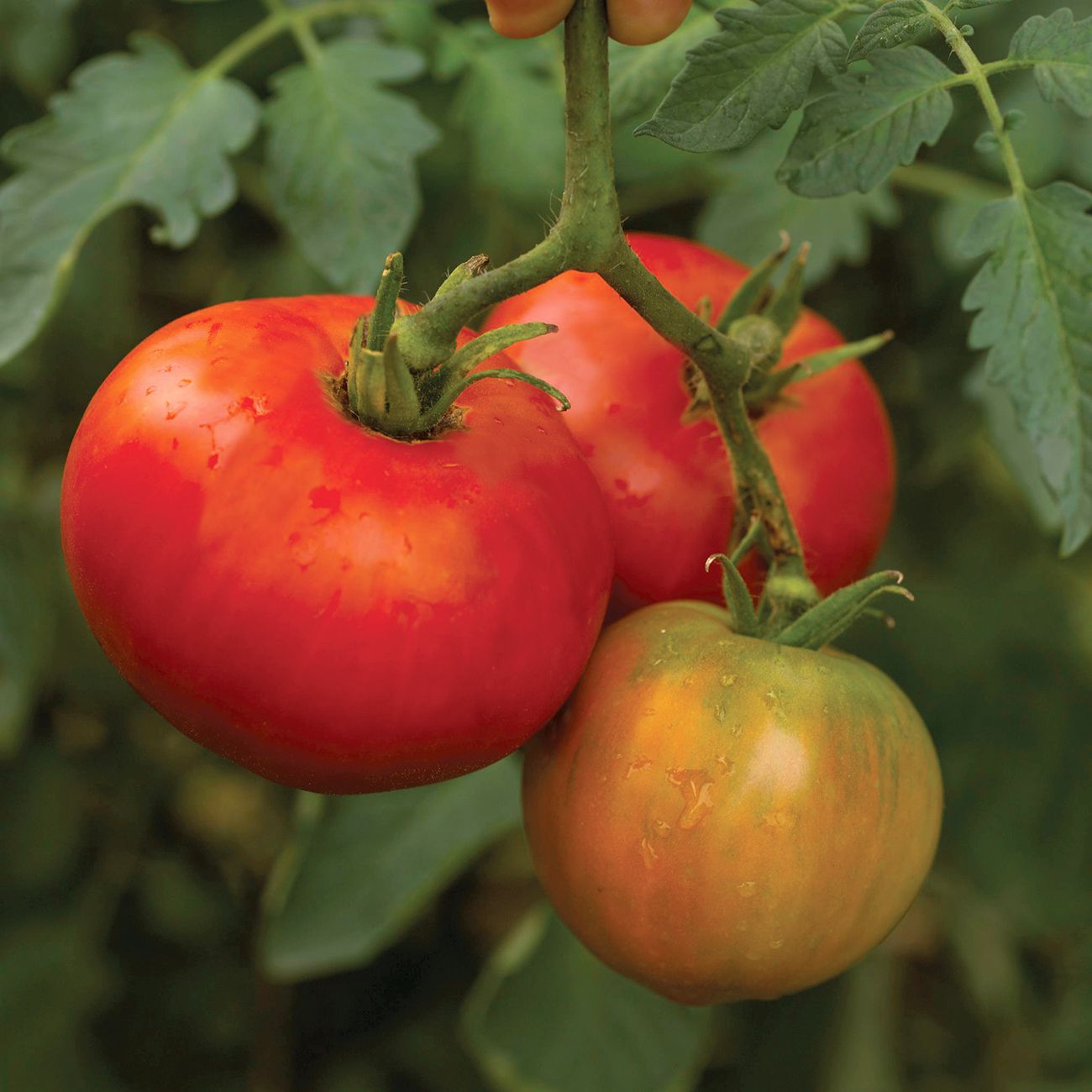
12. Vegetable gardening tip: The optimal temperature for ripening tomatoes is between 68-77 degrees F. And at 85 degrees F, it’s too hot for the plants to produce lycopene and carotene, the pigments responsible for the fruit color. Once temperatures consistently drop below 50 degrees F, green fruits will not ripen. Tomatoes that have a bit of color change can be brought inside to finish ripening.
13. Plant spring-blooming bulbs, such as tulips, daffodils, crocuses, and hyacinths, in the fall before the ground freezes. In general, place the bulb in a hole that’s two to three times the depth of the bulb.
14. Deadhead spent flowers on spring-blooming bulbs so the plants send energy to the bulbs instead of into making seeds. Leave the foliage until it turns brown and can be removed with a gentle tug. The leaves store nutrients needed for the bulb to bloom the following year. Braiding or tying the leaves is not recommended because it reduces the amount of light to the leaf surfaces.
MARTY BALDWIN
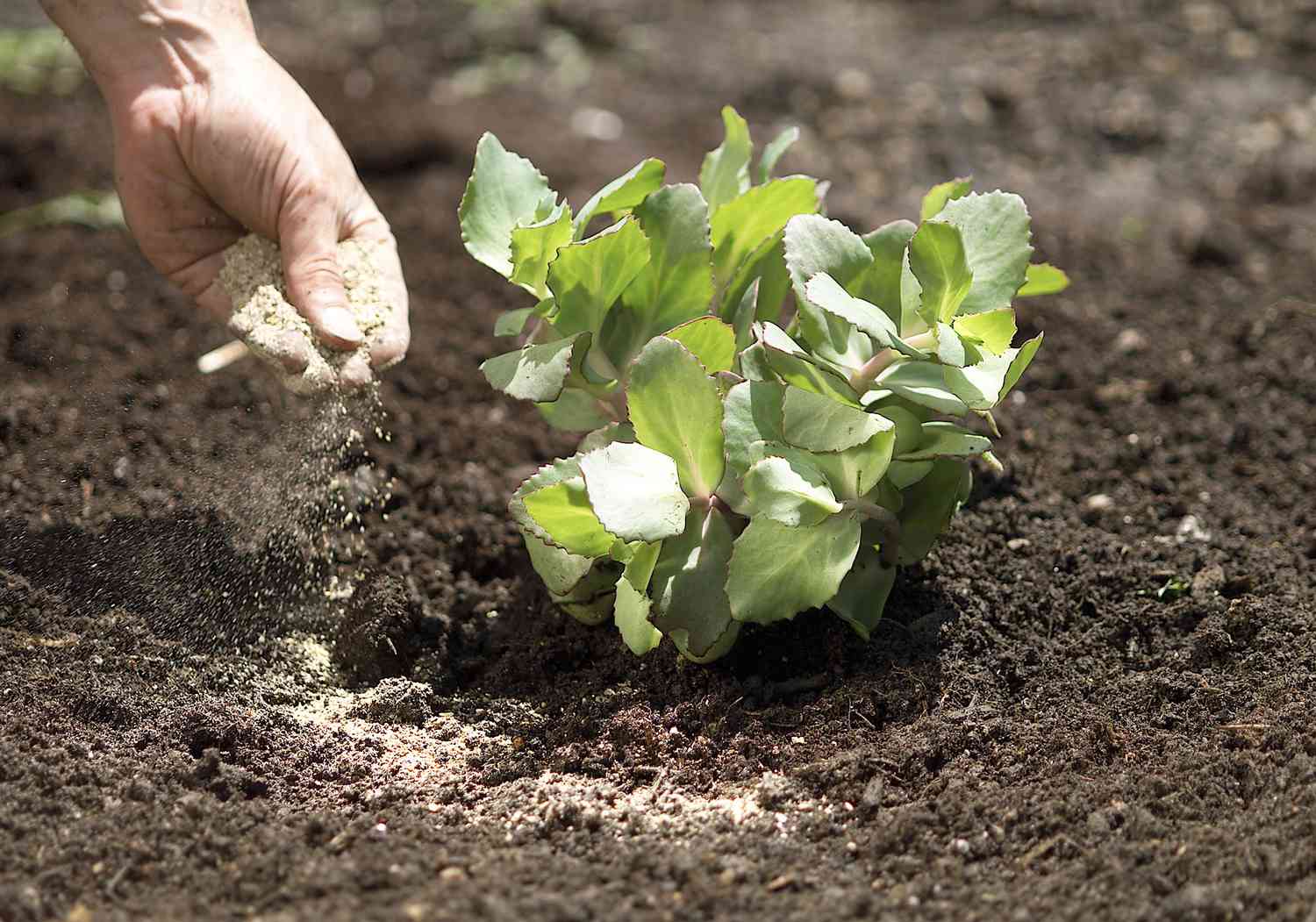
15. Fertilizer is not the answer to growing the best plants; soil quality is. Add organic amendments such as compost and well-aged manure to your soil. The best soil structure is crumbly, easy to dig, accepts water easily, and offers oxygen for plant roots. If you choose to use fertilizer, use an organic one to add nitrogen, phosphate, and potash.
16. Late summer or early autumn is the best time to divide and transplant spring-blooming perennials. The most commonly divided perennials are irises, peonies, hostas, and daylilies.
17. If your rhubarb sends up flower stalks, remove them so the plant will focus on foliage production, not seed production.
18. When transplanting container-grown plants, dig a hole larger than the soil ball of the plant to aid with root establishment.
19. Mound your potato plants deep under the soil and store harvested potatoes in complete darkness. Exposure to light turns the skin of potatoes green, an indication that the potato has produced a colorless alkaloid called solanine, a bitter-tasting toxin that, consumed in large quantities, can cause illness. Cutaway any green portions or sprouts on potatoes to avoid the problem.
20. Most in-ground garden plants grow best with 1 to 2 inches of water per week. If not enough rain falls, water deeply once a week instead of watering lightly daily. Frequent, shallow watering only moistens the top layer of soil and encourages the plant’s roots to move there instead of growing deeper.
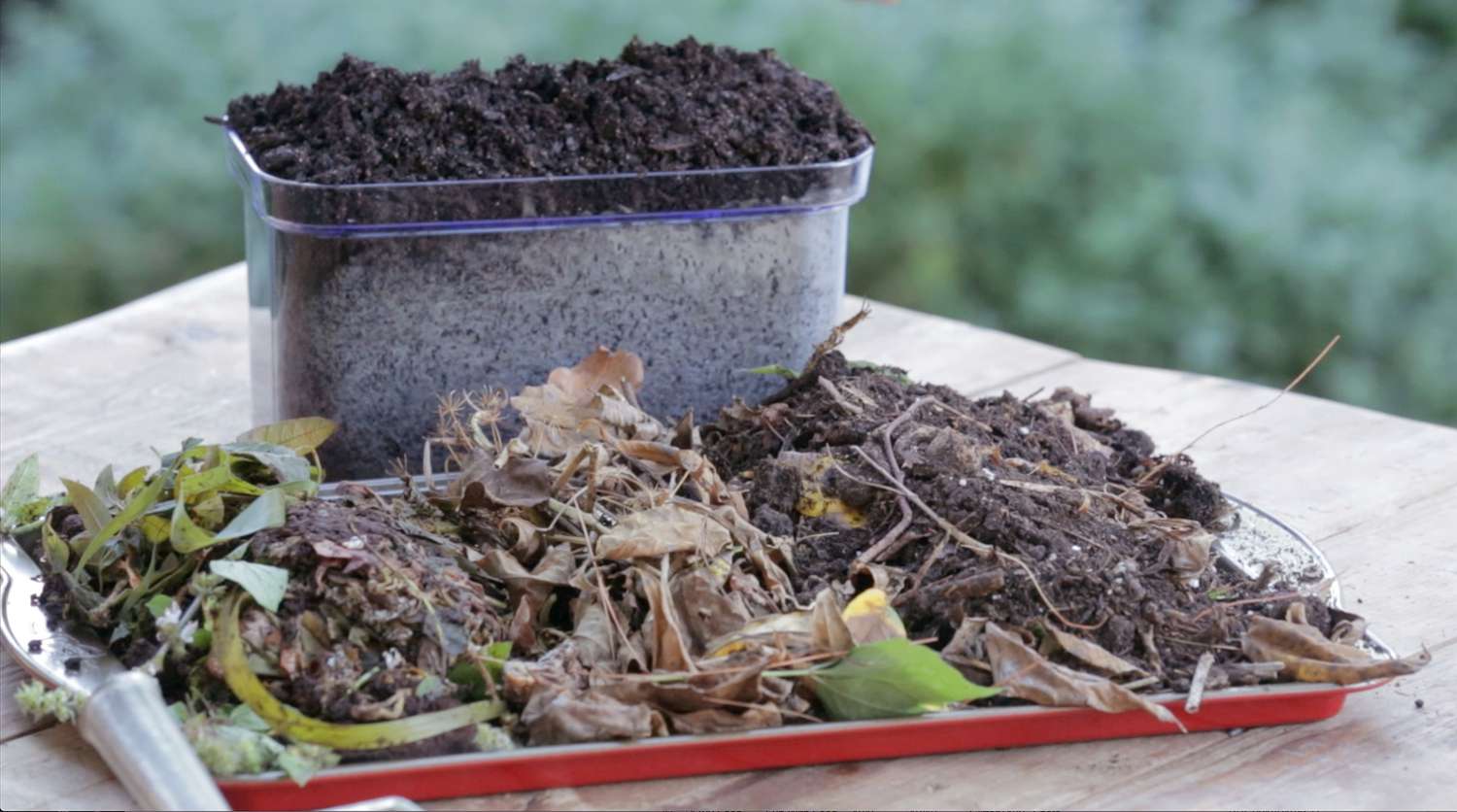
21. Don’t send your fall leaves away! Chop them up and use them as compost ingredients. Pulverized leaves can be left to nourish the lawn. After several hard freezes, when plants have gone completely dormant, you also can use 3-6 inches of shredded leaves as mulch over tender perennials to keep them dormant over winter. Remove the mulch in spring.
22. Avoid digging or planting in wet soil; working it damages the soil structure. Wait until the soil is crumbly and no longer forms a ball in your hand (it doesn’t have to be bone-dry) to till or dig.
23. Understand your soil’s drainage. Roots need oxygen, and if your soil is consistently wet, there are no air pockets for the roots to thrive. Many plants prefer well-drained soil, so amend your soil with organic materials to improve the soil quality.
MARTY BALDWIN
24. Some plants flower in response to day length. Chrysanthemums, poinsettias, strawberries, and others need long nights to produce flowers. If you want strawberries that flower and produce fruit when temperatures are between 35 degrees F and 85 degrees F, choose a variety labeled “day-neutral.”
25. The roots of walnut trees produce a substance called juglone that is toxic to many sun-loving garden plants, including tomatoes and potatoes. (Black walnuts do not harm many shade-loving plants.) The toxic zone from a mature tree can be 50-80 feet away from the trunk. And the juglone chemical can get into your compost if you compost walnut leaves or nuts.
When you see orange, gold, or reddish spots rupturing leaf surfaces, you’re dealing with rust. While it rarely kills plants, rust fungus makes leaves unsightly and weakens the plant by interfering with photosynthesis, the process a plant uses to make food. Each plant species that is susceptible to rust, hosts a particular rust species that may vary from other rust species in appearance.
Damage
Leaves are discolored or mottled yellow to brown. Powdery fungal clusters appear on the leaves. The powdery material can be scraped off. Leaves may become twisted and distorted and may dry and drop off. Twigs may also be infected.
Control
Many rust fungi are usually harmless to the plant and rarely require control measures. Where practical, remove and destroy leaves in fall. Several fungicides are available that can control rust fungi. Check with your local extension service for current recommendations.
Fire blight
Aptly named, fire blight gives trees and shrubs the appearance that portions of their branches have been scorched by fire. Blossoms and leaves of some twigs suddenly wilt and turn brown or black. Fire blight is caused by bacteria that are particularly active in warm, moist weather. Bees, rain, and infected pruning tools spread the disease.
Damage
Tips of infected branches may hang down. The bark at the base of the blighted twig takes on a water-soaked appearance, then looks dark, sunken, and dry. Fire blight attacks a few twigs at a time to create a flaglike effect of dead foliage on different areas of the plant.
Control
Prune out infected branches about
12 inches beyond any discoloration and destroy them. Disinfect pruning tools by dipping after each cut in a solution of 1 part chlorine bleach and 9 parts water. Avoid excess nitrogen fertilizer in spring and early summer. It forces succulent growth, which is more susceptible to fire blight infection.
Powdery mildew
Powdery mildew forms a white coating on leaf surfaces during dry, cloudy weather with high humidity. It is caused by any one of several fungi. Plants growing in shaded areas are often the most affected.
Damage
Leaves are covered with a thin layer or irregular patches of a powdery, grayish-white material. Leaves may become distorted. Infected leaves may turn yellow or red and drop. In late fall tiny black dots are scattered over the white patches like grains of pepper.
Control
When planting new trees and shrubs, choose resistant varieties. Some groups of highly susceptible plants, such as crape myrtles, crabapples, and lilacs, have cultivars selected for resistance to powdery mildew. Several fungicides are available that will control this mildew.
Gall
A symptom of a fungal or bacterial condition or infection by a number of insects, gall is an odd and sometimes unsightly growth on a part of a tree. It can very from 1/8-inch growths on leaves to massive swells on a tree’s trunk.
Damage
Swollen growth on leaves, shoots, or the trunks of trees.
Control
Because it can be hard to determine the cause of these symptoms—and because treatment would be different depending on the cause—it’s best to consult a tree care professional if you observe an outbreak of gall.
Witches’ broom
Characterized by odd-looking clusters of intense growth, shoots infected with witches’ broom grow out of lateral buds on branches in the vague pattern of a broom.
Damage
A prolific broom infection has the potential to pop up all over the tree, destroying it in some cases. Trees are susceptible to infection by witches’ broom at vulnerable points such as where pruning or injury has taken place.
Control
Prune and destroy brooms and injured branches. Spray the affected tree with locally recommended fungicides in fall or early spring.
Photo by William M. Ciesia, Forest Health Management International, Bugwood.org.
Canker
A localized dead area on a trunk or branch, cankers are caused by everything from mechanical damage inflected by a lawn mower to environmental stress in the form of frost cracks and sunscald to types of fungi and bacteria.
Damage
On young or smooth-barked trees, the surface of the canker is often discolored and tissue around the canker is enlarged. The size of a canker can range form a small lesion on a branch to a massive dead area on the plant’s trunk. Cankers on young trees can kill them. Cankers rarely kill established trees but they may cause serious growth deformities.
ControlMost canker-causing fungi infect stressed or injured trees. The best defense against canker is prevention. Keep trees healthy and prevent infection. In winter, wrap young, thin-barked trees, such as maples and apples, to prevent sunscald and frost cracks. In periods of drought, water trees thoroughly.
In the case of infectious cankers, remove branches six to 12 inches below the canker. Dead or dying branches should also be removed. Prune during dry weather to minimize the spread of the disease.
Leaf spot
Leaf spot is a fungi that causes red spots that rot holes in foliage. It spreads rapidly during cool, wet spring weather, when new foliage is developing. Ornamental cherry trees are especially vulnerable to leaf spot.
Damage
Infected leaves develop spots, then turn yellow or brown and drop off the tree.
Control
Shake infected leaves from the tree onto a disposable sheet or tarp and destroy. Prune the tree to encourage better air circulation and mulch well to prevent the fungi form splashing up from the ground.
Japanese beetle
Adult Japanese beetles feed on flowers and leaves of various trees and shrubs, such as linden, crabapple, birch, and rose. When the beetles find a food source, they release a scent that attracts more beetles. Females lay eggs in the soil, which hatch into grubs, a major lawn pest.
Damage
Japanese beetles eat leaf tissue between the veins, creating a skeletonized effect. They may also eat large holes in flower petals.
Control
Treat for grubs in your lawn and you’ll reduce the number of Japanese beetles (unless your neighbor doesn’t control grubs, in which case beetles will invade your garden). A fungus called milky spore controls grubs but may take a few years to build up an effective concentration. Adult beetle traps may lure more beetles than you already have in your garden. Plant trees and shrubs that beetles don’t like to feed on. Arborvitae, lilac, hemlock, holly, juniper, pine, red maple, red oak, rhododendron, and yew are a few plants that Japanese beetles rarely attack.
Emerald ash borer
A destructive metallic green beetle, emerald ash borers (EAB) invade and kill all types of ash trees, Fraxinus species. Green, white, Autumn Purple, and all others are susceptible. EAB kills trees in 2 to 4 years after initial infection. It has killed millions of trees in the Midwest and is slowly spreading across the country.
Damage
An EAB infected tree has a thin or dying crown and erratic growth along the trunk of the tree. It is often a popular site for woodpecker feeding as the bird is harvesting the beetles in the bark. Finally upon close inspection of the trunk you might see unique “D” shaped holes. This is where the beetle exited the tree.
Control
There are a host of preventive treatments available for trees within 15 to 20 miles of other infected trees. Treatment outside this risk zone is not prudent. Keep in mind that treatments must be done each year for the life of the tree and will not be effective against other injuries that may compromise the tree’s health.
Photo by Leah Bauer, USDA Forest Service Northern Research Station, Bugwood.org.
Bagworm
Bagworms eat leaves of many trees and shrubs. Larvae hatch in May or June and immediately begin feeding. Each larva constructs a bag that covers its entire body. Larvae pupate in the bags. When adult males emerge from pupal cases, they fly to find females and mate. After mating, the female lays eggs in the bag and it overwinters on a tree or shrub. Larvae emerge in spring to continue the cycle.
Damage
Leaves are chewed and branches or entire plants may be defoliated. Brown, 1- to 3-inch-long “bags” hang from the branches.
Control
Spray with Bacillus thuringiensis (Bt) between late May and mid-June to kill young worms. Handpick and destroy bags in winter to reduce the number of eggs and young the following year.
The next step
When you spot signs of pests on your trees, follow these four tips for safely gaining the upper hand in the battle.
1. Think before you treat. Pest damage is often cosmetic. A pest creates tattered foliage or spotted leaves for a short time, but then environmental conditions change and the pest is no longer present. The plant will cast off the damaged leaves and continue to thrive. A healthy ecosystem makes this possible.
2. Plant diverse species. Pests tend to prey on particular plant groups. Plant a mix of species, and pest damage that does occur will be confined to a few plants instead of spread through the entire landscape.
3. Choose plants that are well-suited to your site. Healthy, thriving plants will naturally overcome many pest attacks.
4. More is not always better in gardening. More water, more fertilizer, and more mulch can all lead to disease and pest problems.
A weed can be any plant growing where you don’t want it to, but there are some particularly weedy species to keep an eye out for. These aggressive plants choke out the garden plants you’ve worked so hard to grow. Use this handy guide to identify weeds by photo and know how to best remove them.Each product we feature has been independently selected and reviewed by our editorial team. If you make a purchase using the links included, we may earn commission.
Dandelion
Type: Broadleaf perennial
Size: 12 inches tall, 6 – 16 inches wide
Where It Grows: Lawns and gardens in sun or shade
Appearance: This common lawn weed has a strong taproot; leaves are deeply notched. Yellow flowers mature to puffballs. Dandelion seeds are like parachutes that fly away in the wind—they’re the plants that you would blow on and “make a wish” when you were younger.
Lawn Weed Control Tip: Mulch to prevent dandelions in gardens. Pull dandelion weeds by hand or use a postemergence herbicide (designed for use on weeds after they appear) in lawns. Each product we feature has been independently selected and reviewed by our editorial team. If you make a purchase using the links included, we may earn a commission.
Tips on Caring for Your Yard
Oxalis
Type: Broadleaf perennial
Size: To 20 inches tall
Where It Grows: Sunny or shady landscape, lawn, or garden areas
Appearance: This garden weed has light green leaves that look like clover and cup-shape yellow flowers in summer and fall.
Control: Mulch garden areas in spring to prevent weeds. Pull oxalis weeds by hand or spray weeds with a postemergence herbicide in spring or fall.
Test Garden Tip: The leaves of oxalis are edible in small quantities and have a sharp, sour taste. However, plants should not be eaten if they have been treated with pesticide. The plant can be harmful if eaten in large amounts.Each product we feature has been independently selected and reviewed by our editorial team. If you make a purchase using the links included, we may earn commission.
Identifying and Controlling Common Garden Pests
Crabgrass
Type: Grassy annual
Size: To 18 inches tall and 20 inches wide
Where It Grows: Lawn, landscape, and garden areas in sun or shade
Appearance: Crabgrass is exactly what it sounds like: A grassy weed. This lawn weed grows roots anywhere the stem makes soil contact. Seed heads spread out like four fingers.
Control: Mulch your lawn to prevent crabgrass or use a preemergence herbicide; pull plants by hand or spot-treat with a nonselective postemergence herbicide.
Test Garden Tip: Each plant can produce up to 150,000 seeds, so this lawn weed can spread quickly.Each product we feature has been independently selected and reviewed by our editorial team. If you make a purchase using the links included, we may earn commission.
Bindweed
Type: Broadleaf perennial
Size: Climbs 6 feet or more
Where It Grows: Landscape and garden areas in sun
Appearance: Identify this garden weed by its arrowhead-shape leaves on twining vines. Bindweed also produces white to pale pink morning glory-type flowers.
Control: Mulch your garden to prevent bindweed. Repeatedly chop down growing bindweed plants and/or treat with a postemergence herbicide.
Test Garden Tip: Wandering roots produce offspring 20-30 feet from the mother vine.Each product we feature has been independently selected and reviewed by our editorial team. If you make a purchase using the links included, we may earn commission.
White Clover
Type: Broadleaf perennial
Size: 8-10 inches tall, 12 inches wide
Where It Grows: Lawn, landscape, and garden areas in sun to partial shade
Appearance: White clover has three-lobe leaves frame round white flower clusters.
Control: Mulch your garden beds to prevent white clover in landscape areas. Use a postemergence herbicide in lawns or hand-pull the weeds.
Test Garden Tip: Clover adds nitrogen to the soil so as far as weeds go, this one is moderately helpful.Each product we feature has been independently selected and reviewed by our editorial team. If you make a purchase using the links included, we may earn commission.
Nutsedge
Type: Grassy perennial
Size: 2 feet tall, 1 foot wide
Where It Grows: Lawn, landscape, or garden areas with moist soil in sun or shade
Appearance: Nutsedge has grassy leaves and nutlike tubers on the root system.
Control: Mulch garden areas in spring to prevent nutsedge. Pull plants by hand or spray with a postemergence herbicide.Each product we feature has been independently selected and reviewed by our editorial team. If you make a purchase using the links included, we may earn commission.
Creeping Charlie
Type: Broadleaf perennial
Size: 4 inches tall, several feet wide
Where It Grows: Shady lawn, landscape, or garden areas
Appearance: Identify this lawn weed and groundcover by its scalloped leaves and clusters of purple flowers in late spring.
Control: Mulch garden areas in spring to prevent creeping charlie. Pull plants by hand or spray with a postemergence herbicide in spring or fall.Each product we feature has been independently selected and reviewed by our editorial team. If you make a purchase using the links included, we may earn commission.
Lamb’s-Quarter
Type: Broadleaf annual
Size: To 4 feet tall and 18 inches wide
Where It Grows: Landscape and garden areas in sun or shade
Appearance: Lamb’s-quarter’s scalloped leaves have gray undersides to them.
Control: Mulch your garden to prevent lamb’s-quarter. Pull weed plants by hand or use a postemergence herbicide.Each product we feature has been independently selected and reviewed by our editorial team. If you make a purchase using the links included, we may earn commission.
Plantain
Type: Broadleaf perennial
Size: To 8 inches tall and 12 inches wide
Where It Grows: Moist lawn and garden areas in sun or shade
Appearance: When you’re identifying weeds in your garden, to spot plantains, look for broad, flat leaves around a low rosette.
Test Garden Tip: Each plantain plant can produce more than 15,000 seeds.Each product we feature has been independently selected and reviewed by our editorial team. If you make a purchase using the links included, we may earn commission.
Dayflower
Type: Annual grass relative
Size: To 30 inches tall and wide
Where It Grows: Sunny or shady landscape areas
Appearance: Dayflowers have dark green leaves sprouting from a stem and brilliant blue flowers through the summer.
Control: Mulch the garden to prevent weeds or use a preemergence herbicide in spring. Pull weeds by hand or spot-treat with a nonselective postemergence herbicide.Each product we feature has been independently selected and reviewed by our editorial team. If you make a purchase using the links included, we may earn commission.
Purslane
Type: Broadleaf annual
Size: To 6 inches tall and 2 feet wide
Where it grows: Dry, sunny landscape and garden areas
Appearance: Identify this weed groundcover by its fleshy, dark green leaves and small yellow flowers at the ends of the stems.
Control: Mulch your garden to prevent purslane or use a preemergence herbicide in the spring. Pull plants by hand or spot-treat with a nonselective postemergence herbicide.Each product we feature has been independently selected and reviewed by our editorial team. If you make a purchase using the links included, we may earn commission.
Velvetleaf
Type: Broadleaf annual
Size: To 6 feet tall and 3 feet wide
Where It Grows: Fertile, sunny landscape and garden areas
Appearance: Velvetleaf gets its name after its large, velvety heart-shape leaves up to 10 inches across. The weed blooms with yellow flowers in summer.
Weed Control: Mulch your garden to prevent velvetleaf or use a preemergence herbicide in spring; pull plants by hand or use a postemergence herbicide.Each product we feature has been independently selected and reviewed by our editorial team. If you make a purchase using the links included, we may earn commission.
Wild Violet
Type: Broadleaf perennial
Size: 6 inches tall, 6 inches wide
Where It Grows: Shady lawn, landscape, or garden areas
Appearance: Wild violet is a groundcover with heart-shape leaves and purple flowers in late spring.
Control: Mulch garden beds in spring to prevent wild violet. Pull weeds by hand or spray with a postemergence herbicide in spring or fall.
Test Garden Tip: Not always considered a weed, this plant is sometimes grown as an ornamental in shade gardens. Each product we feature has been independently selected and reviewed by our editorial team. If you make a purchase using the links included, we may earn a commission.
Smartweed
Type: Broadleaf annual
Size: To 42 inches tall and 30 inches wide
Where It Grows: Sunny landscape and garden areas
Appearance: Identify garden weeds like smartweed by its lance-shape leaves often marked with purple chevrons. It’s an upright plant with pink or white flowers in summer and fall.
Control: To prevent this weed, mulch garden beds in spring. Pull plants by hand or apply a postemergence herbicide once it grows.
Test Garden Tip: This weed is native to areas of North America. Unlike many exotic weeds, it does support local wildlife.Each product we feature has been independently selected and reviewed by our editorial team. If you make a purchase using the links included, we may earn commission.
Quickweed
Type: Broadleaf annual
Size: To 2 feet tall and wide
Where It Grows: Sunny landscape and garden areas
Appearance: Quickweed has jagged, hairy leaves and small white daisy-shape flowers in summer.
Control: Use a mulch or a preemergence herbicide in spring to prevent quickweed. If plants do grow, pull them by hand or spot-treat them with a postemergence herbicide.Each product we feature has been independently selected and reviewed by our editorial team. If you make a purchase using the links included, we may earn commission.
Pigweed
Type: Broadleaf annual
Size: 6 feet tall, 2 feet wide
Where it grows: Sunny landscape or garden areas
Appearance: Pigweeds are tall plants with a taproot. Identify weeds by their hairy-looking clusters of green flowers (though some varieties are grown as annuals).
Control: Mulch garden areas in spring to prevent pigweed or use a preemergence herbicide in spring. Pull weeds by hand or spray with a postemergence herbicide. Each product we feature has been independently selected and reviewed by our editorial team. If you make a purchase using the links included, we may earn commission.
Canada Thistle
Type: Broadleaf perennial
Size: To 6 feet tall and 3 feet wide
Where It Grows: Sunny lawn, landscape, or garden areas
Appearance: Canada thistle has spiny, gray-green leaves and purple flowers.
Control: Mulch your garden to prevent it in landscape areas. Use a postemergence herbicide in lawns in spring or fall, or dig the weed out by hand.
Test Garden Tip: Thistle has an extensive root system that can grow several feet out from the main plant.Each product we feature has been independently selected and reviewed by our editorial team. If you make a purchase using the links included, we may earn commission.
Knotweed
Type: Broadleaf annual
Size: To 8 inches tall and 2 feet wide
Where It Grows: Sunny or partly shaded lawn, landscape, or garden areas
Appearance: Knotweed is an invasive groundcover with blue-green leaves sparsely appearing on long stems.
Control: Prevent knotweed with a deep layer of mulch or apply a preemergence herbicide in spring. Once the plant grows, hand-pull or spot-treat it with an herbicide.Each product we feature has been independently selected and reviewed by our editorial team. If you make a purchase using the links included, we may earn commission.
Pokeweed
Type: Broadleaf perennial
Size: To 10 feet tall and 2 feet wide
Where It Grows: Sunny landscape or garden areas
Appearance: Identify this garden weed by its light green leaves, clusters of white flowers, and dark purple berries.
Control: Prevent pokeweed with a deep layer of mulch. Once the plant grows, hand-pull or spot-treat it with an herbicide.Each product we feature has been independently selected and reviewed by our editorial team. If you make a purchase using the links included, we may earn commission.
Poison Ivy
Type: Broadleaf perennial
Size: To 15 feet tall and wide
Where It Grows: Sunny or shady landscape or garden areas
Appearance: Poison ivy can be a vine, shrub, or groundcover. The weed has leaves divided into three leaflets and can sprout clusters of green berries.
Control: Prevent poison ivy with a deep layer of mulch. If the weed starts to grow in your yard, spot-treat it with an herbicide.
Test Garden Tip: The plant contains oils that cause a severe allergic skin reaction in many people when touched. These oils are present even on dead leaves and can become airborne and inhaled if the plant is burned. Each product we feature has been independently selected and reviewed by our editorial team. If you make a purchase using the links included, we may earn a commission.
Black Nightshade
Type: Broadleaf annual
Size: 2 feet tall, 2 feet wide
Where It Grows: Landscape or garden areas with rich soil in sun or shade
Appearance: Black nightshade can be a bushy or climbing plant with white or purple flowers and purple or red fruits.
Control: Mulch your garden to prevent black nightshade. Pull the weed by hand or treat with a postemergence herbicide.
Test Garden Tip: All parts of this plant are poisonous (including the fruits).Each product we feature has been independently selected and reviewed by our editorial team. If you make a purchase using the links included, we may earn commission.
Black Medic
Type: Broadleaf annual or short-lived perennial
Size: 1-2 feet tall, 1 foot wide
Where It Grows: Poor, dry, soil in full sun
Appearance: Identify this garden weed by its clover-type leaves and small, yellow flowers.
Control: Mulch to prevent black medic in gardens. Pull weeds by hand or use a postemergence herbicide. Discourage it by keeping the soil well-watered and amended with organic matter (such as compost). Each product we feature has been independently selected and reviewed by our editorial team. If you make a purchase using the links included, we may earn a commission.
Quackgrass
Type: Grassy perennial
Size: To 3 feet tall and several feet wide
Where It Grows: Landscape and garden areas in sun or shade
Appearance: This garden weed has wheatlike flower spikes, which appear above slender clumps of grassy foliage.
Control: Mulch your garden prevent quackgrass. Dig plants out by hand, being sure to remove every bit of root.Each product we feature has been independently selected and reviewed by our editorial team. If you make a purchase using the links included, we may earn commission.
Dock
Type: Broadleaf perennial
Size: To 4 feet tall and 2 feet wide
Where It Grows: Landscape and garden areas in sun or shade
Appearance: Dock produces large, wavy-edge leaves and large seed heads covered with brown seeds.
Control: Mulch to prevent dock. Pull and dig up plants or treat with a postemergence herbicide.
Test Garden Tip: Each plant can produce up to 40,000 seeds that wait decades before sprouting.Each product we feature has been independently selected and reviewed by our editorial team. If you make a purchase using the links included, we may earn commission.
Henbit
Type: Broadleaf annual
Size: To 12 inches tall and wide
Where It Grows: Lawn, landscape, and garden areas in sun or shade
Appearance: This lawn weed is a low, creeping plant with scallop-edge leaves and purple flowers.
Control: Mulch to prevent henbit in gardens or use preemergence herbicide in spring. Pull plants by hand or treat in lawns with a broadleaf, postemergence herbicide.Each product we feature has been independently selected and reviewed by our editorial team. If you make a purchase using the links included, we may earn commission.
Fleabane
Type: Broadleaf annual
Size: 2 feet tall and 18 inches wide
Where It Grows: Landscape and garden areas in sun to partial shade
Appearance: Fleabane has slender leaves attached to an upright, branching stem. It produces puffy white to pale lavender daisies.
Control: Mulch your garden to prevent fleabane or use a preemergence herbicide in spring. Pull plants by hand or spot-treat with a postemergence herbicide.Each product we feature has been independently selected and reviewed by our editorial team. If you make a purchase using the links included, we may earn commission.
Nettle
Type: Broadleaf perennial
Size: To 6 feet tall and 3 feet wide
Where It Grows: Garden areas with rich, moist soil
Appearance: This garden weed has sawtooth-edge leaves and yellowish flower clusters covered with stinging hairs.
Control: Mulch to prevent nettle. Dig out weeds or treat with a postemergence herbicide.
Test Garden Tip: Always wear gloves when working around this plant (the sharp hairs can irritate skin).Each product we feature has been independently selected and reviewed by our editorial team. If you make a purchase using the links included, we may earn commission.
Prostrate Spurge
Type: Broadleaf annual
Size: 3 inches tall, 18 inches wide
Where It Grows: Lawn, landscape, and garden areas with dry soil
Appearance: Green or purple-blushed leaves of prostrate spurge form dense mats.
Control: Mulch your garden to prevent prostrate spurge or use a preemergence herbicide in lawns. Pull weeds when young or spot-treat with a postemergence herbicide.Each product we feature has been independently selected and reviewed by our editorial team. If you make a purchase using the links included, we may earn commission.
Chickweed
Type: Broadleaf annual
Size: 6 inches tall, 12 inches wide
Where It Grows: Lawn, garden, and landscape areas with rich, moist soil in sun or shade
Appearance: This garden and lawn weed creates lush green mats studded with small, star-shape flowers.
Control: Mulch to prevent chickweed in gardens or use a preemergence herbicide in early spring. Pull weeds by hand.
Test Garden Tip: Each plant can produce more than 15,000 seeds.Each product we feature has been independently selected and reviewed by our editorial team. If you make a purchase using the links included, we may earn commission.
Musk Thistle
Type: Broadleaf biennial
Size: To 6 feet tall and 18 inches wide
Where It Grows: Landscape and garden areas in full sun
Appearance: Musk thistle has prickly leaves growing off of tall stems topped by heavy 2-inch purple flowers.
Control: Mulch your garden to prevent musk thistle. Use a postemergence herbicide or dig the weed out yourself.Each product we feature has been independently selected and reviewed by our editorial team. If you make a purchase using the links included, we may earn commission.
Ragweed
Type: Broadleaf annual
Size: To 4 feet tall and 2 feet wide
Where It Grows: Landscape and garden areas in sun or partial shade
Appearance: Ragweed grows finely cut green leaves that are almost fern-like.
Control: Mulch your garden to prevent ragweed. Use a postemergence herbicide or pull it out by hand.Each product we feature has been independently selected and reviewed by our editorial team. If you make a purchase using the links included, we may earn commission.
Yellow Sweet Clover
Type: Broadleaf annual
Size: 1-3 feet tall, 12-18 inches wide
Where It Grows: Landscape and garden areas
Appearance: Identify this garden weed by its lanky branches, clover-like leaves, and fragrant yellow flowers.
Control: Mulch your garden to prevent yellow sweet clover. Pull plants by hand or spot-treat a postemergence herbicide.Each product we feature has been independently selected and reviewed by our editorial team. If you make a purchase using the links included, we may earn commission.
Yellow Salsify
Type: Broadleaf biennial or short-lived perennial
Size: To 3 feet tall and 2 feet wide
Where It Grows: Sunny landscape and garden areas
Appearance: Spot yellow salsify by its gray-green leaves. Yellow flowers on the plant are followed by large puffballs.
Control: Mulch your garden to prevent yellow salsify. Pull plants by hand or treat them with a postemergence herbicide. Each product we feature has been independently selected and reviewed by our editorial team. If you make a purchase using the links included, we may earn a commission.
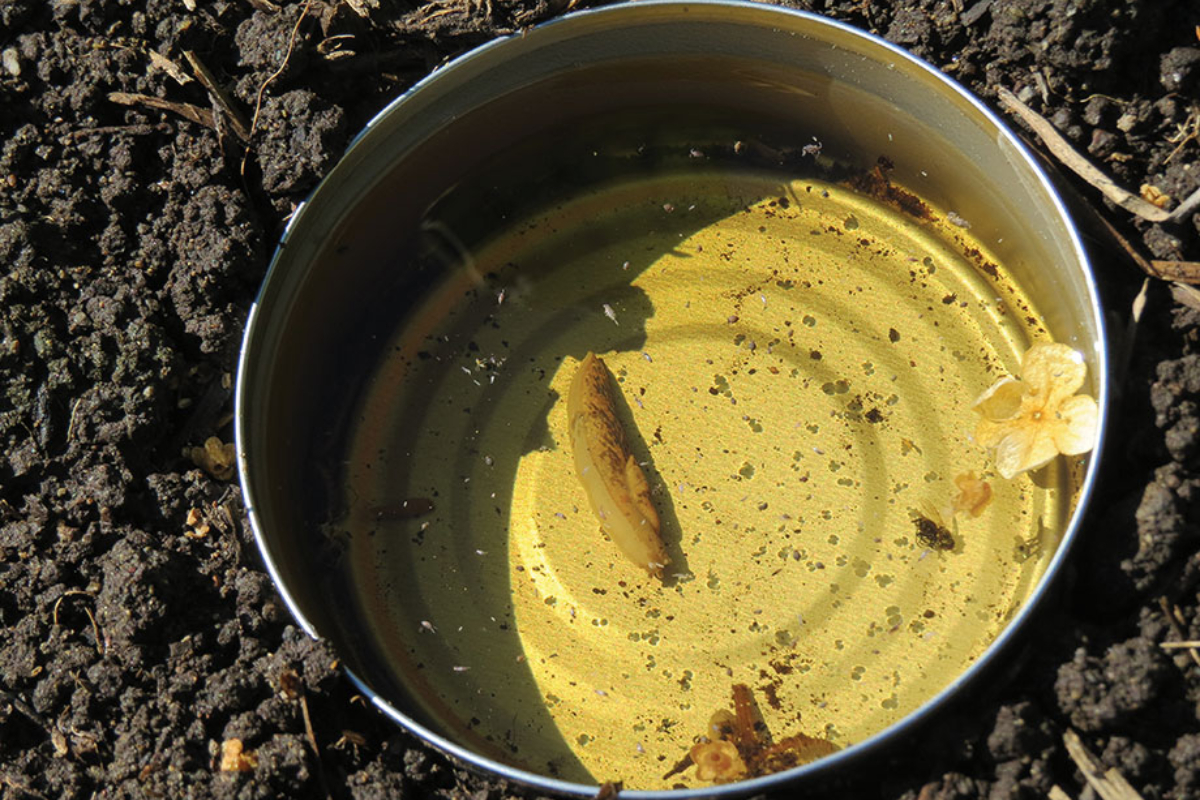
Weeds aren’t the only things that might torment your garden. Hungry slugs can also slither through your greenery, ruining your plants for good. With a little beer, however, you can take care of your slug problem for good.
susansinthegarden
Simply put a dish of beer into your garden, near the area where you most often sea slugs. The slugs will be drawn to the beer and the liquid will kill them, leaving your garden slug-free.
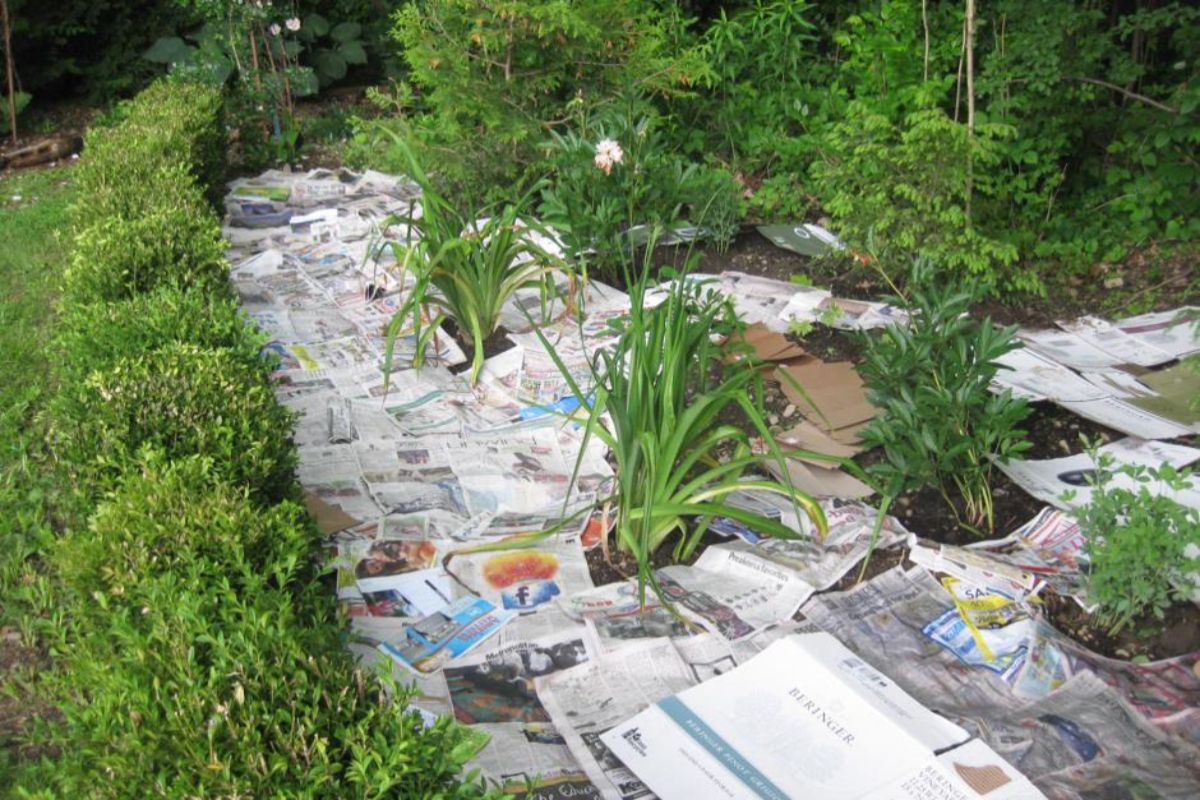
While weed killer can rid your garden of weeds after they pop up, a little newspaper might keep the weeds from ever appearing in the first place.
Kevin Lee Jacobs
As you’re planting your garden, layer the soil with a few pieces of newspaper. Newspaper still allows moisture to reach the roots of your plants, but it also creates a barrier that keeps weeds from rearing their ugly heads. The weeds will be unable to establish themselves in the soil, but your plants will flourish.
People are starting vegetable gardens big and small, including a plethora of backyard plots and windowsill herbs.
Some plant lovers are engaged in community gardens where they work in timed shifts, maintaining proper distance while wearing masks and cleansing tools for the next use.
As people sheltering in place take up hobbies and start projects to fill the time during the coronavirus pandemic, gardening is blooming.
Caring for a garden can be a respite from the horrors of the pandemic, as it serves several natural desires related to accomplishment, community and belonging and staying connected with nature.
It can get partners and the whole family outside, happily bonding while doing an activity together.
It can also help to alleviate food insecurity as some incomes dwindle and concerns about the food supply grow.
“There’s just a greater cohesiveness within the family unit that occurs outside with your hands in the dirt,” said Charlie Hall, professor and Ellison Chair of the department of horticultural sciences at Texas A&M University.
“There’s not as much eye-rolling when teenagers are told to do something, not as much fighting between siblings. There’s fewer harsh words between spouses.”
Fulfilling human needs
Getting your hands in the dirt keeps you connected to nature while we’re staying indoors more these days. The orderliness gardening requires, with its rules and rows, can carry over into the manageability of other life tasks, Hall said. And the calmness of the activity may relieve some pent-up frustrations.
“Your cortisol levels go down dramatically when you’re in the midst of gardening,” Hall said. “And cortisol is the stress hormone in your body, so you’re less stressed.”
There’s a risk-reward ratio inherent in gardening. You have to learn to balance weather that may thwart your efforts. But that experience bears sweet tomatoes or refreshing cucumbers — offering a tangible sense of accomplishment when we’re floundering around, looking for something to focus our minds.
“You’re able to see the fruit of that effort,” Hall said. “That’s a teachable moment in people’s lives.”
And gardening may have a fitting philosophical lesson for us during this time.
“Sometimes pruning occurs,” Hall said. “That’s where the [correction in times of stress comes from]. You prune a plant so that it’s even healthier when it comes out from its pruning.”
As plants need water, fertilizer and sunlight to grow, we’re nurtured by challenge and engagement with things we enjoy, Hall added. And when plants grow so well they outgrow the space in which they’re needed, gardeners must replant them in a different space where they have the room to thrive.
“People move up into bigger areas of responsibility during their careers. There’s all kinds of metaphors that come out of gardening and how it applies to everyday life,” Hall said. “Sometimes you have to be transplanted into areas where you could grow even further.”
Good for your overall health
Gardening can be a coping mechanism during this unsettling stage of life, but it also comes with benefits for your physical and mental health.
One study found gardening, among other leisurely activities, may prevent brain shrinkage in older adults. Our cognitive abilities, including learning and memory, largely depend on the size of our brains.
Gardening has also been connected with mindfulness and alleviation of depressive symptoms. It’s a mild form of activity offering respite from staring at your screen all day. And it can improve hand-eye coordination and finger flexion — the ability to bend your joints — that carries over to everyday life.
How to start a home garden
May is not too late to start a garden. Here’s how to begin a vegetable garden for beginners, according to The Old Farmer’s Almanac, a print and online periodical providing planting charts for gardeners, sky schedules, weather forecasts and recipes since 1792.
Pick the right spot. Choosing a suitable location is important because it affects the quality of the vegetables, the guide says. Most vegetables need at least six hours of sunlight daily, so pick a sunny location.
If you’re not buying soil, you should have the soil in your yard tested for lead. Lead contamination is common in urban areas due to years of industrial development and pollution from manmade toxins, according to Garden Collage Magazine. If your vegetables are contaminated from the soil, that could mean lead poisoning for you or any pets roaming around. You can have your soil assessed by sending several samples to a testing site for a low cost.
Plant the vegetables in damp, not totally saturated, soil. If you have soil that doesn’t drain well, plant vegetables in a pot that’s raised from the ground. You should also garden in a place where your plants can remain stable — exposure to strong winds, floods or constant foot traffic could damage your plants.
Choose a plot size. Beginners should start small, considering what they can handle and what they’ll actually eat, the guide suggests. The size it recommends is 11 rows wide, each 10 feet long. But this guideline is to feed a family of four through an entire summer, so feel free to downsize if it’s just you.
Make sure there’s enough space between each row to be able to easily walk through to weed and harvest your plants. The rows shouldn’t be more than 4 feet wide, as you probably won’t be able to reach over a bigger width to care for the vegetables.
Select your vegetables (or any other produce). There are several vegetables that are common and easy to grow: tomatoes, radishes, chard, zucchini squash, peppers, cabbage, lettuce and carrots. Also consider what you like to eat, and again, how much you’re likely to consume. Here’s a guide to figuring out which vegetables grow best in your state.
You could buy individual starter plants or opt to start from scratch with seeds. But the seeds should be high quality, the guide says, so your money isn’t wasted if the seeds don’t germinate. The almanac recommends buying seeds from a plant nursery; you can order them online, too.
Decide where and when to plant. Planting one or two vegetables doesn’t require much strategic planning. But if you’re growing a whole garden, you’ll have to think about where each vegetable will go and when it needs to be planted.
Some vegetables, such as lettuce and root vegetables, grow in the spring. Others, including tomatoes and peppers, should be planted in the warmer months.
Plant taller vegetables on the north side of your garden so they don’t shade shorter plants. Check to see whether the information along with your plant says it needs a permanent bed.
Lastly, stagger your plantings. Don’t plant all your seeds at one time, or you’ll have a vegetable bounty that needs to be harvested and consumed in a tight time window. If you stagger your plantings, you’ll have a steady supply of food coming in.
Placing plastic forks in your garden will prevent animals from getting in to the garden and keep all your plants safe.
2. Use Coffee Filter To Line Your Pots:
Have you ever watered your potted plants just to watch all of it drain out of the bottom right away? Using coffee filter is the best way to avoid this, just line the pot with the coffee filter before filling it with soil and your plant.
Coffee filters will slow things down and allow the soil to absorb the water for longer periods. It even prevents soil from clogging up the drainage holes of your plant.
3. Place Diapers At The Bottom Of The Plant:
Diapers acts as perfect moisture retainers, just stick them one in the bottom of the planted plant then layer the soil on the top. The diaper helps the planter to retain water which means there is less of a chance that you accidentally such it dry.
Banana peels are rich in calcium, magnesium, sulphur, phosphates, potassium and sodium. When you add banana peels in the compost, it breaks down quickly and all the nutrients will be easily absorbed by the compost faster than other materials.
5. Use Old Spoons To Make Garden Labels:
Instead of throwing old spoons in to the trash, you can easily up cycle them with this fun project. All you need to do is, flatten the head of the spoon using hammer and use craft paint in colors of your choice to decorate them. Write the names of herbs and vegetables that you have in your garden and stick them in the soil. That’s it.
6. Kill Weeds With Vinegar:
White vinegar is used as a natural weed killer in your garden. When it sprayed on the weeds, vinegar will drain the moisture out of their leaves and eventually make them die. It works best on dry and sunny days.
7. Use Paper Towels To Keep The Plants Watered For Days:
If you are going out on a vacation for few days and don’t have a way to keep your indoor plants watered, get out your paper towel.
All you need to do is, take a paper towel and spread it evenly over all the soil. You don’t need to worry about your plants dying.
8. Cinnamon Powder To Prevent Diseases:
Cinnamon powder has some anti fungal properties and additionally smells great. Sprinkle it on your plants to prevent or stop diseases on seedlings.
Use coffee grounds to keep pests like ants, snails and slugs away from your garden.
10. Use Citrus Peel To Start Seeds:
Just poke a hole in the bottom of the peel for drainage and fill it with potting soil, then sow seed and sprinkle some water. When the seedling is ready for transplant, plant it directly in the garden or in a container with the peel.
11. Use Herbs To Deter Mosquitoes:
Make sure to grow your favorite herbs in your garden by grouping herb plants together that prevent mosquitoes and flies away.
12. Use Wine Bottles To Line Your Walkway:
This is the best way to recycle your old wine bottles is to use them to line your garden. Simply, stick the bottles in to the ground neck first so that the base of the bottle sticking up. Make sure they are buried deep enough so that they don’t get knocked over easily.
13. Use Tablecloth To Pull Heavier Items Over Grass:
Use a tablecloth to move heavy items like bags of soil or wood chips in your garden.
For growing watermelon support them by making watermelon slings out of your old t shirts or hoodies.
15. Use An Old Sink As A Cute Planter:
You can easily turn your old sinks of your kitchen or washroom in to cute planter that add decorative element to your garden.
16. Use Honey Propagate Cuttings:
Honey contains enzymes that promote root growth and you can also use it as a rooting hormone for your plants. It also helps plants in setting and they propagate easily and save them from fungal diseases.
17. Epsom Salt When Transplanting:
When planting seedlings or new plants, dig a hole and put 1 tablespoon of Epsom salt in the bottom of the hole and cover with a thin layer of dirt. Now place this plant in the hole and finish planting.
18. Use Cooking Water To Fertilize Plants:
When you boil or steam vegetables on the stove top, don’t pour that water down the drain. Wait until they cool down completely and use that water to your plants to fertilize them.
19. Newspaper To Smoother Weeds:
If weeds are surfacing your garden, cover the garden bed with newspaper to smoother the weeds before adding a layer of mulch.
20. Hydrogen Peroxide For Plants:
Hydrogen peroxide is the best thing to use for your plants. This solution will save your plants from root rot and helps the seeds to sprout.






 Mws R Writings