Diabetes~ Inhaled Insulins, Are They Safe To Use During Coronavirus?

As the entire world is combating an unprecedented outbreak of the viral respiratory disease COVID-19, you may be wondering if it’s safe to continue taking inhalable insulin. Could it compromise your lungs? Or be rendered ineffective if you become sick?

People may be concerned because research shows that respiratory infections are more severe in those with diabetes.

We queried some of the country’s top experts and learned a lot in the process.

The short answer is that there’s no reason not to use inhalable insulin unless you are ill to the point of experiencing “acute respiratory distress” that requires hospitalization.

But there’s a lot more to know on this topic as well — including what weakens your lungs most, information on the newest inhalable insulin product under development, and how inhalable medications might be key to fighting the COVID-19 outbreak.

MannKind’s Afrezza ‘not impacted’  

There is currently only one brand of inhalable insulin on the market, Afrezza, from Southern California-based MannKind Corp. The drug has been shown to be extremely effective, and quite safe in both clinical trials and real-world use since its launch in 2015.

We asked Mike Castagna, CEO of MannKind, about the interplay of colds and flu with using the Afrezza inhaler. “We don’t have any evidence that there’s an issue with absorption, and there’s no evidence that it exacerbates respiratory issues. The powder is not sitting in the lungs, but rather goes through the lungs like oxygen,” he says.

Official word from the company is: “In clinical studies, absorption of Afrezza was not impacted by upper respiratory infection (which typically includes scratchy or sore throat, sneezing, cough and runny nose).”

While Afrezza users often experience a cough at the outset of use, Castagna says they regularly work through colds and flu without issues. Some Afrezza users who experience a lot of mucus, or an extreme cough, may opt to switch to injectable insulin during the worst part of their illness, but “that’s up to you and your doctor. We don’t see absorption issues in Afrezza in upper respiratory infections,” he says.

While the predictions for COVID-19 spread are scary — up to half the U.S. population may get the viral disease — thankfully the huge majority of those cases are expected to clear up after relatively mild symptoms, including runny nose, headache, fever, and diarrhea. Experts confirm that people with diabetes are no more or less likely to contract the illness. But if they do get sick, the consequences can be more severe and exceptional care needs to be taken to keep glucose levels under control.

“I don’t want to minimize the concerns people with diabetes may have. If you have good (glucose) control, most people will be fine. If you don’t have good control, that’s when we worry,” says Castagna.

He reminds us that we all need additional insulin when we’re sick, due to the stress on the body. But generally, he says, “We don’t recommend any changes to people’s insulin management due to coronavirus — unless you are in respiratory distress. Then you should contact your doctor and get into a clinic as soon as possible.”

An expert weighs in

John Patton, one of the nation’s premier experts in inhalable medication science, is a veteran of the team that developed the world’s first inhalable insulin, Exubera, from Pfizer. He is a co-founder and now board member of Aerami, a start-up developing a new formulation of inhaled insulin (details below).

“That’s actually the most common safety question on inhaled insulin — what happens when you get cold or flu?” Patton tells Diabetes Mine. “Pfizer actually ran trials where they gave people rhinovirus to do testing. We did not find that episodic lung diseases or infections were cause for concern.”

Once that first inhalable insulin product was out on the market, “all kinds of people got the flu and there was never a serious adverse event associated with having the flu. Of course, we don’t know how many people reverted to injections when they were sick,” he says.

(Note that Exubera was pulled from the market in 2007, for business reasons having nothing to do with negative health outcomes.)

Patton makes a point of noting that when sick, you need to manage blood glucose carefully, to avoid going into diabetic ketoacidosis (DKA).

Whose lungs are at highest risk?

The people who appear to be at “enormous risk” of developing worst-case-scenario COVID-19 are smokers, whose lungs are filled with high loads of tar, Patton says.

Vaping is also suspected to make COVID-19 cases worse, although there is no solid data on this yet.

A gender gap is also emerging, where more men are being infected and dying of COVID-19 than women. One theory is that this is tied to significantly higher rates of smoking among men than women across the world. But the LA Times reports that other factors may be at play, such as a theory that the hormone estrogen may have “specific protective powers” against this virus.

Access to Afrezza should remain smooth

MannKind is also not expecting any product shortages due to the outbreak, despite the fact that they manufacture the product in Connecticut, which is currently 12th on the list of hardest-hit states.

“We have months of inventory on hand. We’re making another batch as we speak,” Castagna tells DiabetesMine. “We’re taking measures to secure safety, of workers and the product, at our factories.”

A company alert issued on March 25 reminds patients and doctors that “pharmacies can order additional supplies from wholesalers with expected delivery within 1-2 days, as usual.” They also note that patients can receive Afrezza by mail-order, and that many insurance companies are allowing 90-day refills during this time.

A healthy market for Afrezza?

The company has had difficulty gaining traction with Afrezza, because so many doctors and patients still just don’t know it’s an option, Castagna says. They currently have a user base of 6,000 to 7,000 individuals, half with type 1 diabetes and half with type 2. They don’t have specific stats on age groups but do know that 20 percent of their users are on Medicare, so presumed older; and 80 percent are on Medicaid or private insurance, which implies younger users.

Although they started out targeting type 2s, they’re now shifting almost 100 percent of their energy towards the type 1 market, a decision that was made in January 2020. Castagna points out that they now have 20 to 30 people on staff who live with type 1 diabetes themselves.

Basically, they want to prioritize their resources where they can have the most impact, he says. And people with type 1 are most keenly tuned in to achieving better time-in-range, fewer hypoglycemic episodes, and less sleep disruption. Data presented at the February 2020 ATTD international diabetes technology conference showed a 1.6 percent reduction in A1C and significant reduction of hypos using Afrezza versus injected insulins.

Castagna says they’re seeing increased demand for the product every week, “and we don’t anticipate any slowdown, other than the fact that people won’t be seeing their doctors in the coming weeks, so that will slow down prescriptions overall.”

They’re apparently achieving 70 percent approval on prior authorizations “within hours,” he says, as their CoverMyMeds program has been quite effective.

As far as COVID-19 concerns go, Castagna adds:” We’ve had zero calls as of last week from HCPs (healthcare providers) on this issue. But our reps are equipped to answer questions.”

“We don’t want people running around scared, saying, ‘I’ve got to get off my Afrezza.’ We don’t see any indication for that… A large majority of people will get COVID-19 but a large majority will not have symptoms strong enough to warrant a change in their insulin.”

If you use Afrezza and have questions, you can contact their Customer Service at 818-661-5047 or guide@mannkindcorp.com.

New inhalable insulin from Aerami

Aerami Therapeutics

We also connected with North Carolina-based Aerami Therapeutics (formerly Dance Pharmaceuticals), which is working on a next-generation inhalable insulin product.

Theirs is a fine mist aerosol formulation instead of a powder, delivered by their new inhaler device called AFINA. It will have built-in Bluetooth capability to track data and integrate with apps and platforms. The company has completed seven early stage trials to date and is now looking for a partner for their phase 3 study design with the Food and Drug Administration.

They are also working on an inhalable GLP-1 drug, which would be the first needle-free option for that type 2 diabetes drug.

About the new coronavirus, Aerami COO Timm Crowder says: “We’re seeing acute respiratory issues now with this virus which are pretty unique. It’s probably not something people have put a lot of thought into. Is this the new normal…?”

But he says their inhalable drug formulation should be perfectly safe and effective for those with “normal” cold and flu symptoms — perhaps even more so than Afrezza.

“Ours is a soft liquid, that’s shown no cough, and been very gentle on the lungs in trials. Our high peripheral deposition (HPD) insulin droplets go into the deepest part of the lungs. Even with congestion, you’re not typically going to see mucus in that part of the lung,” Crowder explains.

The AFINA inhaler is a small black square device outfitted with a light that blinks to alert the user as to how effective their inhalation technique is. It comes with a small dropper vial full of insulin mist, which has to be used to fill the inhaler before each mealtime (bolus-only) dose.

The big differentiators for this product are its precise delivery, those small droplets that go into the deep lungs, and “breath actuation,” meaning the ability to let users know how well they are absorbing the product, Crowder says.

“With our device, the aerosol droplets are only generated when the inhalation is in target range, shown by the flow sensor on the device — in other words, only when the patient inhales properly. If they’re not inhaling appropriately, the device will glow yellow, showing that no dose is being delivered. They either need to slow down or speed up their inhalation technique.”

“Also, our dosing is extremely targeted. We can control precisely where the droplets go,” he adds.

They’re not yet providing a projected launch date, and are still determining basics like whether a spirometry lung capacity test will be required to get a prescription for this inhaler (as is the case with Afrezza), or whether they will mainly target type 1 or type 2 diabetes. Human clinical trials will determine all that, Crowder says.

Despite the current worldwide respiratory virus crisis, the overall promise of inhalable medications to effectively treat conditions free of needles is huge, Crowder says.

Inhalable treatments for COVID-19?

It’s important to note that on March 17, Afrezza maker MannKind announced that the company will be shifting its pipeline to also work on three potential COVID-19 treatments with development partners. These aim to reduce replication of the virus in the lungs and delay the “inflammation cascade” that leads to acute respiratory distress syndrome. These will be in the form of dry powder inhalers that deliver the medication directly into the lungs.

Expert Patton, who is now also co-founder of iPharma, an “International Inhalation Center of Excellence” that helps develop and test new medical inhalation products, tells us that with the current COVID-19 pandemic, “people with ideas for therapies are coming out of the woodwork.”

Patton points to a paper just published by the University of California, San Francisco and international scientists listing 72 molecules that could have an impact on treating the novel coronavirus. (Among the substances listed is the diabetes drug metformin, we noticed.) Patton lauds this as “remarkable work” but cautions that this may lead to a potentially dangerous explosion of off-label use of these molecules: “People aren’t going to wait for clinical trials.”

Case in point: Just a few days ago, a man died in Arizona after self-medicating with what he thought was an experimental substance that could combat the new coronavirus that causes COVID-19.

Patton also notes that most of the ideas for new COVID-19 therapies are oral or injection prototypes, which could have toxic properties. “Ideally, they should be inhaled,” he says.

“Local lung delivery has always had extraordinarily strong potential. It offers targeted delivery, that can lower overall dose and raise the effect on the cells you want to target.”

A classic example is newer inhaled steroids used for asthma or COPD; he says. Oral or injected steroids can be quite toxic, especially in children. “They’re essentially going through the whole body. But with inhaled medications, you get targeted treatment, that only impacts the affected cells. It’s like with some drugs that can kill cancer, but they will also kill you,” Patton explains.

The benefits of inhaled steroids are enabling a high concentration of the drugs to reach only the impacted areas of the body, reducing adverse side effects and allowing for smaller, more effective dosing.

Patton is not alone in believing that inhalation devices can have a huge impact on improving healthcare.

But of course, with the cautionary note: “If you have irritated lungs or lungs that are sensitive, there’s just a physical irritation that happens with anything — even good things that are not toxic, like mother’s milk.”

The bottom line, according to Patton, is: “If you are really sick and coughing, you may not want to inhale anything.” But if your lungs are otherwise healthy, there’s no inherent danger in it

Call your primary care provider and discuss symptoms before visiting a healthcare facility or click below to find a local provider. If this is an emergency, call 911, and tell the operator you have COVID-19.

https://www.healthline.com/diabetesmine/inhaled-insulin-coronavirus

Decontaminate Your Groceries~

https://www.healthline.com/health-news/worried-about-contaminated-groceries-how-to-be-safe?slot_pos=article_1&utm_source=Sailthru%20Email&utm_medium=Email&utm_campaign=diabetes&utm_content=2020-04-02&apid=10209075

Experts have advice about how to clean your groceries.

Marco Bello/Anadolu Agency via Getty Images

  • The virus that causes COVID-19 can be viable for up to 72 hours on certain surfaces.
  • Taking extra care when handling your groceries can reduce your risk of exposure.
  • Experts say these simple steps can keep you safe.

The new coronavirus, SARS-CoV-2, has many people staying at home except for essential activities like seeking medical care, exercising, walking their dog, or shopping for groceries.

You can reduce your risk of exposure to COVID-19 whenever you leave your house by taking precautions such as practicing social distancing and washing your hands thoroughly and often.

Shopping for groceries, though, carries extra risk.

Not only are you near other people, but many of the products you’re buying have probably been handled by others — and possibly sneezed or coughed on.

This doesn’t mean you should give up on trips to the supermarket. That’s not really a viable option for most of us.

But you can take a little extra care when handling your groceries to avoid spreading the virus to other people and surfaces in your house.

How big of a risk are groceries?

Charlotte Baker, DrPH, MPH, an assistant professor of epidemiology at Virginia-Maryland College of Veterinary Medicine in Blacksburg, Virginia, said your biggest risk at the supermarket is coming into close contact with another person who’s sick.

That’s why it’s important to stay at least 6 feet from other people at all times.

“Do not be afraid to ask others to step back if they are too close to you in line,” said Baker. “Or wait a few moments to grab something if others are already by the item you want.”

It’s not clear, though, how much of a role produce and food packaging plays in transmitting the virus that causes COVID-19.

Still, the World Health OrganizationTrusted Source says that in addition to close person-to-person contact, people can pick up the virus by touching contaminated surfaces and then touching their eyes, nose, or mouth.

Some surfaces may pose a bigger risk than others.

A recent study in the New England Journal of Medicine found that the virus was detectable on plastic and stainless steel for up to 72 hours, and on cardboard for up to 24 hours.

Baker said when you’re at the supermarket, you should “assume all surfaces everywhere have been touched by someone who is sick.”

This includes produce and packaged foods.

“Touch just the items you intend to buy, wipe down the cart or basket handles with disinfectant wipes, and wash your hands or use hand sanitizer when you’re done,” she said.

Baker added that many people are also reducing their potential exposure by using curbside pick-up or at-home delivery. Even local food producers are offering these services.

“Some farmers markets are allowing customers to preorder foods so they are already packaged when you come pick them up,” she said, “reducing the amount of time that you need to be near other people and reducing the amount of items that you can touch.”

Cleaning your groceries at home

Whichever way you get your groceries, you’ll want to handle them carefully when you get them home. This will reduce the chance of spreading the virus to other people or surfaces in your house.

Elizabeth L. Andress, PhD, a professor of foods and nutrition at the University of Georgia, said at the very least you should wash your hands after unpacking and putting away your groceries.

If you’re concerned about potential contamination on your groceries, you can take additional steps to protect yourself.

“Some people may choose to wipe or wash cans and boxes of food before storing them to reduce possible virus content,” said Andress. You can also throw out disposable packaging.

When you’re done, she suggests that you wash any tables, countertops, or other surfaces that were touched by your groceries or grocery bags.

And wash your hands again.

The Centers for Disease Control and Prevention (CDC) offers advice for cleaning and disinfecting your homeTrusted Source during the pandemic, including which cleaners work best against SARS-CoV-2.

If you’re using cloth bags, wash them with laundry soap in a washing machine and dry them thoroughly before reusing them.

Cleaning food like a surgeon

If you or someone in your household is at higher risk for severe illnessTrusted Source from COVID-19, you might want to adopt the modified “sterile technique” recommended by Dr. Jeffrey VanWingen, a family physician practicing in Grand Rapids, Michigan, in this YouTube video.

VanWingen said that one option is to leave your groceries in your garage or porch for at least 72 hours to allow the virus to become inactive.

This isn’t possible for many people. For them, he suggests the “sterile technique.” You can also do this after letting your groceries sit outside for 72 hours.

A key part of VanWingen’s method is setting up a cleaning station to avoid contaminating your food or other surfaces in your house.

After that, it involves wiping down all packaging with a disinfectant before putting your groceries away. You can also discard packaging and transfer the food to a clean bag or container.

For fruits and vegetables, VanWingen suggests scrubbing them for at least 20 seconds with soap and water.

Andress cautions that the Food and Drug AdministrationTrusted Source doesn’t recommend using soap when cleaning produce because of the risk of ingestion.

So if you choose to use soap and water on your fruits and vegetables, rinse them completely with clean water before storing.

Taking these precautions with your groceries can help you lower your chance of being exposed to the virus.

If you do get sick, you’ll need to take extra care in order to protect your familyTrusted Source.

“If someone in your household is confirmed positive with COVID-19, showing symptoms of the disease, or awaiting the results of a test, they should take extra cleaning and disinfection steps around the home,” said Andress.

Mushrooms and Diabetes~ Hmm

Are Mushrooms Good for People with Diabetes?

Given that diabetes is characterized by high blood sugar levels, following a healthy diet that helps manage blood sugar is essential to treatment (1Trusted Source).

However, that can be easier said than done, and people with diabetes may find it difficult to decide which foods to eat and avoid.

Mushrooms are low in carbs and sugar and considered to have anti-diabetic properties.

This article explains why mushrooms are an excellent choice if you have diabetes.

A pack of mushrooms

Nutrition

There are many types of mushrooms, including the traditional button or white mushroom, shiitake, portobello, and oyster mushrooms to name a few.

Despite their varying appearance and taste, they all have similar nutritional profiles, which are characterized by low sugar and fat contents.

One cup (70 grams) of raw mushrooms provides the following (2Trusted Source):

  • Calories: 15
  • Carbs: 2 grams
  • Sugar: 1 gram
  • Protein: 2 grams
  • Fat: 0 grams
  • Vitamin B2or riboflavin: 22% of the Daily Value (DV)
  • Vitamin B3, or niacin: 16% of the DV
  • Selenium: 12% of the DV
  • Phosphorus: 5% of the DV

Mushrooms are rich in selenium and certain B vitamins. B vitamins are a group of eight water-soluble vitamins that’s strongly linked to improved brain function. Meanwhile, selenium is a potent antioxidant that plays a key role in thyroid function (3Trusted Source4Trusted Source).

SUMMARY

Mushrooms are a low calorie, low carb food that can be enjoyed on a diabetes-friendly diet. They also provide high amounts of selenium and certain B vitamins.

Glycemic index and glycemic load of mushrooms

The glycemic index (GI) and glycemic load (GL) are two classification systems that help evaluate how carb-containing foods affect blood sugar.

They are both popular strategies and widely used in the treatment of chronic diseases like diabetes (5Trusted Source6Trusted Source7Trusted Source).

The GI method ranks foods on a scale of 0–100 and tells you how they may affect your blood sugar levels by assigning them into three categories (8Trusted Source):

  • low GI: 1–55
  • medium GI: 56–69
  • high GI: 70–100

Foods with a low GI will likely raise your blood sugar levels at a slower pace. In contrast, those with a high GI will cause them to spike.

Alternatively, foods can be categorized by their GL, which takes into account a food’s GI, as well as its carb content and serving size. It’s determined by multiplying the GI by the carb content of a specific serving size and dividing the result by 100 (9Trusted Source).

The GL system also classifies food into three categories (10Trusted Source):

  • low GL: 10 and under
  • medium GL: 11–19
  • high GL: 20 and above

Similarly, to GI, a low GL tells you that a portion of food only slightly affects your blood sugar levels, whereas a high GL indicates a more significant effect.

Although mushrooms are technically fungi, they are considered white vegetables — like onions and garlic — with a low GI of 10–15 and a GL of less than 1 per cup (70 grams), meaning that they won’t spike your blood sugar levels (11).

SUMMARY

Mushrooms are considered a low GI and low GL food, meaning that they won’t spike your blood sugar levels.

Potential benefits for people with diabetes

Mushrooms may benefit certain types of diabetes.

Research shows that consuming a diet rich in vegetables like mushrooms and other vitamin-rich foods may help protect against gestational diabetes, which affects approximately 14% of pregnancies worldwide and affects both the mother and child (12Trusted Source13Trusted Source14Trusted Source15Trusted Source).

Thanks to their high vitamin B content, mushrooms may also protect against decreased mental function and dementia in older adults with vitamin B deficiencies, as well as those with diabetes who take the drug metformin to control their blood sugar levels (16Trusted Source, 17Trusted Source).

In addition to B vitamins, the main bioactive compounds in mushrooms —polysaccharides — may have anti-diabetic properties.

Research in animals with type 2 diabetes shows that polysaccharides may lower blood sugar levels, improve insulin resistance, and reduce pancreatic tissue damage (18Trusted Source, 19Trusted Source, 20Trusted Source, 21Trusted Source).

Plus, the soluble fiber beta glucan — one of the types of polysaccharides found in mushrooms — slows digestion and delays the absorption of sugars, thus controlling your blood sugar levels after a meal (22Trusted Source, 23Trusted Source, 24Trusted Source).

Polysaccharides may also lower blood cholesterol levels, which in turn may reduce the risk of heart disease and stroke associated with unmanaged diabetes (25Trusted Source, 26Trusted Source, 27Trusted Source).

That said, more research is needed to better understand how the B vitamins and polysaccharides in mushrooms may benefit people with diabetes.

SUMMARY

The B vitamins and polysaccharides in mushrooms may aid the management and prevention of diabetes and its complications. However, more human research is needed to confirm this.

Adding mushrooms to your diet

Given the wide variety of mushrooms, there are plenty of ways to add them to your diet, including eating them raw, grilled, roasted, sautéed, or in a sauce or soup.

If you’re looking for new and tasty ways to add them to your meals, try this low carb mushroom and cauliflower rice skillet.

For this recipe you need the following:

  • 1.5 cups (105 grams) of mushrooms, sliced
  • 1.5 cups (200 grams) of cauliflower rice
  • 1 cup (30 grams) of spinach
  • 1/4 cup (40 grams) of onion, chopped
  • 1 tbsp of olive oil
  • 1 celery stick, sliced
  • 1 small garlic clove, minced
  • 3 tbsp (45 ml) of vegetable broth
  • Salt, pepper, and soy sauce to taste

Place a large skillet over medium heat and add the olive oil. Add the onions and celery and cook for 5 minutes. Then add the garlic and cook for a few seconds.

Next, add the mushrooms and sauté until cooked. Then add the cauliflower rice and the rest of the ingredients — minus the spinach — and cook until soft. Lastly, add the spinach and season with salt and pepper before serving.

This recipe serves two and makes a great addition to your lunch or dinner.

SUMMARY

Mushrooms are a versatile and tasty ingredient and adding them to your meals allows you to take advantage of their benefits.

The bottom line

Mushrooms are safe to eat if you have diabetes, as their low GI and GL content won’t spike your blood sugar levels.

Also, their vitamin B and polysaccharide content may offer additional health benefits that are of relevance for people with diabetes, including improved blood sugar and cholesterol control.

Aside from their anti-diabetic properties, mushrooms can add flavor to your dishes without any extra carbs and calories

Odisha Day~ Did You Know?

Odisha Day in Odisha in 2020

When is Odisha Day?

Odisha Day is celebrated as a regional public holiday on April 1st in the eastern Indian state of Odisha.

Also known as Utkal Divas or Utkala Dibasa, this day commemorates the formation of the state as a separate province in 1936.

History of Odisha Day

The region equivalent to the area of modern Odisha formed the ancient kingdom of Kalinga, which was conquered by the famous King Ashoka in 250BC.

In 1576, the coastal part of Orissa formed part of the Mughal Empire, and the region came under British control in 1803.

After a push in the early part of the 20th century to unify the Odia-speaking regions, the Bihar and Orissa Province was formed in 1912.

On April 1st, 1936, Bihar and Orissa were split into separate provinces of British India. Sir John Austen Hubback became the first governor of Orissa.

In 2011, the name of the state was changed from Orissa to Odisha.

Although Bihar became a separate province on the same day, it instead celebrates the formation of the state on March 22nd, 1912 as its state holiday.

Odisha Day is celebrated throughout the state, with competitions organised by local politicians, such as firework competitions.

April Holidays

2020 April Holidays

Below is a list of monthly holidays in April. These include federal holidays, International holidays, as well as various religious holidays. It is always important to know when holidays fall so that you can plan. Feel free to check other sections of the website for other holidays.

Apr 5Palm SundaySunday
April 6National Tartan DayMonday
Apr 10Good FridayFriday
Apr 11Holy SaturdaySaturday
Apr 12EasterSunday
April 13Thomas Jefferson’s BirthdayMonday
April 15Tax DayWednesday
April 16Emancipation day
(Washington DC only)
Thursday
April 21National Library Workers’ DayTuesday
April 22Administrative Professionals DayWednesday
Apr 24Ramadan StartsFriday
April 23Take our Daughters and Sons to Work DayThursday

April Fool’s Day~

April Fools’ tradition popularized

On April 1, 1700, English pranksters begin popularizing the annual tradition of April Fools’ Day by playing practical jokes on each other.

Although the day, also called All Fools’ Day, has been celebrated for several centuries by diverse cultures, its exact origins remain a mystery.

Some historians speculate that April Fools’ Day dates to 1582, when France switched from the Julian calendar to the Gregorian calendar, as called for by the Council of Trent in 1563. People who were slow to get the news or failed to recognize that the start of the new year had moved to January 1 and continued to celebrate it during the last week of March through April 1 became the butt of jokes and hoaxes.

These pranks included having paper fish placed on their backs and being referred to as poisson d’avril (April fish), said to symbolize a young, “easily hooked” fish and a gullible person.

April Fools’ Day spread throughout Britain during the 18th century. In Scotland, the tradition became a two-day event, starting with “hunting the gowk,” in which people were sent on phony errands (gowk is a word for cuckoo bird, a symbol for fool) and followed by Tailie Day, which involved pranks played on people’s derrieres, such as pinning fake tails or “kick me” signs on them.

URL

https://www.history.com/this-day-in-history/april-fools-tradition-popularized

Compost It!

Composting 101

Maybe you first heard about composting from a local farmer. Maybe your neighbor is a gardener. Or maybe a nearby restaurant boasts that it composts food scraps in a green space outback. Whether you’ve known about composting since childhood or just started looking into it for yourself, there’s always more to learn. If you’re willing to put in a bit of thought and effort, there’s good to be done by simply changing the way you get rid of your trash. Find out more ways to go green in the kitchen.2 / 12

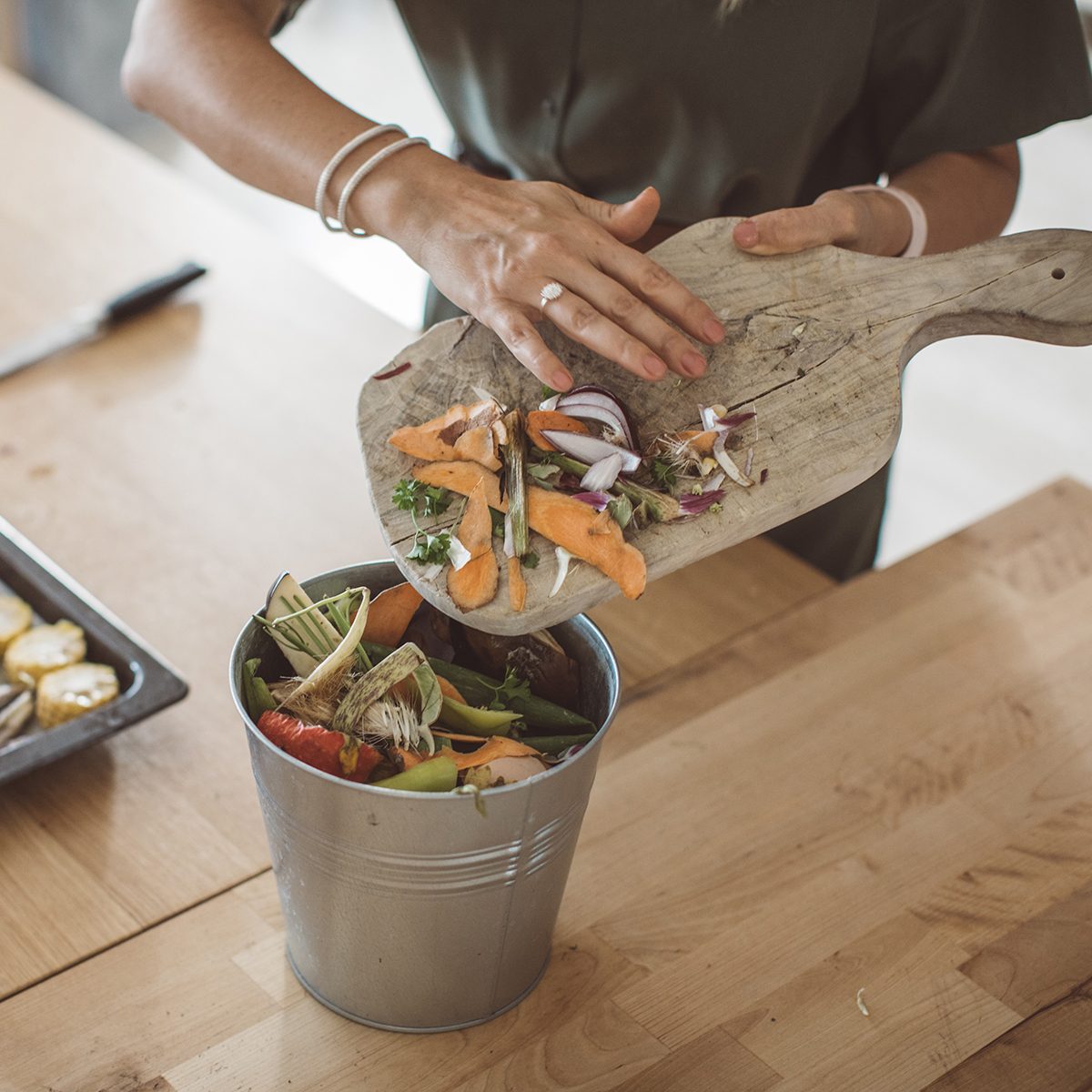
After preparing vegetable meal for cooking, mature men making compost from leftovers.

SVETIKD/GETTY IMAGES

What is composting?

Natural decomposition is the basis of composting. Composting vegetation already fills our parks, forests and other un-manicured outdoor spaces. “Compost is organic material that can be added to soil to help plants grow,” according to the Environmental Protection Agency (EPA). When you choose to use a compost pile or compost bin at home to cut back on trash services or use nature’s own recycling method, you’re composting. So, really, composting is simple: It means you’re separating your organic waste (food scrap, yard clippings, and other once-living things) into a special spot for composting instead of adding it to the recycling bin or trash can. Look at 8 easy composting tips.

3 / 12

Senior man is teaching his grandchildren how to do gardening in his greenhouse.

SOLSTOCK/GETTY IMAGES

Why is composting earth-friendly?

Composting your organic waste helps the environment in two big ways. First, compost enriches soil so that it can give precious nutrients to plants that are still growing. If you have a garden or even potted plants or flowers, you can eventually use your composted soil to help plants grow more quickly and vibrantly. Secondly, composting keeps food scraps out of the landfill. Though landfills and compost piles look similar at face value, food decomposes more quickly—and in a more earth-friendly way—when composted. “Waste sent to landfill breaks down anaerobically—that is, without any oxygen present. It is squashed down then capped with soil and clay… As the rubbish breaks down over time, it emits methane, a greenhouse gas that is 21 times more powerful than CO2,” an article by the Guardian explains. Food scraps also decompose slower in a landfill. Learn the truth about common “going green” myths.  TOP ARTICLES2/5Sour Patch Kids Jelly Beans Are Here to Make Your Easter Basket SO Much Better4 / 12

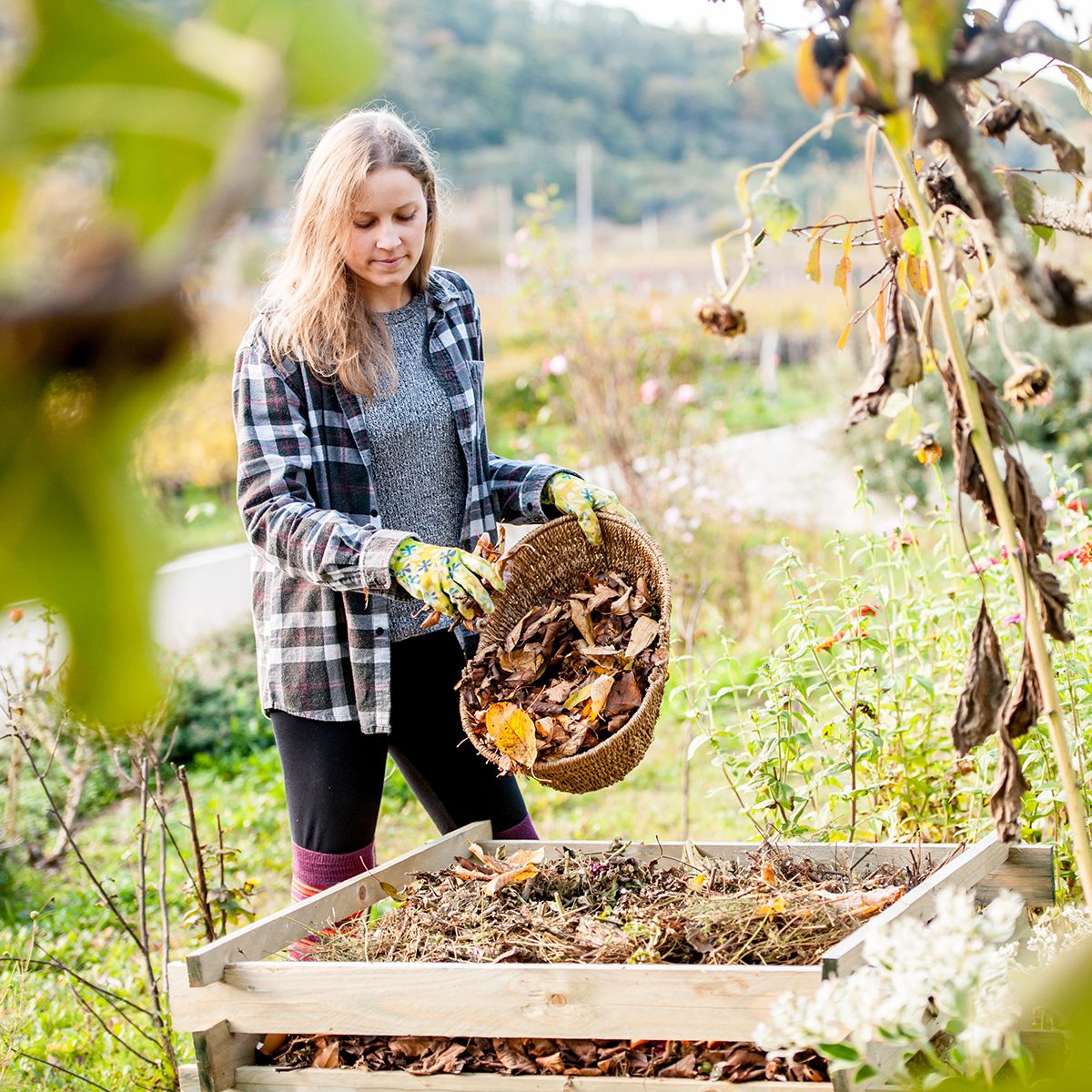
Smiling Young Woman Putting Leaves on Compost.

CASARSAGURU/GETTY IMAGES

Why does it help the environment?

If everyone in the United States started composting, it would reduce 30 percent of the trash sent to landfills and incinerators, suggests a report published by U.S. Public Interest Research Groups (U.S. PIRG). Composting keeps food waste out of landfills, which are notorious for releasing a combination of methane and carbon dioxide (CO2), aka greenhouse gases, reports the EPA. These greenhouse gases, in turn, trap radiation from the sun, keeping our planet warm. As humans burn more fossil fuels and keep piling trash onto landfills, the swell of greenhouse gases contributes to global warming. So when you compost, you’re actively helping to prevent global warming! These are some ways green living can make you healthier.5 / 12

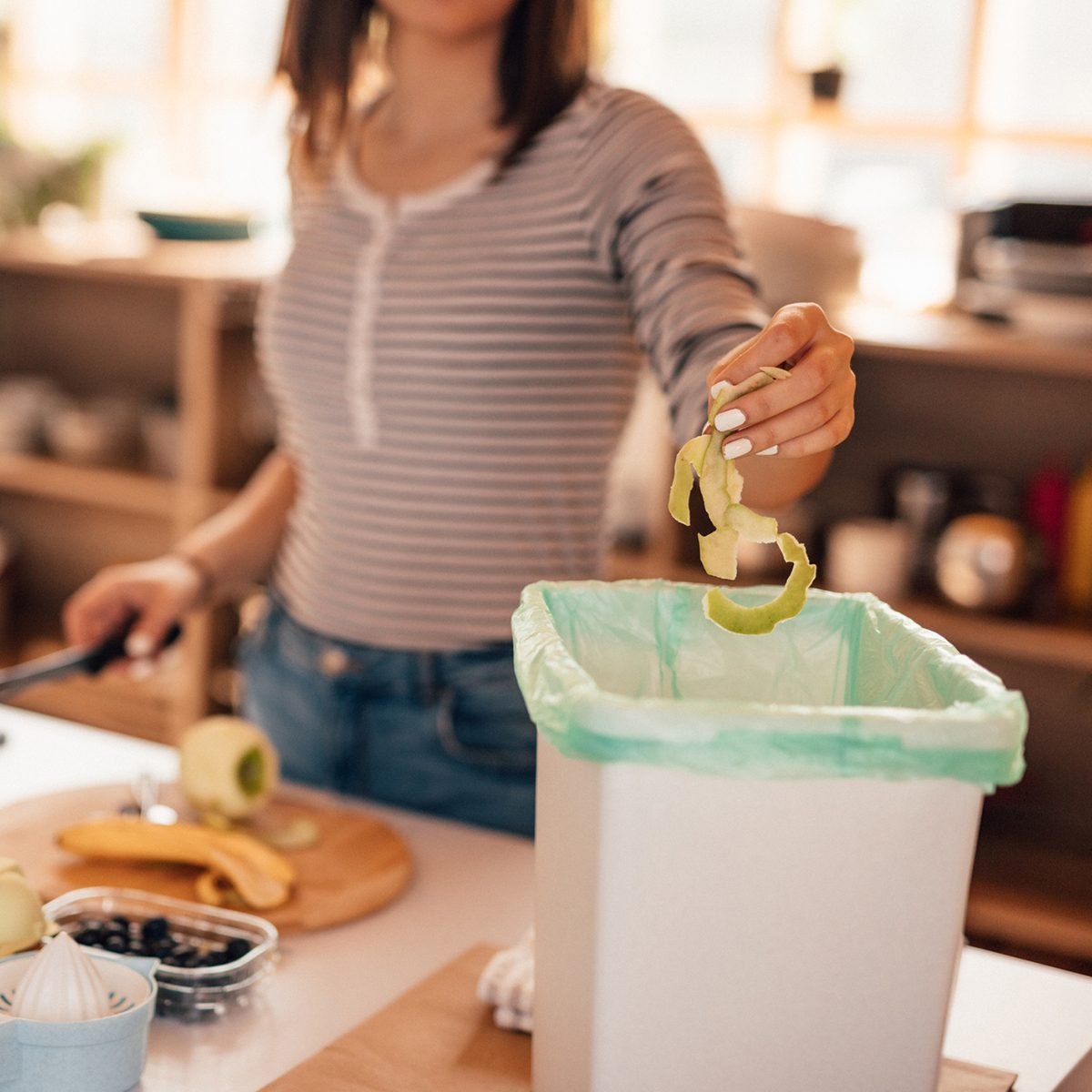
Millennial woman putting organic waste in compost bin

ANCHIY/GETTY IMAGES

How many people compost?

Americans landfilled or incinerated over 50 million tons of compostable waste in 2015, according to U.S. PIRG. But there’s good news, too. Six states—California, Connecticut, Massachusetts, Oregon, Vermont and Washington—have various mandates or legislation for collecting or composting food scraps instead of sending them to the landfill, the U.S. Composting Council reports. The United States lags behind many other countries in terms of waste disposal and recycling. Maybe your state doesn’t have any regulations surrounding organic waste disposal, but it’s always best to start with the one person you can control: yourself. Read about the things you can and can’t recycle.

6 / 12

Women preparing vegetable meal for cooking, everything is so green, healthy and freshly harvested from garden. Making compost from leftovers.

SVETIKD/GETTY IMAGES

How can you compost at home?

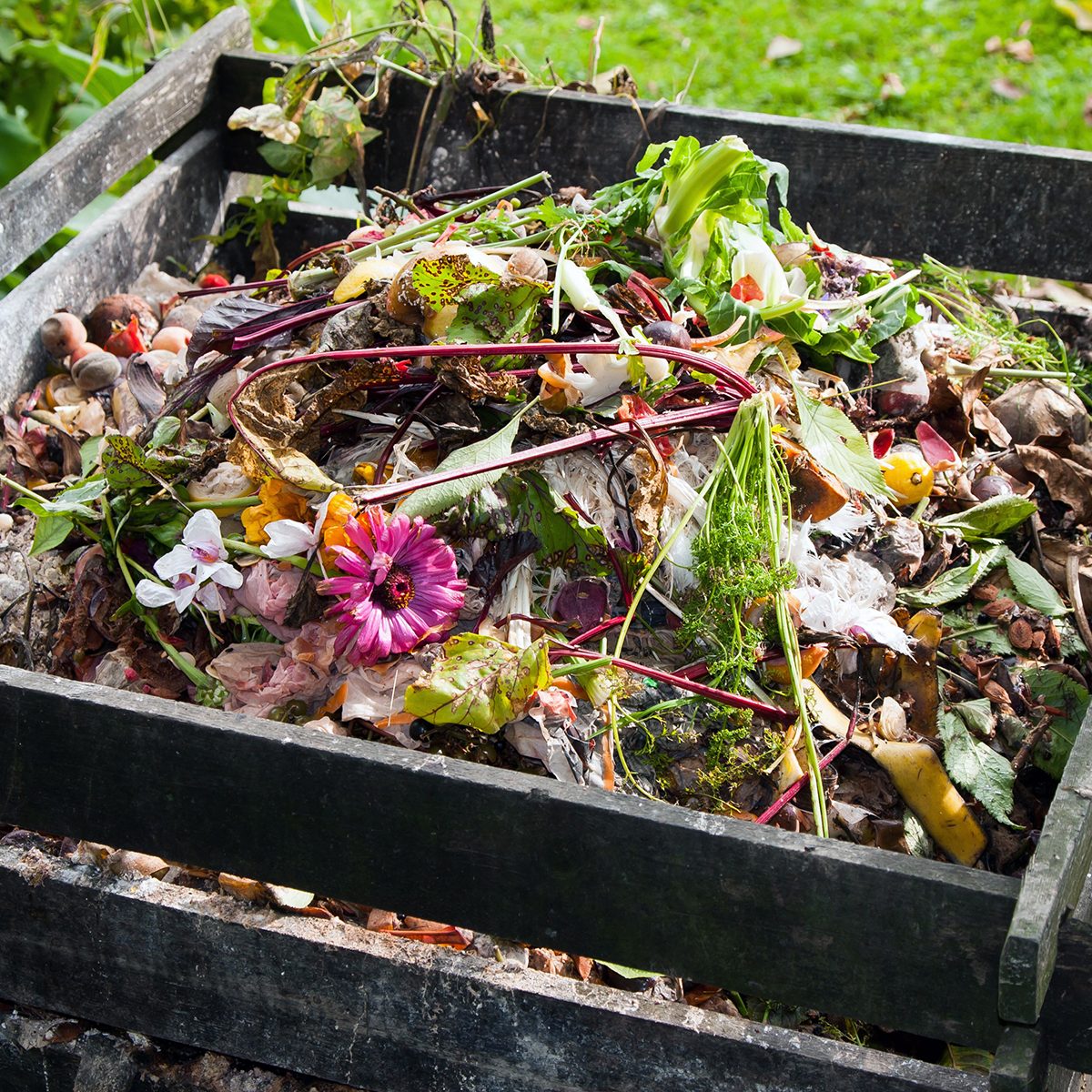
You can start by making or buying a compost bin to keep your decomposing waste contained, ideally in a shady corner of your yard. It’s important to constantly add water and mix up the waste with a shovel, pitchfork or another yard tool. Some people cover outdoor compost bins with a tarp to hold in moisture and promote decomposition.

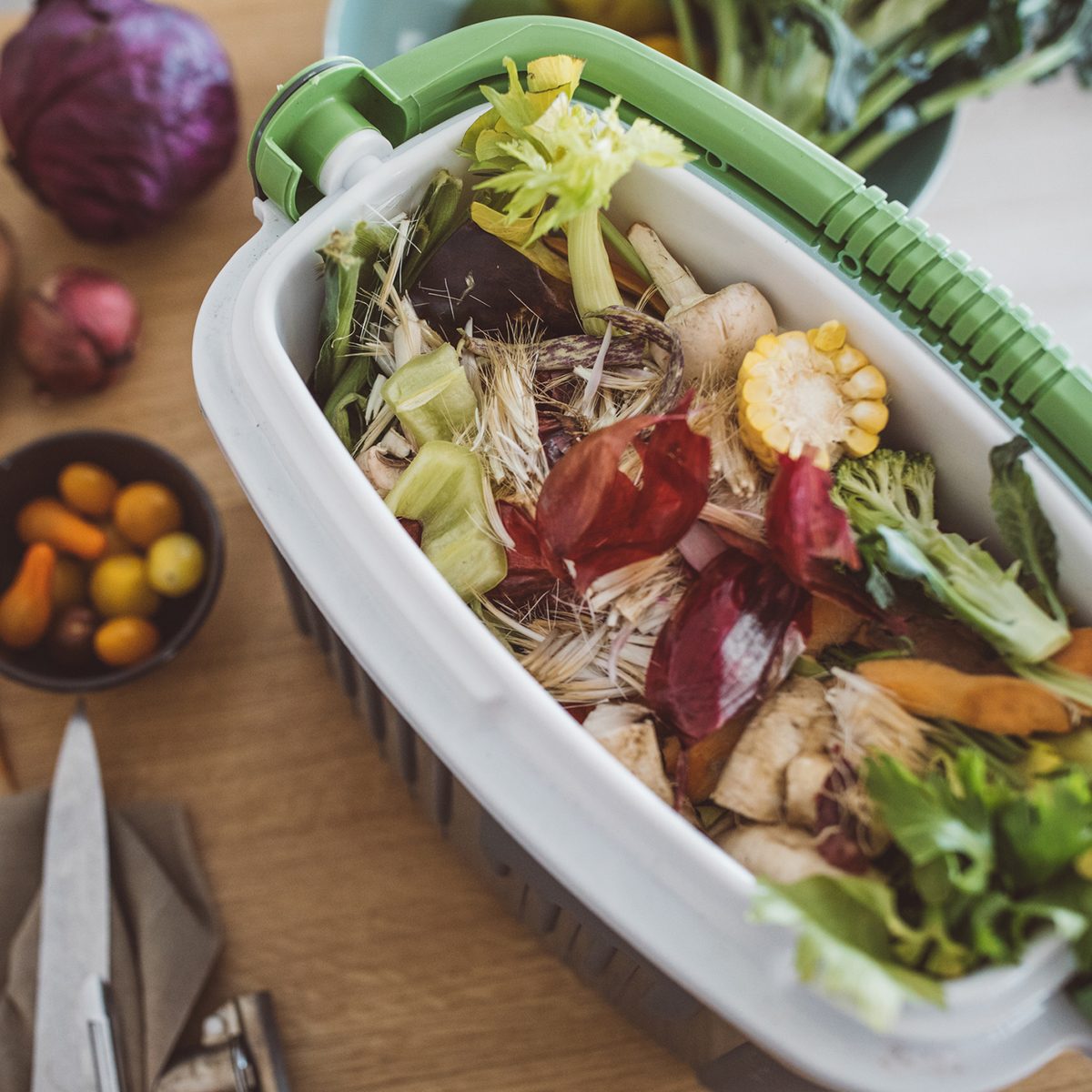
So what about indoor composting? The process is the same but on a smaller scale. Keep a small, kitchen-friendly compost bin on your countertop or next to your trash can. If you want to try indoor composting, it is important to maintain the correct ratio of waste types so that you don’t attract bugs. The good news is that even if you don’t have the capacity to compost in your own home, you may be able to bring food scraps to your local farmer’s market for collection. New York City, for example, has drop-off sites around the city. If you’re worried about scraps beginning to rot before you can take them to the farmer’s market, freeze your waste. This stops the decomposition process in its tracks. Get more info on how to start composting here.7 / 12

inside of a composting containerCURTOICURTO/GETTY IMAGES

What can you compost?

It’s tempting to compost anything that seems like it could decompose naturally, but you might end up with a compost pile infested with insects or rodents. So carefully consider what you compost. Remember, it’s always easier to add more to the compost pile than remove stinky waste. Per the EPA, the following items are OK to compost:

  • Grass clippings and tree leaves
  • Vegetable and fruit scraps
  • Eggshells
  • Plain rice or plain pasta (no oil or butter)
  • Coffee grounds
  • Teabags and tea leaves
  • Black and white newspaper or plain white printer paper
  • Unprinted cardboard
  • Vegetarian animal feces (e.g. cows, horses, rabbits, hamsters, etc.)
  • Sawdust or wood shavings
  • Hair clippings
  • Cut flowers
  • Dryer lint
  • Ashes (make sure they’re completely cool before adding to your pile.)

Find out the food scraps you didn’t know you could eat.8 / 12

Senior grandfather preparing meat on barbecue grill for lunch with his grandkid in the back yard.SKYNESHER/GETTY IMAGES

What can’t be composted?

Any waste that seems unhealthy or dangerous in your house is also dangerous in your compost pile. For instance, if you have a houseplant that dies of insect infestation or plant disease, don’t compost the leaves. You should also skip composting these items:

  • Anything dairy
  • Food scraps that include dairy, oil or meat (these foods attract rodents and bugs)
  • Whole eggs
  • Charcoal or coal ashes
  • Meat
  • Dog or cat waste

9 / 12

Compost bin in the garden

PIOTR_MALCZYK/GETTY IMAGES

How to keep a balanced compost pile

Healthy compost piles have a 50/50 mix of browns and greens—brittle dead things and organic scraps, according to the EPA. Brown waste supplies carbon and it comes from twigs, dried leaves or even broken branches. Green waste, including food scraps, grass clippings and coffee grounds, supplies nitrogen. Your compost pile requires one other key ingredient: water. Keep your compost pile moist, but not saturated with water. Stir it up often to mix the green and brown scraps. Find out how to cut back on food waste.10 / 12

Women preparing vegetable meal for cooking, everything is so green, healthy and freshly harvested from garden. Making compost from leftovers.SVETIKD/GETTY IMAGES

What tools make composting easier?

Composting is easy and cheap; you only need a bit of shade, water, and the right mix of organic waste. But composting can seem a little messy, which is where these tools come in.

  • Some outdoor composters prefer using an aerator instead of a shovel to turn the soil.
  • pretty compost bin keeps the process neater and you won’t mind having it sit out on your kitchen counter.
  • compost microbe additive starter can jumpstart the process.
  • Live composting worms eat their own body weight in organic waste each day, aerating the compost and adding fertilizer to the soil, which can help speed up decomposition.

Find out how to get the most out of your gardening tools.11 / 12

wooden compost bin kings heath park birmingham west midlands uk

GYNANE/GETTY IMAGES

How to avoid bugs in your compost

Though composting is easy once you get the hang of it, there are several common issues many beginning composters struggle with for a while. Some composters overwater their piles, creating a slimy sludge, while others don’t water enough, growing a dusty pile of dirt. But one of the most common annoyances about composting is the insects. The UC Master Gardeners of Monterey Bay have a few tips for dealing with pests: “Raise the heap’s temperature to above 120°F…Turn the pile over and rebuild it, watering it well as you go. If it contains lots of leaves or straw, mix in a nitrogen source like blood meal, manure or shellfish shells. It should start heating soon, and when it does, those bugs will depart for a more comfortable place.” By the way, here’s how to revive a nearly dead plant.

12 / 12

Florist Man Seedling Plants in His Flower Shop

What to do with finished compost

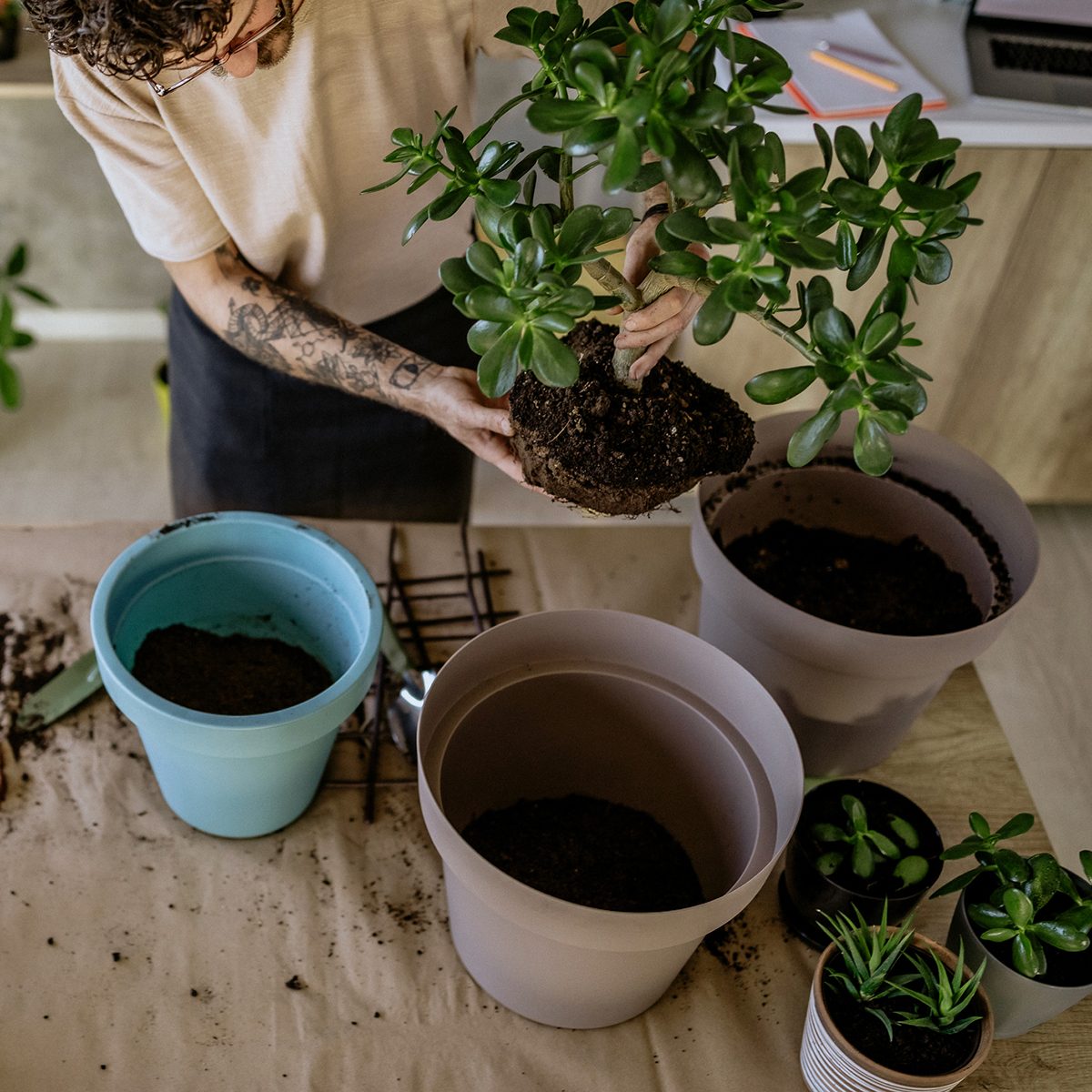
So you’ve successfully turned your first batch of food scraps until they’ve turned into a beautiful dark brown soil—congrats! Now, what should you do with the fruits of your labor? The Minnesota Pollution Control Agency recommends spreading compost over the low spots in your yard. This is a cheap, effective way to level your lawn. You could also use the compost for re-potting plants or mulching around bushes or outdoor gardens. Read on for the backyard trends you should try this season.

How To Clean According To The CDC

Do You Have to Clean and Disinfect?

Yes, the CDC says you should be doing both! Here’s why.

The act of cleaning refers to the removal of germs and dirt. It does not kill germs, but removes them from the surface, therefore lowering the risk of spreading infection.

On the other hand, disinfecting is actually killing the germs—usually with chemicals. It should be done after cleaning and can further lower the risk of spreading illness.

In other words, when you wipe away messes on your counter with soap and water, you’re cleaning. You’re disinfecting a surface only when you use a product specifically made for disinfection. (Don’t miss the things you should be disinfecting regularly to avoid spreading germs.)

How to Clean and Disinfect Surfaces

Here’s the best way to clean and disinfect common surfaces around your home:

  • Wear disposable gloves—and discard the gloves after cleaning. If your prefer reusable gloves, use them only for cleaning and not for any other purpose. Then, wash your hands after removing the gloves.
  • Clean surfaces with soap and water prior to disinfection.
  • Disinfect surfaces with diluted bleach or an EPA-registered household disinfection product, like Clorox or Lysol cleaners. (See below for more details about EPA-recommended cleaners.) To make your own bleach solution, mix 1/3 cup of bleach per 1 gallon of water, or 4 teaspoons of bleach per quart of water.

This is why Clorox is so good at killing germs.

How to Clean and Disinfect Clothing and Towels

When it comes to disinfecting your home, don’t forget about your clothes and towels! Here’s how to clean and disinfect your laundry:

  • If someone in your home is sick or has recently recovered from illness, use disposable gloves to handle dirty laundry. Discard the gloves after use and wash your hands. Keep in mind, if you aren’t using gloves, you should still wash your hands after touching the dirty laundry.
  • Do not shake dirty laundry, because that can further spread the virus.
  • Wash your clothes and towels per the manufacturer’s instructions but use the hottest setting on your washing machine.
  • Clean and disinfect your clothes hamper. Consider using a washable liner for the hamper and wash it on the highest possible setting, as well.

EPA-Recommended Cleaning Products

To ensure your home is disinfected, and not just clean, it’s best to use products recommended by the Environmental Protection Agency. EPA-recommended cleaning products have been tested and shown to be effective against harder-to-kill viruses. This is not the time to rely on natural cleaners—bring on the chemicals.

No matter which cleaner you purchase, be sure to follow the directions on the bottle for the proper concentration, application and contact time to ensure disinfection. You can find the full list of EPA-approved products here. (And while you’re shopping, here are the cleaning products that professional house cleaners recommend.)