I’ve heard there are troubles of more than one kind; some come from ahead, and some come from behind. But I’ve brought a big bat. I’m all ready, you see; now my troubles are going to have troubles with me!

How To Keep Your Immune System Up
Your immune system defends you against the viruses that cause colds and flu. These eight steps can help support your immune system so it’s ready to fight those viruses.
- Eat plenty of fruits, vegetables, and whole grains.
- Get at least 30 minutes of exercise on most days of the week.
- Get enough sleep.
- Wash your hands.
- Keep up with your vaccinations. Almost everyone who’s at least 6 months old should get a flu vaccine every year.
- Keep your weight healthy.
- Don’t drink too much alcohol.
- Don’t smoke.
Get the Nutrients You Need

Food is your best source. Fill half your plate with vegetables and fruit, and split the other half between lean protein and grains, as the government’s “MyPlate” guidelines recommend.
Not sure if you’re getting enough vitamins and minerals? Ask your doctor or a nutritionist about that.
Don’t overdo supplements. Taking too much can be bad for you. Your doctor can let you know what you need.
Manage Your Stress
Everyone gets stressed. Short bursts of stress may help your immune system. But lasting stress is a problem. It can hamper your immune system.
You can take action to tame stress. Make these steps part of your stress management plan:
- Get enough sleep.
- Learn and use relaxation techniques.
- Exercise.
- Take time for yourself.
- Build your support network of people you can talk to.
- Consider counseling, especially when you’re going through a very stressful time.
WebMD Medical Reference
Reviewed by Neha Pathak, MD on0/, 018
© 2018 WebMD, LLC. All rights reserved

Easy To Take Care Of Plants For Your Home
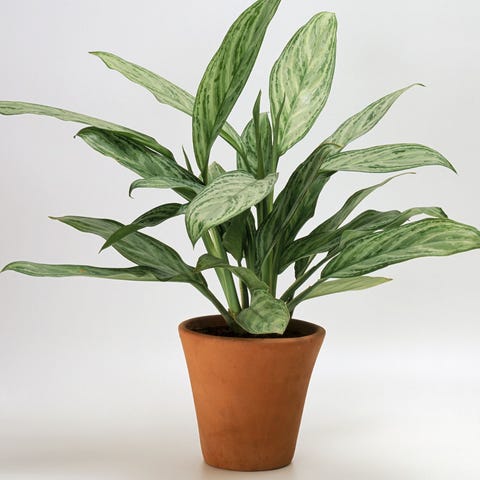
“Buy something that likes to live the way you do,” advises Gwenn Fried, manager of the Horticulture Therapy program at NYU Langone. “If you’re more of a waterer, an excellent plant is a Chinese evergreen.” It’s super forgiving if you overdo it on H2O, and it comes in tons of different varieties.
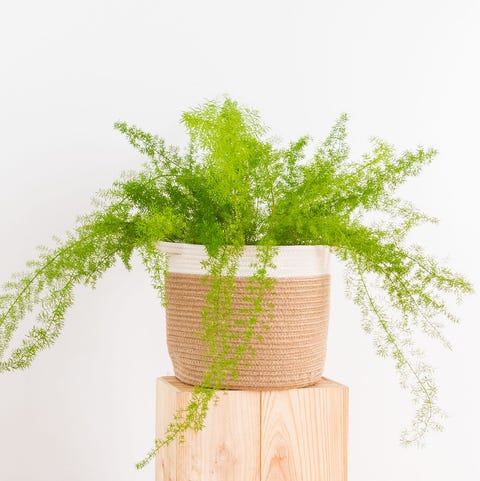
This fluffy plant tolerates a lot more abuse than other ferns — thanks to the fact that it’s technically not a fern. Asparagus setaceus adapts to both bright spots and darker corners. Keep the soil moist and it’ll thrive.
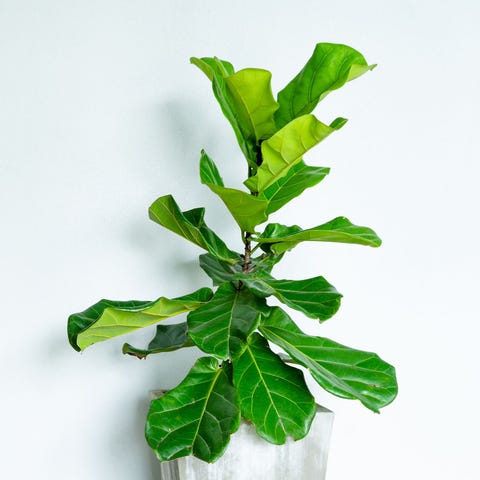
These trendy trees have more than just lush foliage going for them. Their hardy disposition can adapt to most bright locations (minus direct sunlight). Water generously in the summer and slow it down when winter comes.

More commonly known as a money tree, Pachira Aquatica frequently features a braided trunk. You’ll want to stick it in a spot with bright, indirect light and water frequently — its native habitat is a swamp.
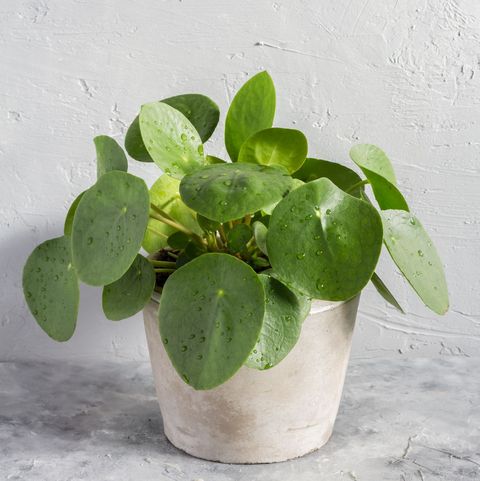
Here’s another plant with fortuitous associations, although it also goes by the adorable nickname “Pancake Plant.” Pilea peperomioides prefers a shady spot (or winter windowsill) and weekly watering, according to The Little Book of House Plants and Other Greenery. Bonus: You can replant the offshoots that sprout from the base of the stem and keep money plants all over your house.
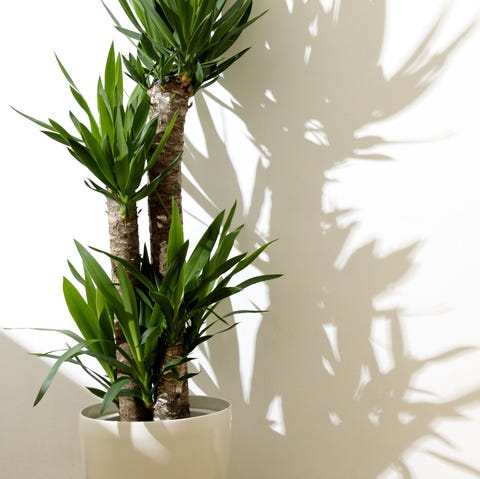
The recipe for a happy yucca is easy: sun, sun, and more sun. Water sparingly and plant in a deep container to prevent the top-heavy woody stems from toppling over.
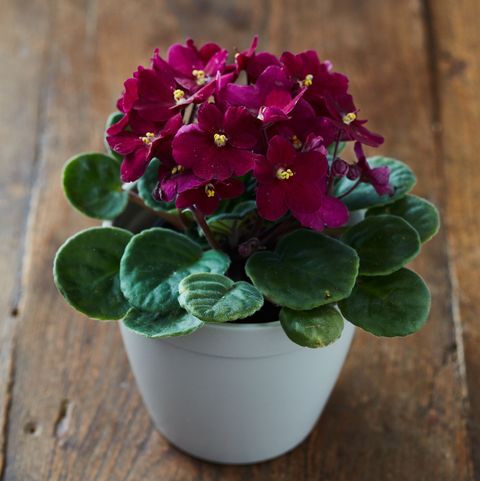
-good housekeeping… of the most popular houseplants in the world, this flowering favorite blooms several times per year. Keep it thriving in bright but indirect light with moist soil. Good drainage and an African violet fertilizer administered every other week can help too.

These waxy plants do best in more humid conditions than trendy succulents. Bring ’em work too — the species even flourishes under fluorescent lights.

Say GoodBye To…
1. Cash
In the old days, people actually had to step foot inside a bank branch, fill out a form and wait in line to get their hands on their own money. We actually carried cash.
Sure, cash will have a place for a while, but simply being able to use a credit or debit card everywhere from McDonald’s to the farmers market has made cash much less necessary. Apps like Square (a point-of-sale app) and Venmo (which allows you to electronically pay your friend back for that pizza) make a cashless society even easier.
2. Remote controls
Remote controls seemed like an absolute luxury back in the 1970s and 1980s, when the devices first started to flourish. But now, cable and streaming video systems offer smartphone apps that do everything from changing the channel to turning on captions and cranking up the volume.
And, unlike the cumbersome remote that always seems to be lodged between the couch cushions, an app is always just as close as your smartphone.
While we’re on the subject, traditional TV is also getting gobbled up by competing programs on streaming services.
3. Car keys
If you’ve bought a newish car in recent years, you may never have touched it with a key. Modern cars come with key fobs and mini-remotes that can lock and unlock the car with the push of a button.
Some don’t even require that: When I get close enough to my car, it senses that I’m carrying the key fob and remote, and it unlocks the door once I encircle the handle with my hand. I can start the car from inside my home so it warms up while I finish getting ready. And I never have to put a key in the ignition like the old days — the car has a start button instead.
4. Hotel room keys
Hotels have jumped on the modern key bandwagon even faster than car manufacturers. It is now rare to get a metal key attached to giant plastic tag for a hotel room, as once was the standard.
Key cards are cheap, easy to use, fit comfortably in a pocket or wallet, and can be recoded and reused. Plus, no one has to rekey a room door if a visitor loses their card on the beach.
5. House keys
House keys are still used by many, but there are advantages to changing to locks with numeric codes that open the door once the correct numbers are punched in. For example:
- There are no keys that can be lost, stolen or forgotten.
- Homeowners can set up a temporary code for a worker who needs access, then delete it the next day.
- Kids can memorize a simple code and no longer have to worry if they lose or forget a key.
- Vacationing homeowners can pass on the code and allow a neighbor to check on a home without needing to hand out an extra physical key.
6. Manual-transmission cars
Cars utilizing stick shifts, also called manual transmissions, are disappearing around the bend. Fewer manufacturers make manual transmissions now. USA Today reports that only 3.5% of U.S. car sales in 2018 were manuals.
Automatic transmission cars have become more efficient, and fewer U.S. drivers are taught how to drive a stick. For those who love the stick shift, this transition will really grind your gears.
7. College textbooks
If you’ve been out of college for a while, you probably remember having to fork out money for heavy, expensive textbooks for your classes. Well, welcome to the 21st century.
Textbooks are moving to the digital world. Some schools have already removed hard copies of books from their on-campus bookstores. No question, digital texts have plenty of advantages — they can be updated, and students can highlight text and remove highlights easily. They also can look up definitions or footnotes instantly and enjoy videos and interactive exercises. But maybe best of all: It’s bye-bye to backaches from carrying backpacks overloaded with these massive bricks around campus.
8. Classroom chalkboards
Want to make your kids think you’re really old — like “rode-dinosaurs-to-school” old? Tell them about your school days spent clapping erasers to get the chalk dust out of them. That’s a chore today’s students may never understand.
Chalkboards, aka blackboards, have long been on the way out, replaced by their cleaner, smoother cousin, the whiteboard. Popularized in the 1990s, whiteboards can be written on with special markers, often in bright colors, that are easy to wipe off.
But even traditional whiteboards are likely to be replaced with emerging smartboards — a high-tech, interactive version — as the price of the new technology comes down.
9. Mail-collection boxes
Pity regular letters, the kind for which you lick envelopes and apply stamps. Not only are they saddled with the insulting term “snail mail,” but they’re also fast slipping away to be replaced by their nearly instantaneous competitors, email and texting.
Disappearing even faster are the bright blue U.S. Postal Service mail-collection boxes that used to decorate many a neighborhood curb.
10. In-person voting
Heading to the polling place is a cherished part of American life — albeit a process that can be plagued by problems from long lines to voter-identification issues.
But there’s another way: Several states, including my own home state of Washington, have moved to voting by mail. Voters receive their ballots in the mail, settle in at a table to read over the candidates and issues, mark their ballots at leisure, then pop them back in the mail. (Worried your ballot wasn’t counted? You can track it online.) Some folks are still unsure about voting by mail, but eventually, we’ll all likely vote this way.

Homemade Cleaners!~
Some of the items in your pantry (like baking soda and vinegar) work as effective all-purpose cleaners and, even better, cost next to nothing. So the next time you’re staring down a big mess but you’re out of your favorite cleaning product, don’t run to the store — try one mixing up one of these DIY homemade cleaners instead. These natural products will kick grime to the curb and keep your wallet happy.
Important Safety Tip: Never combine ammonia-based cleaners with chlorine bleach or products containing bleach, such as powdered dishwasher detergent. The fumes they’ll create are extremely dangerous. Before doing any mixing, read the product labels first. Always label any bottles of DIY cleaners with all the ingredients inside. In case a child or animal gets into it, it’s important to know what the mixture contains.
1. Scented All-Purpose Cleaner
What you’ll need:
- One part white vinegar
- One part water
- Lemon rind
- Rosemary sprigs
Combine the above ingredients together, pour into a spray bottle, shake, and then let infuse for a week before using. Once done, you can use the natural solution to remove hard water stains, clean trash cans, wipe away wall smudges, and much more. Besides a fresh scent, the lemon rind may help boost cleaning power. Caution: Do not use acidic cleaners on granite, as they will etch the stone.
2. Kitchen Cleaner and Deodorizer
What you’ll need:
- 4 tablespoons baking soda
- 1 quart warm water
To clean kitchen counters, appliances, and the inside of your refrigerator, all you need is baking soda. “It makes a great deodorizer and can be used to shine stainless steel sinks and appliances,” says Carolyn Forte, director of the Good Housekeeping Institute Cleaning Lab. To deodorize surfaces, use the solution above or pour baking soda straight from the box and into your drain or garbage disposal to remove odors. To shine and remove spots from stainless steel, make a paste of baking soda and water. Apply it with a damp cloth and rub gently in the direction of the metal’s grain. Rinse and buff dry.
3. DIY Glass Cleaner
RONSTIKGETTY IMAGESAdvertisement – Continue Reading Below
What you’ll need:
- 2 cups water
- 1/2 cup white or cider vinegar
- 1/4 cup rubbing alcohol 70% concentration
- 1 to 2 drops of orange essential oil for smell (optional)
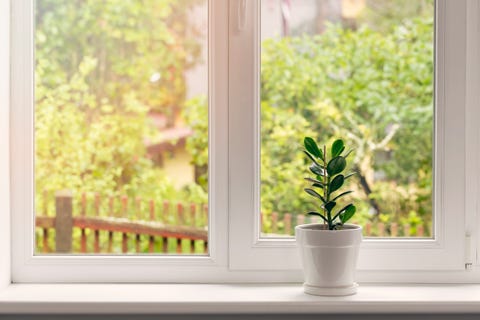
The next time you need to wash your windows and mirrors, combine these ingredients and pour them in a spray bottle. Hint: Don’t clean windows on a hot, sunny day, because the solution will dry too quickly and leave lots of streaks. For mirrors, spray the solution on a paper towel or soft cloth first before wiping.
4. Homemade Brass Cleaner
2-Ingredient Polishing Tricksby Good Housekeeping USPlay Video
What you’ll need:
- White vinegar or lemon juice
- Table salt
To clean non-lacquered cabinet pulls, bathroom appointments, and more, dampen a sponge with vinegar or lemon juice, then sprinkle on salt. Lightly rub over surface. Rinse thoroughly with water, then immediately dry with a clean soft cloth.
5. Natural Heavy-Duty Scrub
What you’ll need:
- 1/2 lemon
- 1/2 cup borax powder
Rust stains on porcelain or enamel sinks and tubs are no match for this cleaner. Dip the lemon into the borax and scrub the surface, then rinse. (This is not safe for marble or granite.) Tip: You can find borax, a laundry booster, in the detergent aisle or order it on Amazon.
6. DIY Grease Cleaner
ABLOKHINGETTY IMAGESAdvertisement – Continue Reading Below
What you’ll need:
- 1/2 cup sudsy ammonia
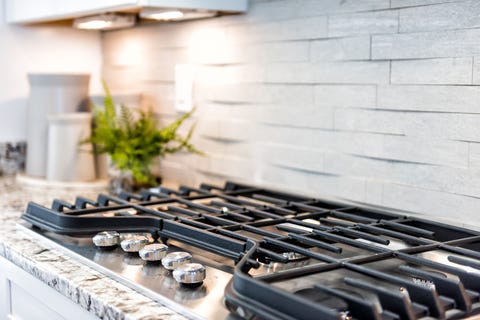
Sudsy ammonia contains detergent that helps remove tough grime. Mix 1/2 cup with enough water to fill a one-gallon container. Then clean your oven racks, stove hood, and grill by dipping a sponge into the solution and wiping over the surface before rinsing with clear water. You can also soak oven racks and grill grates in the mixture directly, with a little extra ammonia if they’re particularly dirty.
7. Last-Resort Clothing Stain Remover
TOMAZLGETTY IMAGES
What you’ll need:
- 1 gallon hot water
- 1 cup powdered dishwasher detergent
- 1 cup regular liquid chlorine bleach, not ultra or concentrate
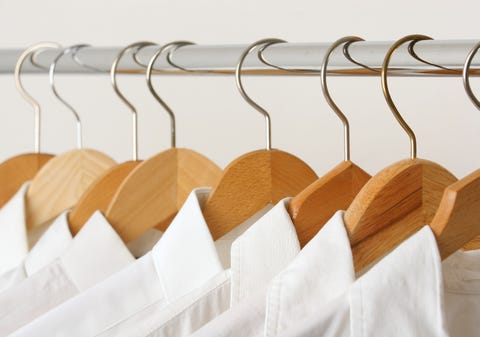
Treat badly stained but washable white clothing by mixing the above ingredients into a stainless steel, plastic, or enamel bowl (not aluminum). Soak garment for 15-20 minutes. If stain is still there, let it soak a bit longer, then wash the item as usual.
8. Natural Marble Cleaner
What you’ll need:
- 2 drops mild dishwashing liquid
- 2 cups warm water
Mix dishwashing detergent and water the next time you want to clean natural stone countertops. Sponge over marble and rinse completely to remove any soap residue. Buff with a soft cloth; do not let the marble air-dry. Caution: Never use vinegar, lemon, or any other acidic cleaner on marble or granite surfaces; it will eat into the stone.
https://www.goodhousekeeping.com/home/cleaning/tips/a24885/make-at-home-cleaners/

Kill Germs! Coronavirus, etc.
What kills coronavirus?
The U.S. Environmental Protection Agency (EPA) has compiled a list of products that while not specifically tested on the brand-new version of the virus that causes COVID-19 just yet, have been proven effective on similar or harder-to-kill viruses, such as the rhinovirus that causes the common cold; they expect them to work on the coronavirus, too. These products use a variety of different ingredients and formulations, so be sure to use them exactly as the label directs. These products include:
- Clorox Disinfecting Wipes
- Clorox Clean-Up Cleaner + Bleach
- Lysol Disinfectant Spray
- Lysol Multi-Purpose Cleaner with Bleach
- Lysol Multi-Purpose Cleaner with Hydrogen Peroxide
- Purell Multi Surface Disinfectant Spray
- Microban 24 Hour Multi-Purpose Cleaner
How to use cleaning products to kill coronavirus
Before using any disinfecting product, start by reading the label to make sure it is registered with the EPA and to see what strains of bacteria and viruses it kills. The EPA registration number can usually be found in small type on the bottom of the front or back label, and the bacteria and viruses the product is effective against are also usually listed.
EPA registration is required by law for any cleaner that claims to kill germs. It’s what we rely on in the Good Housekeeping Cleaning Lab when we evaluate sanitizing and disinfecting products and it assures you that if you follow the directions, the product will work as claimed.Advertisement – Continue Reading Below
A few more points:
- Know that sanitizing is not the same as disinfecting. Sanitizing (reducing the number of germs) usually takes less time — sometimes just 30 or 60 seconds — while disinfecting (killing those germs) can take anywhere up to 10 minutes, depending on the product.
- Check the label for how long hard, non-porous surfaces must stay wet for the most effective germ killing. Because liquids evaporate, this may require you to apply the product multiple times.
- No product can adequately sanitize or disinfect a dirty surface, so make sure you clean — even with plain soap and water — before you disinfect.
What DIY household cleaner kills coronavirus?
According the the U.S. Center for Disease Control (CDC), an easy way to disinfect hard, non-porous surfaces with a product you likely have at home is to combine 1/3 cup of regular chlorine bleach (sodium hypochlorite) bleach per gallon of water. (Clorox recommends using 1/2 cup bleach per 1/2 gallon.) For small batches, use 4 teaspoons of regular chlorine bleach and 1 quart of water.
To use: Wearing gloves, dip a cloth into the mixture, wipe the surface, allowing the solution to contact the surface for five minutes and air dry. For food contact surfaces, like countertops and high chair trays, rinse with warm water and air dry after disinfecting. Be careful not to splash the bleach solution on your clothes or in your eyes and use it sparingly on stainless steel sinks and surfaces. It’s also important to note that the bleach and water solution needs to be made fresh each day you use it.
Does hydrogen peroxide kill viruses and bacteria?
According to the CDC, hydrogen peroxide is a stable and effective disinfectant against a wide variety of microorganisms, including bacteria and viruses, when used on hard, non-porous surfaces. Typically sold in 3% solutions, hydrogen peroxide can be used as is, directly from the bottle. It’s best to keep it away from fabrics when cleaning and to wear gloves to protect your hands.
To use: Spray or wipe it on the surface, allowing it to remain wet for at least one minute before wiping.
Will alcohol disinfect surfaces?
Isopropyl alcohol is an effective disinfectant against many pathogens, including coronavirus, as long as the concentration is 70%. Most rubbing alcohols are 70% isopropyl alcohol, but concentrations can range from 60-99%. For killing coronavirus quickly on surfaces, 70% is best — pure (100%) alcohol evaporates too quickly to be effective.
To use: Wipe or spray the surface with the alcohol and make sure it remains wet for at least 30 seconds.
Can vinegar kill germs?
No. According to the CDC and NSF (a public health and safety organization), vinegar (or vinegar-based alternative cleaning products) should not be used to disinfect or sanitize. Vinegar-containing cleaning products can be a good in some instances, but vinegar is not registered with the EPA as a disinfectant and is ineffective against most bacteria and viruses – it does not kill the flu or coronavirus. Undiluted white vinegar may work on some limited types of bacteria, but it’s not the best way to get surfaces germ-free. (Besides, coronavirus is a virus, not a bacteria.)
What else you should know about cleaning your home right now
- Regular soap and water cleans germs away and cuts down the quantity of germs, which also reduces the chance of infection. But to actually kill germs, you also must sanitize or disinfect surfaces after cleaning them.
- Never combine disinfecting or any cleaning products and open the window or ventilate a room if fumes become bothersome.
- Soft surfaces are porous and will never fully reach the level of germ kill required to be fully disinfected. Some antibacterial sprays can sanitize soft surfaces, like pillows and plush toys.
- Test surfaces for safety in a hidden spot before using alcohol, hydrogen peroxide, or any disinfectant on a surface, especially a delicate one. On food contact surfaces, rinse with clear water and dry after disinfecting, unless the product label specifically says it’s not necessary.
https://www.goodhousekeeping.com/home/cleaning/a31402790/what-kills-germs/

Poem
UPSIDE Down Grin,
MwsR
Seems the world won’t stop turning
Despite the various places where things seem to just drown.
The place where you can’t see but wish to have an upside-down frown.
Constant grief, and disappointment
Nothing certain for sure, no commitment.
For some, despite their best effort their heart stays torn.
Underneath the Hubble, they have just doubt to keep them warm.
Chained to a burden so huge it can’t be moved…
Yet desperately they seek that very thing, to defuse.
How does one unchain their grief and pain?
Do they have to stumble so often and there remain?
Often time we visualize our paths in life,
But how quickly it passes when it crashes into your heart like a knife.
Embarking they find themselves, yet again,
Unto the very things that took such a tragic, solidified end.
The charm of life is in that one or two moments you feel whole again
If that’s even possible without the right side up a grin.

Benefits Of Cleaning With Vinegar!
Multipurpose cleaners are convenient because they’re usable on many different surfaces. But while effective, some of these cleaners aren’t exactly healthy or environmentally friendly.
Vinegar, on the other hand, is non-toxic and eco-friendly, making it the ultimate multipurpose cleaning solution. And the best part, it’s super cheap.
Keep reading to learn what types of vinegar to use, along with nine ways vinegar can be used to clean and disinfect your home.
Benefits of vinegar as a household cleaner
You probably have a bottle of vinegar sitting in your cupboard right now. But like so many, you might only use vinegar as a salad dressing or as a marinade for vegetables, meat, poultry, or fish.
Made from acetic acid
Vinegar isn’t only useful for cooking, though. It also makes a great cleaner and disinfectant because it’s made from acetic acid.
Acetic acid is a colorless organic compound that gives vinegar its sour taste and pungent smell. It’s also an ingredient in some store-bought household cleaners.
The acidic nature of vinegar is so powerful it can dissolve mineral deposits, dirt, grease, and grime. It’s also strong enough to kill bacteria.
Different types of vinegar include:
- apple cider vinegar
- white distilled vinegar
- balsamic vinegar
- red or white wine vinegar
The best type of vinegar to use
White distilled vinegar is the best vinegar for cleaning because it doesn’t contain a coloring agent. Therefore, it won’t stain surfaces. Staining can happen when cleaning with a darker-colored vinegar.
Plus, distilled white vinegar has about 5 percent acidity, which is also similar to the acidity level in many everyday multipurpose cleaners.
About that vinegar smell
The strong odor of white vinegar can be unpleasant, in which case you can use apple cider vinegar instead.
It has the same cleaning properties as white distilled vinegar, but since it’s made by fermenting apple juice, it also has a slightly sweet scent.
Apple cider vinegar is darker in color, so dilute it in water before using it as a cleaning agent.
If you’re using vinegar as a cleaner, the scent may linger for about an hour or so. However, this might be a small price to pay for a cleaner that’s nontoxic, natural, and environmentally friendly.
You can mask the smell by adding a few drops of essential oil, such as lemon oil, lavender oil, or peppermint oil, to a spray bottle containing a vinegar-water solution.
Or, open a window and let some fresh air in to help remove the scent quicker.
Here’s a look at a few common uses for vinegar around the home.
1. Glass
Use vinegar to make your own glass cleaner. Combine one part water with two parts vinegar in a spray bottle. Spray the solution on glass surfaces and wipe clean for a streak-free finish.
2. Countertops
Because vinegar is a natural disinfectant, it can clean and disinfect countertops after food preparation. For tough stains, add a few drops of Dawn soap to one-part water and two parts vinegar.
Vinegar can also remove odors from countertops, but it shouldn’t be used on granite or marble. Use a natural stone cleaner instead. The acid in vinegar can diminish the luster of natural stone.
Vinegar can also deter ants that may scour countertops at night in search of food scraps.
3. Faucets
Combine 2 teaspoons of vinegar and 1 teaspoon of salt to remove calcium deposits on faucets and fixtures. This solution can also remove hard water stains from showerheads.
To get rid of stubborn stains, spray fixtures and faucets with vinegar and then tie a bag around it overnight. Scrub and rinse the next morning.
4. Showers and tubs
Thick soap scum and mildew can be challenging to remove. Spray undiluted white vinegar over tub and shower walls. Let the vinegar sit for several minutes, then scrub and rinse away.
Or, combine baking soda and vinegar to create a paste and scrub away tough grime.
5. Toilets
Pour 2 to 3 cups of undiluted vinegar into the toilet bowl and let it sit for up to 3 hours. Scrub with a toilet brush and flush. This helps eliminate rings around the bowl and deodorizes the toilet.
6. Floors
Vinegar also makes a great floor cleaner, but only on certain types of floors.
You shouldn’t use vinegar on hardwood floors because it can dissolve the finish and leave watermarks. The natural acid in vinegar can also damage natural stone floors.
You can, however, use vinegar on no-wax linoleum.
Add 1/2 cup of vinegar to 1/2 gallon of water. To clean ceramic tile, add 1/2 cup of vinegar to 1 gallon of water.
7. Dishwasher
To break through soap scum in a dishwasher, add 1 cup of vinegar to the rinse compartment and let the dishwasher run for an entire cycle.
8. Appliances
To eliminate odors in your microwave, place a bowl containing a 1/4 cup of vinegar and 1 cup of water inside the microwave and heat for a couple of minutes. This solution can also loosen any stubborn stains.
Vinegar is also great for cleaning the inside and outside of appliances, including stainless steel. Mix equal parts vinegar and water in a spray bottle, then spray down appliances.
Use a clean microfiber cloth to wipe away the solution. Don’t use abrasive pads, which can scratch the surface of appliances.
9. Laundry
Distilled white vinegar is also a great choice for removing fabric odor and stains. Don’t use dark vinegar or you might stain your clothes. Add 1 cup of vinegar to the wash cycle.
Can vinegar improve digestive health?
But while vinegar is a great household cleaner, can it help your internal digestive system?
Vinegar — or more specifically apple cider vinegar — has been touted as a natural remedy for digestive issues, although there aren’t any rigorous studies or science to back up these claims.
May relieve bloating
It’s possible, though, that apple cider can improve digestive issues, considering how it may increase the acidity level in the stomach.
This can help relieve symptoms like bloating, which is sometimes due to low stomach acid.
May combat acid reflux
Apple cider vinegar may also help combat acid reflux.
One belief is that the vinegar can balance pH levels in the stomach, which not only helps neutralize stomach acid but also prevents an overgrowth of bad bacteria in the gut.
This may help reduce gut inflammation.
May flush toxins from the body
Another purported benefit of apple cider vinegar is its ability to flush toxins out of the body. Some people use it as a natural detoxifier, as well as a remedy for constipation and a weight loss aid.
Dilute with water and drink only 1 glass per day
The only way to know whether apple cider vinegar can improve your digestive health is to try it and then see how you feel. Mix 1 to 2 teaspoons of apple cider vinegar in a large glass of water and drink.
Use organic, unfiltered apple cider vinegar and only drink one glass per day.
It’s normal to have some sediment floating. This is called the mother. Too much apple cider vinegar can damage your tooth enamel.
Summary
Vinegar isn’t only for cooking. It’s also an eco-friendly and inexpensive household cleaner. And in most cases, you only need to mix vinegar with water.
Although, you can add salt and baking soda to create a more abrasive cleaner or a few drops of essential oil for a lighter scent.
Medically reviewed by Debra Rose Wilson, PhD, MSN, RN, IBCLC, AHN-BC, CHT on March 20, 2020, New — Written by Valencia Higuera
 Mws R Writings