Quote

Photo Share

My cat, Cole. Isn’t he beautiful?
My baby cat, 2 year old Poppy. He is my love bug.
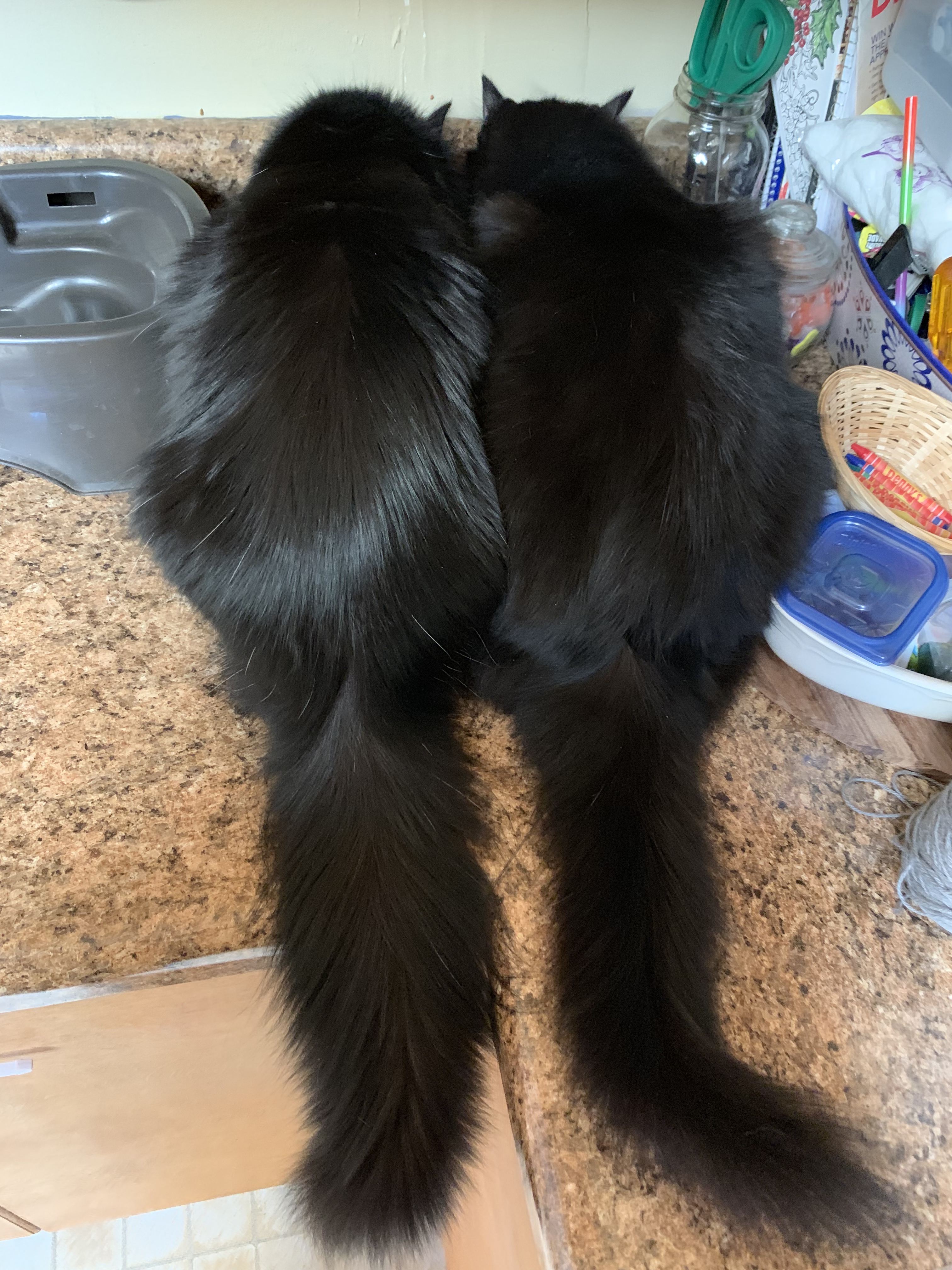
Twins!!! Ha ha. No, they aren’t related. Had to shoot a picture of them though.
My dog, she loves to kiss me.
My other dog.

Extraordinary!

https://hubpages.com/animals/25-Most-Amazing-and-Unique-Animals-On-Earth

Walking Leaf (or Leaf Insect)

Also from the family Phyliidae, the walking leaf, or leaf insect, is native to South Asia and Australia. Its amazing natural camouflage makes it virtually invisible in wooded areas, which not only protects them from predators but also lets their prey come to them.

Similarly to mantises and stick bugs, the leaf insect has a tendency to sway back and forth to mimic a real leaf blowing in the wind. Some sources state that these insects may have been in existence 47 million years ago.


    Poisonous Plants

    Autumn Crocus

    There are two Crocus plants: one that blooms in the spring (Crocus species) and the other in the autumn Colchicum autumnale). The spring plants are more common and are part of the Iridaceae family. These ingestions can cause general gastrointestinal upset including vomiting and diarrhea. These should not be mistaken for Autumn Crocus, part of the Liliaceae family, which contain colchicine. The Autumn Crocus is highly toxic and can cause severe vomiting, gastrointestinal bleeding, liver and kidney damage, and respiratory failure. If you’re not sure what plant it is, bring your pet to their veterinarian immediately for care. Signs may be seen immediately but can be delayed for days.

    Azalea

    In the same family as rhododendrons, azaleas can have serious effects on pets. Eating even a few leaves can result in vomiting, diarrhea and excessive drooling; without immediate veterinary attention, the pet could fall into a coma and possibly die.

    Cyclamen

    The roots of this seasonal flowering plant are especially dangerous to pets. If ingested, cyclamen can cause severe vomiting and even death.

    Kalanchoe

    This popular flowering succulent plant can cause vomiting, diarrhea and heart arrhythmias if ingested by pets.

    Lilies

    There are dangerous and benign lilies out there, and it’s important to know the difference. Peace, Peruvian, and Calla lilies contain oxalate crystals that cause minor signs, such as tissue irritation to the mouth, tongue, pharynx, and esophagus – this results in minor drooling. The more dangerous, potentially fatal lilies are true lilies, and these include Tiger, Day, Asiatic, Easter and Japanese Show lilies – all of which are highly toxic to cats! Even small ingestions (such as 2-3 petals or leaves) can result in severe kidney failure. If your cat is seen consuming any part of a lily, bring your cat (and the plant) immediately to a veterinarian for medical care. The sooner you bring in your cat, the better and more efficiently we can treat the poisoning.

    For more information on lilies, please visit our No Lilies for Kitties campaign.

    Oleander

    Oleander is an outdoor shrub, popular for its evergreen qualities and delicate flowers. However, the leaves and flowers are extremely toxic if ingested and can cause severe vomiting, slow the heart rate and possibly even cause death.

    Dieffenbachia

    Popular in many homes and offices, dieffenbachia can cause intense oral irritation, drooling, nausea, vomiting and difficulty swallowing if ingested.

    Daffodils

    These flowers contain lycorine, an alkaloid with strong emetic properties (something that triggers vomiting). Ingestion of the bulb, plant or flower can cause severe vomiting, diarrhea, abdominal pain, and even possible cardiac arrhythmias or respiratory depression. Crystals are found in the outer layer of the bulbs, similar to hyacinths, which cause severe tissue irritation and secondary drooling. Daffodil ingestions can result in more severe symptoms so if an exposure is witnessed or symptoms are seen, we recommend seeking veterinary care for further supportive care.

    Lily of the Valley

    The Convallaria majalis plant contains cardiac glycosides which will cause symptoms similar to digitalis (foxglove) ingestion. These symptoms include vomiting, diarrhea, a drop in heart rate, severe cardiac arrhythmias, and possibly seizures. Pets with any known exposure to this plant should be examined and evaluated by a veterinarian and treated symptomatically.

    Sago Palm

    Very popular in warmer climates, this household and outdoor plant can be very harmful to pets. If ingested, the leaves and seeds can cause vomiting, bloody stools, damage to the stomach lining, severe liver failure and, in some cases, death.

    Tulips and Hyacinths

    Tulips contain allergenic lactones while hyacinths contain similar alkaloids. The toxic principle of these plants is very concentrated in the bulbs (versus the leaf or flower), so make sure your dog isn’t digging up the bulbs in the garden. When the plant parts or bulbs are chewed or ingested, it can result in tissue irritation to the mouth and esophagus. Typical signs include profuse drooling, vomiting, or even diarrhea, depending on the amount consumed. There’s no specific antidote, but with supportive care from the veterinarian, animals do quite well. With large ingestions of the bulb, more severe symptoms such as an increase in heart rate and changes in respiration can be seen, and should be treated by a veterinarian. These more severe signs are seen in cattle or our overzealous, chowhound Labradors.

    This is only a partial list of poisonous plants.  For a more complete list of plants poisonous to cats and dogs, visit our Poison List.

    If you suspect your pet has ingested any of these items or any other questionable substance, call Pet Poison Helpline at 855-764-7661 or your veterinarian for assistance. Accurate and timely identification of the suspected substance is very important. Having the container, package, or label in hand will save valuable time and may save the life of your pet.

    DID YOU KNOW?/Animals we are losing and will be gone forever!/Information Share

    These Animals Are About to Disappear From the Planet Forever

    Earth is currently experiencing the worst wave of species die-offs — a mass extinction of plants and animals — since the dinosaurs 65 million years ago, according to the Center for Biological Diversity. Scientists say that nearly all of the thousands of currently threatened species — mammals, birds, fish, reptiles, amphibians, plants and invertebrates — are at risk because of human activities, including habitat loss, introduction of non-natives, and the effects of climate change.


    Pere David’s Deer

    Elaphurus davidianus
    Status: Extinct in the Wild
    Population: about 600
    This semi-aquatic deer of China vanished around 1939 when the last wild one was shot and killed. The Pere David’s Deer has been recovered from the edge of extinction after being reintroduced into captivity in China, according to the IUCN red list. There are now four wild populations being established by escapees from a Nature Reserve during severe flooding in 1998, according to IUCN.

    Slide 2 of 33:  Pere David's Deer    Elaphurus davidianus  Status: Extinct in the Wild Population: about 600 This semi-aquatic deer of China vanished around 1939 when the last wild one was shot and killed. The Pere David's Deer has been recovered from the edge of extinction after being reintroduced into captivity in China, according to the IUCN redlist. There are now four wild populations being established by escapees from a Nature Reserve during severe flooding in 1998, according to IUCN.  Photo: Tim Felce (Airwolfhound)/Wikipedia
    Scimitar-horned Oryx
    Oryx dammah
    Status: Extinct in the Wild
    The myth of the one-horned unicorn may have originated from this antelope, which was once widespread across northern Africa and was domesticated in ancient Egypt. Overhunting and habitat loss, including competition with domestic livestock, are the main reasons for the extinction of the wild population, according to the IUCN Red list.

    Slide 3 of 33:  Scimitar-horned Oryx   Oryx dammah  Status: Extinct in the Wild The myth of the one-horned unicorn may have originated from this antelope, which was once widespread across northern Africa and was domesticated in ancient Egypt. Overhunting and habitat loss, including competition with domestic livestock, are the main reasons for the extinction of the wild population, according to the IUCN Redlist.  Photo: Charles Miller from Basingstoke, United Kingdom, Wikipedia
    Guam kingfisher
    Todiramphus cinnamominus
    Population: about 146
    Status: Extinct in the Wild
    The Guam kingfisher is a species of kingfisher from the U.S. territory. The wild population was killed off by the non-native brown tree snake. It exists only in captivity. The male pictured here is at the Bronx Zoo.Slide 4 of 33:  Guam kingfisher   Todiramphus cinnamominus  Population: about 146 Status: Extinct in the Wild The Guam kingfisher is a species of kingfisher from the U.S. territory. The wild population was killed off by the non-native brown tree snake. It exists only in captivity. The male pictured here is at the Bronx Zoo.  Photo: Eric Savage/Wikipedia Alagoas Curassow
    Mitu mitu
    Population: about 130
    Status: Extinct in the Wild
    Clearance of the lowland forests of Brazil for sugarcane, as well as poaching, have brought this glossy-black, pheasant-like bird to the edge of extinction. While the bird exists in captive breeding programs, much of its wild habitat has been destroyed.
    Slide 5 of 33:  Alagoas Curassow   Mitu mitu  Population: about 130 Status: Extinct in the Wild Clearance of the lowland forests of Brazil for sugarcane, as well as poaching, have brought this glossy-black, pheasant-like bird to the edge of extinction. While the bird exists in captive breeding programs, much of its wild habitat has been destroyed.  Photo: Shutterstock
    Guam Rail
    Hypotaenidia owstoni
    Population: about 150
    Status: Extinct in the Wild
    The last individual in the wild of this flightless but fast-running bird died in 1987, killed by the brown tree snake. Captive breeding programs in Guam and the U.S. may restore the population. Pictured is a Guam Rail at the Cincinnati Zoo.
    Slide 6 of 33:  Guam Rail   Hypotaenidia owstoni  Population: about 150 Status: Extinct in the Wild The last individual in the wild of this flightless but fast-running bird died in 1987, killed by the brown tree snake. Captive breeding programs in Guam and the U.S. may restore the population. Pictured is a Guam Rail at the Cincinnati Zoo.  Photo: Greg Hume/Wikipedia South China Tiger
    Panthera tigris amoyensis
    Status: Critically Endangered (possibly Extinct in the Wild)
    Population: 30-80
    According to the World Wildlife Fund, the South China tiger population was about 4,000 in the early 1950s. In the next few decades, thousands were killed, hunted as a pest. Though the Chinese government banned hunting in 1979, by 1996 the population was estimated to be just 30-80 of these tigers. Today the big cat is considered to be “functionally extinct,” as it has not been seen in the wild for more than 25 years.Slide 7 of 33:  South China Tiger   Panthera tigris amoyensis  Status: Critically Endangered (possibly Extinct in the Wild) Population: 30-80 According to the World Wildlife Fund, the South China tiger population was about 4,000 in the early 1950s. In the next few decades, thousands were killed, hunted as a pest. Though the Chinese government banned hunting in 1979, by 1996 the population was estimated to be just 30-80 of these tigers. Today the big cat is considered to be "functionally extinct," as it has not been seen in the wild for more than 25 years.  Photo: J. Patrick Fischer/ Wikipedia
    Amur Leopard
    Panthera pardus orientalis
    Status: Critically Endangered
    Population: More than 84
    A rare subspecies of leopard of the Russian Far East, the Amur leopard can run at speeds of up to 37 mph. It is frequently killed by poachers for its beautiful, spotted fur, according to WWF.Slide 8 of 33:  Amur Leopard   Panthera pardus orientalis  Status: Critically Endangered Population: More than 84 A rare subspecies of leopard of the Russian Far East, the Amur leopard can run at speeds of up to 37 mph. It is frequently killed by poachers for its beautiful, spotted fur, according to WWF.  Photo: Shutterstock
    Black Rhino
    Diceros bicornis
    Status: Critically Endangered
    Population: 5,000 – 5,400
    Killed in large numbers by European hunters and settlers, today rhinos are an important source of income from ecotourism in places like Namibia. World Wildlife Fund says this species has made a strong comeback from the brink of extinction, but poaching and black-market trafficking of rhino horn continues to threaten recovery. Pictured is a black rhinoceros in Kruger national park, South Africa.Slide 9 of 33:  Black Rhino   Diceros bicornis  Status: Critically Endangered Population: 5,000 - 5,400 Killed in large numbers by European hunters and settlers, today rhinos are an important source of income from ecotourism in places like Namibia. World Wildlife Fund says this species has made a strong comeback from the brink of extinction, but poaching and black-market trafficking of rhino horn continues to threaten recovery. Pictured is a black rhinoceros in Kruger national park, South Africa.  Photo: Shutterstock


    Orangutan

    Pongo pygmaeus

    Status: Critically Endangered

    Population: About 104,700


    Sumatran Orangutan

    Pongo abelii

    Status: Critically Endangered

    Population: 14,613

    Highly intelligent, Orangutans share 96.4% of genes with humans. Female Orangutans are hunted most, and if caught with offspring, the young are often kept as pets.

    Sumatran Orangutans live in the trees of tropical rainforests, and rarely travel on the ground.Slide 10 of 33:  Orangutan   Pongo pygmaeus  Status: Critically Endangered Population: About 104,700  Sumatran Orangutan   Pongo abelii  Status: Critically Endangered Population: 14,613 Highly intelligent, Orangutans share 96.4% of genes with humans. Female Orangutans are hunted most, and if caught with offspring, the young are often kept as pets. Sumatran Orangutans live in the trees of tropical rainforests, and rarely travel on the ground.  Photo: Shutterstock Cross River Gorilla
    Gorilla gorilla diehli
    Status: Critically Endangered
    Population: 200 to 300 individuals
    Cross River gorillas live in a region populated by many humans in Cameroon and Nigeria. As humans clear forests for timber, agriculture and livestock, the gorillas continue to lose habitat. They are also poached by hunters.

    Slide 11 of 33:  Cross River Gorilla   Gorilla gorilla diehli  Status: Critically Endangered Population: 200 to 300 individuals Cross River gorillas live in a region populated by many humans in Cameroon and Nigeria. As humans clear forests for timber, agriculture and livestock, the gorillas continue to lose habitat. They are also poached by hunters.  Photo: Shutterstock

    https://www.msn.com/en-us/news/world/these-animals-are-about-to-disappear-from-the-planet-forever/ss-BBN6P2k?ocid=spartandhp#image=11