Early data from China, where the new coronavirus COVID-19 first started, shows that some people are at higher risk of serious health complications from the new coronavirus. Per the Centers for Disease Control and Prevention (CDC), this includes people who have serious chronic medical conditions like heart disease, diabetes, lung disease, and mental health conditions such as depression and anxiety.
Here’s why these conditions increase the risk for COVID-19 complications—and what you should do if you’re affected.
Heart disease
People with heart disease tend to have other underlying conditions like high blood pressure, elevated cholesterol, diabetes, and lung disease, which weaken the body’s health defense systems (including the immune system) against viral infection, William Li, MD, physician-scientist, and author of Eat To Beat Disease: The New Science of How Your Body Can Heal Itself, tells Health.
“The fever associated with COVID-19 puts additional strain on the body’s metabolic demands, stressing out the already weakened heart,” explains Dr. Li. “Pneumonia, which is commonly seen with COVID-19, makes it harder for the lungs to oxygenate the blood. This puts further stress on the heart.” Plus, inflammation caused by the infection can damage the lining of blood vessels through which the heart pumps blood.
In February, the American College of Cardiology issued a bulletin to warn patients about the potential increased risk of COVID-19 that included additional precautions to take. The bulletin recommends that people with cardiovascular disease stay up to date with vaccinations, including for pneumonia, and get a flu shot to prevent another source of fever.
Dr. Li advises regular exercise (while social distancing, of course) and a healthy diet to help strengthen the heart during the COVID-19 era.
Chronic respiratory disease
Chronic respiratory diseases (CRDs), which include asthma and pulmonary hypertension, are diseases of the airways and other parts of the lung. People with CRDs need to be especially vigilant about the coronavirus because one of the possible complications is pneumonia. “Pneumonia compromises the lung, which brings oxygen to the body,” explains Dr. Li. “In patients who already have a chronic respiratory disease, it can be lethal.”
Besides following the CDC guidelines for handwashing, social distancing, and other coronavirus preventive steps, The COPD Foundation has issued further advice for people with chronic obstructive pulmonary disease (such as chronic bronchitis or emphysema). As reported in Pulmonary Advisor, this includes having at least a 30-day supply of all required medications on hand. If a patient requires an oxygen supply, they should contact their supplier to find out how to prepare for a COVID-19 outbreak in their area.
Diabetes
Last week, actor Tom Hanks revealed on Instagram that he and his wife, Rita Wilson, tested positive for COVID-19. Hanks previously shared that he has type 2 diabetes, which means he’s at an increased risk of serious illness from the new coronavirus.
What makes the coronavirus so dangerous for people with diabetes? First, because the immune system is compromised, it’s harder for the body to fight off the coronavirus, states the International Diabetes Foundation (IDF). Viruses also may thrive when blood glucose levels are high.
People with diabetes have heightened levels of inflammation throughout their bodies, which is another risk factor. “If you have a viral infection, that can turn into pneumonia easier, because diabetes itself is an inflammatory disease,” Maria Pena, MD, director of endocrine services at Mount Sinai Doctors Forest Hills, previously told Health. “It’s also important to note that when a person has diabetes, episodes of stress, like a viral infection, can increase blood sugar levels, which can also lead to complications.”
Everyone should be taking precautionary measures during the COVID-19 outbreak (whether they have preexisting health conditions or not), and the IDF says it’s even more crucial for those living with diabetes. That means washing your hands thoroughly and frequently, avoiding touching your face as much as possible, cleaning and disinfecting frequently touched surfaces, and avoiding close contact with those showing symptoms of a respiratory illness.
The IDF also recommends additional precautionary steps for those with diabetes. Monitoring blood glucose levels should be a priority, because any kind of infection can raise blood sugar levels. This increases the need for water, so it’s important to have an adequate supply. To prepare for a quarantine, make sure you have enough medication, testing supplies, and food to last for at least a month.
People with diabetes should be particularly careful about social contact. “As a diabetic, I would avoid supermarkets or other public gatherings,” Dr. Pena said.
Depression and anxiety
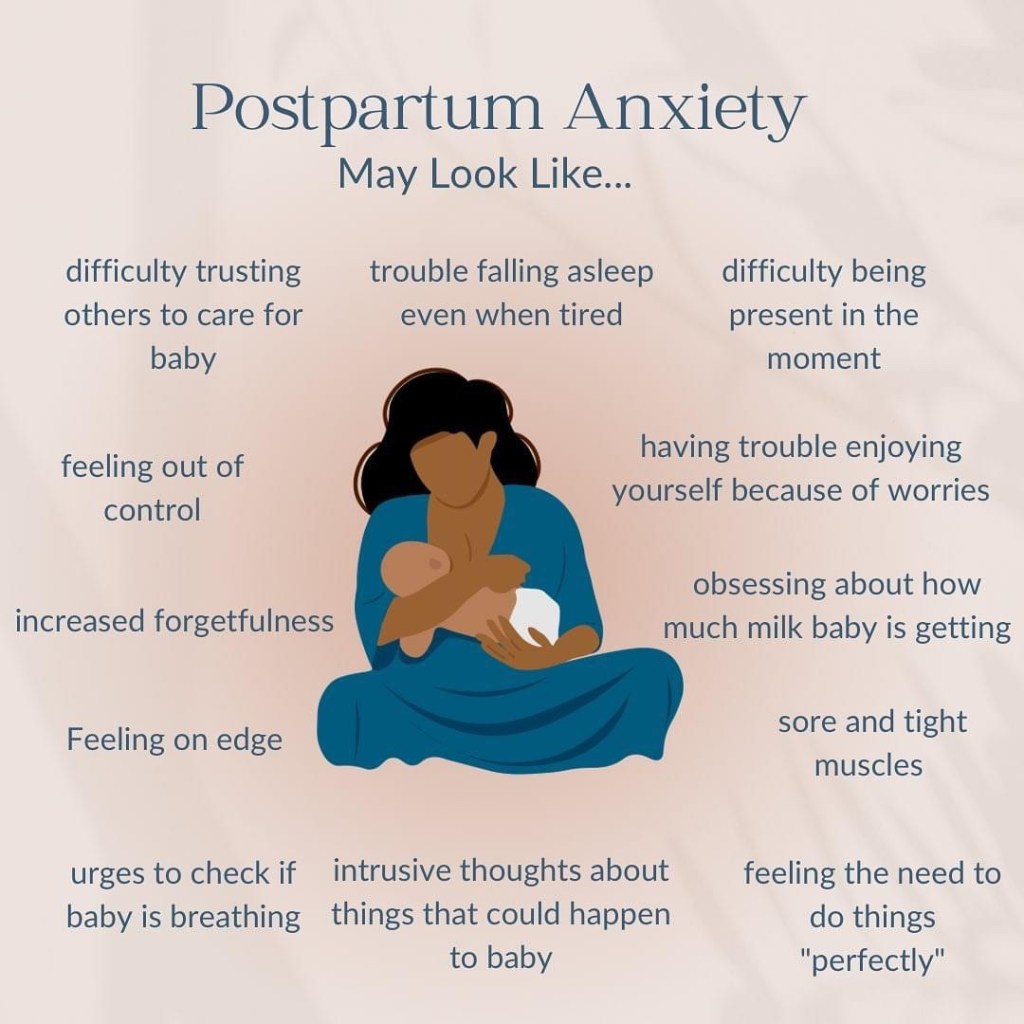
COVID-19 doesn’t only affect people with pre-existing physical conditions—it can have a serious impact on those with mental health issues, like anxiety and depression, even if you are not infected with the coronavirus.
“Fear of the virus and all the changes it’s causing are driving anxiety levels up for everyone, but for people who have an anxiety disorder it’s so much worse,” Gail Saltz, MD, associate professor of psychiatry at the NY Presbyterian Hospital Weill-Cornell School of medicine and host of the upcoming Personology podcast from iHeartRadio, tells Health. Dr. Saltz warns that people who have managed their disorder may relapse, and those actively struggling may be much more symptomatic.
“Anxiety also worsens depression, particularly those whose depression is of the ‘agitated’ variety, a subtype of the illness characterized by jittery, anxious, irritable behavior,” she adds.
People with anxiety or depression who are at home with someone who has COVID-19 may find the burden of caregiving to cause their mental health to deteriorate further. “Caregiving is very stressful,” says Dr. Saltz. “In many cases it’s a 24/7 role and for those already struggling, it can be overwhelming.” She adds that social distancing, quarantining, and losing the structure of work or school can also increase symptoms of both anxiety and depression by increasing feelings of loneliness.
By actively focusing on mental health, however, those symptoms can be reduced. Dr. Saltz recommends exercising for 30 minutes each day and trying relaxation techniques like deep breathing and mindfulness to help keep anxiety at bay.
It’s also important to have a structure in your day, even if you’re self-isolating or in quarantine, she says. This means getting up at the same time as you normally would, taking a shower, getting dressed, creating and sticking to a schedule, and maintaining normal sleep. If you work from home, make a dedicated workstation.
If you need professional help, it’s still there for you even if you can’t get to the doctor’s office. “Most therapists are moving to online sessions to accommodate their patients,” says Dr. Saltz. If you take medication for your mental health, make sure you have a 30-day supply.
Loneliness is an issue for people in all age groups, and even if you don’t have mental health issues yourself, you probably know someone who does. “Check in with those you know who are also self-isolating,” says Dr. Saltz says. “Talking to and supporting others is likely to make you feel better as well.”
The information in this story is accurate as of press time. However, as the situation surrounding COVID-19 continues to evolve, it’s possible that some data have changed since publication. While Health is trying to keep our stories as up-to-date as possible, we also encourage readers to stay informed on news and recommendations for their own communities by using the CDC, WHO, and their local public health department as resources.
When loneliness sets in, the feeling can weigh heavily on your entire body. Whenever this feeling starts to overtake you, fight back and get productive. Whether it is going on a walk, browsing your favorite store, or even picking up around the house, moving about and engaging in other tasks will help to distract you and may offer some relief. It is about taking small steps to get to where you need to be, so anything you can do to push yourself away from these thoughts of isolation will help.
Picture Your Loneliness
Sometimes, people find that picturing their depression or feelings of isolation as something separate from them (such as a cloud or something similar) helps them feel more control over it. These feelings are then seen as something that you can walk away from or have the choice to ignore. It also allows you the knowledge that these feelings are not who you are. You are whoever you choose to be and you have control over how you want to feel.
Reach Out To Someone
Dreamstime
Talking about things that you are struggling with can be a huge challenge. It is not easy but can be an extremely helpful step in getting back to your happy self. You never know who you may able to relate to through this process. Many who end up opening up about their problems find themselves surprised as to how many others have gone through (or are currently going through) the same thing. You may end up helping someone you did not even realize was struggling and who was afraid to reach out themselves.
Visit A Furry Friend
NewLifeOutlook
Animals can make great companions for those feeling more secluded in life. Dogs especially are naturally social and instinctively want to protect those that they know are struggling. Visit a shelter or pet shop and make some new furry friends. If you are up for it, consider adopting your own pet. Cats, fish, and dogs all make great additions to any household and offer you something to love and care for. They also allow something else to focus on, other than your feelings of isolation.
Set New Goals
AWAI
By making plans and setting goals, you give yourself something to strive for. Start off slow so that you do not overwhelm yourself. Setting just one or two goals for the day is a great way to start fighting back. Some ideas might be to call up a friend you have not spoken to for a while or go to a coffee shop for an hour. The next day, go grocery shopping, then make yourself one meal. Make them realistic and simple. Once completed, you will have allowed yourself a sense of accomplishment, knowing that you are fighting back one step at a time.
Start Journaling
NewLifeOutlook
If you are feeling up to it, go to a bookstore and spend some time picking out a journal that you love. When you get back home, make it a goal to write in it a few times a week. Getting your thoughts down on paper can help you look at them from a new perspective. It helps to clarify your emotions, allowing you to know yourself better and may help guide you in overcoming your struggles. Allowing yourself time to reflect and express can make a huge difference in how you approach life.
By Nicole Lyn PescePublished: Oct 10, 2019 1:24 pm ET
A new study suggests that diet can help mental health
Load up on fish and leafy greens.
Stop feeding into your depression.
Many of us turn to comfort foods when we are feeling down, which are generally defined as those dishes and snacks that are easy to make (or order out — thanks, GrubHub GRUB+1.46% and Postmates — or open from a package) that are filled with nostalgic or sentimental value. (They’re also often loaded with sugar, salt, fat and/or refined carbs.)
But new research shows that we’re doing comfort food all wrong. In fact, cutting out processed foods and adding in more fruits, vegetables and fish doesn’t just make you healthier — it may also make you happier.
A small, randomized trial published in PLOS Onethis week (just in time for World Mental Health Day) looked at 76 adults ages 17 to 35, who all scored “moderate to high” on a scale of depression symptoms used by doctors, and who also consumed diets that were high in processed foods, saturated fats and refined carbohydrates.
The subjects were split into two groups. One was encouraged to eat healthier by receiving money for grocery shopping, a small hamper of pantry items, as well as tips to eating healthier, whole foods. Researchers checked in on them twice a week for three weeks to see how their diets were going. The control group, on the other hand, didn’t receive any food, money or nutritional guidance.
And at the end of three weeks, those on the diet who ate more fruits, vegetables and fish — aka a Mediterranean-style diet — saw their moods significantly improve, and their “moderate to high” depression scores dropped within a normal range. Those in the control group who had stuck to their less healthy diets didn’t see change to their moods or scores. Three months later, the subjects who continued with the healthy eating habits continued to have elevated moods and more improved life outlooks.
Now, this was a very small trial, and more randomized control trials are needed to establish whether there really is a cause-effect relationship between diets and depression. The control group in this case did nothing, for instance. Future research should compare the outcomes of people who eat healthy with those trying a different intervention, such as social support, to show how effective a new diet would be in comparison.
And no one is saying that simply eating more vegetables can take the place of therapy and medication in treating depression and other mental health conditions.
But as study co-author Heather Francis, a nutritional neuroscience researcher from Macquarie University in Sydney, told Live Science, “These findings add to a growing literature to suggest that healthy diet can be recommended as an effective therapy to improve depression symptoms, as an adjunct to pharmacological and psychological therapy.”
One in five U.S. adults experience mental illness each year, according to the National Alliance on Mental Illness, and one in six U.S. youth ages six to 17 also have a mental health disorder. It’s estimated that serious mental illness causes $193.2 billion in lost earnings in the U.S. alone each year, and costs the global economy $1 trillion annually, NAMI reports.
Previous studies have also suggested that changes to diet — and following a Mediterranean diet, in particular — could improve symptoms of depression and anxiety.
A 2018 meta-analysis of more than 1.5 million healthy adults found that those who most closely followed a Mediterranean diet had a 33% lower risk of developing depression over eight to 12 years compared with those whose diets were the most opposite. What’s more, a 2018 study published in the World Journal of Psychiatry came up with an Antidepressant Food Scale. And topping its list of the 12 best foods loaded with nutrients that influence depression were bivalves (clams and mussels) and seafood packed with vitamin B12, iron, zinc, copper, calcium and omega-3 fatty acids, as well as leafy greens, lettuces, peppers and cruciferous vegetables (cauliflower and broccoli) also packed with iron and vitamins.
On the flip side, those familiar sweet or salty comfort foods that provide a pick-me-up in the moment can end up making you feel worse. Foods that spike your blood sugar (like sweets, white breads and processed starches like pasta and french fries) often lead to a “crash” later on — like feeling shaky, lethargic, irritable or anxious in the afternoon.
In fact, a systematic review of 12 studies that looked at diet and mental health in children and adolescents found that eating more saturated fat, refined carbs and processed foods led to worse mental health.
Feeling down once in a while is normal. But some people feel a sadness that just won’t go away. Life seems hopeless. Feeling this way most of the day for two weeks or more is a sign of serious depression.
Does Diabetes Cause Depression?
At any given time, most people with diabetes do not have depression. But studies show that people with diabetes have a greater risk of depression than people without diabetes. There are no easy answers about why this is true.
The stress of daily diabetes management can build. You may feel alone or set apart from your friends and family because of all this extra work.
If you face diabetes complications such as nerve damage, or if you are having trouble keeping your blood sugar levels where you’d like, you may feel like you’re losing control of your diabetes. Even tension between you and your doctor may make you feel frustrated and sad.
Just like denial, depression can get you into a vicious cycle. It can block good diabetes self-care. If you are depressed and have no energy, chances are you will find such tasks as regular blood sugar testing too much. If you feel so anxious that you can’t think straight, it will be hard to keep up with a good diet. You may not feel like eating at all. Of course, this will affect your blood sugar levels.
Spotting Depression
Spotting depression is the first step. Getting help is the second.
If you have been feeling really sad, blue, or down in the dumps, check for these symptoms:
Loss of pleasure — You no longer take interest in doing things you used to enjoy.
Change in sleep patterns — You have trouble falling asleep, you wake often during the night, or you want to sleep more than usual, including during the day.
Early to rise — You wake up earlier than usual and cannot to get back to sleep.
Change in appetite — You eat more or less than you used to, resulting in a quick weight gain or weight loss.
Trouble concentrating — You can’t watch a TV program or read an article because other thoughts or feelings get in the way.
Loss of energy — You feel tired all the time.
Nervousness — You always feel so anxious you can’t sit still.
Guilt — You feel you “never do anything right” and worry that you are a burden to others.
Morning sadness — You feel worse in the morning than you do the rest of the day.
Suicidal thoughts — You feel you want to die or are thinking about ways to hurt yourself.
If you have three or more of these symptoms, or if you have just one or two but have been feeling bad for two weeks or more, it’s time to get help.
Depression can look different in a teenager. Teenagers who are depressed can have:
Declining school performance
Withdrawal from friends and activities
Anger, agitation, and/or irritability.
Also note, depression can be related to age and life events such as loss of a job or a loved one. A family history of depression increases the risk, as does having low self-esteem and low social support.
Getting Help
If you are feeling symptoms of depression, don’t keep them to yourself. First, talk them over with your doctor. There may a physical cause for your depression.
Poor control of diabetes can cause symptoms that look like depression. During the day, high or low blood sugar may make you feel tired or anxious. Low blood sugar levels can also lead to hunger and eating too much. If you have low blood sugar at night, it could disturb your sleep. If you have high blood sugar at night, you may get up often to urinate and then feel tired during the day.
Other physical causes of depression can include the following:
Alcohol or drug abuse
Thyroid problems
Side effects from some medications
Do not stop taking a medication without telling your doctor. Your doctor will be able to help you discover if a physical problem is at the root of your sad feelings.
Mental Health Treatment
If you and your doctor rule out physical causes, your doctor will most likely refer you to a specialist. You might talk with a psychiatrist, psychologist, psychiatric nurse, licensed clinical social worker, or professional counselor. In fact, your doctor may already work with mental health professionals on a diabetes treatment team.
All of these mental health professionals can guide you through the rough waters of depression. In general, there are two types of treatment:
Psychotherapy, or counseling
Antidepressant medication
Psychotherapy
Psychotherapy with a well-trained therapist can help you look at the problems that bring on depression. It can also help you find ways to relieve the problem. Therapy can be short term or long term. You should be sure you feel at ease with the therapist you choose.
Medication
If medication is advised, you will need to consult with a psychiatrist (a medical doctor with special training in diagnosing and treating mental or emotional disorders). Psychiatrists are the only mental health professionals who can prescribe medication and treat physical causes of depression.
If you opt for trying an antidepressant drug, talk to the psychiatrist and your primary care provider about side effects, including how it might affect your blood sugar levels. Make sure that the doctors will consult about your care when needed. Many people do well with a combination of medication and psychotherapy.
If you have symptoms of depression, don’t wait too long to get help. If your health care provider cannot refer you to a mental health professional, contact your local psychiatric society or psychiatry department of a medical school, or the local branch of organizations for psychiatric social workers, psychologists, or mental health counselors. Your local American Diabetes Association may also be a good resource for counselors who have worked with people with diabetes.
Personal Story from the The Type 1 Diabetes Self-Care Manual by Jamie Wood, MD and Anne Peters, MD
Happy Hour
Living with type 1 diabetes became much easier—and I dare say even fun—once I started connecting in person with other people who had type 1 diabetes. Being able to sit at a happy hour with a dozen other people going through the same things every day that you’re going through helps to disconnect from the bad days. You’ll no longer feel like you did something wrong; you’ll realize that bad days happen to everyone, so it can’t just be because of you. Having people you can commiserate with when you’re having a rough day will show you that even though you’re the one managing your diabetes, you’re not alone in the struggle.







 Mws R Writings