
https://dogs.lovetoknow.com/dog-nutrition-topics-tips/is-peanut-butter-good-dogs-what-types-use-avoid
Tag: Pets


Your Pet And Fall

Responsible Pet Owner Tips

Responsible Pet Owners Will Do This
Animal Body Rinse For Itchy Skin Link Share

Things To Never Do To A~ Dog
It’s especially important to keep an eye on your pets during warm weather months.
High temperatures can cause your furry friend to experience life-threatening heatstroke, and even the warm-weather activities you do can cause distress to your pet.
Keep reading for tips on how to keep your pets happy, healthy, and safe as temperatures go up.
Don’t cover your pet in sunscreen or bug spray that’s meant for humans.
“Do not apply any sunscreen or insect repellent product to your pet that is not labeled specifically for use on animals,” said Lori Bierbrier, medical director of community medicine at ASPCA.
Yes, it’s true that most mammals are susceptible to sunburn and bug bites. But that doesn’t mean you should be covering your dog with the same stuff you use on yourself. Many sunscreens and insect repellents contain ingredients that are harmful if eaten.
Remember, your pet does not understand what these products are or why they’re used. If you choose to cover their skin with it, there’s a good chance they’ll want to investigate using their sense of smell or taste.
Bierbrier told Insider, “Ingestion of sunscreen products can result in drooling, vomiting, diarrhea, excessive thirst and lethargy, while misuse of insect repellent that contains DEET can lead to neurological problems.”
Instead, look for a sunscreen or bug spray that is designed specifically for animal use. These usually don’t contain the same ingredients as human versions. However, be wary that some sprays that work for dogs may be toxic to cats.
Once you find the appropriate product, read the instructions and test it on a small patch of your pet’s skin before applying. This will allow you to check for allergic reactions.
If you have any concerns about your pet’s health in the heat, consult your veterinarian.
Never take your pet on an outdoor adventure without bringing plenty of water.
Like humans, pets are susceptible to dehydration if they don’t drink enough water.
If you’re going to be participating in outdoor activities, like camping, it’s imperative that you always have water available for your pet to drink. You may also want to bring a small bowl for your pet to drink out of, too.
Over the course of the day, dogs need to drink one half to one ounce of water for every pound of bodyweight they have. Don’t wait for your pet to appear thirsty or beg.
Don’t ignore the signs of heatstroke.
Heatstroke is a life-threatening, medical emergency marked by an inability to cool down the body’s temperature. Since dogs don’t have sweat glands dispersed throughout their body like humans, they regulate their temperature by panting.
On the other hand, cats keep cool by using their own saliva and licking their body.
Both dogs and cats, along with rabbits, guinea pigs, and other rodents, are susceptible to developing heatstroke. If left untreated, this condition can cause severe, potentially irreversible damage to your pet’s organs.
Some signs of heatstroke in dogs include seizures, stupor, and delirium-like behavior. Cats may show signs of heat-related distress through excessive grooming, weakness, or redness in their tongue.
If you notice any of these in your pet, immediately contact your vet.
Try not to walk your dog during the hottest time of day whenever possible. Instead, walk your dog during the evening.
If the ground is too hot for your own bare feet, then it’s definitely too hot for your pets’ paws.
During the day, extremely high temperatures can cause the sidewalk temperature to reach triple digits. Some locations have reported sidewalk temperatures that were hot enough to cause second-degree burns.
In addition, exercising your pet during a heatwave puts them at risk for developing dehydration and heatstroke.
Try to walk your pets during the evening to minimize these dangers. Another option may be providing them with booties, though not all pets may be receptive to this solution.
Avoid bringing your pet outside for extended periods of time when the temperature is high.
For pets, exposure to high-temperature environments can quickly become a serious problem and lead to heatstroke.
Remember, they can’t regulate temperatures the same way humans can, so it’s important that you limit their time in extremely hot environments.
This means if you’re going to be out at work or running errands, consider bringing them inside. And if your pet has to remain outside, make sure they have plenty of shade and water.
Don’t leave your animal unattended when they’re near bodies of water.
Be wary of leaving your pets unsupervised near swimming pools, especially in your own backyard. Not all pets know how to swim just because they’re an animal, and a single tumble into the deep end can quickly turn into a tragedy if you aren’t around.
If you’re bringing your pet around water for the first time, gradually ease them into it. Never throw any animal into any body of water against their will. Not only does this scare them, but also it could be dangerous if they aren’t a strong swimmer.
And if you plan on taking your pet for a boat ride, be sure they’re wearing a life vest, too.
Flea Repellent For Your Home And Pets
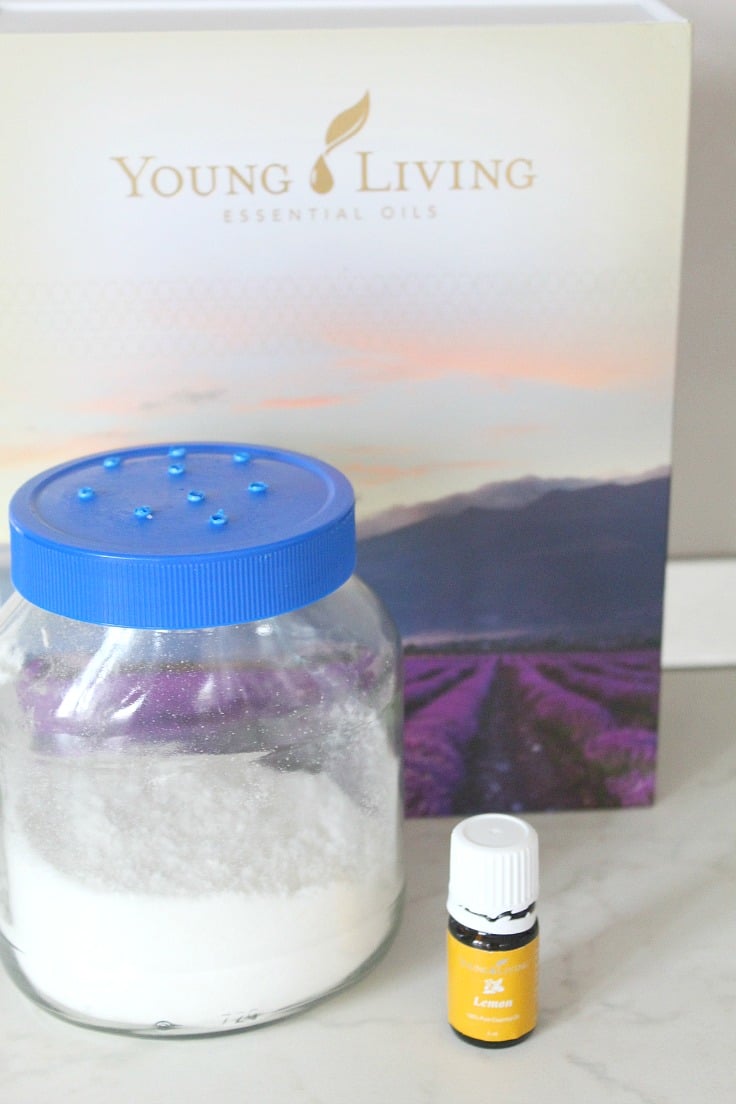
Borax, Baking soda, Salt and lemon essential oils from Young Living. Borax and baking soda will kill the adult fleas, the salt will dry up the eggs and the essential oils will make your house smell absolutely divine! Plus if you use lemon or lavender scents, these are natural flea repellents so any possible unwanted visitors that you may have missed will stay away from your house.
Article may contain Amazon & affiliate links. As an Amazon Associate I earn from qualifying purchases at no additional cost to you
FLEA REPELLENT FOR HOME
INGREDIENTS:
- 4 tablespoons borax
- 6 tablespoons very fine salt
- 6 tablespoons baking soda
- 30 drops lemon essential oil (or lavender, peppermint, tea tree, orange)
- empty jar with a plastic lid
DIRECTIONS:
- Mix all dry ingredients in a large bowl.
- Add essential oils and mix well until no clumps are left.
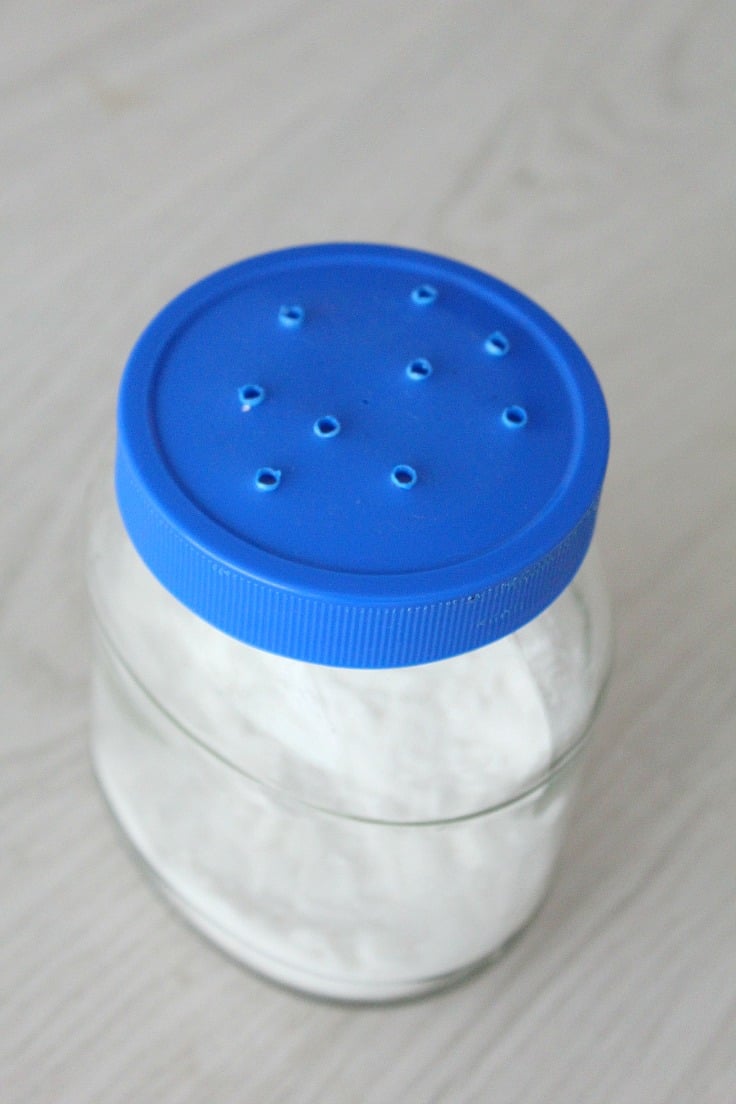
- Take the jar and pierce a few holes through the plastic lid.
- Pour the homemade flea repellent into the jar, tightly screw the lid on and start sprinkling the mixture on carpets.
close
Volume 0%
- Leave on for 24 hrs then thoroughly vacuum clean.
- Clean the vacuum cleaner right afterward to make sure fleas are completely removed from the house.
Pet-Friendly Plants

1African Violet
Want houseplants that are pet-friendly that also produce gorgeous blooms? Look no further than African violet. It comes in a range of purple and pink hues, is low maintenance, and thrives without bright light. Keep the soil moderately moist, and water African violets by letting them soak up water through the pot’s drainage hole to avoid damaging the leaves and petals. This flowering houseplant can brighten up even the smallest spaces because it stays less than 12 inches tall.
Buy It: ‘Paris’ African Violet, $12.00, Selective Gardener

2Air Plant
Tillandsia varieties make excellent pet-friendly, low-maintenance houseplants because they don’t need any soil to grow. Most air plants will stay smaller than 12 inches, and they thrive in bright, indirect light with a quick soak in water about once a week. However, cats and dogs alike will find their spindly, grass-like leaves tempting to chew on so make sure you keep them out of reach.
Buy It: Air Plant in Rex Planter, $55.00, Urbanstems

3Aluminum Plant or Watermelon Plant
The variegated gray-and-green leaves of aluminum plant (part of the genus Pilea) make it an attractive, pet-safe houseplant. It stays shorter than 12 inches, grows well in medium to low light, and only needs water when the top inch of soil is dry. Since it tolerates low light, you can grow it almost anywhere that’s out of reach of your furry friends.
Buy It: Aluminum Plant, $4.99, Josh’s Frogs
4Christmas Cactus
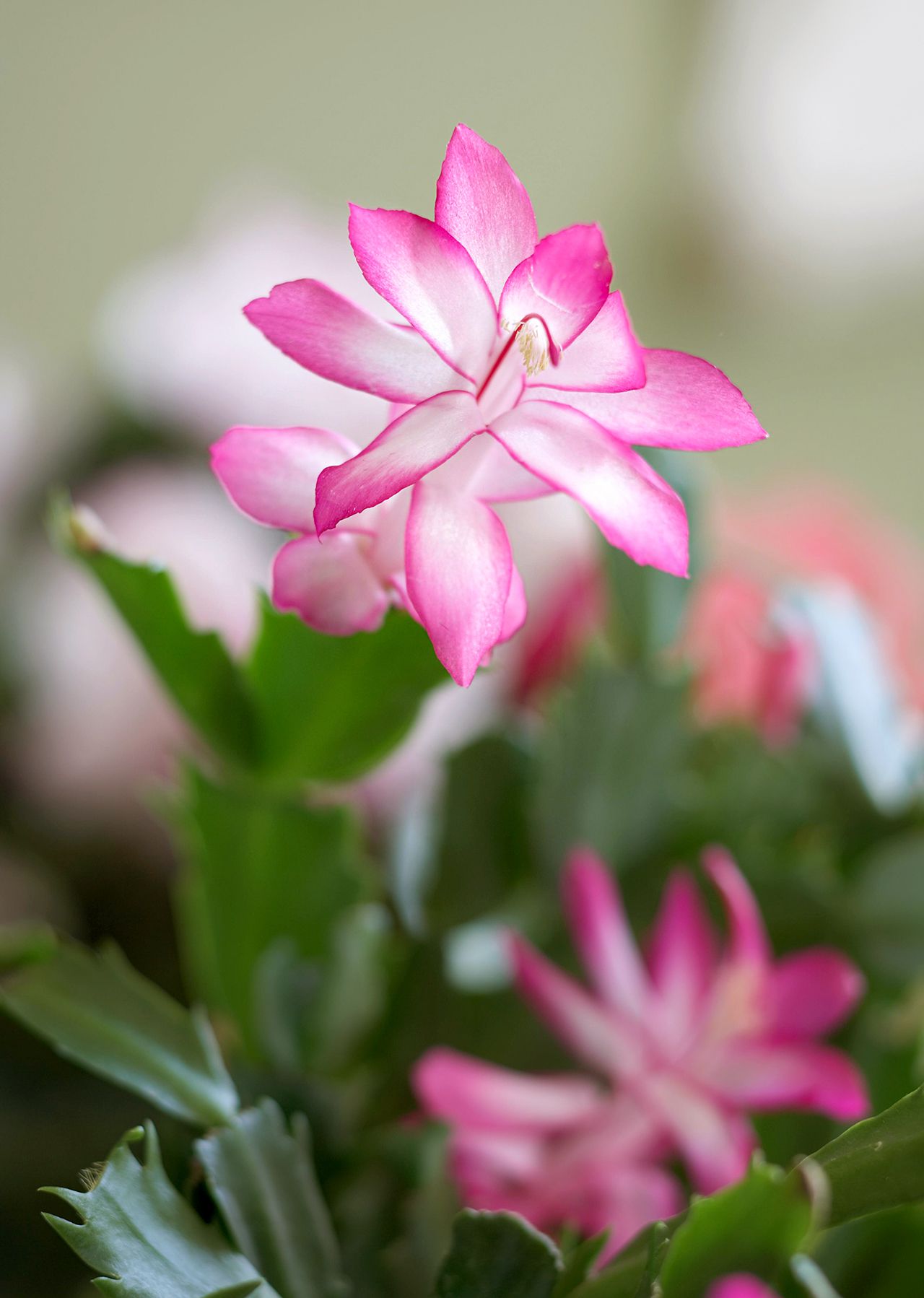
Unlike its dangerous holiday counterpart amaryllis, Christmas cacti are non-toxic plants to have around curious cats and dogs. You still shouldn’t let your pets chew on it (Christmas cacti can cause intestinal discomfort if eaten) but overall it’s a safer choice than many other festive plants. Christmas cacti can easily be confused with Thanksgiving cacti, but both are safe for pets and have similar care requirements. Both cacti stay relatively short (under 12 inches), but can spread up to two feet, and grow best with regular waterings and bright, indirect light.
Buy It: Christmas Cactus, $58.00, The Sill
5Some Varieties of Ferns
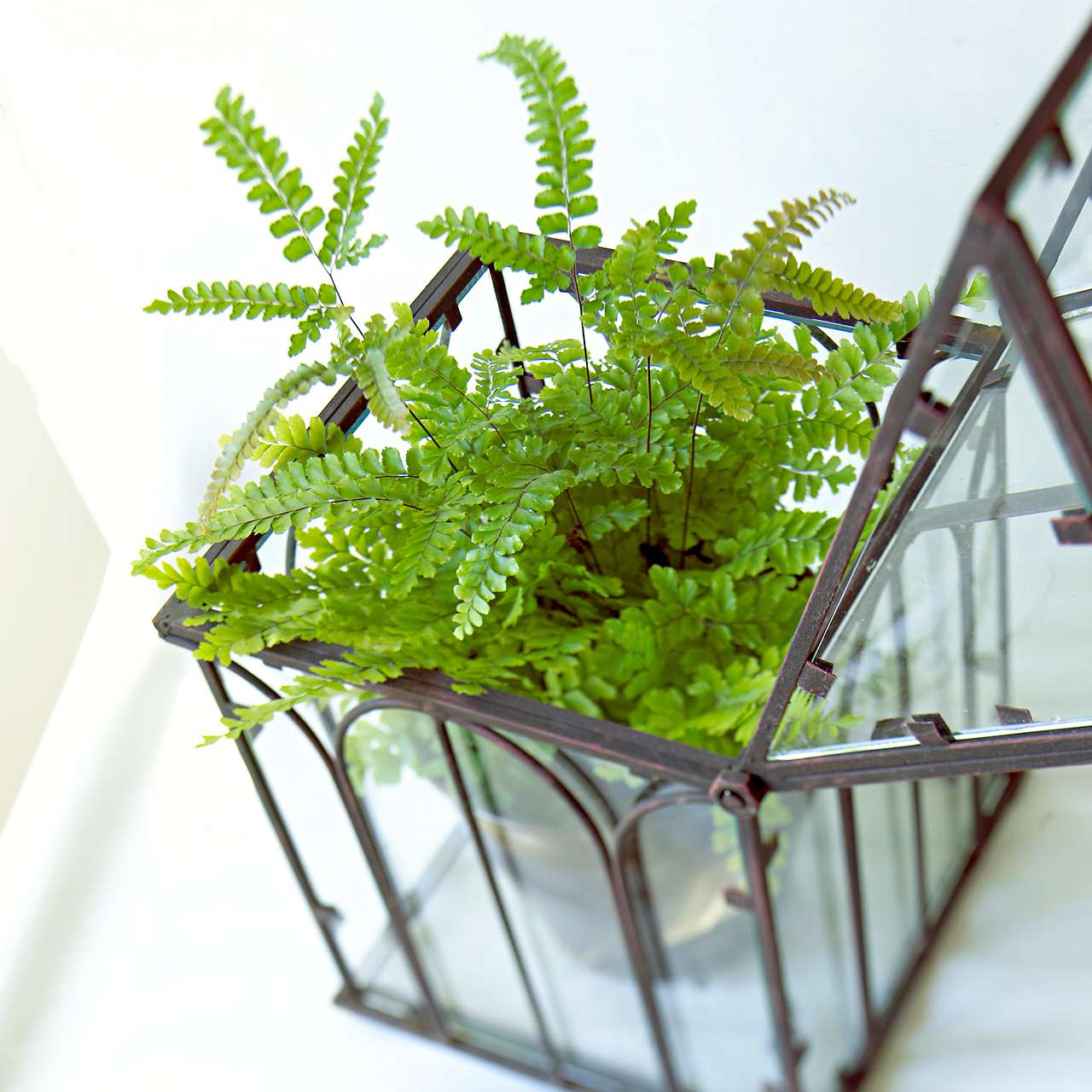
Identifying ferns can be a bit tricky, as there are several plants with the word “fern” in their name that are not actually part of the fern family. True ferns such as Boston and maidenhair are fair game as indoor plants safe for pets. Just beware of toxic misnomers like asparagus fern, which is actually part of the lily family. Though their size can vary, most ferns have similar needs: They like indirect light, evenly moist soil, and high humidity.
Buy It: Bird’s Nest Fern, $35.00, Bloomscape
6Friendship Plant
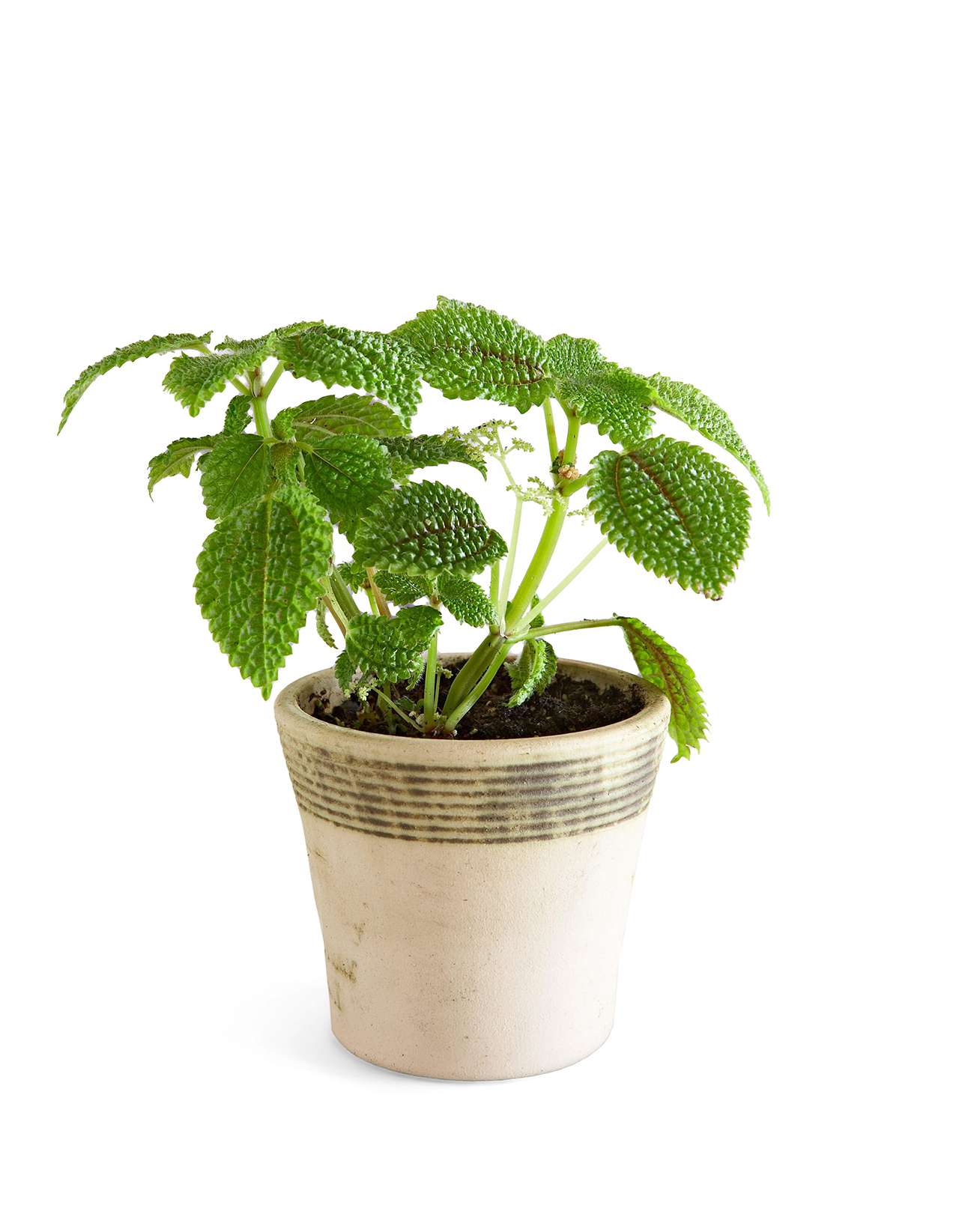
The friendship plant (which is closely related to aluminum plant) is named for the ease with which it can be divided and shared. If you get one as a gift, rest assured it’s safe for your cats and dogs, even if they take a bite out of this plant’s fuzzy, crinkly leaves. Friendship plant tolerates medium and low light, loves humidity (it grows well in terrariums), and usually doesn’t grow taller than 12 inches.
Buy It: Friendship Plant ‘Moon Valley,’ $4.99, Hirt’s Gardens
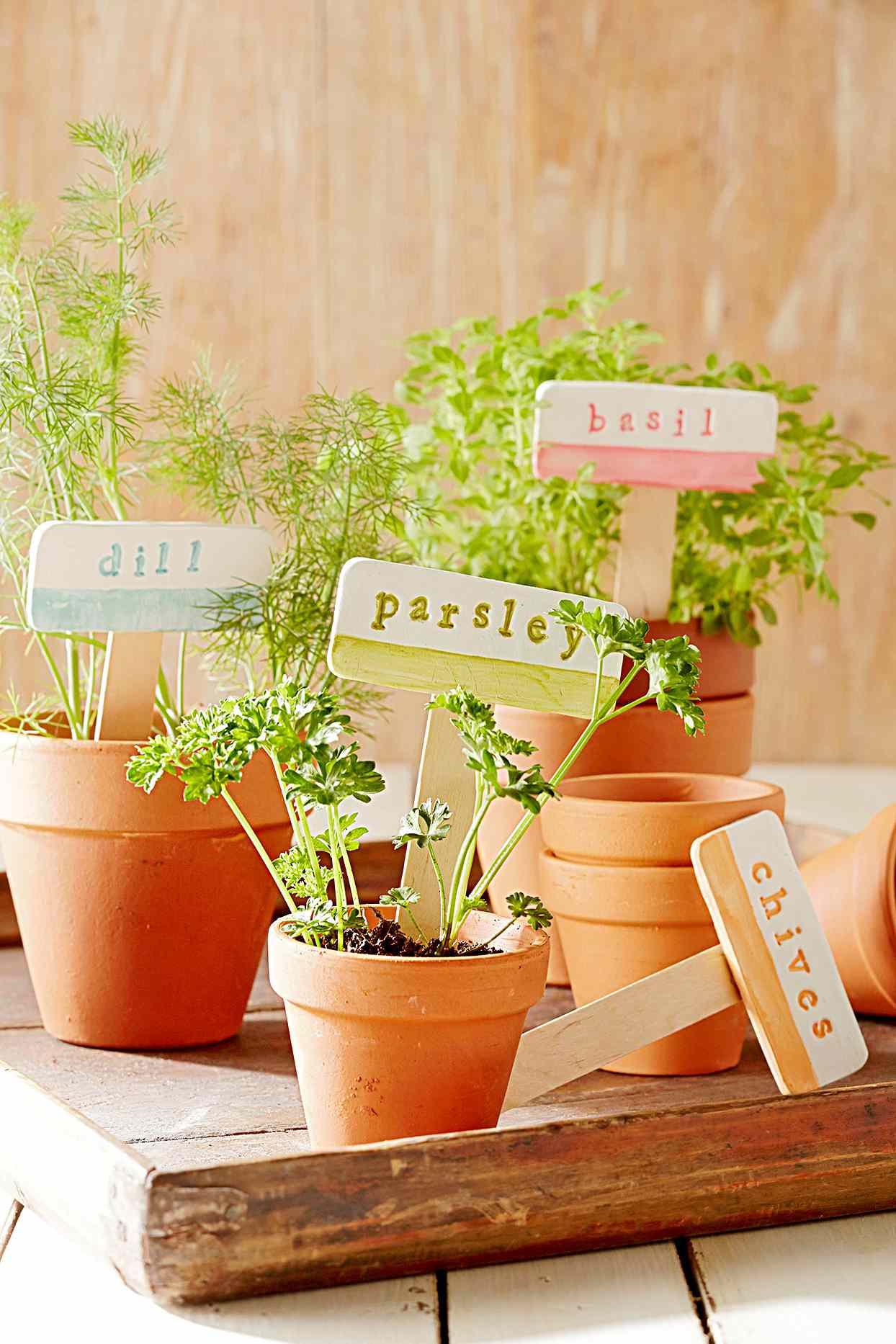
7Some Herbs
Indoor herb gardens are an easy way to add fresh flavor to your home cooked meals. But not all herbs are created equal when it comes to pet safety. Standards like lavender and oregano are off-limits, but basil, sage, and thyme are all houseplants that are pet-friendly. Place herbs in a sunny window that gets at least four or five hours of direct sunlight every day, and water when the top inch of soil is dry.
Buy It: Aromatic Herbs Collection, $65.00, Bloomscape

8Lace Flower Vine or Chocolate Soldier
Pretty lace flower vine is an easy, pet-friendly houseplant that grows best in hanging baskets, well out of reach of your cat or dog. But should an extra-persistent pet make their way into the pot, no harm will be done. Hang this pretty plant in a spot with bright, indirect light, and water whenever the soil starts to feel dry, and its trailing stems will grow to about three feet long.
Buy It: Lace Flower, $8.00, Etsy
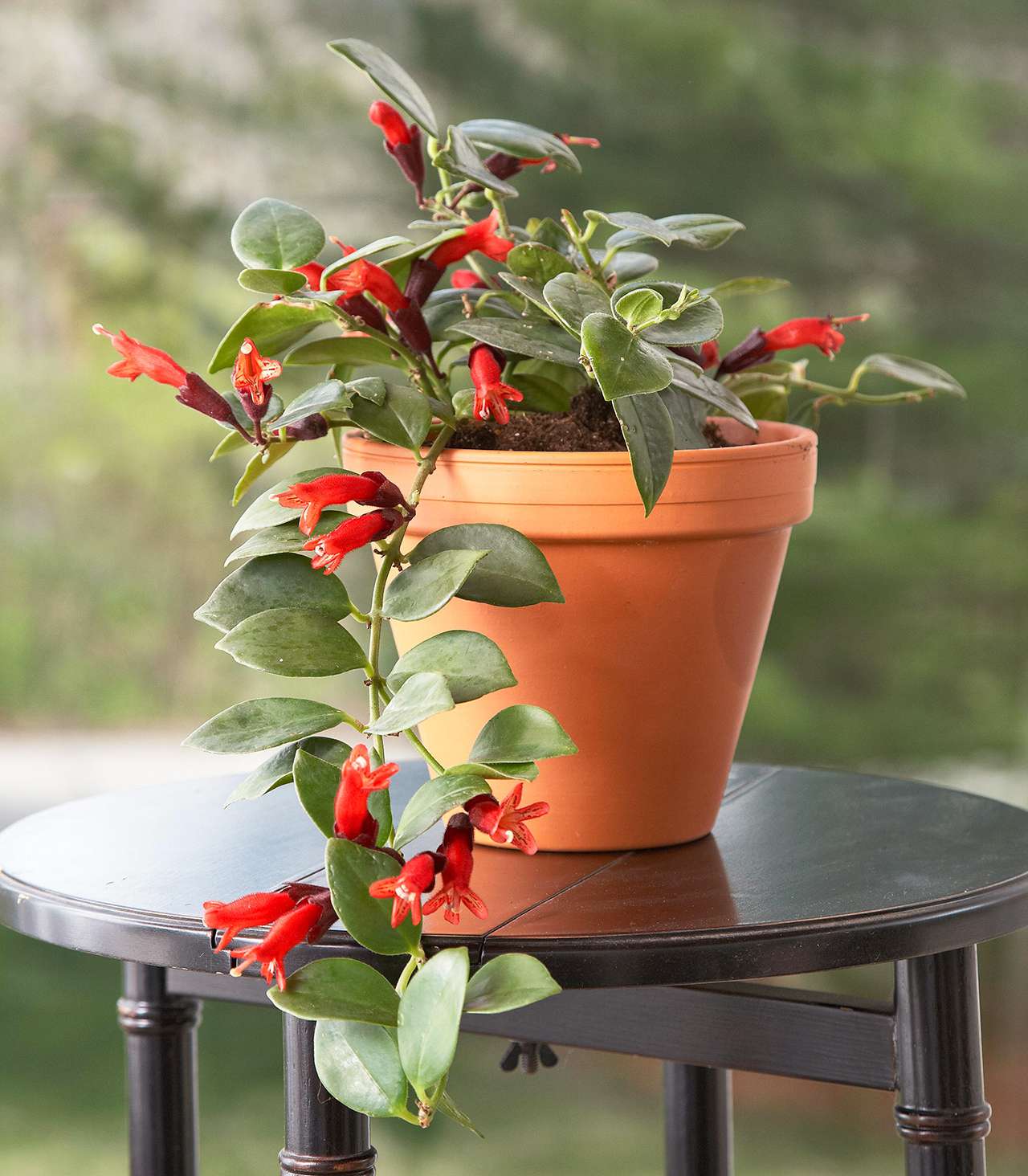
9Lipstick Plant
This quirky plant has blooms that look like tubes of lipstick, and is safe for cats and dogs alike (other members of the Peperomia family are, too). A native of the tropics, lipstick plant thrives in bright light and loves being outside in the warmer months. It can grow up to 20 inches tall and likes to have consistently moist soil, so don’t forget to water!
Buy It: Lipstick Plant, $4.99, Josh’s Frogs
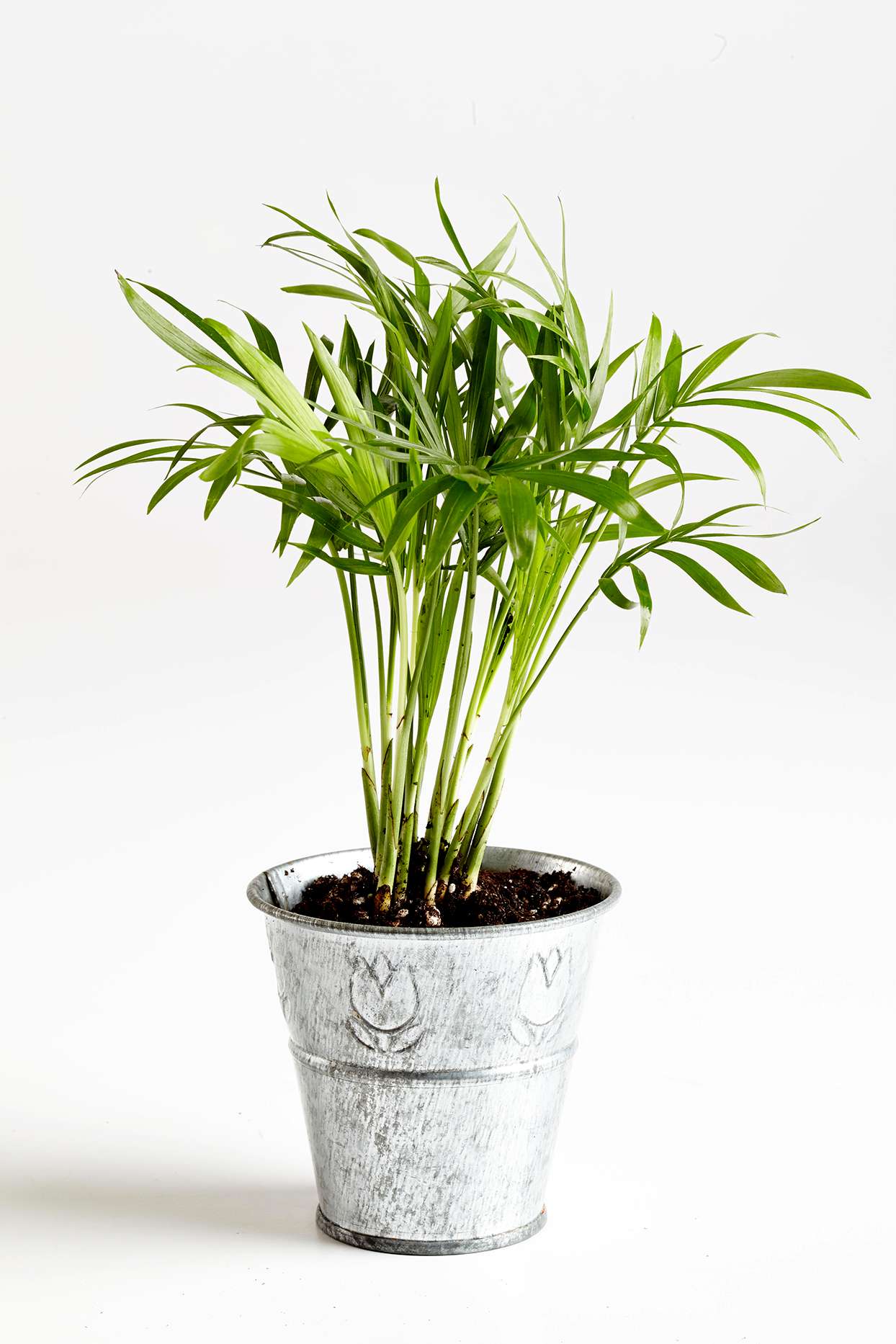
10Parlor Palm
Pet owners looking to add a small tree indoors may want to pick up a parlor palm. This pet-friendly, low-maintenance houseplant is also a good starting point for beginners. It grows best in bright, indirect light, but also tolerates low light. Water when the top inch of soil is dry, and your parlor palm could reach up to eight feet (though four feet is more common).
Buy It: Parlor Palm, $65.00, Bloomscape

11Moth Orchid
The common moth orchid (the one you’re most likely to see in the floral shop) isn’t harmful to pets. But one thing to watch for: Dogs and cats who love to chew may get into trouble in the potting mix, which often is made up of bark chips. The chips aren’t toxic but may cause tummy troubles if swallowed. Usually between one and three feet tall, this pet-friendly houseplant can tolerate low, medium, or bright light, and generally needs water once a week, or every other week.
Buy It: Petite Purple Moth Orchid, $75.00, The Sill
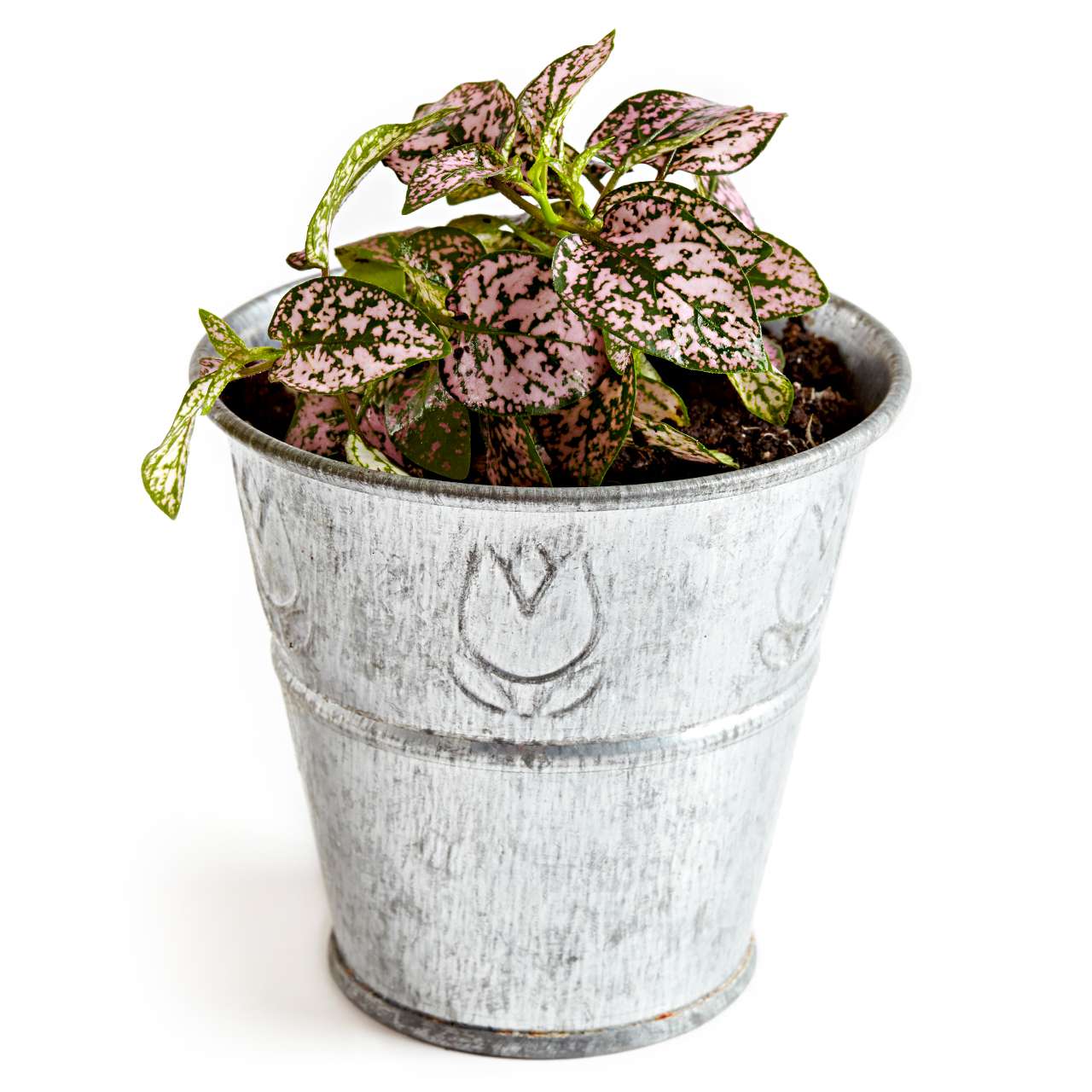
12Polka Dot Plant
Use polka dot plant to add a splash of pattern and color to miniature gardens, terrariums, mixed containers, and more. You can find this pet-friendly plant in colors like pink or white, and though it can grow up to three feet tall, it usually stays on the small side (under 12 inches) in containers. Place it in a spot that gets bright, indirect light and keep the soil consistently moist.
Buy It: Four Polka Dot Plants, $29.74, The Home Depot
13Prayer Plant or Calathea
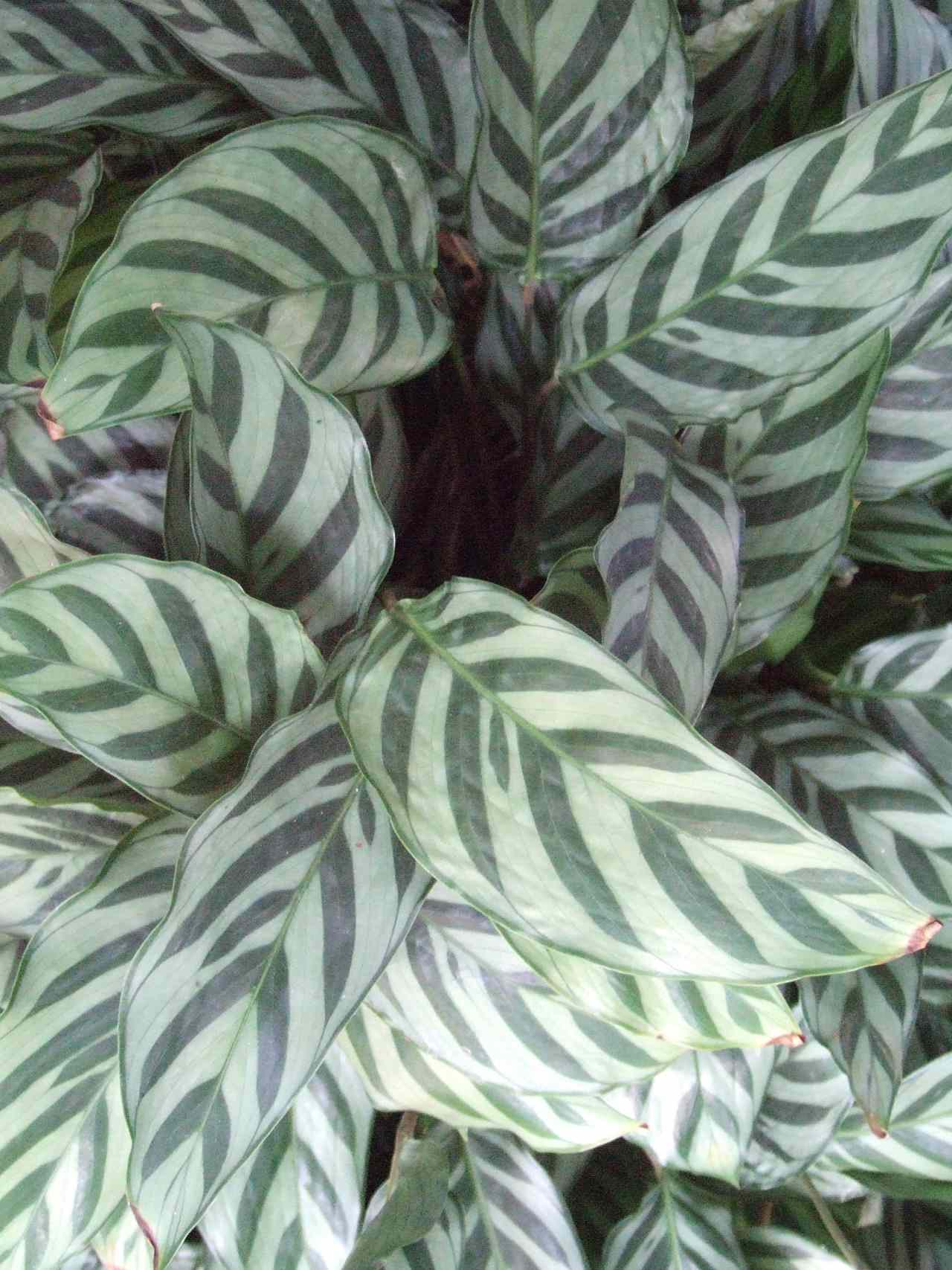
Topping out at six to eight inches, prayer plant is ideal for small spaces like bookshelves and end tables. Its red, cream, and green leaves curl up at night, giving it its name. What’s more, it’s one of the easiest houseplants you can grow that’s also safe for pets. It grows best in medium or low light, and you can let soil dry out a bit between waterings.
Buy It: Calathea Medallion, $65.00, Bloomscape
14Spider Plant
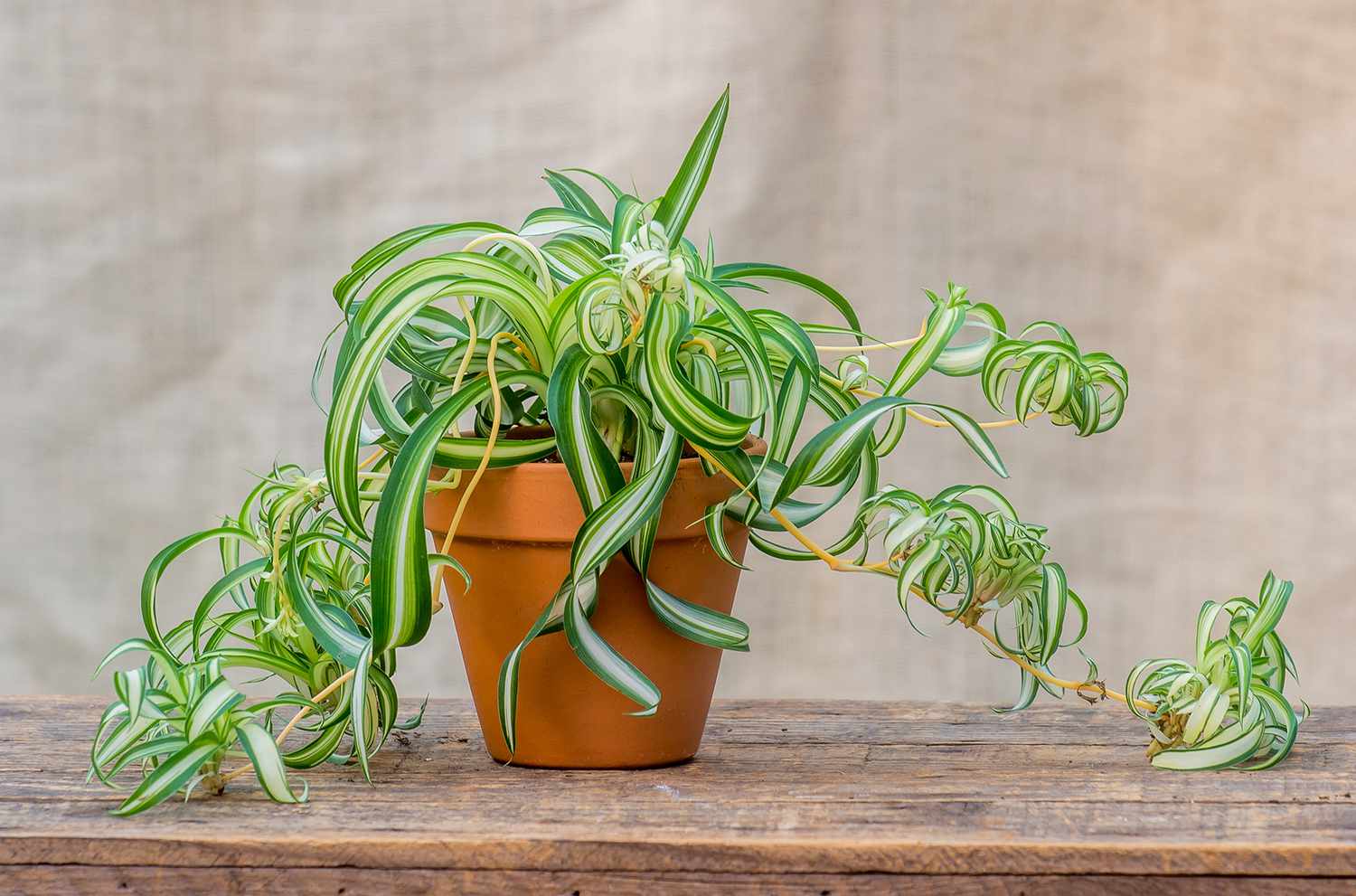
This pet-friendly houseplant is one of the easiest you can grow. It’s also super simple to grow more spider plants from the babies that the mother plant produces. Spider plant grows best in bright, indirect light, but it can tolerate low light, too. Let the soil dry between waterings, and your plant can grow up to 12 inches tall and 24 inches wide, and produce multiple baby plants.
Buy It: Spider Plant, $35.00, Bloomscape
15Some Succulents
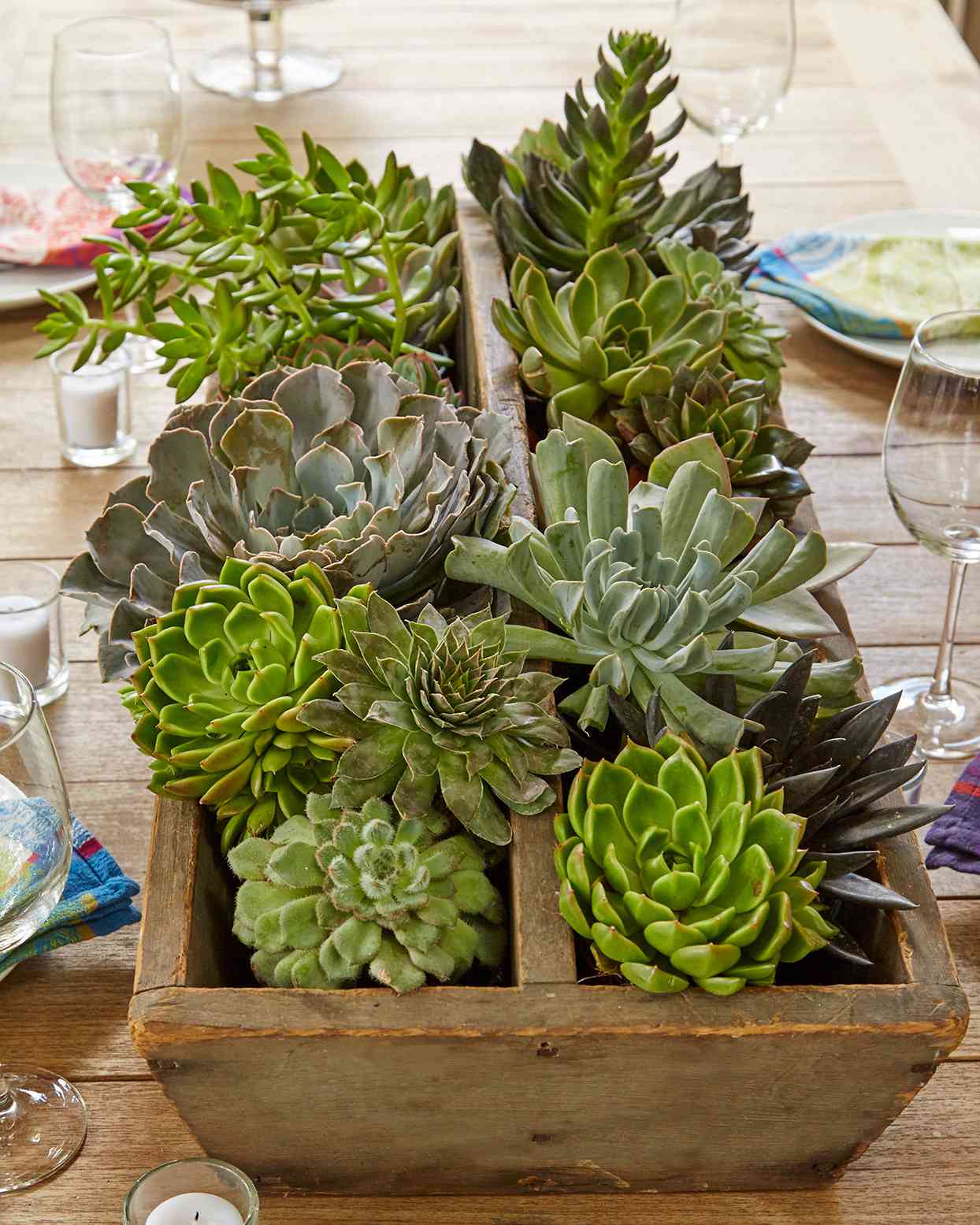
Many of the most popular succulents, including hens and chicks and echeverias, aren’t problematic, but with so many varieties on the market, it’s best to research each individual plant. Jade, for example, while similar to other succulents, is actually dangerous to pets. Most succulents stay just a few inches tall when grown indoors. They will do best in bright light, and only need watering every couple of weeks.
 Mws R Writings