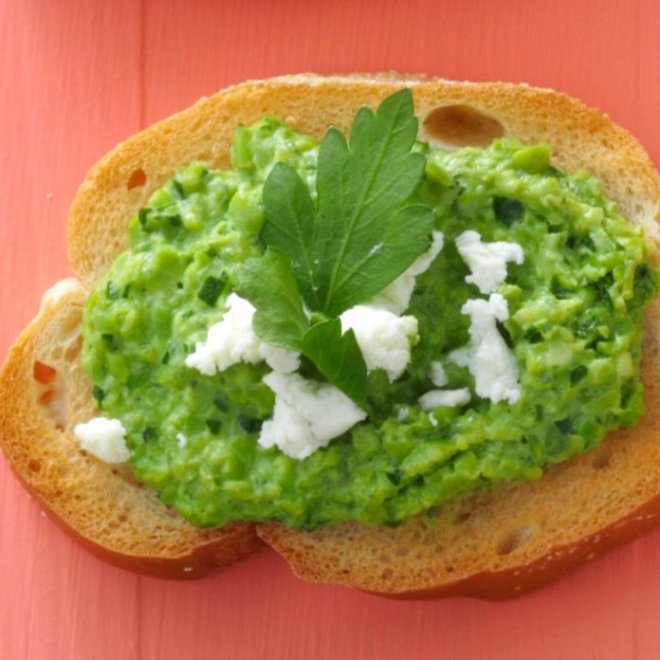
Recipe Share/ Spring Pea Crostini

Lemon Pound Cake/Keto

coffee apple laptop working
Photo by Kaboompics .com on Pexels.com

Bake at 375 degrees for 30-45 minutes or until the center is done.

Ingredients for Lemon Pound Cake:

6 large, Egg 2/3 cup,

Oil 2 cup,

Almond Flour 5 tsp,

Coconut Flour 1 tsp,

Baking Powder 1 tsp,

Baking Soda 1/4 tsp

Salt 2/3 cup,

Lemon juice, raw 1 tsp

Vanilla Essence 3/4 Cup

Erythritol 2 Droppers(12 drops)

Stevia Ingredients for the glaze:

1/3 Cup Cream Cheese 1/3 Cup Heavy Cream 6 drops Stevia

Macros: Serves 12 Each Serving Calories: 174 Fat: 17 Protien: 4 Net Carbs: 2

Recipe for Tomato/Tomato Sauce

If you’ve been eyeing those gorgeous tomatoes at the farmers market and wondering what it might take to transform them into jars of delicious red sauce, wonder no more. Here is everything you need to know to make a moderate-sized batch of tomato sauce for your pantry (or freezer!), from picking the right tomatoes to packing the sauce into jars.

Fifteen pounds of fresh tomatoes. One afternoon. Eight pints of sauce. It’s go time.

Homemade Tomato Sauce: Watch the Video

Fresh Tomato Sauce from Scratch

Making tomato sauce isn’t very hard, but it’s definitely labor-intensive. Even the relatively small amount that we’re making here — just enough for a few special mid-winter meals — will take you a solid afternoon of work from start to finish. If you want to make a larger batch, give yourself even more time for the project and think about recruiting some extra hands to help you out.

If you’ve never made tomato sauce from fresh tomatoes before, this is a good place to start. The amount isn’t overwhelming, but you’ll make enough to justify the afternoon. It’s also a small enough amount that you can freeze the whole batch if you don’t feel like canning it.

Bottom line: Grab yourself some tomatoes and make yourself some tomato sauce this weekend. You won’t regret it.

(Image credit: Emma Christensen)

Choosing Tomatoes for Sauce: Big Boys Are Best

Any tomato that tastes good to you can be used to make tomato sauce; it’s really that simple. Romas and other paste tomatoes are often recommended for canning because they generally have more flesh with less juice and fewer seeds. However, they are smaller (which means more up-front prep work), and I often find that their flavor isn’t as good as other tomatoes. I used Big Boy tomatoes — your basic summer slicing tomato — for the batch I made for this post and couldn’t be happier. If you like what you start with, you’ll like what you finish with.

Another factor to consider is the cost of the tomatoes. Anything more than a dollar a pound, and the cost-effectiveness of this home canning project starts to plummet. A friend of mine who tries to can around 180 pounds of tomatoes each summer says she doesn’t pay much attention to the particular tomato variety; she just picks up what she can find for cheap. This often means buying in bulk directly from farms or picking your own — or, even better, growing your own if you can!

Key Steps for Tomato Sauce

  • Set up assembly line processing. Prepping the tomatoes for the sauce is the most time-consuming part of this afternoon project, but if you get yourself organized before you begin, the work will move quickly. Set yourself up with all the tomatoes bottoms-up on the sheet pan, bring a large pot of water to a boil, and then set an ice bath and compost bowl nearby for peeling.
  • Chunky or puréed sauce? To save ourselves a bit of work, I recommend chopping the tomatoes in a food processor or blender before cooking them. A few pulses will make a chunky sauce, and longer processing will make a very smooth sauce. Conversely, if you like a very chunky sauce, skip this step altogether and let the tomatoes break down naturally as they simmer. You can also chop the tomatoes by hand, run them through a food mill, or purée them with a stick blender after they’ve been cooking.
  • How long to cook the sauce? I give a cooking range of 30 minutes to 90 minutes (1 1/2 hours). Shorter cooking times will yield a thinner sauce with a fresher tomato flavor; longer cooking times will thicken your sauce and give it a cooked flavor. Watch your sauce as it simmers and stop cooking when it reaches a consistency and flavor you like.

(Image credit: Emma Christensen)

Storing and Serving Fresh Tomato Sauce

Let the sauce cool, then transfer it into freezer containers or freezer bags. Sauce can be kept frozen for at least three months before starting to develop freezer burn or off-flavors.

If you’re feeling particularly industrious you can also hot-water can the tomato sauce by moving the hot sauce to sterilized canning jars, sealing tightly with new lids, and boiling for 30 minutes. Want to read more about hot-water canning? Here’s our quick guide.

This sauce is the most basic tomato sauce there is — just tomatoes and some lemon juice to bump up the acidity to safe levels for canning. You can add seasonings like garlic, onions, or herbs, but I like the fact that this is a neutral base for whatever recipe I want to make, from weeknight pizzas to a fancy lasagna. Just avoid using oil if you’re planning to can your sauce, as this can potentially be a source for botulism.

Want to Make Tomato Sauce with Canned Tomatoes?

Check out this tutorial for making tomato sauce with canned tomatoes: How To Make Marinara Sauce

I made this

48 Ratings

How To Make Basic Tomato Sauce with Fresh Tomatoes

Makes about 8 pints

Prep time: 30 minutes ; cooking time: 1 hour

What You Need

Ingredients

  • 15 poundsripe tomatoes
  • 1/4 to 1/2 cupfreshly squeezed lemon juice or red wine vinegar
  • 2 teaspoonssalt (optional)
  • Equipment
  • 6 1/2-quart or larger Dutch oven or stockpot
  • Mixing bowls
  • Slotted spoon
  • Knife and cutting board
  • Food processor or blender
  • 6 sterilized pint jars for canning, or containers for freezing
Instructions

  1. Boil a pot of water and prepare the ice bath. Bring a large 6-quart or larger Dutch oven or stockpot of water to a boil over high heat. Fill a large bowl with ice and water and set this next to the stove.
  2. Prepare the tomatoes for blanching. Core out the stems from the tomatoes and slice a shallow “X” in the bottom of each fruit.
  3. Blanch the tomatoes to peel them. Working in batches, drop several tomatoes into the boiling water. Cook until you see the skin starting to wrinkle and split, 45 to 60 seconds. Using a slotted spoon, lift the tomatoes out and place them in the ice water. Continue with the rest of the tomatoes, transferring the cooled tomatoes from the ice water to another large bowl as they cool. Pour the blanching water from the pot (no need to dry).
  4. Peel the tomatoes. When finished blanching, use your hands or a paring knife to strip the skins from the tomatoes. Discard the water used to boil the tomatoes.
  5. Coarsely chop the tomatoes. Working in batches, place the tomatoes in the food processor fitted with the blade attachment. Pulse a few times for chunkier sauce, or process until smooth for a puréed sauce. Alternatively, chop the tomatoes by hand. For a smoother sauce, process through a food mill. For a very chunky sauce, skip this step entirely and let the tomatoes break down into large pieces as they cook. Transfer each batch into the reserved Dutch oven or stockpot.
  6. Simmer the tomatoes. Bring the tomato sauce to a simmer over medium heat. Continue simmering, stirring occasionally, until the sauce reaches the taste and consistency you like, 30 to 90 minutes.
  7. Stir in the lemon juice and salt. Stir in at least 1/4 cup of the lemon juice or vinegar and salt. A 1/4 cup is necessary to ensure a safe level of acidity for canning. Taste and add more lemon juice or vinegar as needed.
  8. Preserving Option 1: Freezing
    Let the sauce cool, then transfer it into freezer containers or freezer bags. Sauce can be kept frozen for at least 3 months before starting to develop freezer burn or off-flavors.
  9. Preserving Option 2: Canning
    Transfer the hot sauce into sterilized canning jars. Top with new, sterilized lids, and screw on the rings until finger tight. Process in a pot of boiling water for 30 minutes. Let cool completely on the counter — if any lids do not seal completely (the lids will invert and form a vacuum seal), refrigerate that sauce and use it within a week or freeze it for up to 3 months. Canned tomato sauce can be stored in the pantry for at least 1 year.

Recipe Notes

Canning: For a more detailed description of the canning process, read this tutorial: A Visual Tour of Hot Water Bath Canning.

Recipe Share


Screen Shot 2014-02-13 at 3.59.54 PM

You’ll never need to miss bread or breadcrumbs again. Here it goes:

Ingredients for low carb keto meatballs

(For ground beef + 5 large meatballs, it’s 1 net carb w/ 18g fat, 22g protein per meatball)

  • 1 lb ground beef (or 1/2lb beef, 1/2lb pork … or … (1/2lb beef, 1/2lb pork, 1/2lb lamb)
  • 1/2 cup grated parmesan cheese
  • 1 tbsp minced garlic (or paste)
  • 1/2 cup mozzarella cheese
  • 1 tsp freshly ground pepper

Mix it all together in a bowl and roll these babies up into meatballs. I decided to make big ones, so it made about 5 large meatballs.

You can cook them on the stove with some butter/oil/ghee but mine were pretty big so I browned them in an oven-safe pan and then put it in the oven at 400 degrees for about 20 minutes until they were cooked to 170 degrees.

Screen Shot 2014-02-13 at 4.36.16 PM

When they were done, I added them to a pot of sauce I was cooking for a few minutes.

These were, by far, the most moist meatballs I’ve made on keto so far. The mozzarella really softens the whole joint up while adding flavor. From now on this is how I make meatballs!

Screen Shot 2014-02-13 at 4.00.51 PM


I served them with yellow and green squash noodles, made almost exactly (no lemon) the same way as they were in my lemon cream squash ribbon pasta and garlic lemon squash pasta. They were topped with Rozzano Marinara, which I found at BJ’s and only has 2 net carbs per serving.

Recipe Share

Onion & Chive Cauliflower Hashbrowns {Keto & Grain-Free}

Serves 2
These a hashbrown-lover approved to taste just like the real thing, only better! Macros: Calories: 93 / Fat 6g / Carb 6g / Fiber 2g / Protein 5g / Net Carbs: 4g
Prep Time
15 min
Cook Time
10 min
Total Time
25 min
Prep Time
15 min
Cook Time
10 min
Total Time
25 min
Ingredients
  1. 2 cups riced cauliflower (about half of one large head of cauliflower)
  2. 1 large egg
  3. 1/4 tsp salt
  4. a couple cranks of fresh pepper
  5. 1 tbsp finely diced onion
  6. 1 tsp finely diced green pepper
  7. 1 tsp finely diced red pepper
  8. 1 small block of onion & chive Cotswold cheese
  9. 1/2 tbsp olive oil
Instructions
  1. In a bowl, combine cauliflower, egg, salt, pepper, onion, green pepper and red pepper until thoroughly combined (the egg will help everything stick together).
  2. In a small pan over medium-high heat, add olive oil.
  3. Once the pan is hot and olive oil rolls around easily in the pan, use a large spoon to scoop half the cauliflower mix into the pan. Use the spoon to flatten the cauliflower down to about 1/3 inch thick, and also to smooth around the side so that it’s in a round or rectangle shape.
  4. Let sit and cook until brown and crispy underneath, about 4-5 minutes.
  5. Use a spatula to flip the hashbrown.
  6. Using a cheese grater, grate a generous amount of the onion and chive cotswold cheese over the hashbrown.
  7. Let the hashbrown cook until crispy underneath (another 3-4 minutes) and until the cheese on top has melted.
  8. Remove from your pan with a spatula, and repeat with the second half of the “batter”.
  9. Enjoy!
Notes
  1. In my photo, I’ve sprinkled microgreens over the top, but you don’t need to unless you want to!
By Amanda C. Hughes

Recipe Share

Latin Chicken Skillet with Black Beans

Latin-Chicken-Skillet-Black-Beans-Tomatoes-19-768x1152


Description
You’re less than 30 minutes away from serving up a delicious, homemade chicken dinner with Latin flair! And with just a handful of ingredients and a single skillet, this Latin skillet is a perfect meal for busy weeknights.

Ingredients
2 tablespoons olive oil
1 package (about 5-6 pieces, 1 1/2 to 2 pounds total) chicken breast cutlets, pat dry
2 teaspoons adobo seasoning
2 cloves garlic, minced
1 shallot, thinly sliced
1 1/2 cups grape tomatoes, halved
1 (15.5-ounce) can black beans
Lime wedges, for garnish (optional)

Instructions
Heat oil over medium-high heat in a large skillet.
Season chicken with adobo seasoning, then fry until golden brown on the bottoms, about 3 minutes. Flip chicken over and add garlic and shallots, shaking the pan a bit so the garlic and shallots move toward the bottom of the pan. Continue to cook until fragrant, about 2 minutes.
Add tomatoes and cook for 3 minutes. Lower the heat to medium, add beans, and simmer until the beans are heated through and the chicken is fully cooked, about 5 minutes longer.
Serve chicken and black beans with lime wedges alongside, if desired

https://www.yummly.com/recipe/Latin-Chicken-Skillet-with-Black-Beans-_-Tomatoes-2398403

Recipe Share

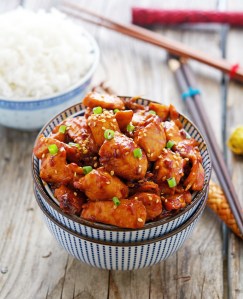
Easy Korean Sticky Chicken Easy-Sticky-Korean-Chicken

Ingredients
Serves 4

1 lb / 453 gr chicken breasts, cut into large chunks
2 tablespoons honey
3 tablespoons gochujang (Korean chili paste)
3 tablespoons soy sauce (or coconut aminos)
1 teaspoon freshly grated ginger
2 garlic cloves, minced
1 tablespoon vegetable oil (I used grapeseed oil)
1 tablespoon sesame seeds
2 scallions, green part only, finely chopped

Directions

In a bowl combine honey, gochujang, oil, soy sauce, ginger, and garlic. Mix well until combined.
Place chicken chunks in a resealable bag (or a shallow dish) and pour marinade over it.
Seal the bag (or cover the dish) and let marinate in the refrigerator for at least 30 minutes (marinate overnight for fullest flavor). If you don’t have time to marinate, that’s okay; it just won’t be so deeply flavored.
Remove the chicken from the marinade and set aside.
Heat oil in a large pan over medium-high heat, when sizzling add chicken and cook for about 8 minutes, or until cooked through, stirring every now and then. Transfer to a plate and set aside.
Add the marinade in the same pan and cook for one minute, until the sauce begins to bubble.
Return the chicken to the pan and coat on all sides, cook for further 2 minutes until the sauce thickens and the chicken is caramelized.
Sprinkle with sesame seeds and stir one last time to coat evenly.
Transfer to a bowl and top with chopped scallions.
Serve immediately!

Nutrition facts

One serving yields 291 calories, 10 grams of fat, 9 grams of carbs, and 37 grams of protein.

https://www.yummly.com/recipe/Easy-Korean-Sticky-Chicken-1363201?prm-v1&utm_medium=email&utm_source=seasonal&utm_campaign=Easy_Korean_Dishes