
I love Fall. I love the temperatures, the smells, the sights, and of course the food. Fall can be just as productive in terms of gardening, as the summer and spring months. I found this link that gives us some tips for the Fall season. The link will be provided below. I hope you follow it and that your Fall will result in a wonderful harvest as well.
MwsR
Tag: Tips

Health Tip Share

Changes (Health)
The smallest changes can impact your health. Here are a few…
- Give yourself a break. Plan your task around the way you feel. If you have little energy, only do things that don’t require a lot of energy. f you have a lot of energy, for the things that require the most energy.
- Make a routine. Plan for things like exercising, cooking, healthy routines, and repeat those routines weekly to establish habits.
- Make your own go-to meals. If need a real, those will come in handy. Make a list of them.
- Plan goals that you can do and journal about them.
- Figure out what you can do when you .feel stressed, tired, or lack energy. Things like listetning to music, taking a walk, or stretching, perhaps.
- Write yourself notes. Things like groceries, errands you need to do, books you want to check out. Put them in one place so you can check on them.





Tips For Homeschooling Link Share
- https://www.homeschool.com/articles/homeschooling-tips-for-beginners/#:~:text=%20Homeschooling%20Tips%20for%20Beginners%20%201%20Homeschooling,feel%20like%20a%20different%20world%20of…%20More%2
- https://www.practicalmommylife.com/homeschooling-tips-for-beginners
- https://www.dummies.com/education/homeschooling/


Lifestyle Tips For Diabetics
Lose extra weight. Moving toward a healthy weight helps control blood sugars. Your doctor, a dietitian, and a fitness trainer can get you started on a plan that will work for you.
Check your blood sugar level at least twice a day. Is it in the range advised by your doctor? Also, write it down so you can track your progress and note how food and activity affect your levels.
Get A1c blood tests to find out your average blood sugar for the past 2 to 3 months. Most people with type 2 diabetes should aim for an A1c of 7% or lower. Ask your doctor how often you need to get an A1c test.
Track your carbohydrates. Know how many carbs you’re eating and how often you have them. Managing your carbs can help keep your blood sugar under control. Choose high-fiber carbs, such as green vegetables, fruit, beans, and whole grains.
Control your blood pressure, cholesterol, and triglyceride levels. Diabetes makes heart disease more likely, so keep a close eye on your blood pressure and cholesterol. Talk with your doctor about keeping your cholesterol, triglycerides, and blood pressure in check. Take medications as prescribed.
Keep moving. Regular exercise can help you reach or maintain a healthy weight. Exercise also cuts stress and helps control blood pressure, cholesterol, and triglyceride levels. Get at least 30 minutes a day of aerobic exercise 5 days a week. Try walking, dancing, low-impact aerobics, swimming, tennis, or a stationary bike. Start out more slowly if you aren’t active now. You can break up the 30 minutes — say, by taking a 10-minute walk after every meal. Include strength training and stretching on some days, too.
Catch some ZZZs. When you’re sleep-deprived, you tend to eat more, and you can put on weight, which leads to health problems. People with diabetes who get enough sleep often have healthier eating habits and improved blood sugar levels.
Manage stress. Stress and diabetes don’t mix. Excess stress can elevate blood sugar levels. But you can find relief by sitting quietly for 15 minutes, meditating, or practicing yoga.
See your doctor. Get a complete checkup at least once a year, though you may talk to your doctor more often. At your annual physical, make sure you get a dilated eye exam, blood pressure check, foot exam, and screenings for other complications such as kidney damage, nerve damage, and heart disease.
WebMD Medical Reference Reviewed by Michael Dansinger, MD on February 17, 2019
Garden Tip

Garden Tips!
1. Know your USDA Hardiness Zone. Use it as a guide so you don’t plant trees, shrubs, and perennials that won’t survive conditions in your area. You’ll also get a better idea of when to plant vegetables and fruits in your area.
2. Not sure when to prune? Prune spring-flowering shrubs, such as lilacs, and large-flower climbing roses immediately after the blooms fade. They set their flower buds in autumn on last year’s growth. If you prune them in fall or winter, you remove next spring’s flower buds.

3. Apply only composted, rotted manure that has cured for at least six months to your soil. Fresh manure is too high in nitrogen and can “burn” plants; it may also contain pathogens or parasites. Manure from pigs, dogs, and cats should never be used in gardens or compost piles because they may contain parasites that can infect humans.
4. Perennials generally need three years to achieve mature growth. Remember the adage that they “sleep, creep, and leap” over the three-year period.
5. Learn how long your growing season is—your last frost in spring and first frost in fall—so you can start some plants inside or avoid growing them.

6. Deadheading is a good practice for perennials and annuals. Because the goal of annual plants is to flower, set seed, and die, removing the old blooms tells annual plants to produce more flowers. Removing spent flowers also encourages plants to place energies into stronger leaves and roots instead of seed production. Avoid deadheading plants grown especially for their fruits or pods, such as money plant (Lunaria).
7. How much light do plants need? Grow vegetables in a location that gets at least 8 hours of direct sunlight every day. Most vegetables need full sun to perform well. If you have some shade, try growing cool-season crops such as lettuce, spinach, radishes, and cabbage.
8. The best approaches to controlling weeds in the garden are hand-weeding and hoeing. Avoid deep hoeing or cultivating that can bring weed seeds to the soil’s surface. Weed early and often so weeds don’t go to seed. Use mulch to smother and prevent annual weeds.
9. Hostas don’t need to be divided unless you want to rejuvenate an old plant or increase the numbers you have, or because you simply prefer the look of single plants.

10. Not all hydrangeas grow in the shade. Panicle hydrangeas (Hydrangea paniculata) need sun for best flowering. Some top panicle varieties include ‘Limelight’, Little Lime, Vanilla Strawberry, and Bombshell.
11. Don’t clean up everything in your garden in fall. Leave ornamental grasses for beauty and the seed heads of perennials such as coneflowers to feed the birds. Avoid cutting back marginally hardy perennials, such as garden mums, to increase their chances of surviving a harsh winter.
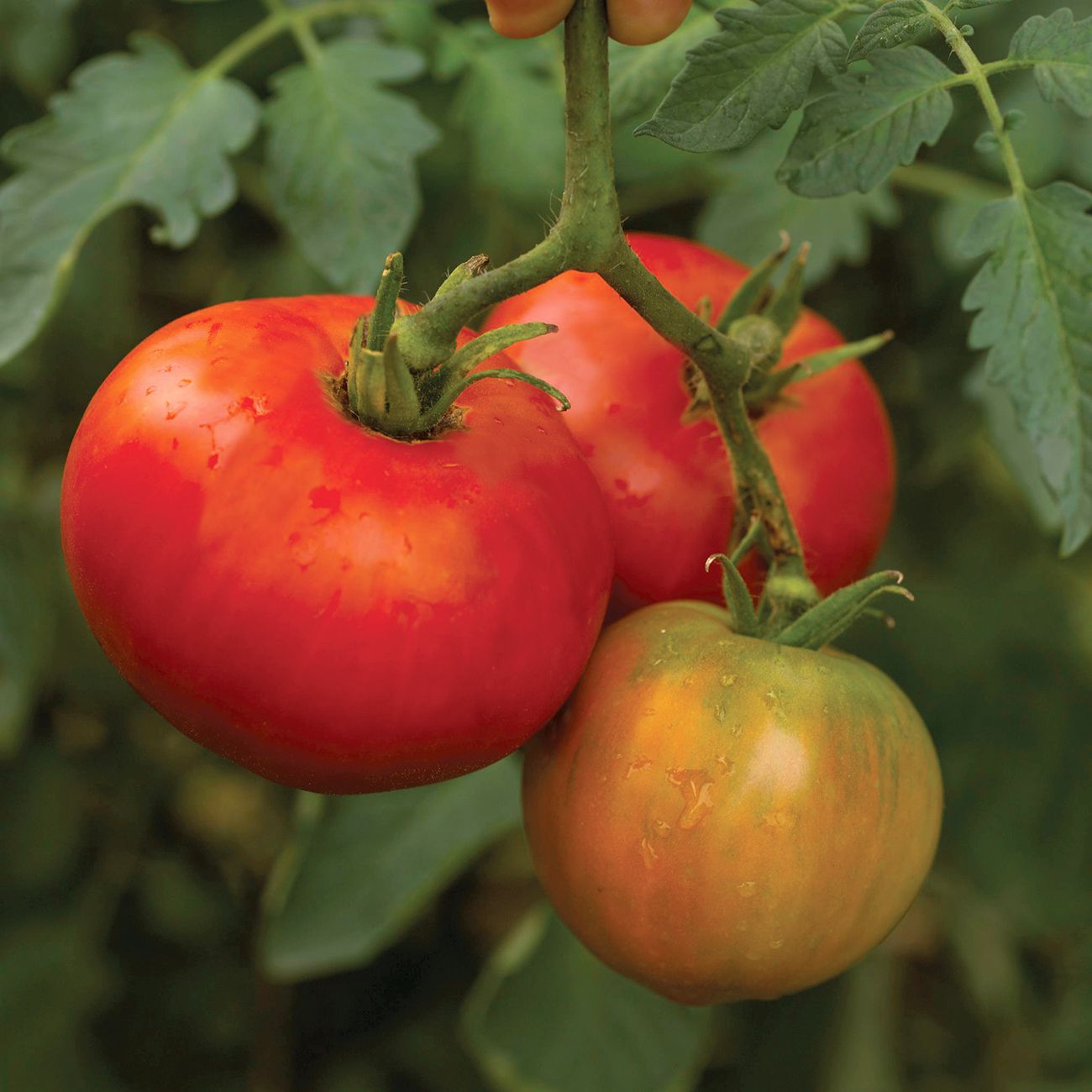
12. Vegetable gardening tip: The optimal temperature for ripening tomatoes is between 68-77 degrees F. And at 85 degrees F, it’s too hot for the plants to produce lycopene and carotene, the pigments responsible for the fruit color. Once temperatures consistently drop below 50 degrees F, green fruits will not ripen. Tomatoes that have a bit of color change can be brought inside to finish ripening.
13. Plant spring-blooming bulbs, such as tulips, daffodils, crocuses, and hyacinths, in the fall before the ground freezes. In general, place the bulb in a hole that’s two to three times the depth of the bulb.
14. Deadhead spent flowers on spring-blooming bulbs so the plants send energy to the bulbs instead of into making seeds. Leave the foliage until it turns brown and can be removed with a gentle tug. The leaves store nutrients needed for the bulb to bloom the following year. Braiding or tying the leaves is not recommended because it reduces the amount of light to the leaf surfaces.
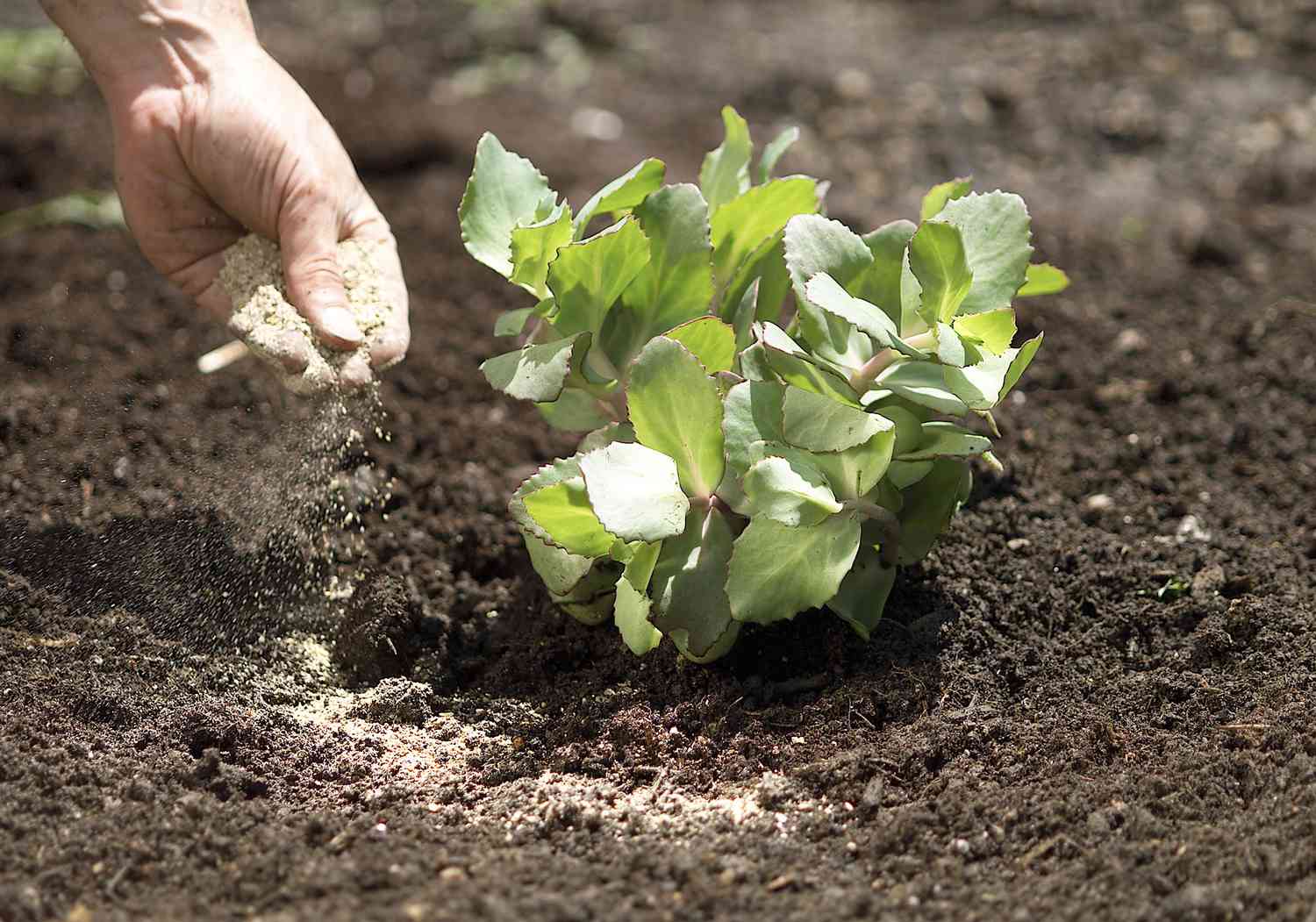
15. Fertilizer is not the answer to growing the best plants; soil quality is. Add organic amendments such as compost and well-aged manure to your soil. The best soil structure is crumbly, easy to dig, accepts water easily, and offers oxygen for plant roots. If you choose to use fertilizer, use an organic one to add nitrogen, phosphate, and potash.
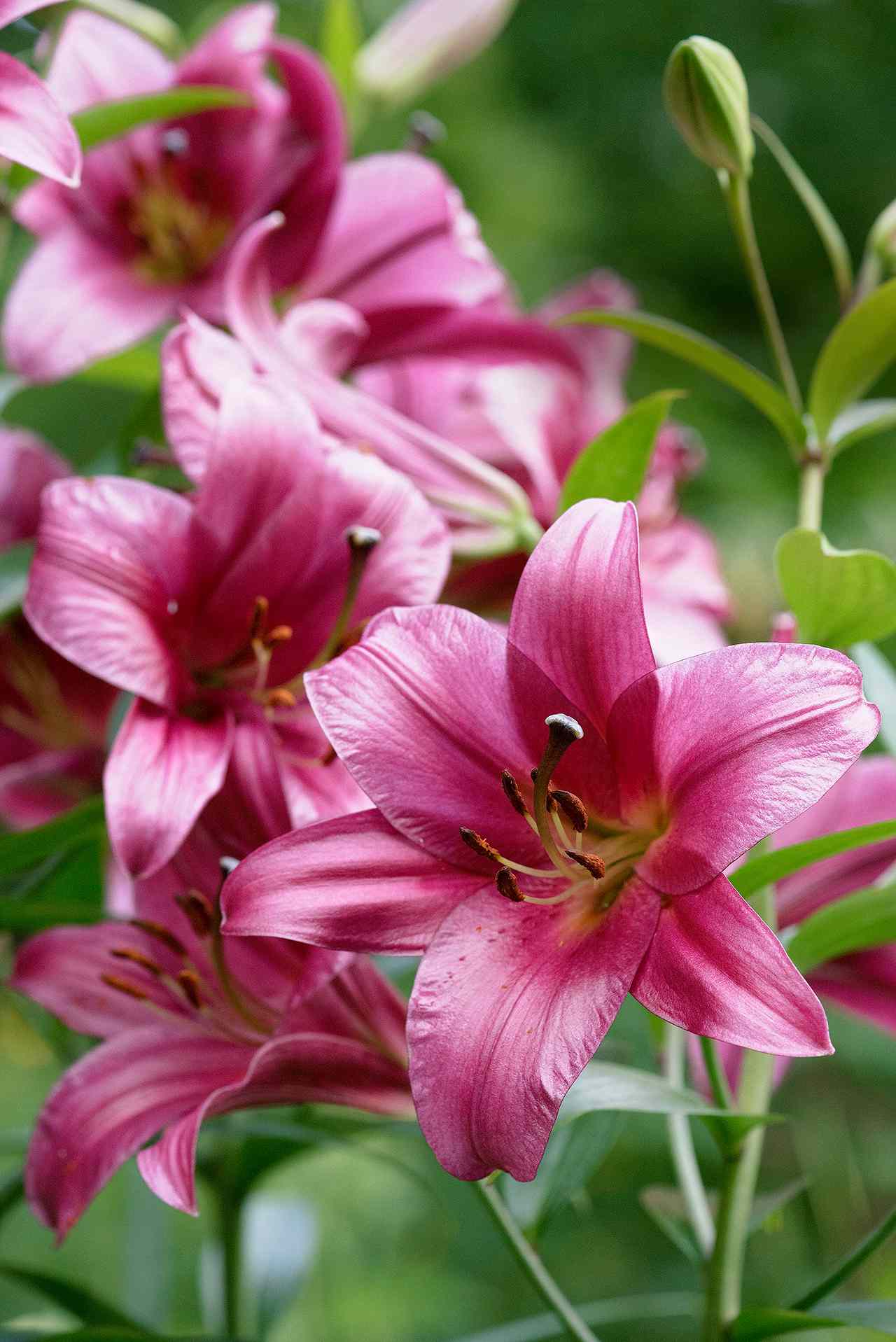
16. Late summer or early autumn is the best time to divide and transplant spring-blooming perennials. The most commonly divided perennials are irises, peonies, hostas, and daylilies.
17. If your rhubarb sends up flower stalks, remove them so the plant will focus on foliage production, not seed production.
18. When transplanting container-grown plants, dig a hole larger than the soil ball of the plant to aid with root establishment.
19. Mound your potato plants deep under the soil and store harvested potatoes in complete darkness. Exposure to light turns the skin of potatoes green, an indication that the potato has produced a colorless alkaloid called solanine, a bitter-tasting toxin that, consumed in large quantities, can cause illness. Cutaway any green portions or sprouts on potatoes to avoid the problem.
20. Most in-ground garden plants grow best with 1 to 2 inches of water per week. If not enough rain falls, water deeply once a week instead of watering lightly daily. Frequent, shallow watering only moistens the top layer of soil and encourages the plant’s roots to move there instead of growing deeper.
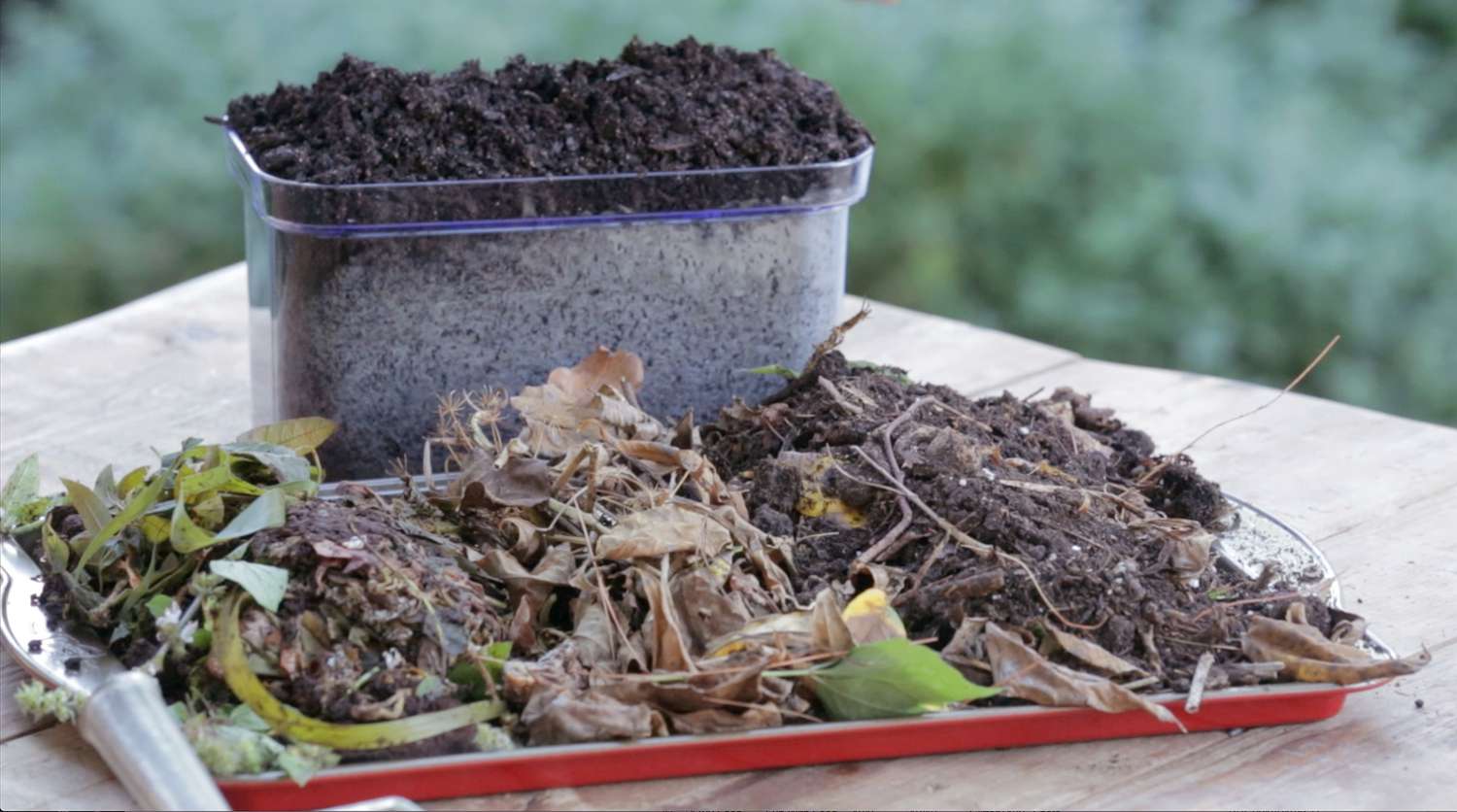
21. Don’t send your fall leaves away! Chop them up and use them as compost ingredients. Pulverized leaves can be left to nourish the lawn. After several hard freezes, when plants have gone completely dormant, you also can use 3-6 inches of shredded leaves as mulch over tender perennials to keep them dormant over winter. Remove the mulch in spring.
22. Avoid digging or planting in wet soil; working it damages the soil structure. Wait until the soil is crumbly and no longer forms a ball in your hand (it doesn’t have to be bone-dry) to till or dig.
23. Understand your soil’s drainage. Roots need oxygen, and if your soil is consistently wet, there are no air pockets for the roots to thrive. Many plants prefer well-drained soil, so amend your soil with organic materials to improve the soil quality.
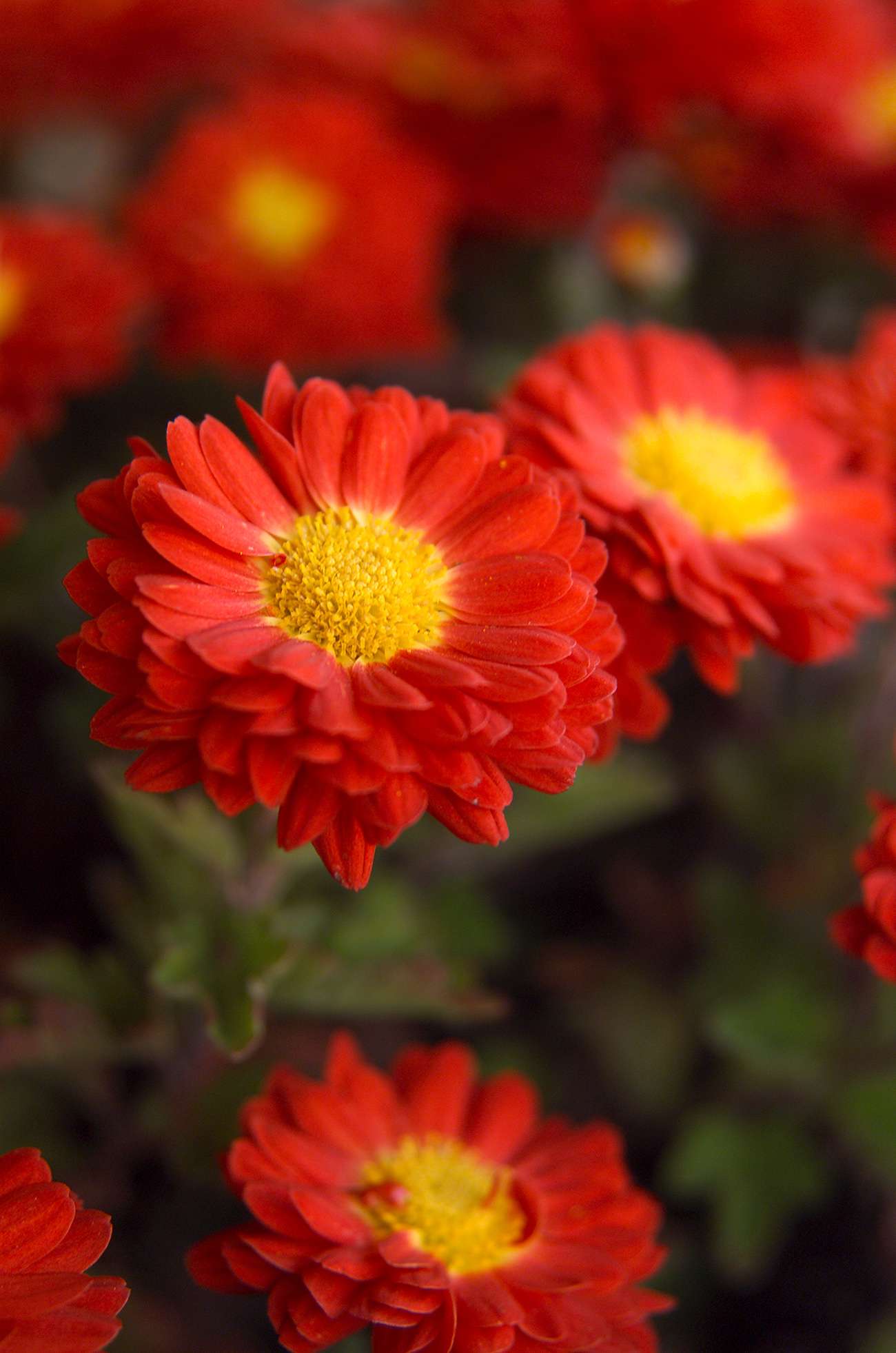
24. Some plants flower in response to day length. Chrysanthemums, poinsettias, strawberries, and others need long nights to produce flowers. If you want strawberries that flower and produce fruit when temperatures are between 35 degrees F and 85 degrees F, choose a variety labeled “day-neutral.”
25. The roots of walnut trees produce a substance called juglone that is toxic to many sun-loving garden plants, including tomatoes and potatoes. (Black walnuts do not harm many shade-loving plants.) The toxic zone from a mature tree can be 50-80 feet away from the trunk. And the juglone chemical can get into your compost if you compost walnut leaves or nuts.
Garden Tips
Wondering how to start a garden? Find your confidence with these expert gardening tips.
Never gardened before? No problem. Make your grow-you-own dreams a reality with these 10 easy-to-follow tips.
1. Site it right.
Starting a garden is just like real estate it’s all about location. Place your garden in a part of your yard where you’ll see it regularly (out of sight, out of mind definitely applies to gardening). That way, you’ll be much more likely to spend time in it.
2. Follow the sun.
Misjudging sunlight is a common pitfall when you’re first learning to garden. Pay attention to how sunlight plays through your yard before choosing a spot for your garden. Most edible plants, including many vegetables, herbs, and fruits, need at least 6 hours of sun in order to thrive.
3. Stay close to water.
One of the best gardening tips you’ll ever get is to plan your new garden near a water source. Make sure you can run a hose to your garden site, so you don’t have to lug water to it each time your plants get thirsty. The best way to tell if plants need watering is to push a finger an inch down into the soil (that’s about one knuckle deep). If it’s dry, it’s time to water.

4. Start with great soil.
When starting a garden, one of the top pieces of advice is to invest in soil that is nutrient-rich and well-drained. Achieve this just-right blend by mixing 3 inches of Miracle-Gro® All Purpose Garden Soil into the top 6 to 8 inches of existing soil if you’re planning to plant in the ground. If you’re planting in a raised bed, use Miracle-Gro® Raised Bed Soil, which is the perfect weight and texture for raised bed growing.Display logoOff
5. Consider containers.
When space is at a premium, look to containers. You can grow many plants in pots, including vegetables, herbs, flowers, fruit trees, berries, and shrubs. When gardening in containers, use a pot that’s large enough for the plant it’s hosting, and fill it with Miracle-Gro® Moisture Control® Potting Mix. Not only is it specially formulated to help plants in pots thrive, but it also helps protect against over- and under-watering.

6. Choose the right plants.
It’s important to select plants that match your growing conditions. This means putting sun-loving plants into a sunny spot, choosing heat-tolerant plants in warm climates, and giving ground-gobbling vines like pumpkins and melons ample elbow room (or a trellis to climb). Do your homework and pick varieties that will grow well where you live and in the space you have. And to get a step up on success when growing veggies and herbs, start with vigorous young plants from Bonnie Plants® instead of trying to grow from seed.
7. Discover your zone.
Knowing your “hardiness zone” can help you choose the best plants. Simply put, it describes the coldest place a plant can grow. The higher the zone number, the warmer the climate. So if a plant is “hardy to zone 4” and you garden in zone 5, that plant will survive in your yard. If, however, you’re in zone 3, it’s too cold to grow that particular plant. Find out your hardiness zone.
8. Learn your frost dates.
Planting too early (or late) in the season can spell disaster for your garden. You need to know the last average spring frost date for your area so you don’t accidentally kill plants by putting them out prematurely. It’s also good to know your first average fall frost date so that you get your plants harvested or moved indoors before late-season cold damages them. Discover the average first and last frost dates for your area.
9. Add some mulch.
Apply a layer of mulch that’s 2 to 3 inches deep around each plant. This will help reduce weeds by blocking out the sun, and reduce moisture loss through evaporation, so you have to water less. For a polished look, put down a layer of Scotts® bagged mulch. Or, you can put down straw, shredded leaves, pine straw, or some other locally available material.

10. Feed plants regularly.
We’ve already talked about the importance of starting with great soil, but that soil works best in concert with regular boosts of high-quality nutrition for your plants. In other words, amazing soil + top-notch plant food = super garden success! So, a month after planting, begin feeding your garden with plant food like Miracle-Gro® Water Soluble All Purpose Plant Food. Be sure to follow label directions.
One last word of advice: Stock up on the basic tools you need to make it easier to grow. Get all the details in our Tools for Gardening article. Happy growing!
 Mws R Writings