“A phobia consists of a persistent fear or avoidance of a specific stimulus,” says Kate Wolitzky-Taylor, PhD, an associate faculty member with the Anxiety and Depression Research Center at UCLA. “Usually the stimulus is a thing or a situation—like bees or heights.” But there’s a second component to phobias. “In addition, the fear causes significant distress or somehow impairs the person’s life,” Wolitzky-Taylor says.
The aye-aye (Daubentonia madagascariensis) is a long-fingered lemur, a strepsirrhineprimate native to Madagascar that combines rodent-like teeth that perpetually grow[4] and a special thin middle finger.
It is the world’s largest nocturnal[5] primate. It is characterized by its unusual method of finding food: it taps on trees to find grubs, then gnaws holes in the wood using its forward-slanting incisors to create a small hole in which it inserts its narrow middle finger to pull the grubs out. This foraging method is called percussive foraging, and takes up 5–41% of foraging time.[6][7] The only other animal species known to find food in this way is the striped possum.[8] From an ecological point of view, the aye-aye fills the niche of a woodpecker, as it is capable of penetrating wood to extract the invertebrates within.[9][10]
The aye-aye is the only extant member of the genus Daubentonia and family Daubentoniidae. It is currently classified as Endangered by the IUCN; and a second species, Daubentonia robusta, appears to have become extinct at some point within the last 1000 years.[11]
It’s better not to brush your teeth immediately after meals and drinks, especially if they contained a lot of acid. Examples are citrus fruits, tomatoes, and fizzy drinks. The abrasive action of brushing can cause the acid to attack the tooth enamel and the layer underneath. It is best to wait at least half an hour before brushing.
A kilogram of muscle weighs the same as a kilo of fat, but muscle is more compact and takes up less space than fat. This explains why a muscular person who weighs the same as a chubbier one will likely fit into a smaller pair of jeans.
3. Eat more calories to lose weight
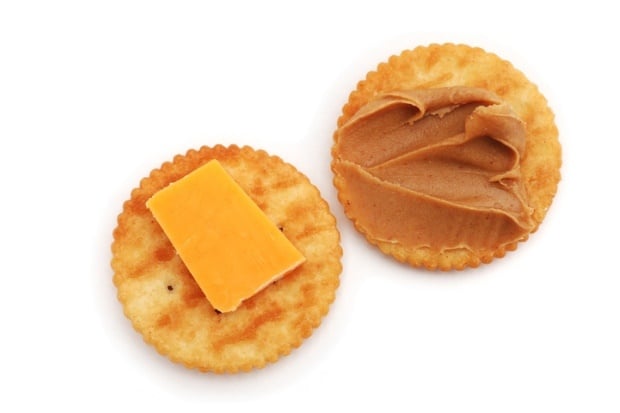
Carbohydrates on their own may do nothing but spike your blood sugar, leaving you even hungrier than before. Adding proteins and fats like peanut butter and cheese will increase the calorie count of your meal, but will help you get full more quickly and stay satisfied for longer, which will lead to ingesting fewer calories in the long run.
4. Drink a hot beverage to help you cool off
In India it is the norm to drink hot tea in hot weather. It sounds crazy, but according to a study, a hot drink on a hot day will cool you off faster than a cold drink. When you drink a hot beverage, your body produces more sweat which, when it evaporates, cools you off.
5. Exercise to increase your energy levels
After a long day at work, exercise is probably the last thing you want to do, but getting moving can actually energise you. Through exercise, we recharge tired cells by giving them more oxygen. Physical activity that builds muscle strength also improves the efficiency of the mitochondria that produce the energy in the cells.
6. ‘Freeze’ cardiac patients to save their life
Cooling a cardiac arrest patient’s core temperature to below 32.2 degrees Celsius – a process called “induced hypothermia”, either by injecting them with a cold saline solution or placing ice packs on them increases their chances of complete recovery.
Hypothermia – when your core body temperature drops so low that normal metabolism and bodily functions cease – can lead to death, but can also radically slow down the dying process.
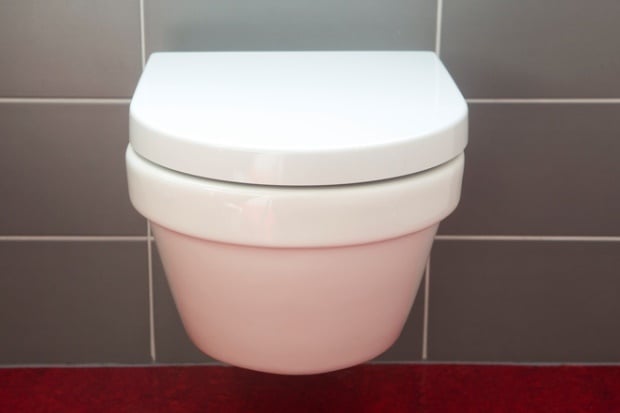
7. Close the lid when you flush the toilet
You should always flush the toilet with the seat down. If you don’t, water particles from the toilet will float around your bathroom and finally land on surfaces like your toothbrush.
Experts say flushing creates an invisible cloud, called “toilet plume”, that’s expelled into the air by the force of the flush.
The toilet plume may contain faecal bacteria and other microorganisms like viruses.
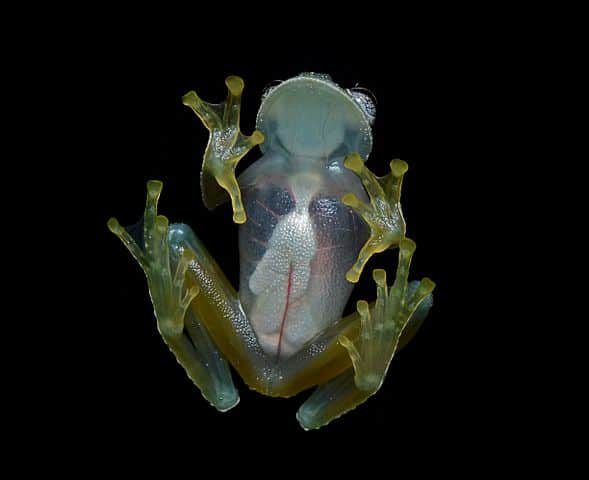
Commonly known as Glass Frogs, members of the amphibian family Centrolenidae all share a similar small size and lime green background colors.
What makes them strange animals is the fact that certain species have translucent abdominal skin that allows you to see their insides, including heart, liver, gastrointestinal tract, and (in the case of females) eggs!
Not “autonomy,” which means the right to self-govern, “autotomy” is a zoological noun that describes the bizarre defense mechanism of an animal in the wild (like a lizard) who detaches a part of its body to escape a predator. More specifically, Merriam-Webster defines autotomy as “reflex separation of a part (such as an appendage) from the body,” or “division of the body into two or more pieces.”
Borborygmus
A technical noun, “borborygmus” is a word that describes a certain embarrassing sound made in your gut. Cambridge Dictionary defines “borborygmus” as “a continuous low sound made by the movement of liquid and gas in the body.” Let’s be honest, the word sounds as weird as the noise it describes.
Catawampus
Also written as “cattywampus,” this unusual word has several meanings, including as a noun for “an imaginary, fierce wild animal.” More commonly, “catawampus” is used as an adjective that Dictionary.com defines as “something that’s askew or awry” (like a teenager’s bedroom) or something that is diagonally across from something else.
Curmudgeon
“Curmudgeon” is a fun way to call someone a cranky jerk. The Oxford Dictionary definition of this noun (which we swear was written about our great-aunt Alice) is “a bad-tempered person, especially an old one.” The thesaurus lists “sourpuss” and “grouch” as other amusing variations of the word.






 Mws R Writings