Things That Happen When Your Diabetes Goes Untreated

When you hear “diabetes,” your mind likely jumps to problems with producing insulin and regulating blood sugar. And that’s definitely a key part of this chronic disease, which affects nearly 1 in 10 Americans, according to the Centers for Disease Control and Prevention (CDC). But that’s also just the tip of the iceberg.

“Diabetes is like termites, in that it causes slow, hidden, but significant damage in the body,” says Osama Hamdy, M.D., Ph.D., director of the Inpatient Diabetes Program at the Joslin Diabetes Center in Boston. “Most patients with type 2 diabetes die from a heart attack,” Dr. Hamdy says, “but because the disease doesn’t have many symptoms, people tend to take it lightly.”

And evidence continues to mount that diabetes affects every system in the body, wreaking havoc if it’s not well managed. Learn more below about the side effects of diabetes and how you can protect yourself from complications. (The good news: Most can be avoided by following the treatment plan set out by your doctor.)

1) High blood pressure and cholesterol

When you have type 2 diabetes, your body can’t properly use insulin, a hormone that regulates blood sugar. In turn, your HDL (or “good”) cholesterol lowers, and your levels of harmful blood fats called triglycerides rise. Insulin resistance also contributes to hardened, narrow arteries, which in turn increases your blood pressure.

As a result, about 2 of 3 people with diabetes also have hypertension—a risk factor for stroke, heart disease, and trouble with thinking and memory. Failing to control high blood pressure and high cholesterol, either with diet and exercise alone or by adding medications, accelerates the rate at which all your other complications progress, says Robert Gabbay, M.D., Ph.D., chief medical officer at Joslin Diabetes Center in Boston.

2) Brain health issues

“It appears that people with diabetes have some abnormalities of blood flow control to the brain,” explains Helena Rodbard, M.D., an endocrinologist based in Maryland. “And this appears to be correlated with a more rapid loss of mental function with age,” she says, including the ability to plan, organize, remember things, prioritizes, pay attention, and get started on tasks.

To protect your brain health, you’ll want to stay active physically and mentally, logging at least 30 minutes of exercise a day and keeping your mind stimulated. “Read, socialize, work, and play games that challenge your intellect,” Dr. Rodbard says. “Keep a positive, optimistic attitude—don’t permit yourself to become depressed.”

3) Gum disease

People with diabetes are more likely to develop periodontal disease, an infection of the gum and bone that can lead to painful chewing problems and tooth loss. “This is due in part to elevated blood sugar that modifies the collagen in all of our tissues,” Dr. Rodbard says. “It’s also due to a slight increase in susceptibility to infections of all kinds.”

On the other hand, gum disease—specifically inflammation of the gums or development of deep abscesses—can raise blood sugar and make diabetes harder to control, according to Dr. Hamdy. To prevent periodontitis, brush and floss daily and consider using a mild antiseptic mouthwash to knock out any lingering plaque.

4) Sex difficulties

Many men with diabetes will experience some level of erectile dysfunction (ED) in their lifetime. “ED can be psychological or due to reduced testosterone,” Dr. Hamdy says, noting that low testosterone is common among people with diabetes, especially if they’re obese. “However, in patients with a long duration of diabetes, changes in blood vessels and nerve supply to the penis could be the cause.” If you have diabetes, are over age 40, and have been having trouble with your male equipment, see your doctor.

Middle-aged and older women with diabetes also tend to have sexual issues, according to a study of nearly 2,300 women published in Obstetrics & Gynecology, likely because nerve damage can impair lubrication and the ability to achieve orgasm.

5) Hearing loss

While we all lose some hearing as we age, hearing loss is twice as common in people with diabetes compared to those without the condition, according to the CDC. Diabetes may lead to hearing loss by damaging the small blood vessels and nerves in the inner ear, the CDC says.

The best way to protect your hearing is to keep your blood sugar levels in check, Dr. Rodbard says. In fact, in a study from Henry Ford Hospital in Detroit, older women with uncontrolled diabetes had more hearing loss than women the same age who had well-controlled diabetes. The CDC also suggests getting your hearing checked every year and avoiding other causes of hearing loss, like exposure to loud noises, when possible.

6) Skin infections

Having diabetes spikes your risk for all kinds of skin issues, including bacterial infections such as boils and urinary tract infections, fungal infections, and itching. “Fungal infections, especially yeast infections, are so common that they may even be the first sign of diabetes in someone who hasn’t yet been diagnosed,” Dr. Hamdy says.

In some cases, skin infections can be tied to obesity, because there are “moist places between skin folds that may breed bacteria and fungi, including candida,” Dr. Rodbard says.

Unfortunately, several diabetes medications increase the risk of fungal infections of the genitalia, Dr. Hamdy says, because they enhance glucose excretion in urine, fueling the growth of bacteria and fungus. Controlling blood sugar levels helps with prevention, but once you have an infection, seek out the usual treatments: over-the-counter antifungal vaginal creams and suppositories, to be used as directed.

7) Obstructive sleep apnea

This potentially serious sleep disorder, in which the throat muscles intermittently relax and block the airway during sleep, affects around 50% of people with diabetes, Dr. Hamdy says, especially those who are obese and have a collar size of more than 17 for men and 16 for women.

The most obvious sign of obstructive sleep apnea (OSA) is audible snoring. Unfortunately, like gum disease, “sleep apnea may worsen diabetes control,” Dr. Hamdy says, possibly because the two conditions share risk factors. Treatment for OSA may involve using a device to keep your airway open at night or wearing a mouthpiece that thrusts your jaw forward. In severe cases, surgery can help by altering the structure of the nose, mouth, or throat.

8) Vision problems

Roughly 1 in 3 people with diabetes older than age 40 have diabetic retinopathy or damage to the light-sensitive tissue at the back of the eye. This happens because elevated blood glucose levels over time harm the eye’s delicate blood vessels, a process that can begin as early as 7 years before diagnosis.

The good news is, treating these problems early can reduce the risk of blindness by 95%, per the National Institute of Diabetes and Digestive and Kidney Diseases (NIDDK).

9) Kidney failure

Over time, high blood glucose thickens and scars the nephrons, tiny structures within the kidneys that filter your blood. About 7% of the time, you’ll already have protein leaking into your urine—an early sign of kidney problems—by the time you receive a type 2 diabetes diagnosis.

About half of those who don’t take steps to control their diabetes will sustain kidney damage within 10 years, and 40% of those will progress to kidney failure, a condition requiring either dialysis or a kidney transplant, says Betul Hatipoglu, M.D., an endocrinologist at the Cleveland Clinic.

10) Neuropathy

About half of people with type 2 diabetes will develop neuropathy, the most common diabetes complication. At first, you might have no symptoms or feel a mild tingling or numbness in your hands or feet, says Dr. Gabbay. But eventually, this form of nerve damage can cause pain, weakness, and digestive troubles as it strikes the nerves that control your gastrointestinal tract.

In addition to managing your blood sugar, being physically active, eating a healthy diet, and keeping up with recommended medications can help prevent diabetes-related nerve damage, the NIDDK says.
https://www.msn.com/en-us/health/medical/10-unexpected-things-that-happen-to-your-body-if-diabetes-goes-untreated/ss-BBMFPNi?ocid=msedgntp#image=11

Diabetes And Corona Virus

Here’s what you need to know:

People with diabetes are not more likely to get COVID-19 than the general population.

The problem people with diabetes face is primarily a problem of worse outcomes, not greater chance of contracting the virus. In China, where most cases have occurred so far, people with diabetes had much higher rates of serious complications and death than people without diabetes—and generally we believe that the more health conditions someone has (for example, diabetes and heart disease), the higher their chance of getting serious complications from COVID-19. We expect the death rate to decline over time as we get better at detecting and treating this specific virus.

People with diabetes do face a higher chance of experiencing serious complications from COVID-19.

In general, people with diabetes are more likely to experience severe symptoms and complications when infected with a virus.If diabetes is well-managed, the risk of getting severely sick from COVID-19 is about the same as the general population.

When people with diabetes do not manage their diabetes well and experience fluctuating blood sugars, they are generally at risk for a number of diabetes-related complications. Having heart disease or other complications in addition to diabetes could worsen the chance of getting seriously ill from COVID-19, like other viral infections, because your body’s ability to fight off an infection is compromised.

Viral infections can also increase inflammation, or internal swelling, in people with diabetes. This is also caused by above-target blood sugars, and both could contribute to more severe complications.

When sick with a viral infection, people with diabetes do face an increased risk of DKA (diabetic ketoacidosis), commonly experienced by people with type 1 diabetes. DKA can make it challenging to manage your fluid intake and electrolyte levels—which is important in managing sepsis. Sepsis and septic shock are some of the more serious complications that some people with COVID-19 have experienced.

COVID-19 is different from the seasonal flu.

COVID-19 is proving to be a more serious illness than seasonal flu in everyone, including people with diabetes. All of the standard precautions to avoid infection that have been widely reported are even more important when dealing with this virus.

Recommended safety precautions are the same as for flu, such as frequent hand washing and covering coughs and sneezes with a tissue or your elbow. The CDC does not recommend the use of face masks by people who are not infected.

We encourage people with diabetes to follow the guidance of the CDC and to review how you manage sick days—preparing for a sick day can make it easier.

The risks are similar for people with type 1 and type 2 diabetes.

In general, we don’t know of any reason to think COVID-19 will pose a difference in risk between type 1 and type 2 diabetes. More important is that people with either type of diabetes vary in their age, complications and how well they have been managing their diabetes.

People who already have diabetes-related health problems are likely to have worse outcomes if they contract COVID-19 than people with diabetes who are otherwise healthy, whichever type of diabetes they have.

Manufacturers are not reporting that COVID-19 is impacting access to insulin and other supplies.

Leading manufacturers are reporting that COVID-19 is not having an impact on their current manufacturing and distribution capabilities for insulin and other supplies at this time. We are continuing to monitor the situation and will provide updates should anything change. If you are struggling to pay for insulin or know someone who is, the ADA has resources to help—visit InsulinHelp.org.

If COVID-19 is spreading in your community, take extra measures to put distance between yourself and other people to further reduce your risk of being exposed to this new virus. Stay home as much as possible.

Before you get sick, make a plan:

Gather your supplies:

  • Phone numbers of your doctors and healthcare team, your pharmacy and your insurance provider
  • List of medications and doses (including vitamins and supplements)
  • Simple carbs like regular soda, honey, jam, Jell-O, hard candies or popsicles to help keep your blood sugar up if you are at risk for lows and too ill to eat
  • If a state of emergency is declared, get extra refills on your prescriptions so you do not have to leave the house
    • If you can’t get to the pharmacy, find out about having your medications delivered
  • Always have enough insulin for the week ahead, in case you get sick or cannot refill
    • If you are struggling to pay for insulin or know someone who is, the ADA has resources to help—visit InsulinHelp.org
  • Extra supplies like rubbing alcohol and soap to wash your hands
  • Glucagon and ketone strips, in case of lows and highs
  • Have enough household items and groceries on hand so that you will be prepared to stay at home for a period of time

Talk to your health care team about the following:

  • When to call your doctor’s office (for ketones, changes in food intake, medication adjustments, etc.)
  • How often to check your blood sugar
  • When to check for ketones
  • Medications you should use for colds, flu, virus, and infections
  • Any changes to your diabetes medications when you are sick

Take everyday precautions:

  • Avoid close contact with people who are sick
  • Take preventive actions:
    • Clean your hands often
    • Wash your hands often with soap and water for at least 20 seconds, especially after blowing your nose, coughing, or sneezing, or having been in a public place.
    • If soap and water are not available, use a hand sanitizer that contains at least 60% alcohol.
    • To the extent possible, avoid touching high-touch surfaces in public places–elevator buttons, door handles, handrails, handshaking with people, etc. Use a tissue or your sleeve to cover your hand or finger if you must touch something.
    • Wash your hands after touching surfaces in public places.
    • Avoid touching your face, nose, eyes, etc.
    • Clean and disinfect your home to remove germs: practice routine cleaning of frequently touched surfaces (for example: tables, doorknobs, light switches, handles, desks, toilets, faucets, sinks & cell phones)
    • Avoid crowds, especially in poorly ventilated spaces. Your risk of exposure to respiratory viruses like COVID-19 may increase in crowded, closed-in settings with little air circulation if there are people in the crowd who are sick.
    • Avoid all non-essential travel including plane trips, and especially avoid embarking on cruise ships.

Watch for emergency warning signs:

If you develop emergency warning signs for COVID-19 get medical attention immediately. In adults, emergency warning signs include:

  • Difficulty breathing or shortness of breath
  • Persistent pain or pressure in the chest
  • New confusion or inability to arouse
  • Bluish lips or face

If you feel like you are developing symptoms, call your doctor:

Pay attention for potential COVID-19 symptoms including fever, dry cough and shortness of breath. If you feel like you are developing symptoms, call your doctor.

When you call:

  • Have your glucose reading available
  • Have your ketone reading available
  • Keep track of your fluid consumption (you can use a 1-liter water bottle) and report
  • Be clear on your symptoms (for example: are you nauseated? Just a stuffy nose?)
  • Ask your questions on how to manage your diabetes

If you do get sick, know what to do:

Here are some common tips, which may vary for each person:

  • Drink lots of fluids. If you’re having trouble keeping water down, have small sips every 15 minutes or so throughout the day to avoid dehydration.
  • If you are experiencing a low (blood sugar below 70 mg/dl or your target range), eat 15 grams of simple carbs that are easy to digest like honey, jam, Jell-O, hard candy, popsicles, juice or regular soda, and re-check your blood sugar in 15 minutes to make sure your levels are rising. Check your blood sugar extra times throughout the day and night (generally, every 2-3 hours; if using a CGM, monitor frequently).
  • If your blood sugar has registered high (BG greater than 240mg/dl) more than 2 times in a row, check for ketones to avoid DKA.
  • Call your doctor’s office immediately, if you have medium or large ketones (and if instructed to with trace or small ketones).
  • Be aware that some CGM sensors (Dexcom G5, Medtronic Enlite, and Guardian) are impacted by Acetaminophen (Tylenol). Check with finger sticks to ensure accuracy.
  • Wash your hands and clean your injection/infusion and finger-stick sites with soap and water or rubbing alcohol.

Know your rights:

A reminder: If you have diabetes, you have legal rights that do not go away during a health crisis like COVID-19.

  • Even in a pandemic, you have the right to reasonable accommodations at work, which could include medical leave or alternate work arrangements.
  • Your child’s Section 504 Plan should include accommodation for extra sick days without penalty. This would apply if your child is sick or if you choose to keep him or her home from school to avoid contagion with COVID-19.
  • People with diabetes who are incarcerated or in police custody are entitled to appropriate and adequate medical care, and their medical needs may change during infectious disease outbreaks.

If you are concerned you are being treated unfairly because of your diabetes, contact us to seek help from our Legal Advocacy team.

For more information, please call 1-800-DIABETES (800-342-2383).Related pagesPlanning for Sick Days

Partner sites

American Diabetes Association

askada@diabetes.org

1995 – 2020. American Diabetes Association®. All rights reserved.

Diabetes WellnessDrinks

pin.it/lyzrym4yziizpe

Diabetic Care, Valentine’s Day

Happy Valentine’s Day! If you’re like most people, odds are your day will involve some (or a lot) of chocolate and sweets. However, if you’re diabetic or pre-diabetic, you have to be careful about your sugar intake today. In fact, Valentine’s Day is actually the day with the highest average blood glucose levels among people with diabetes.

The numbers were reported by the digital health tracking platform Glooko, a web and mobile application that tracks blood glucose levels among more than 1.5 million users across 23 different countries. After looking at the collective data of their users, researchers uncovered that Valentine’s Day was the worst day for users in terms of keeping their blood glucose levels in a healthy range. Here’s a look at the average blood glucose levels on some of the worst days in the calendar year:

  • Valentine’s Day – 168 mg/dL (9.3 mmol/L)
  • Halloween – 158 mg/dL (8.8 mmol/L)
  • Christmas Day – 140 mg/dL (7.8 mmol/L)
  • New Year’s Eve – 131 mg/dL (7.3 mmol/L)

Michelle de Haaff, Glooko’s vice president of Strategy, said Valentine’s Day is so problematic for diabetics because of the regular opportunities to snack on chocolate and because many people go out to eat for dinner.

“Valentine’s is known to be a sugary holiday where chocolates are given as gifts and people go out for meals. It is likely that is what drives higher glucose,” said de Haaff.

Diabetic Care on Valentine’s Day

So if you are diabetic or pre-diabetic, we want to share some tips for helping you navigate Valentine’s Day and other holidays. For starters, eat and drink in moderation. And by moderation, we don’t mean just one piece of chocolate every time you come into the break room. One or two pieces are fine with lunch or dinner, but don’t snack on these sugary sweets throughout the day. Other tips to help keep your blood glucose levels in check include:

  • Fill up on healthier options so you’re not tempted to overindulge with sweets.
  • Drinking plenty of water can help you feel full.
  • Try to carve out 30-45 minutes to exercise.
  • Limit your alcohol consumption during dinner.
  • Monitor your blood glucose levels throughout the day.

Metformin(Diabetic Drug) What Do You Know?

What is metformin?

The most common medication worldwide for treating diabetes is metformin (Glumetza, Riomet, Glucophage, Fortamet). It can help control high blood sugar in people with type 2 diabetes. It’s available in tablet form or a clear liquid you take by mouth with meals.

If you’re taking metformin for the treatment of type 2 diabetes, it may be possible to stop. You may be able to manage your condition by making certain lifestyle changes, such as maintaining a healthy weight and getting more exercise.

Read on to learn more about metformin and whether it’s possible to stop taking it.

Before you stop taking metformin, talk to your doctor to see if this is the right step to take in managing your diabetes.

How does metformin work?

Metformin doesn’t treat the underlying cause of diabetes. It treats the symptoms of diabetes by lowering blood sugar, or glucose, by:

  • decreasing liver production of glucose
  • decreasing absorption of glucose from the gut
  • improving insulin sensitivity in peripheral tissues, increasing tissue uptake and use of glucose

Metformin helps with other things in addition to improving blood sugar.

These include:

  • lowering lipids, resulting in a decrease in blood triglyceride levels
  • decreasing “bad” low-density lipoprotein (LDL) cholesterol
  • increasing “good” high-density lipoprotein (HDL) cholesterol
  • possibly reducing your appetite, which may result in modest weight loss

ADVERTISEMENT

Find a Novant Health endocrinologist near you

Novant Health is dedicated to making it as easy as possible to find an endocrinologist you’ll love. Search for a doctor and schedule an appointment online.

Side effects and risks of metformin

Because of its possible risks and side effects, metformin isn’t safe for everyone. It’s not recommended if you have a history of:

  • substance use disorder
  • liver disease
  • severe kidney issues
  • certain heart problems

If you’re currently taking metformin and have had some unpleasant side effects, you might be looking for alternative treatment options.

Most common side effects

The most common side effects are headaches and digestive issues that may include:

  • diarrhea
  • vomiting
  • nausea
  • heartburn
  • abdominal cramps
  • gas
  • a metallic taste
  • loss of appetite

Other side effects

In some cases, metformin leads to poor absorption of vitamin B-12. That can lead to a vitamin B-12 deficiency, though this only occurs after long-term use of the medication.

As a precaution, your doctor will check your B-12 levels every one to two years while you’re taking metformin.

Taking metformin might also lead to loss of appetite, which could cause a small amount of weight loss. But taking this medication won’t lead to weight gain.

There are also a few other side effects you may encounter, including hypoglycemia and lactic acidosis.

Hypoglycemia

Hypoglycemia, or low blood sugar, might occur since metformin lowers blood sugar. It’s important to monitor your blood sugar regularly so your doctor can adjust your dosage based on your levels.

Hypoglycemia due to metformin is a rare side effect.

Low blood sugar is more likely to occur if you take metformin with other diabetes drugs or insulin.

Lactic acidosis

Metformin can cause a life-threatening condition called lactic acidosis. People who have lactic acidosis have a buildup of a substance called lactic acid in their blood and shouldn’t take metformin.

This condition is very dangerous and often fatal. But this is a rare side effect and affects less than 1 in 100,000 people taking metformin.

Lactic acidosis is more likely to occur in people with kidney disease. Tell your doctor if you’ve ever had kidney problems.

When is it OK to stop taking metformin?

Metformin can be an important part of an effective diabetes treatment plan. But reducing the dosage of metformin or stopping it altogether is safe in some cases if your diabetes is under control.

If you want to stop taking diabetes medications, talk with your doctor or healthcare provider about what steps you need to take to do so.

Everyone who has diabetes can benefit from changing certain lifestyle habits, even those taking medications.

Losing weight, eating better, and exercising are the best ways to help reduce blood glucose and A1C. If you can manage these through such lifestyle changes, you may be able to stop taking metformin or other diabetes drugs.

According to experts from the American Diabetes Association, you usually need to meet the following criteria before you can stop taking diabetes medications:

  • Your A1C is less than 7 percent.
  • Your fasting morning blood glucose under 130 milligrams per deciliter (mg/dL).
  • Your blood glucose level at random or after a meal is below 180 mg/dL.

It’s risky to stop taking metformin if you don’t meet these criteria. And keep in mind that these criteria can change based on your age, overall health, and other factors. So, it’s important to talk with your doctor before changing your metformin plan.

What you can do

Metformin may help prevent long-term health complications from type 2 diabetes. But you may be able to stop taking it if your doctor thinks you can maintain your blood sugar without it.

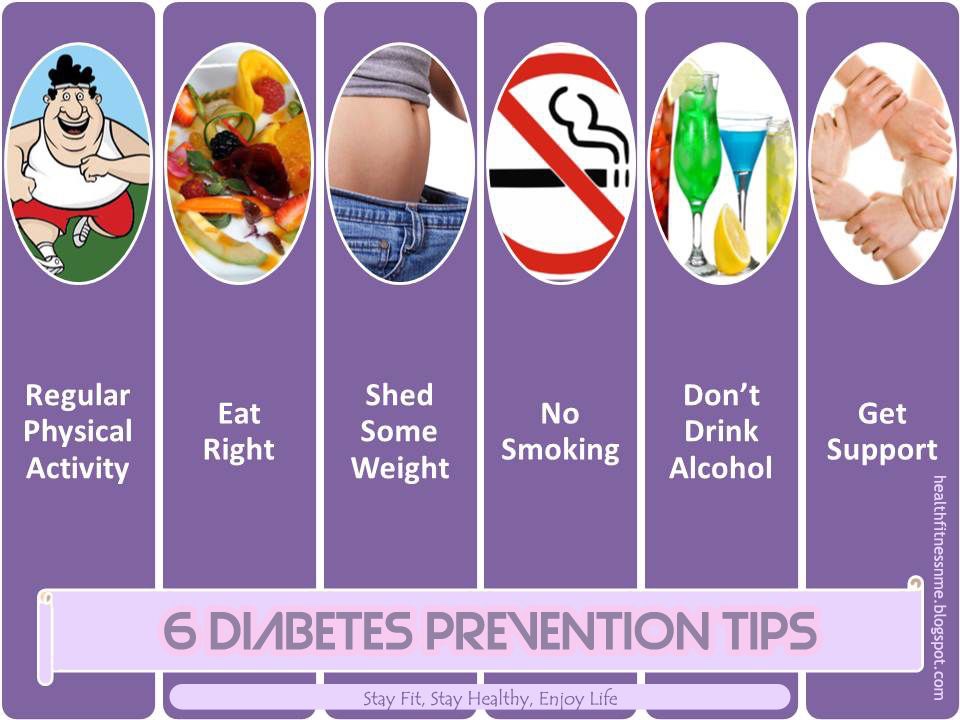
You may be able to successfully lower and manage your blood sugar without medication by making lifestyle changes such as the following:

  • maintaining a healthy weight
  • getting more exercise
  • reducing your intake of carbohydrates
  • modifying your diet to include low-glycemic carbohydrates
  • stopping smoking tobacco in any form
  • drinking less or no alcohol

It’s also important to get support. A registered dietitian, personal trainer, or peer group can improve your chances of sticking with these healthy habits.

Continue reading Metformin(Diabetic Drug) What Do You Know?

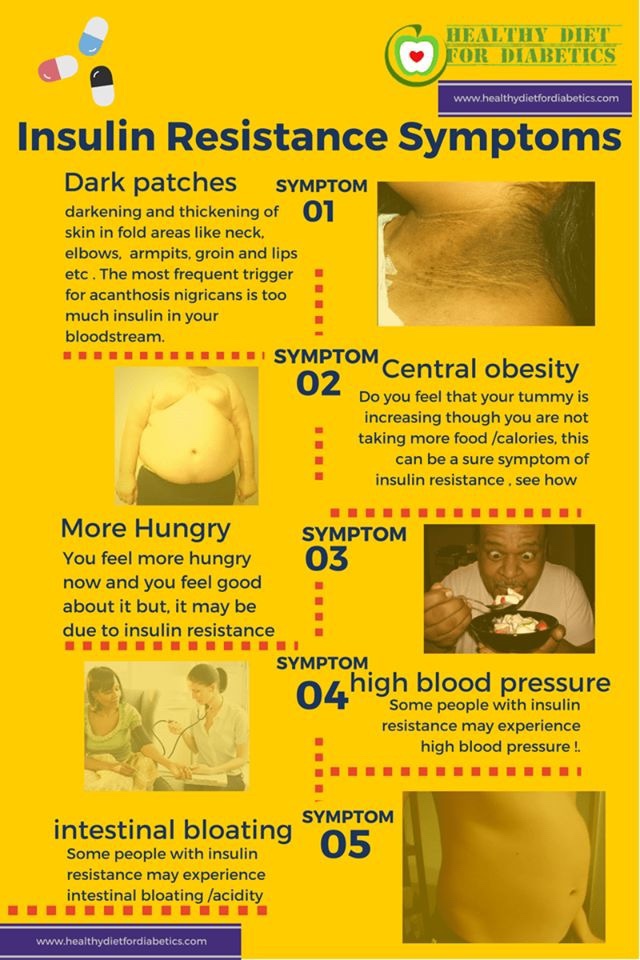
Insulin Resistance Symptoms

Diabetes Help

Diabetic Tips