Paying attention to pre-diabetes warning signs could save you from an A&E visit – and prevent you from ever developing full-blown diabetes. Here are the top silent alarms.
1. You know what the bathroom looks like at night.
Because you visit often. As blood sugar levels go up, diabetes symptoms like frequent urination worsen.
“If 4 months ago you were getting up once in the middle of the night to pee and now you’re getting up three times, that’s a clue you need to get checked out,” says Andrew Bremer, M.D., Ph.D., program director at the National Institute of Diabetes and Digestive and Kidney Diseases.
This may also be a symptom of prostate issues (such as an enlarged prostate). Either way, it’s best to bring the issue up with your doctor so he can rule out potential causes.
2. Your skin looks dirty.
You notice dark patches of skin on the back of your neck, but no matter how hard you rub, they won’t come off.
How come? Insulin resistance can cause a condition called acanthosis nigricans, which may appear during pre-diabetes.
The dark, velvety patches can ring your neck and also appear on your elbows and knees. Once you get your glucose under control, the patches will likely fade away.
3. You’re having trouble reading.
Having high blood sugar levels in the long term damages the tiny blood vessels in your retina, blurring your vision in one or both eyes. The medical term is diabetic retinopathy.
While a decade ago doctors thought only those with type 2 diabetes could develop the condition, they now know it can happen sooner.
In fact, nearly 8 percent of pre-diabetic people have diabetic retinopathy. Along with keeping your blood sugar under control to prevent progression of the disease, see an optometrist or ophthalmologist at least once a year for a dilated eye exam, suggests the American Diabetes Association.
4. Your pants are getting loose.
Normally it would be pretty awesome to shed a few pounds and still enjoy a diet of pizza and beer, but unexplained weight loss can signal diabetes.
“I’d be concerned if you’re eating more and losing weight,” says Dr. Bremer.
It’s a sign that your body isn’t utilising calories effectively and you’re simply peeing out those nutrients.
5. Your blood pressure is creeping up.
The last time you had your BP checked, it was 140/90mmHG or above. That’s considered high blood pressure, and it puts you at a higher risk for developing diabetes. Left unchecked, the dynamic duo can damage your kidneys over time.
DON’T GET DIABETES
These symptoms alone won’t diagnose you with pre-diabetes. The only way to know is to go to your doctor and have your blood glucose levels measured, says Dr. Bremer.
If your doc delivers the bad news, do something about it. If you don’t? Well, 15 to 30 per cent of people with pre-diabetes develop the real thing within 5 years, according to the CDC.
Your first step: Lose weight via lifestyle changes like improving your diet and ramping up your activity levels. Pre-diabetics who lost at least 10 percent of their body weight over 6 months reduced their risk of developing diabetes by 85 percent, shows a study in the Journal of General Internal Medicine.
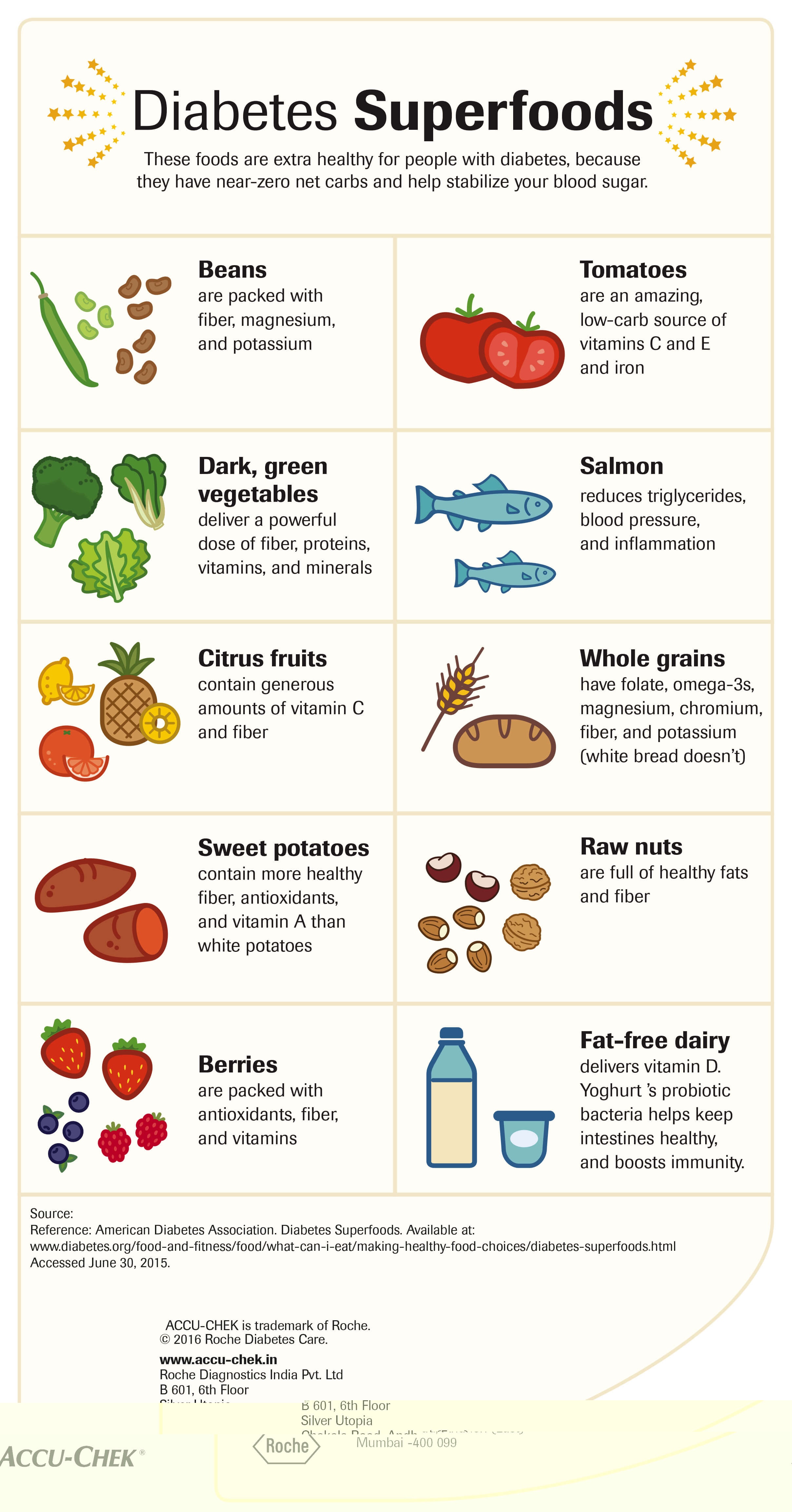
Filling up with vegetables is a great way for people with diabetes to keep their blood sugar levels in check.
Davide Illini/StocksyWhen you have type 2 diabetes, eating low-carb vegetables is a smart way to fill up without filling out your waistline — or spiking your blood sugar levels. Non-starchy or low-carbohydrate veggies are loaded with vitamins, minerals, and fiber while still being low in calories. It’s always smart to eat a rainbow-colored diet, but the following veggies are among the best.
Spinach
ThinkstockPopeye had the right idea when he bulked up on green, leafy spinach. This low-carb veggie is a wise addition to a diabetes-friendly diet because it’s loaded with folate, beta carotene, and vitamin K. Either use fresh leaves or opt for frozen and canned versions with no added salt. Fold steamed spinach into an egg-white omelet at breakfast, toss fresh leaves in a healthy, low-carbohydrate salad at lunch, and add drained, canned spinach to soups, casseroles, or pasta sauce at dinner.
Tomatoes
StocksyTomatoes, another superfood for diabetes, are packed with vitamin C, are an excellent source of vitamin A, and are a good source of potassium. They’re also low-carb and low-cal, averaging just 32 calories per cup. The nutrient lycopene, which gives red tomatoes their color, is a powerful antioxidant and may protect against heart disease and prostate cancer. Add a slice of juicy tomato to your next sandwich or cook up a big pot of tomato sauce: It makes a great topping for veggies, chicken, and other good foods in your diabetes-friendly diet.
Broccoli
ThinkstockIf you’re not already eating broccoli, make a point of adding it to your diabetes-friendly diet. It’s low in carbohydrates and loaded with vitamins A, C, and K. It also boasts fiber and iron among its contents. Look for florets that are packed tightly together and are dark green in color. Frozen broccoli (minus the added salt or sauce) can also be a delicious addition to your diet plan and, unlike the fresh kind, doesn’t need to be eaten right after you purchase it. Consider including raw or lightly steamed broccoli on your next party platter instead of chips.
Cucumbers
Cucumbers are a cool, crisp, low-carb choice for people with diabetes. A generous one-cup portion has less than 5 grams of carbohydrates. Translation: You can get your fill without worrying about raising your blood sugar too much. Cucumbers are an excellent source of vitamin K, and they also contain some potassium and vitamin C. Keep in mind that cucumbers are not only for salads — you can also add thin slices to sandwiches or wraps, or serve up cucumber spears for a crunchy afternoon snack.
Cabbage
ThinkstockEating cabbage is an inexpensive way to add vitamins K and C, as well as antioxidants, to your diabetes-friendly diet. Cabbage also contains manganese, fiber, and vitamin B6. This low-carb veggie is at its peak in the fall and early winter. Pick a head that’s firm with shiny leaves. When you get it home, put it in the refrigerator. Cover it with plastic wrap once it’s cut to slow down the loss of vitamins. Experiment with recipes that use this low-carb vegetable raw as well as cooked.
Brussels Sprouts
Julie Rideout-StocksyBrussels sprouts are only now starting to win the popularity they deserve — and they definitely deserve a place on your diabetes meal plan. Besides being low-carb, these mini cabbages are full of vitamins A, C, folate, and fiber. As with cabbage, Brussels sprouts are a cruciferous low-carbohydrate veggie, which experts believe may ward off some cancers. Try sprinkling fresh Brussels sprouts with olive oil, salt, pepper, and fresh lemon juice before roasting at 450 degrees F for about 20 minutes. This will bring out the tangy mustard flavor while keeping the texture firm.
Cauliflower
iStock.comAnother neglected low-carbohydrate veggie, cauliflower can be a boon to your diabetes meal plan. This vegetable is brimming with vitamin C (one cup of raw floret pieces has more than half your daily requirement) and also contains fiber, potassium, and folate. Cauliflower is also versatile enough to serve raw, roasted, or steamed, and goes great in soups: Just cook until tender, then blend it with chicken broth.
Asparagus
Viktor Lugovskoy/iStock.comThis flavorful veggie only has 27 calories and 5 grams per cup. It’s also packed with vitamins K and A. When shopping for asparagus, look for firm, bright green stalks with compact heads. Thinner stalks tend to be tenderer. Snap off the woody ends with your hands (they’ll break naturally at the right point), then steam, sauté, or roast. Asparagus pairs well with eggs, which is an excellent way to add a serving of veggies to breakfast.
A checklist version of our 10 Steps to Succeed study guide, give you a printable checklist to following while studying for your CDE. From eligibility to building your study plan to the philosophy of Diabetes, this 10 step guide gives structure to your study path.
All Level 1 – Diabetes Fundamental courses have been updated and recorded in January 2018. With your purchase of our Level 1 Diabetes Fundamentals, you have instant access to the six On-Demand courses via the Online University, PLUS you have been automatically enrolled in all live webinars for one year after purchase.
Join us this winter for the live CDE Bootcamp Series – includes On Demand Online Course Bundle plus live interactive Webcasts. The series of live webinars begins in July 2019.
This printable version of our Online Courses Catalog is an excellent reference to present to your manager. With course content, Level descriptions, bundle pricing, you can choose which courses are best for you!
Everyone is invited to hear the stories of women luminaries, who have taken risks, challenged the status-quo and were able to turn their ideas into action against the odds. Learn from national diabetes health care leaders and mentors as they share their efforts to improve care.
Thinking about joining our Live Seminar? Our printable brochure is an excellent resource to present to your manager. This pamphlet includes course content, presenters, dates, location and much more.
Does your facility have professional development dollars to use? Hire Coach Beverly Thomassian to speak! Invest in your team’s success by bringing Coach Beverly to your staff.
Over 20 years of experience of training and practicing Diabetes care
Accredited CEUs for nurses, dietitians and pharmacists looking to earn their CDE
The knowledge and skills to help your collogues succeed as a Diabetes Educator
As with any information, seek medical help and answers before trying something new on your own. I did not write this nor do I agree or disagree with the article. I am just passing along information so you can make a informed decision on your own.
MwsR
OLIVES: This low-carb snack fights inflammation, Alzheimer’s, Diabetes, and even helps you lose weight
Plus a LOT of other health benefits from this high-fat superfood!
By: Cat Ebeling Co-author of the best-sellers: The Fat Burning Kitchen, The Top 101 Foods that Fight Aging & The Diabetes Fix
This ONE Low Carb Snack Can Save Your Life, Prevent Alzheimer’s, Help You Lose Weight AND Look Younger!
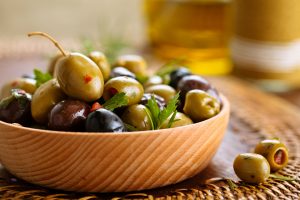
You’ve seen them on every relish tray, in garnishes, in salads, and Italian and Greek dishes, and of course, the martini! I am talking about the ubiquitous olive—both green and black olives. While their oil seems to get all the attention, olives themselves are an awesome snack!
What’s so special about these oft overlooked little globes?
Olives contain all the same healthy fats that olive oil has. In fact, about 80% of the olive is in the form of healthy high oleic acid, a monounsaturated fatty acid. The same, of course that is in olive oil. This monounsaturated fat is anti-inflammatory and low glycemic making them an extremely healthy, low carb snack option.
Olives’ large collection of antioxidants not only help fight disease, but they also actually fight cancer, heart disease, weight gain, diabetes and help reverse aging! Olives even help boost blood levels of the powerful anti-aging substance, glutathione, which is one of the body’s most important antioxidant nutrients because of ability to recycle antioxidants. And they are the perfect Keto/low glycemic snack!
Olives come in green and black and if you’ve ever seen an olive bar at the grocery store, you will realize there are actually many, many different varieties of olives—all with varying levels of antioxidants—but all are rich in health benefits!
We already know that people who use olive oil regularly, especially in place of other fats, have much lower rates of heart disease, but did you know they also have lower rates of atherosclerosis, diabetes, colon cancer, and asthma? Those same health benefits of olive oil transfer easily to olives themselves.
Let’s dive in and take a look at some of the fantastic health benefits of olives:
Prevents Oxidation of LDL
Studies on olive oil and atherosclerosis reveal that the particles of LDL cholesterol (the bad cholesterol) in the body, that contain the monounsaturated fats of olive oil are less likely to become oxidized. Since it is the oxidized cholesterol that is harmful and sticks to blood vessel walls, we know that the oxidation is what we want to avoid.
Significantly Improves Lipid Panel
A study published in the Medical Science Monitor reported that 2 tablespoons a day of olive oil added to an otherwise unchanged diet in 28 outpatients, ranging in age from 64 to 71, resulted in major drops in total, and LDL cholesterol. Plus, subject’s ratio of HDL:LDL greatly improved; they ended up with higher amounts of protective HDL in relationship to the lowered amounts of dangerous LDL cholesterol.
Olives and olive oil also contain heart-healthy antioxidants, including chlorophyll, carotenoids and other compounds tyrosol, hydrotyrosol and oleuropein.
Reduces Inflammation in Blood Vessels—Lowers Blood Pressure
By reducing both inflammation and free radical damage to cholesterol, olives protect the the lining of our blood vessels, helping to maintain their ability to relax and dilate—which helps prevent high blood pressure.
Prevents Alzheimer’s Disease
And in a new, highly significant study, published just last June, 2017, in the Annals of Clinical and Translational Neurology, researchers showed that the extra virgin olive oil which you can easily get straight from olives, actually protects memory and learning ability, and reduces the formation of the amyloid-beta plaques and neurofibrillary tangles in the brain—which are the hallmarks of Alzheimer’s disease. One of the researchers in the study stated, [the] “One thing that stood out immediately was synaptic integrity,” the connections between neurons, known as synapses, are preserved in the animals on the extra-virgin olive oil diet. In addition, compared to mice on a regular diet, brain cells from animals in the olive oil group showed a dramatic increase in nerve cell autophagy activation, which was ultimately responsible for the reduction in levels of amyloid plaques and phosphorylated tau.
Helps prevent Breast Cancer
Olive oil may be the key reason that the Mediterranean diet reduces breast cancer risk, suggests a laboratory study published in the Annals of Oncology. Oleic acid, the main monounsaturated fatty acid in olives and olive oil, has been shown to reduce the expression of the Her-2/neu oncogene, which is associated with the aggressive growth of breast cancer tumors. High levels of Her-2/neu are found in one-fifth of breast cancers, especially those that are resistant to treatment. And when combined with Herceptin, a common drug used to treat breast cancer, it was found that oleic acid enhanced the effectiveness of the drug, dropping Her-2/neu expression as much as 70%, and lessened the necessary dosage of the chemotherapy drug as well. The end result: oleic acid promoted the apoptotic cell death (suicide) of aggressive, treatment resistant breast cancer.
Prevents diabetes, controls blood sugar
Studies in diabetic patients have shown that eating olives or olive oil helped to lower overall blood glucose levels. And—a lower glycemic diet with plenty of olives and olive oil helps to lower triglycerides, a key component in heart disease. Belly fat associated with insulin resistance leads to weight gain and type 2 diabetes, and olives are one food shown time and time again to help fight this.
Speaking of diabetes, did you know that 80% of people that have prediabetes don’t even know it? And that an estimated 84 MILLION americans have prediabetes, while over 30 million Americans have type 2 diabetes. But if you have prediabetes OR type 2 diabetes, they are both 100% reversible with these techniques, which also fights belly fat.
Anti-Inflammatory
Regular use of olive oil has been associated with lower rates of asthma and rheumatoid arthritis, because the monounsaturated fats in olive oil help the body produce anti-inflammatory substances. By reducing inflammation, these fats can help reduce the severity of arthritis symptoms, and may be able to prevent or reduce the severity of asthma.
Olive Oil Phenols’ Prevent Bone Loss
The bone-sparing effects of olive polyphenols revealed in several scientific studies are so incredible that a new Belgian supplement company, BioActor, has licensed patents to use olive polyphenols for osteoporosis prevention. World Health Organization calls osteoporosis one of the biggest most widespread healthcare problems with aging populations.
Olive oil Effective against Helicobacter pylori
Helicobacter pylori, a bacteria that burrows into the gastric lining causing chronic inflammation and promoting the development of peptic ulcers and gastric cancer, is becoming increasingly resistant to antibiotics. Unrefined olive oil, like the kind found in olives, has an extremely high antimicrobial activity against food-borne pathogens, not only helping prevent food poisoning, but also killing H.pylori.
Fat Burning Snack
Snacking on olives, high in monounsaturated fat or MUFA, can translate to significant loss of both body weight and fat mass without changing anything else about your diet or increasing your physical activity, suggests a study published in the British Journal of Nutrition.
Are You Convinced Yet?
While olives are usually pickled or brined in some way (fresh olives are too bitter to eat plain), they do have higher sodium content than olive oil. Olives, however, have fiber, vitamin E, vitamin A, copper, and calcium. While the beneficial polyphenol content is slightly lower in olives than olive oil, polyphenols are still highly present in olives.
• 1/2 cup oats cooked in 1/2 cup each 2% milk and water • 1 medium plum, chopped • 4 walnut halves, chopped Top oats with plum and walnuts.
A.M. Snack (96 calories, 18 g carbohydrates)
• 3/4 cup blueberries • 1/4 nonfat plain Greek yogurt Top blueberries with yogurt.
Lunch (319 calories, 37 g carbohydrates)
Turkey & Apple Cheddar Melt • 2 slices whole-wheat bread • 2 tsp. whole-grain mustard, divided • 1/2 medium apple, sliced • 2 oz. low-sodium deli turkey • 2 Tbsp. shredded Cheddar cheese, divided • 1 cup mixed greens Top one slice of bread with 1 tsp. mustard, apple, turkey and 1 Tbsp. cheese. Top the other slice of bread with the remaining 1 tsp. mustard and 1 Tbsp.cheese. Toast sandwich halves face-up in a toaster oven until the cheese begins to melt and bubble. Add the mixed greens to the sandwich just before serving.
*Look for a deli turkey with less than 150 mg sodium per 1-ounce serving.
P.M. Snack (58 calories, 16 g carbohydrates)
• 1/2 medium apple, sliced • 1/2 tsp. honey • Pinch of cinnamon Drizzle the apple slices with honey and sprinkle with cinnamon.
Make-Ahead Tip: Cook an extra 1/2 cup of lentils to have for lunch on Day 3.
Daily Total: 1,179 calories, 39 g protein, 166 g carbohydrates, 35 g fiber, 65 g sugar, 47 g fat, 9 g saturated fat, 1,425 mg sodium
Day 3
Breakfast (289 calories, 27 g carbohydrates)
• 1 serving Yogurt with Blueberries & Honey • 1 tsp. ground flaxseed • 6 walnut halves, chopped or whole Add flaxseed to yogurt for an added boost of fiber and omega-3s. Top with chopped walnuts, or leave the walnuts whole to have on the side.
• 1 1/3 cups Chicken Sausage & Peppers • 1/2 cup cooked brown rice • 1/2 tsp. extra-virgin olive oil • 1/2 tsp. no-salt-added Italian seasoning • Salt to taste Season rice with oil, Italian seasoning and salt. Serve chicken, sausage & peppers over the rice.
• 1 1/2 cups mixed greens • 1/4 cup shredded carrot • 1/4 cup sliced cucumbers • 1 Tbsp. Garlic-Oregano Vinaigrette, or a premade Italian salad dressing* Combine greens, carrot, cucumber and vinaigrette.
*When buying premade salad dressings, look for one made without added sugars. And, choose one made with olive oil or canola oil.
Make Ahead Tip: Cook an extra 1/2 cup of brown rice to have for dinner on Day 7. You can substitute brown rice for the farro in the dinner recipe for Day 4. If you choose to do so, cook an extra 2 cups of rice tonight to save yourself time tomorrow.
Daily Total: 1,218 calories, 63 g protein, 151 g carbohydrates, 31 g fiber, 75 g sugar, 45 g fat, 9 g saturated fat, 830 mg sodium
Day 4
Breakfast (295 calories, 42 g carbohydrates)
• 1/2 cup oats cooked in 1/2 cup each 2% milk and water • 1 tsp. ground flaxseed • 1 medium plum, chopped • 3 walnut halves, chopped Mix oatmeal and flaxseed; top with plum and walnuts.
Turkey & Pear Pita Melt • 1/2 large whole-wheat pita round (save the other half for lunch on Day 7) • 3 1/2 oz. low-sodium deli turkey • 1/2 medium pear, sliced • 2 Tbsp. shredded Cheddar cheese • 1 cup mixed greens Stuff pita pocket with turkey, pear and cheese. Toast in a toaster oven until the cheese starts to melt. Add greens to the pita just before eating.
• 1 medium plum
P.M. Snack (52 calories, 14 g carbohydrates)
Cinnamon Pears • 1/2 medium pear, sliced • Cinnamon to taste Sprinkle pear slices with cinnamon.
Dinner (448 calories, 38 g carbohydrates)
• 1 serving Spaghetti Squash & Meatballs • 1 slice whole-wheat baguette (cut 1/4 inch thick), toasted • 1/2 Tbsp. goat cheese • 1/4 tsp. fresh chopped rosemary Toast baguette and top with cheese and rosemary.
Daily Total: 1,176 calories, 64 g protein, 151 g carbohydrates, 29 g fiber, 74 g sugar, 37 g fat, 9 g saturated fat, 1,738 mg sodium
Day 6
Breakfast (291 calories, 28 g carbohydrates)
• 1 serving Yogurt with Blueberries & Honey • 2 tsp. ground flaxseed • 5 walnut halves, chopped Mix yogurt and flaxseed. Serve topped with walnuts.
A.M. Snack (72 calories, 18 g carbohydrates)
• 14 cherries
Lunch (337 calories, 42 g carbohydrates)
• 2 1/2 cups Vegetable Weight-Loss Soup
P.M. Snack (62 calories, 15 g carbohydrates)
• 1 medium orange
Dinner (422 calories, 53 g carbohydrates)
• 1 serving Apple-Glazed Chicken with Spinach • 1/2 cup Steamed Butternut Squash • 2 tsp. extra-virgin olive oil • 1/2 tsp. fresh thyme or 1/8 tsp. dried • Salt and pepper to taste Toss squash with oil and thyme. Season with salt and pepper to taste.
Daily Total: 1,184 calories, 78 g protein, 156 g carbohydrates, 27 g total fiber, 88 g sugar, 34 g fat, 5 g saturated fat, 1,541 mg sodium
Day 7
Make Ahead Tip: Tonight’s dinner is a slow-cooker recipe. Make sure you start it early enough in the day that it will be ready in time for dinner.
Breakfast (300 calories, 40 g carbohydrates)
• 2 Blueberry-Pecan Pancakes • 3 Tbsp. blueberries, fresh or frozen • 2 tsp. ground flaxseed Microwave blueberries until soft and sauce-like, about 1 minute. Stir in the flaxseed for an extra fiber kick, and serve with the pancakes.
A.M. Snack (62 calories, 15 g carbohydrates)
• 1 medium orange
Lunch (325 calories, 35 g carbohydrates)
• 2 cups mixed greens • 1/2 cup sliced cucumber • 1/4 cup grated carrot • 1 1/2 Tbsp. Garlic-Oregano Vinaigrette, or a premade Italian salad dressing Combine greens, cucumber, carrot and vinaigrette.
• 1/2 large whole-wheat pita round, toasted • 1/4 cup hummus
By: Cat Ebeling, BSN, co-author of the best-sellers: The Fat Burning Kitchen, The Top 101 Foods that Fight Aging & The Diabetes Fix
If you have type 2 diabetes and you take a statin drug, you might start noticing a phrase that’s ridiculously overused…
“The benefits outweigh the risks.” Has your doctor ever said that to you?
There are plenty of risks and they’re all serious health issues. Actually the risks FAR outweigh the benefits. ESPECIALLY if you already have type 2 diabetes.
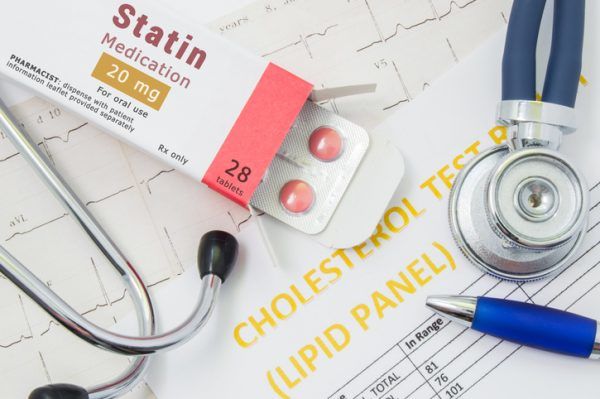
Statins are the primary drug that doctors prescribe to lower cholesterol. Statins are a fairly recent pharmaceutical creation that work by blocking an enzyme in the liver that is responsible for making cholesterol.
Statins became one of the most-prescribed medications when the guidelines for the high end of total cholesterol guidelines were reduced down to 200 a few years ago.
Now, tens of millions of Americans are taking cholesterol-lowering drugs, thinking this is the best way to prevent heart disease. In fact, about 30 percent of American men and women over age 40 take a statin.
The problem is that statins come with a host of side effects which can be pretty significant. One of the more serious side effects of statins is the significant increased risk of type 2 diabetes. The latest study on this connection shows the link may be even stronger than was previously reported.
Researchers prospectively studied 8,567 men and women whose average age was 64. All were free of diabetes and not taking statins when the study started. In a follow-up study 15 years later, about 12 percent of the group had started taking statins, most using either Zocor or Lipitor (simvastatin or atorvastatin) and the rest either Pravachol or Lescol (pravastatin or fluvastatin). Most took the statins for over a year, and 716 new cases of diabetes occurred in the group.
After controlling for age, sex, smoking, family history of diabetes, and other factors, researchers found that statin use was associated with higher risk for insulin resistance and high blood sugar, and with a 38 percent increased risk for the development of Type 2 diabetes.
The brand of statin and the dosage made no difference, but the risk was especially high for statin users who were overweight or obese—which is of course an increased risk for type 2 diabetes as well. The study appeared in the British Journal of Clinical Pharmacology. Other recent research also shows a similar causal link between elevated blood glucose, type 2 diabetes and statins as well.
Here’s the key thing to take away—the number one risk factor of having type 2 diabetes is heart disease.
Adults with type 2 diabetes are about two to four times as likely to die from heart disease as adults who do not have diabetes.
So the question is–if you were told to take statins to lower your cholesterol and chances of heart disease, but it actually increases your chance of developing type 2 diabetes, is it worth it to take statins?
How do Statins increase risk of diabetes?
Statins have been shown to increase your risk of diabetes through a few different mechanisms. The most important one is they increase insulin resistance, which can be extremely harmful to your health. Increased insulin resistance contributes to chronic inflammation in your body, and inflammation is the hallmark of most diseases.
In fact, increased insulin resistance can lead to heart disease, which, ironically, is the primary reason for taking a cholesterol-reducing drug in the first place! It can also promote weight gain, high blood pressure, heart attacks, chronic fatigue, thyroid disruption, and diseases like Parkinson’s, Alzheimer’s, and cancer.
Secondly, statins increase your diabetes risk by actually raising your blood sugar. When you eat a meal that contains starches and sugar, some of the excess sugar goes to your liver, which then stores it away as cholesterol and triglycerides. Statins work by preventing your liver from making cholesterol. As a result, your liver returns the sugar to your bloodstream, raising blood sugar levels.
If you’re on a statin drug and find that your blood glucose is elevated, it is possible that you may just have hyperglycemia—a side effect, or result of your statin medication. Unfortunately, many doctors will often mistakenly diagnose you with type 2 diabetes, and possibly prescribe a diabetes drug, like metformin or insulin.
Discontinuing the statin will help to determine if blood glucose levels are caused by the statin. Be sure to check in with the physician, however, before stopping any prescribed medication.
Statins are well-known for the muscle weakness and pain they can cause, but statins can affect much more than just the muscles and blood sugar. Many people have reported cognitive problems and memory loss as a result of statin medication.
Other potential side effects of statins include: kidney problems, anemia, sexual dysfunction, immune depression, cataracts, increased cancer risk, abnormal liver enzymes and depression.
The other ironic, and contradictory fact about statins and heart health is the fact that statins deplete your body of CoQ10. CoQ10 is an essential cofactor in the body that is essential for the creation of ATP, which is what every cell in the body uses for energy production.
This is especially important for muscles—especially the heart muscle. CoQ10 is produced primarily in the liver and it also plays a role in maintaining blood glucose as well. As the body gets more and more depleted of CoQ10, it causes extreme fatigue, muscle weakness and achiness, and can even lead to heart failure.
Physicians seem to be blissfully unaware of this risk, and don’t usually discuss with patients the importance of supplementing with extra CoQ10. CoQ10 is also necessary to neutralize free radicals in the body, which damage the cell’s DNA and their reproduction. It’s a vicious cycle to have low CoQ10, no cellular energy (this translates to no energy overall!) and damaged DNA.
In addition, the muscle fatigue and pain make it difficult to be motivated to do any amount of exercise, further weakening the cardiovascular system and the muscles.
Statin drugs also interfere with necessary and vital biological functions, including hormone pathways. Statins affect the sex hormones, cortisone, and vitamin D. Statins actually interfere with your body’s natural ability to create vitamin D, which is related to cholesterol. It’s a fact that vitamin D actually helps improve insulin resistance, so a reduction in vitamin D also removes this protective factor, opening the door a bit wider for type 2 diabetes.
Do I Really Need to Lower My Cholesterol?
Total cholesterol values are only a very small part of the picture of your chances of heart disease, but unfortunately conventional medical doctors use total cholesterol numbers to base their decision to recommend statins.
It’s become common knowledge that cholesterol is not the primary cause of heart disease. In fact, three large reviews show the errors in the generally held theory that cholesterol causes heart disease. And this study, also shows no real link between cholesterol and heart disease. In fact, to the contrary, it’s been shown that low cholesterol contributes more to all-cause mortality in older adults, not high cholesterol.
Having a lipid panel that shows you have higher than normal total cholesterol then, is not any kind of predictor of your risk of heart disease, unless it is over 350. The ONLY people who may benefit from cholesterol-lowering practices are those with a genetic type of very high cholesterol.
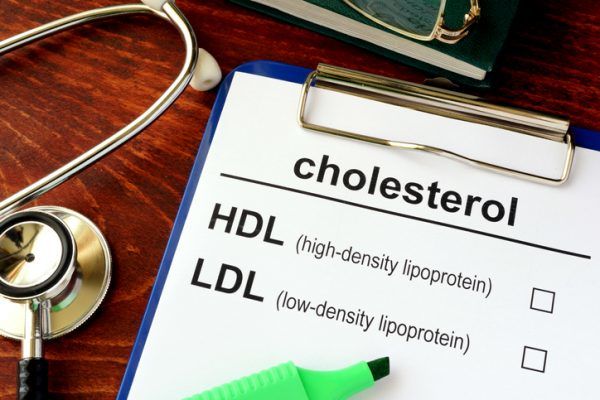
The High Density Lipoproteins or HDL, number is a far more reliable indicator for heart disease risk. Here are the two ratios to check on your lipid panel:
HDL/Total Cholesterol Ratio: Should ideally be above 24 percent. If below 10 percent, you have a significantly elevated risk for heart disease.
Triglyceride/HDL Ratio: Should be below 2.
Many people with total cholesterol levels over 250 are actually at low risk for heart disease because of their high levels of protective HDL, and many people with low cholesterol under 200, can be at high risk for heart disease because of their high LDL and triglycerides.
Actually the conventional LDL/cholesterol hypothesis is not entirely accurate, because damage of the interior layers of your arteries always precedes heart disease, and this damage can be induced by a number of factors, including smoking, high blood pressure, elevated blood sugar and inflammation.
Once the artery is damaged, cholesterol-rich plaque begins to build up as a protective mechanism. Problems arise when the rate of damage to the vessels and blood clot formation outpace your body’s ability to repair the blood vessels.
Your body actually needs a good amount of cholesterol—it is important in the production of cell membranes, all of your hormones—especially sex hormones, vitamin D, and bile acids that help you to digest fat.
Cholesterol also helps your brain work properly and is vital to healthy nerve function. There is also plenty of evidence that having low levels of cholesterol increases your risk for cancer, memory loss, Parkinson’s disease, hormonal imbalances, stroke, depression, suicide, and violent behavior.
If your doctor recommends you take statins to lower your cholesterol, think twice about that. There are many ways to protect your health with a healthy, low carb/low sugar diet, high in antioxidant-rich veggies, that will also protect you from heart disease, diabetes, and many other diseases. Statins don’t seem to be the best solution.





 Mws R Writings