I love Fall. I love the temperatures, the smells, the sights, and of course the food. Fall can be just as productive in terms of gardening, as the summer and spring months. I found this link that gives us some tips for the Fall season. The link will be provided below. I hope you follow it and that your Fall will result in a wonderful harvest as well.
Collecting lawn clipping is not necessary and actually depletes the soil of nutrients and organic matter. Grass clipping do NOT lead to thatch buildup. Instead, use a mulching lawn mower so lawn clippings don’t have to be collected.. If collected, lawn clippings can be added to your compost pile.
Whatever you do, don’t send leaves to a landfill. Instead, compost them or use, support, or work to develop a yard waste recycling program in your neighborhood.
Develop your own compost pile so you can return the valuable plant material back to the soil in your yard.
Don’t send plant-based garden waste to a landfill. Instead, support your local yard waste recycling program for any materials you can’t compost and use in your own yard.
Reuse plastic, clay, and other pots in your garden. Don’t send them to a landfill. And, when a plastic pot has enjoyed a good life, send it to be recycled. In St. Louis the Missouri Botanical Garden has offered a pot recycling service since 1998.
If you want to use a chipper-shredder for light use, electric ones result in less air pollution than gas-powered.
To prevent accumulating dirt under your fingernails while you work in the garden, draw your fingernails across a bar of soap and you’ll effectively seal the undersides of your nails so dirt can’t collect beneath them. Then, after you’ve finished in the garden, use a nailbrush to remove the soap and your nails will be sparkling clean.
While I’ve been absent from my page for a while now, I am planning on coming back with some posts, etc. I’ve been homeschooling still and soon the year of fourth grade will be done. I will have more free time and this plan to do some”me” things. My garden is doing fair and I…
Lucky for us, there are garden plants that naturally send bad bugs packing. These insect-repelling plants generally have strong odors and oils that are offensive to some mosquitoes, flies, and other bugs. Add these human-safe, natural bug-control plants to your containers and patio plantings to lessen the bug population for your next backyard gathering.
Basil
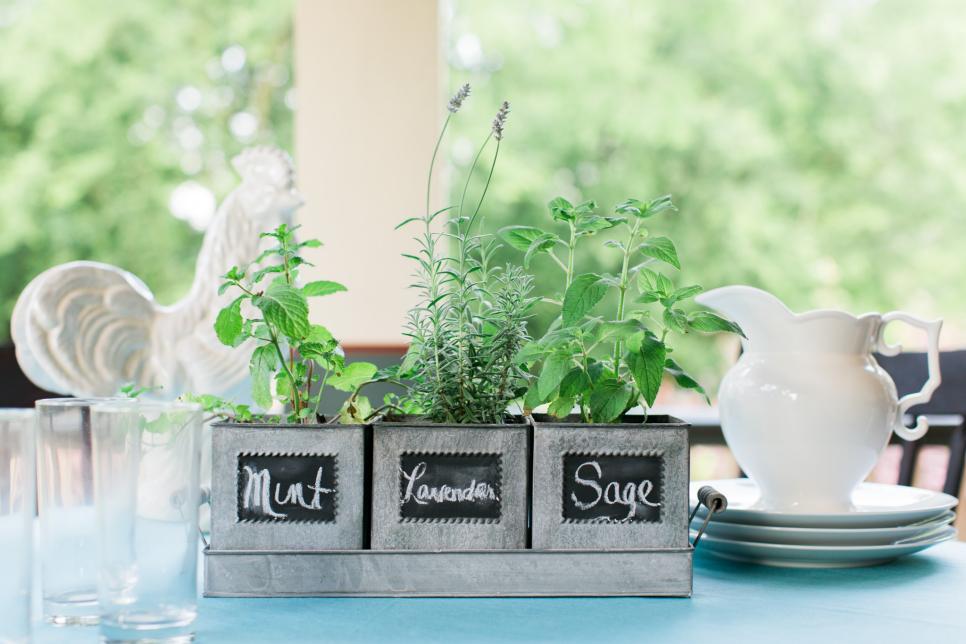
Grow this excellent mosquito repellent as a centerpiece on your patio table, or plant a drift of basil in the garden bed. Both insect-repelling and a culinary herb, basil is easy to grow from seed or transplants. There are many varieties of basil—and they all repel insects—so choose the variety that best suits your needs. Try ‘Thai Magic’ for use in Southeast Asian dishes or ‘Spicy Globe’ for a tabletop container.
Mint
Rodents will also be far away with the help of a plant. Mint plants, such as peppermint, can deter rodents in your home. Pests, such as mosquitoes, ants, flies; and other rodents, such as mice and rats, will be no more with this plant lying around. Mint can be in the form of crushed leaves, oils, sprays, or even mint gum to shoo them away for good.
Crush Leaves and Stems
You need to get rough with insect-repelling plants to bring out their repelling power! These special plants are ineffective when they’re just sitting in a pot or merely growing in the soil next to a patio. The leaves must be crushed to release their volatile oils, which ward off stinging and biting invaders.
Don’t hesitate to crush a few leaves between your fingers as you pass by insect-repelling plants. You can also rub the broken leaves on your skin for extended bug repellent.
Special note: Be sure to test for any allergy first by rubbing the leaves on a quarter-size patch of skin on your inner forearm for a day or so; if there’s no irritating skin reaction, it’s likely safe for you to rub away.
Lemongrass
Whether you grow it as a container plant or in the garden, lemongrass has an elegant upright appearance and lovely bright green foliage. The leaves and stems can be harvested for culinary use in Vietnamese and Thai dishes. Snip a few inches off the leaf tips to release the plant’s natural bug-repelling oils. Lemongrass is easy to grow from seed and is considered a tender perennial. It doesn’t tolerate freezing temperatures but enjoy it year-round by growing it in a pot and bringing it inside in the winter.
Lavender
Lavender has a charming scent we all know and love—except for some insects, that is. Mosquitoes, moths, and flies tend to stay away from lavender plants in general, but the most effective way to keep them away is to rub the plant on your skin and nearby surfaces to release the oils.
Remember: Bugs Do Good Work
The ecosystem consists of multitudes of beneficial insects. These hardworking insects are essential pollinators and crucial to our food system while keeping bothersome bugs in check. Protect the ecosystem by not using chemical bug repellents unless necessary.
Lemon Thyme
A creeping herb with a bright citrus fragrance, lemon thyme releases oils that repel many kinds of bugs. Use lemon thyme as a groundcover and enjoy its insect-repelling properties every time you tread on it. Lemon thyme grows well in full sun and well-drained soil. It is drought-tolerant and easy to grow from transplants purchased at the garden center.
A popular culinary herb, lemon thyme has the best flavor before the plant flowers.
Garlic
A great companion plant for many food crops, garlic can repel several insect pests. Plant it near plants in the cabbage family, as well as carrots and tomatoes. Garlic is planted from individual cloves purchased at the garden center. Plant the cloves in fall, and shoots will emerge from the soil the following spring.
More Bug-Smart Strategies
In addition to employing bug-repelling plants in the garden, try these tactics to keep mosquitoes, biting flies, and other troublesome bugs at bay.
Go weed-free. Weed plants create food and shelter sources for bad bugs. They also rob nutrients and water from nearby good garden plants.
Promote healthy plants. Plant the right plant in the right place to promote healthy, strong plants that naturally ward off diseases and insects. Grow sun plants in the sun and shade plants in shade.
Mulch. A 2-inch-thick layer of mulch suppresses weeds and prevents soil moisture loss, creating a healthy growing zone.
Search for pest-resistant varieties. Some plant varieties are selected to be more resistant to insect pests than other varieties. Search out plants that have good pest resistance.
Eliminate standing water.
Catnip
A perennial herb in the mint family, catnip is typically marketed to cat-lovers, but it possesses mosquito-repelling ability that rivals some commercial bug sprays. Plant in full sun and moist, well-drained soil. Start catnip from transplants purchased at the garden center; the plant’s tiny seed is tough to germinate.
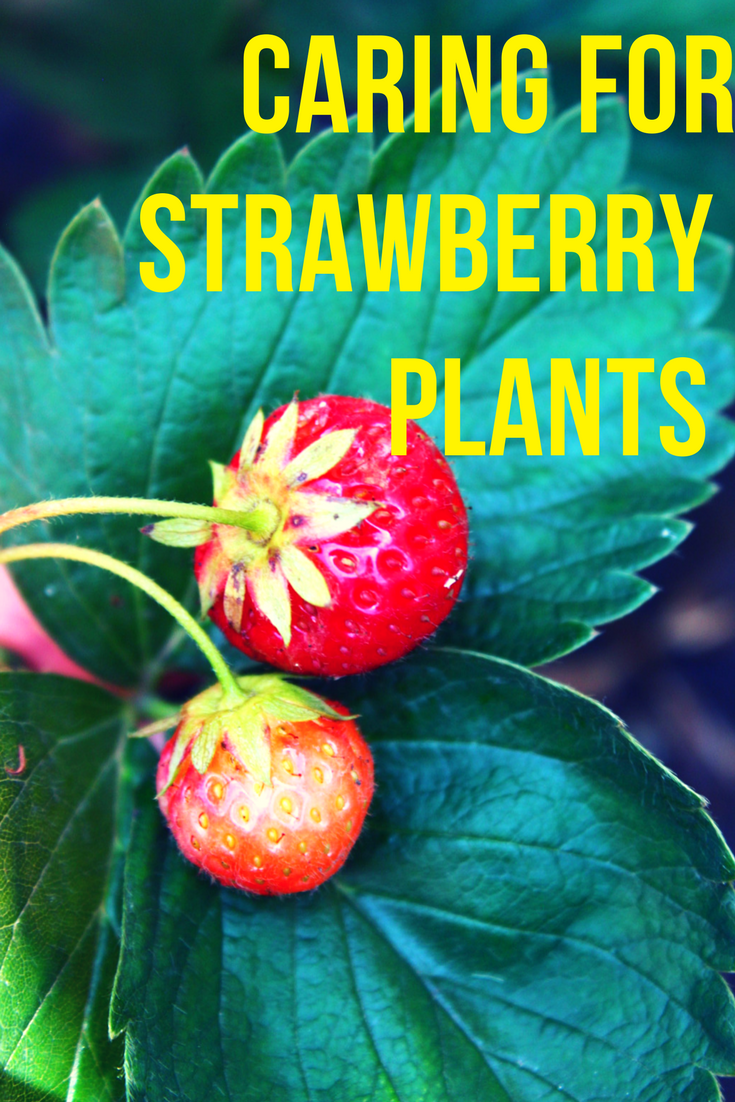
There’s nothing better than growing your own strawberries! If you’ve ever wondered how to care for strawberry bushes to get a healthy, strawberry patch, here are a few simple but efficient tips for strawberry plant care!
HOW TO CARE FOR STRAWBERRIES
Have you ever thought about growing you own supply of juicy, healthy strawberries? It’s so much fun and oh, so easy if you know the basics! Read along and I’ll give you some simple and easy tips for strawberry plant care so you enjoy your delicious strawberries all summer long!
Before growing strawberry plants you need to know there are three types of strawberries: spring bearing which produces fruit in spring, June bearing which will give fruit in early summer and everbearing, providing fruit all summer long. I chose the spring and everbearing ones so I could enjoy my strawberries from spring to end of summer.
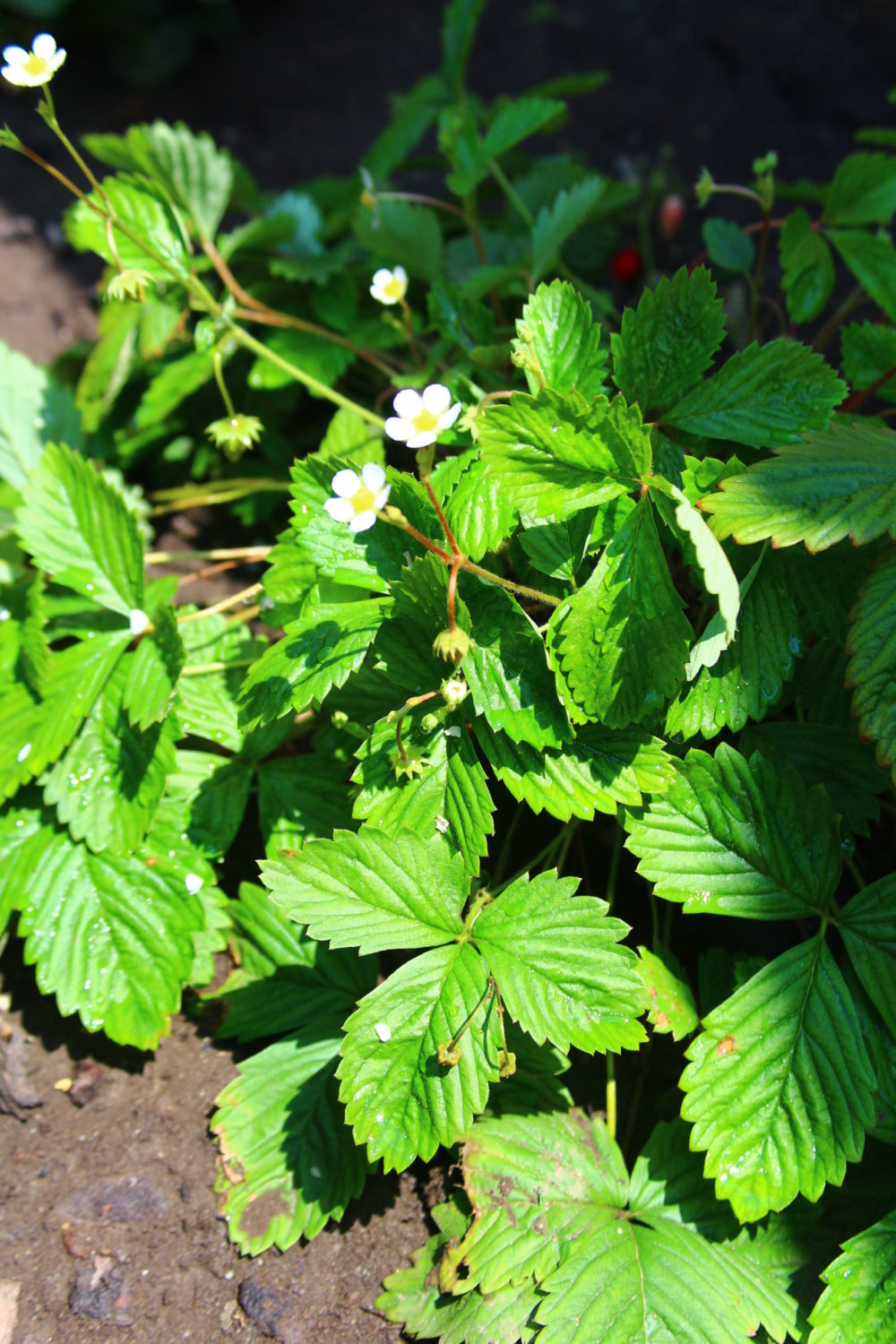
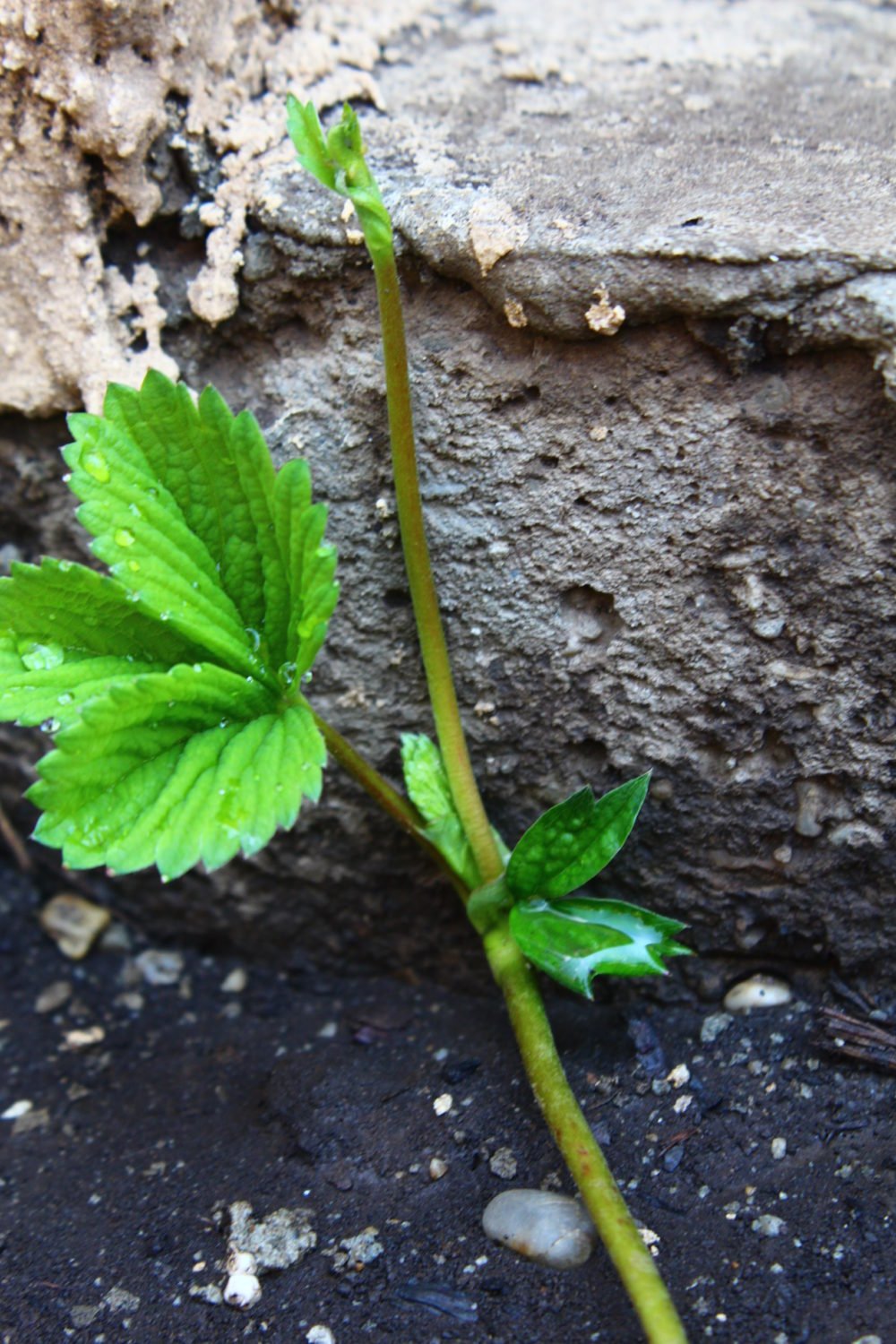
When planning for strawberry care, bear in mind the spring and June plants will grow daughters also known as runners (which will form new plants and will expand rapidly). So when making your strategy for strawberry plant care, make sure you leave plenty of room between plants, for the daughters to roam around freely. Allow about 20-30″ between plants on each row and about 3 feet between rows. On the other hand, the ever bearing plants won’t grow daughters so you won’t need that much space for these. They’ll grow bigger strawberries though so don’t plant too close either, strawberries need light and sun to grow healthy and strong.close
Volume 0%
STRAWBERRY PLANT CARE
Strawberries need at least 6 hours of sun every day so before planting them, make sure the spot you choose gets plenty of full sun.
They’ll also need good drainage so you may need to add some sand to your soil if it’s too heavy in clay or even plant strawberries in a raised bed.
Plant strawberries very early in spring, as soon as the ground is workable. I planted mine first week of March.
Plant when the sun is not too strong, preferably in the morning, late morning on cooler days.
Leave enough room for plants to grow and for daughters/runners to spread.
Dig a small hole that barely fits the root, about 2/3. Lightly cover roots with dirt.
Apply some organic fertilizer right after planting and water plants to give them a jump start.
During hot summer days, water 3 times a week, preferably early in the morning and apply organic fertilizer every 2 weeks. Spreading some mulch around the roots will help retain moisture.
Pinch blossoms and runners in the first year to encourage the plant to grow stronger and supply more fruit.
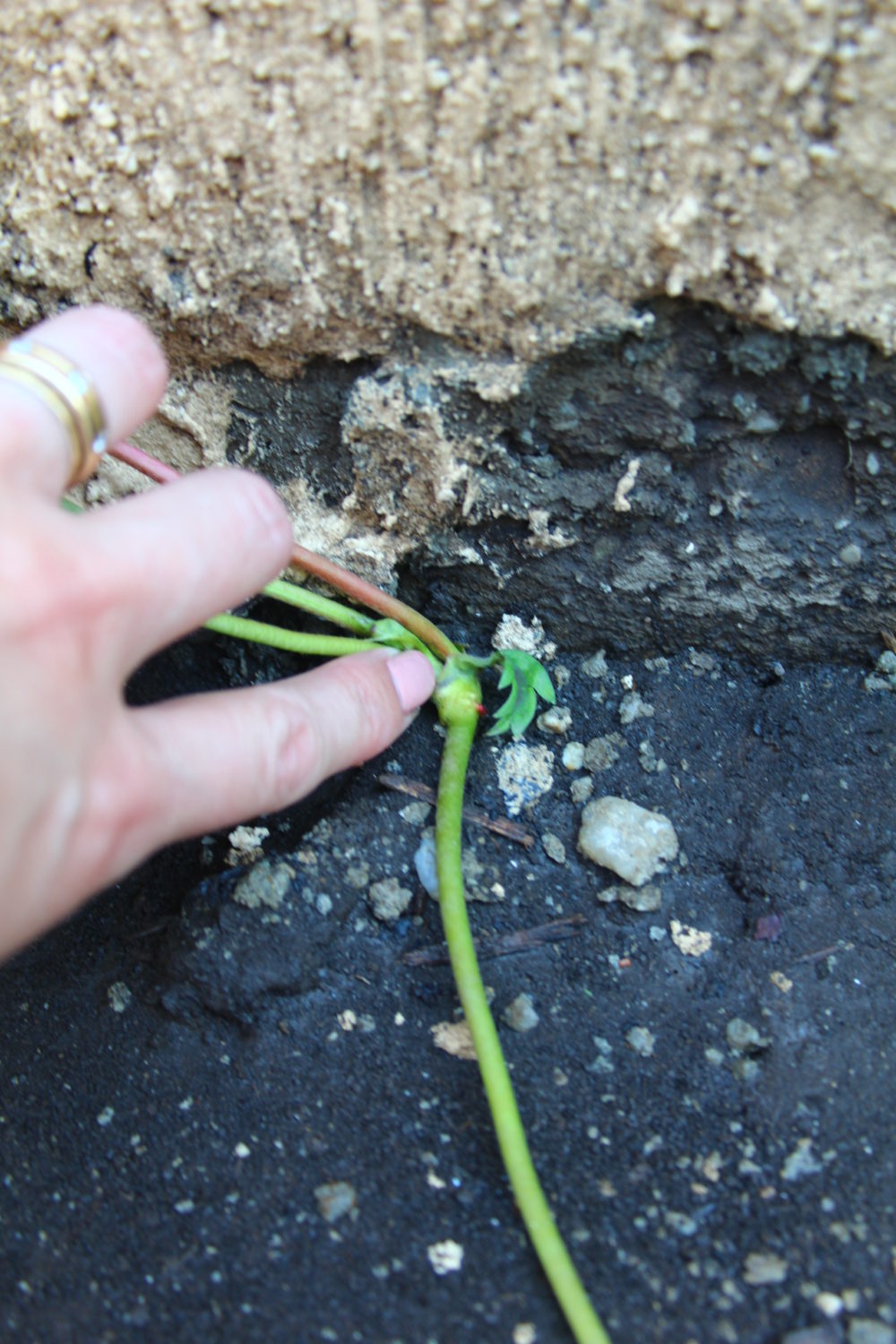
When the runners (daughters) start growing, pinch them out and plant on other spots if you want to expand your strawberry patch but would like to keep it tidy.
If you don’t want the runners to spread, cover the soil around and between plants in foil, then spread mulch. This will also help control weeds.
Pick weeds regularly, preferably when the soil is moist.
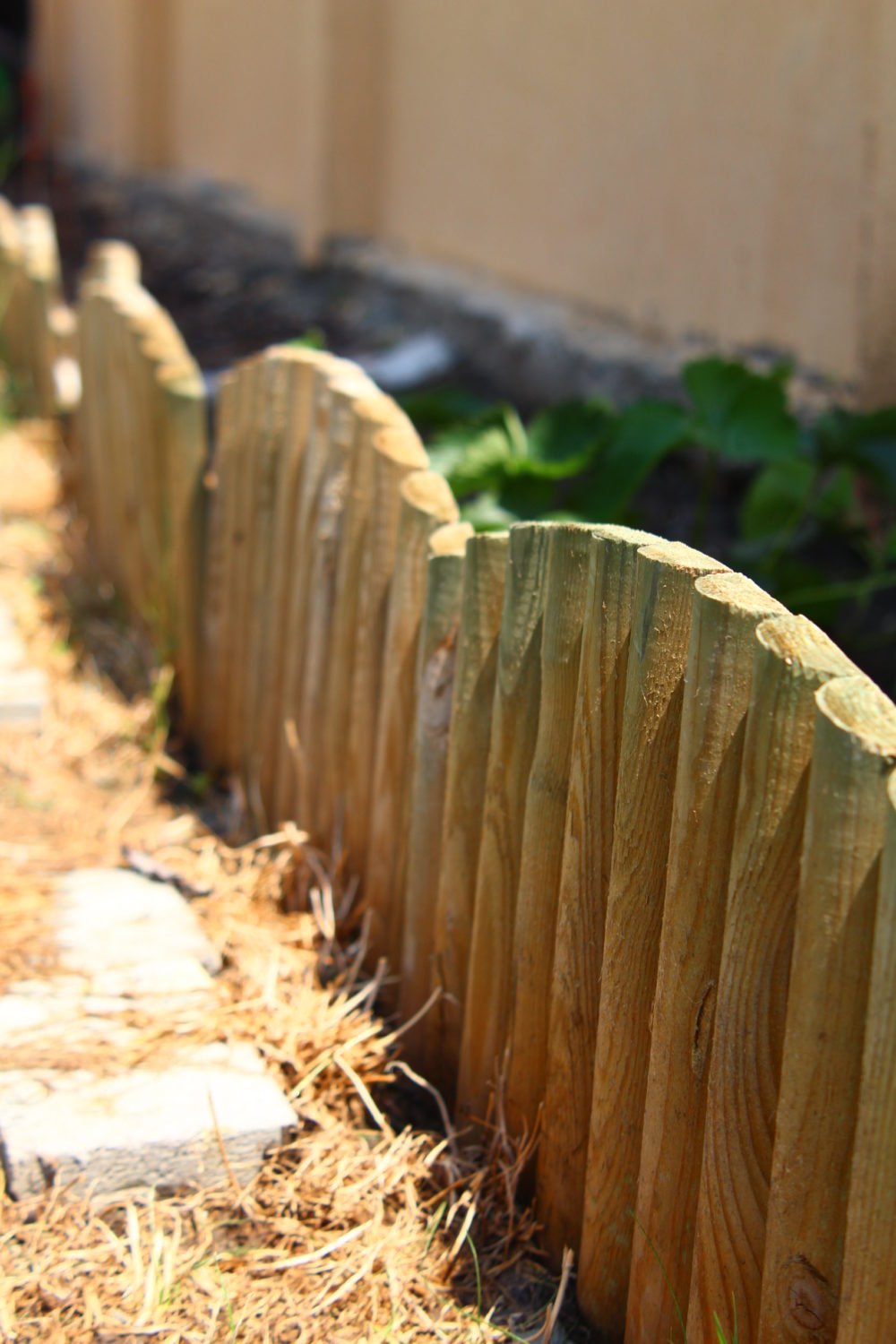
Surround your patch with a fence if your bushes produce daughters; left alone, strawberries tend to spread rapidly and are hard to control once they took over other parts of the garden.







 Mws R Writings