Pre-existing Conditions Will…

MAKE IT HARDER TO FIGHT CORONAVIRUS

Early data from China, where the new coronavirus COVID-19 first started, shows that some people are at higher risk of serious health complications from the new coronavirus. Per the Centers for Disease Control and Prevention (CDC), this includes people who have serious chronic medical conditions like heart disease, diabetes, lung disease, and mental health conditions such as depression and anxiety. 

Here’s why these conditions increase the risk for COVID-19 complications—and what you should do if you’re affected. 

Heart disease

People with heart disease tend to have other underlying conditions like high blood pressure, elevated cholesterol, diabetes, and lung disease, which weaken the body’s health defense systems (including the immune system) against viral infection, William Li, MD, physician-scientist, and author of Eat To Beat Disease: The New Science of How Your Body Can Heal Itself, tells Health.

“The fever associated with COVID-19 puts additional strain on the body’s metabolic demands, stressing out the already weakened heart,” explains Dr. Li. “Pneumonia, which is commonly seen with COVID-19, makes it harder for the lungs to oxygenate the blood. This puts further stress on the heart.” Plus, inflammation caused by the infection can damage the lining of blood vessels through which the heart pumps blood. 

In February, the American College of Cardiology issued a bulletin to warn patients about the potential increased risk of COVID-19 that included additional precautions to take. The bulletin recommends that people with cardiovascular disease stay up to date with vaccinations, including for pneumonia, and get a flu shot to prevent another source of fever. 

Dr. Li advises regular exercise (while social distancing, of course) and a healthy diet to help strengthen the heart during the COVID-19 era. 

Chronic respiratory disease

Chronic respiratory diseases (CRDs), which include asthma and pulmonary hypertension, are diseases of the airways and other parts of the lung. People with CRDs need to be especially vigilant about the coronavirus because one of the possible complications is pneumonia. “Pneumonia compromises the lung, which brings oxygen to the body,” explains Dr. Li. “In patients who already have a chronic respiratory disease, it can be lethal.” 

Besides following the CDC guidelines for handwashing, social distancing, and other coronavirus preventive steps, The COPD Foundation has issued further advice for people with chronic obstructive pulmonary disease (such as chronic bronchitis or emphysema). As reported in Pulmonary Advisor, this includes having at least a 30-day supply of all required medications on hand. If a patient requires an oxygen supply, they should contact their supplier to find out how to prepare for a COVID-19 outbreak in their area. 

Diabetes

Last week, actor Tom Hanks revealed on Instagram that he and his wife, Rita Wilson, tested positive for COVID-19. Hanks previously shared that he has type 2 diabetes, which means he’s at an increased risk of serious illness from the new coronavirus. 

What makes the coronavirus so dangerous for people with diabetes? First, because the immune system is compromised, it’s harder for the body to fight off the coronavirus, states the International Diabetes Foundation (IDF). Viruses also may thrive when blood glucose levels are high. 

People with diabetes have heightened levels of inflammation throughout their bodies, which is another risk factor. “If you have a viral infection, that can turn into pneumonia easier, because diabetes itself is an inflammatory disease,” Maria Pena, MD, director of endocrine services at Mount Sinai Doctors Forest Hills, previously told Health. “It’s also important to note that when a person has diabetes, episodes of stress, like a viral infection, can increase blood sugar levels, which can also lead to complications.”

Everyone should be taking precautionary measures during the COVID-19 outbreak (whether they have preexisting health conditions or not), and the IDF says it’s even more crucial for those living with diabetes. That means washing your hands thoroughly and frequently, avoiding touching your face as much as possible, cleaning and disinfecting frequently touched surfaces, and avoiding close contact with those showing symptoms of a respiratory illness.

The IDF also recommends additional precautionary steps for those with diabetes. Monitoring blood glucose levels should be a priority, because any kind of infection can raise blood sugar levels. This increases the need for water, so it’s important to have an adequate supply. To prepare for a quarantine, make sure you have enough medication, testing supplies, and food to last for at least a month. 

People with diabetes should be particularly careful about social contact. “As a diabetic, I would avoid supermarkets or other public gatherings,” Dr. Pena said. 

Depression and anxiety

COVID-19 doesn’t only affect people with pre-existing physical conditions—it can have a serious impact on those with mental health issues, like anxiety and depression, even if you are not infected with the coronavirus.

“Fear of the virus and all the changes it’s causing are driving anxiety levels up for everyone, but for people who have an anxiety disorder it’s so much worse,” Gail Saltz, MD, associate professor of psychiatry at the NY Presbyterian Hospital Weill-Cornell School of medicine and host of the upcoming Personology podcast from iHeartRadio, tells Health. Dr. Saltz warns that people who have managed their disorder may relapse, and those actively struggling may be much more symptomatic. 

“Anxiety also worsens depression, particularly those whose depression is of the ‘agitated’ variety, a subtype of the illness characterized by jittery, anxious, irritable behavior,” she adds. 

People with anxiety or depression who are at home with someone who has COVID-19 may find the burden of caregiving to cause their mental health to deteriorate further. “Caregiving is very stressful,” says Dr. Saltz. “In many cases it’s a 24/7 role and for those already struggling, it can be overwhelming.” She adds that social distancing, quarantining, and losing the structure of work or school can also increase symptoms of both anxiety and depression by increasing feelings of loneliness. 

By actively focusing on mental health, however, those symptoms can be reduced. Dr. Saltz recommends exercising for 30 minutes each day and trying relaxation techniques like deep breathing and mindfulness to help keep anxiety at bay.

It’s also important to have a structure in your day, even if you’re self-isolating or in quarantine, she says. This means getting up at the same time as you normally would, taking a shower, getting dressed, creating and sticking to a schedule, and maintaining normal sleep. If you work from home, make a dedicated workstation. 

If you need professional help, it’s still there for you even if you can’t get to the doctor’s office. “Most therapists are moving to online sessions to accommodate their patients,” says Dr. Saltz. If you take medication for your mental health, make sure you have a 30-day supply. 

Loneliness is an issue for people in all age groups, and even if you don’t have mental health issues yourself, you probably know someone who does. “Check in with those you know who are also self-isolating,” says Dr. Saltz says. “Talking to and supporting others is likely to make you feel better as well.” 

The information in this story is accurate as of press time. However, as the situation surrounding COVID-19 continues to evolve, it’s possible that some data have changed since publication. While Health is trying to keep our stories as up-to-date as possible, we also encourage readers to stay informed on news and recommendations for their own communities by using the CDCWHO, and their local public health department as resources.

Coronavirus Fact

 COVID-19 can live on surfaces for up to three days.

Sure, you know that you don’t want to grab the seat at the coffee shop next to someone who’s coughing away, but have you stopped to think about who was sitting at your table before you… even as long as three days ago? The truth is, coronavirus can live on surfaces long after an infected person has left. A new study from the National Institutes of Health, which has not yet been peer-reviewed, found that coronavirus can live on plastic and stainless steel for as long as three days.

AmAzIng!

Amazing Closeup of a Gorilla’s Hand with Vitiligo

In this amazing closeup, we see the hand of a 6-year-old gorilla, Anaka, who is known for her unique pink pigmentation on her fingers. The pinkness makes her hand look strikingly, human-like.

https://twistedsifter.com/2019/12/closeup-of-gorillas-hand-with-vitiligo/

UpCycle

Convert your wine bottles into small gardens

The Coolest 34 DIY Projects You Need To Make This Spring

Source

Image result for upcycle

Emancipation, A Life Fable

Emancipation. A Life Fable

by Kate Chopin


Emancipation: A Life Fable is featured in our Feminist Literature – Study Guide


An illustration for the story Emancipation. A Life Fable by the author Kate Chopin

There was once an animal born into this world, and opening his eyes upon Life, he saw above and about him confining walls, and before him were bars of iron through which came air and light from without; this animal was born in a cage.

Here he grew and throve in strength and beauty under the care of an invisible protecting hand. Hungering, food was ever at hand. When he thirsted water was brought, and when he felt the need to rest, there was provided a bed of straw upon which to lie; and here he found it good, licking his handsome flanks, to bask in the sunbeam that he thought existed but to lighten his home.

Awaking one day from his slothful rest, lo! the door of his cage stood open: accident had opened it. In the corner, he crouched, wondering and fearingly. Then slowly did he approach the door, dreading the unaccustomed, and would have closed it, but for such a task his limbs were purposeless. So out the opening, he thrust his head, to see the canopy of the sky grow broader, and the world waxing wider.

Back to his corner but not to rest, for the spell of the Unknown was over him, and again and again, he goes to the open door, seeing each time more Light.

Then one time standing in the flood of it; a deep indrawn breath – a bracing of strong limbs, and with a bound, he was gone.

On the rushes, in his mad flight, heedless that he is wounding and tearing his sleek sides – seeing, smelling, touching of all things; even stopping to put his lips to the noxious pool, thinking it may be sweet.

Hungering there is no food but such as he must seek and ofttimes fight for; and his limbs are weighted before he reaches the water that is good to his thirsting throat.

So does he live, seeking, finding, joying and suffering. The door which accident had opened is opened still, but the cage remains forever empty!


Emancipation. A Life Fable was featured as The Short Story of the Day on Mon, May 15, 2017


How To Keep Your Immune System Up

Your immune system defends you against the viruses that cause colds and flu. These eight steps can help support your immune system so it’s ready to fight those viruses.

  1. Eat plenty of fruits, vegetables, and whole grains.
  2. Get at least 30 minutes of exercise on most days of the week.
  3. Get enough sleep.
  4. Wash your hands.
  5. Keep up with your vaccinations. Almost everyone who’s at least 6 months old should get a flu vaccine every year.
  6. Keep your weight healthy.
  7. Don’t drink too much alcohol.
  8. Don’t smoke.

Get the Nutrients You Need

Food is your best source. Fill half your plate with vegetables and fruit, and split the other half between lean protein and grains, as the government’s “MyPlate” guidelines recommend.

Not sure if you’re getting enough vitamins and minerals? Ask your doctor or a nutritionist about that.

Don’t overdo supplements. Taking too much can be bad for you. Your doctor can let you know what you need.

Manage Your Stress

Everyone gets stressed. Short bursts of stress may help your immune system. But lasting stress is a problem. It can hamper your immune system.

You can take action to tame stress. Make these steps part of your stress management plan:

  • Get enough sleep.
  • Learn and use relaxation techniques.
  • Exercise.
  • Take time for yourself.
  • Build your support network of people you can talk to.
  • Consider counseling, especially when you’re going through a very stressful time.

WebMD Medical Reference

Reviewed by Neha Pathak, MD on0/, 018

© 2018 WebMD, LLC. All rights reserved

Easy To Take Care Of Plants For Your Home

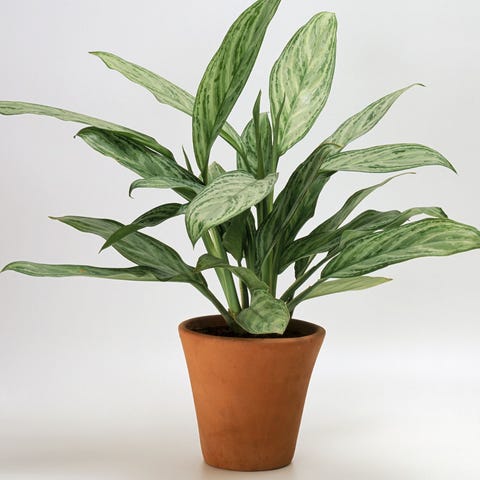
Chinese Evergreen

“Buy something that likes to live the way you do,” advises Gwenn Fried, manager of the Horticulture Therapy program at NYU Langone. “If you’re more of a waterer, an excellent plant is a Chinese evergreen.” It’s super forgiving if you overdo it on H2O, and it comes in tons of different varieties. 
Asparagus Fern
This fluffy plant tolerates a lot more abuse than other ferns — thanks to the fact that it’s technically not a fern. Asparagus setaceus adapts to both bright spots and darker corners. Keep the soil moist and it’ll thrive.
Fiddle Leaf Fig
These trendy trees have more than just lush foliage going for them. Their hardy disposition can adapt to most bright locations (minus direct sunlight). Water generously in the summer and slow it down when winter comes.  
Guiana Chestnut
More commonly known as a money tree, Pachira Aquatica frequently features a braided trunk. You’ll want to stick it in a spot with bright, indirect light and water frequently — its native habitat is a swamp.
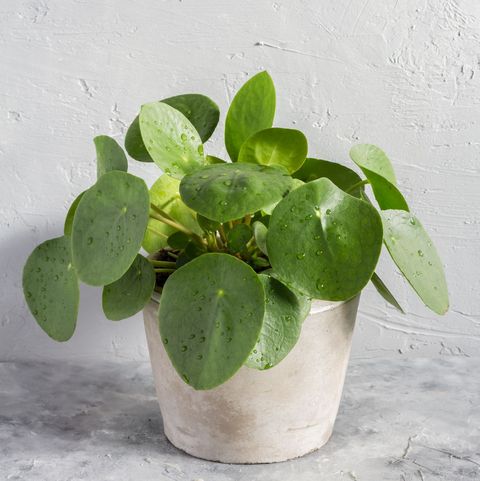
Chinese Money Plant
Here’s another plant with fortuitous associations, although it also goes by the adorable nickname “Pancake Plant.” Pilea peperomioides prefers a shady spot (or winter windowsill) and weekly watering, according to The Little Book of House Plants and Other Greenery. Bonus: You can replant the offshoots that sprout from the base of the stem and keep money plants all over your house. 
Yucca
The recipe for a happy yucca is easy: sun, sun, and more sun. Water sparingly and plant in a deep container to prevent the top-heavy woody stems from toppling over.
African Violets
-good housekeeping of the most popular houseplants in the world, this flowering favorite blooms several times per year. Keep it thriving in bright but indirect light with moist soil. Good drainage and an African violet fertilizer administered every other week can help too.
Peperomia
These waxy plants do best in more humid conditions than trendy succulents. Bring ’em work too — the species even flourishes under fluorescent lights.

Say GoodBye To…

1. Cash

In the old days, people actually had to step foot inside a bank branch, fill out a form and wait in line to get their hands on their own money. We actually carried cash.

Sure, cash will have a place for a while, but simply being able to use a credit or debit card everywhere from McDonald’s to the farmers market has made cash much less necessary. Apps like Square (a point-of-sale app) and Venmo (which allows you to electronically pay your friend back for that pizza) make a cashless society even easier.

2. Remote controls

Remote controls seemed like an absolute luxury back in the 1970s and 1980s, when the devices first started to flourish. But now, cable and streaming video systems offer smartphone apps that do everything from changing the channel to turning on captions and cranking up the volume.

And, unlike the cumbersome remote that always seems to be lodged between the couch cushions, an app is always just as close as your smartphone.

While we’re on the subject, traditional TV is also getting gobbled up by competing programs on streaming services.

3. Car keys

If you’ve bought a newish car in recent years, you may never have touched it with a key. Modern cars come with key fobs and mini-remotes that can lock and unlock the car with the push of a button.

Some don’t even require that: When I get close enough to my car, it senses that I’m carrying the key fob and remote, and it unlocks the door once I encircle the handle with my hand. I can start the car from inside my home so it warms up while I finish getting ready. And I never have to put a key in the ignition like the old days — the car has a start button instead.

4. Hotel room keys

Hotels have jumped on the modern key bandwagon even faster than car manufacturers. It is now rare to get a metal key attached to giant plastic tag for a hotel room, as once was the standard.

Key cards are cheap, easy to use, fit comfortably in a pocket or wallet, and can be recoded and reused. Plus, no one has to rekey a room door if a visitor loses their card on the beach.

5. House keys

House keys are still used by many, but there are advantages to changing to locks with numeric codes that open the door once the correct numbers are punched in. For example:

  • There are no keys that can be lost, stolen or forgotten.
  • Homeowners can set up a temporary code for a worker who needs access, then delete it the next day.
  • Kids can memorize a simple code and no longer have to worry if they lose or forget a key.
  • Vacationing homeowners can pass on the code and allow a neighbor to check on a home without needing to hand out an extra physical key.

6. Manual-transmission cars

Cars utilizing stick shifts, also called manual transmissions, are disappearing around the bend. Fewer manufacturers make manual transmissions now. USA Today reports that only 3.5% of U.S. car sales in 2018 were manuals.

Automatic transmission cars have become more efficient, and fewer U.S. drivers are taught how to drive a stick. For those who love the stick shift, this transition will really grind your gears.

7. College textbooks

If you’ve been out of college for a while, you probably remember having to fork out money for heavy, expensive textbooks for your classes. Well, welcome to the 21st century.

Textbooks are moving to the digital world. Some schools have already removed hard copies of books from their on-campus bookstores. No question, digital texts have plenty of advantages — they can be updated, and students can highlight text and remove highlights easily. They also can look up definitions or footnotes instantly and enjoy videos and interactive exercises. But maybe best of all: It’s bye-bye to backaches from carrying backpacks overloaded with these massive bricks around campus.

8. Classroom chalkboards

Want to make your kids think you’re really old — like “rode-dinosaurs-to-school” old? Tell them about your school days spent clapping erasers to get the chalk dust out of them. That’s a chore today’s students may never understand.

Chalkboards, aka blackboards, have long been on the way out, replaced by their cleaner, smoother cousin, the whiteboard. Popularized in the 1990s, whiteboards can be written on with special markers, often in bright colors, that are easy to wipe off.

But even traditional whiteboards are likely to be replaced with emerging smartboards — a high-tech, interactive version — as the price of the new technology comes down.

9. Mail-collection boxes

Pity regular letters, the kind for which you lick envelopes and apply stamps. Not only are they saddled with the insulting term “snail mail,” but they’re also fast slipping away to be replaced by their nearly instantaneous competitors, email and texting.

Disappearing even faster are the bright blue U.S. Postal Service mail-collection boxes that used to decorate many a neighborhood curb.

10. In-person voting

Heading to the polling place is a cherished part of American life — albeit a process that can be plagued by problems from long lines to voter-identification issues.

But there’s another way: Several states, including my own home state of Washington, have moved to voting by mail. Voters receive their ballots in the mail, settle in at a table to read over the candidates and issues, mark their ballots at leisure, then pop them back in the mail. (Worried your ballot wasn’t counted? You can track it online.) Some folks are still unsure about voting by mail, but eventually, we’ll all likely vote this way.

Continue reading Say GoodBye To…