What is Kwanzaa?

History of Kwanzaa

Kwanzaa is a holiday tradition that is based on the “first harvest” celebrations in Africa. In recorded history, these first harvest celebrations can be traced all the way back to Nubia and Egypt and can be found in cultures all over Africa. While many of these first-fruit celebrations may differ from one society to another, they all had a few principles in common. These principles include people gathering together to celebrate, acknowledging the creator and thanking him for his blessings. a commemoration of the past, a re-commitment to African cultural thought and a time to celebrate community.

Rooted in these principles, especially those of the Ashanti and the Zulu, Kwanzaa arose from the Black Freedom Movement in 1966 in the United States. It was created by Dr. Maulana Karenga – a professor of Black Studies at California State University, Long Beach, USA. He created it after the Watts riots as a way to bring African-Americans together as a community.  He gave it the name Kwanzaa -a word that is taken from the phrase “matunda ya kwanza” and is Swahili for “first-fruits.”

Kwanzaa was originally envisioned by Dr. Maulana Karenga as an oppositional alternative to Christmas. However, in later years he changed his position as to not alienate African-American Christians and later stated that Kwanzaa was not created to give people an alternative to their own religious holidays.

From 1966 through the end of the 20th century, the idea and practice of Kwanzaa began to slowly increase in popularity across the United States. Then its popularity began to increase dramatically after the start of the 21st century as the idea and practices of this holiday began to not only spread through conventional media but also through the Internet.  In 2004, a study showed that a little less than 5 million African-Americans planned to celebrate the holiday that year. However, two years later, another study showed that almost 28 million African-Americans had planned on celebrating the holiday in 2006. In 2009, the popularity of Kwanzaa was further bolstered by the release of the documentary film about Kwanzaa called the “Black Candle,” a film narrated by Maya Angelou and directed by M. K. Asante. Since then, Kwanzaa has not only spread all across North American but also parts of Europe and Africa as well.

Kwanzaa Customs & Celebrations

Kwanzaa celebrations vary from family to family. Some families stick with strictly Kwanzaa related practices, while other families mix elements of Kwanzaa into their Christmas celebrations. However, most Kwanzaa celebrations are based on Nguzo Saba – or the seven principles of Kwanzaa.

The Seven Principles:

  • Umoja (Unity): Striving for and maintaining unity in the family and the community.
  • Kujichagulia (Self-Determination): Defining oneself and speaking for oneself
  • Ujima (Collective Work and Responsibility): Building and maintaining a community and making our brother’s and sister’s problems our own and solve them together
  • Ujamaa (Cooperative Economics): Building and maintaining our businesses for ourselves and each other
  • Nia (Purpose): To build and develop our collective communities together
  • Kuumba (Creativity): To do whatever we can to leave our communities more beautiful than when we inherited them
  • Imani (Faith): To believe with our hearts in our people, our families and the righteousness of our struggle

The Seven Symbols:

Kwanzaa celebrations usually include a special mat called a Mkeka in which all of the other symbols are placed. On this mate are placed a candle holder called a Kinara, seven candles which are collectively called Mishumaa Saba, mazao (fruits, nuts and vegetables), a unity cup called Kikombe cha Umoja, an ear of corn called Vibunzi and Zawadi or gifts.

Mkeka
The place mat, or Mkeka, is traditionally made from either straw or cloth. It symbolizes African history, tradition and culture.  All of the other six elements are placed on the Mkeka.

Mazao
Fruits, nuts and vegetables are laid out to represent the historical foundation for this holiday – the gathering of people after a harvest. It represents bounty, joy, sharing and allows people to give thanks for their gifts.

Kinara
The Kinara, or candle holder, can be made of any material but is usually handcrafted from wood or other natural materials. This candle holder represents the ancestors and the mishumaa saba are placed in them to represent the principles of Kwanzaa – which rise from the ancestors.

The Mishumaa Saba
Mishumaa saba features seven candles. Three of them are red, three of them are green and one of them is black. The three red candles represent the principles of Ujamaa, Kuumba and Kujichagulia, and they are placed to the left of the green candles. The three green candles represent the principles of Ujima, Imani and Nia. The black candle symbolizes Umoja and is lit on December 26th.

Kikombe Cha Umoja
Kikombe cha umoja is a unity cup that is traditionally used to perform the ceremonious libation ritual, otherwise known as tambiko. This ritual is performed on the 6th day of Kwanzaa. In some African societies, the libation is poured for the living dead whose souls stay connected with the earth until it is tilled. During the Feast of Karamu, this unity cup is passed to family members and guests–all of whom drink from it to promote unity with one another. The next thing that happens is the eldest person pours a libation for the four winds (north, south, east and west). This last portion of the libation is reserved for the ancestors.

Vibunzi & Mihindi
Vibunzi is an ear of corn that is used to represent fertility. Vibunzi refers to one ear of corn. If more than one is present, then they are referred to as Mihindi. An ear is present for each child in the family. This is to show the importance of children to society and how they are the seed bearers of the culture into this future.

Zawadi
On the seventh day, gifts are exchanged with immediate family to reward accomplishments and commitments and is also exchanged with guests. It is recommended that these gifts are handmade to promote self-determination and to avoid the commercialism of the Christmas season. Accepting a gift makes the receiver an important part of the family and promotes the principle of Umoja – otherwise known as unity.

Where is Kwanzaa celebrated?

🇺🇸

Laugh a Little

Kitchen Tip

Coffee~How Much Do You Know About It?

Some of the health benefits claimed for drinking coffee are stunning. Two comprehensive studies published in the Annals of Medicine in July 2017 actually found drinking coffee seems to promote a longer life. Apparently, drinking more coffee was linked to a lower risk of death among the 700,000 people from different racial backgrounds, cultural and ethnic backgrounds involved in these studies.

The first study looked at non-white populations. It found drinking two to four cups of coffee translated into an 18 percent lower risk of death during the study period compared to non-coffee drinkers. More surprisingly, drinking more coffee seemed to lower the chances of dying from heart disease, stroke, cancer, kidney disease, diabetes and chronic lower respiratory disease.

The second study looked at people from 10 European countries. It found the top coffee drinkers were 25 percent less likely to die during the 16-year-study compared to the non-coffee drinkers.

Atop the “cons” for coffee is that this bean can be addictive. Drinking too much caffeine might lead to a caffeine overdose. There’s also the danger a caffeine overdose will overstimulate the body and burn out the adrenal glands. A person hooked to coffee that is unable to consume the quantities he’s used to can suffer from headaches, anxiety, irritability, fatigue and digestive issues, among others.

The other top three benefits of drinking coffee are as follows:

Coffee is high in beneficial antioxidants.

A number of studies show one of the top health benefits of coffee beans is their powerful antioxidant properties. These properties might be even stronger than those present in cocoa or some forms of tea leaves.

Research shows an average cup of coffee might contain more polyphenol antioxidants than cocoa, green tea, black tea and herbal tea. Coffee might be another good source of antioxidants if you can’t get these compounds that inhibit oxidation.

Coffee is effective at fighting free radical damage.

This is because coffee increases the amount of antioxidants in the blood. Two of the key antioxidants responsible for the majority of coffee benefits are chlorogenic acid and caffeic acid. These compounds can help protect cells against damage and oxidative stress.

Coffee protects liver health.

Drinking coffee increases circulation and can stimulate the liver. A study published in the Archives of Internal Medicine showed that increased coffee consumption was associated with lower rates of liver disease progression in people with hepatitis C. Intriguingly, there was a 20 percent reduction in alcoholic liver syndrome for every cup of coffee a day drank by participants.

The “cons” of coffee cumsumption include:

Coffee can cause digestive problems.

Among the worst are nausea, vomiting and diarrhea. Coffee causes a laxative effect triggered by the release of gastrin, a type of hormone that stimulates movement in the digestive tract. Caffeine can also worsen symptoms of gastroesophageal reflux disease (GERD), which is characterized by heartburn, nausea and belching.

Coffee could alter mood and boost anxiety.

Caffeine can affect muscles, hormones, neurotransmitters function and nerve signaling. These problems will manifest in people with existing health conditions like heart problems or diabetes .

Coffee can be high in calories.

Mixing coffee with cream and sugar can cause extra calories to accumulate, hindering weight loss altogether. A good coffee option for weight loss is to simply enjoy your coffee black or use a natural, low-calorie sweetener like stevia.

https://www.msn.com/en-us/health/nutrition/the-good-and-bad-sides-to-drinking-coffee/ar-BBXPIqN

Upcycled Christmas Cards

brilliant ideas to recycle old christmas cards cover

Ornaments

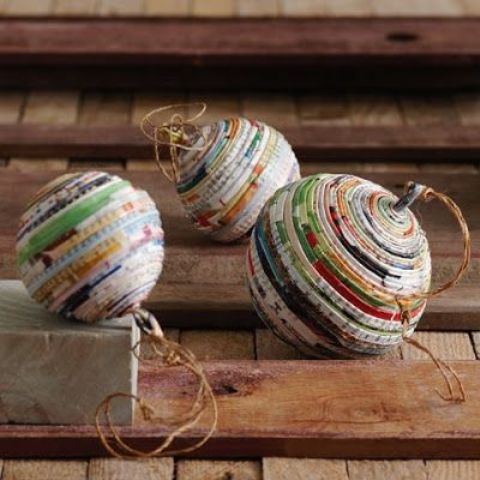
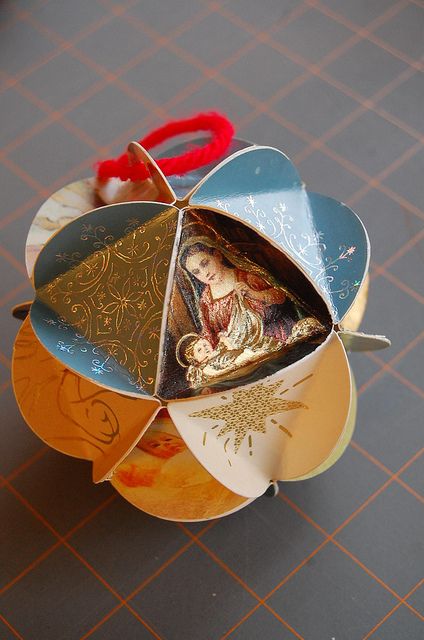
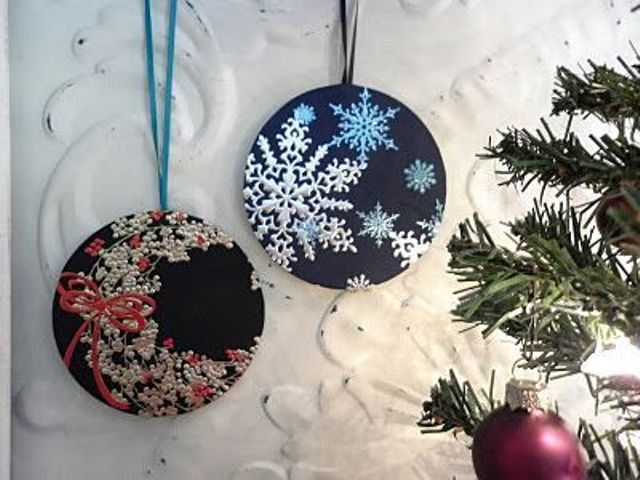
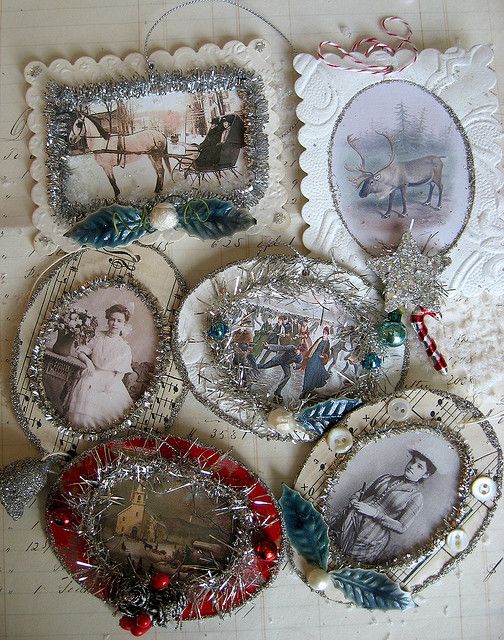
The first thing that comes to mind when we think of recycling cards is making ornaments of them. They can be dimensional or not and of various shapes and sizes, and everything depends on what you like and what cards you have at hand. Angels, baubles, houses, snowflakes and all the shapes that come to your mind – just try different ideas!

cards were used to make Christmas ornaments

cards were used to make Christmas ornaments

dimensional bauble ornament of Christmas cards

dimensional bauble ornament of Christmas cards

old Christmas cards turned into nice cardboard ornaments

old Christmas cards turned into nice cardboard ornaments

tinsel and old Christmas card ornaments

tinsel and old Christmas card ornaments

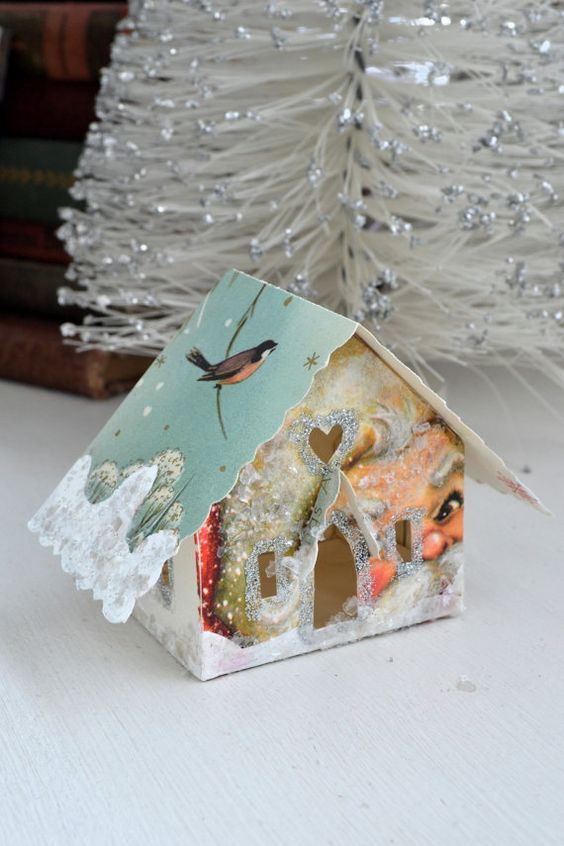
Christmas card glitter house can be used as an ornament or just decor

Christmas card glitter house can be used as an ornament or just decor

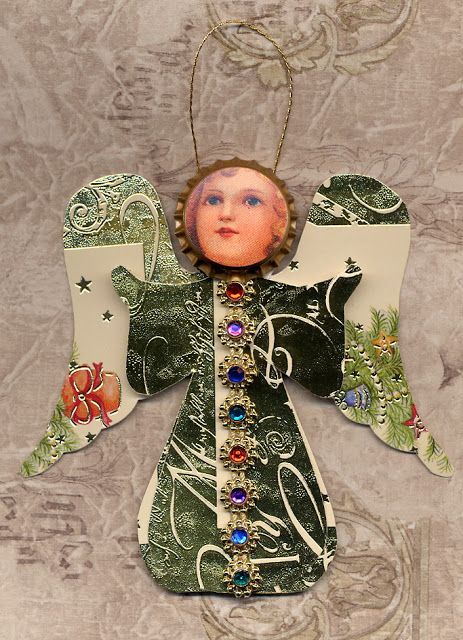
angel ornaments made of old Christmas cards

angel ornaments made of old Christmas cards

Gift Toppers And Cards

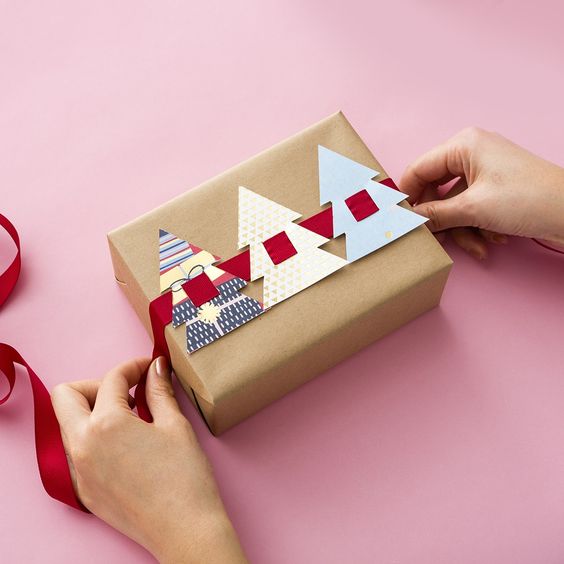
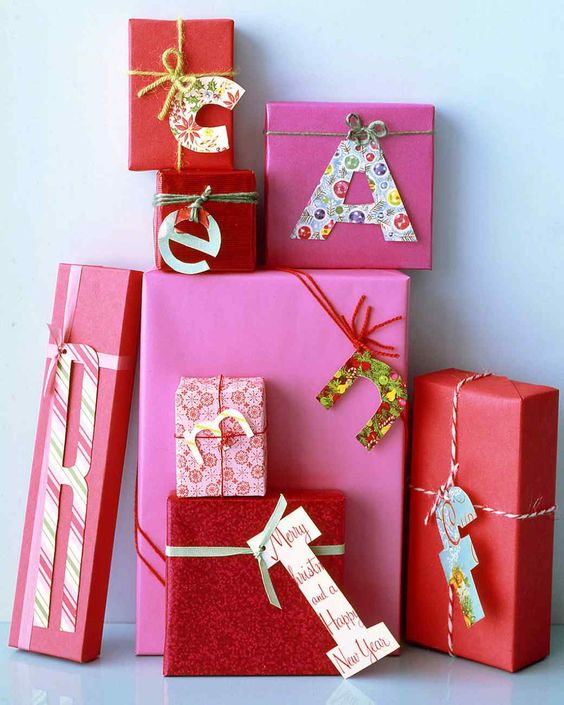
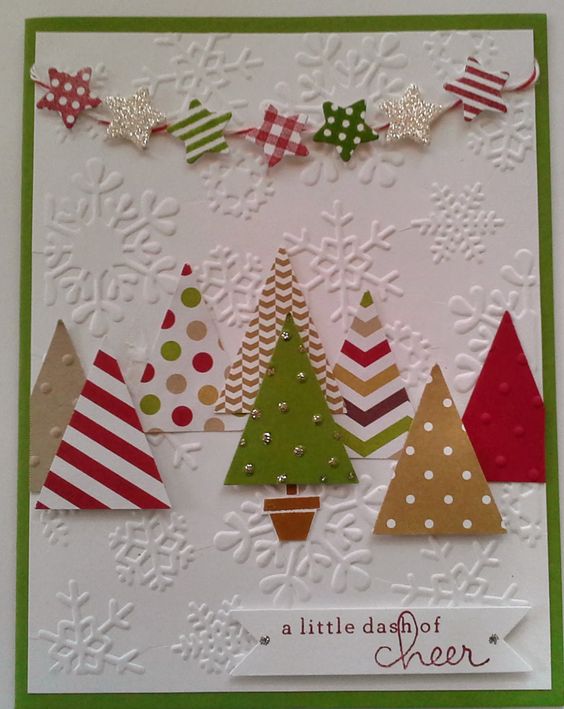
You can make some pieces to give them again to your friends and family: gift toppers or new cards. The idea is easy: cut out some trees of cards and place them on the gifts, or you can give your gift toppers any other shape. You can also make new Christmas cards of old ones – take some cardboard as a base and decorate the cards with various parts and cutouts of other cards. Add sparkles, rhinestones and other details to make your cards super special.

dress up plain wrapping paper with colorful trees of Christmas cards

dress up plain wrapping paper with colorful trees of Christmas cards

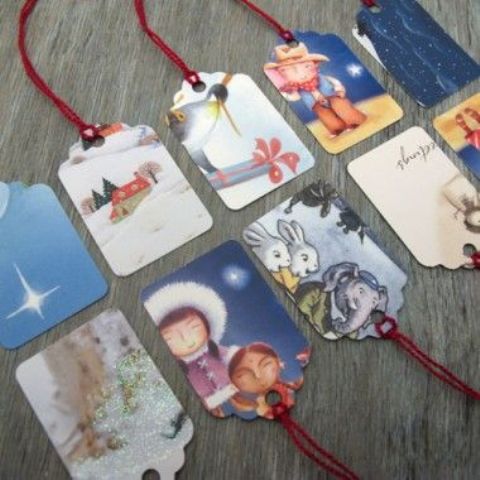
don't buy gift tags, just make them of cards and attach strings

don’t buy gift tags, just make them of cards and attach strings

gift tags can be made of old Christmas cards

gift tags can be made of old Christmas cards

make new cards using parts of old ones

make new cards using parts of old ones

Other Ideas

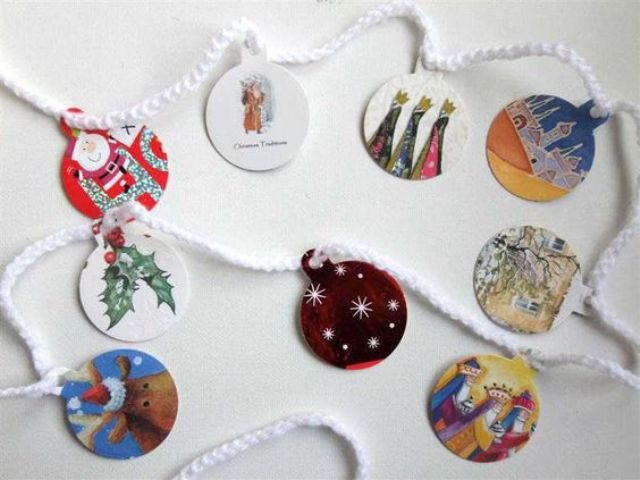
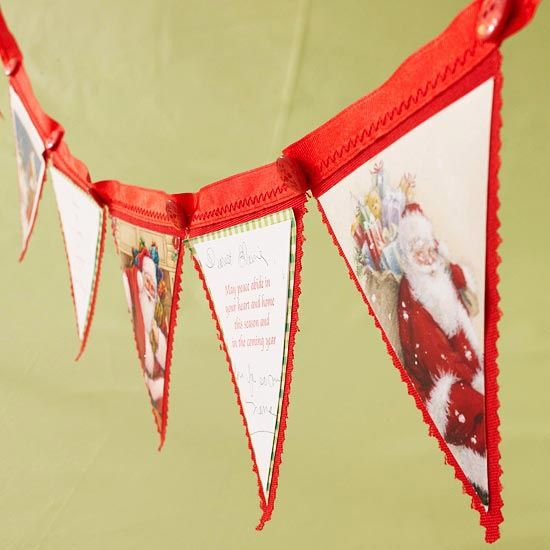
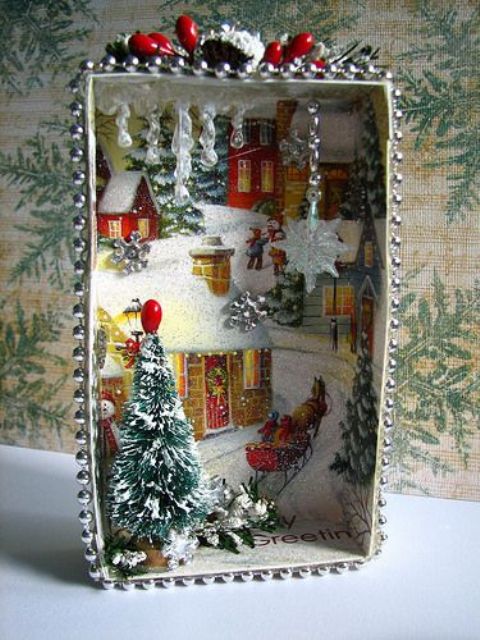
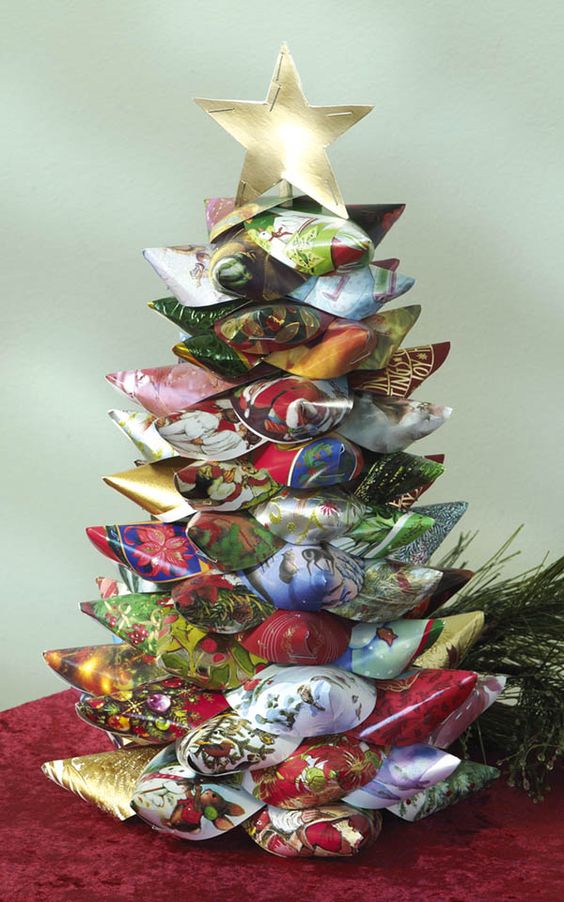
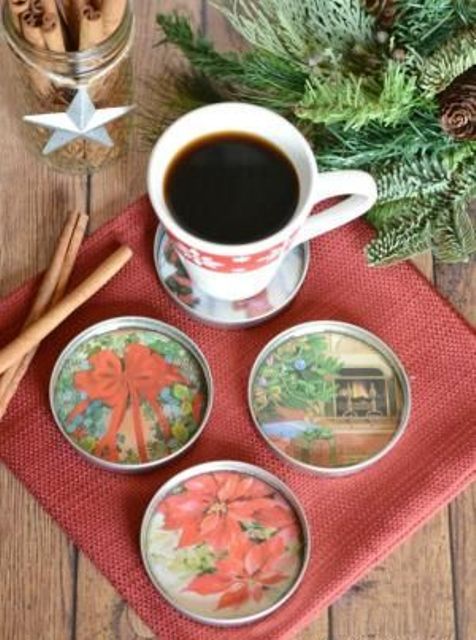
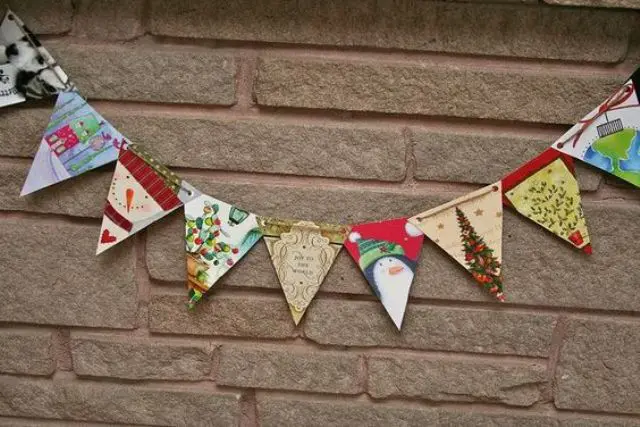
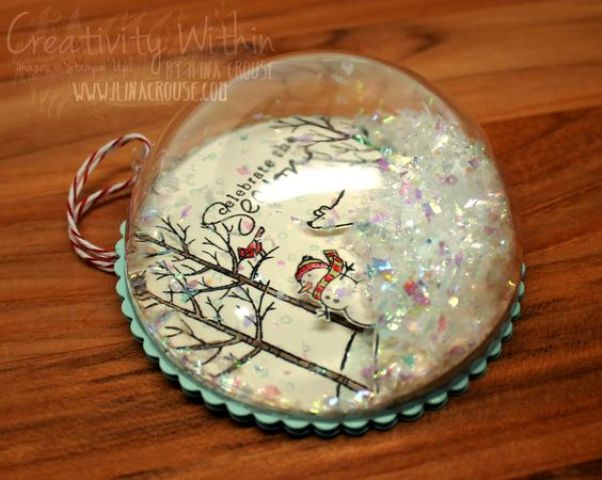
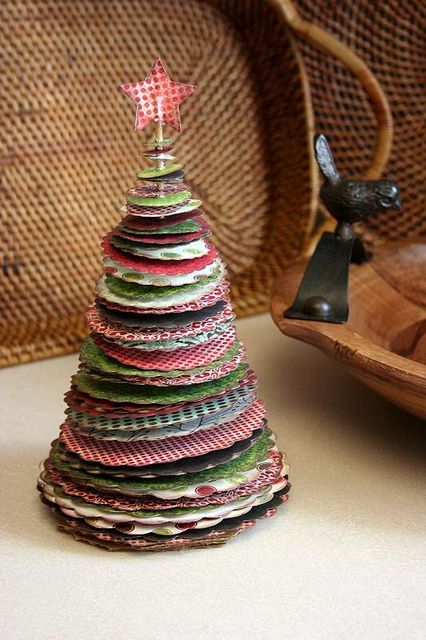
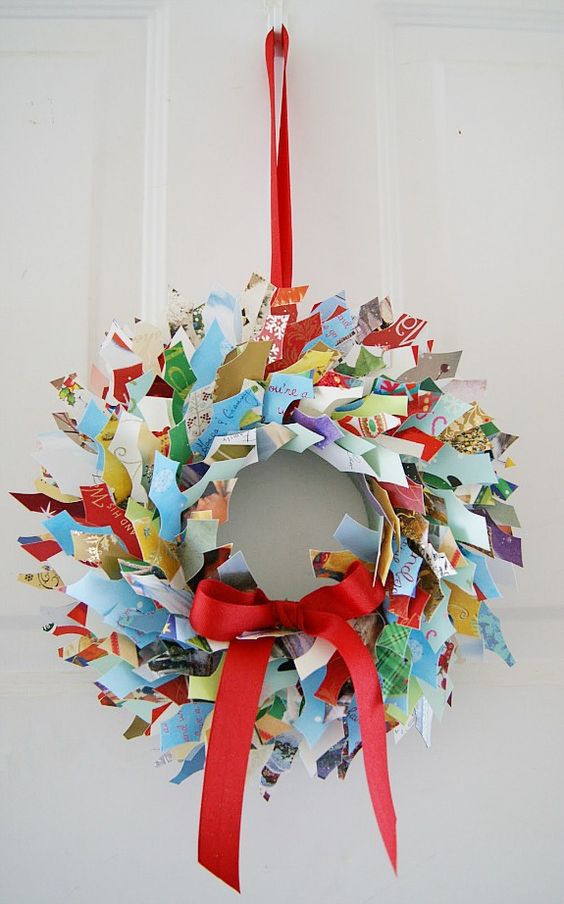
There are many more ideas to try: tabletop trees, coasters, snow globes, wreaths, banners and garlands – turn on your imagination and create something really special!

a garland made of yarn rope and old cards

a garland made of yarn rope and old cards

Christmas card banner with red banner

Christmas card banner with red banner

Christmas card shadow box

Christmas card shadow box

Christmas tree of cones made of Christmas cards

Christmas tree of cones made of Christmas cards

coasters made of old Christmas cards

coasters made of old Christmas cards

recyclable banners and garlands for Christmas

recyclable banners and garlands for Christmas

snow globe made of a plastic cup and an old card

snow globe made of a plastic cup and an old card

tabletop Christmas tree made of cards

tabletop Christmas tree made of cards

upcycled Christmas card wreath with red ribbon

upcycled Christmas card wreath with red ribbon

Good Bacteria~These Foods…

Foods with good bacteria, omega-3 fatty acids, and vitamins for gut health

1. Yogurt

If you’ve been toying with the idea of embarking on the Activia challenge, let this be your inspo to take the leap. “Live yogurt is an excellent source of so-called friendly bacteria, also known as probiotics,” says Dr. Sonpal. To maximize your yogurt’s health benefits, he recommends adding your own fresh fruit (instead of opting for sugary fruit-on-the-bottom types), as well as avoiding sugar-free or full-fat versions.

2. Miso

You don’t need to wait for your next sushi night to treat yourself to the gut-healing powers of miso, which is a staple in Japanese cooking made of fermented soya beans, and barley or rice. Like Dr. Sonpal, use the paste in dips and dressings or marinades for salmon and tofu. “It contains a range of helpful bacteria and enzymes [and is] suitable if you’re avoiding dairy,” he says.

3. Sauerkraut

Who knew one of the most popular hot dog toppings is actually super gut-friendly? “It’s a naturally fermented food that has the microorganisms Lactobacillus bacteria, which crowds out bad bacteria in the gut and allows the beneficial gut flora to flourish,” explains Dr. Sonpal. “This helps to lower irritable bowel syndrome symptoms like gas, bloating, and indigestion.” Plus, that tart taste you get from sauerkraut is an especially beneficial way to add flavor to your meals, since it comes from organic acids that help probiotics do their job, he says.

4. Wild salmon

Sure, you’re bound to reap more gut benefits from salmon than you would, say, red meat, but Dr. Sonpal says you should definitely aim for the wild variety, meaning the salmon was caught with a fishing pole in its natural environment, as opposed to farmed. “Wild salmon has an abundant source of omega-3 fatty acids, which is a powerful anti-inflammatory and is critical for healing an inflamed gut and preventing future episodes,” says Dr. Sonpal.

5. Kimchi

Whether eaten alone or part of a stew, kimchi is a mainstay in Dr. Sonpal’s diet for its gut-healing properties. “Because it’s made from fermented vegetables, this Korean side dish is a good choice for those who don’t consume dairy, and it’s a great source of dietary fiber, and vitamins A and C,” he says.

https://www.msn.com/en-us/health/nutrition/the-5-foods-a-gastroenterologist-always-always-keeps-in-the-fridge/ar-BBXUA1n?ocid=spartandhp

Sore Throat

Did You Know?

St. Nicholas of Myra is a popular Christian Saint among children across Europe because of his reputation as a bringer of gifts. Both the North American Santa Claus and the British Father Christmas are legendary figures whose attributes derive from the myths surrounding St. Nicholas.

St. Nicholas is known to be a bringer of gifts.©iStockphoto.com/Dejan Ristovski

What Do People Do?

St. Nicholas Day is a popular occasion for children in many parts of Europe because children usually receive gifts on this day. Some European cities such as Bari, Italy recognize St. Nicholas as the patron saint and celebrate with different activities such as gift-giving, parades, feasts and festivals.

St. Nicholas is referred to by many names throughout Europe such as Sinterklaas in the Netherlands or Nikolaus in Germany. In the days leading up to December 6, children throughout Europe put their shoes or a special St. Nicholas boot in front of the fireplace or the front door at night to find them filled with small presents the next morning. A larger amount of gifts is usually brought on the eve of St. Nicholas Day or December 5.

Public Life

St. Nicholas Day is a religious observance but not a nationwide public holiday in countries such as Australia, Canada, the United Kingdom, and the United States.

Background

The legendary figure of St. Nicholas is derived from Nicholas of Myra who officiated as a bishop in 4th century Greece. During his lifetime he developed a reputation for gift-giving by putting coins in other people’s shoes, which accounts for many of today’s Christmas traditions that involve leaving gifts in shoes or boots.

Having inspired both the figure of the North American Santa Claus and the British Father Christmas, St. Nicholas has in some countries been more recently joined on his visits to children’s homes by an evil companion who punishes the naughty ones: in Austria, Hungary, the Czech Republic and northern Italy, this personification of evil is called Krampus, in Germany Knecht Ruprecht, and in the Netherlands Zwarte Piet.

Other Names and Languages

EnglishSaint Nicholas DayFrenchSaint-NicolasGermanNikolaustagHungarianTélapó MikulásSpanishDía de San Nicolás