Fructose cannot be used for energy by our bodies’ cells and can only be metabolized by the liver. In this sense, fructose becomes like a toxin in the body and the liver must then work hard to get rid of it. It does this by converting it into fat and sending it to our fat cells.
It’s not surprising then that too much fructose can damage the liver and lead to insulin resistance and fatty liver disease. You may be surprised to know that fructose can have the same effect on the liver as alcohol, which as we know, is highly toxic to the liver.
Fructose reacts with polyunsaturated fats and proteins in our bodies 7X more than glucose. This chemical reaction creates what are known as AGEs (advanced glycation end-products). These are compounds that create oxidative damage in our cells and ultimately cause inflammation and a host of chronic diseases.
Fructose actually increases the levels of uric acid in the blood. These increased levels in turn cause gout, kidney stones and cause or worsen hypertension.
Under the category of lose/lose: while the majority of your body’s cells cannot use fructose for energy, the bacteria in your GI tract LOVE it, feed off of it, and multiply until you have a bacterial overgrowth.
Because chronic intake of too much fructose damages the liver, the result is dyslipidemia, a condition that causes abnormal amounts of lipids in the blood. Dyslipidemia is a precursor for heart disease.
High levels of fructose cause leptin resistance which is a very bad thing because the hormone leptin controls appetite and metabolism to maintain a healthy weight. People who become leptin-resistant gain fat easily.
Excess fructose can cause diabetes and the complications that go along with the disease.
Like GI bacteria, cancer cells feed off of fructose and use it as their energy source.
Excess fructose has been shown to impair memory in rats.
Fruit is NOT the Enemy
It’s important to note that it is fructose from added sugars that is harmful to our health, not fruit. Fruits are whole foods that contain necessary fiber and provide essential vitamins and minerals. You would have to eat crazy amounts of fruit to reach the harmful levels of fructose discussed in this article. Fruit, in general, is a lesser source of fructose in the diet compare to those foods with (sometimes hidden) added sugars.
It’s basically a meal delivery service. Yes, it’s created with the help of a credentialed advisory board. Yes, the meals (or, ahem, “Fuelings”) are designed to restrict calories while providing nutrients. Yes, it’s convenient. But Optavia, in its structure, is very similar to Nutrisystem or the more modern Kettlebell Kitchen, in which the company ships you prepared meals and you eat those prepared meals.
Optavia offers more than 60 food options (excuse me, “Fuelings,” geez) to choose from, including oh-so-exciting delicacies as “Beef Stew,” “Chicken Cacciatore,” “Turkey Meatball Marinara,” and I’m sorry if you just fell asleep.
MICHELLE ARNOLD
Can the Optavia Diet help me lose weight?
Well, here’s the tricky thing. Any diet involving calorie restriction may help you lose weight. In the short term.
If you go from a diet heavy in calorie-dense foods, a diet that includes a lot of (let’s just pick a totally random example here) red velvet cake with cream cheese frosting, to a diet that includes a lot of, ahem, beef stew in small portions, well then you’re going to reduce your calorie intake and lose weight. In the short term.
What about in the long term? That’s entirely on you.
A 2017 study reviewed the results of 25 weight loss programs and found that “commercial weight-loss programs frequently fail to produce modest but clinically meaningful weight loss with high rates of attrition suggesting that many consumers find dietary changes required by these programs unsustainable.”
Maybe you can sustain eating the same 60-ish Optavia Diet Fuelings over the course of a few months, but can you sustain eating them over the rest of your life?
I mean, that’s a lot of stew.
Is the Optavia Diet healthy?
Here’s where you need to be careful.
Look, if you’re the kind of uber Type A person who can stick to regimen of basically eating the same thing every day for months on end, maybe the Optavia Diet is for you.The Lathe of Heavenamazon.comBUY IT NOW
But if you’re an actual human, you’re going to grow bored of beef stew. You’re going to start to hate beef stew. And when you start hating what you eat, you start hating the process of eating. And you start feeling guilty when you veer off your Fuelings and back to food.
Think about that for a moment: Is hating what you eat worth losing weight? Is it worth feeling guilt and shame about eating something that isn’t labeled as a Fueling?
The National Eating Disorders Association reports that 95 percent of people who diet regain their lost weight in five years.
PAUL KITAPaul is the Food & Nutrition Editor of Men’s Health.
From Kitten to Senior Cat Food: Cat Nutrition by Lifestage
Published byChristine O’Brien
Your cat’s age is something that needs to be considered when choosing the proper food for your cat, whether you’re searching for kitten food or senior cat food. Selecting one that provides your furry friend with the optimum nutrition she needs at each lifestage can help to ensure a long, healthy life.
When searching for a cat food check the packaging to see if it matches your cat’s lifestage. A cat requires different levels of nutrition at every lifestage, so it is important to choose one that matches her energy level, metabolic rate and other basic needs. Some times all this information can make cat food labels not easy to read, however, so it’s important to know what your cat needs and why.
As classified by the American Animal Hospital Association, there are six identifiable stages of a cat’s life, each of which requires its own smart pet food choices.
Newborn Kittens (Birth to 4 months)
Newborn kittens will stay with their mother for the first 8 or so weeks as they will rely on their mother’s milk to help them grow and fight off diseases that their immune system is quite equipped to deal with. During this time, they will do little else other than nurse and sleep.
When your kitten is at least 8-9 weeks old she will be ready to wean off her mother’s milk and come home with you. After she is weaned and ready to go home, you’ll immediately discover that she’s a ball of energy with a zest for life. At this stage, a kitten’s routine follows the pattern of eat, sleep, run around like crazy, repeat. She requires the right nutrients to maintain her boundless energy.
Now that she is weaned from her mother, whether from her mother or bottle-feeding, your new kitten food should be made with fatty acids, such as DHA (a common source of this nutrient is fish oil), folic acid, and taurine, an amino acid that aids in the vital development of the immune and digestive systems, heart functions and vision quality. Protein is another vital component of kitten food and comes from a variety of sources, including meat and grains. She is growing at an astonishing rate (this stage is equivalent to the first ten years of a human’s life!) and needs energy to keep up the pace. It’s important that these nutrients are always in the right amounts to ensure the best opportunity to be healthy as she grows. In addition to nutrition, don’t forget about other kitten care opportunities.
Junior Cats (7 Months to 2 years) and Prime Cats (3-6 years)
If your fur baby’s behavior changes as she approaches the one-year mark, don’t be surprised. She’s beginning adolescence and then moving on to adulthood, lifestages that correspond to the human ages of 12-27 (Junior) and 28-40 (Prime).
Technically, cats are considered to be adults at the age of one year and that will extend through year six, but age is not necessarily a deterministic factor in how active your cat will be. Many cats will be very lively well into their double-digit years. For this reason, one of your considerations for feeding a young adult cat should be activity level. An average kitty will need enough food for “maintenance” energy to go about her daily activities, but if your cat is extremely active and spends hours sprinting around the house, she’ll need a few more calories to sustain her. If your pet likes to laze in the sunshine all day, she might require carefully measured meals to keep her trim. Talk to your vet about your cat’s activity level, as they can help you determine if your cat needs more or less calories.
Adult cats require the right amount of fat and protein in their meals as well as other nutrients like taurine. Consider the Hill’s® Science Diet® line of cat food. These products, ranging from kitten food all the way up to senior cat food, provide balanced nutrition in a variety of options for adult cats of all ages, sizes and activity levels, including hairball, sensitive stomach and light formulas.
Mature Cats (7-10 years) and Senior Cats (11-14 years)
Cats in these two categories are placed firmly in the middle stages of life. In human years, these furry friends are in their early 40s through early 70s comparatively to humans. While your kitty won’t (necessarily) experience a mid-life crisis, she may become a little more finicky with her food choices, and you’ll need to ensure she gets the nutrients she needs while staying properly hydrated. Always make sure your cat has access to clean, fresh water.
This also is a time of life when cats’ nutritional needs shift, whether because of medical issues or simply aging. In some instances, too much or too little of any one ingredient may impact her health. During this stage, you’ll want to keep an eye on your cat’s weight as her activity level may decrease, which could lead to obesity. Avoid the calorie-rich food formulated for kittens and young adult cats; instead, look for foods that are formulated with her needs as an aging cat are kept in mind like Youthful Vitality cat food. Watching her calorie intake not only keeps her weight in a healthy range but also reduces the risk of diseases, such as kidney disease, certain cancers and osteoarthritis.
Geriatric Cats (15+ Years)
In her golden years, your fur baby may start to seek more attention from you, become more affectionate, and reduce her activity level. As her behavior changes, so do her meal time needs.
Much like the foods for adult cats, senior cat food should be low in calories and fiber. Another concern for elderly cats is being underweight. Hill’s® Science Diet® Adult 11+ Age Defying Cat Food is formulated with the right balance of necessary ingredients for geriatric cats with the added benefit of antioxidants that help keep her healthy during the aging process.
Both wet food and dry food provide your cat with the ingredients she needs, but there are upsides and downsides to each. Older cats often have worn or missing teeth, so she might appreciate something a little softer. Some pet parents try a combination of the two, or add just a little wet food — or even some fresh water — to dry kibble. Your cat certainly will let you know her preference, and the two of you can work together to find the perfect fit.
Where do cat treats fit into a cat’s meal plan? As just that: a treat. “While giving your cat an occasional treat is not generally harmful, they are usually not a nutritionally complete and balanced source of nutrition and should only be fed occasionally,” explains the College of Veterinary Medicine at Cornell University. According to Cornell, you also should avoid giving your cat raw meat (it carries the risk of toxoplasmosis and infectious disease), canned fish (risk of neurological disease) and milk (many cats can’t digest dairy).
In addition to a nutrient-rich food, your cat needs to stay hydrated in order to stay healthy. This is especially true for senior and geriatric cats, for whom dehydration can be a side effect of certain medical conditions.
There are, of course, exceptions for each cat lifestage if there are medical concerns or other issues to address, at which time you should consult with your veterinarian. Your vet can also help you determine the best feeding schedule for your cat including how much to feed at each lifestage as well as when to feed throughout the day. Choosing the best cat food for your best pal will help to keep her healthy, no matter whether she’s young or young at heart.
Sometimes in life, we get sidetracked. We may find ourselves searching once again for something to make us happy, again. Let me tell you this is where we mess up!!!!!!!!! Life is ever-changing, that is one of the best things that we should remember. Life isn’t always about our struggles it can be however about our journey and all that encompasses. When you find yourself searching for more meaning in your life look at the things that already give you purpose and meaning. They are all around you.
*It is easy to find faults; the hard part is finding the best parts, especially when you are wearing a blindfold.
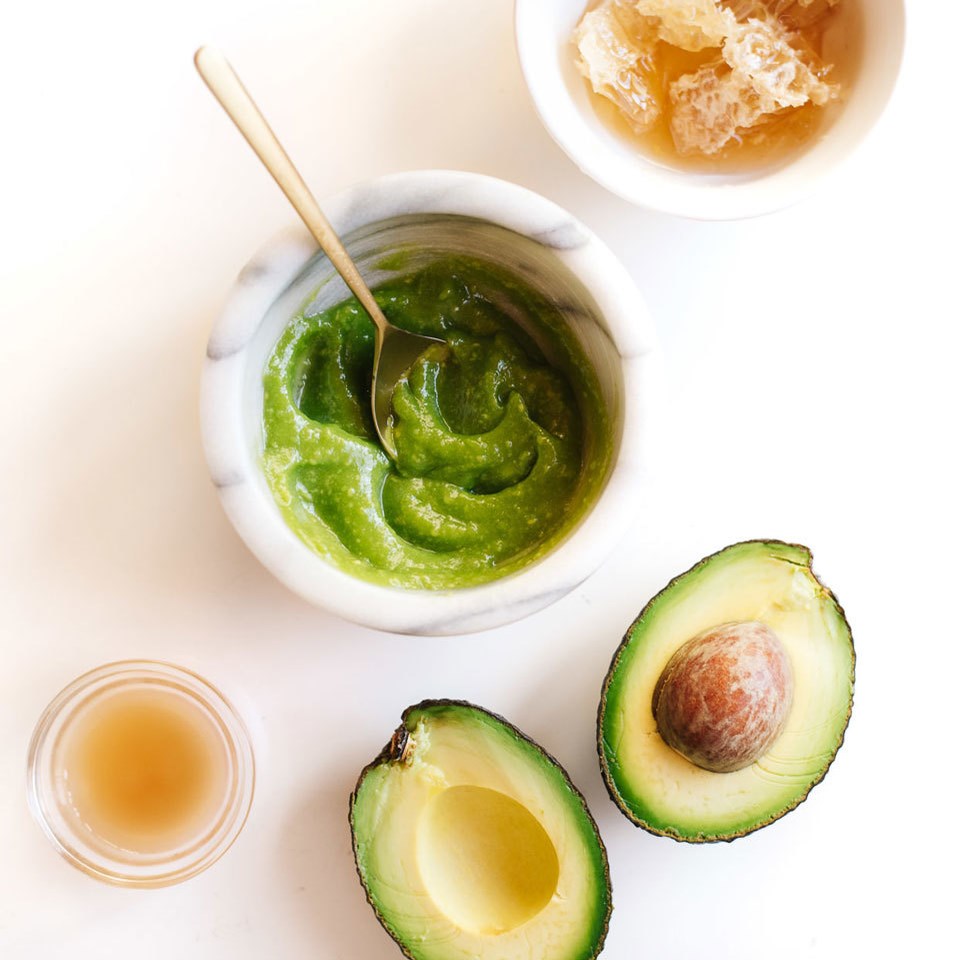
For this homemade face mask, a dreamy mix of hydrating avocado, skin-cleansing honey and toning apple-cider vinegar delivers perfect pH balance for all types of skin. While the face mask is completely edible, we don’t recommend actually eating it. By: Lily Diamond
¼ cup ripe avocado Loose Hass Avocados
2 tablespoons raw honey
½ teaspoon cider vinegar
Preparation
Prep5 m
Ready In5 m
Combine avocado, honey and vinegar in a mini food processor; process until smooth. (Alternatively, place in a small bowl; mash with a fork until smooth.)
Apply a thin layer to clean, damp skin. Let dry, then rinse off and moisturize as desired. Oily skin types may not need additional moisturizer. This makes enough for 2-3 applications and should be used immediately.