Written on January 28, 1920, and originally published in Tryout magazine in 1921, The Terrible Old Man is of particular interest to fans of H.P. Lovecraft because it marks the introduction of Lovecraft’s fictional geography, setting his work for the first time in the fictional New England town of Kingsport. H.P. Lovecraft’s story is featured in our collection of Halloween Stories, a fine example of Gothic Literature
Vincent van Gogh, An Old Man Putting Dry Rice on the Hearth, 1881
It was the design of Angelo Ricci and Joe Czanek and Manuel Silva to call on the Terrible Old Man. This old man dwells all alone in a very ancient house on Water Street near the sea, and is reputed to be both exceedingly rich and exceedingly feeble; which forms a situation very attractive to men of the profession of Messrs. Ricci, Czanek, and Silva, for that profession was nothing less dignified than robbery.
The inhabitants of Kingsport say and think many things about the Terrible Old Man which generally keep him safe from the attention of gentlemen like Mr. Ricci and his colleagues, despite the almost certain fact that he hides a fortune of indefinite magnitude somewhere about his musty and venerable abode. He is, in truth, a very strange person, believed to have been a captain of East India clipper ships in his day; so old that no one can remember when he was young, and so taciturn that few know his real name. Among the gnarled trees in the front yard of his aged and neglected place he maintains a strange collection of large stones, oddly grouped and painted so that they resemble the idols in some obscure Eastern temple. This collection frightens away most of the small boys who love to taunt the Terrible Old Man about his long white hair and beard, or to break the small-paned windows of his dwelling with wicked missiles; but there are other things which frighten the older and more curious folk who sometimes steal up to the house to peer in through the dusty panes. These folk say that on a table in a bare room on the ground floor are many peculiar bottles, in each a small piece of lead suspended pendulum-wise from a string. And they say that the Terrible Old Man talks to these bottles, addressing them by such names as Jack, Scar-Face, Long Tom, Spanish Joe, Peters, and Mate Ellis, and that whenever he speaks to a bottle the little lead pendulum within makes certain definite vibrations as if in answer.
Those who have watched the tall, lean, Terrible Old Man in these peculiar conversations, do not watch him again. But Angelo Ricci and Joe Czanek and Manuel Silva were not of Kingsport blood; they were of that new and heterogeneous alien stock which lies outside the charmed circle of New England life and traditions, and they saw in the Terrible Old Man merely a tottering, almost helpless grey-beard, who could not walk without the aid of his knotted cane, and whose thin, weak hands shook pitifully. They were really quite sorry in their way for the lonely, unpopular old fellow, whom everybody shunned, and at whom all the dogs barked singularly. But business is business, and to a robber whose soul is in his profession, there is a lure and a challenge about a very old and very feeble man who has no account at the bank, and who pays for his few necessities at the village store with Spanish gold and silver minted two centuries ago.
Messrs. Ricci, Czanek, and Silva selected the night of April 11th for their call. Mr. Ricci and Mr. Silva were to interview the poor old gentleman, whilst Mr. Czanek waited for them and their presumable metallic burden with a covered motor-car in Ship Street, by the gate in the tall rear wall of their hosts grounds. Desire to avoid needless explanations in case of unexpected police intrusions prompted these plans for a quiet and unostentatious departure.
As prearranged, the three adventurers started out separately in order to prevent any evil-minded suspicions afterward. Messrs. Ricci and Silva met in Water Street by the old man’s front gate, and although they did not like the way the moon shone down upon the painted stones through the budding branches of the gnarled trees, they had more important things to think about than mere idle superstition. They feared it might be unpleasant work making the Terrible Old Man loquacious concerning his hoarded gold and silver, for aged sea-captains are notably stubborn and perverse. Still, he was very old and very feeble, and there were two visitors. Messrs. Ricci and Silva were experienced in the art of making unwilling persons voluble, and the screams of a weak and exceptionally venerable man can be easily muffled. So they moved up to the one lighted window and heard the Terrible Old Man talking childishly to his bottles with pendulums. Then they donned masks and knocked politely at the weather-stained oaken door.
Waiting seemed very long to Mr. Czanek as he fidgeted restlessly in the covered motor-car by the Terrible Old Man’s back gate in Ship Street. He was more than ordinarily tender-hearted, and he did not like the hideous screams he had heard in the ancient house just after the hour appointed for the deed. Had he not told his colleagues to be as gentle as possible with the pathetic old sea-captain? Very nervously he watched that narrow oaken gate in the high and ivy-clad stone wall. Frequently he consulted his watch, and wondered at the delay. Had the old man died before revealing where his treasure was hidden, and had a thorough search become necessary? Mr. Czanek did not like to wait so long in the dark in such a place. Then he sensed a soft tread or tapping on the walk inside the gate, heard a gentle fumbling at the rusty latch, and saw the narrow, heavy door swing inward. And in the pallid glow of the single dim street-lamp he strained his eyes to see what his colleagues had brought out of that sinister house which loomed so close behind. But when he looked, he did not see what he had expected; for his colleagues were not there at all, but only the Terrible Old Man leaning quietly on his knotted cane and smiling hideously. Mr. Czanek had never before noticed the colour of that mans eyes; now he saw that they were yellow.
Little things make considerable excitement in little towns, which is the reason that Kingsport people talked all that spring and summer about the three unidentifiable bodies, horribly slashed as with many cutlasses, and horribly mangled as by the tread of many cruel boot-heels, which the tide washed in. And some people even spoke of things as trivial as the deserted motor-car found in Ship Street, or certain especially inhuman cries, probably of a stray animal or migratory bird, heard in the night by wakeful citizens. But in this idle village gossip the Terrible Old Man took no interest at all. He was by nature reserved, and when one is aged and feeble, one’s reserve is doubly strong. Besides, so ancient a sea-captain must have witnessed scores of things much more stirring in the far-off days of his unremembered youth.
Certain antibiotics used to treat pneumonia, bronchitis and bacterial infections may increase the risk of heart attack, but only for people with underlying heart disease such as arrhythmias, structural changes to the heart, or heart damage from a previous heart attack. Read on to find out which three antibiotics pose the highest risk.
Cardiovascular death linked to macrolides
Macrolides are the most commonly prescribed antibiotics, and are used to treat a number of bacterial infections. Under the umbrella of macrolides are the commonly prescribed antibiotics azithromycin, erythromycin and clarithromycin. Research published in the New England Journal of Medicine studied more than a million cases of antibiotic-treated patients in 2012, and discovered some scary findings.
The study found that patients taking azithromycin for five days were three times more likely to suffer a fatal cardiovascular event, compared with patients who took no antibiotics. Azithromycin, it seems, also caused irregular heartbeats in some patients. Similarly, erythromycin and clarithromycin were found to be linked to an increased risk of sudden cardiac death, according to the study.
Another study published in the Journal of the American College of Cardiology analyzed 33 studies involving more than 20 million patients between 1966 and 2015. Researchers compared patients treated with macrolides to similar patients treated with other antibiotics or patients who did not receive antibiotic therapy.
This time researchers examined each macrolide separately: azithromycin, clarithromycin and erythromycin. In this analysis, researchers found that each antibiotic was linked to an increased risk of sudden cardiac death or ventricular tachyarrhythmia (rapid heartbeat).
In those patients not taking macrolides, researchers found 80 cases of rapid heartbeat per million treatment courses. For those using macrolides, there were an additional 118 patients with rapid heartbeat or related sudden cardiac deaths per million treatment courses. The study revealed 36 additional sudden cardiac deaths from causes other than rapid heartbeat and 38 additional cardiovascular deaths per million treatment courses.
“Given that macrolides are one of the most commonly used antibiotic groups and millions of patients are prescribed these drugs annually, the total number of sudden cardiac deaths or ventricular tachyarrhythmias and cardiac deaths may not be negligible,” said Su-Hua Wu, M.D., Ph.D., one of the study authors. “The heart safety of each macrolide needs to be better understood, to help guide clinical treatment decisions.”
FDA warning for azithromycin
In response to the study published in the New England Journal of Medicine, the US Food and Drug Administration (FDA) made a statement declaring they were aware of the cardiovascular deaths associated with azithromycin, in comparison to persons treated with amoxicillin, ciprofloxacin or no drug.
On March 3, 2013, the FDA made a follow-up announcement with a warning to the public that azithromycin can cause abnormal changes in the electrical activity of the heart, which may lead to a potentially fatal irregular heart rhythm.
“Health care professionals should consider the risk of fatal heart rhythms with azithromycin when considering treatment options for patients who are already at risk for cardiovascular events,” said the FDA.
Azithromycin is commonly prescribed to battle bacterial infections like pneumonia, bronchitis and sexually transmitted diseases, and marketed under the brand names Zithromax, Zmax and a treatment course commonly referred to as a “Z pack.”
FDA warning for erythromycin
Under adverse reactions listed in the FDA drug label, erythromycin — commonly prescribed for bacterial infections such as bronchitis, whooping cough, pneumonia and dental surgery — has been associated with a risk factor for sudden death and abnormal heart rhythms including rapid heartbeat.
FDA warning for clarithromycin
Clarithromycin — commonly prescribed for bacterial infections affecting the skin and respiratory system — is not only associated with an increased risk of cardiovascular death, but also with an increased risk of all-cause mortality.
The FDA drug label indicates clarithromycin is associated with prolongation of the QT interval (a heart rhythm disorder that can cause serious irregular heart rhythms) and infrequent cases of arrhythmia. Additionally, cases of torsades de pointes (a specific type of abnormal heart rhythm) have been reported in patients receiving clarithromycin. Fatalities have been reported, say the FDA.
The bottom line
In 2011, approximately 40 million people in the United States were prescribed azithromycin, according to the FDA.
Blood clots are not something to take lightly. They can lead to heart attack, stroke, and other serious, life-threatening health issues. Everyone should be able to recognize the warning signs of a blood clot — it could mean the difference between life and death.
If a section of your leg or other part of your skin begins to turn red or extremely pale, it could be the result of a blood clot.
2. Sudden Fever
source: Mayo Clinic News Network
If you experience a sudden fever, it could be because a blood clot has loosened and entered your bloodstream. You may suddenly feel extremely warm, begin sweating, or begin shivering.
3. Unexplained Cough
source: Dr. Santa Martha
If you start coughing and can’t pinpoint the reason, it could be due to a blood clot. If you experience an intense, hacking cough, trouble breathing, or cough up blood, you should seek medical attention right away.
4. Swelling
source: WebMD
If you experience random swelling or tenderness and can’t think of a logical reason, it could signify the formation of a blood clot.
5. Shortness Of Breath
source: VerywellMind/ Gettyimages
If you experience a shortness of breath for seemingly no reason, it could be due to a pulmonary embolism. In addition to feeling short of breath, pulmonary embolisms can also cause dizziness.
6. Fatigue
source: University Health News / Monkey Business Images – Dreamstime.com
Fatigue is a symptom of infinite different health issues, and it can simply be due to a lack of sleep or feeling rundown. However, the sudden onset of fatigue can also occur when a blood clot has formed.
7. Protruding Veins
source: Cleveland Clinic Health Essentials
When a blood clot forms, it can put excess pressure on surrounding veins. This can cause them to appear as though they’re bulging, and can sometimes also produce bruises.
8. Lower Limb Pain
source: Everyday Health
If you experience pain in your legs and/or feet for no apparent reason, it could point to a blood clot. If you experience one or multiple of these warning signs, seek medical attention right away.
Fad diets are extremely popular for losing weight.
They typically promise rapid weight loss and other health benefits, yet often have no scientific evidence supporting their use. In addition, they are often nutritionally unbalanced and ineffective over the long term.
However, there are some “fad” diets that have been found to produce weight loss in high-quality, controlled studies.
What’s more, these diets can be healthy, well-balanced and sustainable.
The Atkins diet is the most famous low-carb weight loss diet in the world.
Created by cardiologist Robert Atkins in the early 1970s, the Atkins diet claims to produce rapid weight loss without hunger.
It consists of four stages, including an initial two-week Induction Phase that restricts carbs to 20 grams per day, while allowing unlimited amounts of protein and fat.
During this phase, your body begins converting fat into compounds called ketones and switches to using these as its main source of energy.
After this, the Atkins diet asks its followers to gradually add back their carbs in 5-gram increments in order to determine their “critical carbohydrate levels” for losing weight and maintaining the loss.
Studies that compared the Atkins diet to other diets have shown it to be at least as effective and frequently more effective for weight loss
In the famous A TO Z study, 311 overweight women followed the Atkins diet, the low-fat Ornish diet, the LEARN diet or the Zone diet for one year. The Atkins group lost more weight than any other group (
Other controlled studies have shown similar results with low-carb diets based on Atkins principles, along with improvements in heart disease risk factors
SUMMARY:The Atkins diet is a high-protein, high-fat diet that restricts carbs and gradually adds them back in, based on personal tolerance. Studies have shown it is one of the most effective ways to lose weight.
Like Dr. Atkins, Dr. Arthur Agatston was a cardiologist interested in helping his patients lose weight sustainably and without going hungry.
He liked certain aspects of the Atkins diet, but was concerned that unrestricted use of saturated fat might increase the risk of heart disease.
Therefore, in the mid-1990s he created a lower-carb, lower-fat, high-protein diet called the South Beach Diet, named for the area in South Florida where he practiced medicine.
Although Stage 1 of the diet is low in carbs and very low in fat, the diet becomes less restrictive in Phases 2 and 3, which allow limited quantities of all types of unprocessed foods while keeping protein intake high.
The diet encourages a high intake of protein, because protein has been shown to burn more calories during digestion than carbs or fat (
In addition, protein stimulates the release of hormones that suppress hunger and can help you feel full for hours
A large review of 24 studies found that high-protein, low-fat diets led to greater reductions in weight, fat and triglycerides and better retention of muscle mass than low-fat, standard-protein diets (
There are many anecdotal reports of weight loss on the South Beach Diet, as well as a published 12-week study looking at its effects.
In this study, pre-diabetic adults dropped an average of 11 pounds (5.2 kg) and lost an average of 2 inches (5.1 cm) off their waists.
Additionally, they experienced a reduction in fasting insulin levels and an increase in cholecystokinin (CCK), a hormone that promotes fullness
Although the diet is nutritious overall, it requires an unwarranted drastic restriction of saturated fat and encourages the use of processed vegetable and seed oils, which may lead to all kinds of health problems.
You can learn more about the South Beach Diet by reading this article.
SUMMARY:The South Beach Diet is a high-protein, lower-carb, lower-fat diet that has been shown to produce weight loss and reduce heart disease risk factors.
Vegan diets have become very popular among people looking to lose weight.
They’ve been criticized for being unbalanced and extreme because they contain no animal products. On the other hand, they have also been praised for being an ethical, healthy way of eating.
Importantly, vegan diets can be healthy or unhealthy, depending on the types of foods they contain. It’s unlikely that you can lose weight while eating large amounts of processed foods and beverages.
However, studies have shown that vegan diets based on whole foods can lead to weight loss and may reduce several risk factors for heart disease
One six-month controlled study of 63 overweight adults compared the outcomes of five different diets. Those in the vegan group lost more than twice as much weight as those in any of the other groups
Moreover, longer studies have shown that vegan diets can yield impressive results.
In a two-year controlled study of 64 overweight older women, those who ate a vegan diet lost nearly four times as much weight compared to the low-fat diet group (
To learn more about how to safely and sustainably lose weight on a vegan diet, read
SUMMARY:Vegan diets have been found to be effective for weight loss in both short-term and long-term studies. In addition, they may help protect heart health.
Healthline has medically reviewed dozens of popular diet plans based on four criteria. Quickly identify which could be right for you.
Although the ketogenic diet has been called a “fad” diet, there is no denying it can be very effective for losing weight.
It works by lowering levels of insulin and shifting your primary fuel source from sugar to ketones. These compounds are made from fatty acids, and your brain and other organs can burn them for energy.
When your body doesn’t have carbs to burn and switches to ketones, you’re in a state called ketosis.
However, unlike the Atkins and other low-carb diets, ketogenic diets don’t gradually increase their carbs. Instead, they keep carb intake very low to ensure followers stay in ketosis.
Indeed, ketogenic diets typically provide less than 50 grams of total carbs per day, and often less than 30.
A large analysis of 13 studies found that ketogenic diets not only boost the loss of weight and body fat, but may also reduce inflammatory markers and disease risk factors in those who are overweight or obese
In a controlled two-year study of 45 obese adults, those in the ketogenic group dropped 27.5 pounds (12.5 kg), and lost 29 inches (11.4 cm) from their waists, on average.
This was significantly more than the low-fat group, even though both groups were calorie-restricted
Moreover, even when calories aren’t intentionally restricted, ketogenic diets tend to reduce calorie intake. A recent review of several studies has suggested that this may be because ketones help suppress appetite
SUMMARY:Ketogenic diets often provide less than 30 grams of carbs per day. They’ve been shown to promote loss of weight and belly fat, and to lower the risk of disease in overweight and obese people.
The paleo diet, short for the paleolithic diet, is based on the diets that hunter-gatherers ate thousands of years ago.
Paleo has been classified as a fad diet because it restricts many foods, including dairy, legumes and grains. In addition, critics have pointed out that it isn’t practical or even possible to eat the same foods that our prehistoric ancestors did.
However, the paleo diet is a balanced, healthy way of eating that eliminates processed foods and encourages its followers to eat a wide variety of plant and animal foods.
In addition, studies suggest that the paleo diet may also help you lose weight and become healthier
In one study, 70 obese older women followed either a paleo diet or a standard diet. After six months, the paleo group had lost significantly more weight and abdominal fat than the other group.
They also had a greater reduction in triglyceride levels in the blood
What’s more, this way of eating may promote the loss of visceral fat, the particularly dangerous type of fat found in your abdomen and liver that promotes insulin resistance and increases the risk of disease.
In a five-week study, 10 obese older women who ate a paleo diet lost 10 pounds (4.5 kg) and had a 49% reduction in liver fat, on average. In addition, the women experienced reductions in blood pressure, insulin, blood sugar and cholesterol
SUMMARY:The paleo diet is based on ancestral eating principles that focus on whole, unprocessed foods. Research suggests it may help you lose weight and improve your overall health.
The Zone diet was created in the mid-1990s by Dr. Barry Sears, a US-based biochemist.
It has been classified as a fad diet due to its premise that a strict ratio of protein, fat and carbs is required for optimal weight loss and overall health.
This eating plan specifies that your calorie intake should be made up of 30% lean protein, 30% healthy fat and 40% high-fiber carbs. In addition, these foods are to be consumed as a prescribed number of “blocks” at meals and snacks.
One of the ways the Zone diet is proposed to work is by reducing inflammation, which allows you to lose weight more easily.
Studies to date suggest the Zone diet can be effective for losing weight and reducing blood sugar, insulin resistance and inflammation
In a controlled, six-week study of overweight adults, those who ate the Zone diet lost more weight and body fat than the low-fat group. They also reported a 44% reduction in fatigue, on average
In another study, 33 people followed one of four different diets. The Zone diet was shown to help participants lose the most fat, and to increase the ratio of anti-inflammatory omega-3 fatty acids to omega-6 fatty acids
SUMMARY:The Zone diet specifies a diet composed of 30% lean protein, 30% healthy fat and 40% high-fiber carbs. Research suggests it may help you lose weight and reduce inflammation.
Looking at the initial stages of the Dukan Diet, it’s easy to see why it is often classified as a fad diet.
Developed by French doctor Pierre Dukan in the 1970s, the Dukan Diet consists of four stages. It starts with the Attack Phase, which consists almost entirely of unlimited lean-protein foods.
The rationale for this very high protein intake is that it will lead to rapid weight loss as a result of boosting metabolism and significantly decreasing appetite.
Other foods are added with each stage until the Stabilization Phase, where no foods are strictly off-limits, but high-protein foods and vegetables are encouraged. The final phase also requires that you eat only Attack Phase foods once a week.
As extreme as this diet seems, it does appear to produce weight loss.
Polish researchers assessed the diets of 51 women who followed the Dukan Diet for 8–10 weeks. The women lost an average of 33 pounds (15 kg) while consuming about 1,000 calories and 100 grams of protein per day
Although there isn’t much research on the Dukan Diet specifically, studies have found that similar high-protein diets may be effective for weight loss.
Indeed, a systematic review of 13 controlled studies found that high-protein, low-carb diets are more effective than low-fat diets for producing weight loss and reducing the risk factors for heart
SUMMARY:The Dukan Diet begins with a nearly all-protein diet and allows other foods in its later stages. Like other high-protein, low-carb diets, it can promote rapid weight loss while controlling hunger.
The 5:2 diet, also called the fast diet, is a type of intermittent fasting known as alternate-day fasting.
On this diet, you eat normally for five days a week and restrict your calorie intake to 500–600 calories for two days each week, resulting in an overall calorie deficit that leads to weight loss.
The 5:2 diet is considered a form of modified alternate-day fasting. By contrast, some types of alternate-day fasting involve going without food for a full 24 hours.
The extremely low calorie allotment on the two “fast” days has led some to classify the 5:2 diet as a fad diet.
However, the evidence supporting the health benefits of alternate-day fasting is growing, and it seems to be a legitimate option for weight loss
Research suggests that alternate-day fasting doesn’t cause excessive calorie intake on eating days. This may be due to the release of peptide YY (PYY), a hormone that makes you feel full and helps you eat less (
Importantly, alternate-day fasting hasn’t been shown to cause greater weight loss than standard diets containing the same number of calories.
However, several studies have found that both approaches can be effective for losing weight and belly fat.
What’s more, although it isn’t possible to completely prevent loss of muscle while losing weight, alternate-day fasting seems to be superior for maintaining muscle mass when compared to conventional forms of calorie restriction
SUMMARY:The 5:2 diet is a form of alternate-day fasting that involves eating 500–600 calories two days a week, and eating normally otherwise. It’s been found effective for losing weight and fat while protecting against muscle loss.
Just found this new diet. I thought I’d share with you.
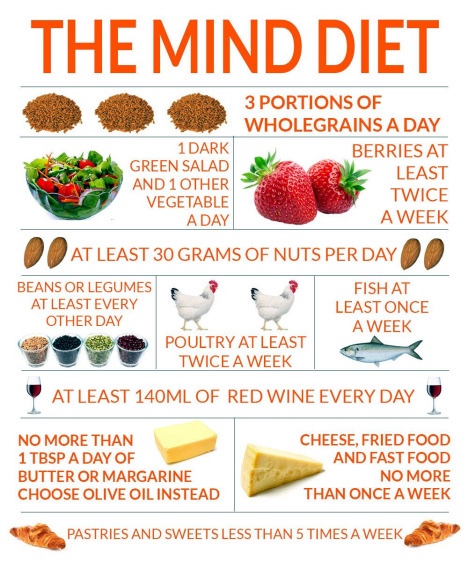
A diet that zeros in on foods that promote brain health, including vegetables, berries, fish and olive oil, helps to substantially slow cognitive decline in stroke survivors, according to preliminary research presented at the American Stroke Association’s International Stroke Conference 2018, a world premier meeting dedicated to the science and treatment of cerebrovascular disease for researchers and clinicians. The Mediterranean-DASH Intervention for Neurodegenerative Delay, or MIND, is a combination of the nutritionally healthy DASH and Mediterranean diets, but with modifications based on the best scientific evidence on nutrition and brain health. Other foods featured in the MIND diet include nuts, beans, poultry, whole grains and moderate wine consumption. It limits red meats and red meat products, butter, trans fat margarines, cheese, sweets and pastries as well as fried and fast foods. Study co-author Martha Clare Morris, Sc.D., a nutritional epidemiologist at Rush University Medical Center in Chicago, is the lead creator of the MIND diet, which has been associated with reduced Alzheimer’s risk in seniors who adhered closely to its recommendations. “We know that stroke survivors are twice as likely to develop dementia compared to the general population. I was really intrigued by the results of a previous MIND study, which showed that the people who were most highly adherent to the MIND diet cognitively functioned as if they were 7.5 years younger than the least adherent group. It made me wonder if those findings would hold true for stroke survivors,” said Laurel J. Cherian, M.D., M.S, co-study author and vascular neurologist and assistant professor of neurological sciences at Rush University Medical Center. Cherian and colleagues studied 106 stroke survivors for cognitive decline, including decline in one’s ability to think, reason and remember. They assessed people in the study every year, for an average of 4.7 years, and monitored patients’ eating habits, grouping them into those who were highly adherent to MIND, moderately adherent and least adherent to the diet. They also examined factors that are known to affect cognitive performance, including age, gender, education level, participation in cognitively stimulating activities, physical activity, smoking and genetics. They found: Those in the most adherent MIND group had a substantially slower rate of cognitive decline than people who adhered least to the diet. The estimated effect of the diet remained strong even after taking into account participants’ level of education and participation in cognitive and physical activities. While adherence to the MIND diet was highly associated with slower rate of cognitive decline in stroke patients, the Mediterranean and DASH diets, were not associated with slower cognitive decline. “The Mediterranean and DASH diets have been shown to be protective against coronary artery disease and stroke, but it seems the nutrients emphasized in the MIND diet may be better suited to overall brain health and preserving cognition,” Cherian said. According to Cherian, studies have found that folate, vitamin E, omega-3 fatty acids, carotenoids and flavonoids are associated with slower rates of cognitive decline, while things like saturated and hydrogenated fats have been associated with dementia. “I like to think of the MIND diet as a way to supercharge the nutritional content of what we eat. The goal is to emphasize foods that will not only lower our risk of heart attacks and stroke, but make our brains as resilient as possible to cognitive decline,” she said. “Our study suggests that if we choose the right foods, we may be able to protect stroke survivors from cognitive decline. This is a preliminary study that will hopefully be confirmed by other studies, including research looking specifically at stroke survivors. For now, I think there is enough information to encourage stroke patients to view food as one of their most powerful tools to optimize their brain health.” The main limitation of the study is that it’s observational and findings cannot be interpreted in a cause-and-effect relationship. The study is also relatively small. Source: American Heart Association
‘Keto crotch’ may be a side effect of the diet. Here’s what you need to know.
Rachel Murphy Mar. 26, 2019, 3:50 PM
The low-carb, high-fat diet, for some, has apparently lead to “keto crotch.”
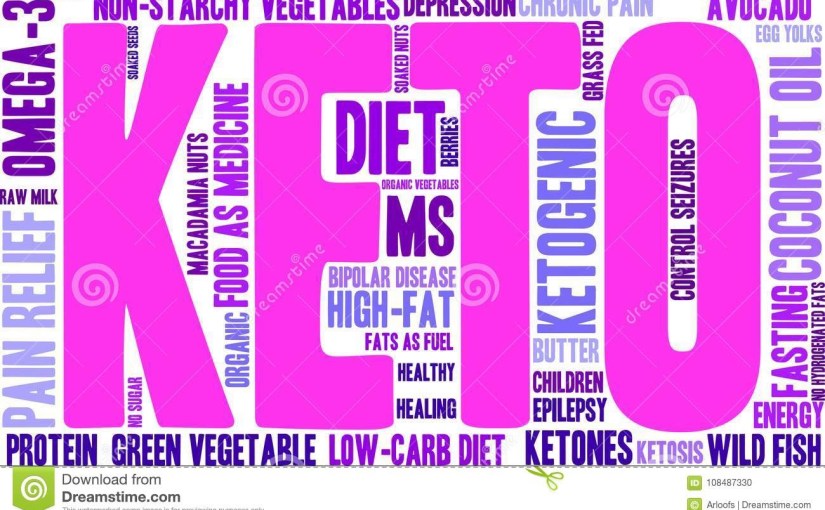
People on the keto diet,a diet based around eating low-carb, high-fat foods with moderate amounts of protein, are apparently experiencing what they call “keto crotch.”
This may be because drastic dietary changes can cause a pH imbalance in the vagina, according to Lisa De Fazio, a registered dietitian nutritionist.
A pH imbalance can cause “bad” bacteria to grow, causing problems like irritation and odors in the vaginal area.
The keto diet is having a moment right now. Originally developed to treat epilepsy patients who were not responsive to traditional medicine, the trending, low-carb diet aims to put the body into ketosis, a state in which it burns fat, not carbs.
The keto diet isn’t without side effects, though. According to Lisa De Fazio, a registered dietitian nutritionist, the keto diet can put followers at risk for kidney problems, dehydration, the “keto flu,” and more. That’s not all, though. Some Reddit users are talking about one strange side effect known as “keto crotch.”
Keto crotch refers to a change in vaginal odor
A high-fat diet can change a person’s vaginal pH levels.
Since the keto diet calls for a mix of high-fat, low-carb foods with moderate proteins, it can be an adjustment for your body to get used to — and it may cause some funky side effects like a change in your vaginal odor.
Though there is no research done on the topic, the medical phenomenon may happen when you drastically change your diet by incorporating large amounts of certain macronutrients like fat and protein, according to De Fazio.
“Foods change the pH of the body. When this happens, the body will emit certain odors,” De Fazio told INSIDER. “The keto diet [may] change your vaginal pH, which alters your vaginal odor — and it may not smell like roses.”
So, why does all of this matter? Well, a pH imbalance can bring upon “bad” bacteria growth.
Additionally, De Fazio said people with a pH imbalance can develop irritation, odor, and infections such as bacterial vaginosis— the most common vaginal infection for menstruating people.
To better understand keto crotch, it’s important to know how pH works
First of all, pH stands for potential of Hydrogen. It uses a number scale of zero to 14 to measure the amount of acid or alkaline of a substance.
According to De Fazio, a pH of less than seven is considered acidic and a pH of more than seven is basic.
“The pH-balance is an important factor in maintaining vaginal health,” she said. “A high-fat diet, particularly saturated fat like on the keto diet, increases vaginal pH, and therefore increasing the risk of bacterial vaginosis.”
A vagina should have a pH level between per De Fazio. This means that it is moderately acidic. De Fazio, however, is quick to point out that what constitutes a normal pH level can vary slightly based on your stage of life.
“During your reproductive years, ages 15 to 49, your vaginal pH should be below or equal to . But, before menstruation and after menopause, a healthy pH tends to be higher than ,” said De Fazio. “An acidic vaginal environment is protective. It creates a barrier that prevents unhealthy bacteria and yeast from multiplying too quickly and causing infection.”
A high vaginal pH level may lead to keto crotch
A high vaginal pH level might lead to a “fishy” smell.
A high vaginal pH level — above 4.5 — provides the perfect environment for unhealthy bacteria to grow. It also puts you at risk for certain infections, according to De Fazio. Luckily, keto crotch can be treated and it may even go away on its own, she said.
“It may go away, otherwise you should see your OB/GYN for treatment,” said De Fazio. “Your doctor may advise you to go back to a balanced diet. Any extreme changes to the body or pH is not a good idea.”








 Mws R Writings