Statins and Type 2 Diabetes Risk

Statins and Type 2 Diabetes Risk
By: Cat Ebeling, BSN, co-author of the best-sellers:  The Fat Burning Kitchen, The Top 101 Foods that Fight Aging & The Diabetes Fix

If you have type 2 diabetes and you take a statin drug, you might start noticing a phrase that’s ridiculously overused…

“The benefits outweigh the risks.” Has your doctor ever said that to you?

There are plenty of risks and they’re all serious health issues. Actually the risks FAR outweigh the benefits. ESPECIALLY if you already have type 2 diabetes.

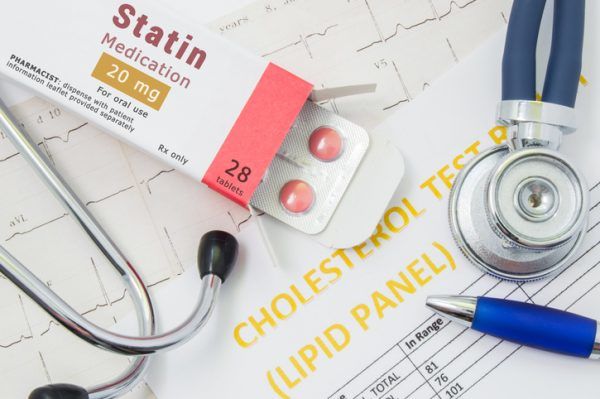
Statins are the primary drug that doctors prescribe to lower cholesterol. Statins are a fairly recent pharmaceutical creation that work by blocking an enzyme in the liver that is responsible for making cholesterol.

Statins became one of the most-prescribed medications when the guidelines for the high end of total cholesterol guidelines were reduced down to 200 a few years ago.

Now, tens of millions of Americans are taking cholesterol-lowering drugs, thinking this is the best way to prevent heart disease. In fact, about 30 percent of American men and women over age 40 take a statin.

The problem is that statins come with a host of side effects which can be pretty significant. One of the more serious side effects of statins is the significant increased risk of type 2 diabetes. The latest study on this connection shows the link may be even stronger than was previously reported.

Researchers prospectively studied 8,567 men and women whose average age was 64. All were free of diabetes and not taking statins when the study started. In a follow-up study 15 years later, about 12 percent of the group had started taking statins, most using either Zocor or Lipitor (simvastatin or atorvastatin) and the rest either Pravachol or Lescol (pravastatin or fluvastatin). Most took the statins for over a year, and 716 new cases of diabetes occurred in the group.

After controlling for age, sex, smoking, family history of diabetes, and other factors, researchers found that statin use was associated with higher risk for insulin resistance and high blood sugar, and with a 38 percent increased risk for the development of Type 2 diabetes.

The brand of statin and the dosage made no difference, but the risk was especially high for statin users who were overweight or obese—which is of course an increased risk for type 2 diabetes as well. The study appeared in the British Journal of Clinical Pharmacology. Other recent research also shows a similar causal link between elevated blood glucose, type 2 diabetes and statins as well.

Here’s the key thing to take away—the number one risk factor of having type 2 diabetes is heart disease.

Adults with type 2 diabetes are about two to four times as likely to die from heart disease as adults who do not have diabetes.

So the question is–if you were told to take statins to lower your cholesterol and chances of heart disease, but it actually increases your chance of developing type 2 diabetes, is it worth it to take statins?

How do Statins increase risk of diabetes?
Statins have been shown to increase your risk of diabetes through a few different mechanisms. The most important one is they increase insulin resistance, which can be extremely harmful to your health. Increased insulin resistance contributes to chronic inflammation in your body, and inflammation is the hallmark of most diseases.

In fact, increased insulin resistance can lead to heart disease, which, ironically, is the primary reason for taking a cholesterol-reducing drug in the first place! It can also promote weight gain, high blood pressure, heart attacks, chronic fatigue, thyroid disruption, and diseases like Parkinson’s, Alzheimer’s, and cancer.

Secondly, statins increase your diabetes risk by actually raising your blood sugar. When you eat a meal that contains starches and sugar, some of the excess sugar goes to your liver, which then stores it away as cholesterol and triglycerides. Statins work by preventing your liver from making cholesterol. As a result, your liver returns the sugar to your bloodstream, raising blood sugar levels.

If you’re on a statin drug and find that your blood glucose is elevated, it is possible that you may just have hyperglycemia—a side effect, or result of your statin medication. Unfortunately, many doctors will often mistakenly diagnose you with type 2 diabetes, and possibly prescribe a diabetes drug, like metformin or insulin.

Discontinuing the statin will help to determine if blood glucose levels are caused by the statin. Be sure to check in with the physician, however, before stopping any prescribed medication.

Statins are well-known for the muscle weakness and pain they can cause, but statins can affect much more than just the muscles and blood sugar. Many people have reported cognitive problems and memory loss as a result of statin medication.

Other potential side effects of statins include: kidney problems, anemia, sexual dysfunction, immune depression, cataracts, increased cancer risk, abnormal liver enzymes and depression.

The other ironic, and contradictory fact about statins and heart health is the fact that statins deplete your body of CoQ10. CoQ10 is an essential cofactor in the body that is essential for the creation of ATP, which is what every cell in the body uses for energy production.

This is especially important for muscles—especially the heart muscle. CoQ10 is produced primarily in the liver and it also plays a role in maintaining blood glucose as well. As the body gets more and more depleted of CoQ10, it causes extreme fatigue, muscle weakness and achiness, and can even lead to heart failure.

Physicians seem to be blissfully unaware of this risk, and don’t usually discuss with patients the importance of supplementing with extra CoQ10. CoQ10 is also necessary to neutralize free radicals in the body, which damage the cell’s DNA and their reproduction. It’s a vicious cycle to have low CoQ10, no cellular energy (this translates to no energy overall!) and damaged DNA.

In addition, the muscle fatigue and pain make it difficult to be motivated to do any amount of exercise, further weakening the cardiovascular system and the muscles.

Statin drugs also interfere with necessary and vital biological functions, including hormone pathways. Statins affect the sex hormones, cortisone, and vitamin D. Statins actually interfere with your body’s natural ability to create vitamin D, which is related to cholesterol. It’s a fact that vitamin D actually helps improve insulin resistance, so a reduction in vitamin D also removes this protective factor, opening the door a bit wider for type 2 diabetes.

Do I Really Need to Lower My Cholesterol?
Total cholesterol values are only a very small part of the picture of your chances of heart disease, but unfortunately conventional medical doctors use total cholesterol numbers to base their decision to recommend statins.

It’s become common knowledge that cholesterol is not the primary cause of heart disease. In fact, three large reviews show the errors in the generally held theory that cholesterol causes heart disease. And this study, also shows no real link between cholesterol and heart disease. In fact, to the contrary, it’s been shown that low cholesterol contributes more to all-cause mortality in older adults, not high cholesterol.

Having a lipid panel that shows you have higher than normal total cholesterol then, is not any kind of predictor of your risk of heart disease, unless it is over 350. The ONLY people who may benefit from cholesterol-lowering practices are those with a genetic type of very high cholesterol.

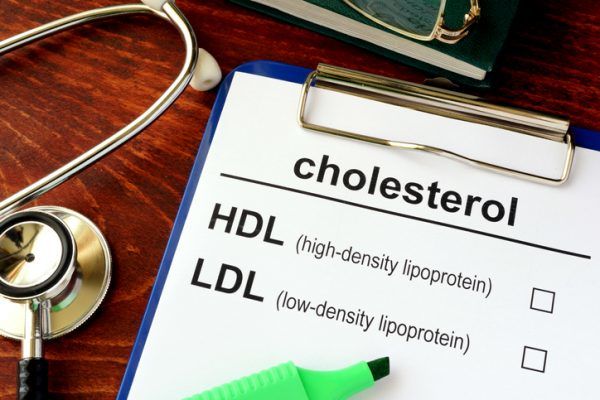
The High Density Lipoproteins or HDL, number is a far more reliable indicator for heart disease risk. Here are the two ratios to check on your lipid panel:

  1. HDL/Total Cholesterol Ratio: Should ideally be above 24 percent. If below 10 percent, you have a significantly elevated risk for heart disease.
  2. Triglyceride/HDL Ratio: Should be below 2.

Many people with total cholesterol levels over 250 are actually at low risk for heart disease because of their high levels of protective HDL, and many people with low cholesterol under 200, can be at high risk for heart disease because of their high LDL and triglycerides.

Actually the conventional LDL/cholesterol hypothesis is not entirely accurate, because damage of the interior layers of your arteries always precedes heart disease, and this damage can be induced by a number of factors, including smoking, high blood pressure, elevated blood sugar and inflammation.

Once the artery is damaged, cholesterol-rich plaque begins to build up as a protective mechanism. Problems arise when the rate of damage to the vessels and blood clot formation outpace your body’s ability to repair the blood vessels.

Your body actually needs a good amount of cholesterol—it is important in the production of cell membranes, all of your hormones—especially sex hormones, vitamin D, and bile acids that help you to digest fat.

Cholesterol also helps your brain work properly and is vital to healthy nerve function. There is also plenty of evidence that having low levels of cholesterol increases your risk for cancer, memory loss, Parkinson’s disease, hormonal imbalances, stroke, depression, suicide, and violent behavior.

If your doctor recommends you take statins to lower your cholesterol, think twice about that. There are many ways to protect your health with a healthy, low carb/low sugar diet, high in antioxidant-rich veggies, that will also protect you from heart disease, diabetes, and many other diseases. Statins don’t seem to be the best solution.

    Diabetes~ Berberine and Metformin

    As with any information, seek medical help and answers before trying something new on your own. I did not write this nor do I agree or disagree with the article. I am just passing along information so you can make a informed decision on your own.

    MwsR

    Metformin vs Berberine for Diabetes (Plus this yellow herb lowers blood pressure, fights parasites, and more)

    By: Cat Ebeling, co-author of the best-sellers:  The Fat Burning Kitchen, The Top 101 Foods that Fight Aging & The Diabetes Fix

    Type 2 diabetes is fast becoming a real epidemic in civilized countries. The statistics show an ever-increasing trend of obesity, diabetes and its related complications like heart disease, kidney disease and peripheral neuropathy. Many experts are convinced that this fast-growing tidal wave of diabetes is the result of the global expansion of sugar, sugary soft drinks and major food corporations getting people addicted to terrible processed foods that are cheaper than most healthy foods and are heavily advertised to the masses.

    However, type 2 diabetes has the potential to be completely reversed following dietary and lifestyle changes that dramatically reduce or eliminate sugar and starches.

    Relying on lowering blood sugar with medication or insulin will not improve one’s health, nor will it counteract the effects of diabetes. In fact, relying on medications to lower blood sugar actually does NOT reduce the risk of death from any of the related health complications of diabetes of stroke, heart attacks, infections, and kidney disease. Aside from the fact that diabetes drugs do not actually do anything positive for a diabetic’s health, there are many negative side effects, many of which can be downright deadly.

    In one large study, called the ACCORD study, that was published in the New England Journal of Medicine in 2008, the 10,000 patients who were being treated with insulin or blood sugar-lowering drugs were monitored and evaluated for their risk of heart attack, strokes and death. The National Institutes of Health ended the study early because the medical intervention was leading to MORE deaths, heart attacks, and strokes.

    Many of the conventional medical methods for lowering blood sugar actually increase insulin levels, which in turn causes more harm overall. Avandia, one of the world’s best-selling diabetes drugs, has over 50,000 lawsuits filed in the United States alone, because the drug makers failed to inform patients about possible life-threatening side-effects that include stroke, heart failure, heart attack, bone fractures, vision loss and death.

    While many of these drugs do lower blood glucose levels, there seems to be no real evidence that any of the diabetes drugs actually reduce the risk of the complications of diabetes.

    Most diabetes medications aim to increase insulin in the body to counteract the ever-rising levels of glucose. One of the big issues with this conventional treatment is the negative side effects that actually seem to exacerbate the complications of diabetes. Below is a list of most used diabetes meds and their primary side effects:

    • Metformin — Metformin increases insulin sensitivity. Metformin also lowers glucose production in the liver. Side effects include nausea and diarrhea, and weight gain. Another significant, documented side effect of Metformin is Vitamin B12 depletion, further increasing the chances of neuropathy.
    • Sulfonylureas—This class of medications help your body secrete more insulin. Side effects include low blood sugar and weight gain.
    • Meglitinides – These medications stimulate the pancreas to secrete more insulin. Side effects include low blood sugar and weight gain.
    • Thiazolidinediones – Like metformin, these medications make the body’s tissues more sensitive to insulin. This class of medications has been linked to weight gain and increased risk of heart failure and fractures. Rosiglitazone (Avandia) and pioglitazone (Actos) are examples of thiazolidinediones.
    • SGLT2 inhibitors. They prevent the kidneys from reabsorbing sugar into the blood. Instead, the sugar is excreted in the urine. Side effects may include yeast infections, urinary tract infections, increased urination and hypotension.
    • Insulin therapy. Some people need insulin therapy as well. Insulin lowers blood glucose and is a fat storing hormone, so it causes weight gain. Insulin promotes inflammation in the body when used in excess, causes hormone imbalance and increases body fat storage.

    Keep in mind, however, that while most of these diabetes medications may lower blood sugar levels, increase insulin, or make the body more sensitive to insulin, they still do not prevent the serious and life-threatening complications of diabetes: High blood pressure, high LDL cholesterol, high triglycerides, poor sex drive, infertility, blood clots, kidney failure, infections and amputations, cancer, depression, heart disease, strokes, and Alzheimer’s, and more.

    Insulin treatment also creates a greater susceptibility to cancer. The connection between diabetes and cancer is fairly clear—in fact, several studies have shown up to a 30% great likelihood that diabetic patients on supplemental insulin can develop colon, breast or prostate cancers.

    Berberine for Type 2 Diabetes Shown to be as Effective as Diabetes Medication

    There are a few natural solutions to helping to treat type 2 diabetes, and berberine is one that has a strong background of being especially effective for type 2 diabetes.

    Berberine is a powerful plant extract with several impressive health benefits. It can effectively lower blood sugar, help with weight loss and improve heart health—two things that most pharmaceutical diabetic medications cannot do. It is also anti-inflammatory and antimicrobial and is effective against diarrhea, intestinal parasites, Candida albicans, and possibly Methicillin-resistant staph aureus.

    Berberine works to:

    • Decrease insulin resistance, making the blood sugar lowering hormone insulin more effective.
    • Increase glycolysis, the breakdown of glucose inside cells.
    • Decrease glucose production in the liver.
    • Slow the digestion of carbohydrates.
    • Increase the number of beneficial bacteria in the gut.

    Berberine is a bioactive plant extract that comes from several different types of plants, including goldthread, Oregon grape root, barberry, tree turmeric and goldenseal. It has been used in both Ayruvedic and Chinese medicine for more than 2500 years and is now being used and studied extensively in the modern world.

    Several impressive studies show that berberine can lower blood glucose as effectively as the drug metformin, without the negative side effects. Two of the best-known peer-reviewed studies published in the journals Metabolism and the Journal of Clinical Endocrinology compared berberine in one group to metformin (Glucophage) in another group. The berberine group had very similar blood sugar-lowering effects as the metformin group. In addition, the berberine also effectively reduced the patients’ A1C, triglycerides, LDL cholesterol, and blood pressure… Three things that metformin cannot do!

    • Hemoglobin A1c decreased from 9.5% to 7.5% (about a 21% reduction)
    • Fasting blood glucose (FBG) decreased from 190.8 to 124.2 mg/dl
    • Postprandial blood glucose (PBG) decreased from 356.4 to 199.8 mg/dl
    • Triglycerides from 100.5 to 79.2 mg/dl

    Berberine works by stimulating uptake of glucose into the cells, improves insulin sensitivity, and reducing glucose production in the liver. This review published in the International Journal of Endocrinology further expanded on berberine’s role in treating type diabetes:

                “BBR [berberine] is used to treat diabetic nephropathy (DPN), diabetic neuropathy (DN), and diabetic cardiomyopathy due to its antioxidant and anti-inflammatory activities.”

    How does berberine work?

    Berberine works by activating a metabolism-regulating enzyme within the body’s cells called AMPK (adenosine monophosphate activated protein kinase).  Yes, that’s a mouthful! AMPK regulates a variety of biological activities that normalize lipid, glucose, and energy imbalances. Think of AMPK as your metabolic master switch. Definitely something you want to keep switched to ‘ON’!

    Metabolic syndrome, a precursor to diabetes, occurs when these AMPK pathways are switched off. This triggers high blood sugar, high cholesterol, high triglycerides and energy issues. AMPK shifts energy to cellular repair and maintenance. Activating AMPK produces similar benefits for diabetes and metabolic syndrome as exercise, dieting and weight loss.

    Berberine and Weight Loss

    When overweight adults took 500mg of berberine 3 times daily for 12 weeks, they easily lost an average of 5 pounds. The researchers note that,

    “…berberine has potential clinical application in reducing visceral fat and controlling obesity.”

    Berberine has the ability to inhibit fat storage and also improves insulin function, leptin and adiponectin. Leptin is a very powerful hormone produced by fat cells. It tells your brain whether you should eat or not. Leptin is the way your fat cells speak to your brain. If Leptin signaling is working, when fat stores are full, they cause a surge in leptin which tells your brain to stop eating and storing fat. The problem is of course, when this signaling goes awry, it causes excessive eating and fat storage.

    Adonipectin is a hormone secreted by fat cells that helps control glucose regulation and fatty acid oxidation. Obese people are often low in adonipectin, but berberine helps to increase adonipectin which helps to normalize metabolic function.

    So, the bottom line here is that berberine could reduce the size of your fat cells and cut down on the number of them as well.

    Berberine is also thought to enhance brown fat, which is a heat-generating special type of fat that burns energy instead of storing it. It is loaded with active mitochondria cells that convert this fat into energy which produces heat. This animal study shows how berberine increases energy expenditure, helps burn fat, improves cold tolerance and enhances active brown adipose tissue.

    Berberine for Memory and Cognitive Function

    Blood sugar levels, insulin sensitivity and diabetes go hand in hand with memory and cognitive dysfunction. In fact, it is now thought that high blood sugar and diabetes are connected to an increased risk of Alzheimer’s disease. Berberine has been found to enhance memory function in some animal studies, by preserving a brain chemical, acetylcholine, that is important for memory, focus and cognition. The result for berberine was improved learning and memory, along with lower oxidative stress.

    How to take Berberine

    According to Dr. Josh Axe, berberine should be taken two to three times a day. Generally, most studies have used safe dosages starting at 500 mg a dose. So, 500 mg two to three times a day is a good place to start. Take berberine with a meal or on a full stomach to avoid any stomach upset and to take advantage of the post meal glucose and lipid spike that often occurs. It is best to start with just one dose/day and increase slowly to ensure they can stay in control.

    When you take berberine, please note that insulin may need to be cut back significantly, so monitor blood sugar frequently.  Many diabetics have been able to totally stop their other pharmaceutical diabetes medications, with the inclusion of berberine. Be sure to monitor blood sugar regularly and consult your physician. Look for a berberine product with a standardized berberine extract so that the dosages and strength are consistent.

    Berberine Side Effects

    If you have a medical condition or are on any medications, including antibiotics, then it is highly recommended that you speak to your doctor. This is especially important if you are currently taking blood sugar-lowering medications, so that your physician can monitor your blood sugar and current medication levels.

    Diabetics who are using other medications must use caution when using this supplement to avoid dangerously low blood sugar levels. People with low blood pressure should also be careful when using it since it can naturally lower blood pressure. Pregnant and nursing women should not take berberine.

    Overall, this natural compound has an outstanding safety profile. Primary side effects are minor, but could result in some cramping, diarrhea, flatulence, constipation or mild stomach pain. Stay with the smaller dosages — spread out through your day and after meals — to avoid most of these side effects.

    In addition to its huge benefits for diabetes, berberine is helpful for other health issues as well including:

    • Anti-aging
    • Gastrointestinal infections
    • Heart disease
    • High cholesterol
    • Hypertension (high blood pressure)
    • Immune challenges
    • Joint problems
    • Low bone density

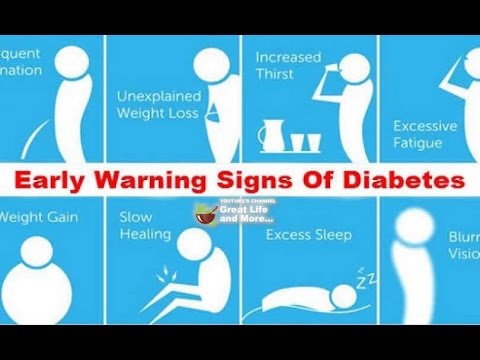
      Early Signs of Diabetes

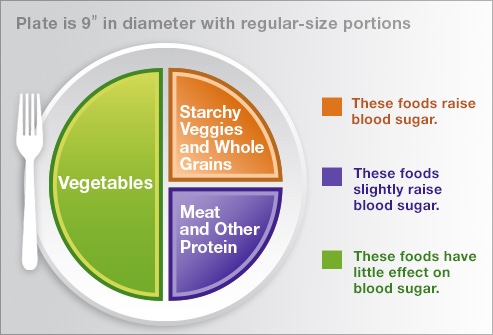
      Diabetic food portions

      Continue reading Diabetic food portions

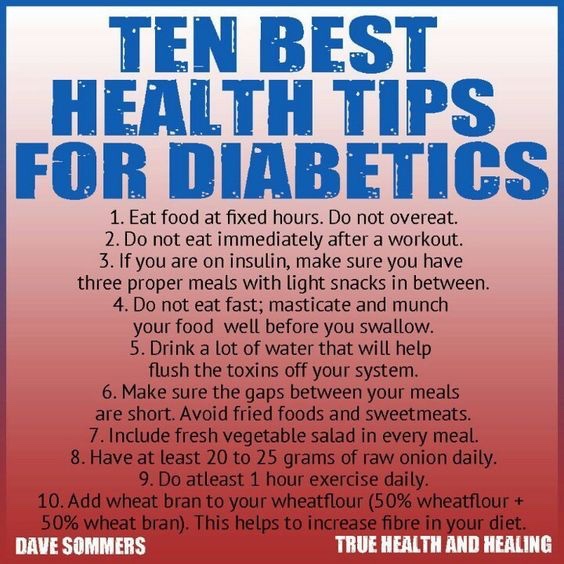
      Diabetic Tips

      Diabetes~ Genetics

      Genetics of Diabetes

      You’ve probably wondered how you developed diabetes. You may worry that your children will develop it too.

      Unlike some traits, diabetes does not seem to be inherited in a simple pattern. Yet clearly, some people are born more likely to develop diabetes than others.

      What Leads to Diabetes?

      Type 1 and type 2 diabetes have different causes. Yet two factors are important in both. You inherit a predisposition to the disease then something in your environment triggers it.

      Genes alone are not enough. One proof of this is identical twins. Identical twins have identical genes. Yet when one twin has type 1 diabetes, the other gets the disease at most only half the time.

      When one twin has type 2 diabetes, the other’s risk is at most 3 in 4.

      Type 1 Diabetes

      In most cases of type 1 diabetes, people need to inherit risk factors from both parents. We think these factors must be more common in whites because whites have the highest rate of type 1 diabetes.

      Because most people who are at risk do not get diabetes, researchers want to find out what the environmental triggers are.

      One trigger might be related to cold weather. Type 1 diabetes develops more often in winter than summer and is more common in places with cold climates.

      Another trigger might be viruses. Perhaps a virus that has only mild effects on most people triggers type 1 diabetes in others.

      Early diet may also play a role. Type 1 diabetes is less common in people who were breastfed and in those who first ate solid foods at later ages.

      In many people, the development of type 1 diabetes seems to take many years. In experiments that followed relatives of people with type 1 diabetes, researchers found that most of those who later got diabetes had certain autoantibodies in their blood for years before.

      (Antibodies are proteins that destroy bacteria or viruses. Autoantibodies are antibodies ‘gone bad,’ which attack the body’s own tissues.)

      Type 2 Diabetes

      Type 2 diabetes has a stronger link to family history and lineage than type 1, although it too depends on environmental factors. 

      Studies of twins have shown that genetics play a very strong role in the development of type 2 diabetes.

      Lifestyle also influences the development of type 2 diabetes. Obesity tends to run in families, and families tend to have similar eating and exercise habits.

      If you have a family history of type 2 diabetes, it may be difficult to figure out whether your diabetes is due to lifestyle factors or genetic susceptibility. Most likely it is due to both. However, don’t lose heart. Studies show that it is possible to delay or prevent type 2 diabetes by exercising and losing weight.

      Have you recently been diagnosed with type 2 diabetes? Join our free Living With Type 2 Diabetes program and the information and support you need to live well with diabetes.

      Type 1 Diabetes: Your Child’s Risk

      In general, if you are a man with type 1 diabetes, the odds of your child developing diabetes are 1 in 17.

      If you are a woman with type 1 diabetes and your child was born before you were 25, your child’s risk is 1 in 25; if your child was born after you turned 25, your child’s risk is 1 in 100.

      Your child’s risk is doubled if you developed diabetes before age 11. If both you and your partner have type 1 diabetes, the risk is between 1 in 10 and 1 in 4.

      There is an exception to these numbers. About 1 in every 7 people with type 1 diabetes has a condition called type 2 polyglandular autoimmune syndrome. In addition to having diabetes, these people also have thyroid disease and a poorly working adrenal gland. Some also have other immune system disorders. If you have this syndrome, your child’s risk of getting the syndrome — including type 1 diabetes — is 1 in 2.

      Researchers are learning how to predict a person’s odds of getting diabetes. For example, most whites with type 1 diabetes have genes called HLA-DR3 or HLA-DR4. If you and your child are white and share these genes, your child’s risk is higher. (Suspect genes in other ethnic groups are less well studied. The HLA-DR7 gene may put African Americans at risk, and the HLA-DR9 gene may put Japanese at risk.)

      Other tests can also make your child’s risk clearer. A special test that tells how the body responds to glucose can tell which school-aged children are most at risk.

      Another more expensive test can be done for children who have siblings with type 1 diabetes. This test measures antibodies to insulin, to islet cells in the pancreas, or to an enzyme called glutamic acid decarboxylase. High levels can indicate that a child has a higher risk of developing type 1 diabetes.

      Type 2 Diabetes: Your Child’s Risk

      Type 2 diabetes runs in families. In part, this tendency is due to children learning bad habits — eating a poor diet, not exercising — from their parents. But there is also a genetic basis.

      More Information on Genetics

      If you would like to learn more about the genetics of all forms of diabetes, the National Institutes of Health has published The Genetic Landscape of Diabetes. This free online book provides an overview of the current knowledge about the genetics of type 1 and type 2 diabetes, as well other less common forms of diabetes. The book is written for health professionals and for people with diabetes interested in learning more about the disease.

      • Last Reviewed: August 1, 2013
      • Last Edited: January 27, 2017

      Diabetes~Fruits that will or will not raise your blood sugar levels

      Fruits that may not increase blood sugar levels

      Strawberries

      Blueberries

      Blackberries

      Gala and green apples

      Avocado

      Tomato

      Cranberry

      Fruits that may increase blood sugar levels

      The fruits you may want to consider avoiding or not having as often:

      Pineapple

      Bananas

      Peaches

      Grapes

      Source I used washttps://type2diabetes.com/nutrition/fruits/?utm_source=weekly&utm_medium=email&utm_campaign=16fb4237-54c7-453b-b05b-1ef3a828cf5c&utm_confid=sovjx3i7q&aGVhbHRoIHVuaW9uIGJsYWg=1b753bb8d714b39d12c864e42a7a1b0558698f033eb4f3ad892af31ea1722434

      Diabetes~ Eating Disorders

      Eating Disorders

      The pressure to be thin can feel overbearing in our society. Research suggests that eating disorders are probably more common among women with diabetes than women who do not have diabetes. Eating disorders are common among women and girls in the general population. However, those with type 1 are twice as likely to suffer from disordered eating patterns. There is no data on eating disorders in men and boys with type 1 diabetes. However, disordered eating does occur among men and boys in the general population, so don’t ignore warning signs.

      Bulimia is the most common eating disorder in women with type 1 diabetes. Among women with type 2 diabetes, binge eating is more common.

      Because both diabetes and eating disorders involve attention to body states, weight management, and control of food, some people develop a pattern in which they use the disease to justify or camouflage the disorder. Because the complications of diabetes and eating disorders can be serious or even fatal, responsible, healthy behavior is essential.

      Eating disorders are illnesses with a biological basis modified and influenced by emotional and cultural factors. While eating disorders are serious, potentially life threatening illnesses, there is help available and recovery is possible.

      Types of Eating Disorders

      • Anorexia (or anorexia nervosa) is an eating disorder centered around an obsessive fear of weight gain. Anorexia involves self-starvation and excessive weight loss. Although anorexia is a psychological disorder, the physical consequences are serious and sometimes life-threatening.
      • Bulimia is characterized by recurrent binge eating (the rapid controlled consumption of large amounts of food). Purging may occur with self-induced vomiting, laxatives, diuretics, insulin omission or reduction, fasting, severe diets, or vigorous exercise.
      • Binge Eating Disorder (also known as Compulsive Overeating) is characterized primarily by periods of uncontrolled, impulsive, or continuous eating beyond the point of feeling comfortably full. While there is no purging, there may be sporadic fasts or repetitive diets and often feelings of shame or self-hatred after a binge.
      • Eating Disorders Not Otherwise Specified (EDNOS) is a range of other disordered eating patterns that doesn’t fit the other specific types. These conditions are still serious, and intervention and attention are necessary. EDNOS, or other types of eating disorders, may include:
        • Eating problems or disordered eating with some, but not all, of the characteristics of an eating disorder; for example, people who severely restrict food intake, but who do not meet the full criteria for anorexia nervosa.
        • Chewing food and spitting it out (without swallowing).
        • Bingeing and purging irregularly, such as at times of increased stress.

      Warning Signs of Eating Disorders

      • Unexplained increase in A1C Levels
      • Repeated episodes of diabetic ketoacidosis
      • Extreme concerns of body size/shape
      • Excessive exercise and related hypoglycemia
      • Very low-calorie meals
      • An absence of menstruation

      Eating Disorders and Pregnancy

      Women with eating disorders have higher rates of miscarriage than do healthy, normal women. Also, your baby might be born prematurely, meaning that it would not weigh as much or be as well-developed as babies who are born full term.

      Women with anorexia nervosa are underweight and may not gain enough weight during pregnancy. They risk having a baby with abnormally low birth weight and related health problems.

      Women with bulimia nervosa who continue to purge may suffer dehydration, chemical imbalances, or even cardiac irregularities. Pregnancy heightens these health risks.

      Women who are overweight due to binge eating are at greater risk of developing high blood pressure, gestational diabetes, and overgrown babies. Low birth weight babies are at risk of many medical problems, some of them life threatening.

      Your teeth and bones might become weak and fragile because the baby’s need for calcium takes priority over yours. If you don’t replenish calcium with dairy products and other sources, you could find yourself with stress fractures and broken bones in later years. Once calcium is gone from your bones, it is difficult, if not impossible, to replace it.

      Diabulimia

      Unexplained weight loss is a symptom of diabetes that often alerts a person that something is wrong.  This, along with other symptoms such as excessive thirst and frequent urination often lead to a diagnosis of diabetes.  Treatment for type 1 diabetes is insulin.  “Diabulimia” is an eating disorder characterized by intentionally withholding insulin to result in weight loss. 

      The insulin restriction results in high levels of glucose in the blood that spill over into the urine, leading to the excretion of the calories from glucose. The repercussions can be severe, including dehydration, loss of lean body tissue, and, in extreme cases, diabetic ketoacidosis. 

      Diabulimia is shockingly common; as many as a third of women with type 1 diabetes report insulin restriction, with higher levels among those between the ages of 15 and 30. 

      Getting Treatment

      Once insulin restriction or other disordered eating behaviors become engrained, a cycle of shame, guilt, and other negative feelings can make it difficult to get help and the condition difficult to treat. 

      A team-based approach is the gold standard.  The team should include a mental health professional along with other team members such as an endocrinologist, nurse educator, nutritionist, and others as necessary. In very severe cases, hospitalization may be needed until the person is more mentally and medically stable.  Ongoing therapy at least monthly or more frequently with care team members may be needed. 

      Personal Story from The Type 1 Diabetes Self-Care Manual by Jamie Wood, MD and Anne Peters, MD

      Type 1 Diabetes Self-Care Manual

      I Knew How to Play the Game

      As a type 1 diabetic from the age of 7, I just knew I was an expert on this disease. I rolled my eyes at countless nurses, endocrinologists, and educators who lectured me endlessly on ways to manage my diabetes…I was invincible. No doctor or nurse or anyone could tell me any differently, especially if they didn’t have to live with it. How dare they?  My A1C, however, was through the roof. I had multiple retinopathy surgeries to stop the bleeding in my eyes, I only had four toes left, and yet, diabulimia was still strong. I lay in ICU on an insulin drip thinking, “I have got to get out of here and off this drip; I’m getting fatter by the minute.” I was so focused on carbohydrates and food and insulin, all day, every day—but not for the right reasons. I knew how to play the food-medicine game. I could eat anything I wanted and then some, and lose weight. I would live at my threshold, taking the tiniest basal amounts of insulin just to skirt by, exhausted and thirsty. I could hardly function day-to-day.  I had all these complications and forgot what it meant to “feel good.” I was an angry and sad person. The ignorance of the public, my friends, and some of my family was frustrating and hurtful… When I was pregnant, I was singularly focused on having a healthy pregnancy, bringing my A1C down to 5.6. But after Emmalyne was born, I didn’t want to gain weight, so I started cutting insulin again.  I was sacrificing my entire life to diabulimia, until my daughter was diagnosed at the age of 2 with type 1 diabetes. I was sick over it. And the comments: “If you just fed her right…” or “Maybe she will outgrow it…” Then it hit me. I cannot let her grow up feeling the same way I did: alone, frustrated, misunderstood, and judged.  More than anything, I wanted her to enjoy her life, which had just begun, and I wanted to be alive and well enough to get her to adulthood. I wanted to be a great mother but I was too tired to play, too sick to give her all the attention she deserved. She made toes for me out of Play-Doh so I could chase her at the playground. She looked up to me for guidance. Did she think this was her future?  We were a team. We would fight it together. I would not let her down. Screw this disease and everything it had already taken from me. I refused to let it now take her mother from her. —Kathlin Gordon, RDN, 40, is a registered dietitian nutritionist.

      • Last Reviewed: August 1, 2013
      • Last Edited: December 7, 2018