Parkinson’s Disease

What Is Parkinson’s Disease?

https://www.msn.com/en-us/health/medical/what-is-parkinson-s-disease/ar-BB17kKoW?ocid=msedgntp

Parkinson’s disease is a progressive neurological disorder that affects your body’s ability to produce dopamine, a chemical found in your brain that helps you initiate and control your movements. This causes symptoms like uncontrollable shaking in your limbs (known as a tremor), slow movement, a rigid, stiff feeling in your body, unsteady gait and posture, as well as symptoms unrelated to movements like loss of smell, constipation, difficulty sleeping, fatigue, cognitive challenges, and blood pressure issues. Parkinson’s most frequently develops in people over age 50, but can also appear in younger individuals, too.

Thin bar with multiple colors indicating a break in the page.© Provided by The Mighty Thin bar with multiple colors indicating a break in the page.

Medically reviewed by Kristin Andruska, M.D., Medical Director of the Parkinson’s Institute and Clinical Center

What Causes Parkinson’s Disease? Who Gets Parkinson’s Disease? Why Do People Get Parkinson’s Disease? Is Parkinson’s Disease Hereditary? Celebrities With Parkinson’s Disease Long-Term Outlook of Parkinson’s Disease | Parkinson’s Disease Statistics

You might feel stiff, like it’s hard to move your muscles, and maybe you have uncontrollable shaking in one or more of your limbs or fingers. You might also feel fatigued and have difficulty feeling motivated to get up. Everyday tasks like brushing your teeth, putting on your clothes, cooking and driving a car might be a struggle due to the stiffness and slowness of your muscles. Perhaps family members have noticed you don’t swing one of your arms when you walk.

Feeling unsteady when you walk and feeling like you can’t move as quickly as you want could be everyday occurrences along with other challenges like constipation, chronic pain, difficulty sleeping and concentrating, a weak sense of smell, having a soft voice and a bent-over posture. Taking certain medications helps wake your muscles up and gets you moving with more ease and less sluggishness. Without that help, though (and, sometimes despite taking medications), moving the way you used to is challenging, as you constantly feel a sense of slowness, stiffness and/or shaking (you might experience some or all of these symptoms). If this describes your experience, you may be living with Parkinson’s disease.

When people think of Parkinson’s disease, the first (and often only) thing that comes to mind is its most well-known symptom: a tremor in your hand. But as anyone who has Parkinson’s disease knows, there’s so much more to the condition than that. This is a condition that can cause both invisible and visible symptoms, physical and emotional impacts. It affects each person in a unique way. Two people can have two completely different experiences — and both are completely valid.Thin bar with multiple colors indicating a break in the page.© Provided by The Mighty Thin bar with multiple colors indicating a break in the page.

What Causes Parkinson’s Disease?

Parkinson’s disease occurs when there isn’t enough dopamine produced in the part of the brain called the substantia nigra, which helps you initiate muscle movement. The substantia nigra part of your midbrain normally produces dopamine, a chemical called a neurotransmitter that signals other brain cells to start movement. But in Parkinson’s disease, the brain cells (aka neurons) that produce dopamine degenerate and die, meaning less and less dopamine is produced. Without dopamine in the substantia nigra, you have a harder time initiating and controlling your movements.

Another key feature of Parkinson’s disease is when a protein found in the brain called alpha-synuclein (abbreviated a-synuclein) clumps together with other proteins to form Lewy bodies. Lewy bodies are toxic, and can form in many areas of the brain, including the substantia nigra and cerebral cortex (the “thinking” part of the brain). Lewy bodies disrupt the functioning of these areas of the brain — neurons can’t work properly and send the signals they are supposed to. The neurons eventually die, making it impossible for them to carry out their intended functions.25

As a result, Parkinson’s disease is characterized by three hallmark movement, or motor, symptoms:Tremor, or uncontrolled shaking of typically a hand, leg, foot, head, chin, lips, jaw or tongue while the limb is at rest  Bradykinesia, or slowness of movement Rigidity, or stiffness in the body

Other common motor symptoms include an unsteady gait, balance problems, soft voice, small handwriting, stooped posture, “freezing” of feet and lower limbs while walking, and taking very small steps.

Parkinson’s disease also causes symptoms unrelated to movement. Dopamine-producing neurons are found in parts of the brain besides the substantia nigra such as areas that control your mood and sense of motivation to do things. Lewy bodies can also be found in parts of the brain that affect things like your sense of smell, thinking, constipation, sleep, and depression, which causes symptoms in these areas, too.

Non-motor symptoms can be just as challenging to live with as motor symptoms, sometimes more. These symptoms often show up months or even years before the motor symptoms, suggesting perhaps the disease can begin in parts of the brain outside the dopamine-producing neurons of the substantia nigra, cause non-motor symptoms and gradually progress to include the motor symptoms as well.28

Some of the non-motor symptoms you experience can include:Loss of smell Constipation Sexual dysfunction Anxiety Depression Apathy, or the lack of desire to move or do things Sleep problems Cognitive problems Fatigue Sweating Autonomic dysfunction, or trouble with automatic body functions like blood pressure fluctuations, dizziness or feeling faint

Parkinson’s disease is degenerative, which means over time, symptoms get worse. There is no cure. However, it is not considered a terminal illness. There are a number of treatments that can help you manage your symptoms, including:Medication Exercise Physical, occupational and speech therapy Surgery

Parkinson’s disease is named after James Parkinson, an English scientist who wrote the first paper describing its symptoms. His paper, “An Essay on the Shaking Palsy,” was published in 1817.24Thin bar with multiple colors indicating a break in the page.© Provided by The Mighty Thin bar with multiple colors indicating a break in the page.

Who Gets Parkinson’s Disease?

An estimated 6.1 million people worldwide had Parkinson’s disease in 2016, up from 2.5 million people in 1990. Between 2005 to 2030, the number of people with Parkinson’s disease is expected to double.9 This is because people, in general, are living longer, and Parkinson’s becomes more common as you get older.

Age of Onset

Age is the biggest risk factor for Parkinson’s disease. It affects about 1% of the population over age 60, and 5% over age 85.26 Your risk of developing Parkinson’s increases with each decade. However, anywhere from 5-20% (research is inconsistent) of cases are considered early-onset, which is defined as presenting with symptoms before age 50.36

We don’t know for sure why Parkinson’s becomes more common with age but research suggests some people experience a decline over time in the processes required for the functioning of the substantia nigra. As some people age, they become less able to produce dopamine, neurons become less effective and toxic Lewy bodies develop that cause neurons to die. When all these factors combine, some people experience the symptoms of Parkinson’s disease.26

Gender Differences

Parkinson’s is more common in men than women, with a ratio of about 1.5 men to every 1 woman. The ratio appears to increase with age.17 Why more men are diagnosed with Parkinson’s than women is not completely clear. There may be a relationship between dopamine and estrogen, the female sex hormone. Some research suggests estrogen might help protect against the loss of dopamine, which could explain why women are less likely to have Parkinson’s and also why Parkinson’s symptoms are sometimes worse for women after menopause, when estrogen levels decrease.32 There is also evidence that women with Parkinson’s are less likely than men to seek out a specialist for care, which means they may be underrepresented in research and not receive the same quality of care.35

Another theory is male-dominated industries are associated with environmental factors that may increase Parkinson’s risk — for example, being exposed to pesticides and heavy metals (such as manganese exposure from welding, iron, steel and mining2). It also could be that women are simply not diagnosed with Parkinson’s as readily as men are. Women may experience more non-motor symptoms, which can be harder to diagnose as Parkinson’s than motor symptoms because they still aren’t as recognized.10

Related: These stories shares women’s perspectives on living with Parkinson’s.

Is There Anything Good About Living With Parkinson’s? These Women Say Yes!Choosing Parenthood With Juvenile Parkinson’s DiseaseThin bar with multiple colors indicating a break in the page.© Provided by The Mighty Thin bar with multiple colors indicating a break in the page.

Why Do People Get Parkinson’s Disease?

The first thing you might ask after getting the diagnosis is why did I get Parkinson’s disease? Scientists don’t know for sure what causes some people to develop Parkinson’s while others don’t. If you ask your doctor why you have Parkinson’s, they will likely not be able to give you a definitive answer. But scientists have pinpointed a couple of factors that may increase your risk of Parkinson’s: genetics and environmental factors.

Is Parkinson’s Disease Hereditary?

Historically, Parkinson’s was not thought of as a hereditary or genetic condition. Newer research, however, indicates Parkinson’s disease can run in families, though it is rare. These cases are called familial Parkinson’s disease and account for about 15% of all Parkinson’s cases.23 Scientists have identified several genes that can cause or increase your risk of Parkinson’s. It’s possible for mutations or changes in these genes to be passed down among family members. In very rare cases, they can appear at random, causing Parkinson’s disease in someone who did not inherit the gene from a family member and has no family history of the condition.

Genetic Factors 

Several genes increase your risk of developing Parkinson’s. Experts believe a gene called LRRK2 is linked to Parkinson’s because studies have found several types of mutations in LRRK2 that people with Parkinson’s disease have in common. It may explain at least 5% of familial Parkinson’s disease cases and 1-2% of “sporadic,” or non-familial, Parkinson’s cases.27 The LRRK2 gene makes a protein called LRRK2 (also called dardarin), found in the brain, which is believed to be involved in several functions, including regulating other proteins’ abilities to interact with each other, transmit signals and build the framework of other cells. We don’t know exactly why LRRK2 mutations lead to Parkinson’s symptoms specifically, but we know that mutations to LRRK2 result in the protein being hyperactive, which disrupts how effectively it can work and can cause brain cells to die.27

One particular type of LRRK2 mutation, called G2019S, appears to be particularly concentrated in certain ethnic groups. It accounts for:13.3% of sporadic and 29.7% of familial Parkinson’s disease among Ashkenazi Jews 40.8% of sporadic and 37% of familial Parkinson’s disease among North African Arabs12

A gene called GBA is also associated with Parkinson’s — an estimated 10% of people with Parkinson’s have a GBA mutation.13 The GBA gene makes an enzyme — a type of protein that helps brain chemicals communicate more efficiently — that breaks down toxic substances in neurons, digests bacteria and breaks down worn-out cells. Scientists don’t know the exact connection to Parkinson’s, but in theory, if there is a mutation on GBA, toxic substances in neurons may not be able to break down, which could kill dopamine-producing neurons.8

Another gene, called PRKN, is associated with developing early-onset Parkinson’s in particular. The PRKN gene is responsible for the production of the parkin protein, which is believed to help get rid of damaged cell parts, like mitochondria — the part of the cell that produces energy.22 PRKN gene changes may allow a buildup of toxic proteins and damaged mitochondria, which causes the death of dopamine-producing cells.31

Also, damaged mitochondria in dopamine-producing cells could prevent them from working properly since they can’t produce energy.21 Some studies have found that PRKN mutations are found in 40-50% of early-onset familial Parkinson’s cases and 1-20% of sporadic Parkinson’s cases.20 Hispanic individuals are more likely than non-Hispanic individuals to carry this gene.1

Mutations in the SNCA gene are also believed to increase your risk of developing Parkinson’s disease since SNCA produces a-synuclein, the protein that builds up in people with Parkinson’s.20 A-synuclein clumps are also called Lewy bodies, and the presence of Lewy bodies in the brain is a hallmark sign of Parkinson’s disease. Lewy bodies in the brain can disrupt the functioning of neurons, leading to Parkinson’s symptoms.

Environmental Factors

There is some evidence that certain external factors could increase your risk of developing Parkinson’s disease. One of these factors is exposure to pesticides. One study found people exposed to pesticides rotenone and paraquat were 2.5 times more likely to develop Parkinson’s.33

Rotenone is a chemical used mostly by organic farmers to kill insects (it’s considered organic because it is found naturally in some plants), and it is also used in some household insecticide products; for example, products with the brand name Bonide. It’s also used by fishermen to kill non-native fish species.29 Paraquat is used as a commercial herbicide, to kill weeds and grass. It can only be used by people who have a license to do so.3

Genetics may influence the impact pesticide exposure has on your Parkinson’s risk.11 For example, if you have a gene that does not produce the enzyme supposed to protect against the toxic effects of the pesticide paraquat, your body will be more sensitive to paraquat exposure, leading to a higher risk of Parkinson’s disease.11 Pesticides may also explain why Parkinson’s is more common among men since pesticides are used more often in male-dominated farming industries.10

Another potential environmental factor is smoking. Studies show smokers have a lower incidence of Parkinson’s than non-smokers, possibly because nicotine protects dopamine neurons.19 Unfortunately, this may not be a useful protective factor, since smoking can lead to serious health problems like cancer and heart disease. Caffeine may also have a protective effect against Parkinson’s disease.14

Head injuries may also increase your risk of Parkinson’s. Research suggests head trauma is associated with the formation of abnormal clumps of the protein a-synuclein, called Lewy bodies. Lewy bodies are toxic to brain cells and are found in the brains of people with Parkinson’s disease4 (however, they are also found in people with other neurodegenerative diseases and in people with normal brains). Other theories are that head trauma simply “uncovers” underlying Parkinson’s disease that would have surfaced anyway, or that trauma damages dopamine-producing brain cells.5 One recent study of military veterans found having a mild traumatic brain injury increased their risk of developing Parkinson’s by 56%.7Thin bar with multiple colors indicating a break in the page.© Provided by The Mighty Thin bar with multiple colors indicating a break in the page.

Celebrities With Parkinson’s Disease

When you’re living with Parkinson’s, it can be comforting to know of other people who are going through the same diagnosis you are. Celebrities who have Parkinson’s are also often active in advocacy work, which may offer great opportunities for you and your loved ones to get involved. In addition, celebrities tend to increase awareness of Parkinson’s disease, helping the general public, who may know very little about it, learn what the condition is. A few notable people with Parkinson’s disease are:

Michael J. Fox

Actor Michael J. Fox, best known for his appearances in “Back to the Future,” “Family Ties,” “Spin City” and “The Good Wife,” was diagnosed with Parkinson’s disease in 1991 at age 29. He publicly announced his diagnosis in 1998, and soon after founded the Michael J. Fox Foundation, a nonprofit dedicated to funding Parkinson’s research.16

Alan Alda

Alan Alda is an actor best known for his appearances in “M*A*S*H,” “The West Wing” and in movies like “The Aviator” and “Bridge of Spies.” In 2018 at age 82, Alda revealed he had been diagnosed with Parkinson’s disease three-and-a-half years earlier, after he noticed he had begun to act out dreams, a common indicator of Parkinson’s disease.18

Muhammed Ali

Boxer Muhammed Ali was diagnosed with Parkinson’s in 1984 at age 42. He became an advocate for Parkinson’s research and even founded an annual Celebrity Fight Night to raise money, along with the Muhammed Ali Parkinson Center in Phoenix, Arizona.15 He died in 2016 at age 74 of sepsis, which is not typically linked with Parkinson’s but could have been exacerbated by his physical condition.34

Rev. Jesse Jackson

Civil rights activist Rev. Jesse Jackson announced he was diagnosed with Parkinson’s in 2016 at age 76. At the time of his diagnosis, he said he and his family had begun noticing “changes” three years earlier, and said he intended to make lifestyle changes and dedicate himself to physical therapy.30 His father also had Parkinson’s disease.

Neil Diamond

Neil Diamond, best known for songs like “Sweet Caroline” and “America,” revealed his Parkinson’s diagnosis in 2018 at age 76. He stopped touring but says he hopes to continue performing. When he announced his diagnosis, he said he is feeling good, staying active and taking his medications. He said he is feeling “very positive” about it and wants to keep the music coming.6

Related: Discover more celebrities who live with Parkinson’s.

9 Celebrities Who’ve Been Diagnosed With Parkinson’s DiseaseBBC Correspondent Shares Diagnosis After Viewers Notice Symptoms During BroadcastThin bar with multiple colors indicating a break in the page.© Provided by The Mighty Thin bar with multiple colors indicating a break in the page.

Long-Term Outlook of Parkinson’s Disease

The long-term outlook of Parkinson’s has improved since James Parkinson’s essay was published. From a medication standpoint, there are several drugs you can try, including one considered the gold standard since the 1960s. These drugs can improve your motor symptoms. Deep brain stimulation surgery is also an effective treatment option for motor symptoms.

Doctors are also becoming more aware of Parkinson’s non-motor symptoms and can work with you to find appropriate medications and treatments to manage these symptoms. Other types of treatments, most importantly exercise, can also help lessen your motor symptoms.

Parkinson’s disease is progressive, so symptoms get worse over time. However, the rate of progression varies significantly among people with Parkinson’s, so it’s difficult for any guide such as this one to predict how quickly you will progress and whether you will need mobility devices or caregivers. But the rate of progression for a single person tends to remain stable and predictable throughout your life, so your own doctor may be able to give you some insight.

Still, Parkinson’s is not considered a terminal illness. Rather, there are a few symptoms that can lead to life-threatening complications like pneumonia, loss of balance that can lead to serious falls, and Parkinson’s dementia. Rather than try to predict how quickly you will progress and worry about the future, it’s more productive to focus on managing your symptoms and lifestyle as well as you can right now.

Related: These stories share more about what it’s like living with Parkinson’s disease.What You Can’t Always See About Living With Parkinson’s Disease Michael J. Fox Reveals What’s So Difficult About Having ‘False Hope’ With Chronic Illness 12 Things You Don’t Understand About Parkinson’s Unless You Have It

Thin bar with multiple colors indicating a break in the page.© Provided by The Mighty Thin bar with multiple colors indicating a break in the page.

Parkinson’s Disease Statistics

Check out these facts and figures for a quick look at the scope, causes and demographics of Parkinson’s disease.The average age at diagnosis is 60 years old.16 About 6.1 million people worldwide are diagnosed with Parkinson’s disease.9 About 1 million people in the United States have Parkinson’s disease.9 15% of Parkinson’s cases are caused by genetics.23 The ratio of men with Parkinson’s to women with Parkinson’s is 1.5 to 1. An estimated 5-20% of Parkinson’s cases are considered early-onset, which is when symptoms present at age 50 or younger.23Thin bar with multiple colors indicating a break in the page.© Provided by The Mighty Thin bar with multiple colors indicating a break in the page.

Did You Know?

Juneteenth

https://www.juneteenth.com/history.htm

Juneteenth is the oldest nationally celebrated commemoration of the ending of slavery in the United States.  Dating back to 1865, it was on June 19th that the Union soldiers, led by Major General Gordon Granger, landed at Galveston, Texas with news that the war had ended and that the enslaved were now free. Note that this was two and a half years after President Lincoln’s Emancipation Proclamation – which had become official January 1, 1863. The Emancipation Proclamation had little impact on the Texans due to the minimal number of Union troops to enforce the new Executive Order. However, with the surrender of General Lee in April of 1865, and the arrival of General Granger’s regiment, the forces were finally strong enough to influence and overcome the resistance. 

Later attempts to explain this two and a half year delay in the receipt of this important news have yielded several versions that have been handed down through the years. Often told is the story of a messenger who was murdered on his way to Texas with the news of freedom. Another is that the news was deliberately withheld by the enslavers to maintain the labor force on the plantations. And still another is that federal troops actually waited for the slave owners to reap the benefits of one last cotton harvest before going to Texas to enforce the Emancipation Proclamation. All of which, or none of these versions could be true. Certainly, for some, President Lincoln’s authority over the rebellious states was in question.  Whatever the reasons, conditions in Texas remained status quo well beyond what was statutory.

General Order Number 3

One of General Granger’s first orders of business was to read to the people of Texas, General Order Number 3 which began most significantly with:

“The people of Texas are informed that in accordance with a Proclamation from the Executive of the United States, all slaves are free. This involves an absolute equality of rights and rights of property between former masters and slaves, and the connection heretofore existing between them becomes that between employer and hired laborer.”

The reactions to this profound news ranged from pure shock to immediate jubilation. While many lingered to learn of this new employer to employee relationship, many left before these offers were completely off the lips of their former ‘masters’ – attesting to the varying conditions on the plantations and the realization of freedom. Even with nowhere to go, many felt that leaving the plantation would be their first grasp of freedom. North was a logical destination and for many it represented true freedom, while the desire to reach family members in neighboring states drove some into Louisiana, Arkansas and Oklahoma. Settling into these new areas as free men and women brought on new realities and the challenges of establishing a heretofore non-existent status for black people in America.Recounting the memories of that great day in June of 1865 and its festivities would serve as motivation as well as a release from the growing pressures encountered in their new territories. The celebration of June 19th was coined “Juneteenth” and grew with more participation from descendants. The Juneteenth celebration was a time for reassuring each other, for praying and for gathering remaining family members. Juneteenth continued to be highly revered in Texas decades later, with many former slaves and descendants making an annual pilgrimage back to Galveston on this date. 

Juneteenth Festivities and Food

A range of activities were provided to entertain the masses, many of which continue in tradition today. Rodeosfishingbarbecuing and baseball are just a few of the typical Juneteenth activities you may witness today. Juneteenth almost always focused on education and self improvement. Thus, often guest speakers are brought in and the elders are called upon to recount the events of the past. Prayer services were also a major part of these celebrations. 

Certain foods became popular and subsequently synonymous with Juneteenth celebrations such as strawberry soda-pop. More traditional and just as popular was the barbecuing, through which Juneteenth participants could share in the spirit and aromas that their ancestors – the newly emancipated African Americans, would have experienced during their ceremonies. Hence, the barbecue pit is often established as the center of attention at Juneteenth celebrations.

Food was abundant because everyone prepared a special dish. Meats such as lamb, pork and beef which were not available everyday were brought on this special occasion. A true Juneteenth celebrations left visitors well satisfied and with enough conversation to last until the next.

Dress was also an important element in early Juneteenth customs and is often still taken seriously, particularly by the direct descendants who can make the connection to this tradition’s roots. During slavery there were laws on the books in many areas that prohibited or limited the dressing of the enslaved. During the initial days of the emancipation celebrations, there are accounts of former slaves tossing their ragged garments into the creeks and rivers and adorning themselves with clothing taken from the plantations belonging to their former ‘masters’. 

Juneteenth and Society

In the early years, little interest existed outside the African American community in participation in the celebrations. In some cases, there was outwardly exhibited resistance by barring the use of public property for the festivities. Most of the festivities found themselves out in rural areas around rivers and creeks that could provide for additional activities such as fishinghorseback riding and barbecuesOften church grounds were the site for such activities. Eventually, as African Americans became land owners, land was donated and dedicated for these festivities. One of the earliest documented land purchases in the name of Juneteenth was organized by Rev. Jack Yates. This fund-raising effort yielded $1000 and made possible the purchase of Emancipation Park in Houston, Texas. In Mexia, the local Juneteenth organization purchased Booker T. Washington Park, which had become the Juneteenth celebration site in 1898. There are accounts of Juneteenth activities being interrupted and halted by white landowners demanding that their laborers return to work. However, it seems most allowed their workers the day off and some even made donations of food and money. For decades these annual celebrations flourished, growing continuously with each passing year. In Booker T. Washington Park, as many as 20,000 African Americans once attended during the course of a week, making the celebration one of the state’s largest.

Juneteenth Celebrations Decline

Economic and cultural forces led to a decline in Juneteenth activities and participants beginning in the early 1900’s. Classroom and textbook education in lieu of traditional home and family-taught practices stifled the interest of the youth due to less emphasis and detail on the lives of former slaves.Classroom textbooks proclaimed Lincoln’s Emancipation Proclamation of January 1, 1863 as the date signaling the ending of slavery – and mentioned little or nothing of the impact of General Granger’s arrival on June 19th.

The Depression forced many people off the farms and into the cities to find work. In these urban environments, employers were less eager to grant leaves to celebrate this date. Thus, unless June 19thfell on a weekend or holiday, there were very few participants available. July 4th was already the established Independence holiday and a rise in patriotism steered more toward this celebration. 

Resurgence

The Civil Rights movement of the 50’s and 60’s yielded both positive and negative results for the Juneteenth celebrations. While it pulled many of the African American youth away and into the struggle for racial equality, many linked these struggles to the historical struggles of their ancestors. This was evidenced by student demonstrators involved in the Atlanta civil rights campaign in the early 1960’s, who wore Juneteenth freedom buttons. Again in 1968, Juneteenth received another strong resurgence through the Poor Peoples March to Washington D.C. Rev. Ralph Abernathy’s call for people of all races, creeds, economic levels and professions to come to Washington to show support for the poor. Many of these attendees returned home and initiated Juneteenth celebrations in areas previously absent of such activities. In fact, two of the largest Juneteenth celebrations founded after this March are now held in Milwaukee and Minneapolis

Texas Blazes the Trail

On January 1, 1980, Juneteenth became an official state holiday through the efforts of Al Edwards, an African American state legislator. The successful passage of this bill marked Juneteenth as the first emancipation celebration granted official state recognition.  Edwards has since actively sought to spread the observance of Juneteenth all across America.

Juneteenth In Modern Times

Today, Juneteenth is enjoying a phenomenal growth rate within communities and organizations throughout the country. Institutions such as the Smithsonian, the Henry Ford Museum and others have begun sponsoring Juneteenth-centered activities. In recent years, a number of local and national Juneteenth organizations have arisen to take their place along side older organizations – all with the mission to promote and cultivate knowledge and appreciation of African American history and culture.

Juneteenth today, celebrates African American freedom and achievement, while encouragingcontinuous self-development and respect for all cultures. As it takes on a more national, symbolic and even global perspective, the events of 1865 in Texas are not forgotten, for all of the roots tie backto this fertile soil from which a national day of pride is growing.

The future of Juneteenth looks bright as the number of cities and states creating Juneteenth committees continues to increase. Respect and appreciation for all of our differences grow out of exposure and working together. Getting involved and supporting Juneteenth celebrations creates new bonds of friendship and understanding among us. This indeed brightens our future – and that is the Spirit of Juneteenth.

History of Juneteenth ©JUNETEENTH.com

PLook for the Official Juneteenth World Wide Celebrationemblem at Juneteenth events across America and beyond!
You’ll know you have a friend, a common bond and a world wide family.

DID YOU KNOW?

See the source image
People who sit for over 11 hours daily have a 50% chance that they will die within the next 3 years.http://www.theunknownbutnothidden.com/know-20-amazing-facts/

Did You Know?

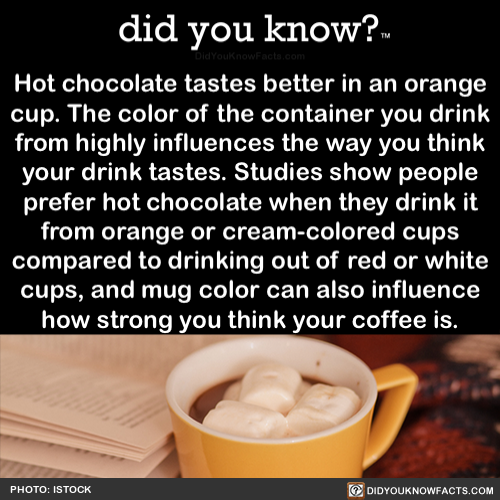
https://didyouknowfacts.com/facts/hot-chocolate-tastes-better-in-an-orange-cup-the-4/

hot-chocolate-tastes-better-in-an-orange-cup-the

This Day In History

blob:https://www.history.com/bf05c65a-6c38-4b1d-ac31-30f103c3360d

“Dracula” goes on sale in London

The first copies of the classic vampire novel Dracula, by Irish writer Bram Stoker, appear in London bookshops on May 26, 1897.

A childhood invalid, Stoker grew up to become a football (soccer) star at Trinity College, Dublin. After graduation, he got a job in civil service at Dublin Castle, where he worked for the next 10 years while writing drama reviews for the Dublin Mail on the side. In this way, Stoker met the well-respected actor Sir Henry Irving, who hired him as his manager. Stoker stayed in the post for most of the next three decades, writing Irving’s voluminous correspondence for him and accompanying him on tours in the United States. Over the years, Stoker began writing a number of horror stories for magazines, and in 1890 he published his first novel, The Snake’s Pass.

Stoker would go on to publish 17 novels in all, but it was his 1897 novel Dracula that eventually earned him literary fame and became known as a masterpiece of Victorian-era Gothic literature. Written in the form of diaries and journals of its main characters, Dracula is the story of a vampire who makes his way from Transylvania—a region of Eastern Europe now in Romania—to Yorkshire, England, and preys on innocents there to get the blood he needs to live. Stoker had originally named the vampire “Count Wampyr.” He found the name Dracula in a book on Wallachia and Moldavia written by retired diplomat William Wilkinson, which he borrowed from a Yorkshire public library during his family’s vacations there.

Vampires–who left their burial places at night to drink the blood of humans–were popular figures in folk tales from ancient times, but Stoker’s novel catapulted them into the mainstream of 20th-century literature. Upon its release, Dracula enjoyed moderate success, though when Stoker died in 1912 none of his obituaries even mentioned Dracula by name. Sales began to take off in the 1920s, when the novel was adapted for Broadway. Dracula mania kicked into even higher gear with Universal’s blockbuster 1931 film, directed by Tod Browning and starring the Hungarian actor Bela Lugosi. Dozens of vampire-themed movies, television shows and literature followed, though Lugosi, with his exotic accent, remains the quintessential Count Dracula. Late 20th-century examples of the vampire craze include the bestselling novels of American writer Anne Rice and the cult hit TV series Buffy the Vampire Slayer. The 21st century saw the wildly popular Twilight film and book series. 

Citation Information

Article Title

“Dracula” goes on sale in London

Author

History.com Editors

Website Name

HISTORY

URL

https://www.history.com/this-day-in-history/dracula-goes-on-sale-in-london

Access Date

May 26, 2020

Publisher

A&E Television Networks

Last Updated

May 21, 2020

Original Published Date

November 24, 2009BY HISTORY.COM EDITORS


    Did You Know?

    Loop In Back Of Shirt

    First of all, this doesn’t apply to garden-variety t-shirts. Surely, you own at least one nice, collared shirt that has this mysterious loop in the middle of your back. We actually have the Navy to thank for the loops on our shirts. Believe it or not, there isn’t a lot of closet space while you’re out at sea, so sailors would have loops on their shirts so they could just hang them on hooks. College kids in the 1960s also utilized the loops, as they could hang up their shirts and keep them neat and wrinkle-free while at the gym. Today, manufacturers put them on shirts as a sign of class and quality. Also, you may have noticed that young ladies sometimes pull the hooks of boys they like, so there is still a practical reason to have these on our shirts.

    Slow Carb Diet

    Many people successfully lose weight on diets only to see the pounds creep back on. Frustrating? Yes. Expected? Sadly, research says yes to that too. But not all diets are created equal. The Slow-Carb Diet, which focuses on noshing on a smaller range of foods, suggests followers will have an easier time shedding the pounds and keeping them at bay.a plate of food on a table: Can this diet help you as a runner or is it just another over-hyped diet preaching unhealthy eating practices?© Shana Novak – Getty Images Can this diet help you as a runner or is it just another over-hyped diet preaching unhealthy eating practices?

    Designed by self-improvement guru and best-selling author of books including The 4-Hour Chef and The 4-Hour Body (catch the theme?) Tim Ferriss, this addition to the plethora of diets focuses on eating a scaled backlist of acceptable foods that won’t promote fat storage, with the allowance for one cheat day a week. Adhere to a handful of guidelines including trimming your carb intake and ditching sweets, and proponents promise you’ll maximize the fat-burning potential of your body to spark weight loss. No calorie counting required.

    Using information he says is gleaned from self-experimentation and “the collective wisdom” of experts including physicians, Ferriss’ Slow-Carb Diet employs five main tenets. Let’s break them down and see if bringing them all together can indeed help you as a runner or if it’s just another over-hyped diet preaching unhealthy eating practices.

    Rule #1: Steer clear of “white” carbohydrates.

    Carb-loading can be a challenge on this diet since it instructs you to avoid what is referred to as “white” carbohydrates on diet days. This includes bread and pasta made from refined flour, white rice, cereals, baked goods, potatoes, and fried food with breading. There is also little room in the diet for whole grains like oats, as followers are instead encouraged to get their carbs from legumes and vegetables. Like the ketogenic diet, the Slow-Carb Diet seems to be based on the premise that eating fewer starchy and sugary carbs could aid weight loss by increasing the breakdown of fat for energy and increasing feelings of fullness.

    Need to Know: There is some merit to this guideline. After all, refined grains and sugary cereals aren’t as nutrient-dense as their less-processed counterparts and their lack of fiber could lead to the blood sugar fluctuations that contribute to fat gain. But users will also notice that it’s not just white carbs that are shunned, but whole-grains are also largely axed in the diet.

    “Whole grains have so many other nutrients and compounds that are important to our health that it would be a detriment to fully restrict them,” says Rebecca McConville, R.D., L.D., C.S.S.D., author of Finding Your Sweet Spot.

    And contrary to what many believe, a diet richer in whole grains—not fewer—have largely been shown to help in weight loss pursuits. The mechanisms could be many including their ability to increase satiety due to fiber and reduce fat absorption. “And once you cut out a food group like grains it makes it harder for athletes to get the calories and nutrients needed to sustain training,” notes McConville. “I find most athletes are under-fueling and cutting out grains will likely make this worse.”

    Your Move: It’s fine to limit the amount of white refined carbs on your dinner plate, but whole grains like quinoa and brown rice can provide you with vital nutrients and valuable energy to fuel your workouts, especially when consumed in appropriate portions.

    Rule #2: Eat the same meals from the same foods.

    The Slow-Carb Diet directs followers to obtain their daily calories from five main food groups: animal protein, non-starchy vegetables, legumes, fats, and spices. Each meal can consist of eating as much as you want of the first three food groups, plus smaller amounts of the last two. Calorie-counting is not required, instead, eat until you feel full. It’s recommended that you find a few simple meals you like and stick to them.

    According to Ferriss, the more options you have to choose from, the more likely you are to deviate from the plan. Compliant proteins include chicken, beef, fish, pork, eggs (particularly egg whites), and beans. For veggies, focus on non-starchy options such as spinach, broccoli, and asparagus. Fats can hail from avocado, nuts, and olive oil. Except for cottage cheese, consuming dairy is discouraged since it’s said the food group can raise insulin levels making fat loss more challenging. The big idea is to mix and match the allowed foods from each food group to build meals and then repeat these meals on most days.

    The emphasis is on high-protein meals, and snacking is generally frowned upon on the Slow-Carb Diet. The guidelines suggest that if you’re eating large enough portions of the permitted foods at the diet’s four meals per day, you should not be hungry for snacks.

    Need to Know: There are a few things to unpack here. Indeed, there is some research showing that reducing diet variety in overweight people could be an effective way to naturally slash calorie intake to encourage weight loss. Not to mention making meal planning and grocery shopping less onerous.

    On the flip side, beyond the risk of monotony, McConville points out that limiting foods like dairy makes it harder for athletes to get all the necessary calories and nutrients for optimal health and exercise recovery, not to mention it can fire up cravings.

    “When we cut out foods our brain will turn on mechanisms to ensure we get what we are deficient in. So the more we don’t allow ourselves to have particular foods, the more we think about them,” she says.

    There is only so much chicken breast and steamed broccoli you can eat before suffering palate burnout. And consider your breakfast options without oatmeal, yogurt, or toast. There is also a concern that this diet encourages the intake of large amounts of animal protein, which could set you up for an increased risk for heart disease, especially when it comes to eating lofty amounts of red meat and poultry.

    “Our bodies desire more balance,” McConville concludes. So it’s a good idea to ease up a bit on the animal protein intake in favor of plant-based proteins like beans, lentils, and tofu. (Often shunned by other diets like Paleo, legumes are given a green light in the Slow-Carb Diet, which is a bright spot.)

    “We know that beans and lentils offer runners a good mixture of carbs, protein, fiber, and many beneficial plant compounds, so I equate them with getting more bang for the buck,” says McConville.

    There are reasons to gravitate towards the diets high-protein recommendation at meals. For instance, a British Journal of Nutrition (BMJ) study found that increasing the amount of protein at breakfast can lead to sustained feelings of fullness when following a calorie-controlled diet. So bumping up your protein at breakfast could put the brakes on overeating later on in the day thereby contributing to weight loss. Another study showed that eating more protein can help preserve lean body mass when losing weight, and that is important for keeping your metabolism revving.

    Going heavy on non-starchy veggies is definitely a good thing as items like leafy greens are nutritional powerhouses. But McConville stresses that, like whole-grains, starchier veggies including carrots and beets is another example of a food that could offer us, runners, useful carbohydrates, fiber, electrolytes, and phytonutrients to aid in performance and recovery.

    Your move: It’s okay to focus on eating a handful of nutritious staples, and you should make sure to get enough protein at each meal, but as long as you choose the most nutritious options more often than not from all the food groups, including dairy, there is little harm in playing the field.

    Rule #3: Don’t drink your calories.

    This diet encourages people to guzzle plenty of water throughout the day and supplement this with only non-caloric beverages, such as black coffee and unsweetened tea. Drinks that deliver calories, including fruit juices, soda, milk, and non-dairy milk (like almond) are off the table. There is, however, an allowance for a nightly glass of wine, especially dry types as well as a bit of creamer in your morning cup of joe. The thought here is that caloric drinks are not as satiating and deliver less nutritional value than whole foods.

    Need to Know: For the most part, experts like McConville agree that getting most of your calories from foods not drinks is wise. Sipping water throughout the day will keep you hydrated, and research suggests doing so may help keep your hunger in check. There is also data to show that calories in liquid form are less satiating than calories in solid form, which could contribute to overeating. And certainly, sugar-sweetened beverages have been linked to weight gain. With that said, if you are running up a storm, the calories from the occasional glass of OJ or postworkout smoothie won’t do you any harm.

    Your move: “Strive to obtain most of your nutrition from foods first,” advises McConville. So instead of slamming the door shut on all caloric drinks as dictated by this diet, you could shoot for getting 90 percent of calories from solid food with about 10 percent hailing from liquid nutrition, such as milk or smoothies.

    Rule #4: Don’t eat fruit.

    Even though most dietitians will say that fruits are part of a balanced diet, it’s a common theme among carb-stingy diets to gang up on fruit, and the Slow-Carb Diet is no exception. It claims that this food group is not necessary and not helpful when you’re trying to lose weight.

    This idea is based on the belief that fructose, one of the sugars in fruits, could stymie the weight loss process by increasing blood fat levels and decreasing fat-burning capacity. Two exceptions are tomatoes and avocado, which are most often considered vegetables but are botanically fruits. To keep calorie intake in check, avocado consumption should be limited to one meal per day and no more than 1 cup.

    Need to Know: While consuming too many added sugars impacts your weight, the connection between the naturally-occurring sugars in fruit and midsection fat has not been found. In fact, investigations, such as this one in the journal Nutrients and this one in the publication Frontiers in Nutrition, show the opposite to be true: Daily servings of fruit can be an ally in weight loss.

    McConville explains that the amount of fructose in studies shown to lead to weight gain is much higher than you’d get with typical servings of fruit. “This is a perfect example of misconstrued research that still has lingering effects,” she says. Besides, any sugar in fruits like berries and apples come bundled with fiber and nutrients that runners need for performance and health, while their natural sugars help power your sprints. Without fruit and grains, it would be a challenge for runners to get the carbs they need from legumes and kale alone.

    Your Move: There is no reason why eating fruit can’t be part of an eating plan geared toward getting leaner or supporting your run training. The Dietary Guidelines for Americans suggest that we should eat at least two cups of fruit in our daily diet. The more you run the greater your fruit allowance can be.

    Rule #5: Take one day off each week.

    On this eating plan, you get one cheat day per week in what’s known as a “Dieters Gone Wild” day. Here, you’re encouraged to eat and drink whatever you want in whatever quantities your stomach desires. The diet author believes that one-day gluttony can provide psychological benefits, lessen cravings for vice foods on the other six days, and improve fat loss efforts by bumping up calorie intake once per week and making sure your metabolic rate doesn’t drop in the face of caloric restriction.

    Need to Know: There’s no real medical evidence for the assertion that single-day binges do much to maintain diet compliance or keep your metabolism revving along. “First off, the name in itself [Dieters Gone Wild or Cheat Day] creates a negative connotation and a heightened excitement creating an unhealthy relationship with food,” cautions McConville.

    “Cheat days also create even more categorization of foods into good versus bad, healthy versus unhealthy, which is a slippery slope for disordered eating,” she adds. If you can’t wait for an eat-what-you-want cheat day to come around, it’s a good sign that mentally you think the rest of your diet is restrictive or undesirable.

    Your Move: A better approach is to cut yourself some slack and scatter moderate amounts of your favorite foods throughout the week as part of an overall balanced, health-forward diet that supports your training. That way, you won’t be left with feelings of lingering guilt or be creating an unhealthy relationship with food.

    The Bottom Line:

    Yes, some have successfully lost weight and kept it off by following the rather straightforward eating guidelines of the Slow Carb Diet. But in many cases, rigid diets like this one, which leaves little room for a more balanced approach to eating, are a recipe for failure. You’ll likely drop pounds at the outset when following the diet’s blueprint, but that is the case with nearly any diet and research shows it rarely lasts. Plus, the restrictions may not sufficiently support your run training.

    Using data from 121 clinical trials, a report in The BMJ found that 14 popular diets led to modest weight loss and improvements in blood pressure at six months for overweight people, but by 12 months the effects on body weight and heart disease risk had largely disappeared. Really, for any diet to work it needs to be sustainable long-term, and this one may not be it.

    https://www.msn.com/en-us/foodanddrink/foodnews/what-is-the-slow-carb-diet-and-should-runners-even-consider-it/ar-BB13ZqDl?ocid=msedgntp

    Galveston Diet~ Hmm…

    The Galveston diet promotes veggies high in antioxidants like zucchini, cucumber, and broccoli. Shutterstock
    • The Galveston diet is designed specifically to help middle-aged women lose weight that they gained from menopause.
    • The diet is designed to reduce inflammation throughout the body to help aid weight loss.
    • The Galveston diet has a one-time fee, and one expert points out that there are other diets out there middle-aged women can follow to stay healthy for free.
    • This article was medically reviewed by Samantha Cassetty, MS, RD, nutrition, and wellness expert with a private practice based in New York City.

    Many women gain weight during middle age, particularly around the time of menopause. The Galveston diet, which was invented by Mary Claire Haver, MD, an OBGYN, aims to reverse this trend, using a diet plan consisting of lean proteins and low carbs.

    The Galveston diet is designed to help menopausal women lose weight by fighting inflammation rather than cutting calories. Despite many personal stories of success on the diet’s website, there are no scientific studies that prove this diet is any better at helping you lose weight than other healthy, balanced diets. Here’s what you need to know before trying the Galveston diet. 

    The Galveston diet is designed for menopausal women

    The Galveston diet is primarily designed to help you combat weight loss during menopause. However, it also offers advice on how to relieve other menopausal symptoms, like hot flashes.

    The crux of the diet is to reduce inflammation by limiting the hours in which you eat and cutting out foods that can trigger inflammation like gluten and sugar. 

    Foods to eat on the Galveston diet

    Here’s what you can eat while following the Galveston diet:

    Meats: Only lean proteins are allowed in order to avoid excessive saturated fat, which has been linked to weight gain.

    • Salmon
    • Lean turkey and chicken
    • Lean grass-fed beef

    Vegetables: Veggies that are low in starch and high in inflammatory-fighting antioxidants are encouraged.

    • Spinach
    • Zucchini
    • Tomatoes
    • Cucumbers
    • Celery
    • Broccoli
    • Cauliflower

    Fruits: Fruits that are lower in sugar and high in antioxidants are advised.

    • Blueberries
    • Raspberries
    • Strawberries

    Fats: The diet allows mainly unsaturated fats, which are a healthier choice for anyone trying to lose weight.

    • Avocado
    • Extra-virgin olive oil
    • Nuts and seeds

    Foods to avoid on the Galveston diet

    The only dairy product recommended is Greek yogurt because it has more protein than other yogurt varieties. Similarly, the only grain the diet includes is quinoa, again because it provides protein in addition to carbohydrates.

    While following the Galveston diet, you should avoid processed foods and food with added sugars. The website recommends entirely avoiding the middle aisles of the supermarket, where snacks and packaged foods are found.

    When to eat on the Galveston diet 

    The diet not only places strict limits on what you eat, but also when you eat. While following the diet, you are advised to do a daily version of intermittent fasting in which you restrict your eating to an 8-hour period, such as between 10 am and 6 pm, and fast for the remaining 16 hours.

    The intermittent fasting aspect of the diet is meant to help reduce inflammation and burn fat. In order to get all the details of the Galveston diet, you need to pay a one time fee of $59, which gives you access to a curriculum covering inflammation, hormones, and other health topics. There are also meal plans, recipes, and shopping lists available. 

    Should I try the Galveston diet?

    It’s important to make lifestyle changes when you hit menopause, says Stephanie Faubion, MD, MBA, director of the Mayo Clinic Center for Women’s Health. “Women need to be aware that if they don’t change something at menopause — eat less and exercise more — they will gain weight.”

    Though the diet has somewhat rigid restrictions, Faubion says that it does not seem to be harmful. However, she adds that paying a fee may not be worth it. “There are many diets that focus on lots of fruits, vegetables and whole grains and are low in saturated fat that women can follow, the Mediterranean being one.”

    The guidelines for what menopausal women should eat are not much different than for other women, Faubion says. However, “midlife women tend to gain a pound or two per year, and avoiding that weight gain is very important to avoid increased cardiovascular risk over time.”

    If you want to avoid rigid restrictions or paying for dietary guidelines, you may want to try a similar option like the Mediterranean diet.