Intermittent Fasting Plan For 7 days

Diet Mistakes~

1.Skipping meals.
Passing on breakfast or lunch to reduce the amount of calories you eat each day can seem like a shortcut to losing weight, and this strategy may lead you to drop a few pounds in the short term. But a study published in the Journal of Nutritional Biochemistry reports that skipping meals actually increases belly fat, so no matter what the scale says you end up looking like you’ve gained rather than lost weight.

Do: Eat small meals and snacks throughout the day to keep your metabolism working steadily–that’s the safe way to reduce calories.

2. Juicing instead of eating.
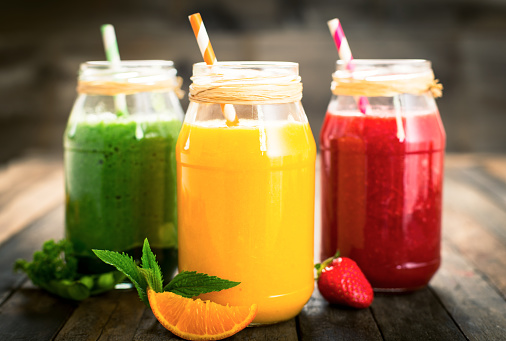
Many people today are trying juice “cleanses,” hoping to lose weight by replacing meals with fresh fruit and vegetable drinks. But juicing extracts the fiber in fresh produce that helps you feel full and it can increase your calorie intake. A cup of fresh pineapple, for instance, is about 83 calories, while a cup of pineapple juice is about 120 calories.

Do: Enjoy juice as an occasional between-meal snack, but not as a substitute for meals. And make vegetables the primary ingredients in juice, as they are lower in sugar and calories than fruit.

3. Choosing fat-free everything.
Many food brands try to appeal to dieters with fat-free products, such as salad dressing and snacks. But fat-free items often have as many or more calories as full-fat versions (because extra sugar has been added, for instance, to help with flavor). Even worse, researchers at Cornell University found that people who eat fat-free snacks tend to consume more calories than those who eat the standard versions because they make up the difference by consuming more of the food.

Do: Reduce your fat consumption by eating foods that are naturally low in fats but still filling, such as vegetables and fruit, and opt for healthy fat options like avocados and nuts. When selecting low-fat or fat-free products, check the sugar content on the item to ensure all of the fat hasn’t just been replaced by sugar. (Luckily, if you’re on a Nutrisystem program, you don’t have to worry about this one! All of our meals and snacks are prepared with the best balance of fat, protein, fiber and good carbs!).

https://leaf.nutrisystem.com/7-diet-mistakes-that-are-stalling-your-weight-loss/?utm_medium=email&utm_source=newsletter&utm_campaign=pno&utm_content=7dietmistakes

4. Eliminating carbs or fats.
Many fad diets claim that certain types of foods, most notably carbohydrates and fats, are the primary cause of excess weight gain and should be eliminated from your diet. But a study published in Cell Metabolism found that low-carb and low-fat diets do not lead to faster weight loss than eating a reduced-calorie diet that includes these food groups.

Do: Eat a well-balanced diet, that includes complex carbs (like whole grains and fresh fruit) and healthy fats (like avocados and nut butters) to ensure your body has the fuel it needs to keep you energized and your metabolism burning.

5. Underestimating portions.
Paying attention to the amount of food you consume is an important step in eating healthy to lose weight. But most of us are so conditioned by the enormous portions of food served in restaurants that we don’t accurately gauge the right amounts when we’re eating at home.

Do: Remember these simple rules of thumb for healthy portions: A baseball-size serving for chopped veggies and fruits; a golf ball for nuts and shredded cheese; a fist for rice and pasta; and a deck of cards for lean meats and fish.

6. Overeating after working out.
Regular exercise is important to your health and helps keep your body burning calories, but working out does stimulate your appetite and that can leading to overeating. The journal Obesity Review published an analysis of many studies which revealed that up to 50 percent of people trying to lose weight actually increased their daily calorie consumption when they begin an exercise routine.

Do: Stick to your healthy eating plan even when working out leaves you extra hungry. Your metabolism will adjust as your body adapts to the increased activity.

7. Expecting too much.
The first week or two of a diet can result in five or more pounds lost, a significant change that can be exciting for anyone who has struggled with excess weight. But after that initial drop, progress generally slows to a healthy one to two pounds lost each week. That can be discouraging, but remember that you are probably trying to reverse years of weight gain.

Do: Be patient. Slow but steady isn’t exciting, but a study by the National Institutes of Health found that those who lost at the healthy rate of one to two pounds per week were far more likely to keep the weight off than those who lost faster.

The Plant Paradox Diet

The Plant Paradox Diet

This is a summary and individual interpretation of the protocol outlined in Dr. Steven Gundry’s book The Plant Paradox. Please read the book for more in depth info on the Plant Paradox diet. Nothing in this article replaces medical advice from a licensed professional. Consult your doctor before making any dietary or lifestyle changes.People start the Plant Paradox DIET to put chronic disease in remission. They adopt the Plant Paradox LIFESTYLE to keep it in remission.Click To Tweet

The Plant Paradox diet is an eating protocol that eliminates certain dietary lectins, limits sugar in any form, and curbs high intake of polyunsaturated omega-6 fats. The diet kick-starts with a 3-day cleanse, wherein one repopulates the gut bacteria with leafy greens, cruciferous vegetables, clean protein, and good fats. Beyond those three days, there is a second phase where one eats only from the list of approved foods for at least six weeks.

–> Read more in depth about:

Dietary Lectins

Lectins are a type of protein found in almost every living thing. They serve multiple functions, the most relevant theory maybe that they protect a plant from predators (humans). Lectins have demonstrated that they are capable of something called molecular mimicry. This is a term for when the sequence of peptides on a dietary lectin mimic those of human molecules, thereby causing the immune system to cross-react, triggering autoimmune disease.

So, which lectins are capable of inciting our body to attack itself? Unfortunately, that will take decades and decades of research and trials to prove in a lab. Fortunately, there are researchers and theorists, like Dr. Gundry, who are already treating patients for disease by prescribing a diet that eliminates the biggest culprits. Hence, the “Plant Paradox” diet. Foods we thought were healthy are actually triggering inflammation and disease.

The NO List of High Lectin Foods

The following items are on the No list because they contain lectins that have, in clinical patient studies, demonstrated an ability to trigger inflammation:

Vegetables

  • legumes
  • peas and sugar snap peas
  • green beans
  • chickpeas
  • soy (except fermented)
  • tofu
  • edamame
  • soy protein
  • textured vegetable protein
  • beans and bean sprouts
  • lentils
  • potatoes

Nuts & Seeds

  • pumpkin
  • sunflower
  • chia
  • peanuts
  • cashews

Fruits (Culinary Vegetables)

  • cucumbers
  • zucchini
  • pumpkins
  • squashes
  • melons
  • eggplant
  • tomatoes
  • bell peppers
  • chili peppers
  • goji berries

Non-Southern European Cow’s Milk

The milk of most American cows contains a lectin-like, inflammatory protein called A-1 beta casein.

  • yogurt and frozen yogurt (especially Greek)
  • ice cream
  • butter
  • cheese
  • ricotta
  • cottage cheese
  • kefir
  • casein protein powders

Grain or Soybean Fed Animals

Not only can the meat of feedlot raised animals contain residual lectins, but the nutritional profiles of feedlot raised animals lack antioxidants and promote inflammation:

  • fish and shellfish
  • poultry
  • beef
  • lamb
  • pork

Sprouted Grains, Pseudo-Grains, and Grasses

  • wheat
  • einkorn wheat
  • kamut
  • oats
  • quinoa
  • rye
  • bulgur
  • all rice (white, brown, wild)
  • barley
  • buckwheat
  • kashi
  • spelt
  • corn and corn protein
  • popcorn
  • wheatgrass
  • barley grass

–> Click HERE for a printable list of high lectin foods to avoid.

Sign up to get my Plant Paradox recipes.

Sugar By Any Other Name

The Plant Paradox diet is not the first diet to curb sugar intake. It is, however, a first to lay claim that fruit–especially year-round–is not healthy. The days of “fruits & vegetables” occupying the same category on a food pyramid are over. In contrast, artificial sweeteners that are zero calories have made the No list because of their ability to incite an insulin response and alter gut bacteria.

The No List of High Sugar & Artificial Foods

Some items on the following list could be there for more than one reason, such as breads, crackers, and cookies made from wheat flour, for example. Due to the fact that grains are listed separately on the No list for lectin content, I’ve chosen to place some things on this High Sugar list.

Some things on this list may not contain lectins. Rather, they are listed because they spike blood sugar or–in the case of nonnutritive sweeteners–alter the gut bacteria (in a bad way).

Refined, Starchy Foods

The following foods are all refined, starchy, or both:

  • pasta
  • rice
  • potato chips
  • bread
  • tortillas
  • pastries
  • flours made from grains and pseudo-grains
  • cookies
  • crackers
  • cereal
  • corn starch

Sweeteners & Artificial Sweeteners

  • corn syrup
  • sugar (including juice and natural sugars)
  • agave
  • sucralose
  • acesulfame K
  • aspartame
  • sucralose
  • saccharin
  • neotame
  • diet drinks
  • maltodextrin

Fruit

Those following the Plant Paradox diet treat fruit as seasonal candy. It may contain vitamins and nutrients, but it packs a lot of sugar. Because of this, fruits out of season–and some altogether–make the No list.

  • all fruits (except avocados, olives, and those in season on the Yes list)
  • ripe bananas
  • ripe mangos
  • melons (also on the No list for lectin content)

–> Click HERE for a printable list of high sugar foods to avoid.

Bad Fats

Fat is only bad if you’re eating the wrong kind of fat (with a lot of sugar). Also, different fatty acids perform unique & necessary functions within the body’s cells. Furthermore, studies show that a near 1:1 ratio of omega-3 to omega-6 is associated with a decreased risk of almost any chronic disease. For this reason, The Plant Paradox diet prohibits the western diet seed and vegetable oils to make way for crucial inflammation-fighting omega-3 fatty acids.

The No List of High Omega-6 Oils

The following oils are on the Plant Paradox diet No list. Even more if they are expeller-pressed (may contain residual lectins):

  • soy
  • grape seed
  • corn
  • peanut
  • cottonseed
  • safflower
  • sunflower
  • anything partially hydrogenated (trans fat)
  • vegetable
  • canola

Get my Plant Paradox pantry checklist HERE.

The Plant Paradox Lifestyle

Above all, the most important part of the Plant Paradox diet is eliminating the foods on the No list. However, there is an additional No list of substances in our everyday environment that can be detrimental to our long-term health. Certainly, those who go above and beyond to eliminate these substances adopt the Plant Paradox lifestyle of bodily and environmental healing.

Endocrine & Bacterial Disruptors

The following items are major culprits in destroying good gut bacteria and disrupting the endocrine system. If it seems like these things are impossible to eliminate because they’re everywhere, don’t get overwhelmed. Start by making small changes to your environment. Maybe consult with your doctor about gut and hormone-friendly alternatives to the following:

  • broad-spectrum antibiotics
  • non-steroidal anti-inflammatory drugs (NSAIDs)
  • stomach acid-blockers
  • endocrine disruptors (found in plastics, personal care products, and processed foods)
  • genetically modified foods
  • herbicide Roundup
  • exposure to blue light (from electronic devices)

–> Click HERE for a full printable list of endocrine disruptors to avoid.

Lifestyle Recommendations

The reward is in the long journey, not the quick fix. The Plant Paradox lifestyle calls for us to continue to make additional tweaks. As a result, we reap long-term health benefits that prevent disease and promote longevity. These are:

  1. Increase ketogenic fats (MCT, coconut oil).
  2. Stop snacking, giving the gut, brain, and mitochondria time to rest between meals.
  3. Reduce animal protein to no more than 2 ounces per day.
  4. Practice intermittent fasting: there are many ways to do this.
  5. Get outside for an hour each day, around midday.
  6. Exercise regularly (not too strenuously, though).
  7. Avoid blue light from electronics in the evenings.

      Keto~Maybe Not?

      There are so many fads and diets out there in our world. We can all agree that there is no one specific diet or fad that works the same in every person who tries it. I choose to eat no specific way just healthier. I try a little this and a little that when it comes to diets or fads. I post a lot of Keto recipes because they are delicious and I think, healthy given an option. I do not stand solely behind one way or the other when we talk in terms of diets or fads. I just share information with you. There are differing opinions on the Keto diet and I am sharing one of them today. So don’t unfollow me or think I have gone off the deep end. I am merely trying to help people with options and information that is available.

      MwsR

      Always check with your physician before starting or stopping something that could potentially harm your health.

      Continue reading Keto~Maybe Not?

      Foods That Help You Lose

      If you are trying to lose excess weight and maintain the body figure, you should know that there are some foods which will be of great help, and will not lead to weight gain.

      These foods are also high in fiber, but low in calories, so they will keep you full long, without contributing to the accumulation of fat in the body.

      Always make sure your diet is well-balanced.

      Celery – Celery stems contain 95% water, so they detoxify the body
      Eggs – You can eat as many boiled eggs as you want, and still not gain weight.

      Melon and watermelon – A slice of these fruits contains 60 to 70 calories, but it detoxifies the body, leads to satiety, and removes excess fluids.

      Cucumber – Cucumbers are excellent if you want to lose weight, as they help you burn calories and reduce bloating.

      Cauliflower, cabbage, broccoli –These vegetables are rich in nutrients which interact with iodine and make sure you consume them twice a week.

      Eggplant – You can eat as much baked or grilled eggplant, as a portion of eggplant free of oil contains only 24 kcal.

      Salad – Salads are high in folic acid. For instance, a lettuce leaf contains only 3 kcal, so you can eat as much as you want without gaining weight.

      Strawberry, cranberry – These fruits are rich in vitamin C, and eliminate the accumulated fluids from the body. Strawberries also boost digestion and promote heart health.

      Pineapple – Pineapples split fats and aid the metabolism of protein, due to the bromelain they contain.

      Zucchini – Zucchini help the function of the intestines and are low in calories, so they are great for losing extra pounds. A portion of zucchini contains only 42 kcal.

      Popcorn – Prepare popcorn without any butter or sugar, and you can have as much as you want. A cup of popcorn free of sugar and butter contains only 31 kcal.

      Algae – Algae are high in iodine, so they normalize the function of the thyroid and prevent weight gain.

      Beetroot – An average portion of this vegetable has only 40 kcal, but it is a rich source of nutrients, like manganese, which burns calorie and regulates blood sugar levels.

      Microbiome Info

      What is The Microbiome Diet?

      This is the first diet of it’s kind, based upon cutting edge scientific breakthroughs to heal and replenish the microbiome.  When the microbiome flourishes so do we, however when it’s out of balance, a state called dysbiosis, our health begins to falter. The Microbiome Diet was created with the specific focus of nourishing friendly, protective bacteria, while pruning species that have overgrown healthy limits. This approach not only improves function through the entire body, it raises the bar on what it means to actually be healthy. Patients frequently report benefits in systems and areas that seem completely disconnected from gut health.  All roads lead to the microbiome and all health stems from a vibrant, thriving ecosystem.

      Microbiome Basics

      1) As much as 90% of the cells in your body are actually bacterial, not human!

      2) The vast majority of species are helpful and necessary for both life and health, including those that may become pathogenic when overgrown.  In the right balance, most strains contribute to the health of the whole. (So let’s maintain balance!)

      3) The microbiome produces Short Chain Fatty Acids (SCFA) which are used as a fuel source by cells of the intestine, promote the growth of healthful strains of bacteria, decrease inflammation, improve the immune system, boost brain function, balance mood, and even alleviate anxiety.

      4) Neurotransmitters are chemical messengers transmitting information through the brain and body, influencing the way we think and feel, plus they’re made by bacteria!

      5) They produce natural antibiotics and vitamins to protect and nourish us.

      6) Microbes regulate metabolism.  

      7) The immune system and microbiome live together in the intestine and are inextricably intertwined.  The health of one depends on the health of the other.

      Microbiome Diet Basics

      While we’ll go much deeper into the specifics of The Microbiome Diet in part two, here are some of the basic principles of eating for the overall health of your microbiome.

      1) Load up on plant foods that heal your gut and support the microbiome.

      2) Avoid foods that are inflammatory and trigger imbalances in the gut microbiome.

      3) Consume foods loaded with natural probiotics, which replenish the microbiome.

      4) Consume foods containing prebiotic fibers to nourish healing bacteria.

      https://kellmancenter.com/2016/11/the-microbiome-diet-101-part-1/5) Certain herbs, spices, and compounds are beneficial and can improve the overall health of both your intestine and bacteria.

      More About Microbiome Diet


      The Microbiome and Our Genes

      Researchers often speak about the microbiota as the full collection of genes and microbes living within a community, in this case the community that inhabits our guts. According to the University of Utah Genetic Science Learning Center, “the human microbiome (all of our microbes’ genes) can be considered a counterpart to the human genome (all of our genes). The genes in our microbiome outnumber the genes in our genome by about 100 to 1.” (14)

      You might have learned in school when you were younger that all human beings actually have very closely related genetic codes, even though we are all so different-looking as a species. What’s amazing is that each of our gut microbiomes is vastly different. One of the most amazing things about the microbiome is how different it can be from one person to another.

      Estimates of the human gene catalog show that we have about 22,000 “genes” (as we normally think of them) but a staggering 3.3 million “non-redundant genes” in the human gut microbiome! The diversity among the microbiome of individuals is phenomenal: Individual humans are about 99.9 percent identical to one another in terms of their host genome but usually 80 percent to 90 percent different from one another in terms of the microbiome.

      Today, researchers are rapidly working on better understanding the microbiome in order to help prevent, cure or treat symptoms of all sorts of diseases that might stem back to the community living within each of us. DNA-sequencing tools are helping us uncover various bacterial strains and how they might hinder or help the immune system. This effort is part of the Human Microbiome Project, done by the Data Analysis and Coordination Center for the National Institutes of Health. The goal is to “characterize microbial communities found at multiple human body sites and to look for correlations between changes in the microbiome and human health.” (15)

      While some bacteria contribute to diseases, many do not. In fact, there are lots of bacterial strains we could benefit from having more of. At the same time, having certain diseases can negatively impact the microbiome, although we still have a lot to learn about how this happens exactly. The more we can come to understand how bacteria in the microbiome affect our genes and predispose us to diseases, the better we can personalize treatment approaches and prevent and manage diseases before they’re life-threatening.


      The Microbiome Key Takeaways

      • Microbiota are the trillions of bacterial organisms that live inside our bodies. The  whole community of these bacteria is called the microbiome.
      • Our gut is a central location of the microbiome, where the large majority of bacteria live.
      • Poor gut health is tied to nearly every disease there is in some way, because this is where much of our immune system lives and where inflammation often begins.
      • By improving your diet, eating plenty of anti-inflammatory foods and probiotics, lowering stress, and exercising regularly, you can support your body’s microbiome.

      How Else Can You Establish a Strong Microbiome?

      1. Avoid Antibiotics as Much as Possible

      Antibiotics have been commonly prescribed for over 80 years now, but the problem is that they eliminate good bacteria in addition to cleaning the body of dangerous “germs,” which means they can lower immune function and raise the risk for infections, allergies and diseases. While antibiotics can save lives when they’re truly needed, they’re often overprescribed and misunderstood.

      Over time, dangerous bacteria can become resistant to antibiotics, making serious infections harder to fight. (4) Before taking antibiotics or giving them to your children, talk to your doctor about alternative options and the unintended consequences to our microbiomes that can result from taking antibiotics too often and when they aren’t needed.

      2. Lower Stress and Exercise More

      Stress hinders immune function because your body diverts energy away from fighting off infections and places it on primary concerns that keep your alive — which is one reason why chronic stress can kill your quality of life. When your body thinks it’s facing an immediate danger, you become more susceptible to infections and experience more severe symptoms while also developing higher levels of inflammation.

      Stress causes immune compounds known as cytokines to contribute to the inflammatory response that damages healthy cells. Exercise is a natural stress reliever that can help lower inflammation, balance hormones and strengthen the immune system.

      3. Add Supplements

      Co-enzyme Q10, carotenoids, omega-3 fish oil, selenium and antioxidants (vitamins C, D and E) can help keep free radical damage from disturbing micrbiota gut health.


      What Diseases Are Connected to the Microbiome?

      The microbiome is a lot like Earth’s ecosystems, meaning as its conditions change, so do the organisms that inhabit it. Microbes interact with one another within the community they live in (our gut), plus they change in concentration depending on their surroundings — which means your diet, lifestyle, use of medications/antibiotics and environment really impact your gut health. At the forefront of how your gut microbiome determines whether or not you’ll deal with various illnesses is inflammation.

      Inflammation is the root of most diseases. Studies show that an anti-inflammatory lifestyle is protective over brain neurons, balances hormones, fights the formation of tumors and has mood-enhancing benefits. While you might not think that gut health impacts your mood and energy much, think again. Gut-friendly bacteria can help manage neurotransmitter activity, which makes them natural antidepressants and anti-anxiety organisms. Instead of taking anti-inflammatory medications to manage illnesses like arthritis or heart disease, we’re much better off reducing inflammation in the body.

      Poor gut health is tied to dozens of diseases, especially:

      • Autoimmune diseases (arthritis, inflammatory bowel disease, Hashimoto’s disease, etc.): Autoimmune disorders develop when the body’s immune system goes awry and attacks its own healthy tissue. Inflammation and autoimmune reactions largely stem from an overactive immune system and poor gut health. Leaky gut syndrome can develop, which results in small openings in the gut lining opening up, releasing particles into the bloodstream and kicking off an autoimmune cascade.
      • Brain disorders/cognitive decline (Alzheimer’s, dementia, etc.): Inflammation is highly correlated with cognitive decline, while an anti-inflammatory lifestyle has been shown to lead to better memory retention, longevity and brain health. We now know there are multiple neuro-chemical and neuro-metabolic pathways between the central nervous system/brain and microbiome/digestive tract that send signals to one another, affecting our memory, thought patterns and reasoning. (5) Differences in our microbial communities might be one of the most important factors in determining if we deal with cognitive disorders in older age.A 2017 study by the University of Pennsylvania also found a relationship between the gut microbiome and the formation of cerebral cavernous malformations (CCMs), which can cause stroke and seizures. Researchers observed that in mice, the activation of TLR4, a receptor for lipopolysaccharide (LPS) — a bacterial molecule — on brain endothelial cells by LPS greatly accelerated CCM formation. When mice were then observed in a germ-free environment, CCM formation greatly decreased, illustrating the effects of bad bacteria and the microbiome on cerebral cavernous malformations. (7)
      • Cancer: Many studies have shown a link between gut health and better protection from free radical damage, which causes brain, breast, colon, pancreatic, prostate and stomach cancers. Microbes influence our genes, which means they can either promote inflammation and tumor growth or raise immune function and act as a natural cancer treatment. An anti-inflammatory lifestyle can also help lower serious side effects of cancer treatments (like chemotherapy). (8)
      • Fatigue and joint pain: Certain bacteria within our digestive tracts contribute to deterioration of joints and tissue. Research shows that a healthier gut environment helps lower the risk for joint pain, swelling, and trouble moving in people with osteoarthritis and inflamed joints. Some studies have found that patients with psoriatic arthritis (a type of autoimmune joint disease) have significantly lower levels of certain types of intestinal bacteria and that patients with rheumatoid arthritis are more likely to have other strains present. (9)
      • Mood disorders (depression, anxiety): Ever hear of the “gut-brain connection”? Well here’s how it works: Your diet affects your microbiome and neurotransmitter activity, and therefore how you feel, your ability to handle stress and your energy levels. (10) Dietary changes over the last century — including industrial farming, the use of pesticides and herbicides, and the degradation of nutrients in foods — are the primary forces behind growing mental health issues like depression. Low nutrient availability, inflammation and oxidative stress affect the neurotransmitters dopamine, norepinephrine and serotonin, which control your moods, ease tension and raise alertness. It’s also a two-way street when it comes to your gut and mood: Poor gut health contributes to mood problems, and high amounts of stress also damage your gut and hormonal balance.A 2017 study illustrated the correlation between gut health and depression. Researchers studied 44 adults with irritable bowel syndrome and mild to moderate anxiety or depression. Half of the group took the probiotic Bifidobacterium longum NCC3001, and the other was given a placebo. Six weeks after taking probiotics daily, 64 percent of the patients taking the probiotic reported decreased depression. Of the patients taking a placebo, only 32 percent reported decreased depression. (6)
      • Learning disabilities (ADHD, autism): Our bodies are interconnected systems, and everything we put in them, expose them to or do to them affects the whole person, including their growth, development and mental capabilities. ADHD and other learning disabilities have been tied to poor gut health, especially in infants and children. (11) We are continuing to learn how our neurodevelopment, cognition, personality, mood, sleep and eating behaviors are all affected by the bacteria that reside within our guts. There seems to be an association between diet and psychiatric disorders due to metabolites of dietary components and enzymes encoded in our human genome that inhabit our guts. One of the most important factors seems to be establishing a healthy microbiome from birth, including a vaginal delivery ideally and being breastfed, which populates the newborn’s gut with the mother’s healthy bacteria.
      • Infertility and pregnancy complications: We first start establishing our microbiomes at exactly the points we are born, and our environment continues to manipulate the bacteria within us for the remainder of our lives. As we age and change, so do our microbiota. This is both good and bad news. It means some of us might already be at a disadvantage if we were exposed to high amounts of bad bacteria or antibiotics at a young age, especially if we were also being withheld from good bacteria that we receive through being breastfed. At the same time, a healthy pregnancy, delivery and period of being breastfed can set the stage for a strong immune system. (12)
      • Allergies, asthma and sensitivities: Certain beneficial bacteria lower inflammation, which lessens the severity of allergic reactions, food allergies, asthma or infections of the respiratory tract. (13) This means stronger defense against seasonal allergies or food allergies and more relief from coughing, colds, the flu or a sore throat. An anti-inflammatory diet helps prevent susceptibility to leaky gut syndrome and helps eliminate phlegm or mucus in the lungs or nasal passages, which makes it easier to breathe.
      The microbiome diet - Dr. Axe

      What Is the Human Microbiome?

      Each of us has an internal complex ecosystem of bacteria located within our bodies that we call the microbiome. The microbiome is defined as as “community of microbes.” The vast majority of the bacterial species that make up our microbiome live in our digestive systems.

      According to the Department of Chemistry & Biochemistry at the University of Colorado, “the human microbiota consists of the 10–100 trillion symbiotic microbial cells harbored by each person, primarily bacteria in the gut. The human ‘microbiome’ consists of the genes these cells harbor.” (1)

      Our individual microbiomes are sometimes called our “genetic footprints” since they help determine our unique DNA, hereditary factors, predisposition to diseases, body type or body “set point weight,” and much more. The bacteria that make up our microbiomes can be found everywhere, even outside our own bodies, on nearly every surface we touch and every part of the environment we come into contact with. (2)

      The microbiome can be confusing because it’s different than other organs in that it’s not just located in one location and is not very large in size, plus it has very far-reaching roles that are tied to so many different bodily functions. Even the word “microbiome” tells you a lot about how it works and the importance of its roles, since “micro” means small and “biome” means a habitat of living things.

      It’s been said by some researchers that up to 90 percent of all diseases can be traced in some way back to the gut and health of the microbiome. Believe it or not, your microbiome is home to trillions of microbes, diverse organisms that help govern nearly every function of the human body in some way. The importance of our gut microbiome cannot be overstated: Poor gut health can contribute to leaky gut syndrome and autoimmune diseases and disorders like arthritis, dementia, heart disease, and cancer, while our health, fertility and longevity are also highly reliant on the balance of critters living within our guts.

      Throughout our lives, we help shape our own microbiomes — plus they adapt to changes in our environment. For example, the foods you eat, how you sleep, the amount of bacteria you’re exposed to on a daily basis and the level of stress you live with all help establish the state of your microbiota.

      The Microbiome Diet: Eating to Support Immunity and Lower Inflammation

      Your diet plays a big part in establishing gut health and supporting your microbiome’s good bacteria. Research over the past several decades has revealed evidence that there’s an inextricable link between a person’s microbiota, digestion, body weight and metabolism. In an analysis of humans and 59 additional mammalian species, microbiome environments were shown to differ dramatically depending on the specie’s diet.

      The flip side is also true: Your gut health can impact how your body extracts nutrients from your diet and stores fat. Gut microbiota seem to play an important role in obesity, and changes in bacterial strains in the gut have been shown to lead to significant changes in health and body weight after only a few days. For example, when lean germ-free mice receive a transplant of gut microbiota from conventional/fat mice, they acquire more body fat quickly without even increasing food intake, because their gut bugs influence hormone production (like insulin), nutrient extraction and fat (adipose tissue) storage. (3)

      Now that you can see why it’s critical to lower inflammation and support gut health, lets’s take a look at how you can go about this.

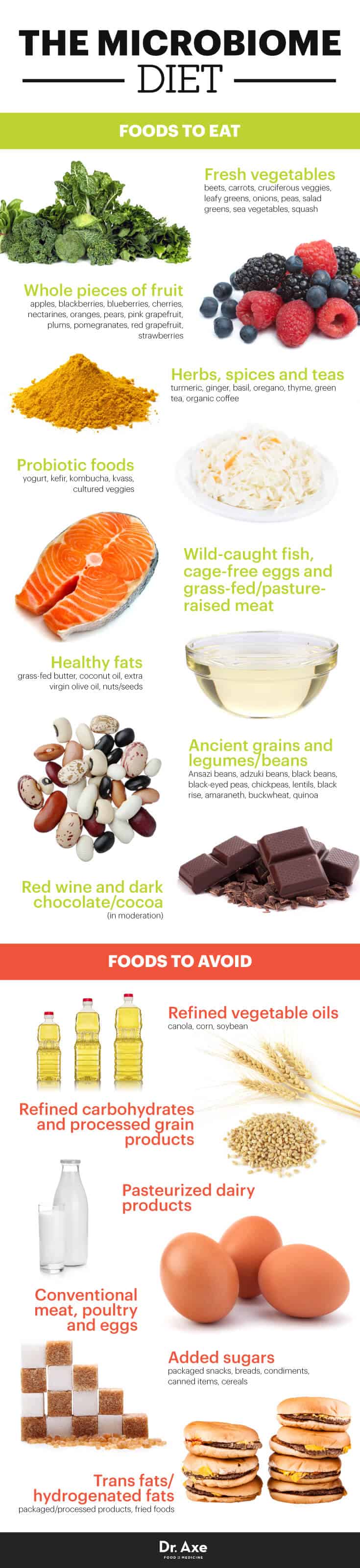
      Foods that promote inflammation include:

      • Refined vegetable oils (like canola, corn and soybean oils, which are high in pro-inflammatory omega-6 fatty acids)
      • Pasteurized dairy products (common allergens)
      • Refined carbohydrates and processed grain products
      • Conventional meat, poultry and eggs (high in omega-6s due to feeding the animals corn and cheap ingredients that negatively affect their microbiomes)
      • Added sugars (found in the majority of packaged snacks, breads, condiments, canned items, cereals, etc.)
      • Trans fats/hydrogenated fats (used in packaged/processed products and often to fry foods)

      On the other hand, many natural foods can lower inflammation and help increase good bacteria in the gut. High-antioxidant foods help reduce gut damage caused by oxidative stress and turn down an overactive immune system while safeguarding healthy cells. Anti-inflammatory foods that should be the base of your diet include:

      • Fresh vegetables (all kinds): loaded with phytonutrients that are shown to lower cholesterol, triglycerides and symptoms of rheumatoid arthritis, Alzheimer’s disease, cancer, cardiovascular disease and diabetes. Aim for variety and a minimum of four to five servings per day. Some of the best include beets; carrots; cruciferous vegetables (broccoli, cabbage, cauliflower and kale); dark, leafy greens (collard greens, kale, spinach); onions; peas; salad greens; sea vegetables; and squashes.
      • Whole pieces of fruit (not juice): Fruit contains various antioxidants like resveratrol and flavonoids, which are tied to cancer prevention and brain health. Three to four servings per day is a good amount for most people, especially apples, blackberries, blueberries, cherries, nectarines, oranges, pears, pink grapefruit, plums, pomegranates, red grapefruit or strawberries.
      • Herbs, spices and teas: turmeric, ginger, basil, oregano, thyme, etc., plus green tea and organic coffee in moderation.
      • Probiotics: Probiotic foods contain “good bacteria” that populate your gut and fight off bad bacterial strains. Try to include probiotic foods like yogurt, kombucha, kvass, kefir or cultured veggies in your diet daily.
      • Wild-caught fish, cage-free eggs and grass-fed/pasture-raised meat: higher in omega-3 fatty acids than farm-raised foods and great sources of protein, healthy fats, and essential nutrients like zinc, selenium and B vitamins.
      • Healthy fats: grass-fed butter, coconut oil, extra virgin olive oil, nuts/seeds.
      • Ancient grains and legumes/beans: best when sprouted and 100 percent unrefined/whole. Two to three servings per day or less is best, especially Ansazi beans, adzuki beans, black beans, black-eyed peas, chickpeas, lentils, black rice, amaranth, buckwheat, quinoa.
      • Red wine and dark chocolate/cocoa in moderation: several times per week or a small amount daily.

      Paleo Diet Info

      See the source image