No backup
No help
Like a cumbersome welp
So lonely
So sad
Feelings that make me mad
Maybe someday
Maybe never
Perhaps will last forever.
MwsR
No backup
No help
Like a cumbersome welp
So lonely
So sad
Feelings that make me mad
Maybe someday
Maybe never
Perhaps will last forever.
MwsR
It hurts, but I can’t bleed
My own feelings, that I hold down deep.
Love I hold, keeps me a prisoner
Those with boldness, destructors
Hurts like a boil, mine
Festers up each time
No escape, no reprieve
Why am I the only one who can see?
Perhaps my curse, their will is my stone
Even here in my own home.
MwsR


Growing vegetables upside down offer advantages such as easy harvest, avoidance of soil-borne diseases, saving space in your in-ground garden, larger harvests and better air circulation for the plants. The planters can be hanged just about anywhere, even in places where it may not be possible to grow a traditional garden, such as an apartment balcony, patio, roofline, or suspended on hooks near a flowerbed or along a walkway.

Tomatoes thrive when planted upside down. Many home gardeners report bigger yields from the hanging plants compared to those planted in the ground. Compact tomato plants do best in upside down planters, as well as those that produce smaller tomatoes. Larger plants tend to produce roots that will not fit well within the container and long stems are likely to be when hanging. Those that produce large fruit may become too heavy and cause damage to the plant. Varieties that produce cherry or grape tomatoes work well. Roma tomatoes, which are large enough for slicing, but not as large as many other types, also work well.

Cucumbers are ideal for growing upside down because of their vining habit and light weight. Compact varieties do best in such containers. Look for cucumbers that have a bushing habit, or are determinate, meaning they will not spread out in long vines. Those labeled compact are also usually determinate. The largest varieties of cucumbers that have a vining habit may have trouble in an upside down container without some sort of support for the vines. Many pickling cucumbers have a bushing habit, but varieties like Spacemaster, Salad Bush or Slice More, can also result in high yields when grown upside down. Since cucumbers are susceptible to many soil-borne diseases, growing them in containers can eliminate these problems.

Heat-loving peppers are probably more suited for growing upside down than just about any other vegetable. They thrive and produce best when the soil is especially warm, and the soil in a hanging container gets especially warm in the summer. Since most pepper plants remain small compared to tomatoes and cucumbers, the size of the mature plant is not as important as the size of the adult pepper. Some larger peppers, like bell peppers, may not be ideal for hanging upside down. Also, most bell peppers have stalks that are more fragile than other types of peppers, and they could break easily if bumped while hanging. Varieties like jalapeño, habañero, cayenne, sweet cherry and tabasco are highly suited to growing upside down.

Growing squash upside down requires careful selection of plants. Like other vegetables to be grown upside down, the plants must be compact and the vegetable produced must not be too big or weigh too much. Some mid-size squash may be grown upside down if it does not weigh too much or if support is given to the maturing squash. Varieties best suited for growing upside down are table gold acorn, cream of the crop acorn and gem squash. Small pumpkins can even be grown upside down, if you are careful to make sure the vines do not break. Snack Jack and Baby Boo are two varietes small enough to grow in hanging containers.
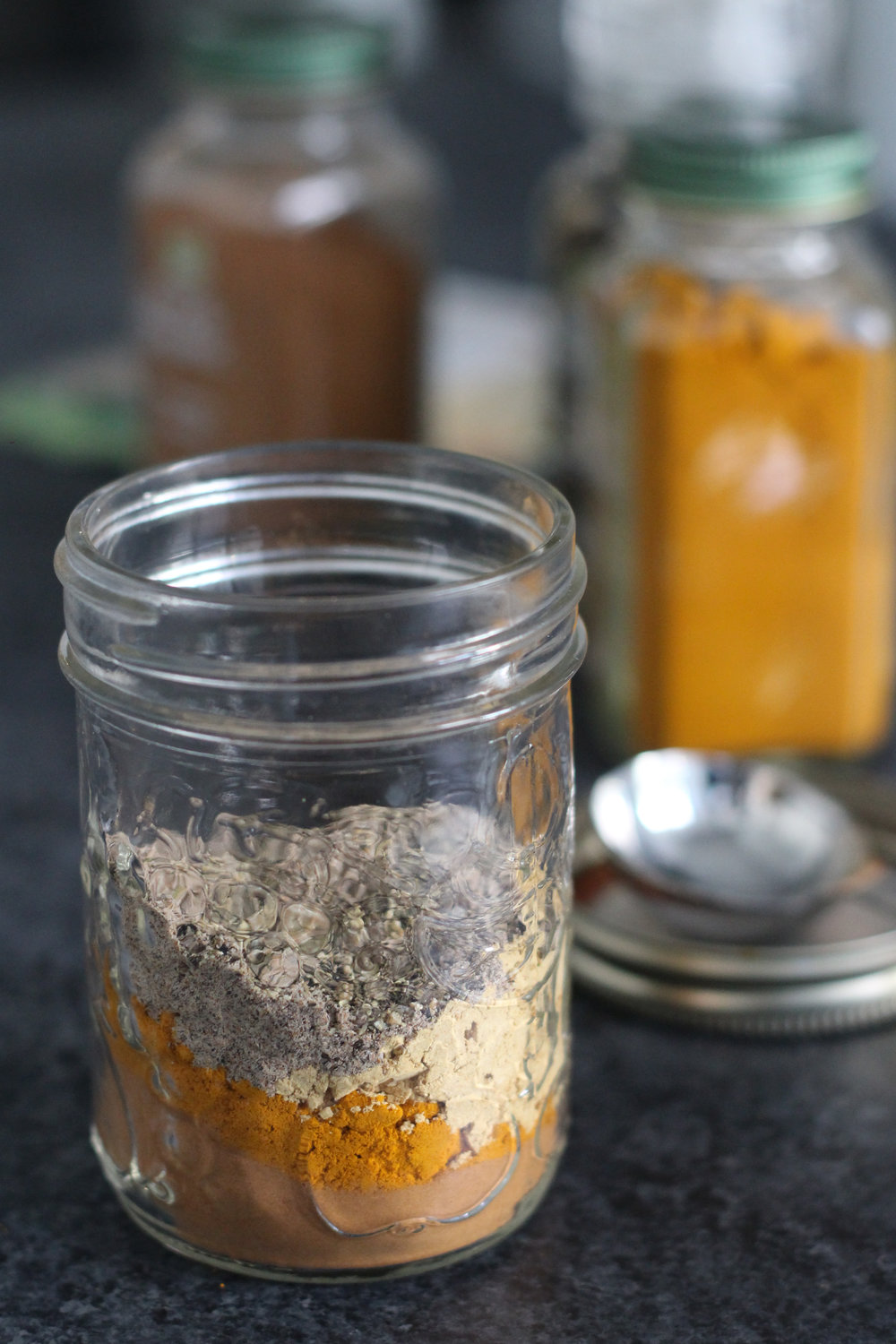
Ingredients
4 tablespoons ground turmeric
3 tablespoons ground cinnamon
2 tablespoons ground ginger
3 teaspoons ground cardamom
1/2 teaspoon ground black pepper
Directions
Add all ingredients to a small mason jar and shake them up until everything is mixed well!
To Make a Latte
Add 1 rounded teaspoon of the mix to 1 cup plant-based milk of choice (it’s the best with oat milk, trust me!) and 1/2-1 tablespoon of maple syrup. Either combine everything in your milk frother and turn it on or combine in a small saucepan and heat it up, whisking until it’s steamy.
Enjoy your spicy, sweet, creamy cup of anti-inflammatory deliciousness!

Memory loss and confusion are among the most frightening aspects of aging: Is it a sign of dementia? Alzheimer’s disease? A new study from the University of Toronto suggests that at least some forgetfulness may be due to hearing troubles.
The research, published in the Canadian Journal on Aging, analyzed cognitive screens in a group of elderly people who were complaining about forgetfulness and other mental processing issues that suggest dementia. The researchers found that while most of the patients’ brains were functioning fine—it was their hearing that was suspect. Yet only 20 percent were wearing a hearing aid. The researchers point out that you can’t remember something you never heard. Plus, following directions is tough if you can’t hear them. Look out for the 5 signs of hearing loss many people ignore.
The Canadian research builds on previous studies linking hearing loss to dementia. If you feel like your memory is giving you trouble, talk to your doctor about a hearing screen. According to a report on the study, people that have untreated hearing loss could eventually lead to dementia. People who have trouble communicating are at risk for social isolation and loneliness—conditions that can contribute to dementia. Only a fraction of the people who need hearing aids wear them—it’s a national healthcare crisis.

Recipe By LAURENMU “You will never want to eat frozen veggie burgers again. These are so easy, and you’ll be proud to have created such a vegetarian delight.”
ALL RIGHTS RESERVED © 2019 Allrecipes.com
Printed From Allrecipes.com 3/6/2019
 Mws R Writings