Keto Rash

Keto Rash Is the Latest Side Effect of the Low-Carb Diet—Here’s How to Treat It

On the keto diet? Experts explain how to keep your skin from breaking out. By Samantha Lauriello/HEALTH.COM

 cleanString alt

GETTY IMAGES

When it comes to the keto diet, you either love it or you hate it. But even the biggest keto devotees admit that the high-fat, low-carb plan can have some unwanted side effects (think stinky breath, diarrhea, and flu-like symptoms).

Lately, we’ve been hearing about a new side effect to add to the diet’s rap sheet, and it’s called keto rash. Here’s everything we know about this red, itchy body rash some keto followers wind up with, including the main symptoms and most effective treatments.

Keto rash symptoms

Keto rash, officially known as prurigo pigmentosa, is a rare form of dermatitis, or skin inflammation. It appears as raised, red, itchy bumps on the skin that take on a web-like appearance. The rash may resemble contact dermatitis, or an allergic reaction, but it can be distinguished by the brownish discoloration of the skin that remains after the inflammation subsides. Keto rash can show up anywhere on the body, but it’s more common on the chest, back, and neck.

What about the keto diet causes it?

Experts aren’t sure, but there are a few theories. “Because the keto diet is 75% to 90% fat, people may be eating large quantities of common allergens, including dairy, eggs, and seafood,” Cynthia Sass, RD, Health contributing nutrition editor, tells Health. “These foods can also be triggers of food sensitivities, which are non-allergic reactions that cause the immune system to release inflammatory compounds which in turn lead to reactions, including skin inflammation and joint pain.”

Another possible cause, according to Sass, is that the diet’s lack of fiber and plant-based foods alters gut bacteria in a way that increases the production of inflammatory compounds. “A high intake of red meat, another common pattern in a keto diet, can do the same,” she adds. Yet another theory has it that the keto diet exposes the body to a larger chemical load, thanks to the emphasis it places on meat and dairy.

“In my opinion, keto rash is a sign that your body is not responding well to the keto diet,” she says.

How to treat keto rash

In many cases, keto rash can be eased by adding carbs back into your diet. But if you’re not ready to give up on keto, Sass advises that you “prioritize plant-based monounsaturated fats, like extra virgin olive oil and avocado, over cream and butter.” She also suggests eating at least five cups of veggies per day, adding back a few servings of fresh fruit, limiting or eliminating red meat, and consuming small portions of nutrient- and fiber-rich whole carbs, such as lentils, quinoa, potatoes, and oats.

Debra Jaliman, MD, New York City-based dermatologist, tells Health that reintroducing foods like fruits and veggies to your diet will also provide your body with essential vitamins your skin may have been missing while on keto. “The best diet for the skin is one that’s varied with antioxidants,” Dr. Jaliman says. She also recommends eating a moderate amount of healthy omega fats, which can be found in foods like salmon, flaxseeds, and soybeans.

If your keto rash doesn’t go away by making these tweaks to your diet, speak with your doctor. Some antibiotics, such as minocycline and doxycycline, can treat prurigo pigmentosa. Your doctor can also help you get to the bottom of what caused the rash in the first place and made it noticeable when you started keto.

The Story of the Pussy Willows

Pussy willow

Two flowering male catkins from a goat willow tree (Salix caprea).

Pussy willow used as Lunar New Year decoration.

Easter postcard (Germany, 1902)

Pussy willow is a name given to many of the smaller species of the genus Salix (willows and sallows) when their furry catkins are young in early spring. These species include (among many others):

  • Goat willow or goat sallow (Salix caprea), a small tree native to northern Europe and northwest Asia.
  • Grey willow or grey sallow (Salix cinerea), a small tree native to northern Europe.
  • American pussy willow (Salix discolor), native to northern North America.

Before the male catkins of these species come into full flower they are covered in fine, greyish fur, leading to a fancied likeness to tiny cats, also known as “pussies”. The catkins appear long before the leaves, and are one of the earliest signs of spring. At other times of year trees of most of these species are usually known by their ordinary names.

Laugh a Little

Homemade Hand And Skin Moisturizer

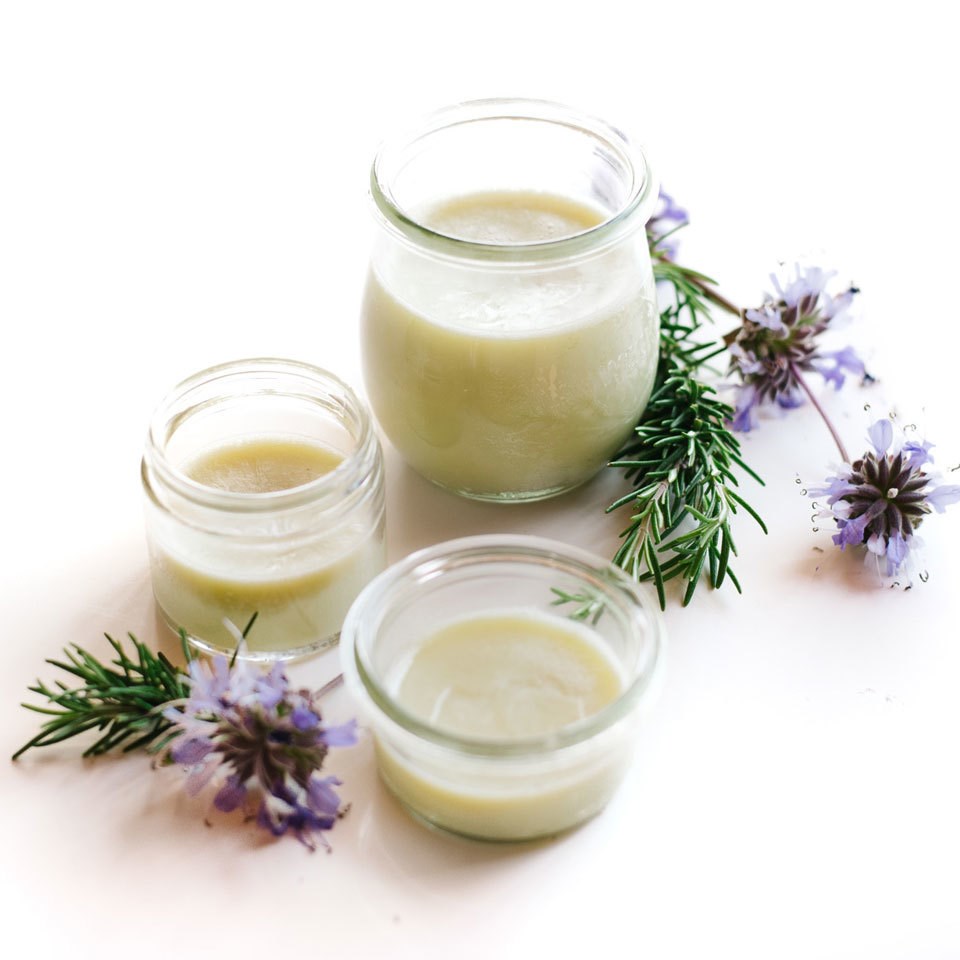
This homemade moisturizer is an all-purpose miracle worker—as excellent for damaged and dry hands as it is for repairing chapped lips and cracked skin. Rosemary and sage oils, steeped in nourishing coconut oil and cocoa butter, help to jump-start skin repair. While the salve is completely edible, we don’t recommend actually eating it.

By: Lily Diamond

Ingredients 32 servings

  • ½ cup raw virgin coconut oil
  • ½ cup chopped cocoa butter
  • ½ cup fresh sage leaves
  • ½ cup fresh rosemary leaves

Preparation

  • Prep15 m
  • Ready In1 h 30 m
  1. Melt coconut oil and cocoa butter in a small saucepan over low heat. When the oil is hot to the touch, add sage and rosemary. Let the mixture steep over low heat for 10 minutes, then turn the heat off and leave the pan on the stove to steep, uncovered, for another 1-2 hours, depending on desired potency of scent.
  2. Strain out the leaves and discard. Pour the liquid into an 8-ounce glass jar, two 4-ounce jars, or four 2-ounce jars. Place lids on the jars and refrigerate overnight to harden. Remove from the fridge the next morning and keep in a cool, dry place.
  • To make ahead: Store in a cool, dry place for up to 6 months.
Deep Hand-Repair Salve with Coconut Oil

DIY Body Scrub

Cranberry-Coconut Salt Body Scrub

Whether you need a homemade gift idea or you’re looking for more natural skincare products, this exfoliating body scrub is the perfect thing to whip up. The recipe comes from Lily Diamond, of the popular L.A.-based food and lifestyle blog Kale & Caramel. While the scrub is completely edible, we don’t recommend actually eating it.

By: Lily Diamond

Ingredients 1 serving

  • ⅓ cup sea salt
  • ⅔ cup fresh cranberries, very finely chopped
  • 1 tablespoon finely shredded unsweetened coconut
  • 1 tablespoon raw virgin coconut oil, softened
  • ¼ teaspoon ground cloves or allspice

Preparation

  • Prep10 m
  • Ready In10 m
  1. Combine salt, cranberries, coconut, coconut oil and cloves (or allspice) in a small bowl; mix thoroughly.
  • To make ahead: Store at room temperature for up to 1 week or refrigerate for up to 2 weeks.
Cranberry-Coconut Salt Body Scrub

Foods For Beautiful Skin

Source URL:http://www.eatingwell.com/article/15922/foods-for-beautiful-skin/ Foods for Beautiful Skin – EatingWell


Sunscreen helps to keep your skin healthy and beautiful, protecting it from the outside in—but certain foods can shield your skin from damage from the inside out. In fact, research supports the idea that certain vitamins do help to protect our skin. Better yet, many of the same foods that can boost your defenses against skin cancer (the most common type of cancer) will also help keep your skin looking younger and smoother and ward off wrinkles.

Should You Eat Collagen?

Strawberry-Balsamic Arugula Salad

1. Strawberries

Eating more vitamin C-rich foods, such as strawberries, may help to ward off wrinkles and age-related dryness. Vitamin C’s skin-smoothing effects may be due to its ability to mop up free radicals produced from ultraviolet rays and also its role in collagen synthesis. Collagen is fibrous protein that keeps skin firm and vitamin C is essential for collagen production.Healthy Strawberry Recipes

Superfood Chopped Salad with Salmon & Creamy Garlic Dressing

2. Salmon

The omega-3 fatty acids DHA and EPA found in salmon may shield cell walls from free-radical damage caused by UV rays, according to a study publishd in the American Journal of Clinical Nutrition. Researchers followed the eating habits of more than 1,100 Australian adults for approximately five years and found that for those who ate a little more than 5 ounces of omega-3-rich fish—such as salmon—each week the development of precancerous skin lesions decreased by almost 30 percent.

Aim to eat two servings of fatty fish each week: not only are the omega-3s good for your skin, they’re good for your heart too.

5 of the Healthiest Fish to Eat (and 5 to Avoid

Quick Turkey Meat Sauce

3. Tomatoes

Consuming more lycopene—the carotenoid that makes tomatoes red—may protect your skin from sunburn.

Researchers think the natural compounds found in tomatoes that gives them their red color, helps protect the plants from the sun—and in turn you. Multiple studies have linked tomato consumption with reduced sun burn and skin reddening. Just one bad sunburn can up your risk for skin cancer. Adding olive oil—a natural culinary pairing for tomatoes—helps your body absorb the beneficial carotenoids. Cooked tomatoes (a pantry staple!) have a higher antioxidant and lycopene content as well.

4. Coffee

Drinking a single cup of coffee daily may lower your risk of developing skin cancer. In one study of more than 93,000 women, published in the European Journal of Cancer Prevention, those who drank one cup of caffeinated coffee a day reduced their risk of developing nonmelanoma skin cancer by about 10 percent. And the more they drank—up to about 6 cups or so per day—the lower their risk. Decaf didn’t seem to offer the same protection

.Drinking Coffee Might Help You Live Longer—Here’s Why

Roasted Veggie Brown Rice Buddha Bowl

5. Tofu

Tofu may help to preserve skin-firming collagen because it is rich in isoflavones. Isoflavones are plant-based compounds with estrogenic activity that have been shown to potentially reduce risk of breast and prostate cancers, heart disease and osteoporosis.

In a study published in the Journal of the American College of Nutrition, mice fed isoflavones and exposed to ultraviolet radiation had fewer wrinkles and smoother skin than mice that were exposed to UV light but didn’t get isoflavones. The researchers believe that isoflavones help prevent collagen breakdown.

http://www.eatingwell.com/article/15922/foods-for-beautiful-skin/

Yoga Poses From Your Chair~

13 Chair Yoga Poses To Do While Sitting At Your Desk

The ancient practice of yoga has certainly evolved in 21st century to meet our long work days, seated behind a desk. Sitting for long periods places strain on the spine, mid and upper back, shortens the chest and hips, and can leave your neck, shoulders and lower back in pain. It may be hard to fit in a yoga class during a busy work day, but that doesn’t mean you have to sit motionless for hours on end. Try these 13 moves right at your desk to improve your posture and relieve stress.

Sit and stand chair pose

Begin by sitting with your knees bent at 90 degrees and your feet flat on the ground. Press your heels down, but do not move your feet closer to the chair. Now, without using your arms, lift your body into a standing position. From the standing position, slowly sit straight back down, refrain from leaning forward and from shifting the hips to one side or the other. Repeat five to ten times.

Sitting scale pose

This is a more advanced pose that requires a desk chair wide enough to accommodate the width of the body and placement of arms on each side of the seat. Sit at the edge of your chair, and press your hands down on either side of your hips. Now, using the strength in your arms, raise your legs and butt up off the seat. Engage the abdominal muscles and keep the tops of your shoulders down. Hold for five breaths. Lower your body and repeat two more times.

High altar pose

Inhale deeply and lift your arms. Clasp your hands and invert your palms. Now Lean to your left and hold for five to eight breaths. Repeat on your right side.

Seated crescent moon pose

Desk yoga can help reverse the negative effects of sitting all day.

Lift your arms overhead and stretch your fingers wide. Lean to the right, and take two to three deep breaths. Repeat on the left side for another two to three deep breaths.

Seated body twist

Turn to your left and place your left hand on the back of the chair to deepen the twist. Hold for five to eight breaths. Then repeat the twist on your right side.

Seated cow face

Desk yoga can increase flexibility and reduce muscle tension.

Bring your left arm behind your back and your right arm behind your head. Now clasp your fingers if you can. If you can’t clasp your fingers, then work towards moving them closer each day. Hold for five to eight breaths and switch sides.

Sitting ankle to knee

Place your left foot on your right knee, allowing your left knee to drop open. Keep your back straight and lean forward into a deep stretch. Hold for five to eight breaths and then switch sides.

Seated wrist and finger stretches

Complete these stretches every two hours to avoid carpal tunnel syndrome.

  1. Place the hands one on your desk, palms facing up and fingers towards you, putting gentle pressure to counter stretch the wrist and the forearm. You can also stretch each arm out and bend the wrist inward then outward, counter stretching with your other hand. Hold each side five to ten breaths.
  2. Extend the arms to the sides or overhead and draw ten circles inward and outward through the wrists. Next, quickly spread the fingers and close the fists. Repeat this ten times to shake off any excess tension.

Seated pigeon pose

While seated in your chair, with both feet flat on the floor, cross your right leg over the left at a 90-degree angle, keeping the foot flexed to not place pressure on the knee. Maintain equal weight distribution between the sitting bones while staying in an upright seated position. You should feel a gentle to moderate stretch on the outermost part of the right thigh. Hold for ten breaths before switching sides.

Standing yoga push-ups

Place your hands about shoulder width distance on the edge of a sturdy desk. Now step your feet back so that your torso is diagonal to the floor. Keep your feet firmly placed and inhale as you bend the elbows to a 90-degree angle. Keep the elbows hugged in towards the ribs. Exhale and press your chest back up to the starting position. Repeat 12 times.

Standing upward dog pose

Follow the above standing desk pushups with this upward dog pose. Remain in the same position as you did for the standing yoga push up. With your arms straight, lower your hips toward the desk, refraining from sinking in the lower back by using the strength in your legs. Stretch your chest between your shoulders and gently tilt your chin upwards while sliding the shoulder blades down the back. Hold for ten breaths.

Standing plank pose

Use your desk to support this spine-lengthening and hamstring-stretching pose. Place your hands shoulder-width apart or wider at the desk edge. Step your feet back until your feet are directly under your hips. Hold ten breaths to allow this pose to help you undo all the negative effects of sitting.

Standing forward bend

Stand next to your desk, with feet firmly on the ground. Bend over in half with soft knees and let gravity take over. Hold for at least 20 seconds and sway gently from side to side if it feels good. Allowing your arms and head to hang forward, let your neck and shoulders decompress. Plus, reversing the blood flow will give you extra energy to complete your work day.

Sitting at a desk all day doesn’t have to turn you into Quasimodo. A few feel-good yoga poses and stretches will do wonders for your energy level, tension, posture and confidence!

— Katherine Markohttps://www.thealternativedaily.com/desk-yoga-poses-to-do-at-the-office

Namaste~

See the source image