What a Friend we have in Jesus, All our sins and griefs to bear! What a privilege to carry Everything to God in prayer! O what peace we often forfeit, O what needless pain we bear, All because we do not carry Everything to God in prayer!
2
Have we trials and temptations? Is there trouble anywhere? We should never be discouraged, Take it to the Lord in prayer. Can we find a friend so faithful Who will all our sorrows share? Jesus knows our every weakness, Take it to the Lord in prayer.
3
Are we weak and heavy-laden, Cumbered with a load of care? Precious Savior, still our refuge— Take it to the Lord in prayer; Do thy friends despise, forsake thee? Take it to the Lord in prayer; In His arms He’ll take and shield thee, Thou wilt find a solace there.
Eat fruits & vegetables every day: Produce contains key vitamins involved in the immune system. Vitamin C in foods like strawberries, bell peppers, broccoli, and citrus, helps immune system cells function, including phagocytes (the kind that engulfs potentially harmful particles). Vitamin A helps keep tissues in the mouth, intestines, and respiratory tract healthy and is found in sweet potatoes, spinach, carrots, and cantaloupe. Remember that eating the actual fruit or veggie is better than popping single-vitamin supplements since it’s likely that all the components in the food interact to offer protection.
Get plenty of protein: Getting too little protein can weaken your immune system. Protein-rich foods supply the amino acids you need to build essential proteins in the body, including antibodies. Animal foods like beef and pork also contain zinc, a mineral that your body uses to make t-cells (you can find zinc in cashews and chickpeas too).
Include fermented foods: These are foods that are naturally preserved by bacteria, and they’re good for the “microbiome”. That’s the name for the trillions of bacteria that live in your gut, where a lot of cells involved in immunity actually reside. Fermented foods like yogurt (look for the term “live and active cultures” on the label), kefir, sauerkraut, miso, and kimchi help beneficial bacteria flourish in the gut, leaving less room for harmful bugs.
Season your meals: Every plant food has its own unique compounds that offer potential health-boosting benefits. Spices and seasonings like garlic, ginger, oregano, and cinnamon have all been researched for intriguing capabilities as anti-microbials, anti-inflammatories, and cell-protecting antioxidants. They’re not magic cure-alls, and popping them in the form of pills isn’t the same as eating the real deal. But adding flavor to foods with these ingredients means you’re getting even more beneficial compounds in the meals you eat every day.
Warm-up for 5-7 minutes with easy cardio. This can be on any cardio machine of choice, or a walk around the neighborhood. If it’s too cold, try 5 minutes of a dance cardio video on YouTube, or walking or jogging in place while listening to your favorite warm-up song.SLIDESHOW
How to Start Strength Training
1/14Why Strength Training?It’s not just to get big muscles and look buff. Your bones will get stronger, too. And it can help your balance and coordination, which means you’re less likely to fall and hurt yourself. More muscle also means you burn more calories when you’re doing nothing at all, which can help keep off extra pounds. You’ll appreciate these benefits as you get older and start to lose muscle mass.2/14Do You Need Lots of Equipment?Not at all. Pushups, pullups, and other “bodyweight exercises” can help build up your muscles and make it easier for you to work out longer. Simple props like elastic resistance tubing and giant inflatable balls can help with some movements. And don’t be afraid to switch it up. More variety may help you get stronger. 3/14Free Weights”Free” doesn’t have to do with money. It means the weights aren’t attached to a machine. If you’d rather train at home, start small with a couple of hand dumbbells. You can always add weight or take it away. A larger barbell and weight bench put variety in your routine.Be careful, though. It’s easier to injure yourself with free weights than weight machines, so make sure you learn how to use them the right way.4/14Weight MachinesWhen you use one of these, you work one muscle group at a time. Though they’re usually safer because they’re better at keeping you in the right position, they may not provide as natural a motion as free weights. And weight machines generally cost more, whether you buy one to use at home or pay for a gym membership. 5/14Talk to a trainer it’s important to do your strength exercises the right way. It lets you get the most from your hard work and keeps you from hurting yourself. If you go to a gym, ask the experts there to watch you and make suggestions. If you like to work out at home, hire a certified professional trainer, who can check your technique and even help design your training routine.6/14How Often Should You Train?Your muscles need rest to grow. A good rule of thumb is to work each muscle group twice a week. For example, you could alternate your upper and lower body every day, or do a full-body workout 2 or 3 times a week.Just remember that your muscles need a full day’s rest before the next workout. It’s also a good idea to train all your major muscle groups. When one of them is much more developed or less developed, you can injure yourself. 7/14How to Choose a Starting WeightNo matter your age, take it slow when you begin training, so your body has a chance to get used to it. Don’t be afraid to start with just a bare barbell or dumbbell bar to learn the right motion. When you’ve got that down, you can put on weights. You should be able to do 8-15 repetitions in comfort. 8/14Add More Weight When You’re ReadyOnce you have your technique down, you’ll want to add weight slowly. For good results, you should feel like you can’t do anymore as you get to the end of a set of 12-15 repetitions.Check your form. If it breaks down with more weight, then you may be doing more harm than good. Take some off. When it gets easier, or you can do more than a full set with good form, add more weight.9/14BreatheYou may feel like you want to hold your breath when strength training. Don’t do it. Try to breathe out as you lift the weight and breathe in as you lower it. It will improve your performance and may help stop injuries like a hernia. If it’s hard to breathe, you may be using too much weight. 10/14Dodon’t Skip a WarmupYou can injure your muscles more easily when they’re cold. So warm up with 10 minutes of jogging or biking. Even a brisk walk should do it. You can combine that with some simple exercises, like jumping jacks and lunges.11/14Learn How to Bench-PressLots of folks make this part of their fitness routine. Keep your shoulders back and down against the bench. If you pull them forward when you lift, you’ll get less of a chest workout and you may hurt your shoulders.Some other tips: Keep a natural arch in your lower back — not too much or too little.Use your stomach muscles as you work out.Try not to lock your elbows into full extension when you lift.Relax your neck.12/14Try Some SquatsIt’s best to work with an expert to learn this one and start with little or no weight. You should feel the biggest effort from your legs and lower yourself as if sitting down. Try not to round your back.Follow this style: Turn your feet slightly out and keep them at shoulder width. Pull your shoulders back and down, and keep them above your hips.Push your chest out.Try to keep your knees from moving past your toes as you get lower.13/14Do a Wall PushupYou won’t need any equipment besides a sturdy wall. It can help strengthen your chest, shoulders, and arms.Face the wall, a bit more than arm’s length away, feet flat on the floor.Keep feet and hands shoulder-width apart. Lean forward with palms against the wall at shoulder height. Slowly lower your upper body toward the wall, bending at the elbows.Hold for about a second.Breathe out as you slowly push yourself back up.14/14Get Your Doctor’s ok if you’re not used to exercising and you’re middle-aged or older, check with your doctor before you start strength training. Also, talk to him if you smoke, have a health condition, or you’re overweight. Stop an exercise or lower the weight you’re lifting if it causes pain. If it doesn’t go away, see your doctor or a training specialist.
Complete 2-3 sets of 15 reps for the following exercises. (For example, You’ll do 15 biceps curls. Wait a few seconds to recover, and do 15 more biceps curls. If you’d like, do the third set. Then move onto the next exercise.)
Biceps curls. Hold the weights so that the palms of your hands are facing forward. Keep your elbows close to your torso, a tight core, and a slight bend in your knees. Flex at the elbow, bringing the weight all the way up (aiming towards your shoulder, lifting up through your chest as you go ). As you release, try to resist the weight, and go for a nice full extension at the bottom of the movement.
Sit to stand. Hold 1 dumbbell (with both hands, one at each end of the dumbbell)at your chest and stand about 2 feet in front of a couch or sturdy chair. Place your feet just under your shoulders with toes slightly angled out. Keep your chest lifted and a tight core as you sink back and down into your squat. Tap your booty to the chair, like you’re sitting down for a second. Make sure that your body weight is in your heels (you should be able to lift your toes). Exhale to rise.
Good mornings. Hold the dumbbells in your hands and cross your arms at your chest. Stand with your feet underneath your hips with a slight bend in the knee. Keep your back flat as your hinge from your hips, like you’re folding your body like a book. Stop when your chest is parallel to the floor. Squeeze your glutes and exhale to stand.
Overhead press. Stand with legs hip-width apart, core engaged. Hold a weight in each hand, at shoulder level, with palms facing inward. Inhale to bring the weights up to 90 degrees and exhale to press up overhead. Lower down with control to 90 degrees and repeat.
Lunge. Hold the weights at your sides, palms facing inward, and stand with feet hip-width apart. Take one huge step forward, and keep your feet in line with your hips. Try to keep your torso perpendicular to the floor as you sink down into your lunge. As you lunge, watch the front knee to make sure it stays stacked above the front ankle. As you rise, actively think about trying to squeeze your legs together. Switch sides. For this exercise, you’ll do 8 lunges on the right side and 8 on the left for a full set.
Many things come to mind when I think of spring. One of them is that the flowers start to bloom and new things begin. I love the newness of life, be it flowers, or babies, or animals. The tiniest of things can make the biggest room in your heart if only you look. Sometimes we ourselves need a new beginning, a new life season. It is so easy to get bogged down by bills, relationships, and trials we face. I think that everyone has a piece inside them that is just laying there waiting to be re-born. I think that we all would like to have a second chance, a second glance, and more importantly a time when our spirits are renewed, possibly a time when our faith is restored and our minds can settle. I love nature, and the treasures it has. I encourage you to stop and literally smell the roses, find your safe place or your tranquil spirit. It is there…really it is. No one can do it for you!!!!!!!!!!!!!!!!!!
The word “pandemic” stems from the Greek words “pan” (meaning “all”) and “demos” (meaning “people”). Thus, a pandemic is a widespread infectious disease, bacteria, or virus that sickens a large number of people worldwide. When a disease or illness is isolated to one region or country, it’s called an “epidemic.”
Throughout history, humans have experienced a number of pandemics, some of which have killed tens of millions of people. These pandemics include cholera, smallpox, measles, yellow fever, tuberculosis, malaria, and Ebola.
One of the most devastating and well-known pandemics is the Black Death, also known as the Plague, which swept across Europe and Asia during the mid-1300s. It’s estimated that the Plague killed 30% to 60% of Europe’s population or 75 million to 200 million people.
The influenza virus has been the cause of many pandemics. In 1918, a strain of the virus called the “Spanish flu” swept the world. The Centers for Disease Control (CDC) estimates that this virus sickened up to one-third of the world’s population (around 500 million people) and killed more than 50 million people. Some died within hours of symptom onset.
The 2019 – 2020 Coronavirus Outbreak
The World Health Organization (WHO) first learned of the 2019 to 2020 coronavirus outbreak on Dec. 31, 2019. According to NPR, experts believe the virus, named COVID-19, originated in the Hunan Seafood Market, a live-animal market in the Chinese city of Wuhan.
Coronaviruses are a family of viruses that cause a range of illnesses, from the common cold to severe acute respiratory syndrome (SARS) and Middle East respiratory syndrome (MERS). The coronavirus family is zoonotic, which means they can spread between animals and humans through close contact. The CDC reports that they also spread in similar ways. Infected people transmit MERS and SARS through the air by coughing or sneezing.
And according to experts interviewed by The New York Times, the current outbreak is increasingly likely to become a global pandemic. It’s easily transmissible through the air, and cases are spiking rapidly, especially in China, where testing kits are in short supply and there’s a backlog in hospitals and labs.
How the Coronavirus Spreads
Much is still unknown about exactly how the new coronavirus spreads and how quickly it infects others.
The CDC states that the virus spreads by respiratory droplets produced when a person coughs or sneezes. Transmission is similar to other coronaviruses, such as SARS and MERS, and the CDC believes that COVID-19 spreads as easily as the common flu virus.
Some important questions, such as whether or not a person can infect others when they show no symptoms (called “asymptomatic”), remain unanswered. However, a 2020 study published in the New England Journal of Medicine states asymptomatic transmission can occur.
Coronavirus Symptoms
COVID-19 presents a serious global public health threat and can be fatal.
The CDC believes symptoms of COVID-19 can manifest between two and 14 days after initial exposure, based both on early data and the incubation period for SARS and MERS. Symptoms for the current novel coronavirus include:
Fever
Shortness of breath
Cough
So far, people who are most at risk of developing severe complications from the novel coronavirus are the elderly and those with preexisting medical conditions like diabetes and heart disease.
Overall, the WHO estimates that the mortality rate for COVID-19 is between 2% and 3%, although that could change as the situation develops. That’s much lower than SARS, which the WHO estimates has a mortality rate of around 9.6%, and MERS, which the WHO estimates has a 34.4% mortality rate.
How to Protect Yourself From the Coronavirus
The WHO and CDC recommend you take simple steps to keep yourself and your family safe and healthy during the outbreak.
Wash your hands with soap and water for at least 20 seconds whenever you return home, after coughing or sneezing, after caring for the sick, before eating, after using the toilet, and after handling animals or animal waste.
When coughing or sneezing, use the crook of your arm to cover your mouth or use a tissue. Throw the tissue in a closed bin, and then wash your hands.
Avoid touching your eyes, nose, and mouth with unwashed hands.
Avoid close contact with people who are sick. The CDC believes the virus can spread within 6 feet, so keep at least that much distance between yourself and someone showing symptoms.
Clean and disinfect frequently touched objects and surfaces.
Follow the same guidelines for preventing other illnesses, such as the common cold and seasonal flu virus.
Pro tip: If you’re planning on traveling over the next few months, you might consider an insurance policy through Allianz Travel Insurance.
Finding Trustworthy Information on the Current Outbreak
There is plenty of misinformation online. False information quickly fuels panic and can lead to fear and hoarding behaviors, such as stockpiling face masks and food, that do more harm than good. At its worst, hoarding can lead to shortages that put medical staff at risk, such as a shortage of medical supplies.
The best way to get trustworthy, up-to-date information on the current outbreak is through the WHO’s situation reports, which they publish daily. The WHO also has a “myth busters” page where it uses scientific information to debunk ongoing myths and hoaxes about the virus.
You can also get reliable information about the outbreak occurring in the United States from the CDC.
It’s prudent to stay informed about any new outbreak. However, while media reports on the new coronavirus look and sound frightening, it’s essential to put the outbreak in perspective. For example, the CDC reports that so far this season, between October 2019 and January 2020, the seasonal flu has sickened over 19 million people in the United States, killed over 10,000 people domestically, and led to over 180,000 hospitalizations. We’re at a much higher risk of catching the flu than the new coronavirus.
How to Prepare for a Pandemic
According to Harvard Business Review, current models suggest that a pandemic might sweep the globe in three distinct waves, each lasting from a few weeks up to three months. This means that you and your family should be able to survive on your own, at home, for a significant amount of time if you have to.
Preparing for a pandemic is an important part of disaster planning and requires many of the same steps. However, there are some additional precautions you need to take in order to keep your family safe.
Pro tip: If you don’t currently have health insurance, make sure you sign up for a short-term health plan through AgileHealthInsurance. This will make sure you’re protected financially if someone in your family gets sick.
1. Be Prepared to Treat at Home
Healthcare workers will face an ethical and moral dilemma during a pandemic. Do they report to work and help care for the sick, putting themselves (and their families) at risk for infection, or do they stay home and help ensure their loved ones don’t fall ill?
According to a survey conducted by CIDRAP, almost half of healthcare workers admit that they would stay home during a pandemic. Another study, published in the journal BMC Public Health, found that 28% of healthcare professionals agree it would be acceptable to abandon their workplace during a pandemic in order to protect themselves and their families.
Even if only 10% of healthcare professionals opt to stay home during a pandemic, and another 10% fall ill themselves, that’s still a conservative 20% reduction in the medical labor force at a time when hospitals and doctor’s offices will be flooded with patients. There’s a chance that some patients won’t be able to get in to see a doctor at all.
Medication could also be hard to obtain. According to a 2006 study conducted by the Harvard School of Public Health, 43% of people believe they would have difficulty obtaining medicine should they have to stay home during an epidemic. During the 2017-2018 flu season, which turned out to be only slightly more severe than normal, the LA Times reported that pharmacies in California had medicine shortages.
Supply disruption is also a real possibility during a pandemic. In order to save on storage space and costs, most hospitals and pharmacies only keep enough medicine on hand for a few days, depending on daily deliveries to keep their supplies stocked. In addition, many life-saving medicines are now made in Asia. If a pandemic occurs, there’s a good chance that deliveries will be interrupted or halted entirely. Stores are also likely to sell out of over-the-counter medication quickly.
Stocking up now means you’ll already have what you need should a pandemic occur, and you’ll be less likely to have to leave the house for supplies, potentially exposing yourself to the virus. Consider stocking up on over-the-counter medication like:
Over-the-counter medication can be expensive, especially when you’re trying to buy it in large amounts. To save money, look for sales and coupons and only buy what you need when the price is discounted. Make sure to keep your medication rotated so it doesn’t expire by checking expiration dates every few months.
You should also have a well-stocked first aid kit in your home and know how to administer emergency first aid like stopping traumatic bleeding and administering CPR. Remember, during a pandemic, hospitals will be overcrowded, and an ambulance might not be available to take you or your family member to a hospital should you break a leg or have a heart attack, so you should be prepared to deal with these emergencies yourself. Knowing first aid is an important survival skill and could save the life of someone in your family.
Also, consider stocking up on face respirators so you’re protected if you do have to go out in public. The U.S. Food and Drug Administration recommends using an N95 respirator during public health emergencies, which you can purchase inexpensively on Amazon. The “N95” designation means that the respirator blocks 95% of tiny (0.3-micron) airborne particles.
Keep in mind that a good fit is important for adequate protection, and N95 respirators are designed for adults, not children. You will need to purchase child-sized respirators (which you can also find on Amazon) to protect your children during an outbreak.
2. Plan for a Sick Room
The CDC recommends that during a pandemic, the sick should stay in a dedicated “sick room” and use a dedicated bathroom that no one else will use.
Start thinking now about which room in your home would work best as a sick room. If the room doesn’t have a door, have an extra plastic shower curtain on hand to partition it from the rest of the house. If someone does fall ill, quarantine them to the sick room and clean the room daily with bleach.
3. Stock Up On Food, Water, & Household Supplies
The Department of Homeland Security recommends that families have at least a two-week supply of water and food to prepare for a pandemic. Supplies for a month or more are even better. Typically, you’ll need one gallon of water per person, per day, for drinking and hygiene.
Building a long-term food storage pantry means you won’t have to put yourself at risk of infection by going to the store, and you’ll be insulated from the food shortages that could very well occur during the panic of a pandemic.
So, what should you stock up on? Focus on shelf-stable foods that your family already eats and enjoys. This might include:
Rice
Dried beans, lentils, or peas
Protein bars, granola bars, or fruit bars
Canned soups, fruit, and vegetables
Peanut butter and jelly
Coffee, tea, and hot chocolate
Powdered drink mixes
Nuts and dried fruits
Beef jerky
Pasta
Instant soup mixes
Flour
Baking essentials (such as baking soda, salt, and yeast)
Sugar
Pickled vegetables
Dried milk
Evaporated or condensed milk
Trail mix
Applesauce
Comfort food (such as cookies, candy bars, and chocolate)
Oils (such as olive oil, vegetable oil, and coconut oil)
Crackers
Oats
Pancake mix
Cereal (including hot cereals like Cream of Wheat)
Chicken, beef, and vegetable bouillon cubes
Liquid seasonings (such as soy sauce, vinegar, and Sriracha)
Liquid sweeteners (such as honey, maple syrup, chocolate syrup, and agave syrup)
Spices (such as salt, onion flakes, cinnamon, and ginger)
Packaged foods (including macaroni and cheese and instant potatoes)
Canned meats (such as tuna, sardines, oysters, chicken, turkey, pork, sausage, and Spam)
Formula or baby food (for very young children)
You should also stock up on the supplies you’ll need to stay healthy at home. These items include:
Hand soap and sanitizer
Bleach or other surface cleaners
Toilet paper
Kleenex
Prescription medication
Fluids with electrolytes (like Gatorade and Pedialyte)
Garbage bags (for medical waste disposal)
Plastic gloves
Diapers (for very small children)
Again, it can get expensive if you hit the stores to stock up on all of these items at once. Instead, purchase items slowly, over time, and only when they go on sale or you have a coupon. Don’t forget to stock up on food and supplies for your pets too.
Pro tip: Make sure you download the Ibotta app before shopping for food and supplies. You will receive a $20 welcome bonus just for downloading and using the app.
Although the chance of an outage is remote, it is possible that utilities and power supplies might be interrupted or stop entirely if a large portion of the working population falls ill or has to stay home to care for sick family members. Have enough supplies to survive without power for several days or weeks, including flashlights, lanterns, a hand-crank or solar-powered radio, and the ability to cook food without electricity, such as with a solar oven cooker.
4. Make an Emergency Plan
If a pandemic is suspected, the CDC reports that it’s likely schools will close early to prevent the spread of the disease – and they could be closed for weeks or even months. How would you care for your children if you were still expected to report for work? Under what circumstances would you stop attending work in order to protect yourself and your family from illness? Do you have enough in savings to stop working for a period of time if necessary?
It’s important to ask yourself these questions before a pandemic occurs. With a plan in place, you won’t have to worry about what you’re going to do if the worst should happen.
Start thinking now about who might be able to care for your children during such an emergency. Consider other family members, friends, neighbors, or members of the community. Talk to these people beforehand to find out how you could help each other during a pandemic.
Next, find out how your company might handle work absences during a pandemic. Do you have the ability to telecommute? If not, what would you need to get started?
You should also make a list of community organizations you can contact to receive help in the form of information, medical assistance, food, and other supplies. A good place to start is the Red Cross. You might also want to talk to local officials about how they would distribute emergency assistance in your community during a pandemic.
Last, make sure you have enough in your emergency fund to survive for a period of time without a regular income.
Pro tip: If you don’t currently have an emergency fund set up, start now. Ideally, you want to have enough money to cover several month’s worth of expenses but start at $1,000. Place these funds in a high-yield savings account or somewhere like Bask Bank where you can earn valuable travel rewards. This way you’ll have easy access to the money if needed.
5. Explore Natural & Herbal Medicines
While it’s important to have over-the-counter medications on hand to treat symptoms, it’s just as important to have an herbal medicine kit in your home to complement commercial medicine. Some herbal remedies are a great frugal flu treatment and can even be more effective than store-bought medicine.
Herbs such as elderberry and oregano oil are very effective in preventing illness, as well as lessening the severity and length of an illness once it starts. They’re also great natural remedies to keep your kids healthy during a prolonged illness.
6. Practice Prevention Now
Several simple actions can dramatically reduce your risk of catching (and spreading) an infectious disease. The CDC recommends that you:
Wash your hands for at least 20 seconds with hot soapy water whenever you come back from any public place or have been around anyone who is sick.
Keep your hands away from your face, particularly your eyes, nose, and mouth.
Cover your coughs and sneezes with a tissue.
Stay home when you’re sick, and don’t go out until you’ve been fever-free for 24 hours without the use of fever-reducing medications.
Clean frequently touched surfaces and objects.
Start practicing these actions with your family today, especially if you have younger children. If you get into these habits now, they’ll be second-nature to you should a pandemic occur, reducing the risk that someone in your family will get sick.
Final Word
It can be frightening to think about experiencing a severe pandemic. Plenty of movies like “Contagion” and “Outbreak” play on these fears and show us, in terrifying detail, what it might be like if a pandemic ever became a reality. Preparing in advance is one way to alleviate some of these fears.
If you have the ability to take care of your family at home for a significant period of time, you won’t have to worry about going to the store and exposing yourself to the virus. You also won’t have to worry as much about packed waiting rooms at the doctor’s office or hospital. The more you prepare now, the more in-control you’ll be should the worst occur.
Do you have enough supplies to care for your family at home during a pandemic? What areas do you need to work in order to be prepared?
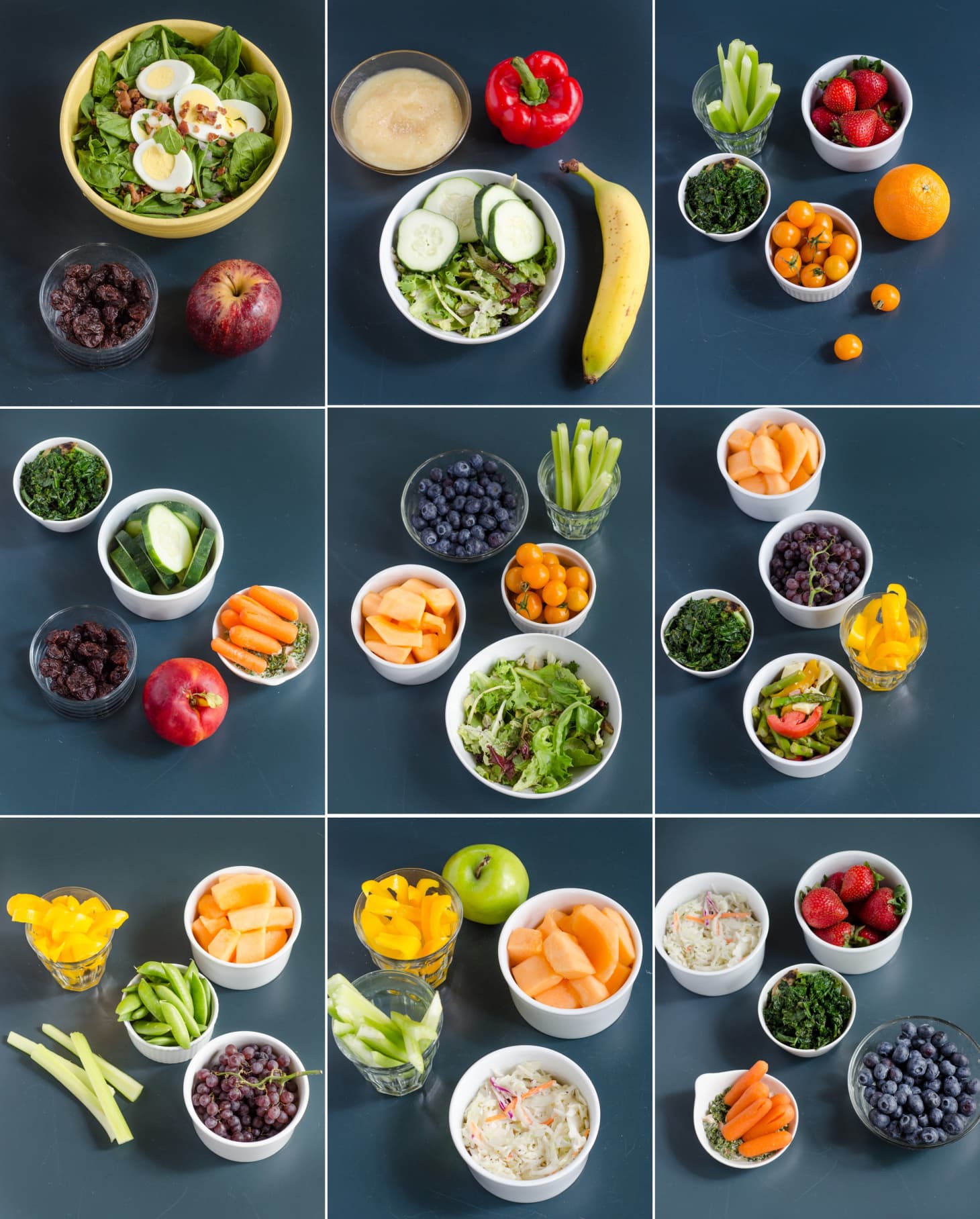
Keeping a stash of cut fruits and vegetables on hand has doubled my family’s produce consumption, and it also makes packing lunches and cooking dinner faster and easier. While there are some potential downsides to storing cut fruits and vegetables — they spoil faster and reportedly have fewer nutrients after a few days — I’d say the increase in actually eating up our produce is worth those negatives. Here are five ways I’ve learned to make cut fruit and vegetables last longer.
Storing cut fruits and vegetables in water seems counterintuitive, but it is a great way to store hardy vegetables like carrots, celery, and potatoes after they are cut. To prolong their freshness, always store in fresh cool water and change out the water every few days for even longer-term storage. Water even works to preserve guacamole’s greenness and to store cut apples.
2. Acidity
Many home cooks know that a little lemon juice in water can prevent apples from browning, but there are also a few products (like Ball’s Fruit-Fresh) that contain citric acid for preserving the appearance of fruit. You can mimic the results of these products (and add flavor) by tossing fresh fruits with a little lemon or lime juice or sprinkling vegetables with a spice mix like Tajín seasoning before storing.
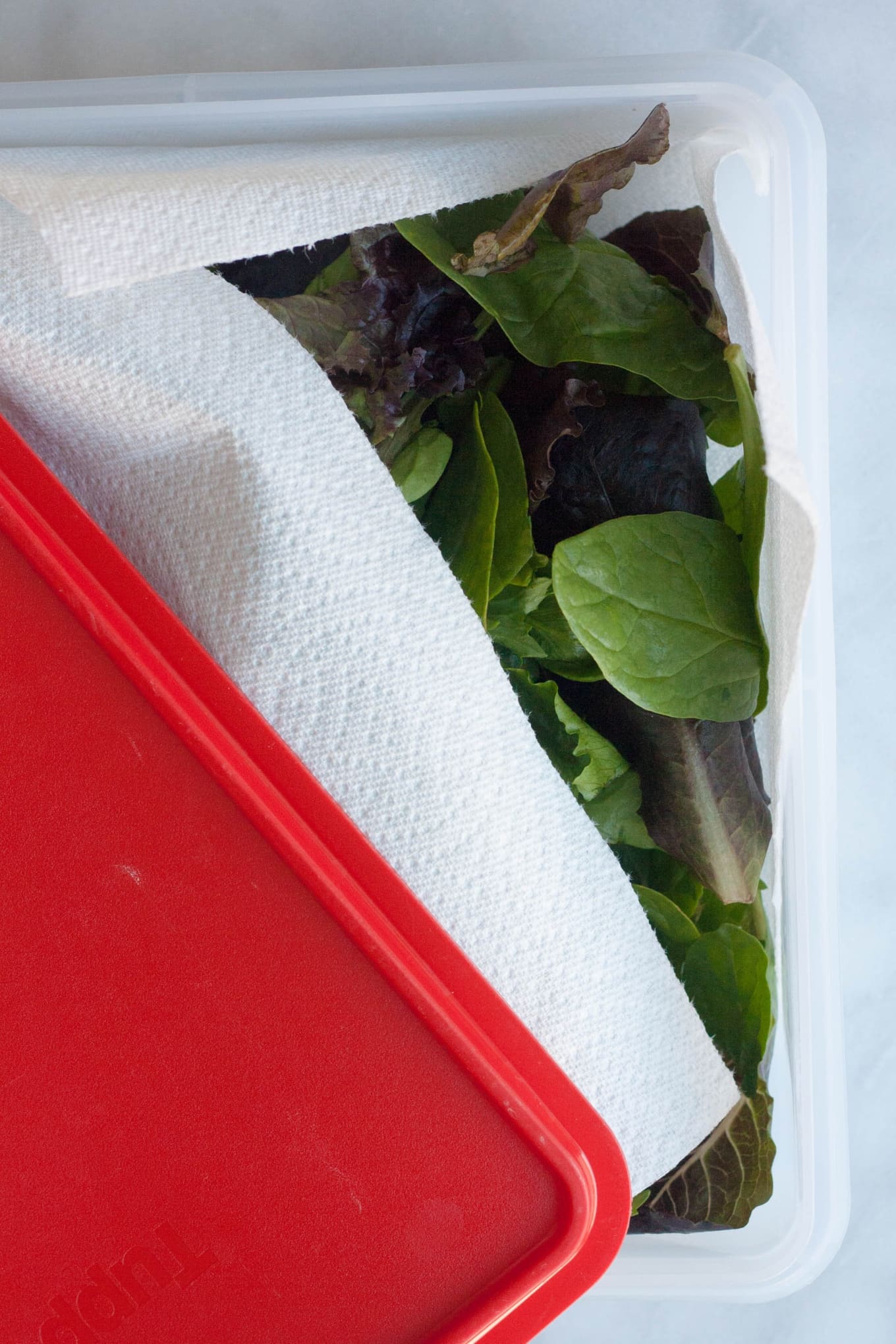
Paper towels and an airtight container is the best way to store salad greens (even cut romaine), but it also works well for peppers and strawberries. The towels wick away moisture while the container keeps spoilage at bay.
4. Freezing Them
Freezing cut fruits and vegetables is an especially easy shortcut for lunch fodder. It preserves the fruit and vegetables, but also keeps them cool in the lunch box. This works well for berries, corn, peas, carrot slices, and peppers.
5. Cooking Them
Let’s say that the peppers you cut on Sunday are looking a little sad on Wednesday — throw them in a hot oven to roast while you cook dinner and then use them the rest of the week in wraps or on scrambled eggs or sandwiches. Turn cut berries or apples into a quick sauce with a little bit of water in a small saucepan on the stove — then add this fruit sauce to yogurt or smoothies throughout the week. That way your hard work doesn’t go to waste and you can still enjoy your daily intake of fruits and vegetables.
Calcium, magnesium, and zinc are three minerals that are vital to several bodily processes.
Though they occur naturally in a variety of foods, many people take supplements to help increase their intake.
Combined mineral supplements like calcium-magnesium-zinc have gained popularity recently, especially among people looking to improve bone density or other aspects of their health.
This article explores the benefits, uses, and side effects of calcium-magnesium-zinc supplements.
Calcium-magnesium-zinc supplements may offer a host of benefits.
While research on the combined supplement is lacking, studies on the individual minerals are clear and well established.
Keep in mind that calcium is consistently linked to only one of the benefits described below — bone health. Yet, research is ongoing, and taking it alongside zinc and magnesium is perfectly safe.
May support bone health
Calcium, magnesium, and zinc help strengthen your bones in a variety of ways.
Calcium is the main mineral in your bones, which holds more than 99% of your body’s calcium stores. Your body is constantly regenerating its bone tissue, so it’s important to consume an adequate amount of this mineral daily (1).
Zinc also helps comprise the mineral portion of your bones. In addition, it supports bone-building cells while inhibiting the formation of cells that encourage bone breakdown (2Trusted Source, 3Trusted Source).
Finally, magnesium plays a key role in converting vitamin D into its active form, which aids calcium absorption (4Trusted Source).
May elevate your mood
Magnesium and zinc are fundamental to brain signals and processes (5Trusted Source).
If you don’t meet the daily recommendations for these minerals, taking supplements may help elevate your mood.
A review of 18 studies suggests that taking magnesium may reduce feelings of anxiety among people prone to this condition. That said, researchers pointed out that none of the studies used a validated measure of subjective anxiety symptoms (6Trusted Source).
Furthermore, a recent analysis of depressive symptoms noted that magnesium supplements had little effect in controlled studies despite showing promise in observational studies (7Trusted Source).
Meanwhile, a study in over 14,800 people revealed that people who met the recommended zinc intake were 26% less likely to have depression than those who didn’t meet this intake (8Trusted Source).
Due to conflicting findings, more research is needed in this area.
May strengthen immunity
Magnesium and zinc may boost your immune system and reduce inflammation. While inflammation is a normal immune response, chronic levels of it can damage your health and promote illnesses like cancer and heart disease.
Supplementing with magnesium has been shown to reduce markers of chronic inflammation, such as C-reactive protein (CRP) and interleukin 6 (IL-6) (9Trusted Source, 10Trusted Source).
Conversely, magnesium deficiency has been linked to chronic inflammation (11Trusted Source, 12Trusted Source).
Zinc plays an important role in the development and function of many immune cells. Supplementing with this mineral may help combat infections and aid wound healing (13Trusted Source, 14Trusted Source).
May help control blood sugar levels
Magnesium and zinc may also regulate your blood sugar levels.
An analysis of 32 studies in 1,700 people revealed that taking zinc significantly reduced levels of insulin, fasting and post-meal blood sugar, and hemoglobin A1c (HbA1c) — a marker of long-term blood sugar control (15Trusted Source).
Another analysis of 25 studies in over 1,360 people with diabetes found that supplementing with zinc reduced HbA1c as much as metformin, a common diabetes drug (16Trusted Source).
Moreover, research suggests that magnesium may aid blood sugar control in people with diabetes by enhancing your body’s ability to use insulin — a hormone that moves sugar from your blood into your cells (17Trusted Source).
An analysis of 18 studies in people with diabetes indicated that magnesium supplements were more effective at reducing fasting blood sugar levels than a placebo. Plus, blood sugar levels dropped significantly in those at risk of this condition (18Trusted Source).
May improve sleep quality
Both magnesium and zinc may improve your sleep quality.
Studies show that magnesium helps stimulate your body’s parasympathetic nervous system, which helps you feel calm and relaxed (19Trusted Source).
Plus, human and animal studies associate zinc supplements and higher blood zinc levels with improved sleep quality (20Trusted Source, 21Trusted Source).
A small 8-week study in older adults with insomnia revealed that a daily regimen of zinc, magnesium, and melatonin — a hormone that regulates your body’s internal clock — helped people fall asleep faster and enhanced sleep quality, compared with a placebo (22Trusted Source).
SUMMARY
Research suggests that calcium, magnesium, and zinc may improve several aspects of your health, such as bone strength, mood, immunity, blood sugar regulation, and sleep quality.

























 Mws R Writings