Safely Lose Weight Fast~ According To Good House Keeping https://www.msn.com/en-us/health/nutrition/how-to-lose-weight-fast-and-safely/ar-BB1bUXlW?ocid=msedgntp Share this:1 <img alt="I'm part of Share on Reddit (Opens in new window) Reddit Share on Telegram (Opens in new window) Telegram More Share on X (Opens in new window) X Share on Facebook (Opens in new window) Facebook Print (Opens in new window) Print Share on Pinterest (Opens in new window) Pinterest Email a link to a friend (Opens in new window) Email Share on Tumblr (Opens in new window) Tumblr Share on LinkedIn (Opens in new window) LinkedIn Share on WhatsApp (Opens in new window) WhatsApp Like Loading...
Covid19 Vaccine Side Effects These Vaccine Side Effects Are “Not Wonderful,” Says Doctor (msn.com) Share this:1 <img alt="I'm part of Share on Reddit (Opens in new window) Reddit Share on Telegram (Opens in new window) Telegram More Share on X (Opens in new window) X Share on Facebook (Opens in new window) Facebook Print (Opens in new window) Print Share on Pinterest (Opens in new window) Pinterest Email a link to a friend (Opens in new window) Email Share on Tumblr (Opens in new window) Tumblr Share on LinkedIn (Opens in new window) LinkedIn Share on WhatsApp (Opens in new window) WhatsApp Like Loading...
One Food Everyday Can keep Weight Away! Follow link to find out, Eat This One Food Every Day to Lose Weight and Live Longer, Says Expert (msn.com)https://www.msn.com/en-us/health/nutrition/eat-this-one-food-every-day-to-lose-weight-and-live-longer-says-expert/ss-BB1bR1MD?ocid=msedgntp Share this:1 <img alt="I'm part of Share on Reddit (Opens in new window) Reddit Share on Telegram (Opens in new window) Telegram More Share on X (Opens in new window) X Share on Facebook (Opens in new window) Facebook Print (Opens in new window) Print Share on Pinterest (Opens in new window) Pinterest Email a link to a friend (Opens in new window) Email Share on Tumblr (Opens in new window) Tumblr Share on LinkedIn (Opens in new window) LinkedIn Share on WhatsApp (Opens in new window) WhatsApp Like Loading...
Did You Know?~Stories behind Christmas Foods The charming stories behind your favorite Christmas foods (msn.com) And Many More,Click on the link at the top of this post. Share this:1 <img alt="I'm part of Share on Reddit (Opens in new window) Reddit Share on Telegram (Opens in new window) Telegram More Share on X (Opens in new window) X Share on Facebook (Opens in new window) Facebook Print (Opens in new window) Print Share on Pinterest (Opens in new window) Pinterest Email a link to a friend (Opens in new window) Email Share on Tumblr (Opens in new window) Tumblr Share on LinkedIn (Opens in new window) LinkedIn Share on WhatsApp (Opens in new window) WhatsApp Like Loading...
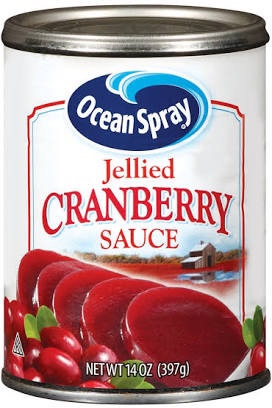
Did You Know? Cranberry Sauce Upside Down Can https://www.delish.com/food/a44521/cranberry-sauce-cans-upside-down/ Share this:1 <img alt="I'm part of Share on Reddit (Opens in new window) Reddit Share on Telegram (Opens in new window) Telegram More Share on X (Opens in new window) X Share on Facebook (Opens in new window) Facebook Print (Opens in new window) Print Share on Pinterest (Opens in new window) Pinterest Email a link to a friend (Opens in new window) Email Share on Tumblr (Opens in new window) Tumblr Share on LinkedIn (Opens in new window) LinkedIn Share on WhatsApp (Opens in new window) WhatsApp Like Loading...
Do You Get A Good Night Sleep? 7 Consequences of Not Getting Enough Sleep Every Night (msn.com) Share this:1 <img alt="I'm part of Share on Reddit (Opens in new window) Reddit Share on Telegram (Opens in new window) Telegram More Share on X (Opens in new window) X Share on Facebook (Opens in new window) Facebook Print (Opens in new window) Print Share on Pinterest (Opens in new window) Pinterest Email a link to a friend (Opens in new window) Email Share on Tumblr (Opens in new window) Tumblr Share on LinkedIn (Opens in new window) LinkedIn Share on WhatsApp (Opens in new window) WhatsApp Like Loading...
Fatigue Fighters Share this:1 <img alt="I'm part of Share on Reddit (Opens in new window) Reddit Share on Telegram (Opens in new window) Telegram More Share on X (Opens in new window) X Share on Facebook (Opens in new window) Facebook Print (Opens in new window) Print Share on Pinterest (Opens in new window) Pinterest Email a link to a friend (Opens in new window) Email Share on Tumblr (Opens in new window) Tumblr Share on LinkedIn (Opens in new window) LinkedIn Share on WhatsApp (Opens in new window) WhatsApp Like Loading...
Did You Know? Facts About Popular Chain Restaurants You’ve Probably Never Heard, click link Below 10 Little-Known Facts About Popular Chain Restaurants You’ve Probably Never Heard (msn.com) Share this:1 <img alt="I'm part of Share on Reddit (Opens in new window) Reddit Share on Telegram (Opens in new window) Telegram More Share on X (Opens in new window) X Share on Facebook (Opens in new window) Facebook Print (Opens in new window) Print Share on Pinterest (Opens in new window) Pinterest Email a link to a friend (Opens in new window) Email Share on Tumblr (Opens in new window) Tumblr Share on LinkedIn (Opens in new window) LinkedIn Share on WhatsApp (Opens in new window) WhatsApp Like Loading...


 Mws R Writings