Earth Day

EARTH DAY 2020 THEME: CLIMATE ACTION

The enormous challenges — but also the vast opportunities — of acting on climate change have distinguished the issue as the most pressing topic for the 50th anniversary. Climate change represents the biggest challenge to the future of humanity and the life-support systems that make our world habitable. 

At the end of 2020, nations will be expected to increase their national commitments to the 2015 Paris Agreement on climate change. The time is now for citizens to call for greater global ambition to tackle our climate crisis. Unless every country in the world steps up – and steps up with urgency and ambition — we are consigning current and future generations to a dangerous future.

Earth Day 2020 will be far more than a day. It must be a historic moment when citizens of the world rise up in a united call for the creativity, innovation, ambition, and bravery that we need to meet our climate crisis and seize the enormous opportunities of a zero-carbon future.

BUILDING ON THE EARTH DAY LEGACY

The first Earth Day in 1970 mobilized millions of Americans for the protection of the planet. On April 22, 1970, 20 million Americans — 10% of the U.S. population at the time — took to the streets, college campuses and hundreds of cities to protest environmental ignorance and demand a new way forward for our planet. The first Earth Day is credited with launching the modern environmental movement and is now recognized as the planet’s largest civic event.

Earth Day led to passage of landmark environmental laws in the United States, including the Clean Air, Clean Water and Endangered Species Acts. Many countries soon adopted similar laws, and in 2016, the United Nations chose Earth Day as the day to sign the Paris Climate Agreement into force.

“Despite that amazing success and decades of environmental progress, we find ourselves facing an even more dire, almost existential, set of global environmental challenges, from loss of biodiversity to climate change to plastic pollution, that call for action at all levels of government,” said Denis Hayes, the organizer of the first Earth Day in 1970 and Earth Day Network’s Board Chair Emeritus.

“Progress has slowed, climate change impacts grow, and our adversaries have become better financed,” said Earth Day Network president Kathleen Rogers. “We find ourselves today in a world facing global threats that demand a unified global response. For Earth Day 2020, we will build a new generation of environmentalist activists, engaging millions of people worldwide.”

Laugh a little

Baby Safe Paint

Blackheads? Here is how to remove them…

Step 1: Soften the Pores With Steam

Just like in most facials after you cleanse the skin, you’ll want to introduce some heat. (Although Marino noted this step is “not recommended for anyone with melasma or hyperpigmentation.”) This can help soften the pores and make it easier to extract the debris perched up inside.

You can buy a ready-made steamer like the Dr. Dennis Gross Skincare Pro Facial Steamer ($149) to make the process easy, or you can go the more cost-effective route. Simply boil hot water on the stove, throw some tea in the water to amp up the spa-like sensorial experience, and “hover over the pot with a towel over your head to trap in steam for five minutes,” she said. “Don’t do any longer or it can cause transepidermal water loss and dehydration.”

Slide 2 of 5: BUY NOW$149Just like in most facials after you cleanse the skin, you'll want to introduce some heat. (Although Marino noted this step is "not recommended for anyone with melasma or hyperpigmentation.") This can help soften the pores and make it easier to extract the debris perched up inside.  You can buy a ready-made steamer like the Dr. Dennis Gross Skincare Pro Facial Steamer ($149) to make the process easy, or you can go the more cost-effective route. Simply boil hot water on the stove, throw some tea in the water to amp up the spa-like sensorial experience, and "hover over the pot with a towel over your head to trap in steam for five minutes," she said. "Don't do any longer or it can cause transepidermal water loss and dehydration."
https://www.msn.com/en-us/lifestyle/beauty/tempted-to-squeeze-those-blackheads-here-s-how-to-do-at-home-extractions-safely/ss-BB12VUGj?ocid=msedgdhp#image=5

Step 2: Extract With Cotton Rounds

The first rule of thumb to extracting your blackheads “with caution and care,” as Marino put it, is to step away from the pore extraction tool. “Put down the knife – leave digging devices to the professionals to avoid potential permanent scarring or pigmentation issues and injury,” she said. “Use clean fingers only.”

Instead, wrap your finger in tissue or rounds like these Solimo Cotton Rounds ($3), and then gently (!) pinch the skin together and press upward. Press only in the direction you want to congestion to go (if you’re pressing down onto the skin “you’re making things worse, and potentially spreading bacteria under the skin”).

You’ll also want to leave aggravated or super stubborn acne alone. “Hard, angry, or underground is no go.”

Step 3: Wash Away Lingering Debris

Next, and to “keep the face free from cellular build-up and environmental sludge,” you’ll want to cleanse the skin. Marino recommends a face wash with light exfoliating acids like the Oxygen Infusion Wash ($38) to keep pores clean.

Stay away from overly drying ingredients, like benzoyl peroxide, since overuse can create a rebound effect and kick sebum production into overdrive.

Step 4: Put It on Ice

Finally, you’ll want to cool the skin. For immediately after the at-home extractions, Marino recommended a facial roller device. “The StackedSkincare Ice Roller ($30) is ideal for immediate inflammation reduction and pain,” she said. Then, in the next few days, reach for a hydrating, calming, and soothing serum like the iS Clinical HydraCool Serum ($94) to address any redness that may pop up afterward.

Garden Hacks Video share

Check out this video on YouTube:

Garden Tips

Wondering how to start a garden? Find your confidence with these expert gardening tips.

Never gardened before? No problem. Make your grow-you-own dreams a reality with these 10 easy-to-follow tips.

1. Site it right.

Starting a garden is just like real estate it’s all about location. Place your garden in a part of your yard where you’ll see it regularly (out of sight, out of mind definitely applies to gardening). That way, you’ll be much more likely to spend time in it.

2. Follow the sun.

Misjudging sunlight is a common pitfall when you’re first learning to garden. Pay attention to how sunlight plays through your yard before choosing a spot for your garden. Most edible plants, including many vegetables, herbs, and fruits, need at least 6 hours of sun in order to thrive.

3. Stay close to water.

One of the best gardening tips you’ll ever get is to plan your new garden near a water source. Make sure you can run a hose to your garden site, so you don’t have to lug water to it each time your plants get thirsty. The best way to tell if plants need watering is to push a finger an inch down into the soil (that’s about one knuckle deep). If it’s dry, it’s time to water.

Start with Miracle-Gro Soil - hands in Soil

4. Start with great soil.

When starting a garden, one of the top pieces of advice is to invest in soil that is nutrient-rich and well-drained. Achieve this just-right blend by mixing 3 inches of Miracle-Gro® All Purpose Garden Soil into the top 6 to 8 inches of existing soil if you’re planning to plant in the ground. If you’re planting in a raised bed, use Miracle-Gro® Raised Bed Soil, which is the perfect weight and texture for raised bed growing.Display logoOff

5. Consider containers.

When space is at a premium, look to containers. You can grow many plants in pots, including vegetables, herbs, flowers, fruit trees, berries, and shrubs. When gardening in containers, use a pot that’s large enough for the plant it’s hosting, and fill it with Miracle-Gro® Moisture Control® Potting Mix. Not only is it specially formulated to help plants in pots thrive, but it also helps protect against over- and under-watering.

Use Bonnie Plants Veggies & Herbs

6. Choose the right plants.

It’s important to select plants that match your growing conditions. This means putting sun-loving plants into a sunny spot, choosing heat-tolerant plants in warm climates, and giving ground-gobbling vines like pumpkins and melons ample elbow room (or a trellis to climb). Do your homework and pick varieties that will grow well where you live and in the space you have. And to get a step up on success when growing veggies and herbs, start with vigorous young plants from Bonnie Plants® instead of trying to grow from seed.

7. Discover your zone.

Knowing your “hardiness zone” can help you choose the best plants. Simply put, it describes the coldest place a plant can grow. The higher the zone number, the warmer the climate. So if a plant is “hardy to zone 4” and you garden in zone 5, that plant will survive in your yard. If, however, you’re in zone 3, it’s too cold to grow that particular plant. Find out your hardiness zone.

8. Learn your frost dates.

Planting too early (or late) in the season can spell disaster for your garden. You need to know the last average spring frost date for your area so you don’t accidentally kill plants by putting them out prematurely. It’s also good to know your first average fall frost date so that you get your plants harvested or moved indoors before late-season cold damages them. Discover the average first and last frost dates for your area.

9. Add some mulch.

Apply a layer of mulch that’s 2 to 3 inches deep around each plant. This will help reduce weeds by blocking out the sun, and reduce moisture loss through evaporation, so you have to water less. For a polished look, put down a layer of Scotts® bagged mulch. Or, you can put down straw, shredded leaves, pine straw, or some other locally available material.

Use Miracle-Gro Plant Food - Woman tending her garden

10. Feed plants regularly.

We’ve already talked about the importance of starting with great soil, but that soil works best in concert with regular boosts of high-quality nutrition for your plants. In other words, amazing soil + top-notch plant food = super garden success! So, a month after planting, begin feeding your garden with plant food like Miracle-Gro® Water Soluble All Purpose Plant Food. Be sure to follow label directions.

One last word of advice: Stock up on the basic tools you need to make it easier to grow. Get all the details in our Tools for Gardening article. Happy growing!

Garden Spacing

Plant Spacing Guide – Information On Proper Vegetable Garden Spacing

When planting vegetables, spacing can be a confusing topic. So many different kinds of vegetables need different spacing; it’s hard to remember how much space goes between each plant.

In order to make this easier, we have put together this handy plant spacing chart to help you. Use this vegetable plant spacing guide to help you plan how best to place vegetables in your garden.

To use this chart, simply find the vegetable you plan on putting into your garden and follow the suggested spacing for between the plants and between the rows. If you plan on using a rectangular bed layout rather than a traditional row layout, use the upper end of each between the plant spacing for your chosen vegetable.

This spacing chart is not intended to to be used with square foot gardening, as this kind of gardening is more intensive.

Plant Spacing Guide

VegetableSpacing Between PlantsSpacing Between Rows
Alfalfa [1]6″-12″35″-40″
Amaranth [2]1″-2″1″-2″
Artichokes [3]18″24″-36″
Asparagus [4]12″ – 18″60″
Beans – Bush [5]2″ – 4″18″ – 24″
Beans – Pole [5]4″ – 6″30″ – 36″
Beets [6]3″ – 4″12″ – 18″
Black Eyed Peas [7]2″ – 4″30″ – 36″
Bok Choy [8]6″ – 12″18″ – 30″
Broccoli [9]18″ – 24″36″ – 40″
Broccoli Rabe [10]1″ – 3″18″ – 36″
Brussels Sprouts [11]24″24″ – 36″
Cabbage [12]9″ – 12″36″ – 44″
Carrots [13]1″ – 2″12″ – 18″
Cassava [14]40″40″
Cauliflower [15]18″ – 24″18″ – 24″
Celery [16]12″ – 18″24″
Chaya [17]25″36″
Chinese Kale [18]12″ – 24″18″ – 30″
Corn [19]10″ – 15″36″ – 42″
Cress [20]1″ – 2″3″ – 6″
Cucumbers – Ground [21]8″ – 10″60″
Cucumbers – Trellis [21]2″ – 3″30″
Eggplants [22]18″ – 24″30″ – 36″
Fennel Bulb [23]12″ – 24″12″ – 24″
Gourds – Extra Large (30+ lbs fruit) [24]60″ – 72″120″ – 144″
Gourds – Large (15 – 30 lbs fruit) [24]40″ – 48″90″ – 108″
Gourds – Medium (8 – 15 lbs fruit) [24]36″ – 48″72″ – 90″
Gourds – Small (under 8 lbs) [24]20″ – 24″60″ – 72″
Greens – Mature harvest [25]10″ – 18″36″ – 42″
Greens – Baby green harvest [25]2″ – 4″12″ – 18″
Hops [26]36″ – 48″96″
Jerusalem Artichoke [27]18″ – 36″18″ – 36″
Jicama [28]12″12″
Kale [29]12″ – 18″24″
Kohlrabi [30]6″12″
Leeks [31]4″ – 6″8″ – 16″
Lentils [32].5″ – 1″6″ – 12″
Lettuce – Head [33]12″12″
Lettuce – Leaf [33]1″ – 3″1″ – 3″
Mache Greens [34]2″2″
Okra [35]12″ – 15″36″ – 42″
Onions [36]4″ – 6″4″ – 6″
Parsnips [37]8″ – 10″18″ – 24″
Peanuts – Bunch [38]6″ – 8″24″
Peanuts – Runner [38]6″ – 8″36″
Peas [39]1″-2″18″ – 24″
Peppers [40]14″ – 18″18″ – 24″
Pigeon Peas [41]3″ – 5″40″
Potatoes [42]8″ – 12″30″ – 36″
Pumpkins [43]60″ – 72″120″ – 180″
Radicchio [44]8″ – 10″12″
Radishes [45].5″ – 4″2″ – 4″
Rhubarb [46]36″ – 48″36″ – 48″
Rutabagas [47]6″ – 8″14″ – 18″
Salsify [48]2″ – 4″18″ – 20″
Shallots [49]6″ – 8″6″ – 8″
Soybeans (Edamame) [50]2″ – 4″24″
Spinach – Mature Leaf [51]2″ – 4″12″ – 18″
Spinach – Baby Leaf [51].5″ – 1″12″ – 18″
Squash – Summer [52]18″ – 28″36″ – 48″
Squash – Winter [52]24″ – 36″60″ – 72″
Sweet Potatoes [53]12″ – 18″36″ – 48″
Swiss Chard [54]6″ – 12″12″ – 18″
Tomatillos [55]24″ – 36″36″ – 72″
Tomatoes [56]24″ – 36″48″ – 60″
Turnips [57]2″ – 4″12″ – 18″
Zucchini [58]24″ – 36″36″ – 48″

We hope this plant spacing chart will make things easier for you while you figure out your vegetable garden spacing. Learning how much space needs to be between each plant results in healthier plants and a better yield.


Article printed from Gardening Know How: https://www.gardeningknowhow.com

URL to article: https://www.gardeningknowhow.com/edible/vegetables/vgen/plant-spacing-chart.htm

URLs in this post:

[1] Alfalfa: https://www.gardeningknowhow.com/edible/vegetables/alfalfa/

[2] Amaranth: https://www.gardeningknowhow.com/edible/grains/growing-amaranth-food.htm

[3] Artichokes: https://www.gardeningknowhow.com/edible/vegetables/artichoke/

[4] Asparagus: https://www.gardeningknowhow.com/edible/vegetables/asparagus/

[5] Beans – Bush: https://www.gardeningknowhow.com/edible/vegetables/beans/

[6] Beets: https://www.gardeningknowhow.com/edible/vegetables/beets/

[7] Black Eyed Peas: https://www.gardeningknowhow.com/edible/vegetables/black-eyed-peas/

[8] Bok Choy: https://www.gardeningknowhow.com/edible/vegetables/bok-choy/

[9] Broccoli: https://www.gardeningknowhow.com/edible/vegetables/broccoli/

[10] Broccoli Rabe: https://www.gardeningknowhow.com/edible/vegetables/broccoli-rabe/

[11] Brussels Sprouts: https://www.gardeningknowhow.com/edible/vegetables/brussels-sprouts/

[12] Cabbage: https://www.gardeningknowhow.com/edible/vegetables/cabbage/

[13] Carrots: https://www.gardeningknowhow.com/edible/vegetables/carrot/

[14] Cassava: https://www.gardeningknowhow.com/edible/vegetables/cassava/

[15] Cauliflower: https://www.gardeningknowhow.com/edible/vegetables/cauliflower/

[16] Celery: https://www.gardeningknowhow.com/edible/vegetables/celery/

[17] Chaya: https://www.gardeningknowhow.com/edible/vegetables/chaya/

[18] Chinese Kale: https://www.gardeningknowhow.com/edible/vegetables/chinese-kale/

[19] Corn: https://www.gardeningknowhow.com/edible/vegetables/corn/

[20] Cress: https://www.gardeningknowhow.com/edible/vegetables/cress/

[21] Cucumbers – Ground: https://www.gardeningknowhow.com/edible/vegetables/cucumber/

[22] Eggplants: https://www.gardeningknowhow.com/edible/vegetables/eggplant/

[23] Fennel Bulb: https://www.gardeningknowhow.com/edible/vegetables/fennel-vegetables/

[24] Gourds – Extra Large (30+ lbs fruit): https://www.gardeningknowhow.com/edible/vegetables/gourd/

[25] Greens – Mature harvest: https://www.gardeningknowhow.com/edible/vegetables/greens/

[26] Hops: https://www.gardeningknowhow.com/edible/vegetables/hops/

[27] Jerusalem Artichoke: https://www.gardeningknowhow.com/edible/vegetables/jerusalem-artichokes/

[28] Jicama: https://www.gardeningknowhow.com/edible/vegetables/jicama/

[29] Kale: https://www.gardeningknowhow.com/edible/vegetables/kale/

[30] Kohlrabi: https://www.gardeningknowhow.com/edible/vegetables/kohlrabi/

[31] Leeks: https://www.gardeningknowhow.com/edible/vegetables/leeks/

[32] Lentils: https://www.gardeningknowhow.com/edible/vegetables/lentils/

[33] Lettuce – Head: https://www.gardeningknowhow.com/edible/vegetables/lettuce/

[34] Mache Greens: https://www.gardeningknowhow.com/edible/vegetables/mache-greens/

[35] Okra: https://www.gardeningknowhow.com/edible/vegetables/okra/

[36] Onions: https://www.gardeningknowhow.com/edible/vegetables/onion/

[37] Parsnips: https://www.gardeningknowhow.com/edible/vegetables/parsnips/

[38] Peanuts – Bunch: https://www.gardeningknowhow.com/edible/vegetables/peanuts/

[39] Peas: https://www.gardeningknowhow.com/edible/vegetables/peas/

[40] Peppers: https://www.gardeningknowhow.com/edible/vegetables/pepper/

[41] Pigeon Peas: https://www.gardeningknowhow.com/edible/vegetables/pigeon-peas/

[42] Potatoes: https://www.gardeningknowhow.com/edible/vegetables/potato/

[43] Pumpkins: https://www.gardeningknowhow.com/edible/vegetables/pumpkin/

[44] Radicchio: https://www.gardeningknowhow.com/edible/vegetables/radicchio/

[45] Radishes: https://www.gardeningknowhow.com/edible/vegetables/radish/

[46] Rhubarb: https://www.gardeningknowhow.com/edible/vegetables/rhubarb/

[47] Rutabagas: https://www.gardeningknowhow.com/edible/vegetables/rutabaga/

[48] Salsify: https://www.gardeningknowhow.com/edible/vegetables/salsify/

[49] Shallots: https://www.gardeningknowhow.com/edible/vegetables/shallot/

[50] Soybeans (Edamame): https://www.gardeningknowhow.com/edible/vegetables/soybean/

[51] Spinach – Mature Leaf: https://www.gardeningknowhow.com/edible/vegetables/spinach/

[52] Squash – Summer: https://www.gardeningknowhow.com/edible/vegetables/squash/

[53] Sweet Potatoes: https://www.gardeningknowhow.com/edible/vegetables/sweet-potato/

[54] Swiss Chard: https://www.gardeningknowhow.com/edible/vegetables/swiss-chard/

[55] Tomatillos: https://www.gardeningknowhow.com/edible/vegetables/tomatillo/

[56] Tomatoes: https://www.gardeningknowhow.com/edible/vegetables/tomato/

[57] Turnips: https://www.gardeningknowhow.com/edible/vegetables/turnip/

[58] Zucchini: https://www.gardeningknowhow.com/edible/vegetables/zucchini/

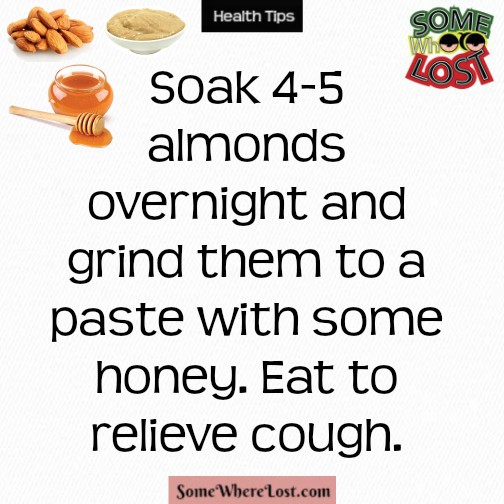
Health Tip

See the source image