Also known as the Kiwaidae, this crab is a type of marine decapod living at deep-sea hydrothermal vents and cold seeps. The animals are commonly referred to as “yeti crabs” because of their claws and legs, which are white and appear to be furry like the mythical yeti
• 1/2 cup oats cooked in 1/2 cup each 2% milk and water • 1 medium plum, chopped • 4 walnut halves, chopped Top oats with plum and walnuts.
A.M. Snack (96 calories, 18 g carbohydrates)
• 3/4 cup blueberries • 1/4 nonfat plain Greek yogurt Top blueberries with yogurt.
Lunch (319 calories, 37 g carbohydrates)
Turkey & Apple Cheddar Melt • 2 slices whole-wheat bread • 2 tsp. whole-grain mustard, divided • 1/2 medium apple, sliced • 2 oz. low-sodium deli turkey • 2 Tbsp. shredded Cheddar cheese, divided • 1 cup mixed greens Top one slice of bread with 1 tsp. mustard, apple, turkey and 1 Tbsp. cheese. Top the other slice of bread with the remaining 1 tsp. mustard and 1 Tbsp.cheese. Toast sandwich halves face-up in a toaster oven until the cheese begins to melt and bubble. Add the mixed greens to the sandwich just before serving.
*Look for a deli turkey with less than 150 mg sodium per 1-ounce serving.
P.M. Snack (58 calories, 16 g carbohydrates)
• 1/2 medium apple, sliced • 1/2 tsp. honey • Pinch of cinnamon Drizzle the apple slices with honey and sprinkle with cinnamon.
Make-Ahead Tip: Cook an extra 1/2 cup of lentils to have for lunch on Day 3.
Daily Total: 1,179 calories, 39 g protein, 166 g carbohydrates, 35 g fiber, 65 g sugar, 47 g fat, 9 g saturated fat, 1,425 mg sodium
Day 3
Breakfast (289 calories, 27 g carbohydrates)
• 1 serving Yogurt with Blueberries & Honey • 1 tsp. ground flaxseed • 6 walnut halves, chopped or whole Add flaxseed to yogurt for an added boost of fiber and omega-3s. Top with chopped walnuts, or leave the walnuts whole to have on the side.
• 1 1/3 cups Chicken Sausage & Peppers • 1/2 cup cooked brown rice • 1/2 tsp. extra-virgin olive oil • 1/2 tsp. no-salt-added Italian seasoning • Salt to taste Season rice with oil, Italian seasoning and salt. Serve chicken, sausage & peppers over the rice.
• 1 1/2 cups mixed greens • 1/4 cup shredded carrot • 1/4 cup sliced cucumbers • 1 Tbsp. Garlic-Oregano Vinaigrette, or a premade Italian salad dressing* Combine greens, carrot, cucumber and vinaigrette.
*When buying premade salad dressings, look for one made without added sugars. And, choose one made with olive oil or canola oil.
Make Ahead Tip: Cook an extra 1/2 cup of brown rice to have for dinner on Day 7. You can substitute brown rice for the farro in the dinner recipe for Day 4. If you choose to do so, cook an extra 2 cups of rice tonight to save yourself time tomorrow.
Daily Total: 1,218 calories, 63 g protein, 151 g carbohydrates, 31 g fiber, 75 g sugar, 45 g fat, 9 g saturated fat, 830 mg sodium
Day 4
Breakfast (295 calories, 42 g carbohydrates)
• 1/2 cup oats cooked in 1/2 cup each 2% milk and water • 1 tsp. ground flaxseed • 1 medium plum, chopped • 3 walnut halves, chopped Mix oatmeal and flaxseed; top with plum and walnuts.
Turkey & Pear Pita Melt • 1/2 large whole-wheat pita round (save the other half for lunch on Day 7) • 3 1/2 oz. low-sodium deli turkey • 1/2 medium pear, sliced • 2 Tbsp. shredded Cheddar cheese • 1 cup mixed greens Stuff pita pocket with turkey, pear and cheese. Toast in a toaster oven until the cheese starts to melt. Add greens to the pita just before eating.
• 1 medium plum
P.M. Snack (52 calories, 14 g carbohydrates)
Cinnamon Pears • 1/2 medium pear, sliced • Cinnamon to taste Sprinkle pear slices with cinnamon.
Dinner (448 calories, 38 g carbohydrates)
• 1 serving Spaghetti Squash & Meatballs • 1 slice whole-wheat baguette (cut 1/4 inch thick), toasted • 1/2 Tbsp. goat cheese • 1/4 tsp. fresh chopped rosemary Toast baguette and top with cheese and rosemary.
Daily Total: 1,176 calories, 64 g protein, 151 g carbohydrates, 29 g fiber, 74 g sugar, 37 g fat, 9 g saturated fat, 1,738 mg sodium
Day 6
Breakfast (291 calories, 28 g carbohydrates)
• 1 serving Yogurt with Blueberries & Honey • 2 tsp. ground flaxseed • 5 walnut halves, chopped Mix yogurt and flaxseed. Serve topped with walnuts.
A.M. Snack (72 calories, 18 g carbohydrates)
• 14 cherries
Lunch (337 calories, 42 g carbohydrates)
• 2 1/2 cups Vegetable Weight-Loss Soup
P.M. Snack (62 calories, 15 g carbohydrates)
• 1 medium orange
Dinner (422 calories, 53 g carbohydrates)
• 1 serving Apple-Glazed Chicken with Spinach • 1/2 cup Steamed Butternut Squash • 2 tsp. extra-virgin olive oil • 1/2 tsp. fresh thyme or 1/8 tsp. dried • Salt and pepper to taste Toss squash with oil and thyme. Season with salt and pepper to taste.
Daily Total: 1,184 calories, 78 g protein, 156 g carbohydrates, 27 g total fiber, 88 g sugar, 34 g fat, 5 g saturated fat, 1,541 mg sodium
Day 7
Make Ahead Tip: Tonight’s dinner is a slow-cooker recipe. Make sure you start it early enough in the day that it will be ready in time for dinner.
Breakfast (300 calories, 40 g carbohydrates)
• 2 Blueberry-Pecan Pancakes • 3 Tbsp. blueberries, fresh or frozen • 2 tsp. ground flaxseed Microwave blueberries until soft and sauce-like, about 1 minute. Stir in the flaxseed for an extra fiber kick, and serve with the pancakes.
A.M. Snack (62 calories, 15 g carbohydrates)
• 1 medium orange
Lunch (325 calories, 35 g carbohydrates)
• 2 cups mixed greens • 1/2 cup sliced cucumber • 1/4 cup grated carrot • 1 1/2 Tbsp. Garlic-Oregano Vinaigrette, or a premade Italian salad dressing Combine greens, cucumber, carrot and vinaigrette.
• 1/2 large whole-wheat pita round, toasted • 1/4 cup hummus
By: Cat Ebeling, BSN, co-author of the best-sellers: The Fat Burning Kitchen, The Top 101 Foods that Fight Aging & The Diabetes Fix
If you have type 2 diabetes and you take a statin drug, you might start noticing a phrase that’s ridiculously overused…
“The benefits outweigh the risks.” Has your doctor ever said that to you?
There are plenty of risks and they’re all serious health issues. Actually the risks FAR outweigh the benefits. ESPECIALLY if you already have type 2 diabetes.
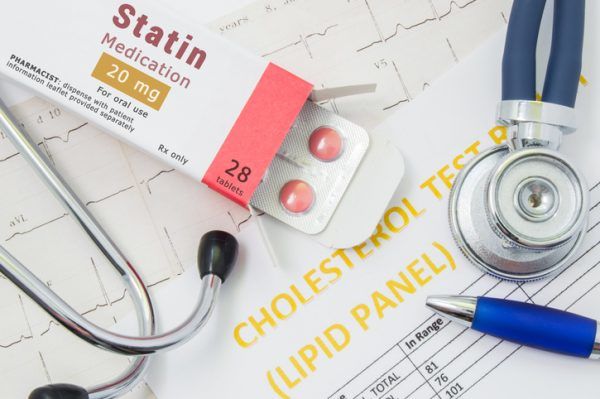
Statins are the primary drug that doctors prescribe to lower cholesterol. Statins are a fairly recent pharmaceutical creation that work by blocking an enzyme in the liver that is responsible for making cholesterol.
Statins became one of the most-prescribed medications when the guidelines for the high end of total cholesterol guidelines were reduced down to 200 a few years ago.
Now, tens of millions of Americans are taking cholesterol-lowering drugs, thinking this is the best way to prevent heart disease. In fact, about 30 percent of American men and women over age 40 take a statin.
The problem is that statins come with a host of side effects which can be pretty significant. One of the more serious side effects of statins is the significant increased risk of type 2 diabetes. The latest study on this connection shows the link may be even stronger than was previously reported.
Researchers prospectively studied 8,567 men and women whose average age was 64. All were free of diabetes and not taking statins when the study started. In a follow-up study 15 years later, about 12 percent of the group had started taking statins, most using either Zocor or Lipitor (simvastatin or atorvastatin) and the rest either Pravachol or Lescol (pravastatin or fluvastatin). Most took the statins for over a year, and 716 new cases of diabetes occurred in the group.
After controlling for age, sex, smoking, family history of diabetes, and other factors, researchers found that statin use was associated with higher risk for insulin resistance and high blood sugar, and with a 38 percent increased risk for the development of Type 2 diabetes.
The brand of statin and the dosage made no difference, but the risk was especially high for statin users who were overweight or obese—which is of course an increased risk for type 2 diabetes as well. The study appeared in the British Journal of Clinical Pharmacology. Other recent research also shows a similar causal link between elevated blood glucose, type 2 diabetes and statins as well.
Here’s the key thing to take away—the number one risk factor of having type 2 diabetes is heart disease.
Adults with type 2 diabetes are about two to four times as likely to die from heart disease as adults who do not have diabetes.
So the question is–if you were told to take statins to lower your cholesterol and chances of heart disease, but it actually increases your chance of developing type 2 diabetes, is it worth it to take statins?
How do Statins increase risk of diabetes?
Statins have been shown to increase your risk of diabetes through a few different mechanisms. The most important one is they increase insulin resistance, which can be extremely harmful to your health. Increased insulin resistance contributes to chronic inflammation in your body, and inflammation is the hallmark of most diseases.
In fact, increased insulin resistance can lead to heart disease, which, ironically, is the primary reason for taking a cholesterol-reducing drug in the first place! It can also promote weight gain, high blood pressure, heart attacks, chronic fatigue, thyroid disruption, and diseases like Parkinson’s, Alzheimer’s, and cancer.
Secondly, statins increase your diabetes risk by actually raising your blood sugar. When you eat a meal that contains starches and sugar, some of the excess sugar goes to your liver, which then stores it away as cholesterol and triglycerides. Statins work by preventing your liver from making cholesterol. As a result, your liver returns the sugar to your bloodstream, raising blood sugar levels.
If you’re on a statin drug and find that your blood glucose is elevated, it is possible that you may just have hyperglycemia—a side effect, or result of your statin medication. Unfortunately, many doctors will often mistakenly diagnose you with type 2 diabetes, and possibly prescribe a diabetes drug, like metformin or insulin.
Discontinuing the statin will help to determine if blood glucose levels are caused by the statin. Be sure to check in with the physician, however, before stopping any prescribed medication.
Statins are well-known for the muscle weakness and pain they can cause, but statins can affect much more than just the muscles and blood sugar. Many people have reported cognitive problems and memory loss as a result of statin medication.
Other potential side effects of statins include: kidney problems, anemia, sexual dysfunction, immune depression, cataracts, increased cancer risk, abnormal liver enzymes and depression.
The other ironic, and contradictory fact about statins and heart health is the fact that statins deplete your body of CoQ10. CoQ10 is an essential cofactor in the body that is essential for the creation of ATP, which is what every cell in the body uses for energy production.
This is especially important for muscles—especially the heart muscle. CoQ10 is produced primarily in the liver and it also plays a role in maintaining blood glucose as well. As the body gets more and more depleted of CoQ10, it causes extreme fatigue, muscle weakness and achiness, and can even lead to heart failure.
Physicians seem to be blissfully unaware of this risk, and don’t usually discuss with patients the importance of supplementing with extra CoQ10. CoQ10 is also necessary to neutralize free radicals in the body, which damage the cell’s DNA and their reproduction. It’s a vicious cycle to have low CoQ10, no cellular energy (this translates to no energy overall!) and damaged DNA.
In addition, the muscle fatigue and pain make it difficult to be motivated to do any amount of exercise, further weakening the cardiovascular system and the muscles.
Statin drugs also interfere with necessary and vital biological functions, including hormone pathways. Statins affect the sex hormones, cortisone, and vitamin D. Statins actually interfere with your body’s natural ability to create vitamin D, which is related to cholesterol. It’s a fact that vitamin D actually helps improve insulin resistance, so a reduction in vitamin D also removes this protective factor, opening the door a bit wider for type 2 diabetes.
Do I Really Need to Lower My Cholesterol?
Total cholesterol values are only a very small part of the picture of your chances of heart disease, but unfortunately conventional medical doctors use total cholesterol numbers to base their decision to recommend statins.
It’s become common knowledge that cholesterol is not the primary cause of heart disease. In fact, three large reviews show the errors in the generally held theory that cholesterol causes heart disease. And this study, also shows no real link between cholesterol and heart disease. In fact, to the contrary, it’s been shown that low cholesterol contributes more to all-cause mortality in older adults, not high cholesterol.
Having a lipid panel that shows you have higher than normal total cholesterol then, is not any kind of predictor of your risk of heart disease, unless it is over 350. The ONLY people who may benefit from cholesterol-lowering practices are those with a genetic type of very high cholesterol.
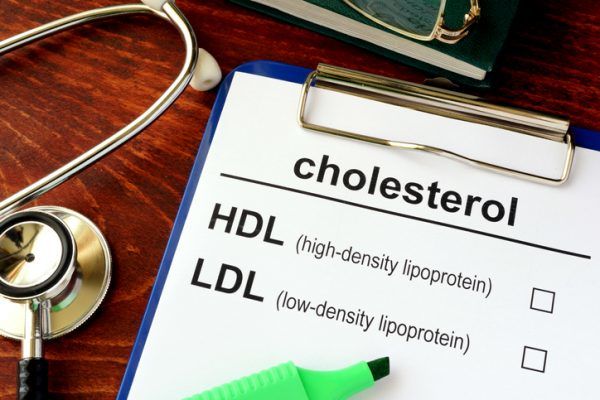
The High Density Lipoproteins or HDL, number is a far more reliable indicator for heart disease risk. Here are the two ratios to check on your lipid panel:
HDL/Total Cholesterol Ratio: Should ideally be above 24 percent. If below 10 percent, you have a significantly elevated risk for heart disease.
Triglyceride/HDL Ratio: Should be below 2.
Many people with total cholesterol levels over 250 are actually at low risk for heart disease because of their high levels of protective HDL, and many people with low cholesterol under 200, can be at high risk for heart disease because of their high LDL and triglycerides.
Actually the conventional LDL/cholesterol hypothesis is not entirely accurate, because damage of the interior layers of your arteries always precedes heart disease, and this damage can be induced by a number of factors, including smoking, high blood pressure, elevated blood sugar and inflammation.
Once the artery is damaged, cholesterol-rich plaque begins to build up as a protective mechanism. Problems arise when the rate of damage to the vessels and blood clot formation outpace your body’s ability to repair the blood vessels.
Your body actually needs a good amount of cholesterol—it is important in the production of cell membranes, all of your hormones—especially sex hormones, vitamin D, and bile acids that help you to digest fat.
Cholesterol also helps your brain work properly and is vital to healthy nerve function. There is also plenty of evidence that having low levels of cholesterol increases your risk for cancer, memory loss, Parkinson’s disease, hormonal imbalances, stroke, depression, suicide, and violent behavior.
If your doctor recommends you take statins to lower your cholesterol, think twice about that. There are many ways to protect your health with a healthy, low carb/low sugar diet, high in antioxidant-rich veggies, that will also protect you from heart disease, diabetes, and many other diseases. Statins don’t seem to be the best solution.
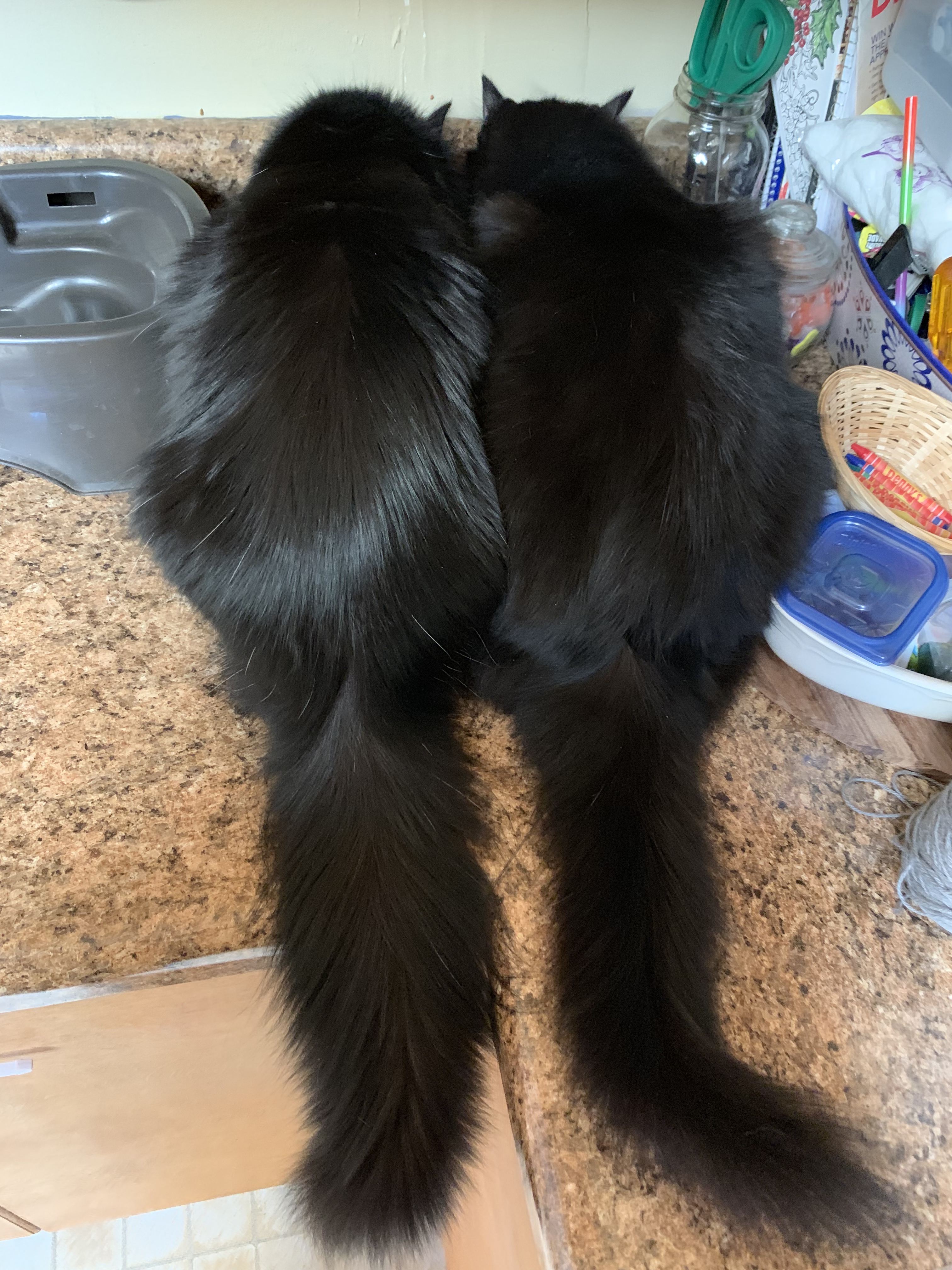
My cat, Cole. Isn’t he beautiful?My baby cat, 2 year old Poppy. He is my love bug.Twins!!! Ha ha. No, they aren’t related. Had to shoot a picture of them though.My dog, she loves to kiss me.My other dog.
This story was first published in 1894 as The Dream of an Hour before being republished under this title in 1895. We encourage students and teachers to use our The Story of An Hour Study Guide and Feminist Literature Study Guide.
Carl Halsoe, Waiting by the Window, 1863
Knowing that Mrs. Mallard was afflicted with a heart trouble, great care was taken to break to her as gently as possible the news of her husband’s death.
It was her sister Josephine who told her, in broken sentences; veiled hints that revealed in half concealing. Her husband’s friend Richards was there, too, near her. It was he who had been in the newspaper office when intelligence of the railroad disaster was received, with Brently Mallard’s name leading the list of “killed.” He had only taken the time to assure himself of its truth by a second telegram, and had hastened to forestall any less careful, less tender friend in bearing the sad message.
She did not hear the story as many women have heard the same, with a paralyzed inability to accept its significance. She wept at once, with sudden, wild abandonment, in her sister’s arms. When the storm of grief had spent itself she went away to her room alone. She would have no one follow her.
There stood, facing the open window, a comfortable, roomy armchair. Into this she sank, pressed down by a physical exhaustion that haunted her body and seemed to reach into her soul.
She could see in the open square before her house the tops of trees that were all aquiver with the new spring life. The delicious breath of rain was in the air. In the street below a peddler was crying his wares. The notes of a distant song which someone was singing reached her faintly, and countless sparrows were twittering in the eaves.
There were patches of blue sky showing here and there through the clouds that had met and piled one above the other in the west facing her window.
She sat with her head thrown back upon the cushion of the chair, quite motionless, except when a sob came up into her throat and shook her, as a child who has cried itself to sleep continues to sob in its dreams.
She was young, with a fair, calm face, whose lines bespoke repression and even a certain strength. But now there was a dull stare in her eyes, whose gaze was fixed away off yonder on one of those patches of blue sky. It was not a glance of reflection, but rather indicated a suspension of intelligent thought.
There was something coming to her and she was waiting for it, fearfully. What was it? She did not know; it was too subtle and elusive to name. But she felt it, creeping out of the sky, reaching toward her through the sounds, the scents, the color that filled the air.
Now her bosom rose and fell tumultuously. She was beginning to recognize this thing that was approaching to possess her, and she was striving to beat it back with her will–as powerless as her two white slender hands would have been. When she abandoned herself a little whispered word escaped her slightly parted lips. She said it over and over under the breath: “free, free, free!” The vacant stare and the look of terror that had followed it went from her eyes. They stayed keen and bright. Her pulses beat fast, and the coursing blood warmed and relaxed every inch of her body.
She did not stop to ask if it were or were not a monstrous joy that held her. A clear and exalted perception enabled her to dismiss the suggestion as trivial. She knew that she would weep again when she saw the kind, tender hands folded in death; the face that had never looked save with love upon her, fixed and gray and dead. But she saw beyond that bitter moment a long procession of years to come that would belong to her absolutely. And she opened and spread her arms out to them in welcome.
There would be no one to live for during those coming years; she would live for herself. There would be no powerful will bending hers in that blind persistence with which men and women believe they have a right to impose a private will upon a fellow-creature. A kind intention or a cruel intention made the act seem no less a crime as she looked upon it in that brief moment of illumination.
And yet she had loved him–sometimes. Often she had not. What did it matter! What could love, the unsolved mystery, count for in the face of this possession of self-assertion which she suddenly recognized as the strongest impulse of her being!
“Free! Body and soul free!” she kept whispering.
Josephine was kneeling before the closed door with her lips to the keyhole, imploring for admission. “Louise, open the door! I beg; open the door–you will make yourself ill. What are you doing, Louise? For heaven’s sake open the door.”
“Go away. I am not making myself ill.” No; she was drinking in a very elixir of life through that open window.
Her fancy was running riot along those days ahead of her. Spring days, and summer days, and all sorts of days that would be her own. She breathed a quick prayer that life might be long. It was only yesterday she had thought with a shudder that life might be long.
She arose at length and opened the door to her sister’s importunities. There was a feverish triumph in her eyes, and she carried herself unwittingly like a goddess of Victory. She clasped her sister’s waist, and together they descended the stairs. Richards stood waiting for them at the bottom.
Someone was opening the front door with a latchkey. It was Brently Mallard who entered, a little travel-stained, composedly carrying his grip-sack and umbrella. He had been far from the scene of the accident, and did not even know there had been one. He stood amazed at Josephine’s piercing cry; at Richards’ quick motion to screen him from the view of his wife.
When the doctors came they said she had died of heart disease–of the joy that kills.
When opossums are “playing ‘possum,” they are not playing. They actually pass out from sheer terror.
The two-foot long bird called a Kea that lives in New Zealand likes to eat the strips of rubber around car windows.
Snakes are true carnivores as they eat nothing but other animals. They do not eat any type of plant material.
The Weddell seal can travel underwater for seven miles without surfacing for air.
According to tests made at the Institute for the Study of Animal Problems in Washington, D.C., dogs and cats, like people, are either right-handed or left-handed—that is, they favor either their right or left paws.
An iguana can stay under water for 28 minutes.
Crocodiles and alligators are surprisingly fast on land. Although they are rapid, they are not agile, so if you ever find yourself chased by one, run in a zigzag line. You’ll lose him or her every time.
Horses can’t vomit.
A crocodile cannot stick its tongue out.
Butterflies taste with their feet.
Penguins can jump as high as six feet in the air.
All polar bears are left-handed.
An eagle can kill a young deer and fly carrying it.
It was discovered on a space mission that a frog can throw up. The frog vomits its entire stomach out so the organ is dangling out of its mouth. Then the frog uses its forearms to dig out all of the stomach’s contents and swallows the stomach back down again.
The leg bones of a bat are so thin that no bat can walk.
The katydid bug hears through holes in its hind legs.
Slugs have four noses.
Ostriches stick their heads in the sand to look for water.
In a study of 200,000 ostriches over a period of 80 years there were no reported cases of an ostrich burying its head in the sand.
It’s possible to lead a cow upstairs, but not downstairs.
A shrimp’s heart is in its head.
A snail can sleep for three years.
The chicken is one of the few things that man eats before it’s born and after it’s dead.
Some dogs can predict when a child will have an epileptic seizure and even protect the child from injury. They’re not trained to do this, they simply learn to respond after observing at least one attack.
A pregnant goldfish is called a twit.
Rats multiply so quickly that in 18 months, two rats could have over a million descendants.
There are only three types of snakes on the island of Tasmania and all three are deadly poisonous.
It is physically impossible for pigs to look up into the sky.
Dolphins sleep with one eye open.
A goldfish has a memory span of three seconds.
A shark is the only fish that can blink with both eyes.
Emus and kangaroos cannot walk backwards and are on the Australian coat of arms for that reason.
The jellyfish is 95% water.
A hippo can open its mouth wide enough to fit a 4 foot tall child inside.
Only female mosquitoes bite.
Most elephants weigh less than the tongue of the blue whale.
This plant is very useful in the air purification process. Areca palm helps to remove toluene and xylene from the air inside and it can also help to increase the overall air purification. It’s very useful and beneficial for people who have asthma and need effective air purification.
Money Plant
This plant is also very useful in increasing the overall air quality and the air purification process. The money plant helps to reduce the toxins: benzene, formaldehyde, toluene and xylene from the air. This amazing air-purifying plant is great for people who have asthma, for people who have other lung problems and for people who are exposed to high city smog living conditions.
Spider Plant
This remarkable plant promotes high air purification. Spider plant is suitable for decreasing the levels of formaldehyde, toluene, and xylene in the air. This plant is also very useful and great for placing in homes that have been painted recently. We can also mention that this plant is suitable for apartments or homes, which are exposed to city chemical air pollutants
Purple Waffle Plant
Do you have this plant in your home? Well, if your answer is no, then you definitely should. This remarkable plant will help you to eliminate the toxic compound – formaldehyde from the air. We can also mention that this plant will help you to increase overall air purification and it’s very useful and effective for increasing the quality of the air within any house or apartment. This plant is very good for people who live in the city, and they are exposed to high amounts of toxic smog and car fumes. People who live near the industrial factories should definitely get one of these.
Bamboo Palm
This plant is very effective in removing the formaldehyde toxic compound from the air indoors and it’s also very useful for acting as a natural humidifier – for most areas inside the house. This amazing plant can help you remove xylene and toluene – two toxic compounds from the air inside. It’s also great for people who live in high polluted areas and where car fume exposure is at high levels. Bamboo palm is suitable for homes and shops, which may be exposed to gasoline
Variegated Wax Plant
Variegated wax plant will help you to improve the overall air quality in your home, by removing and eliminating benzene and formaldehyde from the air inside. You should also know that this plant will increase the overall air purification levels. The variegated wax plant can help people who suffer from lung diseases, such as: emphysema or asthma. This amazing plant is also very useful and beneficial for people who are exposed to car fumes, petrol, paint fumes, industrial or city smog, or heavy cleaning products.
Lilyturf
Have you ever heard of lilyturf? Well, if you haven’t, then you should definitely read this – this amazing plant will help you to remove ammonia, toluene, xylene and formaldehyde from the air inside your house or apartment. This remarkable plant is capable of increasing the oxygen levels and it can help to improve the air quality. We can also mention that the lilyturf plant is also great for people who are exposed to cleaning products, paint fumes, city or industrial smog, or vehicle fumes. The lilyturf plant can help you clean the air for people who suffer from lung diseases, including asthma and emphysema.
Boston Fern
You should definitely get one of this plants in your home, because it will help you remove the formaldehyde from the air. You should also know that this plant also works well as a natural type of air humidifier. This plant is very good in removing xylene and toluene from the air as well. Some people say that this plant is one of the best air-purifiers in the world. This remarkable plant is perfect for people who live in areas where exposure to gasoline exists. Boston fern is the best plant for homes that are exposed to city smog. And we can also mention that this plant is very useful for purifying the air for people who have asthma or other breathing problems.
Dwarf Date Palm
This plant is absolutely amazing. It will help you reduce the toxins: xylene, toluene and formaldehyde from the air inside your house or apartment. You should also know that this plant will increase the oxygen levels in your home and it’s very useful in improving the air quality in highly exposed areas. The dwarf date palm is great for placing in homes that may be exposed to paint fumes, factory smog, car fumes, or heavy cleaning solvents. This amazing air-purifying plant is very useful for improving the air quality for asthmatics and people who have other lung problems.
Moth Orchids
This plant is your best choice if you want to purify the air inside your house. We can also say that this plant is also very effective in removing xylene and toluene. The moth orchids plant can increase the air quality in your home significantly. It’s suitable for homes and apartments that are exposed to factory or city smoke, smoke or fumes. You should also know that this plant is very useful and beneficial for purifying the air in homes, which are freshly painted or where paint fumes exist.
Barberton Daisy
Barberton daisy – it works great in removing benzene, formaldehyde and trichloroethylene from your home. This amazing plant is the best plant if you want to increase the oxygen levels in your house or your apartment. It will help you purify the air as well. This remarkable plans it very useful and beneficial for homes that are exposed to fuel fumes, car fumes, factory or city smog, smoke, etc. This plant is also very useful for people who are exposed to heavy cleaning solvents.
As you can see, these amazing plants will purify the air in your home, increase oxygen levels and remove all the toxic compounds from the air inside your house or apartment. And they are completely safe for you, your family and your pert. So, you should definitely get one of these plants. Thanks for reading and don’t forget to share with your friends and family.













 Mws R Writings