https://www.prevention.com/health/g20481244/unexpected-side-effects-of-diabetes/
Tag: Diabetic
3-Day Flexitarian Diabetes Meal Plan | EatingWell
Add more veg into your day with this diabetes-friendly meal plan that puts plants at the center.
— Read on www.eatingwell.com/article/7834214/flexitarian-diabetes-meal-plan/
Diabetic Information~Foods To Avoid
| Foods to Avoid or Limithttp://www.betterfamilyhealth.org/treatment-of-diabetes.html | Suitable Alternatives |
| High in Sugar |
| sugar, honey spreads : jam, marmalade, syrups, nutellasweet drinks : cordial, soft drink, flavoured mineral water, tonic water, fruit juice drinks, ordinary flavoured milk, milkshakessweet wine/sherry, port, liqueurs, ordinary beerconfectionary : lollies, cough lollies, chocolate (ordinary/diabetic/carob), muesli/health bars | Use Stevia (0 calories) instead, tablet or liquid artificial sweetenerlow joule jam/marmalade, Promite, Vegemite, meat/fish pastelow joule cordial/soft drink, plain mineral/soda water, pure fruit juice (limit to 1 small glass a day), coffee, tea, herbal teas, Green tea is highly antioxidant dry wine or spirit (1 to 2 drinks a day) low joule pastilles |
| sweet biscuits (eg cream, chocolate, shortbread), cakes, donuts, iced buns, sweet pastries, crispbreads, Cruskits, wholemeal crackers, wheatmeal or coffee biscuits, scones, ‘no added sugar’ fruit loaf | Rice crackers or biscuits |
| sweet desserts : ordinary jelly, fruit in sugar syrup, fruit pies, cheesecakes, puddings, ordinary flavoured yoghurt or ice-cream, ice-cream toppings | low joule jelly, fresh or tinned/stewed fruit without added sugar, plain or diet-lite ‘no added sugar’ yoghurt, plain ice-cream (1 scoop occasionally), low joule ice-cream topping |
| sweet cereals : some mueslis, Nutrigrain, Cocopops, Honey Smacks, Sugar Frosties, Weetbix, All-Bran | Porridge |
| High in Fat |
| mayonnaise, oily dressings, cream sauces, fatty gravies, sour cream | low joule dressings, vinegar, lemon juice, low joule Gravox, plain yoghurt, Olive Oil based dressings |
| fat on meat, chicken skin, fatty meats (sausages, bacon, salami)deep-fried foods, pies/pastriesVegetable oils are now considered unhealthy oils (including peanut oil) | lean cuts of meat with skin and fat removedfoods cooked without fat, or with a minimal amount of coconut, olive, avacado, flaxseed or nut oils |
| snack foods : crisps, corn chipslarge amounts of margarine, oil, cream, peanut butter, dripping | nuts, raw vegetables, fruit, plain popcornlimit to 3-6 teaspoons a day, preferably butter, moderate amounts of lard & ghee |
Do you think you will find it difficult to commit to a healthier diet as a treatment of diabetes, here is a powerful and pragmatic suggestion in this Ted.com video from Graham Hill, founder of Treehugger.com – Be a weekday vegetarian.
Here is a list of the Best Antioxidants and Free Radical Scavengers that you should be taking as dietary supplements daily as recommended by Dr David Perlmutter, author of ‘Grain Brain’:
- Tumeric
- DHA Omega 3
- B complex vitamins (including Vitamin B12)
- Vitamin C & D
- Bacopa
- Brocolli
- Alpha-Lipoic acid 300 (ALA)
- Ashwagandha
- Resveratrol
- Milk Thistle
- Green Tea
- Probiotics
- Coenzyme Q10 (coq10)
These nutritional supplements reduce oxidative stress on your brain and body, thus protecting your health.

Dr. Mercola Interviews Dr. David Perlmutter, Author of Grain Brain
Natural health expert and Mercola.com founder Dr. Joseph Mercola interviews Dr. David Perlmutter about the implications of diet to Alzheimer’s risk.

Here is a list of the Best Antioxidants and Free Radical Scavengers that you should be taking as dietary supplements daily as recommended by Dr David Perlmutter, author of ‘Grain Brain’:
- Tumeric
- DHA Omega 3
- B complex vitamins (including Vitamin B12)
- Vitamin C & D
- Bacopa
- Brocolli
- Alpha-Lipoic acid 300 (ALA)
- Ashwagandha
- Resveratrol
- Milk Thistle
- Green Tea
- Probiotics
- Coenzyme Q10 (coq10)
These nutritional supplements reduce oxidative stress on your brain and body, thus protecting your health.

Things That Happen When Your Diabetes Goes Untreated
When you hear “diabetes,” your mind likely jumps to problems with producing insulin and regulating blood sugar. And that’s definitely a key part of this chronic disease, which affects nearly 1 in 10 Americans, according to the Centers for Disease Control and Prevention (CDC). But that’s also just the tip of the iceberg.
“Diabetes is like termites, in that it causes slow, hidden, but significant damage in the body,” says Osama Hamdy, M.D., Ph.D., director of the Inpatient Diabetes Program at the Joslin Diabetes Center in Boston. “Most patients with type 2 diabetes die from a heart attack,” Dr. Hamdy says, “but because the disease doesn’t have many symptoms, people tend to take it lightly.”
And evidence continues to mount that diabetes affects every system in the body, wreaking havoc if it’s not well managed. Learn more below about the side effects of diabetes and how you can protect yourself from complications. (The good news: Most can be avoided by following the treatment plan set out by your doctor.)
1) High blood pressure and cholesterol
When you have type 2 diabetes, your body can’t properly use insulin, a hormone that regulates blood sugar. In turn, your HDL (or “good”) cholesterol lowers, and your levels of harmful blood fats called triglycerides rise. Insulin resistance also contributes to hardened, narrow arteries, which in turn increases your blood pressure.
As a result, about 2 of 3 people with diabetes also have hypertension—a risk factor for stroke, heart disease, and trouble with thinking and memory. Failing to control high blood pressure and high cholesterol, either with diet and exercise alone or by adding medications, accelerates the rate at which all your other complications progress, says Robert Gabbay, M.D., Ph.D., chief medical officer at Joslin Diabetes Center in Boston.
2) Brain health issues
“It appears that people with diabetes have some abnormalities of blood flow control to the brain,” explains Helena Rodbard, M.D., an endocrinologist based in Maryland. “And this appears to be correlated with a more rapid loss of mental function with age,” she says, including the ability to plan, organize, remember things, prioritizes, pay attention, and get started on tasks.
To protect your brain health, you’ll want to stay active physically and mentally, logging at least 30 minutes of exercise a day and keeping your mind stimulated. “Read, socialize, work, and play games that challenge your intellect,” Dr. Rodbard says. “Keep a positive, optimistic attitude—don’t permit yourself to become depressed.”
3) Gum disease
People with diabetes are more likely to develop periodontal disease, an infection of the gum and bone that can lead to painful chewing problems and tooth loss. “This is due in part to elevated blood sugar that modifies the collagen in all of our tissues,” Dr. Rodbard says. “It’s also due to a slight increase in susceptibility to infections of all kinds.”
On the other hand, gum disease—specifically inflammation of the gums or development of deep abscesses—can raise blood sugar and make diabetes harder to control, according to Dr. Hamdy. To prevent periodontitis, brush and floss daily and consider using a mild antiseptic mouthwash to knock out any lingering plaque.
4) Sex difficulties
Many men with diabetes will experience some level of erectile dysfunction (ED) in their lifetime. “ED can be psychological or due to reduced testosterone,” Dr. Hamdy says, noting that low testosterone is common among people with diabetes, especially if they’re obese. “However, in patients with a long duration of diabetes, changes in blood vessels and nerve supply to the penis could be the cause.” If you have diabetes, are over age 40, and have been having trouble with your male equipment, see your doctor.
Middle-aged and older women with diabetes also tend to have sexual issues, according to a study of nearly 2,300 women published in Obstetrics & Gynecology, likely because nerve damage can impair lubrication and the ability to achieve orgasm.
5) Hearing loss
While we all lose some hearing as we age, hearing loss is twice as common in people with diabetes compared to those without the condition, according to the CDC. Diabetes may lead to hearing loss by damaging the small blood vessels and nerves in the inner ear, the CDC says.
The best way to protect your hearing is to keep your blood sugar levels in check, Dr. Rodbard says. In fact, in a study from Henry Ford Hospital in Detroit, older women with uncontrolled diabetes had more hearing loss than women the same age who had well-controlled diabetes. The CDC also suggests getting your hearing checked every year and avoiding other causes of hearing loss, like exposure to loud noises, when possible.
6) Skin infections
Having diabetes spikes your risk for all kinds of skin issues, including bacterial infections such as boils and urinary tract infections, fungal infections, and itching. “Fungal infections, especially yeast infections, are so common that they may even be the first sign of diabetes in someone who hasn’t yet been diagnosed,” Dr. Hamdy says.
In some cases, skin infections can be tied to obesity, because there are “moist places between skin folds that may breed bacteria and fungi, including candida,” Dr. Rodbard says.
Unfortunately, several diabetes medications increase the risk of fungal infections of the genitalia, Dr. Hamdy says, because they enhance glucose excretion in urine, fueling the growth of bacteria and fungus. Controlling blood sugar levels helps with prevention, but once you have an infection, seek out the usual treatments: over-the-counter antifungal vaginal creams and suppositories, to be used as directed.
7) Obstructive sleep apnea
This potentially serious sleep disorder, in which the throat muscles intermittently relax and block the airway during sleep, affects around 50% of people with diabetes, Dr. Hamdy says, especially those who are obese and have a collar size of more than 17 for men and 16 for women.
The most obvious sign of obstructive sleep apnea (OSA) is audible snoring. Unfortunately, like gum disease, “sleep apnea may worsen diabetes control,” Dr. Hamdy says, possibly because the two conditions share risk factors. Treatment for OSA may involve using a device to keep your airway open at night or wearing a mouthpiece that thrusts your jaw forward. In severe cases, surgery can help by altering the structure of the nose, mouth, or throat.
8) Vision problems
Roughly 1 in 3 people with diabetes older than age 40 have diabetic retinopathy or damage to the light-sensitive tissue at the back of the eye. This happens because elevated blood glucose levels over time harm the eye’s delicate blood vessels, a process that can begin as early as 7 years before diagnosis.
The good news is, treating these problems early can reduce the risk of blindness by 95%, per the National Institute of Diabetes and Digestive and Kidney Diseases (NIDDK).
9) Kidney failure
Over time, high blood glucose thickens and scars the nephrons, tiny structures within the kidneys that filter your blood. About 7% of the time, you’ll already have protein leaking into your urine—an early sign of kidney problems—by the time you receive a type 2 diabetes diagnosis.
About half of those who don’t take steps to control their diabetes will sustain kidney damage within 10 years, and 40% of those will progress to kidney failure, a condition requiring either dialysis or a kidney transplant, says Betul Hatipoglu, M.D., an endocrinologist at the Cleveland Clinic.
10) Neuropathy
About half of people with type 2 diabetes will develop neuropathy, the most common diabetes complication. At first, you might have no symptoms or feel a mild tingling or numbness in your hands or feet, says Dr. Gabbay. But eventually, this form of nerve damage can cause pain, weakness, and digestive troubles as it strikes the nerves that control your gastrointestinal tract.
In addition to managing your blood sugar, being physically active, eating a healthy diet, and keeping up with recommended medications can help prevent diabetes-related nerve damage, the NIDDK says.
Diabetic Care, Valentine’s Day
Happy Valentine’s Day! If you’re like most people, odds are your day will involve some (or a lot) of chocolate and sweets. However, if you’re diabetic or pre-diabetic, you have to be careful about your sugar intake today. In fact, Valentine’s Day is actually the day with the highest average blood glucose levels among people with diabetes.
The numbers were reported by the digital health tracking platform Glooko, a web and mobile application that tracks blood glucose levels among more than 1.5 million users across 23 different countries. After looking at the collective data of their users, researchers uncovered that Valentine’s Day was the worst day for users in terms of keeping their blood glucose levels in a healthy range. Here’s a look at the average blood glucose levels on some of the worst days in the calendar year:
- Valentine’s Day – 168 mg/dL (9.3 mmol/L)
- Halloween – 158 mg/dL (8.8 mmol/L)
- Christmas Day – 140 mg/dL (7.8 mmol/L)
- New Year’s Eve – 131 mg/dL (7.3 mmol/L)
Michelle de Haaff, Glooko’s vice president of Strategy, said Valentine’s Day is so problematic for diabetics because of the regular opportunities to snack on chocolate and because many people go out to eat for dinner.
“Valentine’s is known to be a sugary holiday where chocolates are given as gifts and people go out for meals. It is likely that is what drives higher glucose,” said de Haaff.
Diabetic Care on Valentine’s Day
So if you are diabetic or pre-diabetic, we want to share some tips for helping you navigate Valentine’s Day and other holidays. For starters, eat and drink in moderation. And by moderation, we don’t mean just one piece of chocolate every time you come into the break room. One or two pieces are fine with lunch or dinner, but don’t snack on these sugary sweets throughout the day. Other tips to help keep your blood glucose levels in check include:
- Fill up on healthier options so you’re not tempted to overindulge with sweets.
- Drinking plenty of water can help you feel full.
- Try to carve out 30-45 minutes to exercise.
- Limit your alcohol consumption during dinner.
- Monitor your blood glucose levels throughout the day.

Diabetes Help

Snacks For Diabetics
https://www.healthline.com/nutrition/best-snacks-for-diabetes#section17
1. Hard-Boiled Eggs
Hard-boiled eggs are a super healthy snack for people with diabetes.
Their protein content really makes them shine. One large hard-boiled egg provides 6 grams of protein, which is helpful for diabetes because it keeps your blood sugar from rising too high after you eat (1, 2Trusted Source).
In one study, 65 people with type 2 diabetes ate two eggs daily for 12 weeks.
By the end of the study, they experienced significant reductions in their fasting blood sugar levels. They also had lower hemoglobin A1c, which is a measure of long-term blood sugar control (3Trusted Source).
Eggs are known to promote fullness, an important aspect of managing type 2 diabetes. This disease is associated with a greater likelihood of becoming overweight and developing heart disease (4Trusted Source, 5Trusted Source, 6Trusted Source, 7Trusted Source).
You can enjoy a hard-boiled egg or two for a snack on their own, or garnish them with a healthy topping like guacamole.
2. Yogurt with Berries
Yogurt with berries is an excellent diabetes-friendly snack for a variety of reasons.
First, the antioxidants in berries may reduce inflammation and prevent damage to cells of the pancreas, the organ responsible for releasing hormones that lower blood sugar levels (8Trusted Source, 9Trusted Source).
Additionally, berries are a great source of fiber. For example, a 1-cup (148-gram) serving of blueberries provides 4 grams of fiber, which helps slow digestion and stabilize blood sugar levels after eating (10Trusted Source, 11Trusted Source).
Yogurt is also known for its ability to lower blood sugar levels. This is partly due to the probiotics it contains, which may improve your body’s ability to metabolize foods that contain sugar (12Trusted Source).
Furthermore, yogurt is rich in protein, which is well-known for helping keep blood sugar levels under control. Greek yogurt is especially high in protein (13Trusted Source).
Yogurt and berries taste great together as a snack, as the sweetness of the berries helps balance out the tartness of the yogurt. You can simply mix them together, or layer them on top of each other to make a parfait.
3. Handful of Almonds
Almonds are very nutritious and convenient to snack on.
A 1-ounce (28-gram) serving of almonds provides more than 15 vitamins and minerals, including 32% of the recommended daily intake for manganese, 19% for magnesium and 17% for riboflavin (14).
Research has shown almonds may help control blood sugar in people with diabetes. In one study, 58 people who included almonds in their diets every day for 24 weeks experienced a 3% decrease in their long-term blood sugar levels (15Trusted Source).
In another study, 20 adults with diabetes who consumed 60 grams of almonds daily for four weeks experienced a 9% reduction in their blood sugar levels.
They also had decreased levels of insulin, a hormone that may worsen diabetes if levels are consistently high (16Trusted Source).
The ability of almonds to help stabilize blood sugar is likely due to the combination of fiber, protein and healthy fats they contain, all of which are known to have an important role in diabetes management (14).
What’s more, almonds have been shown to benefit heart health by reducing cholesterol levels and may also promote weight management, both of which are major factors in preventing and treating type 2 diabetes (16Trusted Source, 17Trusted Source, 18Trusted Source, 19Trusted Source).
Since almonds are quite high in calories, it is best to limit your portion size to about a handful when eating them as a snack.
4. Veggies and Hummus
Hummus is a creamy spread made from chickpeas. It tastes great when paired with raw veggies.
Both vegetables and hummus are good sources of fiber, vitamins and minerals.
Additionally, hummus provides lots of protein, with 3 grams per tablespoon (15 grams). All of these properties may benefit blood sugar control in people with diabetes (20, 21).
One study found that individuals who consumed at least 1 ounce of hummus at a meal had blood sugar and insulin levels that were four times lower than a group that consumed white bread at a meal (22Trusted Source).
You can experiment with dipping several types of vegetables in hummus, such as broccoli, cauliflower, carrots and bell peppers.
5. Avocado
If you have diabetes, snacking on avocado may help manage your blood sugar levels.
The high fiber content and monounsaturated fatty acids in avocados make them a diabetes-friendly food. These factors may prevent your blood sugar from spiking after a meal (23Trusted Source, 24).
One study found that individuals with type 2 diabetes who included sources of monounsaturated fatty acids in their diets on a regular basis experienced significant improvements in their blood sugar levels (25Trusted Source).
You can eat avocado on its own, or make it into a dip such as guacamole. Since avocados are quite high in calories, it is best to stick with a serving size of one-fourth to one-half an avocado.
6. Sliced Apples with Peanut Butter
Sliced apples paired with nut butter make for a delicious and healthy snack that’s great for people with diabetes.
Apples are rich in several nutrients, including B vitamins, vitamin C and potassium, while peanut butter provides significant amounts of vitamin E, magnesium and manganese, all of which are known to help manage diabetes (26, 27, 28Trusted Source, 29Trusted Source).
Both apples and peanut butter are also very high in fiber. One medium apple combined with 1 ounce (28 grams) of peanut butter provides almost 7 grams of fiber, which is helpful for keeping your blood sugar under control (11Trusted Source, 27, 30Trusted Source).
Apples have been studied specifically for their potential role in diabetes management. The polyphenol antioxidants they contain are thought to protect pancreatic cells from damage that often worsens diabetes (30Trusted Source, 31Trusted Source).
You can also try pairing other types of fruit with peanut butter, such as bananas or pears, for similar health benefits.
7. Beef Sticks
Beef sticks are convenient, portable and diabetes-friendly.
What makes beef sticks an excellent snack for people with diabetes are their high protein and low carb contents.
Most beef sticks provide around 6 grams of protein per ounce (28 grams), which may help keep your blood sugar under control (32).
If possible, you should choose beef sticks that are made with grass-fed beef. Compared to grain-fed beef, grass-fed beef is higher in omega-3 fatty acids, which are known for their potential role in keeping blood sugar levels stable (33Trusted Source, 34Trusted Source).
It is important to note that beef sticks can be high in sodium, which can lead to high blood pressure in some people if consumed in excess. Thus, if you eat beef sticks, make sure to consume them in moderation.
8. Roasted Chickpeas
Chickpeas, also known as garbanzo beans, are an incredibly healthy legume.
There are close to 15 grams of protein and 13 grams of fiber in a 1-cup (164-gram) serving of chickpeas, making them an excellent snack for people with diabetes (35).
Research has shown that consuming chickpeas on a regular basis may play a role in preventing the progression of diabetes, thanks to their potential to help manage blood sugar levels (36Trusted Source).
In one study, 19 adults who consumed a chickpea-based meal daily for six weeks had significantly lower blood sugar and insulin levels after eating, compared to individuals who ate a wheat-based meal (37Trusted Source).
One way to make chickpeas easy to snack on is by roasting them, which makes them crunchy and convenient. They taste great when roasted with olive oil and seasonings of your choice.
9. Turkey Roll-Up
Turkey roll-ups are an easy snack to make.
They are essentially a breadless sandwich wrap consisting of turkey breast slices wrapped around low-carb contents of your choice, such as cheese and veggies.
Turkey roll-ups are a great snack option for people with diabetes due to their low carb and high protein contents. One wrap provides about 5 grams of protein, which will help prevent your blood sugar levels from rising too high (2Trusted Source).
In addition, the protein in turkey roll-ups may help lower your appetite, which is beneficial for preventing overeating and promoting weight management. Both of these are key factors in controlling type 2 diabetes (2Trusted Source, 38Trusted Source).
To make a turkey roll-up, simply spread a tablespoon (about 10 grams) of cream cheese onto a slice of turkey and wrap it around sliced veggies, such as cucumbers or bell peppers.
10. Cottage Cheese
Cottage cheese is a great snack for people with diabetes.
A half-cup (about 112-gram) serving of small-curd cottage cheese provides several vitamins and minerals, in addition to almost 13 grams of protein and only 4 grams of carbs (39).
Interestingly, eating cottage cheese may help manage your blood sugar.
In one study, men who ate 25 grams of cottage cheese with 50 grams of sugar had 38% lower blood sugar afterward, compared to those who consumed sugar alone (40Trusted Source).
The blood sugar-lowering effects of cottage cheese are often attributed to its high protein content (41Trusted Source, 42Trusted Source, 43Trusted Source).
If you choose regular cottage cheese rather than reduced-fat varieties, you’ll also take advantage of the blood-sugar-lowering properties of fat (41Trusted Source, 42Trusted Source, 43Trusted Source).
Cottage cheese tastes great plain, but you can also combine it with fruit for extra nutrients and fiber.
HEALTHLINE PARTNER SOLUTIONS
Find a Novant Health endocrinologist near you
Novant Health is dedicated to making it as easy as possible to find an endocrinologist you’ll love. Search for a doctor and schedule an appointment online.FIND A DOCTOR
11. Cheese and Whole-Grain Crackers
“Cracker sandwiches” are a popular snack, and you can make them on your own by topping a few whole-grain crackers with cheese slices.
They are a good snack choice if you have diabetes. While crackers can be high in carbs, the fat in the cheese and fiber in the crackers may prevent them from spiking your blood sugar (10Trusted Source, 11Trusted Source, 44Trusted Source, 45Trusted Source).
Fat intake from dairy products such as cheese may slow the digestion of carbs, reduce insulin levels and promote the release of hormones that lower blood sugar, such as GLP-1 (44Trusted Source, 45Trusted Source, 46Trusted Source).
Make sure you choose your crackers carefully, as many brands are high in refined flour and added sugar, which may negatively affect blood sugar levels. To avoid these ingredients, always choose crackers made with 100% whole grains.
12. Tuna Salad
Tuna salad is made by combining tuna with mayonnaise and other ingredients, such as celery and onions.
A 3-ounce (84-gram) serving of tuna provides 22 grams of protein and no carbs, which makes it a great snack option if you have diabetes (47).
Additionally, tuna is rich in omega-3 fatty acids, which have been shown to help manage diabetes due to their potential to lower inflammation and improve blood sugar control (48Trusted Source).
You can make tuna salad even healthier and higher in protein by mixing it with cottage cheese or yogurt, rather than mayonnaise.
13. Popcorn
Popcorn is a very popular and healthy whole-grain snack food.
It has been deemed one of the best snack foods for people with diabetes, partly because of its low calorie density. One cup (8 grams) of air-popped popcorn contains just 31 calories (48Trusted Source, 49).
Snacking on low-calorie foods may aid weight control, which is known to promote decreased blood sugar levels and better overall management of type 2 diabetes (50Trusted Source, 51Trusted Source).
In addition, popcorn provides 1 gram of fiber per 1-cup (8-gram) serving, which is another property that makes it a diabetes-friendly food (49).
Since most prepackaged popcorn is full of salt, trans fats and other unhealthy ingredients, it is healthiest to air-pop your own.
14. Chia Seed Pudding
Chia seed pudding is made by soaking chia seeds in milk until the mixture achieves a pudding-like consistency.
It’s a healthy snack for people with diabetes because chia seeds are rich in many nutrients that help stabilize blood sugar, including protein, fiber and omega-3 fatty acids (52).
The fiber in chia seeds can absorb a significant amount of water, which may help control diabetes by slowing down the digestion process and release of sugar into the blood (53Trusted Source).
Additionally, eating chia seeds has been shown to help lower triglyceride levels, which can be good for heart health. This is beneficial because individuals with diabetes tend to have a higher risk of developing heart disease (54Trusted Source, 55Trusted Source).
15. No-Bake Energy Bites
Energy bites are a fantastic snack idea for people with diabetes.
They are a delicious and healthy snack made by combining and rolling ingredients of your choice into balls. Some common ingredients include nut butter, oats and seeds, such as in this recipe.
Most of the ingredients used to make energy bites are high in fiber, protein and healthy fats — three key nutrients known for keeping blood sugar stable (34Trusted Source, 56Trusted Source, 57Trusted Source).
An added benefit of energy bites is their convenience. They don’t require baking, and you can carry them with you easily while you’re on the go.
16. Black Bean Salad
Black bean salad is a healthy snack.
To make it, simply combine cooked black beans with chopped vegetables, such as onions and peppers, and toss them in a vinaigrette dressing.
Since black beans are rich in fiber and protein, they make a healthy snack for individuals with diabetes. Eating them may prevent blood sugar spikes and help lower insulin levels after meals (58Trusted Source, 59Trusted Source, 60Trusted Source, 61).
In one study, 12 people who consumed black beans with a meal had up to 33% lower insulin levels five hours after eating, compared to individuals who did not consume black beans (60Trusted Source).
Black beans have also been shown to benefit heart health by helping lower cholesterol and blood pressure levels (62Trusted Source).

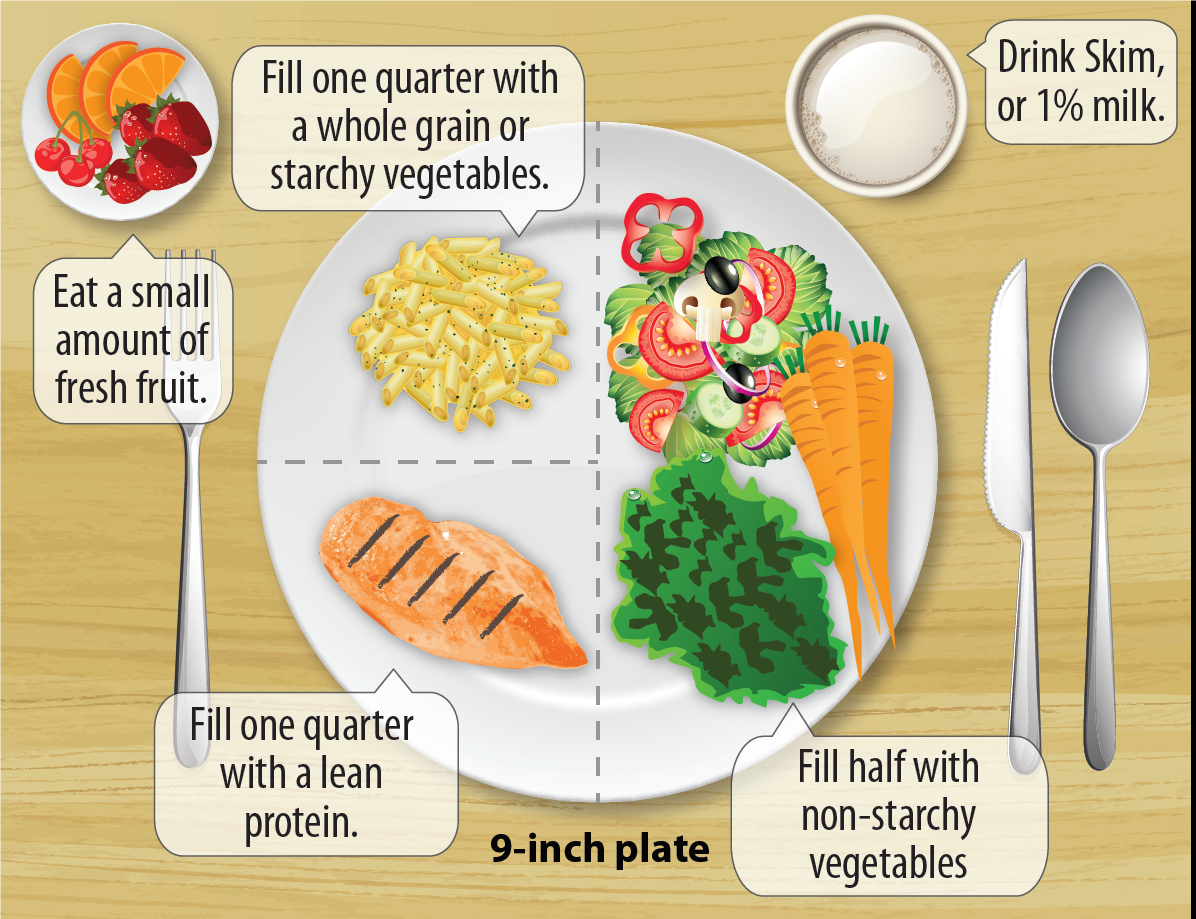
Diabetic Meal Plate
 Mws R Writings