Keeping the weeds at bay is an essential part of caring for your garden. If you’re looking for a quick and easy way to get rid of those unwanted plants, you’re probably turning to weed killer.
High Profile Green
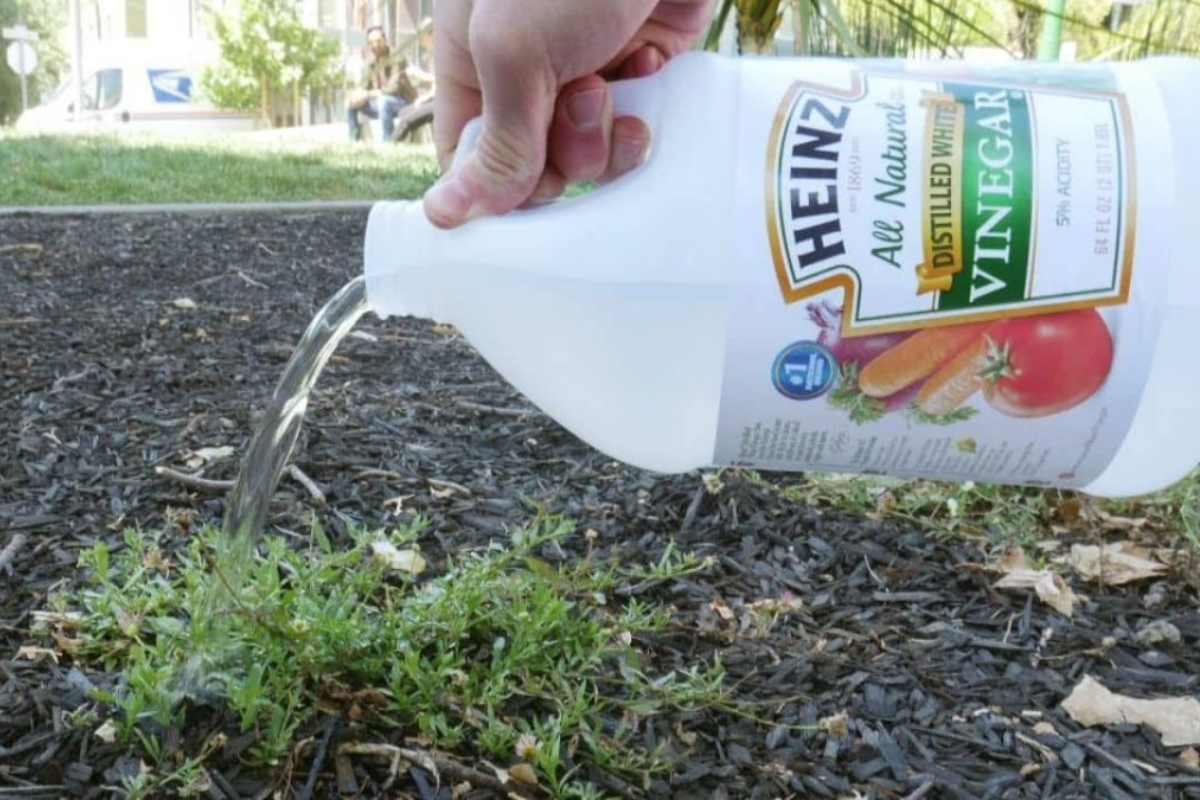
While store-bought weed killer is effective, it’s also filled with harsh chemicals that may damage your garden, rather than help it. Plus, the cost of weed killer can add up over time. To eliminate those problems, make your own weed killer at home using natural ingredients. Simply mix up a little dish soap, vinegar, and salt, pop it into a spray bottle, and watch those weeds disappear.
Wondering how to start a garden? Find your confidence with these expert gardening tips.
Never gardened before? No problem. Make your grow-you-own dreams a reality with these 10 easy-to-follow tips.
1. Site it right.
Starting a garden is just like real estate it’s all about location. Place your garden in a part of your yard where you’ll see it regularly (out of sight, out of mind definitely applies to gardening). That way, you’ll be much more likely to spend time in it.
2. Follow the sun.
Misjudging sunlight is a common pitfall when you’re first learning to garden. Pay attention to how sunlight plays through your yard before choosing a spot for your garden. Most edible plants, including many vegetables, herbs, and fruits, need at least 6 hours of sun in order to thrive.
3. Stay close to water.
One of the best gardening tips you’ll ever get is to plan your new garden near a water source. Make sure you can run a hose to your garden site, so you don’t have to lug water to it each time your plants get thirsty. The best way to tell if plants need watering is to push a finger an inch down into the soil (that’s about one knuckle deep). If it’s dry, it’s time to water.
4. Start with great soil.
When starting a garden, one of the top pieces of advice is to invest in soil that is nutrient-rich and well-drained. Achieve this just-right blend by mixing 3 inches of Miracle-Gro® All Purpose Garden Soil into the top 6 to 8 inches of existing soil if you’re planning to plant in the ground. If you’re planting in a raised bed, use Miracle-Gro® Raised Bed Soil, which is the perfect weight and texture for raised bed growing.Display logoOff
5. Consider containers.
When space is at a premium, look to containers. You can grow many plants in pots, including vegetables, herbs, flowers, fruit trees, berries, and shrubs. When gardening in containers, use a pot that’s large enough for the plant it’s hosting, and fill it with Miracle-Gro® Moisture Control® Potting Mix. Not only is it specially formulated to help plants in pots thrive, but it also helps protect against over- and under-watering.
6. Choose the right plants.
It’s important to select plants that match your growing conditions. This means putting sun-loving plants into a sunny spot, choosing heat-tolerant plants in warm climates, and giving ground-gobbling vines like pumpkins and melons ample elbow room (or a trellis to climb). Do your homework and pick varieties that will grow well where you live and in the space you have. And to get a step up on success when growing veggies and herbs, start with vigorous young plants from Bonnie Plants® instead of trying to grow from seed.
7. Discover your zone.
Knowing your “hardiness zone” can help you choose the best plants. Simply put, it describes the coldest place a plant can grow. The higher the zone number, the warmer the climate. So if a plant is “hardy to zone 4” and you garden in zone 5, that plant will survive in your yard. If, however, you’re in zone 3, it’s too cold to grow that particular plant. Find out your hardiness zone.
8. Learn your frost dates.
Planting too early (or late) in the season can spell disaster for your garden. You need to know the last average spring frost date for your area so you don’t accidentally kill plants by putting them out prematurely. It’s also good to know your first average fall frost date so that you get your plants harvested or moved indoors before late-season cold damages them. Discover the average first and last frost dates for your area.
9. Add some mulch.
Apply a layer of mulch that’s 2 to 3 inches deep around each plant. This will help reduce weeds by blocking out the sun, and reduce moisture loss through evaporation, so you have to water less. For a polished look, put down a layer of Scotts® bagged mulch. Or, you can put down straw, shredded leaves, pine straw, or some other locally available material.
10. Feed plants regularly.
We’ve already talked about the importance of starting with great soil, but that soil works best in concert with regular boosts of high-quality nutrition for your plants. In other words, amazing soil + top-notch plant food = super garden success! So, a month after planting, begin feeding your garden with plant food like Miracle-Gro® Water Soluble All Purpose Plant Food. Be sure to follow label directions.
One last word of advice: Stock up on the basic tools you need to make it easier to grow. Get all the details in our Tools for Gardening article. Happy growing!
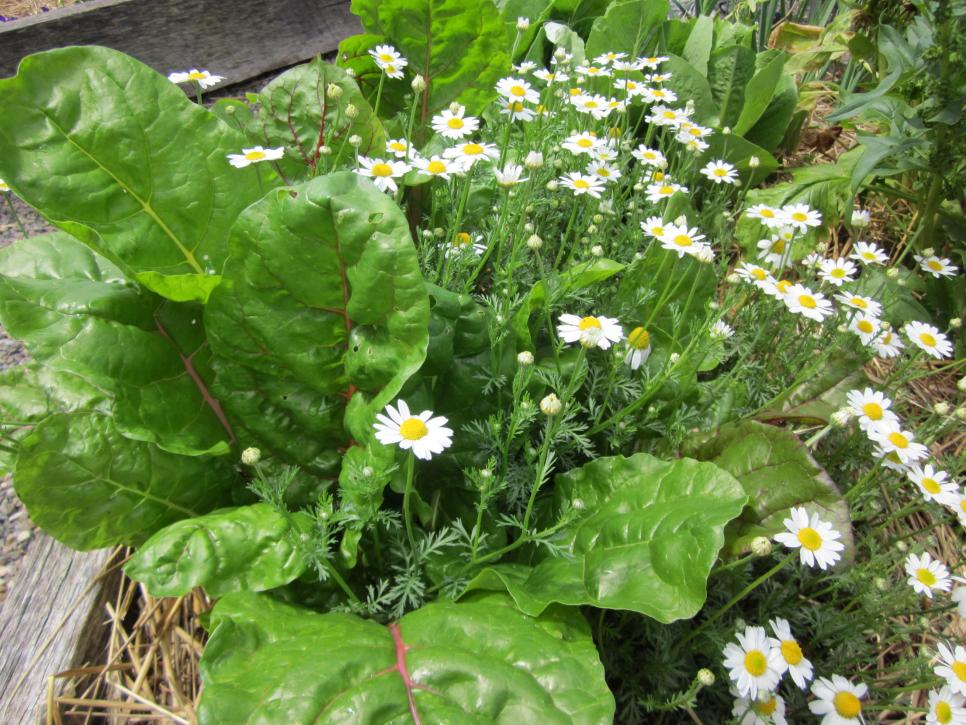
Swiss Chard And Chamomile Companion planting is the practice of placing plants in the garden so that they help one another in some way, such as growing better, fighting pests or sheltering or supporting one another. Many herbs, including chamomile, attract beneficial insects like parasitic wasps or hoverflies. These insects attack chard pests, such as aphids. Other good chard companions: lettuce, beans, peas, cabbage. Do not plant with beets or spinach.
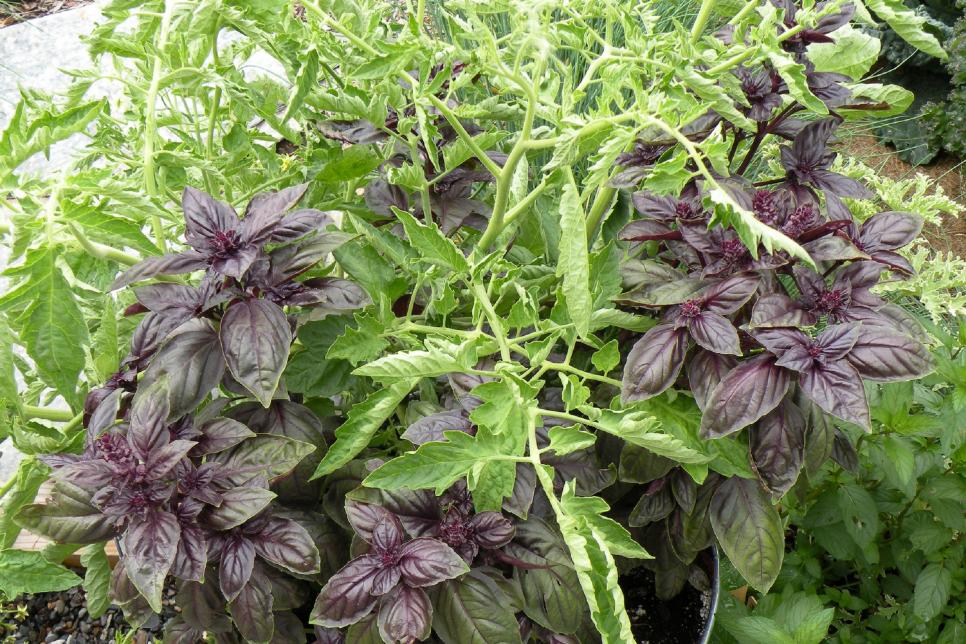
Tomato And Basil Tomato and basil are a classic companion planting, with basil said to repel pests and diseases. Basil, especially in flower, attracts beneficial insects, including various wasps, which prey on caterpillars like the tomato hornworm. Plant basil on the edges of tomato rows, not between plants, so they get enough sun, or place pots of basil and tomato side by side on a patio. Other good tomato companions: lettuce, chives, garlic, borage and marigold. Do not plant with corn, dill, fennel, peas, potato or cole crops.
Swiss Chard, Kohlrabi And Kale
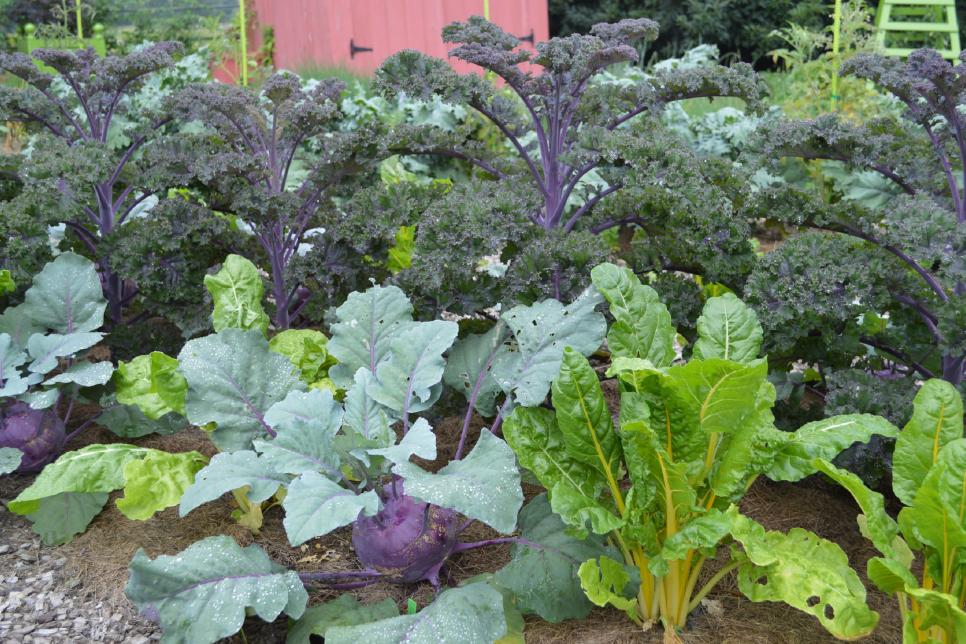
Swiss chard (in the beet plant family) is a great companion plant for cabbage family members, including kohlrabi and curly purple kale. The plants also stage a beautiful edible planting with contrasting colors and leaf textures. Other good cabbage family companions: lettuce, carrots, rosemary, oregano, marigold, nasturtium. Do not plant with beans, tomato, pepper or strawberry.
Leaf Lettuce And Sweet Alyssum
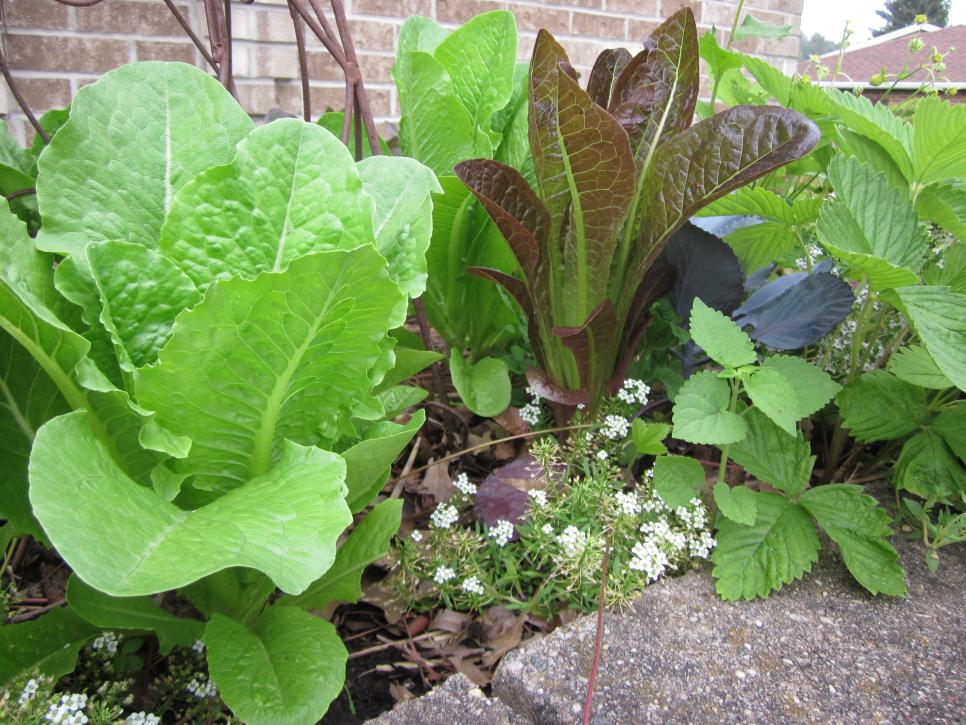
Small-flowered plants like sweet alyssum and thyme are great companions for leaf lettuce. The blooms attract beneficial insects, which feed on aphids, a common lettuce pest. Lettuce pairs well with many different plants. Other good lettuce companions: carrot, onions, garlic, radish, broccoli, beans, mint. Do not plant with parsley.
Syrphid Fly On Dill
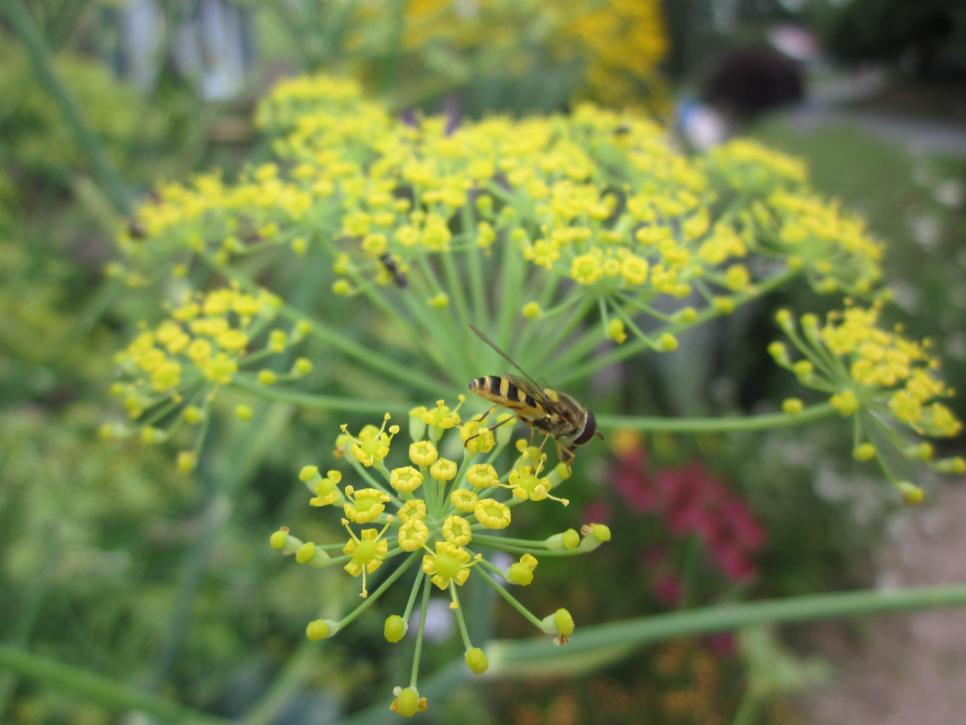
Dill is a helpful plant in the vegetable garden because its small flowers attract beneficial insects, including hoverflies and ladybugs (both prey on aphids), wasps of all sorts (prey on caterpillars and other insects), spiders and pollinating bees. Other good dill companions: cabbage, onion, cucumber, corn and lettuce. Do not plant with fennel, tomato, carrot or cilantro.
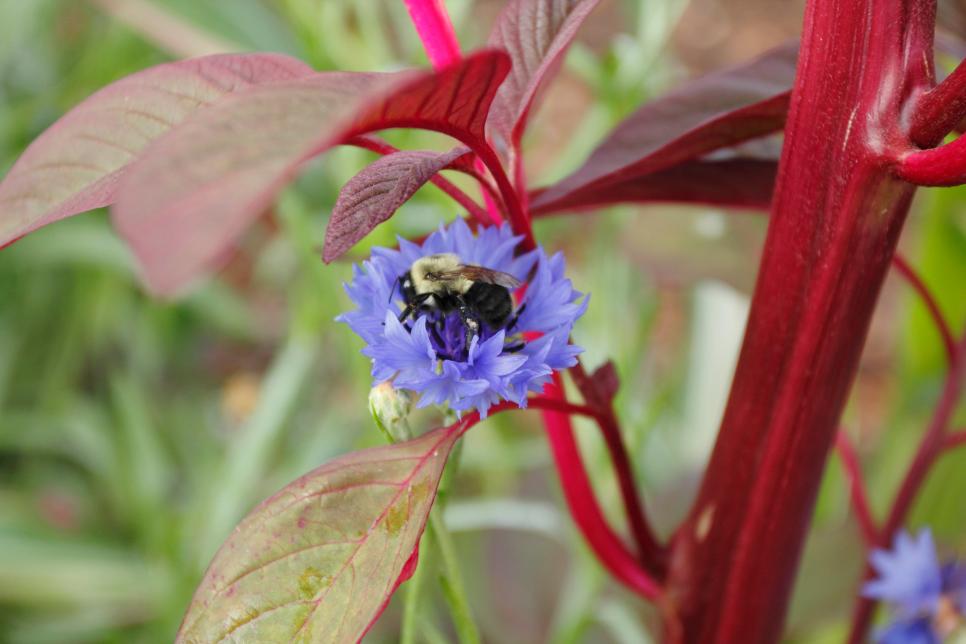
Bumble Bee On Bachelor’s Button
Include flowers planted among your vegetables to lure in pollinators, like bumble bees. Arrange flowers in drifts or clusters. Some of the best bloomers to use include calendula, sweet pea, cosmos, alyssum, bee balm and nasturtium. Bachelor’s button makes a great companion for corn, which helps to shade the bloomer as summer heat arrives.
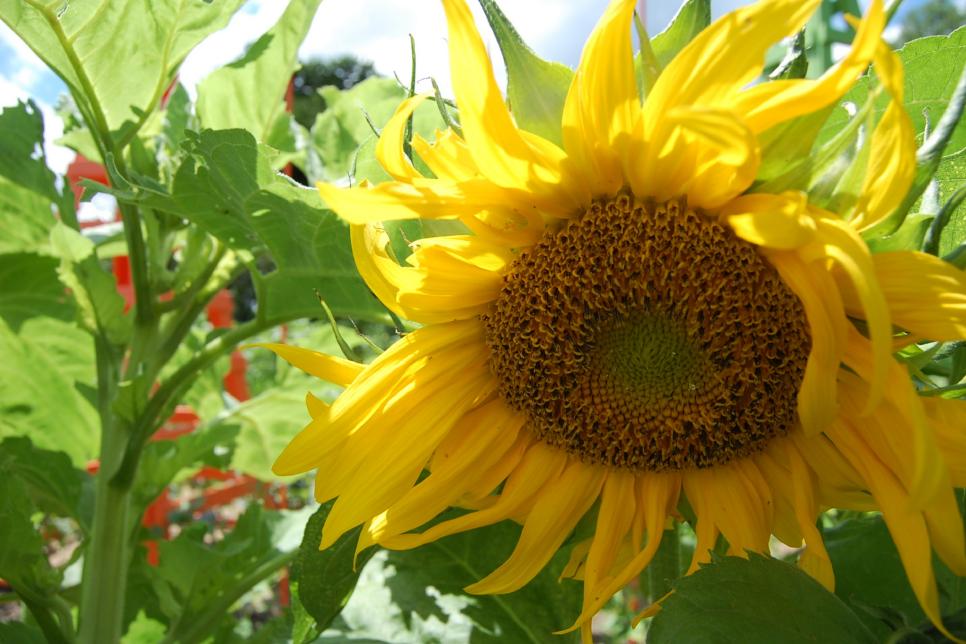
Sunflower In Vegetable Garden
Add sunflowers to your vegetable garden to beckon bees of all types, which help pollinate squash, pumpkin, peppers, cucumbers, and melons. These sunny flowers also lure ladybugs, which prey on aphids. Other good sunflower companions: corn, cucumber, watermelon. Do not plant with potato.
It’s surprisingly easy to transform a water bottle (or whatever plastic bottle you have on hand) into a DIY sprinkler. All you need in addition to your empty bottle is electric tape and a screwdriver, and you can create a fully functioning sprinkler in as little as five minutes.
Vegetables go through stages when they are at their most sensitive to water for good growth and development. When your veggies are in this phase of growth, be sure to water. Always water thoroughly so that the water soaks in deeply and encourages the roots to follow.
In the fall, after harvest, most gardeners are content to close up shop and consider the gardening season over with. Besides growing extra crops, which is possible in the fall (including many lettuces, cabbages, potatoes, and so forth), the fall also offers the conscientious gardener an opportunity to prepare for the next season and get a jump-start on garden maintenance.
Pick
Obviously, your garden will need to be “picked clean” so you can prepare it for next year. This means pulling all plants that are no longer productive and removing any fruits and vegetables that may have been left behind.
Clean
Thoroughly cleaning the beds of debris and leftovers has several advantages. First, it clears them for easy cover crop planting (see below). Next, it removes any vegetable matter that could be potentially carrying disease that can over-winter in the organic matter until spring. Third, it goes a long way towards aesthetics and gives you a chance to look closely at your soil after the season is done.
Fall Composting
Obviously, everything organic you pull from your soil and garden beds should be composted. (The only exception is diseased plants or weeds with seeds that could survive and come back to haunt you in the spring.) Compost is gardener’s gold and the more you have, the better off you are. Many gardeners who are not planting cover crops (and even some who are) like to till compost that is almost finished decaying into the soil so it can complete its nutrition release by spring. Another method is to add compost (without tilling) and add mulch on top.LEARN MORE: Bells Jars in the Garden
Leave Seeds for Birds
Any seeds you’re not going to use should be thrown to the birds. If you aren’t planting cover crops, seeds on the bare soil or mulch can encourage birds to spend time there. Their leavings will enhance your garden, even if only a little. Any is better than none.
Garden Notes
Be sure to complete your gardener’s notes for the season and to fill in what you did during the fall. Your notebook is your record of what was planted where, how it did, and what you did or didn’t do that might improve it next time. It also gives you something to do to keep your green thumb active during the winter months. Here’s a really great gardening journal.
Minimize Pests
Crop rotation, cover crops (see below), and amendments (see below) can all help treat current and future pest infestations. Some pests are only abundant in the fall, such as late-appearing grasshoppers or the caterpillars of spring butterflies that fatten up before winter. If these are a problem for your area, there are many options for fall treatments.
Fall Cover Crops
Likely the most overlooked option for fall gardening, cover crops (or cool weather crops) can greatly enhance your garden’s health and vitality. Several options are available, depending on your climate zone, and crops can be tuned to do anything from providing extra organic matter in the spring to adding nitrogen to your soil.
Soil Amendments
As mentioned above in composting, soil amendments in the fall are a great way to enhance your soil’s health before spring planting comes around. Check your local garden center for available options. Many amendments are specifically meant for fall addition and are best added when no food crops are present. Lime is a good example of this.LEARN MORE: Growing Edible and Cut Flowers in The Home Garden
Fall Planter Maintenance
If you have window or porch planters, now is the time to clean them out and prepare them for storage. Leaving the soil in them over the winter, exposed, is generally a bad idea and the soil in containers should be replaced (or heavily amended) annually anyway. Often the best solution is to add the soil to your winter compost heap.





 Mws R Writings