Want a little insight into what my husband signed up for when he said “I do”? I’ve had a box squirreled away in the bottom of the closet for the past three years. Every time my husband has announced that he’s going to sort through his clothes and get rid of old items, I’d hover over him like a ravenous vulture circling a horse carcass. I would wait on baited breath for an old button-down shirt to hit the “give away” pile, swoop in, nab the shirt with my sharpened craft talons, and hastily slink off to the box in the bottom of my closet. I hope your mental image of me doing this involved drooling and a hunchback.
So what, pray tell, could possibly evoke such strange behavior? I had the idea (yes, three years ago) to make a quilt for the duckling out of his dad’s shirts. Aw, that’s so sweet, except for two details – I don’t know how to quilt, and I don’t own a sewing machine. Holding onto the hope that those two facts would shift in my favor one day meant holding onto a musty box of discarded J. Crew shirts for 1,095 days and counting.
With no change in sight, I decided to curb my hoarding habits and do something with my secret stash of shirts before a family of squirrels decided to make a home in my closet. Enter my new DIY project…daddy inspired throw pillows for the duckling’s room.
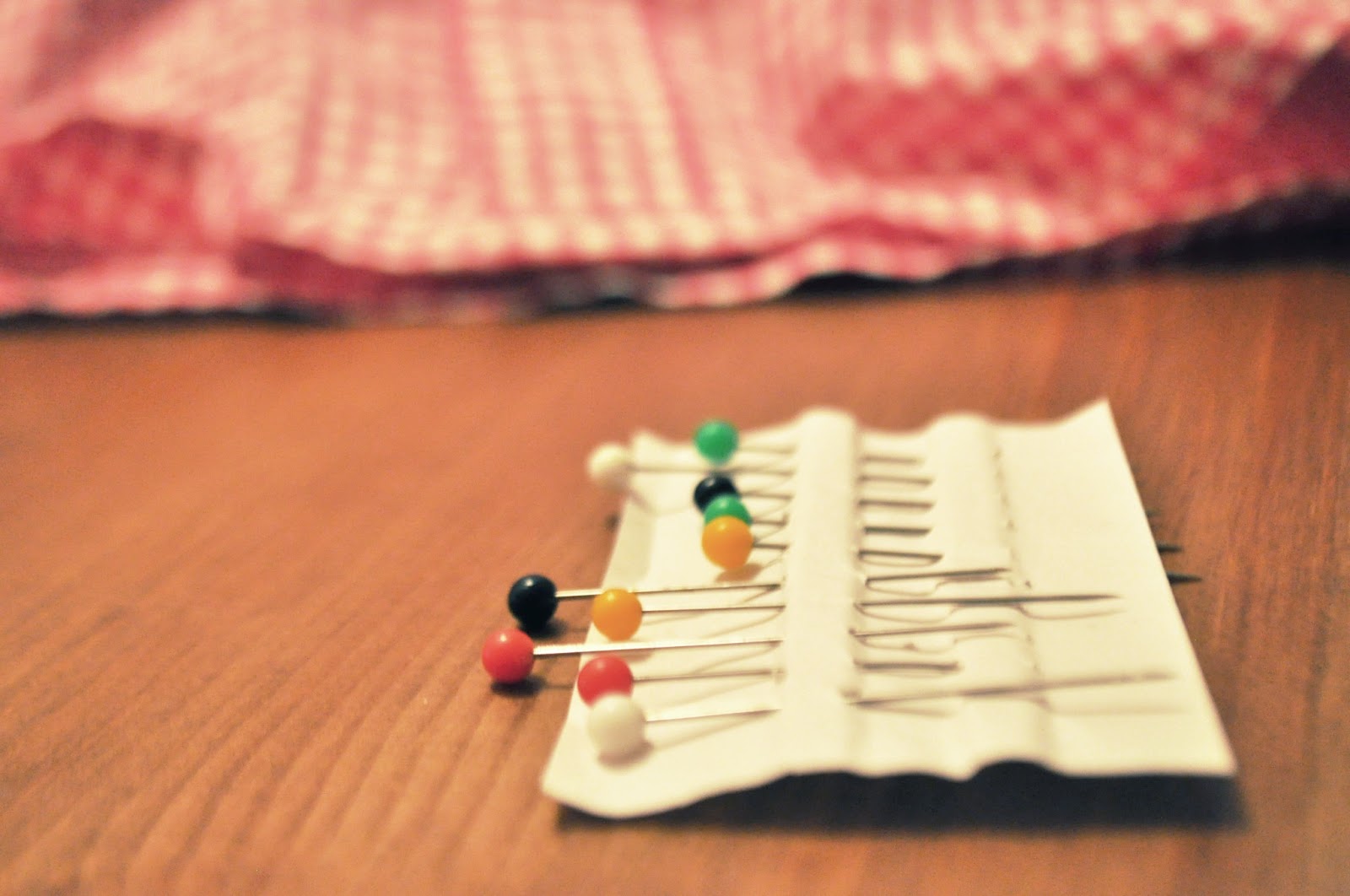
Supplies for Shirts – clean, ironed button down shirts (one per pillow) – pillow forms or old pillows you want to cover – sewing machine or handheld stitcher (I used a handheld stitcher) – scissors – fabric pen (optional) – pins
The links above and in the supplies list for the felt accessories link to our Amazon page where you can purchase the craft supplies we use in this and other projects. We offer this so that you can “one stop shop” for your supplies, and there’s no additional charge to you. All of these items are also readily available at your local craft store.
Instructions for Shirts
As a disclaimer, I’m not a seamstress, so I just “winged” it with a handheld stitcher. Real sewing avids will probably shutter in horror as I describe how I made my pillow shams, but for those of you who are in the same boat as me, hopefully, it will be helpful to see that as far as it relates to this project, the sewing part isn’t an exact science.
1. Start with a clean, ironed shirt. If you hate ironing like me, you can skip the sleeves because you’re just going to cut them off anyways. (Feel free to wear these like She-Ra cuffs. You know I did.)
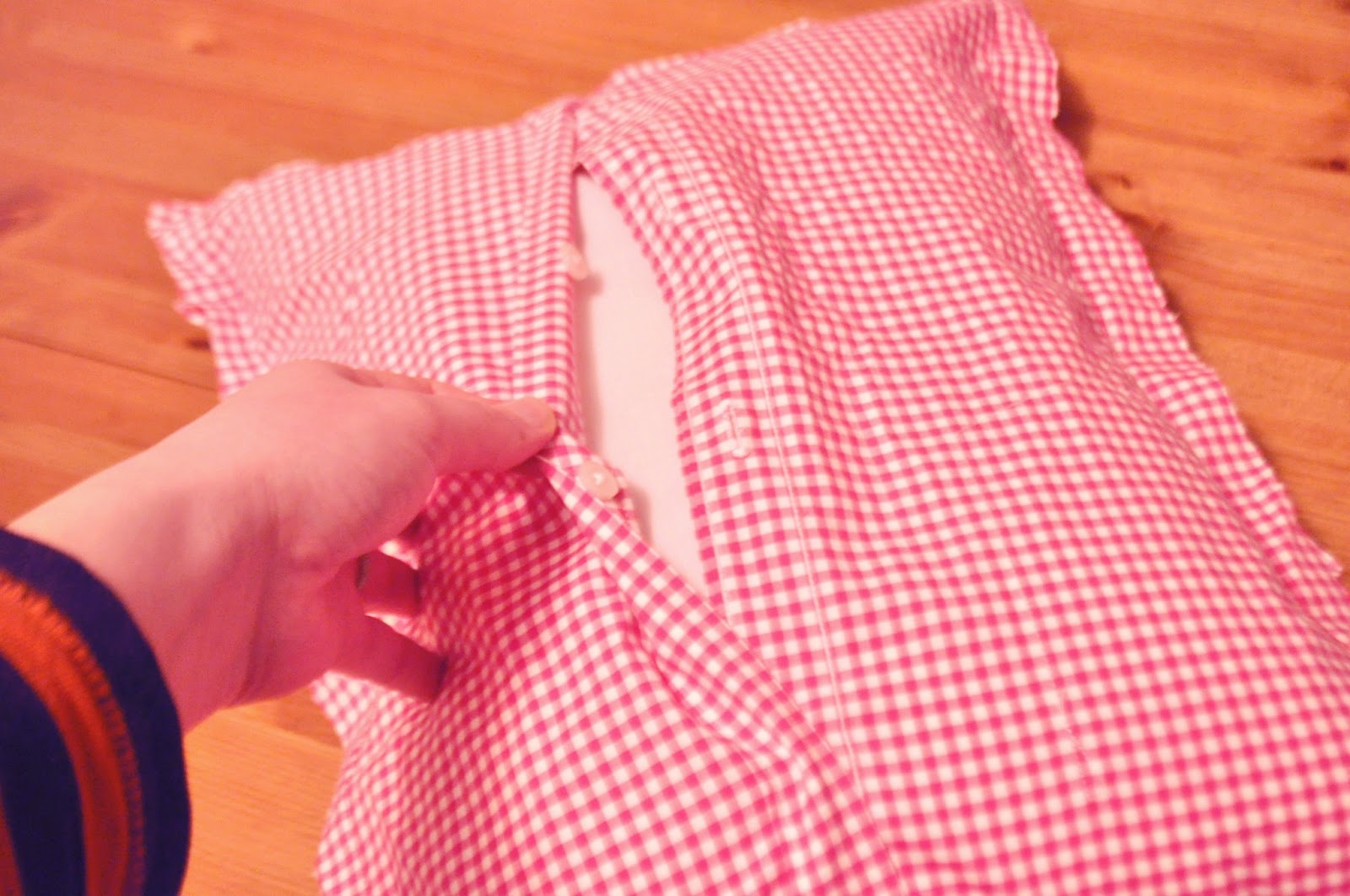
3. Turn your shirt inside out (this is important hence the bold + italics for all you skimmers/photo instructions only people) and place your pillow form/insert inside your shirt. Finagle the pillow until you have it in the position you want. If you’ll be using the pockets, like I did, be sure they are positioned in a place that makes you happy on the pillow.
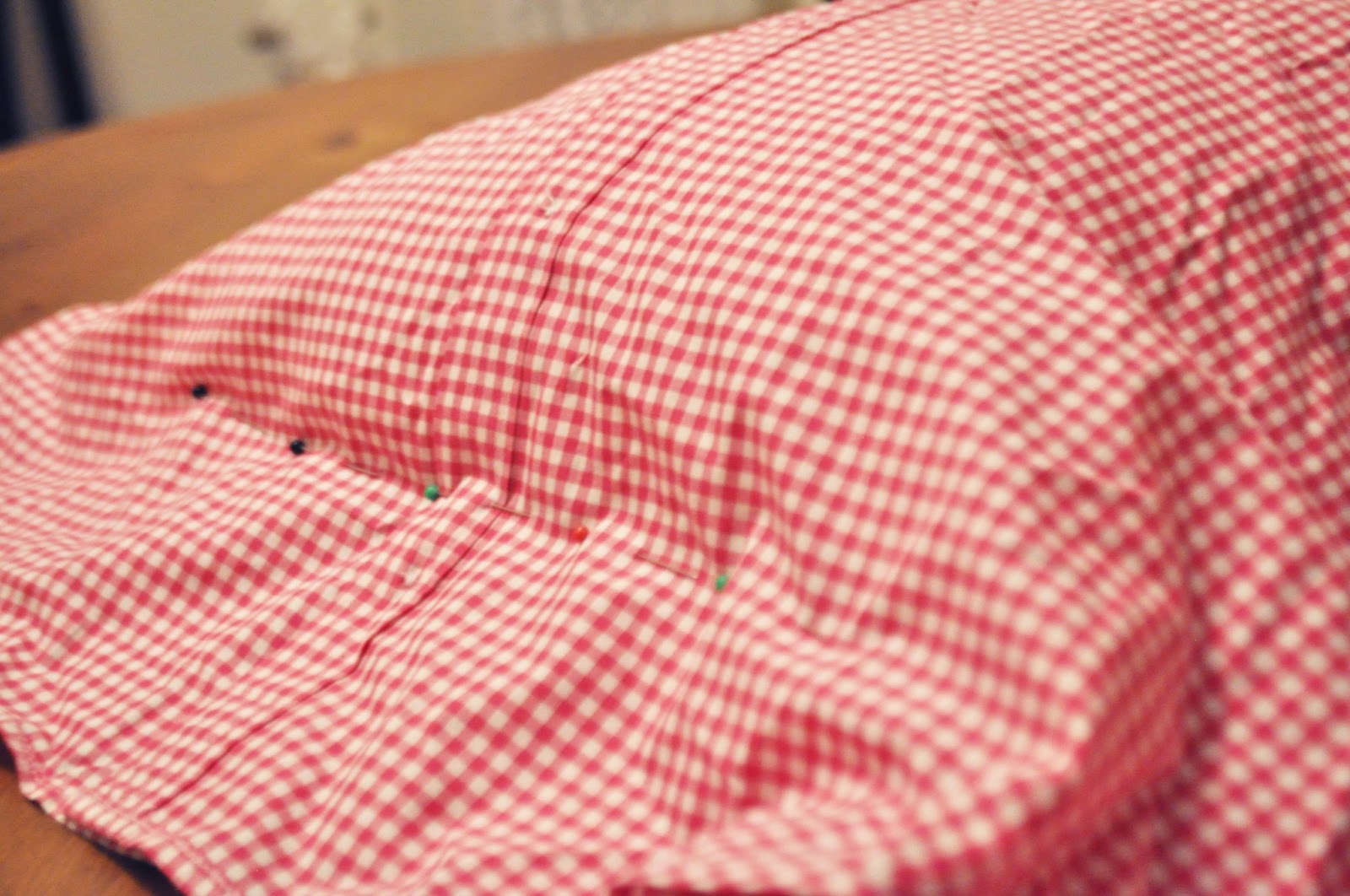
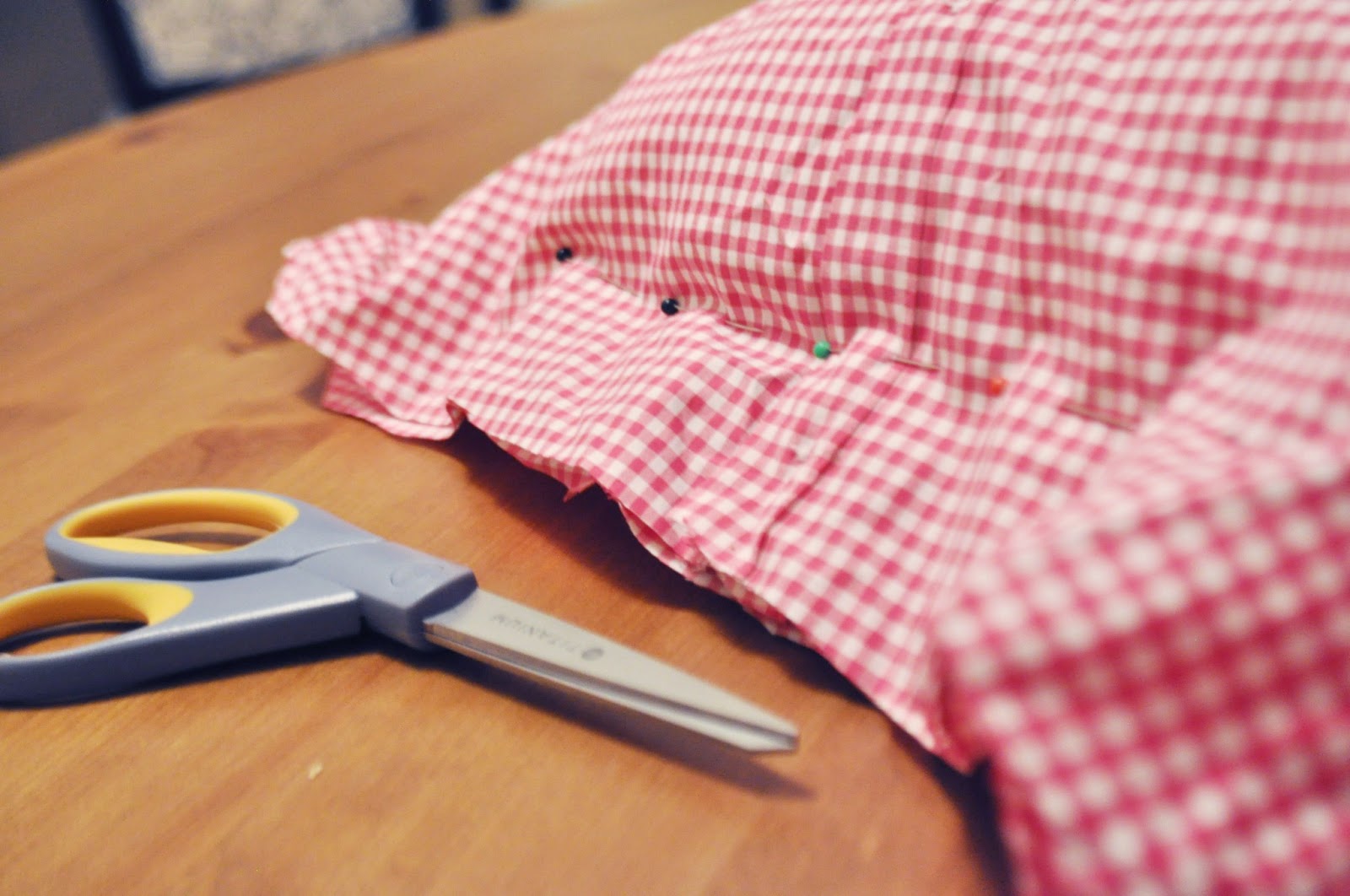
60K+Save 4. Pull together the bottoms of the shirt tight and pin into place beginning at the center (where the buttons are) and working your way out. The good thing about using patterned shirts is that you can use the pattern as a rough guide as you pin.
5. Trim the excess fabric leaving at least an inch margin from your pins.
60K+Save
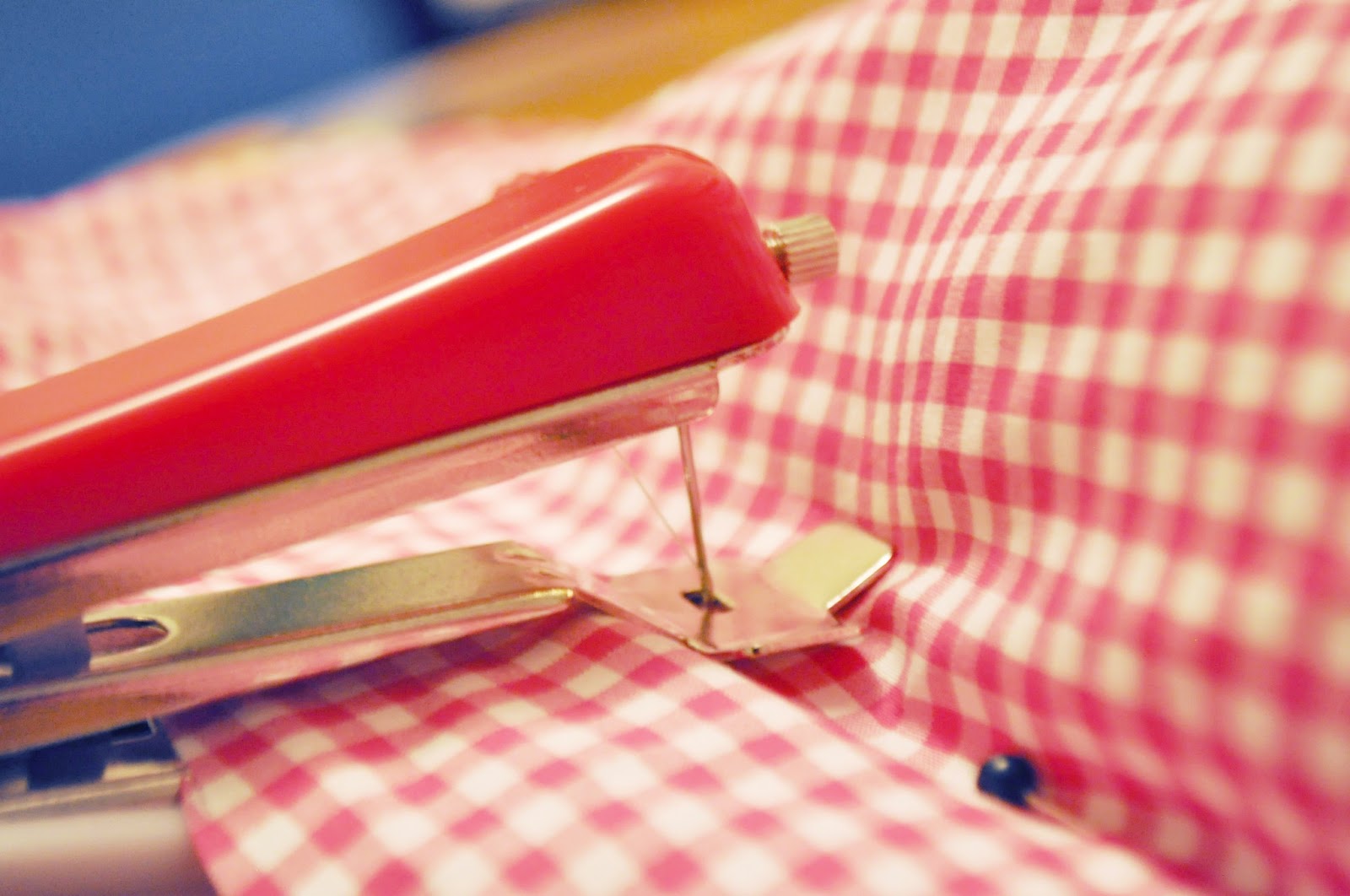
6. (Before we start stitching…if you are indeed using a sewing machine, now would probably be the time to repeat steps 4 and 5 on the other three sides and remove the pillow. Sew away!) For the handi-stitcher folk out there, this is where the “not an exact science” part comes into play. Keeping everything as is, I just started running the stitcher as close as possible to the pins, removing the pins as I went along. Once you get to the end, follow your stitcher’s directions on how to secure the seam so it doesn’t unravel.
60K+Save
7. Once you finish the first side, pick up your shirt and give the pillow a little shake, encouraging it to nestle down against your new seam before moving to the opposite side to begin pinning.
8. Repeat steps 4 through 6 on the other three sides, starting with the opposite side (the collar), then moving to the sides under the arms.
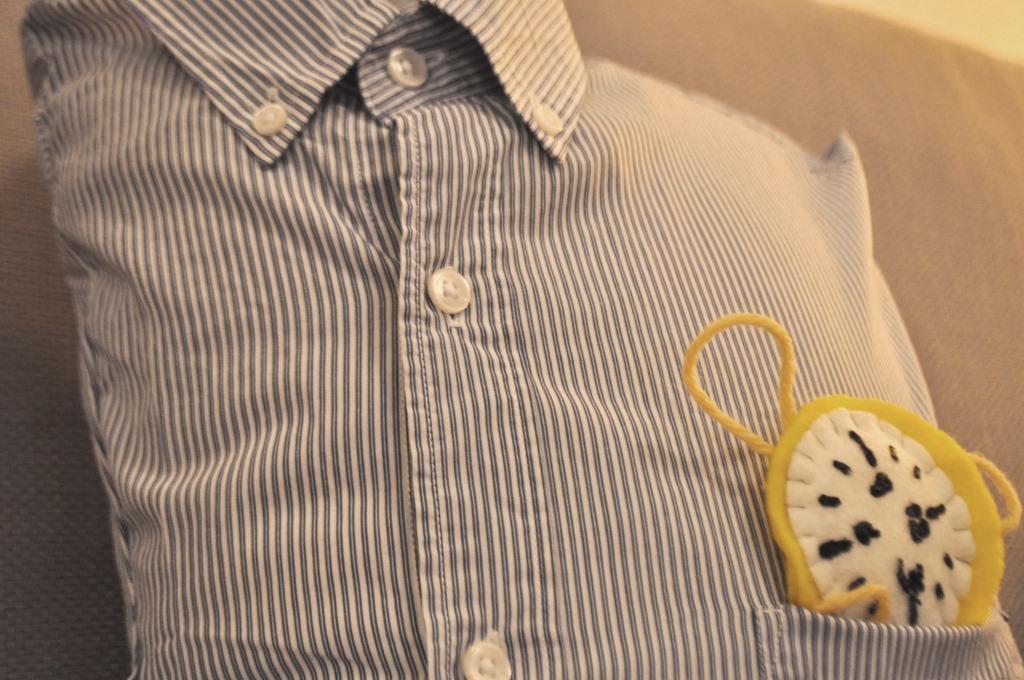
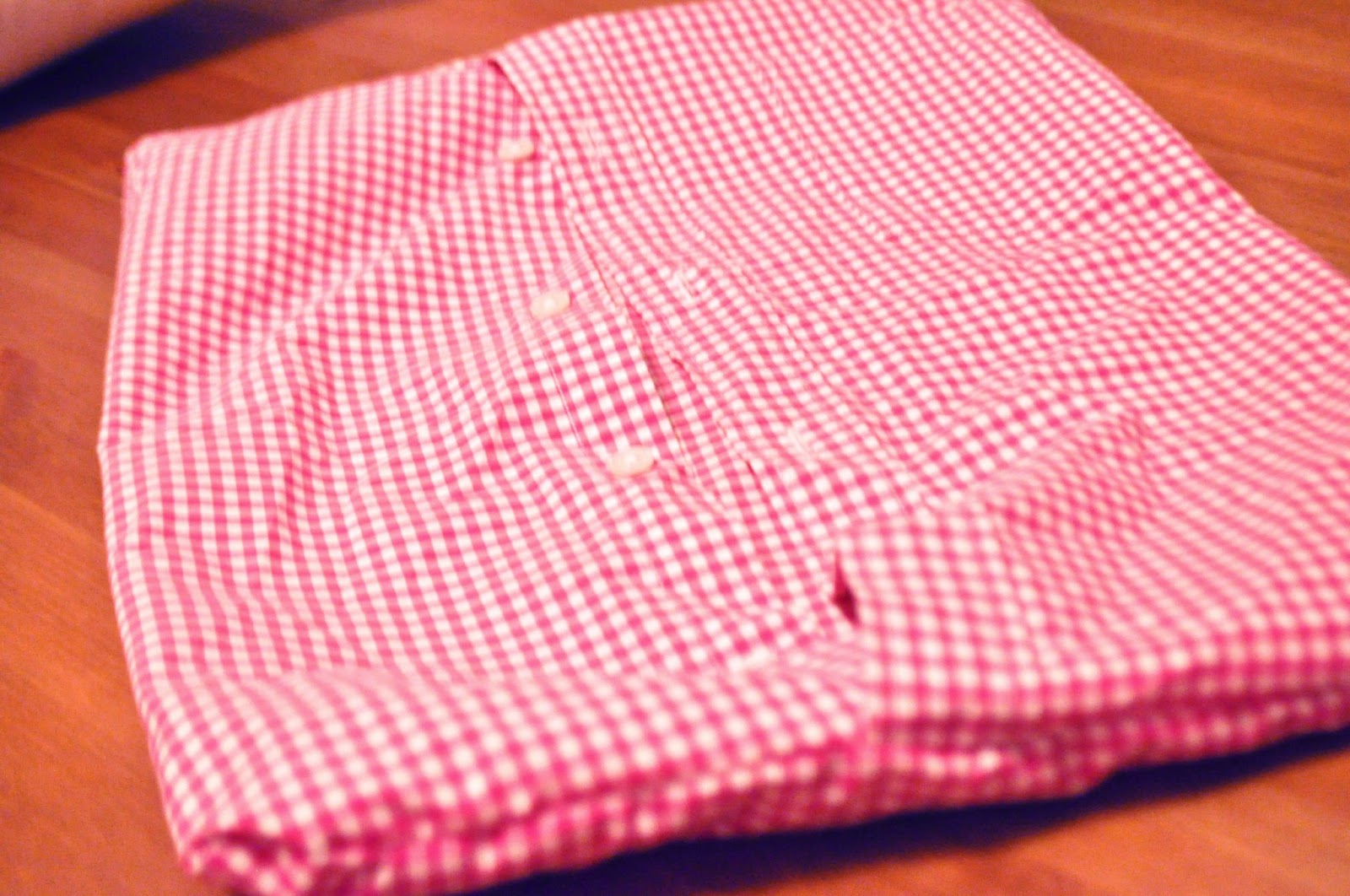
Also, I probably should’ve mentioned this earlier, but I also made a variation that includes the collar. It’s not as cute, but my thought was that as the duckling gets older, this would be more of a “play pillow”, encouraging him to button and unbutton, add a bow tie or even pop the collar as he sees fit. Here’s a picture for reference if you’re interested in making a similar one.
60K+Save
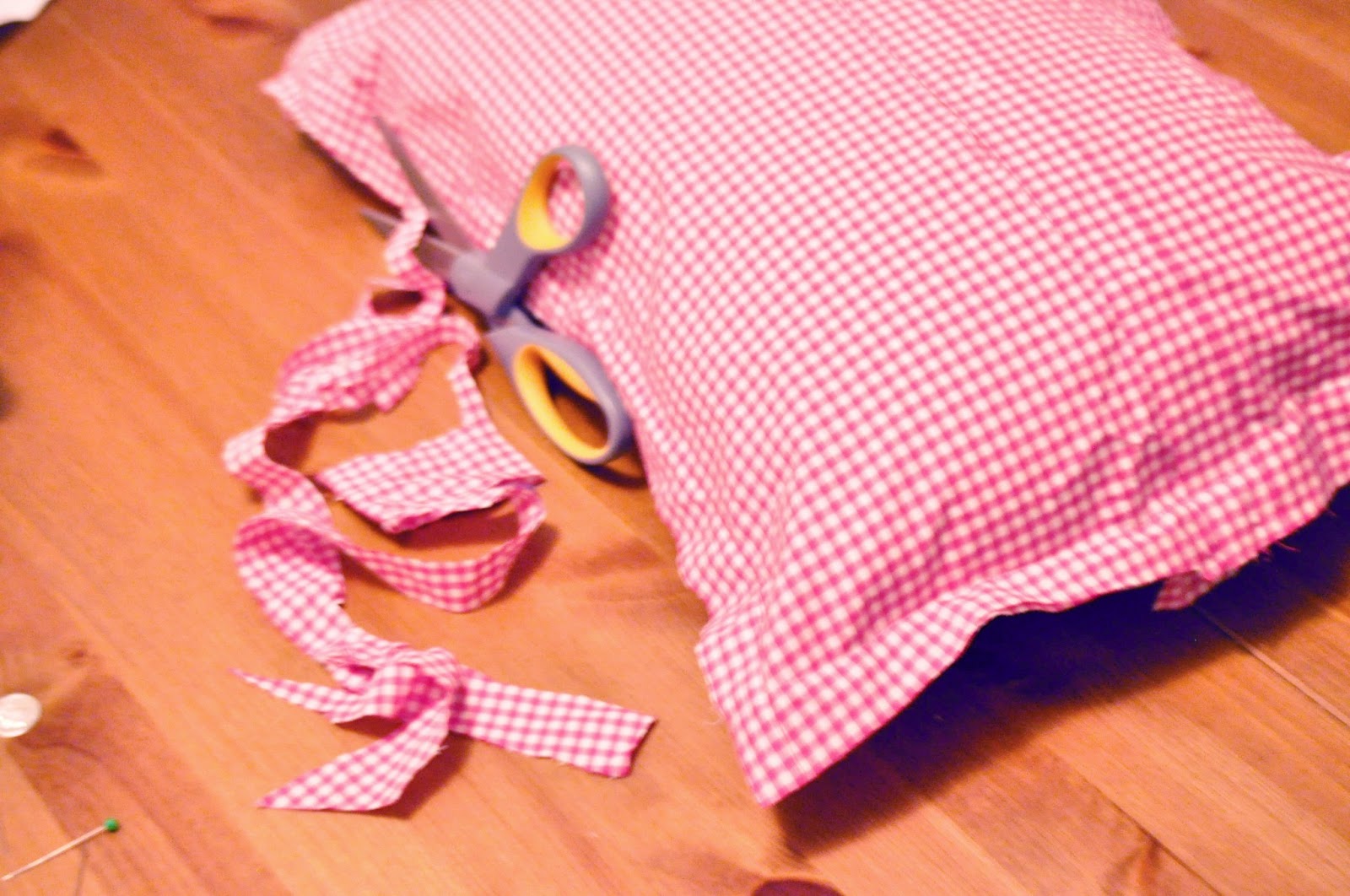
9. Back to our collarless pillows – now that you’ve done all four sides, trim any excess fabric.
60K+Save
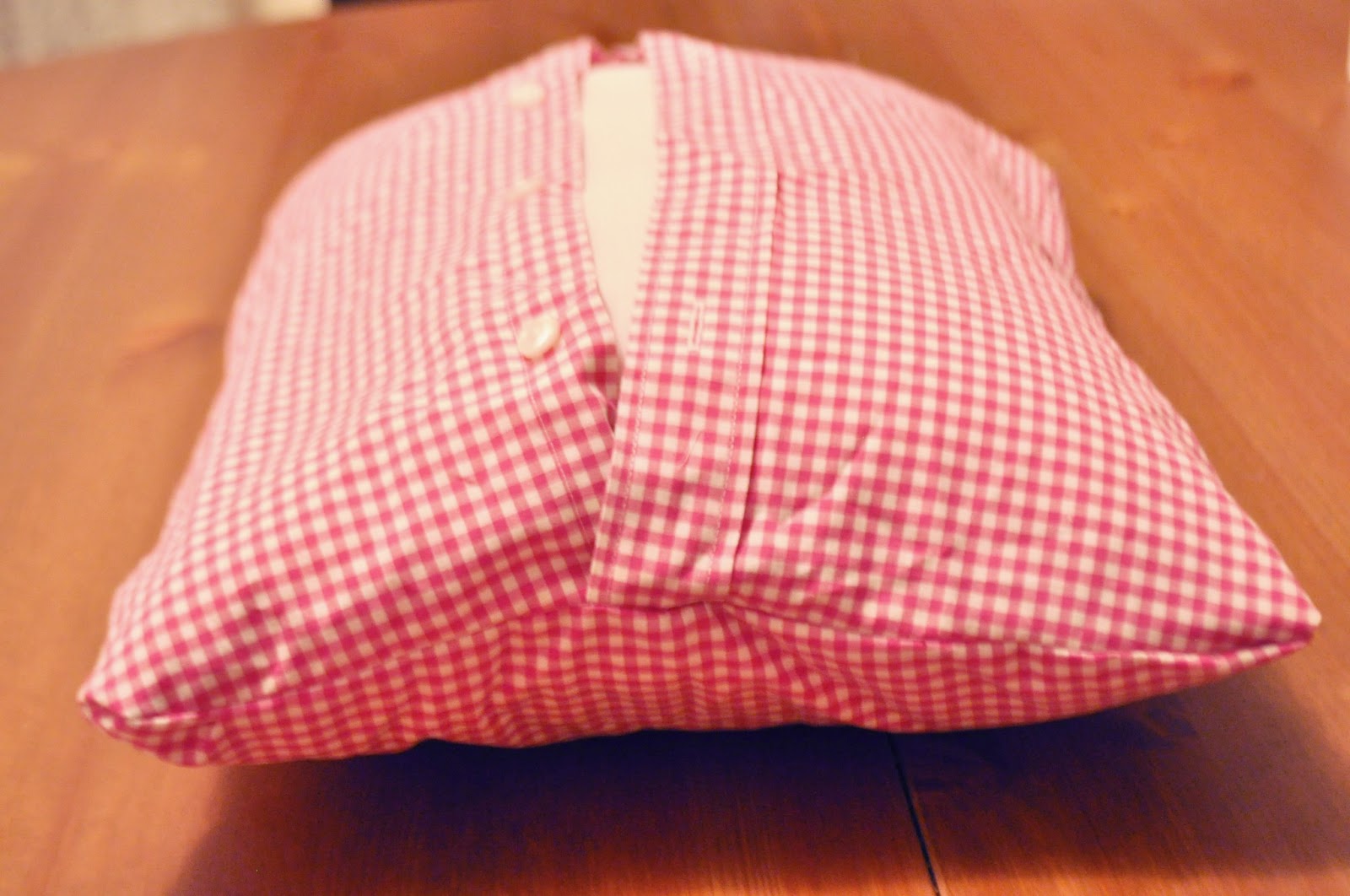
10. Unbutton your shirt. The one on the table, that is.
60K+Save
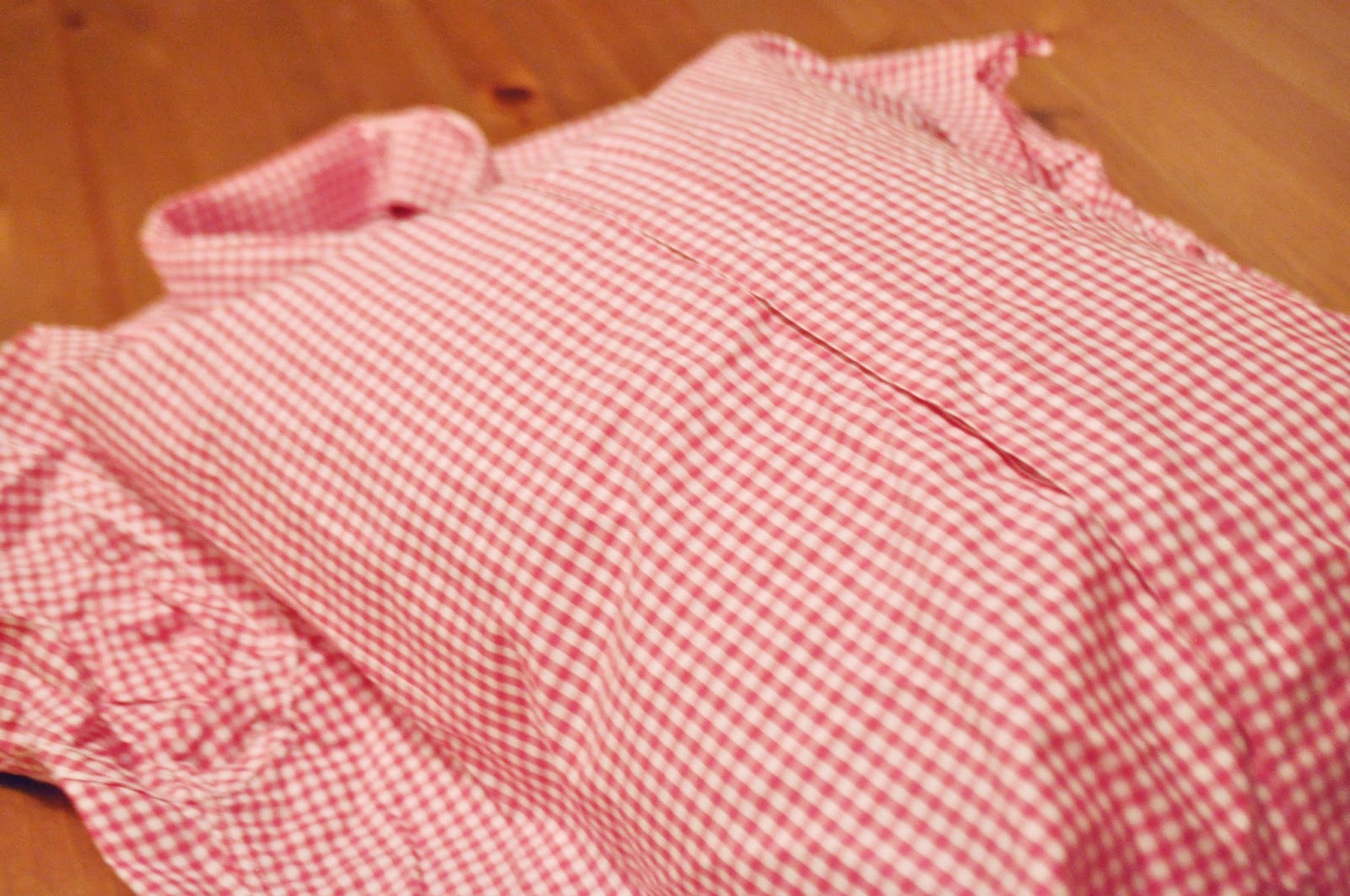
11. Remove the pillow insert and turn your shirt right-side out.
60K+Save
12. Put the shirt back on the pillow and button.
60K+Save
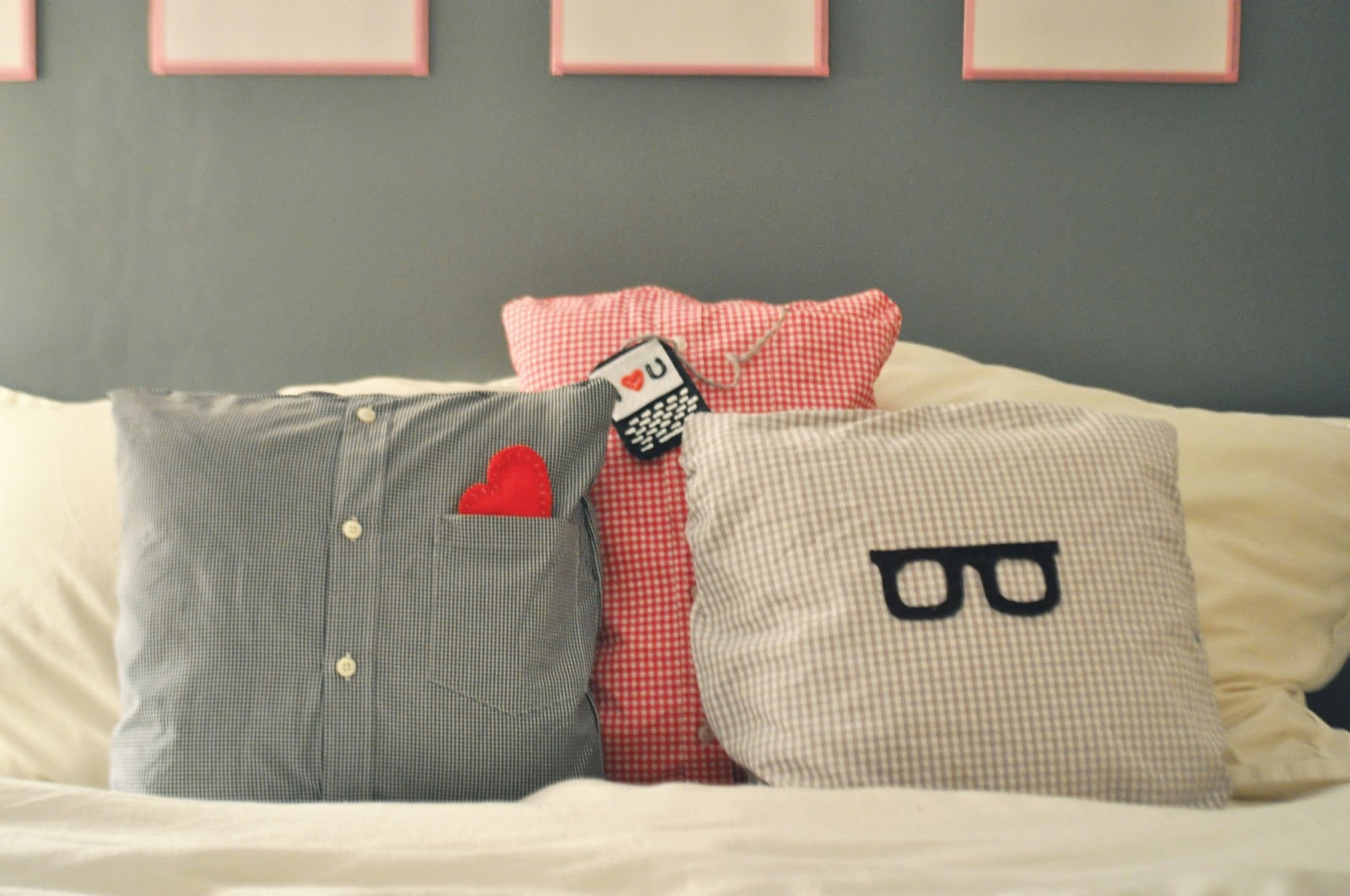
You’re done (unless you’re adding felt pocket accessories like mine, in which case the instructions and a few more pictures are below) !
Here are a hefty bunch of pictures of the finished project.
Also known as the Kiwaidae, this crab is a type of marine decapod living at deep-sea hydrothermal vents and cold seeps. The animals are commonly referred to as “yeti crabs” because of their claws and legs, which are white and appear to be furry like the mythical yeti
• 1/2 cup oats cooked in 1/2 cup each 2% milk and water • 1 medium plum, chopped • 4 walnut halves, chopped Top oats with plum and walnuts.
A.M. Snack (96 calories, 18 g carbohydrates)
• 3/4 cup blueberries • 1/4 nonfat plain Greek yogurt Top blueberries with yogurt.
Lunch (319 calories, 37 g carbohydrates)
Turkey & Apple Cheddar Melt • 2 slices whole-wheat bread • 2 tsp. whole-grain mustard, divided • 1/2 medium apple, sliced • 2 oz. low-sodium deli turkey • 2 Tbsp. shredded Cheddar cheese, divided • 1 cup mixed greens Top one slice of bread with 1 tsp. mustard, apple, turkey and 1 Tbsp. cheese. Top the other slice of bread with the remaining 1 tsp. mustard and 1 Tbsp.cheese. Toast sandwich halves face-up in a toaster oven until the cheese begins to melt and bubble. Add the mixed greens to the sandwich just before serving.
*Look for a deli turkey with less than 150 mg sodium per 1-ounce serving.
P.M. Snack (58 calories, 16 g carbohydrates)
• 1/2 medium apple, sliced • 1/2 tsp. honey • Pinch of cinnamon Drizzle the apple slices with honey and sprinkle with cinnamon.
Make-Ahead Tip: Cook an extra 1/2 cup of lentils to have for lunch on Day 3.
Daily Total: 1,179 calories, 39 g protein, 166 g carbohydrates, 35 g fiber, 65 g sugar, 47 g fat, 9 g saturated fat, 1,425 mg sodium
Day 3
Breakfast (289 calories, 27 g carbohydrates)
• 1 serving Yogurt with Blueberries & Honey • 1 tsp. ground flaxseed • 6 walnut halves, chopped or whole Add flaxseed to yogurt for an added boost of fiber and omega-3s. Top with chopped walnuts, or leave the walnuts whole to have on the side.
• 1 1/3 cups Chicken Sausage & Peppers • 1/2 cup cooked brown rice • 1/2 tsp. extra-virgin olive oil • 1/2 tsp. no-salt-added Italian seasoning • Salt to taste Season rice with oil, Italian seasoning and salt. Serve chicken, sausage & peppers over the rice.
• 1 1/2 cups mixed greens • 1/4 cup shredded carrot • 1/4 cup sliced cucumbers • 1 Tbsp. Garlic-Oregano Vinaigrette, or a premade Italian salad dressing* Combine greens, carrot, cucumber and vinaigrette.
*When buying premade salad dressings, look for one made without added sugars. And, choose one made with olive oil or canola oil.
Make Ahead Tip: Cook an extra 1/2 cup of brown rice to have for dinner on Day 7. You can substitute brown rice for the farro in the dinner recipe for Day 4. If you choose to do so, cook an extra 2 cups of rice tonight to save yourself time tomorrow.
Daily Total: 1,218 calories, 63 g protein, 151 g carbohydrates, 31 g fiber, 75 g sugar, 45 g fat, 9 g saturated fat, 830 mg sodium
Day 4
Breakfast (295 calories, 42 g carbohydrates)
• 1/2 cup oats cooked in 1/2 cup each 2% milk and water • 1 tsp. ground flaxseed • 1 medium plum, chopped • 3 walnut halves, chopped Mix oatmeal and flaxseed; top with plum and walnuts.
Turkey & Pear Pita Melt • 1/2 large whole-wheat pita round (save the other half for lunch on Day 7) • 3 1/2 oz. low-sodium deli turkey • 1/2 medium pear, sliced • 2 Tbsp. shredded Cheddar cheese • 1 cup mixed greens Stuff pita pocket with turkey, pear and cheese. Toast in a toaster oven until the cheese starts to melt. Add greens to the pita just before eating.
• 1 medium plum
P.M. Snack (52 calories, 14 g carbohydrates)
Cinnamon Pears • 1/2 medium pear, sliced • Cinnamon to taste Sprinkle pear slices with cinnamon.
Dinner (448 calories, 38 g carbohydrates)
• 1 serving Spaghetti Squash & Meatballs • 1 slice whole-wheat baguette (cut 1/4 inch thick), toasted • 1/2 Tbsp. goat cheese • 1/4 tsp. fresh chopped rosemary Toast baguette and top with cheese and rosemary.
Daily Total: 1,176 calories, 64 g protein, 151 g carbohydrates, 29 g fiber, 74 g sugar, 37 g fat, 9 g saturated fat, 1,738 mg sodium
Day 6
Breakfast (291 calories, 28 g carbohydrates)
• 1 serving Yogurt with Blueberries & Honey • 2 tsp. ground flaxseed • 5 walnut halves, chopped Mix yogurt and flaxseed. Serve topped with walnuts.
A.M. Snack (72 calories, 18 g carbohydrates)
• 14 cherries
Lunch (337 calories, 42 g carbohydrates)
• 2 1/2 cups Vegetable Weight-Loss Soup
P.M. Snack (62 calories, 15 g carbohydrates)
• 1 medium orange
Dinner (422 calories, 53 g carbohydrates)
• 1 serving Apple-Glazed Chicken with Spinach • 1/2 cup Steamed Butternut Squash • 2 tsp. extra-virgin olive oil • 1/2 tsp. fresh thyme or 1/8 tsp. dried • Salt and pepper to taste Toss squash with oil and thyme. Season with salt and pepper to taste.
Daily Total: 1,184 calories, 78 g protein, 156 g carbohydrates, 27 g total fiber, 88 g sugar, 34 g fat, 5 g saturated fat, 1,541 mg sodium
Day 7
Make Ahead Tip: Tonight’s dinner is a slow-cooker recipe. Make sure you start it early enough in the day that it will be ready in time for dinner.
Breakfast (300 calories, 40 g carbohydrates)
• 2 Blueberry-Pecan Pancakes • 3 Tbsp. blueberries, fresh or frozen • 2 tsp. ground flaxseed Microwave blueberries until soft and sauce-like, about 1 minute. Stir in the flaxseed for an extra fiber kick, and serve with the pancakes.
A.M. Snack (62 calories, 15 g carbohydrates)
• 1 medium orange
Lunch (325 calories, 35 g carbohydrates)
• 2 cups mixed greens • 1/2 cup sliced cucumber • 1/4 cup grated carrot • 1 1/2 Tbsp. Garlic-Oregano Vinaigrette, or a premade Italian salad dressing Combine greens, cucumber, carrot and vinaigrette.
• 1/2 large whole-wheat pita round, toasted • 1/4 cup hummus
By: Cat Ebeling, BSN, co-author of the best-sellers: The Fat Burning Kitchen, The Top 101 Foods that Fight Aging & The Diabetes Fix
If you have type 2 diabetes and you take a statin drug, you might start noticing a phrase that’s ridiculously overused…
“The benefits outweigh the risks.” Has your doctor ever said that to you?
There are plenty of risks and they’re all serious health issues. Actually the risks FAR outweigh the benefits. ESPECIALLY if you already have type 2 diabetes.
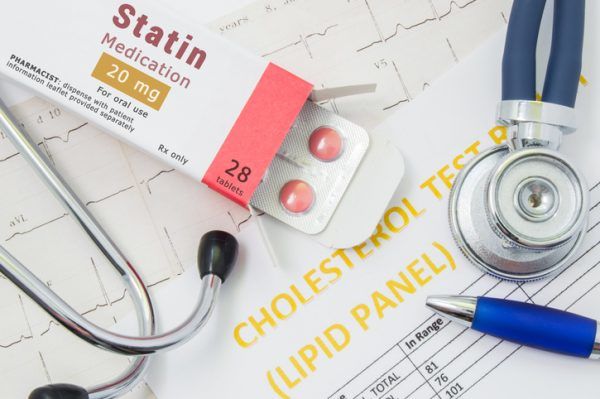
Statins are the primary drug that doctors prescribe to lower cholesterol. Statins are a fairly recent pharmaceutical creation that work by blocking an enzyme in the liver that is responsible for making cholesterol.
Statins became one of the most-prescribed medications when the guidelines for the high end of total cholesterol guidelines were reduced down to 200 a few years ago.
Now, tens of millions of Americans are taking cholesterol-lowering drugs, thinking this is the best way to prevent heart disease. In fact, about 30 percent of American men and women over age 40 take a statin.
The problem is that statins come with a host of side effects which can be pretty significant. One of the more serious side effects of statins is the significant increased risk of type 2 diabetes. The latest study on this connection shows the link may be even stronger than was previously reported.
Researchers prospectively studied 8,567 men and women whose average age was 64. All were free of diabetes and not taking statins when the study started. In a follow-up study 15 years later, about 12 percent of the group had started taking statins, most using either Zocor or Lipitor (simvastatin or atorvastatin) and the rest either Pravachol or Lescol (pravastatin or fluvastatin). Most took the statins for over a year, and 716 new cases of diabetes occurred in the group.
After controlling for age, sex, smoking, family history of diabetes, and other factors, researchers found that statin use was associated with higher risk for insulin resistance and high blood sugar, and with a 38 percent increased risk for the development of Type 2 diabetes.
The brand of statin and the dosage made no difference, but the risk was especially high for statin users who were overweight or obese—which is of course an increased risk for type 2 diabetes as well. The study appeared in the British Journal of Clinical Pharmacology. Other recent research also shows a similar causal link between elevated blood glucose, type 2 diabetes and statins as well.
Here’s the key thing to take away—the number one risk factor of having type 2 diabetes is heart disease.
Adults with type 2 diabetes are about two to four times as likely to die from heart disease as adults who do not have diabetes.
So the question is–if you were told to take statins to lower your cholesterol and chances of heart disease, but it actually increases your chance of developing type 2 diabetes, is it worth it to take statins?
How do Statins increase risk of diabetes?
Statins have been shown to increase your risk of diabetes through a few different mechanisms. The most important one is they increase insulin resistance, which can be extremely harmful to your health. Increased insulin resistance contributes to chronic inflammation in your body, and inflammation is the hallmark of most diseases.
In fact, increased insulin resistance can lead to heart disease, which, ironically, is the primary reason for taking a cholesterol-reducing drug in the first place! It can also promote weight gain, high blood pressure, heart attacks, chronic fatigue, thyroid disruption, and diseases like Parkinson’s, Alzheimer’s, and cancer.
Secondly, statins increase your diabetes risk by actually raising your blood sugar. When you eat a meal that contains starches and sugar, some of the excess sugar goes to your liver, which then stores it away as cholesterol and triglycerides. Statins work by preventing your liver from making cholesterol. As a result, your liver returns the sugar to your bloodstream, raising blood sugar levels.
If you’re on a statin drug and find that your blood glucose is elevated, it is possible that you may just have hyperglycemia—a side effect, or result of your statin medication. Unfortunately, many doctors will often mistakenly diagnose you with type 2 diabetes, and possibly prescribe a diabetes drug, like metformin or insulin.
Discontinuing the statin will help to determine if blood glucose levels are caused by the statin. Be sure to check in with the physician, however, before stopping any prescribed medication.
Statins are well-known for the muscle weakness and pain they can cause, but statins can affect much more than just the muscles and blood sugar. Many people have reported cognitive problems and memory loss as a result of statin medication.
Other potential side effects of statins include: kidney problems, anemia, sexual dysfunction, immune depression, cataracts, increased cancer risk, abnormal liver enzymes and depression.
The other ironic, and contradictory fact about statins and heart health is the fact that statins deplete your body of CoQ10. CoQ10 is an essential cofactor in the body that is essential for the creation of ATP, which is what every cell in the body uses for energy production.
This is especially important for muscles—especially the heart muscle. CoQ10 is produced primarily in the liver and it also plays a role in maintaining blood glucose as well. As the body gets more and more depleted of CoQ10, it causes extreme fatigue, muscle weakness and achiness, and can even lead to heart failure.
Physicians seem to be blissfully unaware of this risk, and don’t usually discuss with patients the importance of supplementing with extra CoQ10. CoQ10 is also necessary to neutralize free radicals in the body, which damage the cell’s DNA and their reproduction. It’s a vicious cycle to have low CoQ10, no cellular energy (this translates to no energy overall!) and damaged DNA.
In addition, the muscle fatigue and pain make it difficult to be motivated to do any amount of exercise, further weakening the cardiovascular system and the muscles.
Statin drugs also interfere with necessary and vital biological functions, including hormone pathways. Statins affect the sex hormones, cortisone, and vitamin D. Statins actually interfere with your body’s natural ability to create vitamin D, which is related to cholesterol. It’s a fact that vitamin D actually helps improve insulin resistance, so a reduction in vitamin D also removes this protective factor, opening the door a bit wider for type 2 diabetes.
Do I Really Need to Lower My Cholesterol?
Total cholesterol values are only a very small part of the picture of your chances of heart disease, but unfortunately conventional medical doctors use total cholesterol numbers to base their decision to recommend statins.
It’s become common knowledge that cholesterol is not the primary cause of heart disease. In fact, three large reviews show the errors in the generally held theory that cholesterol causes heart disease. And this study, also shows no real link between cholesterol and heart disease. In fact, to the contrary, it’s been shown that low cholesterol contributes more to all-cause mortality in older adults, not high cholesterol.
Having a lipid panel that shows you have higher than normal total cholesterol then, is not any kind of predictor of your risk of heart disease, unless it is over 350. The ONLY people who may benefit from cholesterol-lowering practices are those with a genetic type of very high cholesterol.
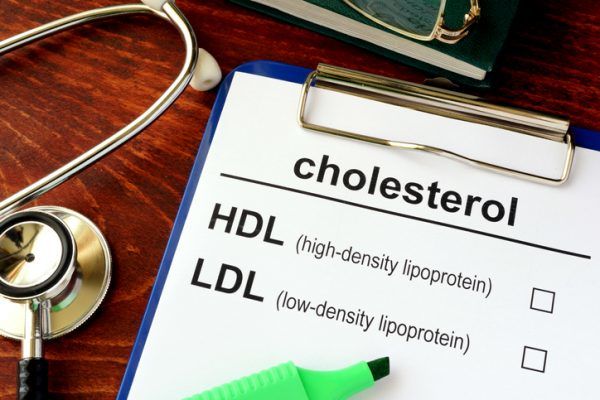
The High Density Lipoproteins or HDL, number is a far more reliable indicator for heart disease risk. Here are the two ratios to check on your lipid panel:
HDL/Total Cholesterol Ratio: Should ideally be above 24 percent. If below 10 percent, you have a significantly elevated risk for heart disease.
Triglyceride/HDL Ratio: Should be below 2.
Many people with total cholesterol levels over 250 are actually at low risk for heart disease because of their high levels of protective HDL, and many people with low cholesterol under 200, can be at high risk for heart disease because of their high LDL and triglycerides.
Actually the conventional LDL/cholesterol hypothesis is not entirely accurate, because damage of the interior layers of your arteries always precedes heart disease, and this damage can be induced by a number of factors, including smoking, high blood pressure, elevated blood sugar and inflammation.
Once the artery is damaged, cholesterol-rich plaque begins to build up as a protective mechanism. Problems arise when the rate of damage to the vessels and blood clot formation outpace your body’s ability to repair the blood vessels.
Your body actually needs a good amount of cholesterol—it is important in the production of cell membranes, all of your hormones—especially sex hormones, vitamin D, and bile acids that help you to digest fat.
Cholesterol also helps your brain work properly and is vital to healthy nerve function. There is also plenty of evidence that having low levels of cholesterol increases your risk for cancer, memory loss, Parkinson’s disease, hormonal imbalances, stroke, depression, suicide, and violent behavior.
If your doctor recommends you take statins to lower your cholesterol, think twice about that. There are many ways to protect your health with a healthy, low carb/low sugar diet, high in antioxidant-rich veggies, that will also protect you from heart disease, diabetes, and many other diseases. Statins don’t seem to be the best solution.
No going back, Not anymore. No tracing steps that led to the broken doors Hearts can’t rebuild from all that lies behind I think I have tortured enough, my mind. This is such a small fraction, I need to stay blind. Head up, no bowing, no more None of us are perfect, not anymore.
Once we were babies, that is when we could explore. Not today, not at our age There is always going to be resentment and rage. It is like we all are performers and life is the stage. Whatever lies ahead Let it be kind, with nothing for us to dread. Always remember the worst thoughts are in our own heads. Trembling like a kid being punished
That is not what or how it should be, that’s rubbish. We should be empowered not told to hush. Again, no one is perfect, no one is above We all survive with heartaches and love We all strive to make it, to the great above. I say, “Onward” Let’s move forward.












 Mws R Writings