5 Simple Exercises For You

Exercise 1: Chair Squat

chair squat

A study found in the European Journal of Preventative Cardiology found that the ability to get off the floor without using your hands was a key indicator of whether participants were more likely to die prematurely. With this exercise, you’ll develop that ability while building strength in your legs and working on your balance—and if you stumble, you’ll land safely back in the chair.

How to do it: Stand in front of a stable chair with your feet about hip-width apart. Imagine that you’re holding a bag of groceries, and there’s a door ajar behind your butt. Bump your butt backwards as if to open that door—this initiates a hip hinge, keeping your weight in your heels and your back flat. Keep pushing your hips back to sit down in a controlled manner without using your hands. Now, sitting up straight in the chair and keeping your weight in your heels, forcefully stand back up.

To make sure it’s a powerful move, try to stand up quickly. Even if you can’t, try to muster all your strength in the first moment of the standing movement, so you’re using your strength from the start. And to keep it powerful, don’t do all of your repetitions quickly. Once you sit back down, compose yourself, reset and push up forcefully again. Repeat this for five sets of five repetitions each day, resting a full minute between sets.

Exercise 2: Glute Bridge
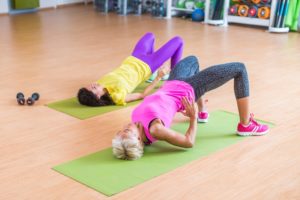
glute bridges

The glutes are one of the biggest muscles in the body, but because we sit so much, many people suffer from what has been called “gluteal amnesia,” where the butt doesn’t do the work it’s supposed to. Being able to fire the glutes can help keep your lower back in place, reducing your risk of pain. And despite the booty focus of many female workouts, women actually have, on average, less gluteal and hip muscle mass than men, according to International Orthapedics. A simple glute bridge, though, can help you “remember” how to use your glutes, develop more muscle and because it’s safe to do forcefully on the ground, make that butt muscle powerful.

How to do it: Lie face-up on a mat with your knees bent and feet flat on the floor. Place your arms at your sides, palms up. Keeping your feet flat on the floor, squeeze your glutes to raise your hips forcefully off the floor until your body forms a straight line from your knees to your shoulders. As you’re lifting, keep your knees and thighs parallel—don’t let them pull together. This will engage your hip musculature. Pause for a second at the top of the exercise, and then slowly return to the start position. As you’re raising up, don’t let your heels come off the floor.

To make sure it’s powerful, take a beat between repetitions, just as with the chair squat. Concentrate on pushing the hips up rapidly, and control the descent down. Perform three sets of five to eight repetitions of this exercise each day.
https://leaf.nutrisystem.com/power-exercises/

Exercise 3: Elevated Pushup

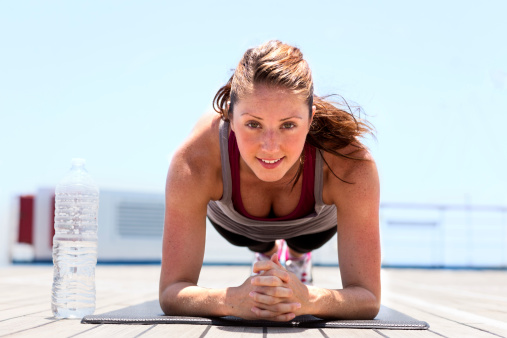
push ups

If you can’t do a bunch of pushups without struggling, elevating your hands can help make the movement easier and allow you to perform the exercise while recruiting force in a powerful manner. It can also help you keep your form in check, which can reduce your risk of shoulder injury and give the benefits you’re really looking for.

How to do it: Place your hands shoulder-width on the arm of a sofa or the second step of a staircase. In this position, assume a straight body line from head to heels. Bend your elbows to lower your body until your chest reaches your hands, maintaining the rigid body line throughout the movement. Press forcefully back to start, maintaining the body line. Try for five reps to start, working up to five sets of five reps. Once that’s too easy, try the exercise with your hands lower—maybe on the first step of the staircase.

Exercise 4: Medicine Ball Chest Pass
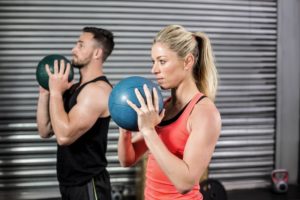
medicine ball throw

The next two exercises require some equipment, but if you can get a medicine ball, it’s really fun: Throwing the medicine ball won’t just build power, but will make you feel powerful. It can be great for stress relief, too! If you can, try to find a soft-sided medicine ball that doesn’t bounce—instead, it will hit the wall and fall to the ground. This is easier to handle than trying to dodge or catch the ball as it returns to you. As with the other exercises, don’t let this medicine ball work become cardio—it falls under the power exercises category, so each repetition should be powerful! Take a second between reps to compose yourself, get reset, and throw the ball with power.

How to do it: Stand with knees slightly bent facing a wall three to four feet away, holding a medicine ball at the chest with both hands. Press both arms forcefully forward to push the ball away from you at the wall. Retrieve the ball, reset, and repeat. This exercise can also be done while seated. Perform five to eight throws.

Exercise 5: Medicine Ball Slam
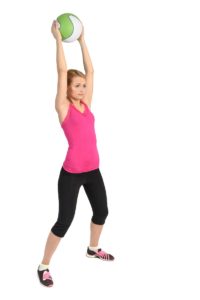
power exercises

As with the chest pass, take a moment to rest between power exercises so you’re composed and ready to throw the ball with maximum power!

How to do it: Stand in the same position as you did for the chest pass, holding the ball in front of your chest. Raise your arms up over your head, and then forcefully slam the ball down in front of your feet. Retrieve the ball, reset, and slam it again. Perform one set of eight reps.

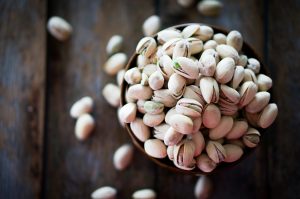
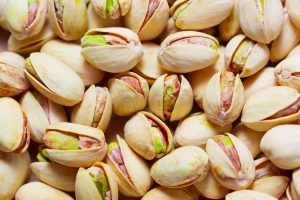
    What Nut Can Help You Burn Fat?~ Read below

    Pistachios – My Favorite Fat Burning & Heart-Healthy Snack

    By: Cat Ebeling, co-author of the best-sellers:  The Fat Burning Kitchen, The Top 101 Foods that Fight Aging & The Diabetes Fix

    I remember back when I was a kid, pistachios were bright red! Back then, pistachios mostly came from the Middle East, and the harvesting methods left them with stains, so they were dyed (ugh!) a bright reddish pink to cover up the stains. Fortunately, most pistachios today come from California, where they come to us for snacking in their natural (and more appetizing) tan color.

    Pistachios have become elevated to almost everyone’s favorite snack. Did you know that pistachios are one of the most nutritious nuts you can eat? Just a small 1 ounce serving contains over 30 vitamins, minerals and other powerful nutrients to help you burn fat, improve your cholesterol and heart health, balance out your blood sugar, and even improve your sex life!

    Pistachios contain some of the highest protein and healthy fats of any nuts, so they are one of the best ways to snack, get tons of nutrients, keep your blood sugar low, and burn fat as well.

    Pistachios rank high among nuts as having the highest amounts of antioxidant activity (ORAC ranking) of any food. Antioxidants help to prevent free radical damage, which allows for healthy cell reproduction, slows aging, and prevents chronic disease, among other things.

    Pistachios have a unique nutrient and fatty acid profile. They are a good source of unsaturated fatty acids and numerous antioxidants, including γ-tocopherol, β-carotene, lutein, selenium, flavonoids, and phytoestrogens.

    Compared with other popular nuts, pistachios are one of the richest sources of potassium, vitamin B-6, beta-carotene, and lutein + zeaxanthin. And they contain a healthy amount of protein, fiber, and selenium (good for thyroid health) as well.

    These little green nibbles are crunchy, salty, delicious, satisfying, low-carb and good for you! In spite of the fact that these yummy nuts have loads of (healthy) fat in them, they are one of the best fat-burning snacks you can find.

    Here are FIVE good reasons to snack on pistachios—

    1. A great source of vitamin B6—B vitamins are ‘water soluble’ vitamins. That means that    B vitamins are easily washed out of your body, and you cannot store B vitamins.

    B6 is vital for helping to produce certain neurotransmitters that protect the brain and nervous system. What’s more, B6 helps banish depression and anxiety, increase your ability to break down and process fat cells, up your energy levels, improve premenstrual syndrome, and help attention-deficit issues like ADD and ADHD.

    B6 is also one of the most important vitamins to lower homocysteine levels in the body. Homocysteine is an inflammatory substance the body produces that is a leading indicator of heart disease. High homocysteine = an increased risk for heart attacks, strokes and blood clots.

    2. Improves Heart Health and Cholesterol Levels—While many of the other nut varieties have been well-studied for their health benefits, pistachios have been studied for heart health and cholesterol-lowering benefits.

    This study published in the American Journal of Clinical Nutrition, shows a definite and significant reduction in the harmful LDL cholesterol with as little as one serving a day, although the reduction in cholesterol actually appears to be ‘dose-dependent’. In other words, 2 servings of pistachios will bring down cholesterol and other cardiac risk factors slightly more than 1 serving (serving = 10% of total daily calories). LDL cholesterol was lowered by an impressive 9-12%.

    High LDL is a major risk factor for heart disease and is thought to result partly from increased triglycerides (which usually come from a high carbohydrate-high sugar diet. In addition, pistachios contain high levels of antioxidants, which also protect heart health and blood vessels.

    3. Diabetes Fighter—Eating pistachios has a beneficial effect on blood sugar, helping to keep blood sugar levels low, insulin levels low, and helping to prevent diabetes.

    New research from Spain shows that people with prediabetes actually have a lower risk of developing diabetes if they eat pistachios on a regular basis. The test subjects ate 2 ounces of pistachios daily and had significant drops in both blood sugar and insulin levels. Some subjects also found they had reduced inflammatory levels as well, due to the antioxidants and anti-inflammatory levels in pistachios. As an added benefit, subjects also found that their waist measurement decrease as well.

    Besides the fact that pistachios are very low in sugar, they also contain many bioactive compounds that affect the heart, blood sugar levels and other measures of health.

    Pistachios are also high in protein, fiber and healthy fats, so they help control your ‘munchies’ and satisfy you. Not only do pistachios curb your appetite, but they give you some seriously healthy nutrients as well.

    4. Better Sex—A study published in the International Journal of Impotence Research looked at the effects of eating pistachios in 17 men who had erectile dysfunction (ED).

    The men ate about 3.5 ounces (about a cup) of pistachios a day for three weeks. The men were tested before and after the study using the International Index of Erectile Function score. After 3 weeks, the men’s IIEF scores increased significantly, and the subjects also reported they had increased sexual desire, pleasure and satisfaction. So want to add a little ‘spice’ to your life? Eat more pistachios!

    5. Fat Burning—Nuts contain lots of healthy fats, but they also help you burn fat! Pistachios are one of the nuts that contain the highest amount of protein, which helps to make you feel satiated and full.

    In addition, they contain generous amounts of healthy monounsaturated fats, similar to the healthy fat in olive oil. This fat not only helps you feel satisfied, but it keeps blood sugar low—a key factor in appetite and the ‘munchies’. When blood sugar stays low, you keep your body in the fat-burning mode, burning fat for energy instead of storing fat—which is what happens when you eat carbohydrates or sugary foods.

    What’s more, when you eat shelled pistachios, it takes a bit of work to crack those tasty little babies open, so you tend to eat less.

    Pistachios also contain generous amounts of the antioxidants, lutein and zeaxanthin, which protect the eye from diseases related to aging, including macular degeneration.

    And, pistachios are great for your gut health too. We all talk about “probiotics” but there are “prebiotics” as well. These are healthy, fiberous foods that feed your healthy gut bacteria, and pistachios just happen to be one of those foods that feed your healthy gut bacteria and keep those critters happy!

    A study from University of Florida study showed that people who ate 3 oz of pistachios for 19 days, had improved levels of beneficial gut bacteria, and an increase in beneficial butyrates, which are substances formed from healthy gut bacteria that help heal the gut lining. Got the munchies? Pick up a bag of yummy, crunchy pistachios. Your body and your gut critters will thank you! Enjoy your pistachios and stay lean!

    Diet Mistakes~

    1.Skipping meals.
    Passing on breakfast or lunch to reduce the amount of calories you eat each day can seem like a shortcut to losing weight, and this strategy may lead you to drop a few pounds in the short term. But a study published in the Journal of Nutritional Biochemistry reports that skipping meals actually increases belly fat, so no matter what the scale says you end up looking like you’ve gained rather than lost weight.

    Do: Eat small meals and snacks throughout the day to keep your metabolism working steadily–that’s the safe way to reduce calories.

    2. Juicing instead of eating.
    Many people today are trying juice “cleanses,” hoping to lose weight by replacing meals with fresh fruit and vegetable drinks. But juicing extracts the fiber in fresh produce that helps you feel full and it can increase your calorie intake. A cup of fresh pineapple, for instance, is about 83 calories, while a cup of pineapple juice is about 120 calories.

    Do: Enjoy juice as an occasional between-meal snack, but not as a substitute for meals. And make vegetables the primary ingredients in juice, as they are lower in sugar and calories than fruit.

    3. Choosing fat-free everything.
    Many food brands try to appeal to dieters with fat-free products, such as salad dressing and snacks. But fat-free items often have as many or more calories as full-fat versions (because extra sugar has been added, for instance, to help with flavor). Even worse, researchers at Cornell University found that people who eat fat-free snacks tend to consume more calories than those who eat the standard versions because they make up the difference by consuming more of the food.

    Do: Reduce your fat consumption by eating foods that are naturally low in fats but still filling, such as vegetables and fruit, and opt for healthy fat options like avocados and nuts. When selecting low-fat or fat-free products, check the sugar content on the item to ensure all of the fat hasn’t just been replaced by sugar. (Luckily, if you’re on a Nutrisystem program, you don’t have to worry about this one! All of our meals and snacks are prepared with the best balance of fat, protein, fiber and good carbs!).

    https://leaf.nutrisystem.com/7-diet-mistakes-that-are-stalling-your-weight-loss/?utm_medium=email&utm_source=newsletter&utm_campaign=pno&utm_content=7dietmistakes

    4. Eliminating carbs or fats.
    Many fad diets claim that certain types of foods, most notably carbohydrates and fats, are the primary cause of excess weight gain and should be eliminated from your diet. But a study published in Cell Metabolism found that low-carb and low-fat diets do not lead to faster weight loss than eating a reduced-calorie diet that includes these food groups.

    Do: Eat a well-balanced diet, that includes complex carbs (like whole grains and fresh fruit) and healthy fats (like avocados and nut butters) to ensure your body has the fuel it needs to keep you energized and your metabolism burning.

    5. Underestimating portions.
    Paying attention to the amount of food you consume is an important step in eating healthy to lose weight. But most of us are so conditioned by the enormous portions of food served in restaurants that we don’t accurately gauge the right amounts when we’re eating at home.

    Do: Remember these simple rules of thumb for healthy portions: A baseball-size serving for chopped veggies and fruits; a golf ball for nuts and shredded cheese; a fist for rice and pasta; and a deck of cards for lean meats and fish.

    6. Overeating after working out.
    Regular exercise is important to your health and helps keep your body burning calories, but working out does stimulate your appetite and that can leading to overeating. The journal Obesity Review published an analysis of many studies which revealed that up to 50 percent of people trying to lose weight actually increased their daily calorie consumption when they begin an exercise routine.

    Do: Stick to your healthy eating plan even when working out leaves you extra hungry. Your metabolism will adjust as your body adapts to the increased activity.

    7. Expecting too much.
    The first week or two of a diet can result in five or more pounds lost, a significant change that can be exciting for anyone who has struggled with excess weight. But after that initial drop, progress generally slows to a healthy one to two pounds lost each week. That can be discouraging, but remember that you are probably trying to reverse years of weight gain.

    Do: Be patient. Slow but steady isn’t exciting, but a study by the National Institutes of Health found that those who lost at the healthy rate of one to two pounds per week were far more likely to keep the weight off than those who lost faster.

    Question of the Day

    Question of the Day

    https://mwsrwritings.wordpress.com/2019/06/12/question-of-the-day/
    — Read on mwsrwritings.com/2019/06/12/question-of-the-day/

    Quote

    Poem podcast by me (MwsR)

    www.podbean.com/ei/pb-9qxp4-b4e4f0

    Did You Know?

    A human head remains conscious for about 15 to 20 seconds after it is been decapitated.

    Image result for decapitated head that is alive

    Studies show that couples that smoke during the time of conception have a higher chance of having a girl compared to couples that do not smoke.

    Image result for smoking


    The first known contraceptive was crocodile dung, used by Egyptians in 2000 B.C.

    Image result for crocidile


    A pregnant woman’s dental health can affect her unborn child.