Yoga~ Lose Weight

a man looking at the camera: Experts Agree: Yoga Can Help You Lose Weight, Especially If You Do This Type of Practice
https://www.msn.com/en-us/health/weightloss/experts-agree-yoga-can-help-you-lose-weight-especially-if-you-do-this-type-of-practice/ar-AAB2EcG?ocid=spartandhp

Yes, You Can Lose Weight With Yoga

“Yoga can be a good source of exercise,” said Jorianne Numbers, MS, an exercise physiologist with Northwestern Medicine. At the most basic level, she said, yoga is a form of movement that helps you burn calories, which is a major part of losing weight (though your exact amount burned will depend on your height, weight, and gender).

But there’s more behind yoga’s relationship with weight loss than first meets the eye. An effective practice also fosters a mind-body connection that makes you more mindful in every facet of your life. “Yoga brings you into a heightened state of awareness,” explained Lara Heimann, physical therapist, yoga instructor, and founder of LYT Method, a yoga certification program. Moving through different poses and holds increases your awareness of your body, and that can translate to other effective weight-loss habits, like eating healthy, which is key for losing weight no matter what exercise you’re doing. (Try this two-week clean eating plan to get started.) “The congruency between mindfulness on and off of the mat is what can make yoga more effective for weight loss than other forms of exercise,” Lara told POPSUGAR.

Yoga has long been regarded as an effective way to relieve stress, and that on its own can be a weight-loss tool. “Having a less stressful life, and fewer stress hormones such as cortisol, can help anyone lead a healthier lifestyle,” explained Liza Janda, a certified yoga instructor at Yoga Janda. Cortisol is an appetite stimulant, hence why we tend to eat (and overeat) when we’re stressed out and to crave unhealthy foods in particular. A relaxing yoga practice can help you deal with stress in a healthier way and even avoid it, and the related weight gain, altogether. (Try this relaxing yoga sequence or one of these stress-busting yoga videos to see for yourself.)

Which Practices Are Best For Weight Loss?

If you’re looking for pure calorie burn, our experts agreed that fast-paced Vinyasa yoga is the practice to choose. “A good Vinyasa class will take you through a variety of movements, with a focus on integrating your core and weight-bearing on your hands and feet,” Lara explained. Imagine a classic flow from plank to tricep push-up to upward facing dog – you’re getting a core burn, working your triceps, then using your arms to hold up your bodyweight as you stretch. This kind of weight-bearing move “increases heart rate and builds muscle,” Liza told POPSUGAR. The more muscle you build, the more calories you’ll burn even after you’re done exercising.

Power yoga is another good choice, Jorianne told POPSUGAR, though it’s more intense and better suited for people who are already in good shape. “In power yoga, there is less meditation and more of a focus on standing poses and faster-paced movement,” she explained. Your heart will pump even harder than in a Vinyasa class, which is good news for losing weight; Liza recommended aiming for a heart rate that’s 55 to 85 percent of your maximum to get the most calories burned out of a class. (Use this guide to calculate your max heart rate and find your target zones.)

And what about hot yoga? “Vinyasa classes burn more calories than the hot yoga,” Lara told POPSUGAR. “Hot yoga makes you feel like you’re working harder than you actually are because your body is just trying to thermoregulate.” Basically, sweating more doesn’t mean you’re burning more calories. “The sweat you produce should come simply from physical exertion,” Liza said, not from temperature.

A more gentle yoga class, such as Hatha, won’t burn as many calories. But it can benefit your mental health and decrease stress levels while helping you be more mindful, all of which have weight-loss benefits as well.

How Often Should I Do Yoga to Lose Weight?

For the best weight-loss results, Liza recommended doing yoga three times a week. Continue to stay active and get your heart rate on the other three to four days as well, whether through cardio, weightlifting, or HIIT workouts of 45 minutes to an hour. (We recommend this dance workout for cardio, this Nike weightlifting workout, and this belly-targeting HIIT circuit, all 45 minutes in length.) And keep your nutrition in mind, too. “Exercise alone without dieting makes losing weight hard,” Jorianne said. “Weight loss occurs when you burn more calories than you consume.”


Yoga Poses For Osteoporosis

One of the biggest concerns people begin to have as they age is osteoporosis. Just the thought of the bones breaking owing to even a nudge is painful, imagine going through it! Is yoga good for osteoporosis? Research states that yoga can help reduce the symptoms of osteoporosis or even reduce the condition. Let us dig a little deeper and figure out the connection between yoga and osteoporosis.

What Is Osteoporosis?

Osteoporosis is a degenerative disease. In this condition, the bones are weakened, and you are at a constant risk of having fractured bones. People have the highest bone density in their early 20s. As you age, the bone mass reduces due to various reasons. When there is too much breakdown of the bones and too little is built back, the bones tend to get brittle, resulting in fractures. Low levels of estrogen in women, low testosterone levels in men, lack of calcium, and vitamin D, sedentary lifestyles – all of these can be causes of osteoporosis.

Yoga is a sort of strength training that helps you balance and align your body the right way. When your body is properly aligned, and you can balance, you automatically reduce probable injury. The standing poses strengthen your hips, which are sometimes the most affected by osteoporosis. Mild back bends build strength in the spine and decompress the vertebrae. Yoga also improves the circulation of blood in the body, which means better absorption of nutrients. But to benefit from yoga for osteoporosis, you have to practice it for 30 days at least five days a week. Having said this, you should not overdo the practice either. Start slowly with simple asanas, and then increase the time and the level of difficulty as you progress. You will notice significant changes eventually. But beware of some yoga poses to avoid with osteoporosis! You must consult your doctor before you begin yoga. You should also speak to your yoga instructor about your condition before you start practicing.

7 Powerful Asanas In Yoga For Osteoporosis

Also Known As – Padahastasana, Hasta Padasana, Standing Forward Bend

Benefits – This asana stretches, tones, and strengthens the bones in the lower spine, legs, and hips. It also ensures that every part of the body is oxygenated and balanced. It works on the reproductive system and improves hormonal imbalances. Just ease into the asana. Do not push yourself too much when you begin, or else you will be left with an injury. With practice, you can progress.

2. Virabhadrasana II

4. Utthita Parsvakonasana

7. Urdhva Dhanurasana

Also Known As – Chakrasana, Wheel Pose, Upward Facing Bow Pose

Exercises With Very Little Time


1. Standing Side Kick
Targets: Inner thighs, glutes, quadriceps, outer hips
With feet hip-width apart and hands on hips, slowly extend right leg to the side at hip height in 3 full counts.
Be sure to keep inner thigh parallel to the floor.
Hold for 1 count, then take 3 counts to lower to floor.
Do 15 times, then switch sides.


2. Side Jump
Targets: Inner thighs, glutes, hamstrings, outer hips

Standing with hands on hips, hop 3 feet to your left, landing on your left foot with left knee slightly bent.
Bring your right foot down to the floor.
Repeat to the right and continue alternating for a total of 15 on each side.


3. Hip Raise
Targets: Hip flexors, outer hips, outer thighs, glutes

Lie faceup with knees bent and feet flat on the floor.
Slowly lift hips and extend left leg, pointing toes toward the wall in front of you.
Hold for 1 count, then move your left leg out to your left side at 90 degrees.
Hold for 1 count and return to center before lowering.
Do 10 times; switch sides.


4. Traveling Squat-Kick
Targets: Thighs, glutes, quadriceps

Stand with hands on hips and kick your right leg in an arc across the front of your body before bringing your foot to the floor in a squat.
Step your left foot next to the right and come to a stand.
Do 15 times, then switch sides.


5. Leg Raise
Targets: Outer thighs, glutes, hip flexors
Get on all fours, weight evenly balanced between your hands and knees.
Lift your left leg out to the side, keeping knee bent 90 degrees and inner thigh facing the floor.
Quickly kick your leg diagonally behind you, bringing your heel toward the ceiling.
Return your left knee to the floor and do 10 times; switch sides.

Diabetic Information About Exercises

Fitness & Physical Activity

If you have type 2 diabetes, regular physical activity should be an integral part of your overall care plan. Not only will a program of regular physical activity improve glycemic control, it is a an important part of maintaining a healthy weight and reducing your risk for cardiovascular disease (heart disease and stroke) and other health complications for which people with diabetes are at high risk. Physical activity also has long list of other benefits. It is a great way to lift your mood and spirits, improve your outlook, and improve your sleep. If you join a regular exercise group (for example, a walking group or a movement class) you can make your physical activity a fun, social experience, as well.1

What do studies tell us about the benefits of physical activity for people with diabetes?

The short-term and long-term benefits of physical activity for people with diabetes have been demonstrated in a variety of well-controlled studies.

Improved insulin sensitivity. In people with type 2 diabetes, one of the short-term benefits of physical activity is improved sensitivity to insulin. As a person exercises, muscles require glucose for energy. This has the effect of helping our bodies make better use of the insulin that we produce so that glucose can be made available to the muscle cells where it is needed.1,2

With type 1 diabetes, where people make very little or no insulin and insulin injections are required, physical activity can have different effects on blood glucose. The effect will depend on how much insulin is present in the body at the time of physical activity and the timing of the most recent insulin injection1,2

Improved glycemic control. A number of studies have shown the benefit of regular physical activity on glycemic control (blood glucose). An analysis of results from several studies measuring the effects of physical activity on people with type 2 diabetes found that a regular exercise program resulted in reductions in A1C values by 0.5% to 0.7% compared with a control group (a comparison group made up of people with type 2 diabetes who did not engage in exercise). 1,2

Results from some studies suggest that an exercise program that combines both aerobic and resistance training (see below for examples of these types of exercise) may achieve the greatest benefits in terms of glycemic control. For instance, in one study conducted in 252 adults with type 2 diabetes, the combination of resistance (weight training) and aerobic (running, walking) training had a greater reduction in A1C (almost 1% point compared with a control group that did not engage in exercise) than either type of physical activity alone.3

Overall health benefits. In the Look AHEAD Study, a 4-year randomized, controlled trial conducted in 4,503 adults with type 2 diabetes who had a body mass index (BMI) of 25 or higher, an intensive program of lifestyle modification, including a program of regular physical activity, resulted in a range of health benefits, including an increased likelihood of remission of type 2 diabetes to prediabetes, improved blood glucose control, improvements in blood pressure, lipids, improvements in quality of life, improved mobility and reduced muscle and joint problems, and decreased risk for a range of diabetes-related complications (e.g., kidney disease, retinopathy).4
Although regular moderate physical activity alone is probably not sufficient for achieving and maintaining weight loss, as part of a comprehensive program of lifestyle modification, including healthy eating and calorie restriction, physical activity can be an important part of achieving and maintaining a healthy weight.4,5

Other studies have also shown the significant benefits of physical activity in terms of cardiovascular health in people with type 2 diabetes. The Nurses’ Health Study, a large, health study conducted among nurses in the US, found that among 5,125 female participants with type 2 diabetes, those who engaged in moderate to vigorous physical activity for at least 4 hours per week decreased their risk of cardiovascular disease (including stroke and coronary heart disease) by 40%.6 In the Aerobics Center Longitudinal Study, a study conducted in 2,316 men with type 2 diabetes, risk of death from cardiovascular disease and other causes was 1.7 to 6.6 times higher among participants who were defined as low-fit compared with those who were high-fit.7,8

Before you start an physical activity routine

There are many physical activity options for people with diabetes, including walking, cycling, swimming, rowing, and running. Your healthcare provider will determine whether it is necessary to do a pre-exercise examination, depending on the intensity of the physical activity your are planning to engage in and other factors, such as your age and existing health problems. For most people, with type 2 diabetes who want to engage in low-intensity physical activity, such as walking, no pre-exercise examination is necessary. However, if you are an older person not used to physical activity, you will benefit from an assessment.1

Since physical activity affects blood glucose, you should get a sense of how your exercise routine affects your blood glucose by measuring levels before, during, and after your exercise routine. This will allow you to know how you will need to adjust your insulin dose (if you take insulin) or to develop a strategy for eating foods that will keep your blood glucose at a normal level during and after physical activity. Make sure to drink adequate amounts of liquids before, during, and after physical activity to avoid becoming dehydrated. In people with diabetes, dehydration can have a direct impact on blood glucose levels.9
Learn more about factors to consider before I start a training program.

Three basic types exercises you need

Type

Examples

Resistance Training
  • Weight training
  • Yoga
  • Resistance training
Endurance (aerobic) training
  • Running
  • Swimming
  • Cycling
  • Walking
Flexibility Training
  • Yoga
  • Stretching (passive and active)
  • Pilates

What are my options for physical activity?

The list of activities that you can engage in to get exercise is almost limitless. From swimming and jogging to yoga and dancing, there is a form of physical activity that is fun and rewarding for every person.

Learn more about different types of exercise options:

There are three basic types of exercise: resistance training, endurance (aerobic) training, and flexibility (range of motion) training. Ideally, you should combine all three to get the full benefit of a total workout. You’ll find that certain activities are sources for some or all of the three types of exercise you need. For instance, yoga and Tai Chi can be used to increase or maintain both strength and range of motion. Some water aerobics programs are designed to provide aerobic and strength training at the same time.

However you mix these forms of physical activity, you should aim to get 150 minutes per week of moderate- to vigorous-intensity aerobic training, spread out during at least 3 days per week, with no more than 2 consecutive days between training sessions.1 Aerobic training of moderate intensity involves getting your heart rate up to 65% of its maximum.

Learn some pointers on how to start an aerobic training exercise routine

A good sign that your endurance training is vigorous enough is if you sweat and feel an increase in your heart rate and breathing. A good tip for how hard you should extend yourself is to find a pace at which you are slightly short of breath, but can still carry on a conversation. Determining your target heart rate is also a way to make sure that you are working hard enough, but not overdoing it. Check out the simple target heart rate calculator to find out what you should be aiming for during your workout.


Figuring out your target heart rate (HR)

Subtract your age from 220 for your maximum HR 220 – YOUR AGE (example: 50) = 170
Subtract your resting HR from your max HR 170 – RESTING HR (example: 70) = 100
Multiply the answer by 0.7 and 0.5 0.7 X 100 = 70 (70% of max reserve HR)
0.5 X 100 = 50 (50% of max reserve HR)
Add your resting HR to each of these numbers to get your target HR range 70 + 70 = 140 beats per minute
50 + 70 = 120 beats per minute
While you are exercising your heart rate should stay between 120 and 140 beats

per minute

https://type2diabetes.com/fitness-and-exercise/

Continue reading Diabetic Information About Exercises

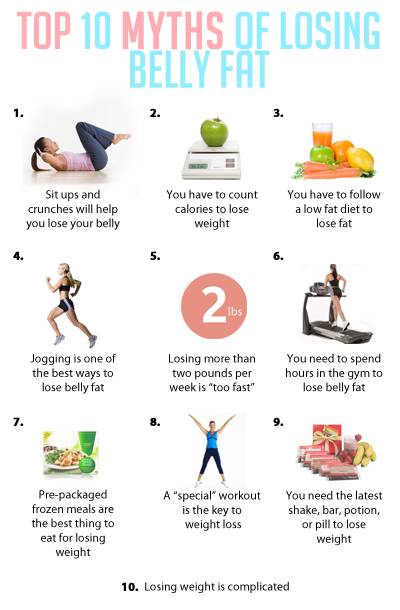
Myths about losing belly fat

See the source image

Exercises That Prevent Back Pain

We all want to feel better and have less pain as we age or as we function on a daily basis. Here are some stretching type of exercises, I found for you to do. These are to lessen your back pain, maybe even to alleviate back pain all together. MwsR ❤

1. Hip Flexor Stretchers  https://whatsgood.vitaminshoppe.com/back-pain-exercises/?utm_source=bing&utm_medium=cpc&utm_campaign=%5BADL%5D%20%5BDSA%5D%20Dynamic%20Search%20Ads&utm_term=vitaminshoppe&utm_content=All%20webpages&acqsource=adlucent&sourceType=ps&source=yh&adlclid=ADL-73330ee8-f583-4f24-8971-ce340ad66ff8s


Image result for hip flexor stretches


Image result for hip flexor stretches

From a kneeling position, place your left knee on the floor directly under your left hip, and place the right foot in front, flat on the ground, directly over the right ankle and the right knee at a 90-degree angle. Using your glute muscles, gently push your left hip forward until you feel the stretch. Hold for 5 to 10 seconds and repeat on the other side.

2. Core Strengtheners

Image result for core strengthening

Yoga and Pilates classes are often designed to develop core and spine strength. If that’s not your thing, add planks to your daily routine. The plank is one of the best exercises you can do for your core because it builds isometric strength (a static muscle contraction) to help improve your posture.

Lie face down, with your legs extended and your elbows bent, directly under your shoulders. Contract your abs (this is the isometric contraction), then tuck your toes to lift your body off the ground.  You should be in a straight line from head to heels. Hold for 60 seconds or as long as you can. (

3. Glute Strengtheners

Image result for glute strengthening

Most people don’t think about their glutes beyond how they look in jeans. However, weak and inactive glute muscles contribute to back, hip, and knee pain. Strengthening this group of muscles can lessen pain. Incorporating an exercise called bridge or hip raise into your daily stretches will strengthen glute muscles, the back of the thighs (hamstrings), and the core.

Lie on your back, knees bent, feet flat on the floor, with feet about hip-width apart. Slowly lift your hips, tighten your core, and press your heels into the floor for stability. Make sure the glutes are doing the work by squeezing them. Avoid pushing your hips too high; instead, aim for a straight line from your knees to your shoulders and hold for 20 to 30 seconds.

4. Hip Openers

Image result for hip strengtheners

There are many moves to open hips, but here’s one you can do at your desk: While sitting, cross your right leg, with the right ankle on your left knee. Keep your right leg parallel to the floor, or as close as you can. Gently push down on your right thigh and hold until you feel a good stretch. Repeat on the other side.

Bonus: Cardio

“Back-friendly cardio exercises not only help back pain patients stay more functional when discomfort does strike, but can help keep pain flare-ups at bay,” says Kaixuan Liu, M.D., Ph.D., founder and president of the Atlantic Spine Center in West Orange, NJ. Walking, swimming, or using an elliptical trainer or stationary bike are all good options.

Cardio promotes healing by increasing the flow of oxygen and nutrients to the spine,
reduces joint stiffness, increases production of endorphins—feel-good chemicals—and helps control weight, which reduces stress on the spine.

Belly Exercises

See the source image