Short Story Share

A Baby Tramp

by Ambrose Bierce


If you had seen little Jo standing at the street corner in the rain, you would hardly have admired him. It was apparently an ordinary autumn rainstorm, but the water which fell upon Jo (who was hardly old enough to be either just or unjust, and so perhaps did not come under the law of impartial distribution) appeared to have some property peculiar to itself: one would have said it was dark and adhesive — sticky. But that could hardly be so, even in Blackburg, where things certainly did occur that were a good deal out of the common.

For example, ten or twelve years before, a shower of small frogs had fallen, as is credibly attested by a contemporaneous chronicle, the record concluding with a somewhat obscure statement to the effect that the chronicler considered it good growing-weather for Frenchmen.

Some years later Blackburg had a fall of crimson snow; it is cold in Blackburg when winter is on, and the snows are frequent and deep. There can be no doubt of it — the snow in this instance was of the colour of blood and melted into water of the same hue, if water it was, not blood. The phenomenon had attracted wide attention, and science had as many explanations as there were scientists who knew nothing about it. But the men of Blackburg — men who for many years had lived right there where the red snow fell, and might be supposed to know a good deal about the matter — shook their heads and said something would come of it.

And something did, for the next summer was made memorable by the prevalence of a mysterious disease — epidemic, endemic, or the Lord knows what, though the physicians didn’t — which carried away a full half of the population. Most of the other half carried themselves away and were slow to return, but finally came back, and were now increasing and multiplying as before, but Blackburg had not since been altogether the same.

Of quite another kind, though equally ‘out of the common,’ was the incident of Hetty Parlow’s ghost. Hetty Parlow’s maiden name had been Brownon, and in Blackburg that meant more than one would think.

The Brownons had from time immemorial — from the very earliest of the old colonial days — been the leading family of the town. It was the richest and it was the best, and Blackburg would have shed the last drop of its plebeian blood in defence of the Brownon fair fame. As few of the family’s members had ever been known to live permanently away from Blackburg, although most of them were educated elsewhere and nearly all had travelled, there was quite a number of them. The men held most of the public offices, and the women were foremost in all good works. Of these latter, Hetty was most beloved by reason of the sweetness of her disposition, the purity of her character and her singular personal beauty. She married in Boston a young scapegrace named Parlow, and like a good Brownon brought him to Blackburg forthwith and made a man and a town councillor of him. They had a child which they named Joseph and dearly loved, as was then the fashion among parents in all that region. Then they died of the mysterious disorder already mentioned, and at the age of one whole year Joseph set up as an orphan.

Unfortunately for Joseph the disease which had cut off his parents did not stop at that; it went on and extirpated nearly the whole Brownon contingent and its allies by marriage; and those who fled did not return. The tradition was broken, the Brownon estates passed into alien hands, and the only Brownons remaining in that place were underground in Oak Hill Cemetery, where, indeed, was a colony of them powerful enough to resist the encroachment of surrounding tribes and hold the best part of the grounds. But about the ghost:

One night, about three years after the death of Hetty Parlow, a number of the young people of Blackburg were passing Oak Hill Cemetery in a wagon — if you have been there you will remember that the road to Greenton runs alongside it on the south. They had been attending a May Day festival at Greenton; and that serves to fix the date. Altogether there may have been a dozen, and a jolly party they were, considering the legacy of gloom left by the town’s recent sombre experiences. As they passed the cemetery the man driving suddenly reined in his team with an exclamation of surprise. It was sufficiently surprising, no doubt, for just ahead, and almost at the roadside, though inside the cemetery, stood the ghost of Hetty Parlow. There could be no doubt of it, for she had been personally known to every youth and maiden in the party. That established the thing’s identity; its character as ghost was signified by all the customary signs — the shroud, the long, undone hair, the ‘far-away look’ — everything. This disquieting apparition was stretching out its arms toward the west, as if in supplication for the evening star, which, certainly, was an alluring object, though obviously out of reach. As they all sat silent (so the story goes) every member of that party of merrymakers — they had merrymade on coffee and lemonade only — distinctly heard that ghost call the name ‘Joey, Joey!’ A moment later nothing was there. Of course one does not have to believe all that.

Now, at that moment, as was afterward ascertained, Joey was wandering about in the sagebrush on the opposite side of the continent, near Winnemucca, in the State of Nevada. He had been taken to that town by some good persons distantly related to his dead father, and by them adopted and tenderly cared for. But on that evening the poor child had strayed from home and was lost in the desert.

His after history is involved in obscurity and has gaps which conjecture alone can fill. It is known that he was found by a family of Piute Indians, who kept the little wretch with them for a time and then sold him — actually sold him for money to a woman on one of the east-bound trains, at a station a long way from Winnemucca. The woman professed to have made all manner of inquiries, but all in vain: so, being childless and a widow, she adopted him herself. At this point of his career Jo seemed to be getting a long way from the condition of orphanage; the interposition of a multitude of parents between himself and that woeful state promised him a long immunity from its disadvantages.

Mrs. Darnell, his newest mother, lived in Cleveland, Ohio. But her adopted son did not long remain with her. He was seen one afternoon by a policeman, new to that beat, deliberately toddling away from her house, and being questioned answered that he was ‘a doin’ home.’ He must have travelled by rail, somehow, for three days later he was in the town of Whiteville, which, as you know, is a long way from Blackburg. His clothing was in pretty fair condition, but he was sinfully dirty. Unable to give any account of himself he was arrested as a vagrant and sentenced to imprisonment in the Infants’ Sheltering Home — where he was washed.

Jo ran away from the Infants’ Sheltering Home at Whiteville — just took to the woods one day, and the Home knew him no more for ever.

We find him next, or rather get back to him, standing forlorn in the cold autumn rain at a suburban street corner in Blackburg; and it seems right to explain now that the raindrops falling upon him there were really not dark and gummy; they only failed to make his face and hands less so. Jo was indeed fearfully and wonderfully besmirched, as by the hand of an artist. And the forlorn little tramp had no shoes; his feet were bare, red, and swollen, and when he walked he limped with both legs. As to clothing — ah, you would hardly have had the skill to name any single garment that he wore, or say by what magic he kept it upon him. That he was cold all over and all through did not admit of a doubt; he knew it himself. Anyone would have been cold there that evening; but, for that reason, no one else was there. How Jo came to be there himself, he could not for the flickering little life of him have told, even if gifted with a vocabulary exceeding a hundred words. From the way he stared about him one could have seen that he had not the faintest notion of where (nor why) he was.

Yet he was not altogether a fool in his day and generation; being cold and hungry, and still able to walk a little by bending his knees very much indeed and putting his feet down toes first, he decided to enter one of the houses which flanked the street at long intervals and looked so bright and warm. But when he attempted to act upon that very sensible decision a burly dog came browsing out and disputed his right. Inexpressibly frightened, and believing, no doubt (with some reason, too), that brutes without meant brutality within, he hobbled away from all the houses, and with grey, wet fields to right of him and grey, wet fields to left of him — with the rain half blinding him and the night coming in mist and darkness, held his way along the road that leads to Greenton. That is to say, the road leads those to Greenton who succeed in passing the Oak Hill Cemetery. A considerable number every year do not.

Jo did not.

They found him there the next morning, very wet, very cold, but no longer hungry. He had apparently entered the cemetery gate — hoping, perhaps, that it led to a house where there was no dog — and gone blundering about in the darkness, falling over many a grave, no doubt, until he had tired of it all and given up. The little body lay upon one side, with one soiled cheek upon one soiled hand, the other hand tucked away among the rags to make it warm, the other cheek washed clean and white at last, as for a kiss from one of God’s great angels. It was observed — though nothing was thought of it at the time, the body being as yet unidentified — that the little fellow was lying upon the grave of Hetty Parlow. The grave, however, had not opened to receive him. That is a circumstance which, without actual irreverence, one may wish had been ordered otherwise.


A Baby Tramp was featured as The Short Story of the Day on Mon, Jan 19, 2015

Declutter-

Upcycle~ Book Ends

telephone bookends


How to make telephone bookends

These bookends are easy to put together. First find the 2 old phones you’d like to use. Remember, they don’t have to match.

Next take 2 pieces of thin metal 7.5″ long and 1.5″ wide. These will be the base that your phones stand on. Now drill a centered hole 1″ from the end of each metal piece. Then take a larger drill bit and screw another hole on top of the first, not quite all the way through. This creates a countersink which allows your screw to sit flush on the bottom of the metal strip.

The next step is optional, if you’d like you can spray paint your metal strips and allow them to dry.

Then take a cordless drill and screw the metal piece to the bottom of the phone after positioning it the way you’d like it to stand. Glue a felt strip to the bottom of the metal base with a a hot glue gun.

Finally position your books and prop them up with your new telephone bookends!

telephone bookends

Does this remind anyone else of the 90’s tween board game Dream Phone?

Source: A Beautiful Mess

telephone bookends

Did You Know? Suicide

Facts About Suicide

  • Suicide is preventable. Most suicidal individuals desperately want to live; they are just unable to see alternatives to their problems.
  • Most suicidal individuals give definite warnings of their suicidal intentions, but others are either unaware of the significance of these warnings or do not know how to respond to them.
  • Talking about suicide does not cause someone to be suicidal.
  • Suicide occurs across all age, economic, social, racial and ethnic boundaries.
  • Suicidal behavior is complex and not a response to one problem that a person is experiencing. Some risk factors vary with age, gender, or ethnic group and may occur in combination or change over time.
  • Surviving family members not only suffer the trauma of losing a loved one to suicide, they may themselves be at higher risk for suicide and emotional problems.

National statistics

Statistics are based on the latest year for which we have national statistics, 2016. 
U.S.A Suicide: 2015 Official Final Data

  • Suicide is currently the 10th leading cause of death in the United States. This translates into an annual suicide rate of approximately 14 per 100,000 people dying a year by suicide (44,193 a year), out-ranking homicides (ranked as the 16th leading cause of death).
  • The suicide rates decreased from 1990-2000 from 12.5 to 10.4 suicides per 100,000. Over the past decade, however, the rate has again increased. Every day, approximately 121 Americans die by suicide or approximately one person kills themselves every 12 minutes. (CDC)
  • In 2015, there were 1,104,825 attempted suicide in the United States. Approximately one person attempts suicide every 31 seconds.
  • It is generally estimated that there are 25 attempts for one death by suicide.
  • Between 25 and 50 percent of people who kill themselves had previously attempted suicide. Those who have made suicide attempts are at higher risk for actually taking their own lives.
  • Each suicide intimately effects at least six other people (estimated). In 2013, it was estimated that one in every 63 Americans became a suicide-loss survivor.
  • The most commonly reported means of completing suicide, across all groups, was by firearm (49.8%), followed by suffocation or hanging (26.8%), poisoning (15.4), cutting (1.7%) and drowning (1.2%).
  • Mental health diagnoses are generally associated with a higher rate of suicide. Psychological autopsy studies reflect that more than 90 percent of completed suicides had one or more mental disorders, most notably depression. (NAMI)

By age

  • Rates of completed suicide are highest among those between the ages of 45-54, followed by an equally high rate for the elderly (age 80 and over).
  • It is estimated that elderly adults have rates of suicide close to 50 percent higher than that of the nation as a whole (all ages).
  • Suicide is currently ranked as the second leading cause of death for youth (15 to 24 years old) in the United States behind accidents/road traffic.
  • Prevalence of Suicide in College Students:
  • Available data suggests that suicide occurs at a rate between 6.5 and 7.5 per 100,000 among college students, approximately half the rate for nonstudent college-aged adults. (SPRC)
  • 18 percent of undergraduate and 15 percent of graduate students have seriously considered attempting suicide in their lifetimes. Between 40 and 50 percent of these same students report multiple episodes of serious suicidal thoughts.(Drum, Brownson, Burton Denmark & Smith, 2009)
  • Studies suggest that female graduate students are at a greater risk for suicide than male graduate students and younger students of both sexes. (Big Ten Student Suicide Study)
  • 80 percent of students who die by suicide never contact mental health services. (NAMI)

By gender (from the CDC)

  • Males take their own lives at nearly four times the rate of females and represent 77.9% of all suicides.
  • Females are more likely than males to have suicidal thoughts.
  • Firearms are the most commonly used method of suicide among males (56.9%).
  • Poisoning is the most common method of suicide for females (34.8%)

By race/ethnicity

The Center for Disease Control and Prevention (CDC) reported the following statistics for 2001-2010 among White/Caucasian Americans:

  • At 15.8 per 100,000, the suicide rate for Whites of all ages was the second highest rate among racial/ethnic groups and higher than the overall U.S. rate of 13.8. (Suicidology, 2015)
  • Suicide was the 10th leading cause of death for Whites of all ages and the 2nd leading cause of death for young White males ages 15-34.
  • The highest rate in the White population, 51.75 per 100,000, was found among adult males 85 and older.
  • The lifetime prevalence of suicidal ideation and suicide attempts of Whites have been placed at 16.10% and 4.69%, respectively.

The CDC reported the following statistics for 2001-2010 among Black/African Americans:

  • The suicide rate for all ages was 5.6 per 100,000, slightly less than half of the overall U.S. rate of 13.8. (Suicidology, 2015)
  • Suicide was the 16th leading cause of death for Blacks of all ages and the 3rd leading cause of death for young Black males ages 15-24.
  • Males ages 25 to 34 had the highest rate of suicide in the Black population, 16.43 per 100,000.
  • The lifetime prevalence rate of suicidal ideation and suicide attempts of Blacks has been placed at 11.82% and 4.15%, respectively.

The CDC reported the following statistics for 2001-2010 among Hispanic/Latino Americans:

  • The suicide rate for all ages was 5.85 per 100,000, slightly less than half the overall U.S. rate of 12.08.
  • Suicide ranked as the 12th leading cause of death for individuals of Hispanic origin of all races and ages, and the 3rdleading cause of death for Hispanic males ages 15 to 34.
  • The highest suicide rate in the Hispanic population, 30.58 per 100,000, was found among adult males 85 and older.
  • The lifetime prevalence of suicidal ideation and suicide attempts of Hispanics has been placed at 11.35% and 5.11%, respectively.

The CDC reported the following statistics for 2015 among American Indians and Alaska Natives:

  • The suicide rate for all ages was 19.5 per 100,000, much higher than the overall U.S. rate of 13.8 and the highest of all racial/ethnic groups. (CDC)
  • Suicide ranked as the 8th leading cause of death for American Indians and Alaska Natives of all ages. Suicide ranked as the 2nd leading cause of death among youth ages of 10 to 34.
  • The suicide rate among American Indian/Alaska Native adolescents and young adults ages 15-34 is 19.5 per 100,00, which is 1.5 times higher than the national average for that age group.
  • Lifetime rates of having attempted suicide reported by adolescents ranged from 21.8% in girls to 11.8% in boys and from 17.6% of both sexes raised on reservations to 14.3% of both sexes raised in urban areas.
  • Lifetime rates of suicidal ideation were significantly higher among youth raised on reservations (32.6%) compared to youth raised in urban areas (21%).

The CDC reported the following statistics from 2001-2010 among the Asian American and Pacific Islander population:

  • The suicide rate was 6.19 per 100,000, approximately half the overall U.S. rate of 12.08.
  • Suicide ranked as the 10th leading cause of death for all ages and the 2nd leading cause of death for youth ages 15-24.
  • The highest rate in the Asian American and Pacific Islander population, 29.76 per 100,000, was found among adult males 85 and older.
  • The lifetime prevalence of suicidal ideation and suicide attempts of Asian Americans and Pacific Islanders has been placed at 9.02% and 2.55%, respectively.

https://wmich.edu/suicideprevention/basics/facts

Fascinating Place

Giant hands cradle new bridge in Vietnam. On a hillside in Vietnam, giant hands extend, holding a new steel bridge. Designed by TA Landscape Architecture, the bridge has attracted scores of visitors since opening.

Mediterranean-Keto Effects on Cognition

Mediterranean-Keto Diet’s Surprising Effect On Cognitive Function

Kristine Arbolario

https://www.msn.com/en-us/health/nutrition/mediterranean-keto-diets-surprising-effect-on-cognitive-function/ar-AAGTsQI?ocid=spartanntp

A study initiated by the researchers from Wake Forest School of Medicine found a number of distinct gut microbiome in participants with mild cognitive impairment (MCI) and its bacterial resemblance with the markers of Alzheimer’s disease.

a bowl of food on a table: Keto diet for beginners

© Twitter Keto diet for beginners

The scientists delved further by studying 17 adults, where 11 of the participants are diagnosed with MCI and six with normal cognition. They randomly appointed the subjects with a diet to observe in a span of six weeks – either the Mediterranean-ketogenic diet or the diet low in fat, high in carbohydrate.

The two groups would then switch diets after the given period for another six weeks.

The study aimed to show whether a Mediterranean-ketogenic diet could change the gut microbiome in order to increase cognitive function and lessen the Alzheimer’s markers.

After 12 weeks, they found that the Mediterranean-ketogenic diet really caused changes in the gut microbiome tied with a decreased level of markers of Alzheimer’s within both groups of adults.

Moreover, not only did the diet benefited the group of people diagnosed with MCI, but it also lessened Alzheimer’s markers in the study group with normal cognition.

In a news release, Hariom Yadav, PhD, co-author of the study, said that their findings supply important information that interventional and clinical studies in the future can refer to.

“Determining the specific role these gut microbiome signatures have in the progression of Alzheimer’s disease could lead to novel nutritional and therapeutic approaches that would be effective against the disease,” Yadav said.

The combination of the Mediterranean and keto diets seem to greatly influence an individual’s cognitive function as well as reduce the risk of having Alzheimer’s as the study showed.

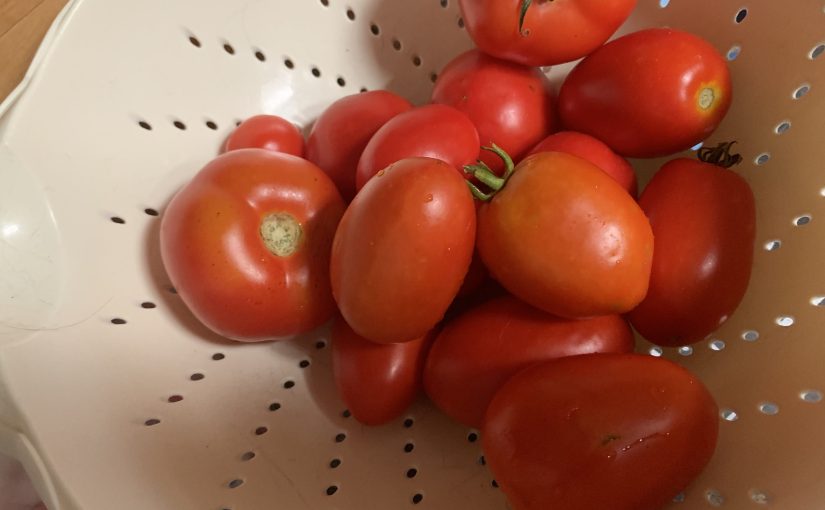
Food sources of the newly found meal plan that could alter the microbiomes in your gut and improve your cognition include seafoods, poultry and eggs, olive oil, leafy greens, avocados, tomatoes and common Mediterranean flavorings such as paprika, cumin, cinnamon, oregano, etc.

You can also eat nuts and seeds, high-fat dairies, low-carb fruits like berries and red meat but only in moderation, and limit intake of common keto food sources to help lower LDL cholesterol, such as coconut oil, butter, heavy cream and fatty cuts of red meat.

If possible, avoid foods such as grains, legumes, sugar, tubers and some fruits like apples, bananas and oranges.

Keto Help List

Here are some good tips to help you if you’re just getting started. Hope it helps:)!

Keep it simple. Download Carb manager app and don’t forget to take your electrolytes! and don’t waste your money to buy keto pills!

No fruit, unless it’s berries in moderation

No wheat

No sugar

No grains

No pasta

No potatoes

No rice

No beans

No starches

No milk as it’s loaded with sugar. ( unsweetened almond milk is recommended.)

Meat, cheese, eggs, vegetable, nuts, and healthy fats. It’s simple. Stick to that, and you should be ok!

Vegetables that should be avoided are :

Sweet potatoes

Corn

Peas

Potatoes

Carrots – can be used in moderation, just don’t go over board.

They are full of starches and not recommended.

Make sure to drink half your body weight In oz of water as well if you aren’t getting the adequate amount of water it can be bad for your kidneys! This applies for all forms of keto.

Do not forget your electrolytes, they are needed daily.

A good form of electrolytes is:

Pickle juice

Pink Himalayan salt added to your food

Strict keto – counts all macros, does not eat processed foods.

Dirty keto – doesn’t track all macros, still eats processed foods, as long as they are on plan

Macros are a break down of the calories you intake for the day. Which should be :

5% carbs

20% protein

75% fat

Carbs are a limit – try not to go over your carb limit.

Fat is a lever – you don’t have to meet your fat macro, it’s simply there to help you get full.

Protein is a goal- try your best to reach your protein goal, but try not to go over. Excessive amounts of protein can cause you to stall in weight loss.

Anything other than this food group selection would be considered low carb. Also, if you are in ketosis, and eat outside of this food group not only could it take you out of ketosis, but it could spike your blood sugar! Which can make you sick.

Hope this helps. 😊

A Keto Helper: The FREE 28 Day Meal Plan With Recipes,Macros & Shopping List

https://www.guideforketodiet.com/2018/11/a-keto-helper-free-28-day-meal-plan.html

Laugh a Little