Ramadan~Did You Know?

14 Ways Ramadan Is Celebrated

Ramadan, the most sacred month of the Islamic calendar, is observed annually by a majority of the world’s 1.8 billion Muslims. And not only is the holy month marked by strict fasting from sunrise to sunset, it’s also a time for prayer, reflection, introspection, and charitable acts. Though the month of Ramadan is marked by full days of fasting—yes, that includes water—it’s a joyous occasion for celebrating and re-connecting with God for those who adhere to the Islamic faith. Curious how exactly Muslims spend the month of Ramadan?

1. You don’t eat or drink anything from sunrise to sunset.

For the month of Ramadan, Muslims refrain from eating or drinking anything from dawn until sunset. This fast is all about spiritual and physical discipline and cleansing the mind and body. The practice is mandatory for all adult Muslims to save for those who are traveling, sick, pregnant, breastfeeding, menstruating, or have a health condition like diabetes that would prevent them from being able to fast safely. In other words, if fasting will adversely affect your health or cause undue suffering, then you are exempt from it until your condition improves

2. You abstain from gossiping, cursing, complaining, and arguing.

Ramadan is not just about fasting from food and water; it is also about fasting from bad deeds. Instead of gossiping about others, it’s about focusing on yourself; instead of cursing, it’s about exercising restraint; instead of complaining, it’s about exercising patience; and instead of arguing, it’s about communicating more calmly and productively. The key is to be more intentional and deliberate with each thought, conversation, and action. 

3. You also abstain from self-indulgences.

While pre-marital sex is forbidden in Islam always, even married couples are not allowed to have sex from sunrise to sunset during the holy month. The idea is that practicing self-control and restraint in this regard enables you to focus on yourself and your spiritual growth. Other things that are banned from sunrise to sunset include smoking and chewing gum.

4. You wake up extra early to eat.

Suhoor or sehri (among other names) is the morning meal Muslims eat before beginning their fast at dawn. The types of food people have for suhoor vary depending on their culture and their family—but since this is the only meal a person will have until sunset, complex carbs and something high in protein are typically included in order to prolong feelings of fullness. And of course, there is water—lots and lots of water.

5. You break fast with dates.

Iftaar is the evening meal with which Muslims end their daily fast. While you can break your fast with any food or drink item, Muslims around the world typically break it with a date to keep with tradition advised by the Prophet Muhammad. After eating a date and drinking some water, Muslims will dive into the actual evening meal, which can include everything from samosas to chicken stew.

6. You read the Qu’ran.

Ramadan is a time during which Muslims aim to re-connect with the Qu’ran, the holy book central to the Islamic faith. Since the Qu’ran has 30 chapters, many people will try to read one chapter per day during Ramadan, while others will read the entire book multiple times over the course of the month. The idea is not just to recite the Qu’ran but also to study it, make meaning of it, and implement some of its teachings into one’s own life.

7. You perform additional nightly prayers.

Every night during Ramadan, Sunni Muslims add additional prayers called tarawih into their routine. There are 29 or 30 days of Ramadan and 30 chapters of the Qu’ran, so at a Sunni mosque, the imam, or prayer leader, will read approximately one chapter per night until the entire book has been covered. Tarawih happen some time after salat al-isha, the night prayer, and before dawn.

8. You reflect.

Ramadan is all about reflection. Throughout the month, you are meant to contemplate your relationship with God and ponder what kind of person you want to be. The holy month is also about practicing gratitude. By refraining from eating and drinking for a prolonged period of time, the goal is to put yourself in the shoes of those less fortunate who may feel those pangs of hunger on a daily basis, even when it’s not Ramadan. By experiencing this firsthand, you might just find yourself more compassionate, more empathetic, and even more giving.

9. You learn.

Ramadan is a time of learning, engaging, and seeking knowledge. As such, local mosques and community leaders host classes and seminars all month long

10. You perform charitable acts.

In Islam, charity is a much broader concept with a spiritual component. Therefore, not only is donating money or giving away tangible goods considered charitable but so is every good deed done selflessly for someone else. The idea is that you do not have to possess material items in order to be a charitable person.

11. You prepare for Eid al-Fitr.

Eid al-fitr, or the Festival of Breaking the Fast, is the religious celebration that marks the end of Ramadan. Traditionally, Eid—as it’s also known—is a three-day celebration spent with family and friends, often commemorated with large feasts and gifts.

12. You decorate.

For Ramadan and Eid al-Fitr, decorations can range from lanterns and lights to the Instagram-famous crescent moon Ramadan trees. You can even buy ornaments with Islamic sayings to adorn these trees, just like a Christmas fir!

13. You enjoy unique food and beverages.

Depending on the culture and specific household, different food and drink items might only appear during the holy month. For many Muslim families, for example, dates are only eaten during the month of Ramadan. And in South Asia and the Middle East, fruit salad and Vimto (a sweet purple soft drink from the U.K.) respectively are daily iftaar staples that are seldom seen in stores once Ramadan has ended.

14. You spend time with family and friends.

With endless iftaar gatherings, Ramadan is an extremely social time for many Muslims. Since Ramadan is also a time for community building and forging friends, Muslims will often eat with people they aren’t well acquainted with at their local mosques during this breaking of the fast. Some people even have early a.m. suhoor parties, during which they feast on copious amounts of food with friends before the sun rises. 1. You don’t eat or drink anything from sunrise to sunset. For the month of Ramadan, Muslims refrain from eating or drinking anything from dawn until sunset. This fast is all about spiritual and physical discipline and cleansing the mind and body. The practice is mandatory for all adult Muslims to save for those who are traveling, sick, pregnant, breastfeeding, menstruating, or have a health condition like diabetes that would prevent them from being able to fast safely. In other words, if fasting will adversely affect your health or cause undue suffering, then you are exempt from it until your condition improves.

Slide 2 of 15: For the month of Ramadan, Muslims refrain from eating or drinking anything from dawn until sunset. This fast is all about spiritual and physical discipline and cleansing the mind and body. The practice is mandatory for all adult Muslims save for those who are traveling, sick, pregnant, breastfeeding, menstruating, or have a health condition like diabetes that would prevent them from being able to fast safely. In other words, if fasting will adversely affect your health or cause undue suffering, then you are exempt from it until your condition improves.
https://www.msn.com/en-us/lifestyle/mind-and-soul/14-ways-ramadan-is-celebrated/ss-AAAREmQ?ocid=spartandhp&fullscreen=true#image=2

    Body Fat…

    What’s Body Fat Percentage, and How Is It Measured?

    “Your body fat percentage represents the total amount of fat mass you have,” explained NASM-certified personal trainer and POPSUGAR Assistant Fitness Editor Tamara Pridgett. This is a combination of two different types of fat: essential body fat and storage fat. Essential fat is needed to protect your organs and joints, to keep you warm, and to help with reproduction. Storage fat is stored energy in the form of adipose tissue, and it’s the fat people tend to see on their bodies.

    You can have your body fat percentage measured by taking skinfold measurements, which aren’t too accurate, even if taken by a professional. Gyms also can have you use an InBody machine that’s similar to stepping on a scale. It sends a bioelectrical current throughout your body, measuring body fat percentage. This also isn’t the most accurate.

    A DEXA scan or a BodPod test are two of the most accurate ways to measure body fat percentage. These are usually only offered at specialized clinics and are pricey – around $250 to $300. What’s helpful about these in terms of your six-pack showing is that they can break down the exact percentages of where fat is distributed throughout your body.

    What Body Fat Percentage Do I Need to See My Abs?

    Many trainers agree that it’s difficult to give a specific percentage of body fat that allows for abdominal visibility. Certified personal trainer Virginia Kinkel, who has been operating and analyzing DEXA scans for five years, said that where you store fat, how much fat, and how much muscle you have will determine whether or not your abs show. “Two people with the exact same body fat percentage can store it completely differently. One person may have abs, one person may not,” she said.

    Although there isn’t one specific body fat percentage you need to see abs since everyone’s fat is distributed differently, there is a body fat percentage range you can aim for. NSCA-certified personal trainer, chiropractor, and owner of Movement Upgraded Ryan Hosler said that for men, if you’re around six to 17 percent body fat, your abs should be noticeably visible. For women, the range is 14 to 24 percent body fat. Definition will start to show on the higher end (17 percent for men, 24 percent for women), and your abs will become more sculpted as that number lowers.

    How Can I Lower My Body Fat Percentage?

    Unfortunately, you can’t spot-reduce fat from your belly. You need to reduce your overall body fat percentage, which will diminish fat from all over, including your stomach. You can do this by doing two main things: One, eating a healthy diet including eating in a moderate calorie deficit, limiting the processed carbs and sugar. And two, working out with a combination of weight training and high-intensity interval training.

    A Warning About Low Body Fat Percentage

    Oftentimes, we can focus heavily on achieving a specific body fat percentage. This can be important for those managing weight-related chronic disease like heart disease and diabetes. But registered dietitian Rachel Fine, MS, RD, CDN, owner of To the Pointe Nutrition, who specializes in sports nutrition, warns that it’s critical to make sure that whatever body fat percentage you’re aiming for, you make sure it still allows for your body’s basal metabolism to function properly.

    “Oftentimes, I will see athletes strive for extremely low body fat percentage, which cause hormonal disruptions that impair long-term health and performance,” she explained. “The body’s fat stores act as a direct moderator for several hormones, including bone building and appetite regulators. Without enough body fat, we risk a future of brittle bones and chronic hunger.”

    Forget Body Fat Percentage!

    “Having abs that are visible is not actually the best indicator of health or fitness,” added NSCA-certified trainer Jay Perkins, head coach at KOR Strength and Conditioning. The level of leanness required to have abs show can be unhealthy for women in particular, which may cause disruptions in their hormonal balance and menstrual cycle if they are below 20 percent body fat.

    While there’s nothing wrong with wanting a flat stomach or visible abdominal muscles, it shouldn’t come at the expense of your health.

    https://www.msn.com/en-us/health/fitness/what-body-fat-percentage-do-you-need-to-see-abs-experts-have-the-answer/ar-AABg5QZ?ocid=spartanntp

    a group of people posing for the camera: What Body Fat Percentage Do You Need to See Abs? Experts Have the Answer

    © Getty / yoh4nn What Body Fat Percentage Do You Need to See Abs? Experts Have the Answer

    Yoga Poses For Osteoporosis

    One of the biggest concerns people begin to have as they age is osteoporosis. Just the thought of the bones breaking owing to even a nudge is painful, imagine going through it! Is yoga good for osteoporosis? Research states that yoga can help reduce the symptoms of osteoporosis or even reduce the condition. Let us dig a little deeper and figure out the connection between yoga and osteoporosis.

    What Is Osteoporosis?

    Osteoporosis is a degenerative disease. In this condition, the bones are weakened, and you are at a constant risk of having fractured bones. People have the highest bone density in their early 20s. As you age, the bone mass reduces due to various reasons. When there is too much breakdown of the bones and too little is built back, the bones tend to get brittle, resulting in fractures. Low levels of estrogen in women, low testosterone levels in men, lack of calcium, and vitamin D, sedentary lifestyles – all of these can be causes of osteoporosis.

    Yoga is a sort of strength training that helps you balance and align your body the right way. When your body is properly aligned, and you can balance, you automatically reduce probable injury. The standing poses strengthen your hips, which are sometimes the most affected by osteoporosis. Mild back bends build strength in the spine and decompress the vertebrae. Yoga also improves the circulation of blood in the body, which means better absorption of nutrients. But to benefit from yoga for osteoporosis, you have to practice it for 30 days at least five days a week. Having said this, you should not overdo the practice either. Start slowly with simple asanas, and then increase the time and the level of difficulty as you progress. You will notice significant changes eventually. But beware of some yoga poses to avoid with osteoporosis! You must consult your doctor before you begin yoga. You should also speak to your yoga instructor about your condition before you start practicing.

    7 Powerful Asanas In Yoga For Osteoporosis

    Also Known As – Padahastasana, Hasta Padasana, Standing Forward Bend

    Benefits – This asana stretches, tones, and strengthens the bones in the lower spine, legs, and hips. It also ensures that every part of the body is oxygenated and balanced. It works on the reproductive system and improves hormonal imbalances. Just ease into the asana. Do not push yourself too much when you begin, or else you will be left with an injury. With practice, you can progress.

    2. Virabhadrasana II

    4. Utthita Parsvakonasana

    7. Urdhva Dhanurasana

    Also Known As – Chakrasana, Wheel Pose, Upward Facing Bow Pose

    Mystery Blogger Award Accepted❤️

    Here are the Rules for the Award Nominees:

    Put the award logo/image on your blog.List the rules.Thank whoever nominated you and provide a link to their blog.Mention the creator of the award and provide a link as well.Tell your readers 3 things about yourself.You have to nominate 10-20 people.Notify your nominees by commenting on their blog.Ask your nominees any 5 questions of your choice; with one weird or funny question.Share a link to your best posts.

    The creator of this award, Okoto Oke Enigma, whose blog site is www.okotoenigmasblog.com


    Ok, here are the questions for me to answer…

    What subject most piques your interest?

    Music therapy, I would of loved to had taken this degree in my earlier years. I believe it is very beneficial to some people.

    What is your favorite food?

    My favorite as a kid was…

    Spaghetti, my mom’s homemade slaw, and potato salad she would make.

    As a teen…

    Hotdogs, lasagna, homemade veggie soup

    As an adult….

    Salmon

    Fish

    Tomatoes

    My homemade slaw, potato salad, and food.

    Kind of pickier now.

    Are you a cat, dog, or no pets person?

    Both cat and dog.

    Do you know how to drive a manual transmission car?

    I never drive a straight drive button one occasion. I love just getting in a car and starting it up and driving. Not big on having to change gears. Manual, no.

    What is your favorite song or poem?
    Favorite poem…

    If by Rudyard Kipling. I know it by heart. Had to learn it in 9th grade.

    Favorite song…not really one song is.

    But….

    The House That Built Me by Miranda Lambert.

    Set Fire To The Rain by Adele.

    Somewhere Over the Rainbow 🌈

    And so many more….

    Thank you https://thoughtsaboutthings.net/2019/05/10/mystery-blogger-award/ for nominating me for this award. I really appreciate it.❤️


    I nominate…

    stevescountry

    Very nice and genuine writer.

    http://sonofabeach96.wordpress.com/

    I enjoy his site.

    Nirant Gurav

    Faithful follower of my log and a good writer friend here.

    https://shortprose.blog/

    Faithful follower of my blog and a good writer.


    My questions should you accept this nomination are…

    1- what could you do to make our world a better place?

    2- do you like music and if not why? If so why?

    3- what did or do you want to accomplish in the rest of your life?

    4- who is your ”hero” and why?

    5- tell useonething about you that you have never shared…

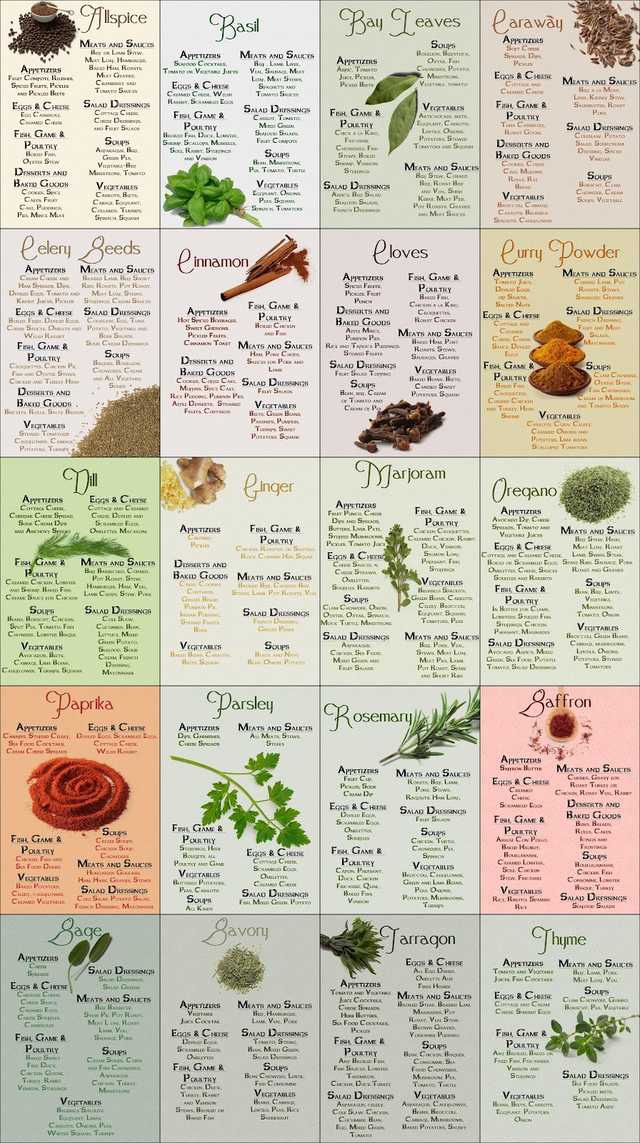
    Spices Info

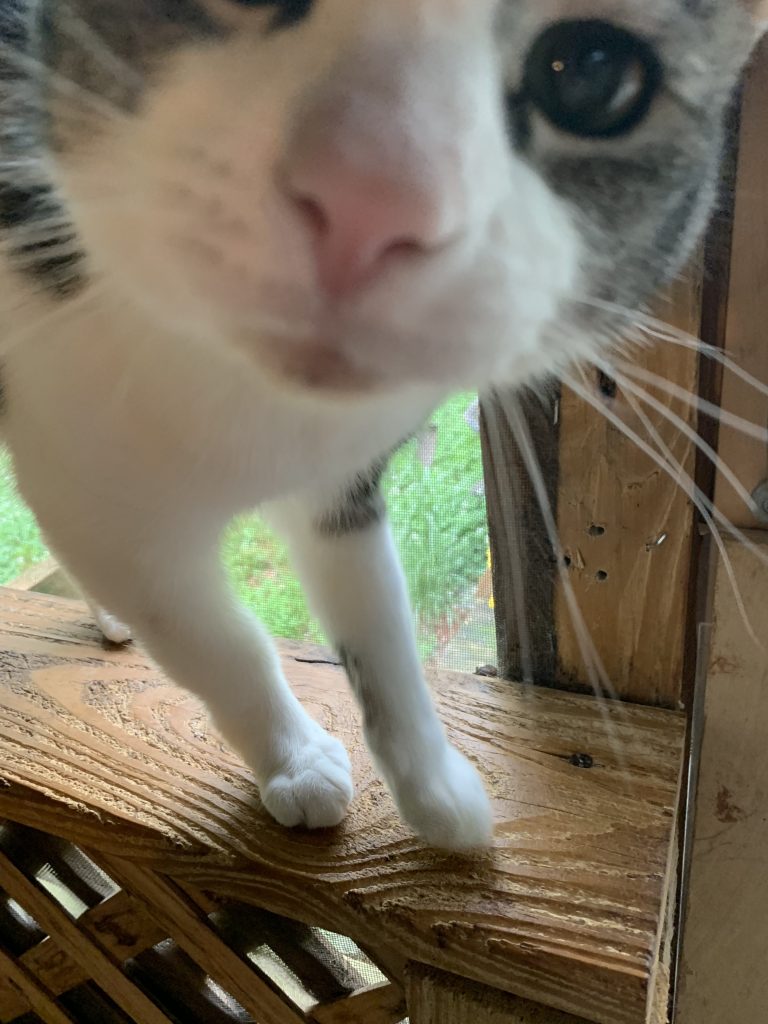
    Photo Share

    Sky marks from jets or planes.
    My garden…some of it. My Clover patch, purposely left to grow.

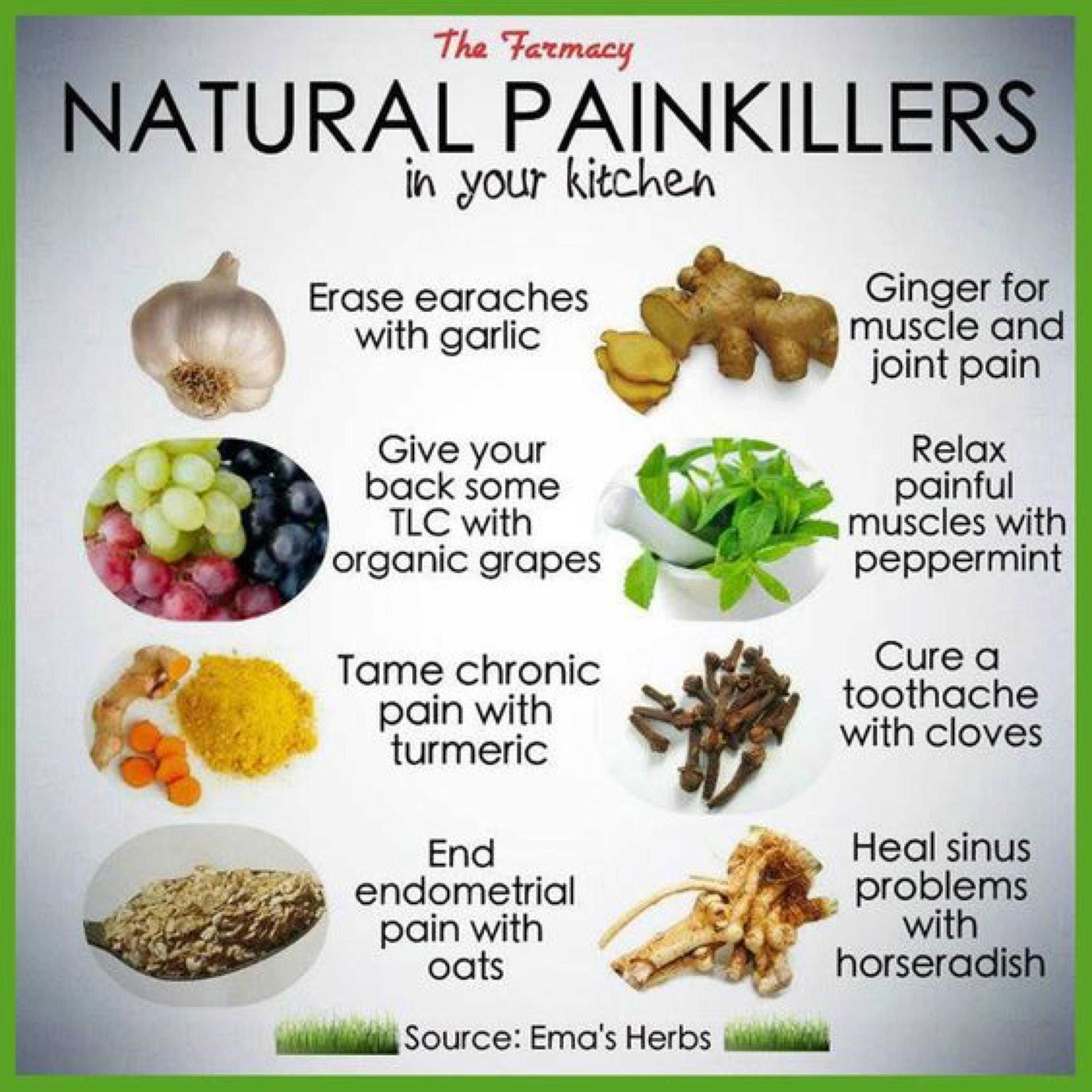
    Natural pain killers

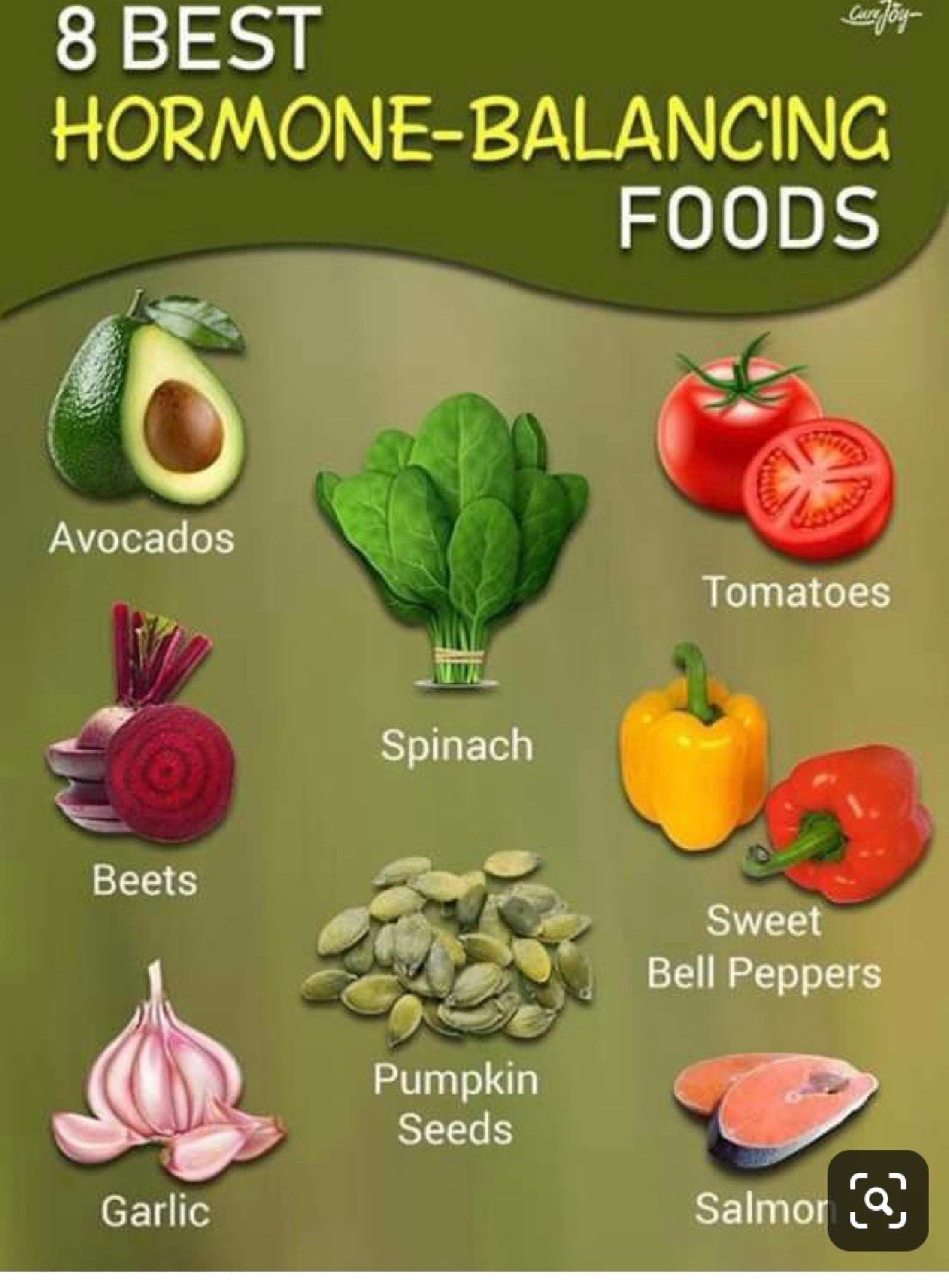
    Hormone Balancing Foods